
Optical Coherence Tomography in Percutaneous Coronary Intervention
Submission Deadline: 15 Jun 2025
Guest Editor

Special Issue Information
Dear Colleagues,
Intracoronary optical coherence tomography (OCT) is a high-resolution, infrared light-based imaging modality that can provide important information regarding the morphological characteristics of atherosclerotic plaques, as well as the effect of percutaneous coronary intervention (PCI). Specifically, OCT allows qualitative and quantitative assessment of microstructures such as the fibrous cap, lipid core, macrophages, calcium, cholesterol crystals, thrombus, and more. It has also been used in PCI for procedural guidance, guiding device selection for lesion preparation, providing quantitative measurements for sizing, and assessing stent expansion and PCI-induced vascular trauma. Moreover, OCT can provide useful information regarding the patho-mechanisms involved in stent failure. Recent evidence shows that OCT guidance in PCI may be associated with improved outcomes.
The current issue welcomes submissions on subjects that include, but are not restricted to:
- the role of OCT in procedural guidance
- the use of OCT in the assessment of stent failure
- OCT guidance in specific lesion subsets (bifurcations, calcified lesions, etc.)
- insights into the mechanisms of atherosclerosis obtained by OCT
- recent developments in intracoronary OCT imaging
Ass. Prof. Antonios Karanasos
Guest Editor
Keywords
- optical coherence tomography
- intravascular imaging
- coronary stents
- atherosclerosis
- plaque
- percutaneous coronary intervention
Manuscript Submission Information
Manuscripts should be submitted via our online editorial system at https://imr.propub.com by registering and logging in to this website. Once you are registered, click here to start your submission. Manuscripts can be submitted now or up until the deadline. All papers will go through peer-review process. Accepted papers will be published in the journal (as soon as accepted) and meanwhile listed together on the special issue website.
Submitted manuscripts should not have been published previously, nor be under consideration for publication elsewhere (except conference proceedings papers). All manuscripts will be thoroughly refereed through a double-blind peer-review process. Please visit the Instruction for Authors page before submitting a manuscript. There is an Article Processing Charge (APC) for publication in this open access journal. For details about the APC please see here. Submitted manuscripts should be well formatted in good English.
Published Papers (7)
Rev. Cardiovasc. Med. 2025, 26(11), 43321; https://doi.org/10.31083/RCM43321
(This article belongs to the Special Issue Optical Coherence Tomography in Percutaneous Coronary Intervention)
Rev. Cardiovasc. Med. 2025, 26(11), 41098; https://doi.org/10.31083/RCM41098
(This article belongs to the Special Issue Optical Coherence Tomography in Percutaneous Coronary Intervention)
Rev. Cardiovasc. Med. 2025, 26(8), 38123; https://doi.org/10.31083/RCM38123
(This article belongs to the Special Issue Optical Coherence Tomography in Percutaneous Coronary Intervention)
Rev. Cardiovasc. Med. 2025, 26(7), 39210; https://doi.org/10.31083/RCM39210
(This article belongs to the Special Issue Optical Coherence Tomography in Percutaneous Coronary Intervention)
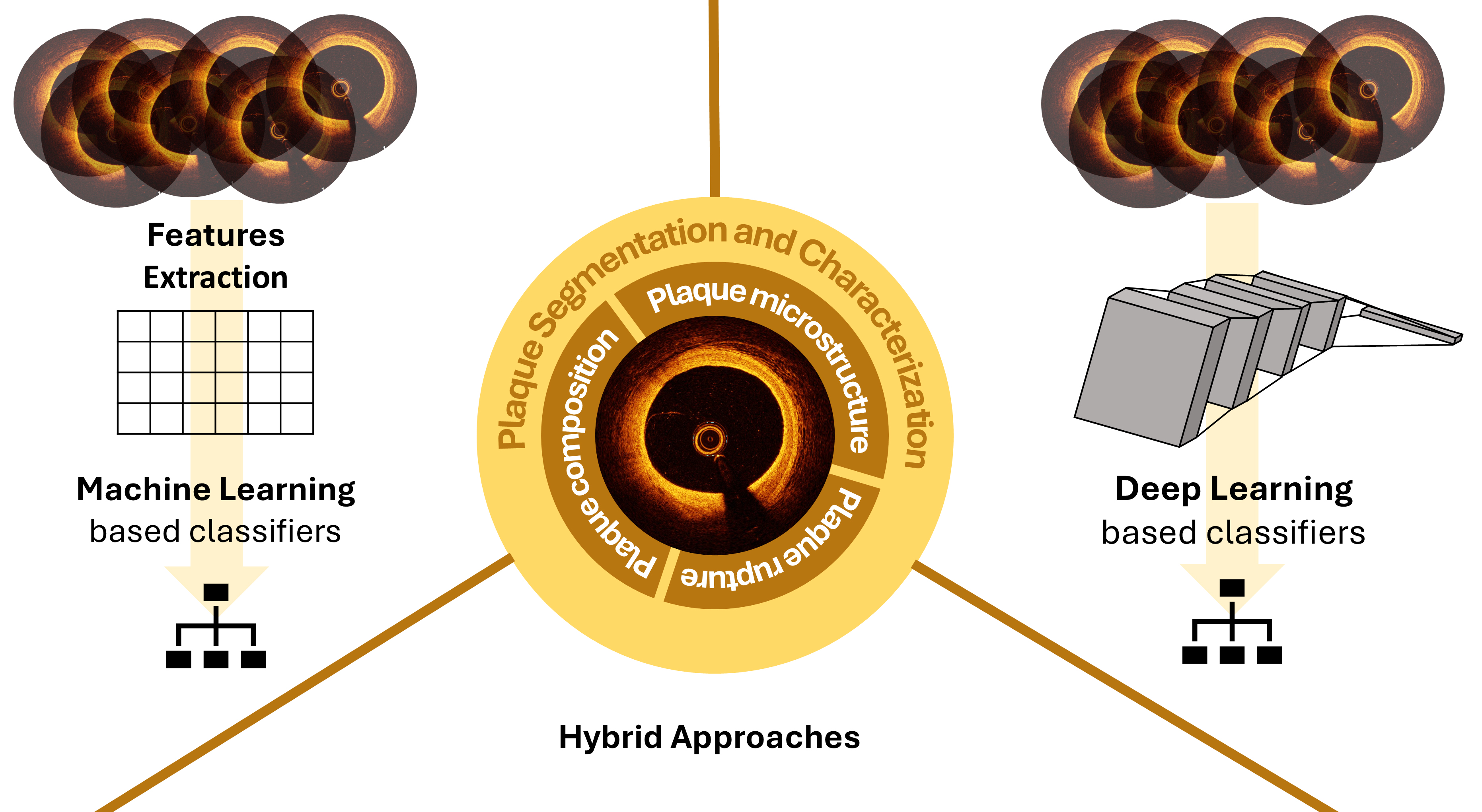
Rev. Cardiovasc. Med. 2025, 26(4), 28167; https://doi.org/10.31083/RCM28167
(This article belongs to the Special Issue Optical Coherence Tomography in Percutaneous Coronary Intervention)
Rev. Cardiovasc. Med. 2024, 25(12), 445; https://doi.org/10.31083/j.rcm2512445
(This article belongs to the Special Issue Optical Coherence Tomography in Percutaneous Coronary Intervention)
Rev. Cardiovasc. Med. 2024, 25(12), 444; https://doi.org/10.31083/j.rcm2512444
(This article belongs to the Special Issue Optical Coherence Tomography in Percutaneous Coronary Intervention)