Traumatic Brain Injury: Mechanisms of Pathogenesis and Therapeutic Interventions
Submission Deadline: 31 Dec 2023
Guest Editor

Laboratory of Central Nervous System Injury and Molecular Therapy, Hackensack Meridian JFK University Medical Center, JFK Neuroscience Institute, NJ, Edison, USA
Interests: traumatic brain injury; spinal cord injury; neuroinflammation; neurodegeneration; molecular biology; peptide therapy; gene therapy
Special Issue Information
Dear Colleagues,
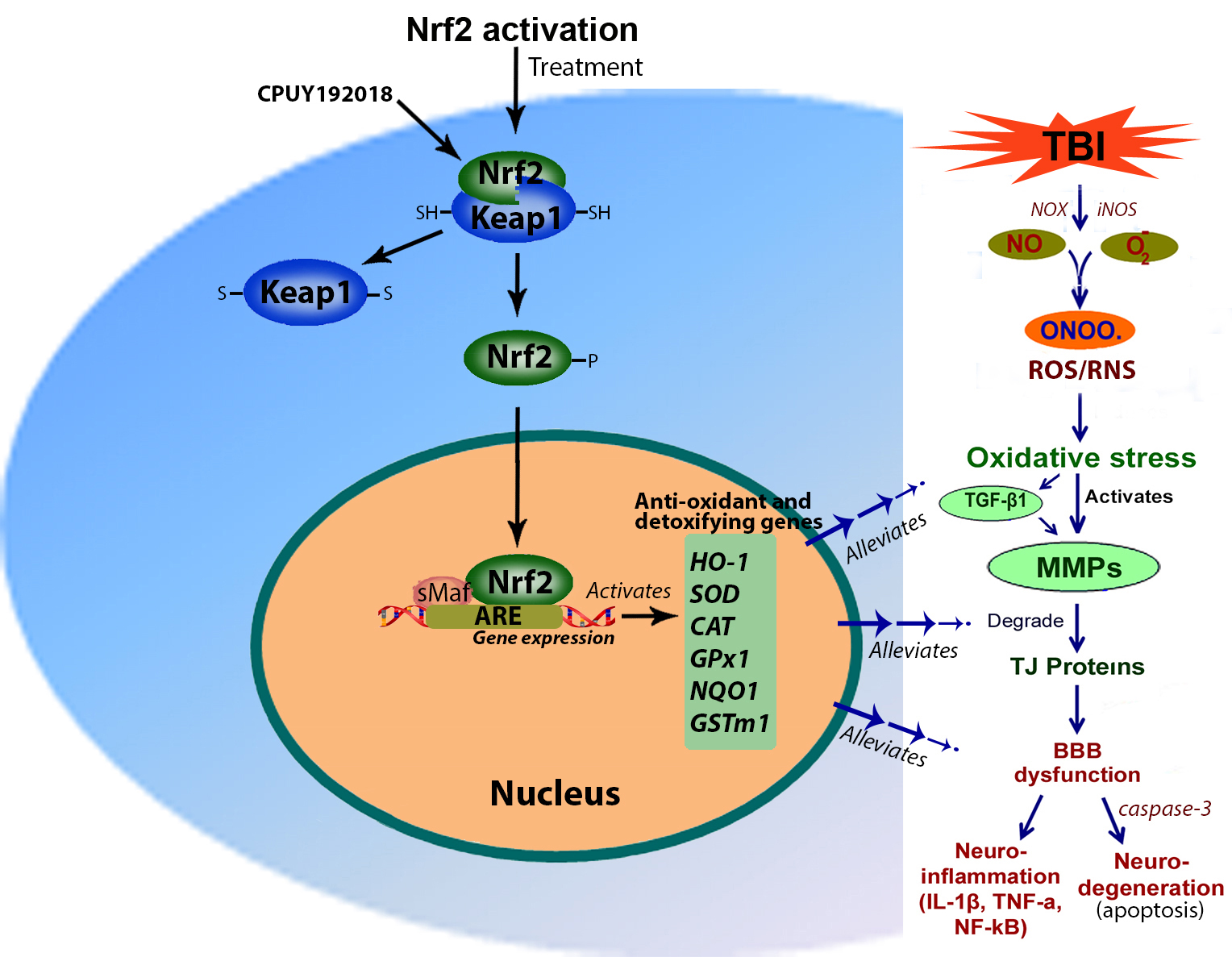
Traumatic brain injury (TBI) occurs when an external force traumatically injures the brain. This often leads to physical, cognitive, and/or emotional deficits. Based on the severity of the injury, TBI patients are typically categorized into mild, moderate, or severe by the Glasgow Coma Scale. TBI with a low level of injury is called mild TBI (mTBI), and it comprises approximately 80% of all TBI cases in the US. In mTBI, there is no visible brain damage, but the trauma causes changes in the pathophysiology of the brain and associated organs/systems, sometimes leading to death. Mild injuries often remain undiagnosed until they advance as secondary injuries, expressed as long-term neurological deficits. mTBI is known to trigger inflammatory cascades by increasing the level of cytokines and chemokines, which result in monocyte/leukocyte activation and infiltration, glial activation, neuronal and myelin loss, and ultimately long-term neurological deficits. In this topic, we welcome authors from any related basic and clinical fields to contribute original research articles in a growing effort to illustrate the mechanisms and pathogenesis of TBI and any therapeutic pharmacological, peptide, or gene therapy interventions. This topic will also aim to focus on the impact of the primary or secondary injury that progressively leads to sensory-motor and cognitive impairments. The main goal of this Special Issue is to provide the reader with a wide overview of current knowledge in the TBI field by compiling the underlying mechanisms of TBI-associated neurological disorders that have paramount importance for developing therapeutic interventions to treat TBI patients. Original research reports, review articles, communications, and perspectives are welcome in all areas pertinent to this topic.
P. M. Abdul-Muneer
Guest Editor
Keywords
- traumatic brain injury
- pathogenesis
- blood-brain barrier
- neuroinflammation
- neurodegeneration
- oxidative stress
- neuroprotection
- therapy
- sensory-motor deficiency
- cognitive impairments
Manuscript Submission Information
Manuscripts should be submitted via our online editorial system at https://imr.propub.com by registering and logging in to this website. Once you are registered, click here to start your submission. Manuscripts can be submitted now or up until the deadline. All papers will go through peer-review process. Accepted papers will be published in the journal (as soon as accepted) and meanwhile listed together on the special issue website.
Submitted manuscripts should not have been published previously, nor be under consideration for publication elsewhere (except conference proceedings papers). All manuscripts will be thoroughly refereed through a double-blind peer-review process. Please visit the Instruction for Authors page before submitting a manuscript. There is an Article Processing Charge (APC) for publication in this open access journal. For details about the APC please see here. Submitted manuscripts should be well formatted in good English.
Published Papers (3)
J. Integr. Neurosci. 2024, 23(4), 76; https://doi.org/10.31083/j.jin2304076
(This article belongs to the Special Issue Traumatic Brain Injury: Mechanisms of Pathogenesis and Therapeutic Interventions)
J. Integr. Neurosci. 2024, 23(2), 45; https://doi.org/10.31083/j.jin2302045
(This article belongs to the Special Issue Traumatic Brain Injury: Mechanisms of Pathogenesis and Therapeutic Interventions)
J. Integr. Neurosci. 2023, 22(4), 81; https://doi.org/10.31083/j.jin2204081
(This article belongs to the Special Issue Traumatic Brain Injury: Mechanisms of Pathogenesis and Therapeutic Interventions)