
Extracellular Vesicles: Recent Advances and Perspectives
Submission Deadline: 31 Jul 2026
Guest Editor

Special Issue Information
Dear Colleagues,
Extracellular vesicles (EVs) have emerged as critical mediators of intercellular communication and systemic regulation, fundamentally transforming our understanding of cell biology and disease progression. Far from being inert cellular byproducts, EVs carry bioactive molecules—including proteins, lipids, and RNAs—that can modulate gene expression, immune responses, and tissue remodeling. This Special Issue explores the most recent discoveries and provocative concepts redefining the landscape of EV research.
Beyond deepening our mechanistic understanding, the field is witnessing a rapid surge in translational momentum. EVs are at the center of next-generation therapeutic strategies, including cell-free regenerative medicine, immunotherapy, and targeted drug delivery. Clinical trials are now testing EVs in conditions such as osteoarthritis, cardiovascular disease, neurodegeneration, and cancer. Engineered EVs are also being developed as customizable delivery vehicles for RNA, CRISPR systems, and small-molecule drugs, offering new possibilities for precision medicine.
Concurrently, bold new hypotheses are challenging the classical views on EV biogenesis, function, and targeting. Concepts such as EV-mediated horizontal gene transfer, metabolic reprogramming, and organ-to-organ signaling are reshaping the way we think about systemic regulation and disease propagation.
This Special Issue brings together pioneering research and forward-looking perspectives that span from EV isolation and molecular profiling to synthetic biology and clinical translation. By spotlighting both foundational science and cutting-edge clinical applications, we aim to stimulate cross-disciplinary collaboration and catalyze the next wave of innovation in EV-based diagnostics and therapeutics.
Enrico Ragni
Guest Editor
Keywords
- extracellular vesicles
- intercellular communication
- regenerative medicine
- targeted drug delivery
- molecular profiling
- clinical translation
- synthetic biology
Manuscript Submission Information
Manuscripts should be submitted via our online editorial system at https://imr.propub.com by registering and logging in to this website. Once you are registered, click here to start your submission. Manuscripts can be submitted now or up until the deadline. All papers will go through peer-review process. Accepted papers will be published in the journal (as soon as accepted) and meanwhile listed together on the special issue website.
Submitted manuscripts should not have been published previously, nor be under consideration for publication elsewhere (except conference proceedings papers). All manuscripts will be thoroughly refereed through a double-blind peer-review process. Please visit the Instruction for Authors before submitting a manuscript. There is an Article Processing Charge (APC) for publication in this open access journal. For details about the APC please see here. Submitted manuscripts should be well formatted in good English.
Published Papers (2)
Front. Biosci. (Landmark Ed) 2026, 31(5), 50495; https://doi.org/10.31083/FBL50495 (registering DOI)
(This article belongs to the Special Issue Extracellular Vesicles: Recent Advances and Perspectives)
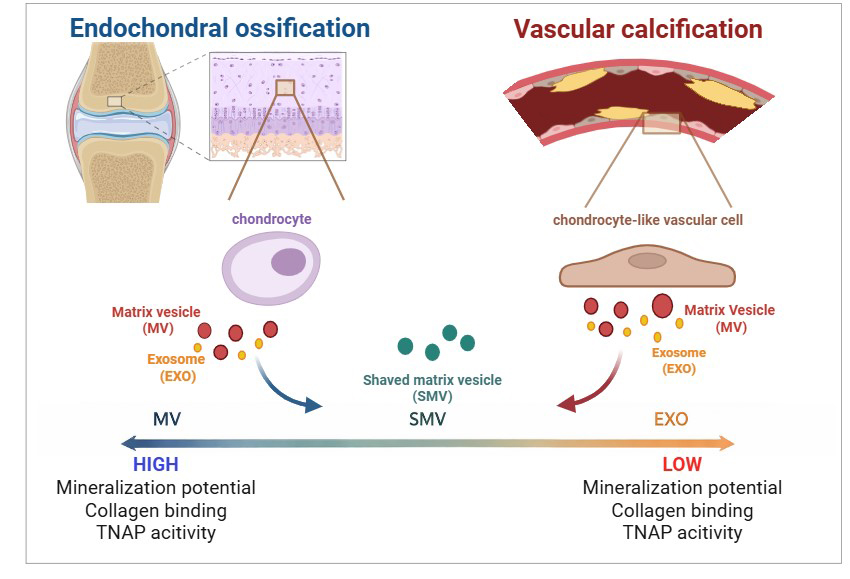
Front. Biosci. (Landmark Ed) 2025, 30(12), 47664; https://doi.org/10.31083/FBL47664
(This article belongs to the Special Issue Extracellular Vesicles: Recent Advances and Perspectives)