
Innovative strategies enhancing nutraceutical properties of vegetables, and aromatic-medicinal plants and mushrooms
Submission Deadline: 31 Dec 2021
Guest Editors

Department of Agricultural Sciences, University of Naples Federico II, Portici (Naples), Italy
Interests: Vegetable crops; Conventional farming; Organic management; Soilless growing; Fertilization; Biofortification; Microorganism inoculation; Light modification; Yield components; Quality indicators; Antioxidants; Mineral element composition; Residual biomass valorization

Federal Scientific Center of Vegetable Production, Odintsovo District, Vniissok, Selectsionnaya 14, Moscow 143072, Russia
Interests: Vegetable crops; Biofortification; Selenium, Iodine; Microorganism inoculation; Soil chemical analyses; Plant chemical analyses; Functional food; Quality indicators; Cholophylls; Antioxidants; Ascorbic acid; Carotenoids; Polyphenols; Flavonoids; Antocyanyns; Mineral element composition

Department of Horticulture, Faculty of Biotechnology and Horticulture, University of Agriculture, 31-120 Krakow, Poland
Interests: Reaction of horticultural crops to abiotic stress; The relationships between plants; Microorganisms and environment in horticultural ecosystems; Culinary and medicinal mushrooms; Biofortification and biostimulation of horticultural crops and mushrooms; Functional food; Biodiversity in horticulture
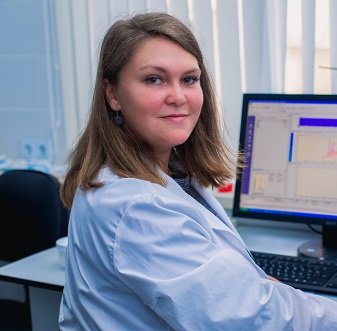
Laboratory of Natural Antioxidants, Institute of Living Systems, Immanuel Kant Baltic Federal University, Kaliningrad, Russia
Interests: Biofortification; Selenium; Plant and soil chemical analyses; Functional food; Quality indicators; Biological active compounds; Antioxidants; Ascorbic acid; Carotenoids; Polyphenols; Flavonoids; Antocyanyns
Special Issue Information
Dear Colleagues,
Vegetables, as well as aromatic-medicinal plants and mushrooms are very spread worldwide and subjected to the continuous search for innovative strategies aimed to make the management systems increasingly sustainable, mainly referring to the environmental protection, in order to get produce characterized by high nutraceutical and hygienic-sanitary properties. In the latter respect, the choice of effective innovative farming practices plays a pivotal role, thus drawing the scientific community attention and stimulating related research. Some examples of innovative strategies within the main crops systems, i.e. conventional, organic or soilless, are the following. Fertilization has a major impact on the quality and bioactive features of the food carried out, as all the essential macro- and micronutrients should be supplied in order to fulfill plant requirements for synthesizing and accumulating beneficial compounds and mineral nutrients. The use of beneficial microorganisms such as endophytic fungi (arbuscular mycorrhizal fungi, Trichoderma) or plant growth promoting bacteria, even interacting with those naturally present in the plants like the nitrogen-fixing symbiotic bacteria, may increase the plant and mushroom nutrient absorption, thus enhancing the produce quality and antioxidant properties. The biofortification with micronutrients, i.e. selenium, iodine, silicon and others, may encourage the plant and mushroom antioxidant synthesis.
Indeed, the several literature reports relevant to the present topics have not worked out all the issues arisen and, therefore, in this interesting field of research plenty of challenges should be addressed. In the latter respect, a remarkable attention should be paid to the interactive dynamics between nutrient uptake, plant and mushroom development and synthesis of antioxidants. The latter are essential plant secondary metabolites acting in plant growth as well as in plant–microbe, plant–plant and plant-environment relationships, whose presence in significant concentrations also allows to produce vegetables labeled as functional food.
In this special issue, we warmly welcome articles (original research, reviews, modeling approaches, perspectives, opinions) that focus on innovative strategies affecting production, quality, antioxidant compounds and activity, and mineral composition of vegetables as well as aromatic-medicinal plants and mushrooms grown in open field or greenhouse, carried out upon investigations regarding the interactions between agronomical, biochemical, physiological, microbiological and genetic topics.
Prof. Dr. Gianluca Caruso, Dr. Nadezhda A. Golubkina, Assoc. Prof. Agnieszka Sekara and Assoc. Prof. Liubov Skrypnik
Guest Editors
Keywords
- Vegetables
- aromatic-medicinal plants and mushrooms in open field
- Vegetables
- aromatic-medicinal plants and mushrooms in greenhouse
- Conventional farming
- Organic management
- Soilless growing
- Genotype
- Fertilization
- Biofortification
- Microorganism inoculation
- Irrigation
- Weed control
- Light modification
- Produce processing
- Nutrient uptake
- Nutrient metabolism
- Nitrogen fixation
- Mineral element composition
- Sugars
- Organic acids
- Proteins
- Antioxidant compounds
- Antioxidant activity
Manuscript Submission Information
Manuscripts should be submitted via our online editorial system at https://imr.propub.com by registering and logging in to this website. Once you are registered, click here to start your submission. Manuscripts can be submitted now or up until the deadline. All papers will go through peer-review process. Accepted papers will be published in the journal (as soon as accepted) and meanwhile listed together on the special issue website.
Submitted manuscripts should not have been published previously, nor be under consideration for publication elsewhere (except conference proceedings papers). All manuscripts will be thoroughly refereed through a double-blind peer-review process. Please visit the Instruction for Authors page before submitting a manuscript. There is an Article Processing Charge (APC) for publication in this open access journal. For details about the APC please see here. Submitted manuscripts should be well formatted in good English.
Published Papers (2)
Front. Biosci. (Elite Ed) 2022, 14(3), 20; https://doi.org/10.31083/j.fbe1403020
(This article belongs to the Special Issue Innovative strategies enhancing nutraceutical properties of vegetables, and aromatic-medicinal plants and mushrooms)
Front. Biosci. (Elite Ed) 2022, 14(1), 3; https://doi.org/10.31083/j.fbe1401003
(This article belongs to the Special Issue Innovative strategies enhancing nutraceutical properties of vegetables, and aromatic-medicinal plants and mushrooms)