
Ablation of Cardiac Arrhythmias in 2024 and Beyond
Submission Deadline: 31 Dec 2025
Guest Editor

Department of Medicine and Surgery, University of Insubria, Varese, Italy
Interests: cardiac arrhythmias; catheter ablation; electroanatomic mapping; atrial fibrillation; ventricular tachycardia; cardiovascular imaging; sudden cardiac death; simulation in interventional electrophysiology
Special Issue Information
Dear Colleagues,
Over the last 30 years, catheter ablation has become a safe and effective treatment for cardiac arrhythmias, with many hundreds of thousands of patients treated successfully every year. Since the early days, ablation helped to understand the pathophysiology of arrhythmias and in parallel improved the clinical outcomes. This therapeutic option has therefore substantially changed the management paradigm of cardiac arrhythmias in recent years. Its success has arisen from the development of specific techniques of interventional electrophysiology, together with increasingly sophisticated technologies. Currently, ablation represents the standard of care for several cardiac arrhythmias and incorporates hybrid approaches and new energy sources.
While this therapy is grounded in a knowledge solid base for several arrhythmias, there is still much to learn in regard to complex arrhythmias or clinical scenarios. Specific pathophysiologic and technical aspects require further investigation, as well as the pre-, intra-, and post-procedure management of patients affected by cardiac arrhythmias. This should allow further improvements in both procedural parameters and long-term clinical outcomes.
This special issue welcomes papers reporting original data on both technical and clinical aspects of arrhythmia ablation, as well as systematic reviews and meta-analyses on all aspects of this multifaceted field.
Prof. Roberto De Ponti
Guest Editor
Keywords
- arrhythmia ablation
- atrial fibrillation
- supraventricular tachycardia
- ventricular tachycardia
- cardiac mapping
Manuscript Submission Information
Manuscripts should be submitted via our online editorial system at https://imr.propub.com by registering and logging in to this website. Once you are registered, click here to start your submission. Manuscripts can be submitted now or up until the deadline. All papers will go through peer-review process. Accepted papers will be published in the journal (as soon as accepted) and meanwhile listed together on the special issue website.
Submitted manuscripts should not have been published previously, nor be under consideration for publication elsewhere (except conference proceedings papers). All manuscripts will be thoroughly refereed through a double-blind peer-review process. Please visit the Instruction for Authors page before submitting a manuscript. There is an Article Processing Charge (APC) for publication in this open access journal. For details about the APC please see here. Submitted manuscripts should be well formatted in good English.
Published Papers (5)
Rev. Cardiovasc. Med. 2026, 27(5), 49029; https://doi.org/10.31083/RCM49029
(This article belongs to the Special Issue Ablation of Cardiac Arrhythmias in 2024 and Beyond)
Rev. Cardiovasc. Med. 2025, 26(12), 43780; https://doi.org/10.31083/RCM43780
(This article belongs to the Special Issue Ablation of Cardiac Arrhythmias in 2024 and Beyond)
Rev. Cardiovasc. Med. 2025, 26(11), 44335; https://doi.org/10.31083/RCM44335
(This article belongs to the Special Issue Ablation of Cardiac Arrhythmias in 2024 and Beyond)
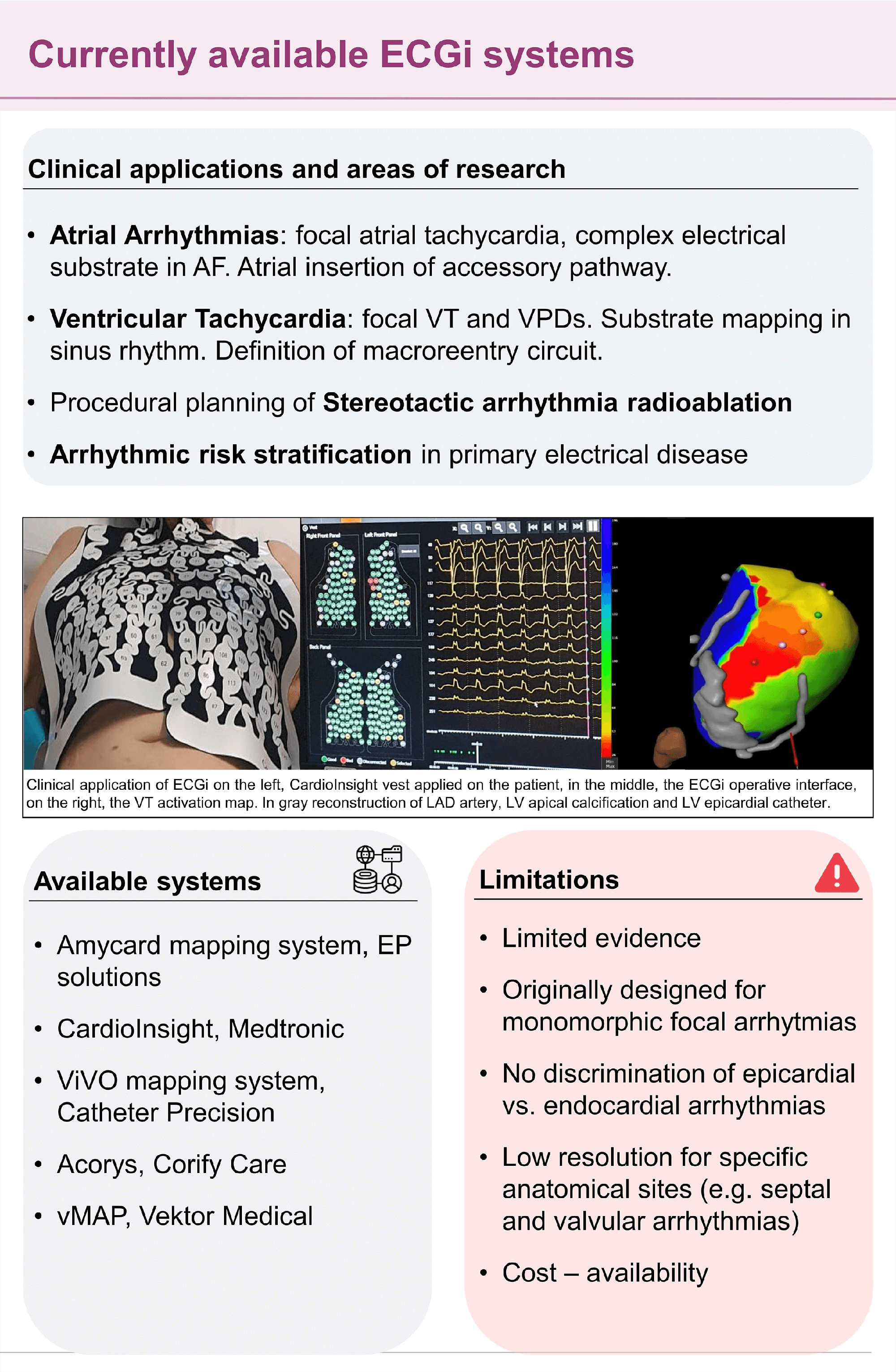
Rev. Cardiovasc. Med. 2025, 26(5), 36588; https://doi.org/10.31083/RCM36588
(This article belongs to the Special Issue Ablation of Cardiac Arrhythmias in 2024 and Beyond)
Rev. Cardiovasc. Med. 2025, 26(4), 36206; https://doi.org/10.31083/RCM36206
(This article belongs to the Special Issue Ablation of Cardiac Arrhythmias in 2024 and Beyond)