
Intravascular imaging and Cardiovascular intervention
Submission Deadline: 31 Oct 2022
Guest Editors

Department of Cardiology, University Hospital of Patras, Rion-Patras, Greece
Interests: coronary artery disease; platelets; anticoagulation therapy; acute coronary syndromes; radial access for coronary interventions-snuffbox access; primary prevention
Department of Cardiology, University Hospital of Patras, Rion-Patras, Greece
Interests: coronary artery disease; percutaneous coronary interventions; intravascular imaging; acute coronary syndromes; antiplatelets

Department of Cardiology, University Hospital of Patras, Rion-Patras, Greece,First Department of Cardiology, National and Kapodistrian University of Athens, Hippocration General Hospital
Interests: coronary artery disease; percutaneous coronary interventions; intravascular imaging; acute coronary syndromes; antiplatelets; structural heart diseases
Special Issue Information
Dear Colleagues,
Percutaneous coronary intervention (PCI) has a significant impact on the clinical course of patients with coronary artery disease, especially in the setting of acute coronary syndrome. Angiography is routinely used to guide PCI, however it has several limitations. Intravascular ultrasound (IVUS) and optical coherence tomography (OCT) are the most widely available intravascular imaging techniques and are increasingly used to overcome the limitations of coronary angiography. Both modalities provide a wealth of information that is important for PCI planning (lesion morphology, length, diameter), PCI outcome evaluation (stent expansion, stent apposition, edge dissection) and stent failure management. The implications of intravascular imaging for PCI optimization are further supported by clinical outcome studies. Nevertheless, intravascular imaging is still underutilized in everyday practice. Appropriate education and training with regard to image acquisition and accurate interpretation, together with knowledge of the strengths and limitations of IVUS and OCT, are essential for the successful application of these techniques in demanding settings including left main, bifurcation and chronic total occlusion PCI.
Assis. Prof. Grigorios Tsigkas, Dr. Athanasios Moulias and Dr. Anastasios Apostolos
Guest Editors
Keywords
- coronary artery disease
- percutaneous coronary interventions
- intravascular imaging
- IVUS
- OCT
Manuscript Submission Information
Manuscripts should be submitted via our online editorial system at https://imr.propub.com by registering and logging in to this website. Once you are registered, click here to start your submission. Manuscripts can be submitted now or up until the deadline. All papers will go through peer-review process. Accepted papers will be published in the journal (as soon as accepted) and meanwhile listed together on the special issue website.
Submitted manuscripts should not have been published previously, nor be under consideration for publication elsewhere (except conference proceedings papers). All manuscripts will be thoroughly refereed through a double-blind peer-review process. Please visit the Instruction for Authors page before submitting a manuscript. There is an Article Processing Charge (APC) for publication in this open access journal. For details about the APC please see here. Submitted manuscripts should be well formatted in good English.
Published Papers (7)
Rev. Cardiovasc. Med. 2023, 24(5), 131; https://doi.org/10.31083/j.rcm2405131
(This article belongs to the Special Issue Intravascular imaging and Cardiovascular intervention)
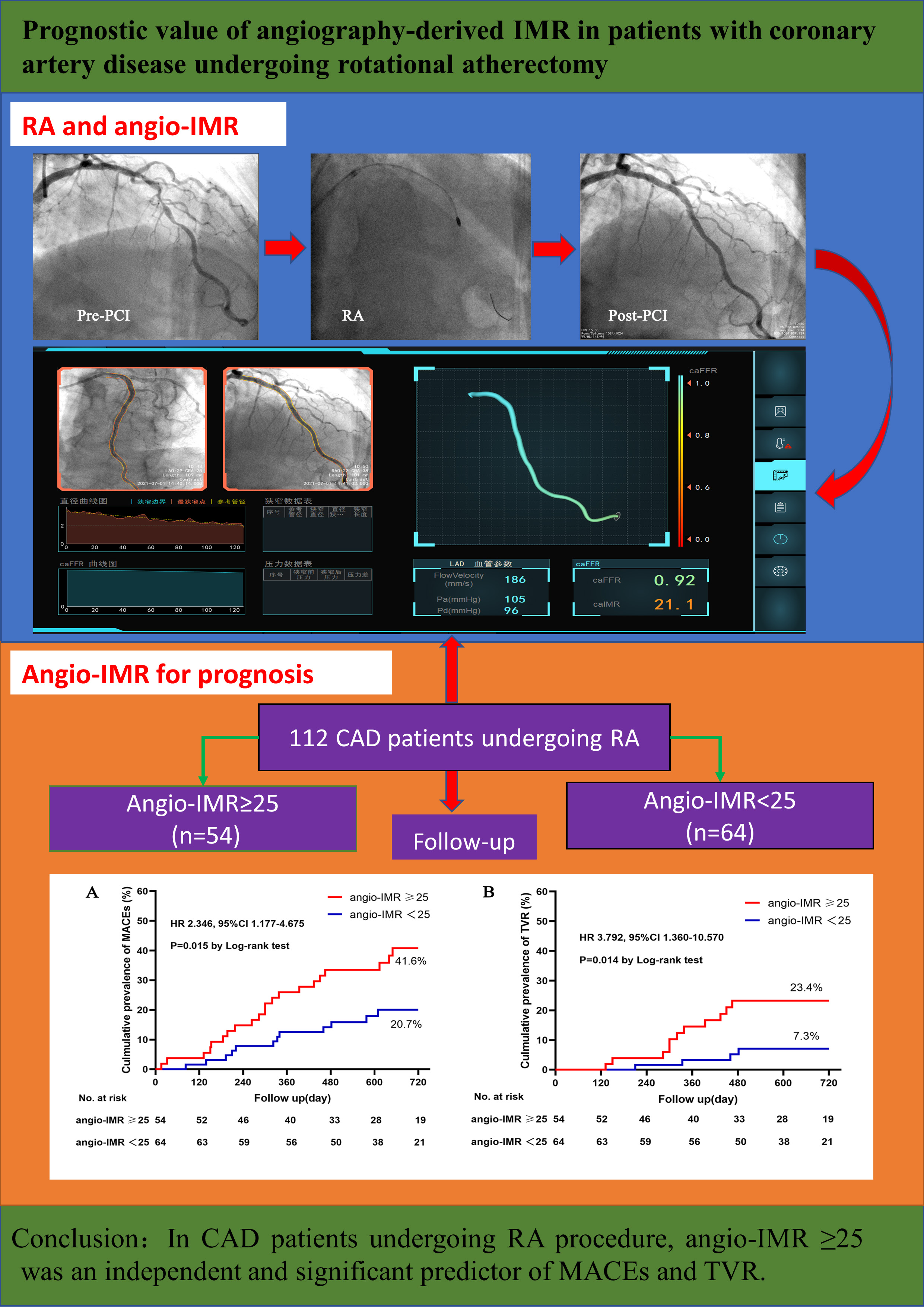
Rev. Cardiovasc. Med. 2023, 24(3), 93; https://doi.org/10.31083/j.rcm2403093
(This article belongs to the Special Issue Intravascular imaging and Cardiovascular intervention)
Rev. Cardiovasc. Med. 2023, 24(3), 88; https://doi.org/10.31083/j.rcm2403088
(This article belongs to the Special Issue Intravascular imaging and Cardiovascular intervention)
Rev. Cardiovasc. Med. 2023, 24(3), 76; https://doi.org/10.31083/j.rcm2403076
(This article belongs to the Special Issue Intravascular imaging and Cardiovascular intervention)
Rev. Cardiovasc. Med. 2023, 24(3), 72; https://doi.org/10.31083/j.rcm2403072
(This article belongs to the Special Issue Intravascular imaging and Cardiovascular intervention)
Rev. Cardiovasc. Med. 2022, 23(11), 361; https://doi.org/10.31083/j.rcm2311361
(This article belongs to the Special Issue Intravascular imaging and Cardiovascular intervention)
Rev. Cardiovasc. Med. 2022, 23(10), 342; https://doi.org/10.31083/j.rcm2310342
(This article belongs to the Special Issue Intravascular imaging and Cardiovascular intervention)