
The impact of Cardiovascular Rehabilitation for Cardiovascular Diseases
Submission Deadline: 15 Nov 2021
Guest Editors
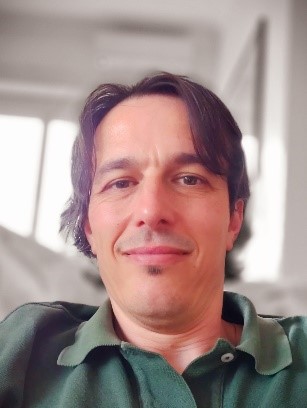
Fondazione Don Carlo Gnocchi Onlus (IRCCS)
Interests: Rehabilitation; Cardiovascular Reviews; Locomotion; Exercise; Neurmodulation; Motor Imagery

Medical Rehabilitation Sciences, King Khalid University, Saudi Arabia
Interests: Cardiopulmonary rehabilitation diabetes; Diabetic foot; Diabetic wound; Exercise training; Low-level laser therapy; Magnetic therapy; Shortwave diathermy
Special Issues in IMR Press journals
Special Issue in Utilizing Technology in the COVID 19 era
Special Issue in Current Role and Future Perspectives of Cardiac Rehabilitation in Heart Disease
Special Issue Information
Dear Colleagues,
Advances in a correct management of population health, over the past few decades, have led to an unprecedented increase in life expectancy, successfully exceeding 80 years. Most of these progresses largely depend on better diagnosis and treatment of cardiovascular disease (CVD). Long life, however, does not necessary mean better life. In fact, the senescence can be associated to an increase in disability, for the presence of comorbidities impacting the functional autonomy in the daily living.
The importance of the correct management of CVD and non-cardiovascular comorbidities is now emerging as the new target for clinicians. As well, the cardiovascular rehabilitation (CR), defined as a planned exercise training, risk-factor evaluation, limitation of dangerous habits and behavioural intervention (e.g. physical activity, vocational and nutritional counselling, psychosocial support) has demonstrated to significant improve the cardiorespiratory fitness and quality of life, in most of the CVD. One of the great challenges for implementing more personalized treatments and the clinical decision-making is to evidence the connection among CR and CVD.
Goal of this issue:
This special issue is aiming to develop the importance of Cardiovascular Rehabilitation, independently by Cardiovascular Diseases, examining:
(1) the impact on epidemiology, pathogenesis and biomarkers of CV rehabilitative interventions and its contribution to the correct management of CVD treatments;
(2) the co-management of concurrent conditions;
(3) the analyses of current evidence with narrative/systematic review and meta-analyses;
(4) the translation of emerging evidence, also by the use of innovative technologies and strategies;
(5) the service continuum of CR: teams, services in clinical settings, the rehabilitative programmes according the FITT principles (frequency, intensity, time, type of exercise);
(6) the targets of CR: the principles guiding the programmes of treatment and the key components, also in terms of International Classification of Functioning, the health continuum and its transition points.
Fusco Augusto and Dr. Snehil Dixit
Guest Editors
Keywords
- Cardiovascular disease
- Cardiovascular rehabilitation
- Exercise training
- Physical activity
Manuscript Submission Information
Manuscripts should be submitted via our online editorial system at https://imr.propub.com by registering and logging in to this website. Once you are registered, click here to start your submission. Manuscripts can be submitted now or up until the deadline. All papers will go through peer-review process. Accepted papers will be published in the journal (as soon as accepted) and meanwhile listed together on the special issue website.
Submitted manuscripts should not have been published previously, nor be under consideration for publication elsewhere (except conference proceedings papers). All manuscripts will be thoroughly refereed through a double-blind peer-review process. Please visit the Instruction for Authors page before submitting a manuscript. There is an Article Processing Charge (APC) for publication in this open access journal. For details about the APC please see here. Submitted manuscripts should be well formatted in good English.
Published Paper (1)
Rev. Cardiovasc. Med. 2021, 22(3), 903-910; https://doi.org/10.31083/j.rcm2203097
(This article belongs to the Special Issue The impact of Cardiovascular Rehabilitation for Cardiovascular Diseases)