
Mechanisms of Control and Inhibition of Genes in Most Aggressive Tumors: Pathways, Targets and Treatments
Submission Deadline: 31 Aug 2023
Guest Editors

Peoples’ Friendship University of Russia (RUDN University), 6 Miklukho-Maklaya Street, Moscow, Russian
Interests: neurosurgery; neurology; healthcare organization; biomedical materials; information technologies in medicine

Ilgiz Gareev PhD
Peoples’ Friendship University of Russia (RUDN University), 6 Miklukho-Maklaya Street, Moscow, Russian
Interests: Neurology; Neurosurgery; Biomedical Science; Health Care Organization; Biomedical Materials; Information Technology in Medicine
Special Issue Information
Dear Colleagues,
Most aggressive tumors are characterized by a highly invasive phenotype and are resistant to traditional methods of treatment, namely chemotherapy and radiotherapy. In addition, some tumors lack the expression of potential therapeutic targets. This is a case of pancreatic cancer, glioblastoma, osteosarcoma, melanoma, clear cell renal cell carcinoma, prostate cancer, and advanced ovarian cancer. Unfortunately, these patients have a low survival rate, and most of the available drugs are ineffective. Most aggressive tumors arise from alterations in the DNA sequence of genes, as well as from epigenetic changes. Both changes induce the activation of oncogenes or the inactivation of tumor-suppressor genes, leading to evasion of growth suppressor function, resistance to apoptosis, uncontrolled cell cycle, immune evasion as well as increased invasive and metastatic potential. Clinical and preclinical studies have led to a number of advances in the treatment of oncological diseases, which has led to an increase in patient survival. However, treatment strategies for most aggressive tumors remain largely unchanged, with no significant improvements. For instance, in a new era of targeted therapies, epigenetic therapies are emerging as a potential approach to treating most aggressive tumors, offering these patients new hope. All this is a topic of paramount importance in medicine for the development of effective individual drugs that target a specific type of tumor at the molecular level.
The sub-topics to be covered within the issue should be provided:
Epigenetic modifications, signaling pathways and factors
Most aggressive tumors: pancreatic cancer, glioblastoma, osteosarcoma, melanoma, clear cell renal cell carcinoma, prostate cancer, and advanced ovarian cancer
Search for new target genes for targeted therapy
The role of molecular diagnostic methods in assessing the effectiveness of therapy
Dr. Ozal Beylerli and Dr. Ilgiz Gareev
Guest Editors
Keywords
- most aggressive tumors
- targeted therapy
- epigenetics
- biomarker
- signaling pathways
- genes
- oncogenesis
- genomic databases
Manuscript Submission Information
Manuscripts should be submitted via our online editorial system at https://imr.propub.com by registering and logging in to this website. Once you are registered, click here to start your submission. Manuscripts can be submitted now or up until the deadline. All papers will go through peer-review process. Accepted papers will be published in the journal (as soon as accepted) and meanwhile listed together on the special issue website.
Submitted manuscripts should not have been published previously, nor be under consideration for publication elsewhere (except conference proceedings papers). All manuscripts will be thoroughly refereed through a double-blind peer-review process. Please visit the Instruction for Authors before submitting a manuscript. There is an Article Processing Charge (APC) for publication in this open access journal. For details about the APC please see here. Submitted manuscripts should be well formatted in good English.
Published Papers (3)
Front. Biosci. (Landmark Ed) 2024, 29(2), 87; https://doi.org/10.31083/j.fbl2902087
(This article belongs to the Special Issue Mechanisms of Control and Inhibition of Genes in Most Aggressive Tumors: Pathways, Targets and Treatments)
Front. Biosci. (Landmark Ed) 2023, 28(12), 330; https://doi.org/10.31083/j.fbl2812330
(This article belongs to the Special Issue Mechanisms of Control and Inhibition of Genes in Most Aggressive Tumors: Pathways, Targets and Treatments)
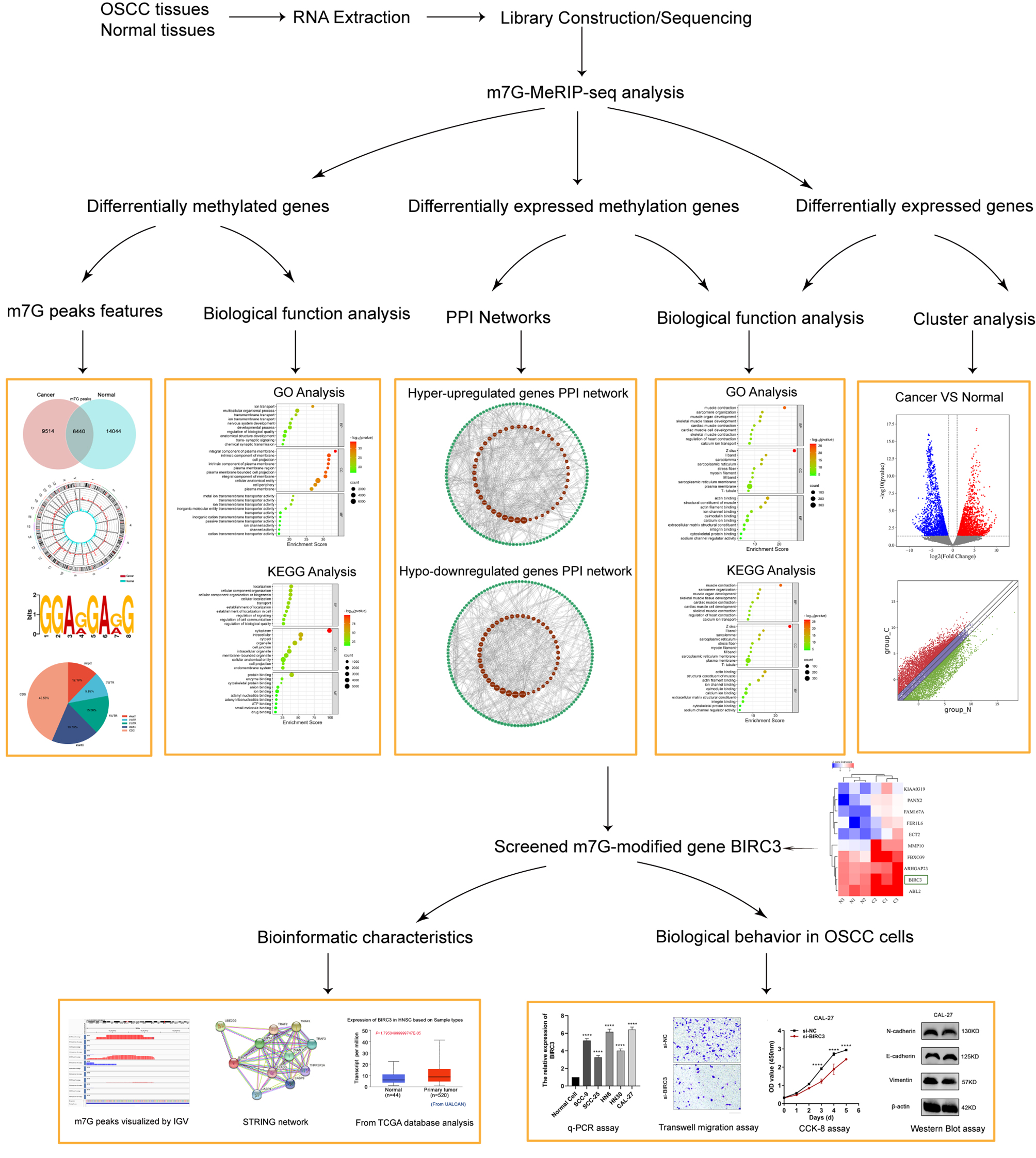
Front. Biosci. (Landmark Ed) 2023, 28(11), 280; https://doi.org/10.31083/j.fbl2811280
(This article belongs to the Special Issue Mechanisms of Control and Inhibition of Genes in Most Aggressive Tumors: Pathways, Targets and Treatments)