
Transcriptional Regulation in Cancer
Submission Deadline: 31 Jul 2026
Guest Editors

Interests: transcriptional regulation; transcription factors, complexes and chromatin regulators; transcriptome profiling in human diseases; PRDMs; genetic alterations in human cancer

Interests: transcriptional regulation; steroid hormones; PRDMs; immunology; general pathology

Interests: transcriptional regulation; transcription factors, complexes and chromatin regulators; transcriptome profiling in human diseases; PRDMs; genetic alterations in human cancer

Department of Medicine and Health Sciences “Vincenzo Tiberio”, University of Molise, Italy
Interests: PRDMs; cancer cell behaviour; cancers; steroid hormones; cell signalling
Special Issue Information
Dear Colleagues,
Transcriptional regulation is a critical biological process acting during cell response to a variety of signals, during development, and during lifetime to maintain cell identity and to coordinate cellular activity. This control occurs through multiple temporal and functional steps and involves numerous molecules including transcription factors, cofactors, and chromatin regulators. It is well established that many human diseases, including cancer, are characterized by global dysregulation of transcription since most of the signalling pathways ultimately target transcription machinery. Indeed, most of cancer types can be caused by mutations/alterations in regulatory sequences, transcription factors, splicing regulators, cofactors, chromatin regulators, ncRNAs, and other components of transcription apparatus.
Advances in our understanding of molecules and mechanisms involved in the transcriptional regulation may lead to novel insights into the pathogenetic mechanisms of various cancers thus providing novel diagnostic, prognostic, and therapeutic targets.
The aim of this Special Issue is to publish original research and comprehensive reviews on the recent advances in the field of molecular genetics and genomics, as well as omics studies exploring the effects of transcriptional dysregulation on human cancers.
Amelia Casamassimi, Ciro Abbondanza, Monica Rienzo and Erika Di Zazzo
Guest Editors
Keywords
- transcription machinery
- transcription factors, cofactors and complexes
- chromatin regulators
- transcription dysregulation
- posttranscriptional modifications
- genetic alterations in the transcription machinery
- human cancer
Manuscript Submission Information
Manuscripts should be submitted via our online editorial system at https://imr.propub.com by registering and logging in to this website. Once you are registered, click here to start your submission. Manuscripts can be submitted now or up until the deadline. All papers will go through peer-review process. Accepted papers will be published in the journal (as soon as accepted) and meanwhile listed together on the special issue website.
Submitted manuscripts should not have been published previously, nor be under consideration for publication elsewhere (except conference proceedings papers). All manuscripts will be thoroughly refereed through a double-blind peer-review process. Please visit the Instruction for Authors before submitting a manuscript. There is an Article Processing Charge (APC) for publication in this open access journal. For details about the APC please see here. Submitted manuscripts should be well formatted in good English.
Published Papers (2)
Front. Biosci. (Landmark Ed) 2025, 30(12), 46692; https://doi.org/10.31083/FBL46692
(This article belongs to the Special Issue Transcriptional Regulation in Cancer)
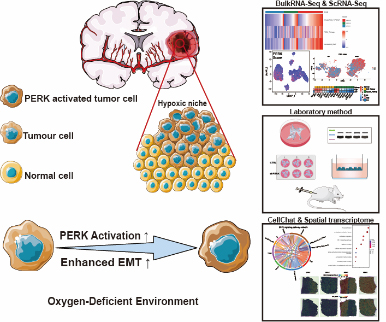
Front. Biosci. (Landmark Ed) 2025, 30(10), 46158; https://doi.org/10.31083/FBL46158
(This article belongs to the Special Issue Transcriptional Regulation in Cancer)