Diabetes and Cardiovascular Diseases 2022
Submission Deadline: 1 Jan 2023
Guest Editor

Department of Advanced Medical and Surgical Sciences, University of Campania "Luigi Vanvitelli", Naples, Italy
Interests: Diabetes; Adipocyte-derived stem cells; Heart failure; Atrial fibrillation; Echocardiography; Electrocardiography; Clinical cardiology; Chronic heart failure; Cardiac function; Myocardial infarction; Hypertension
Special Issue Information
Dear Colleagues,
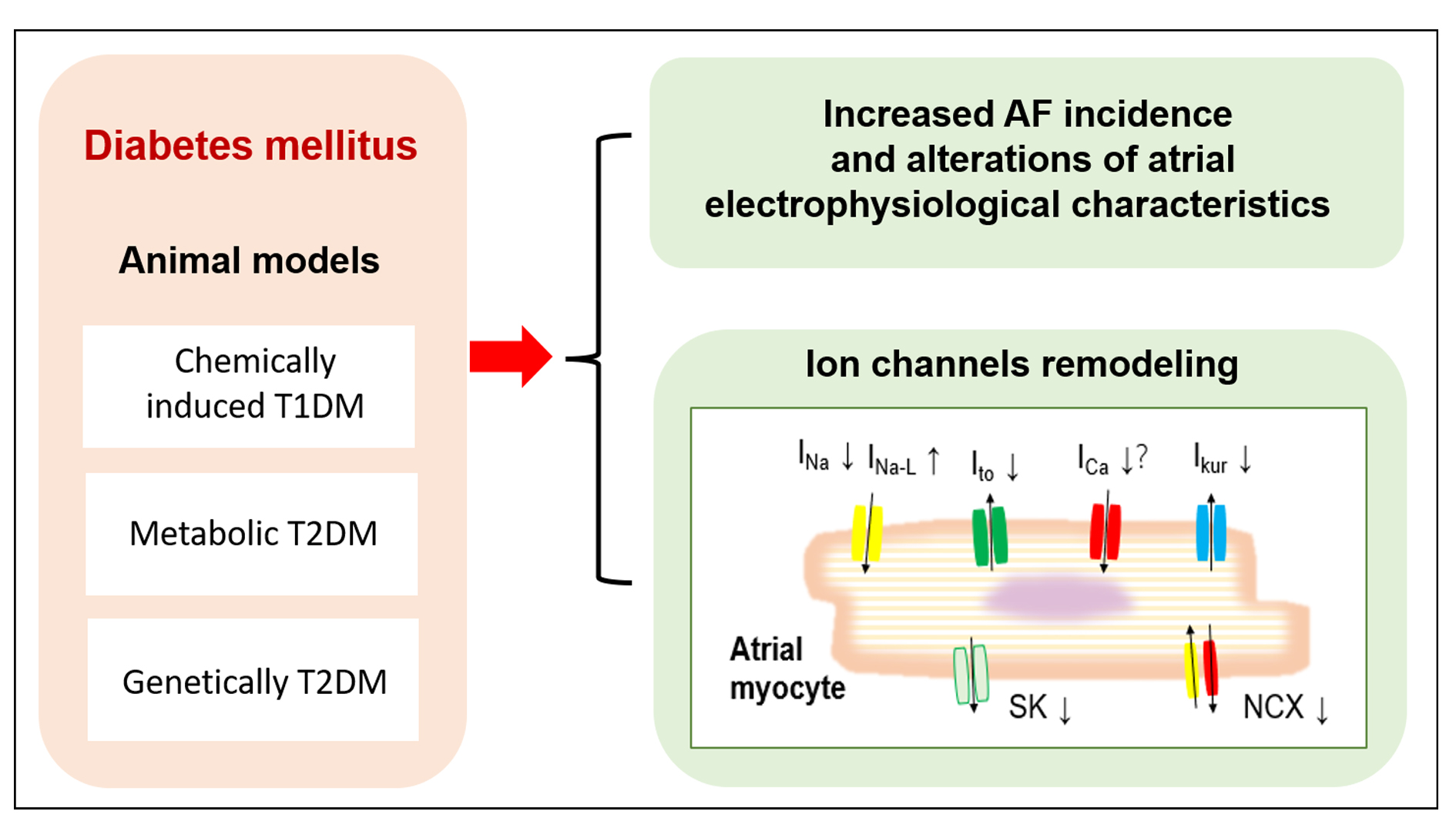
Type-2 diabetes mellitus (T2DM) and heart failure (HF) are two complex multi-factorial diseases that can coexist and strongly amplify each other, suggesting overlapping mechanisms contributing to the disease state. Although altered cardiac ionic homeostasis is an established signature and driver of HF pathology, this topic has been largely neglected in T2DM pathology. There, insulin resistance and disturbances in glucose and fatty acid metabolism are currently viewed as major instigators of disease. However, older and recent researches indicate that cardiac ionic disturbances may actually provide the common ground for both diseases and explain why they mutually amplify each other. In this special issue, we try to bring the two major diseases together by focusing on ionic homeostasis, with consequences for alterations in systolic and diastolic electrical phases, mechanical phases, oxidative stress and mitochondrial function. Also new therapeutic treatments in T2DM and HF, with already proven efficacy (SGLT2 inhibitors) or potential, suggested efficacy (epigenetics), and both condensating on ionic disturbances, are being discussed.
Consequently, T2DM patients with HF have a higher risk of mortality and hospitalization for HF than those without diabetes. Therefore, there is an increasing necessity to find new diagnostic instruments, and treatments to improve clinical outcomes in T2DM failing heart subjects. In fact, in the complexity of numerous and different epigenetics, and molecular mechanisms implied in T2DM and HF disease, there is an increasing necessity to find tailored treatment strategies to protect at best we can these patients, to reduce hospital re-admission, and mortality. It is well known that the therapeutic control of glycemic pro-oxidative, and pro-inflammatory status may protect the heart functions by the worsening of the failing heart disease stage. We may speculate that in hyperglycemic stress conditions heart cells may reflect alterations in ionic channels and structural proteins. These alterations may lead to alterations in systolic and diastolic electrical phases and mechanical phases. It is not surprising, that these alterations have been evidenced at the epigenetic level, and this may also represent an attractive diagnostic target, and a possible therapeutic target to improve clinical outcomes. A part of this, the advancement in interventional approaches may consequently lead to new treatment strategies. Therefore, in this Research Topic focused on T2DM failing heart patients, we propose in a population of T2DM patients affected by HF with depressed ejection fraction new diagnostic and therapeutic approaches regards molecular, cellular, and epigenetic biomarkers of heart failure, and with particular interest to news in the development of treatment strategies to control and/or to revert these clinical pathological adaptive conditions.
Assoc. Prof. Celestino Sardu
Guest Editor
Keywords
- Diabetes mellitus
- Heart failure
- Ischemic heart disease
- Arrhythmias
- Internal cardioverter defibrillators (ICDs)
- Cardiac resynchronization theraphy (CRTd)
- Major adverse cardiac events (MACEs)
- Incretins
- Glyfozines
Manuscript Submission Information
Manuscripts should be submitted via our online editorial system at https://imr.propub.com by registering and logging in to this website. Once you are registered, click here to start your submission. Manuscripts can be submitted now or up until the deadline. All papers will go through peer-review process. Accepted papers will be published in the journal (as soon as accepted) and meanwhile listed together on the special issue website.
Submitted manuscripts should not have been published previously, nor be under consideration for publication elsewhere (except conference proceedings papers). All manuscripts will be thoroughly refereed through a double-blind peer-review process. Please visit the Instruction for Authors page before submitting a manuscript. There is an Article Processing Charge (APC) for publication in this open access journal. For details about the APC please see here. Submitted manuscripts should be well formatted in good English.
Published Papers (4)
Rev. Cardiovasc. Med. 2023, 24(9), 258; https://doi.org/10.31083/j.rcm2409258
(This article belongs to the Special Issue Diabetes and Cardiovascular Diseases 2022)
Rev. Cardiovasc. Med. 2023, 24(3), 65; https://doi.org/10.31083/j.rcm2403065
(This article belongs to the Special Issue Diabetes and Cardiovascular Diseases 2022)
Rev. Cardiovasc. Med. 2023, 24(1), 6; https://doi.org/10.31083/j.rcm2401006
(This article belongs to the Special Issue Diabetes and Cardiovascular Diseases 2022)
Rev. Cardiovasc. Med. 2023, 24(1), 3; https://doi.org/10.31083/j.rcm2401003
(This article belongs to the Special Issue Diabetes and Cardiovascular Diseases 2022)