
Sustainable HRM and Responsible Ways of Working
Submission Deadline: 30 Sep 2025
Guest Editors

CUNEF University Madrid, Spain
Interests: the impact of HRM strategies and employee voice practices on SME performance, the relationship between leadership, voice and innovation in SMEs, and cultural influences on strategy processes and SME management practices

Department of Business and Sustainability, University of Southern Denmark, Denmark
Interests: career; occupation; entrepreneurship; entrepreneurial intention; social capital
Special Issues in IMR Press journals
Special Issue in The Impact of Stakeholders on Sustainability Practices in Nordic SMEs
Special Issue in Career Research Nowadays
Special Issue in Group Identities

CUNEF University, Spain
Interests: behavioural decision making; behavioural ethics; sustainable hrm; organisational behaviour
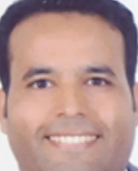
Al Akhawayn University Ifrane, Ifrane, Morocco
Interests: leadership; innovation management; cross-cultural management; and case study method
Special Issue Information
Dear colleagues,
Companies, employees, and scholars alike have shown a growing interest in sustainable HRM (Ehnert et al., 2016; Stahl et al., 2020), particularly in light of current workplace trends such as remote working and digitalisation in the post-COVID-19 era (McKinsey Global Institute, 2021). As HRM practices influence not only employees but also firms' broader human, social, and environmental context (Rothenberg et al., 2017), developing sustainable HRM systems can significantly enhance social sustainability (Ehnert, 2009; Pfeffer, 2010). Such systems help organisations achieve corporate sustainability (Taylor et al., 2012) and traditional performance goals, thereby addressing some of contemporary society's grand challenges (George et al., 2016). To realise these organizational goals, the responses of employees, work teams, and managers to sustainable HRM practices are crucial, as they play a primary role in the success of these initiatives (Paulet et al., 2021). The prevailing view is that sustainable HRM positively affects employees (Aust et al., 2020) and that innovative workplace practices are generally welcomed, assuming favourable responses at the individual level and, consequently, positive outcomes at the organizational level.
The increasing adoption of sustainable HRM and innovative work practices in today's dynamic workplaces presents excellent research opportunities to explore its multifaceted and under-explored outcomes. This track aims to contribute to the theme of "Managing with Purpose" by examining the impact of sustainable HRM and workplace innovation on employee attitudes and behaviours, the interplay of sustainable and innovative practices with other corporate initiatives, and their ultimate link to organization-level outcomes.
Possible themes include:
- The impact of different sustainable HRM and innovative work practices on shaping employee attitudes and behaviours at the individual and group levels. Empirical evidence of positive (e.g., employee well-being, engagement, corporate citizenship behaviour) and negative outcomes for employees (e.g., burden requirements, unethical behaviours) is welcome.
- Organisational value creation and outcomes of using innovative and sustainable HRM (e.g., innovation, performance, stakeholder acceptance).
- Potential synergies or redundancies arising from combining sustainable and innovative work practices and other corporate sustainability initiatives and their effect on individual and organisational outcomes.
- The interplay between sustainable work practices, workplace innovation, and current workplace trends, such as remote work and digitalisation, and their effect on individual employee attitudes, behaviour, and performance.
We look forward to receiving your contributions.
Sylvia Rohlfer, Simon Jebsen, Konstantina Tzini and Abderrahman Hassi
Guest Editors
Manuscript Submission Information
Manuscripts should be submitted via our online editorial system at https://imr.propub.com by registering and logging in to this website. Once you are registered, click here to start your submission. Manuscripts can be submitted now or up until the deadline. All papers will go through peer-review process. Accepted papers will be published in the journal (as soon as accepted) and meanwhile listed together on the special issue website.
Submitted manuscripts should not have been published previously, nor be under consideration for publication elsewhere (except conference proceedings papers). All manuscripts will be thoroughly refereed through a double-blind peer-review process. Please visit the Instruction for Authors page before submitting a manuscript. There is an Article Processing Charge (APC) for publication in this open access journal. For details about the APC please see here. Submitted manuscripts should be well formatted in good English.