
Understanding the Mechanisms of Rehabilitation Approaches for Neurological Conditions
Submission Deadline: 31 Mar 2022
Guest Editor
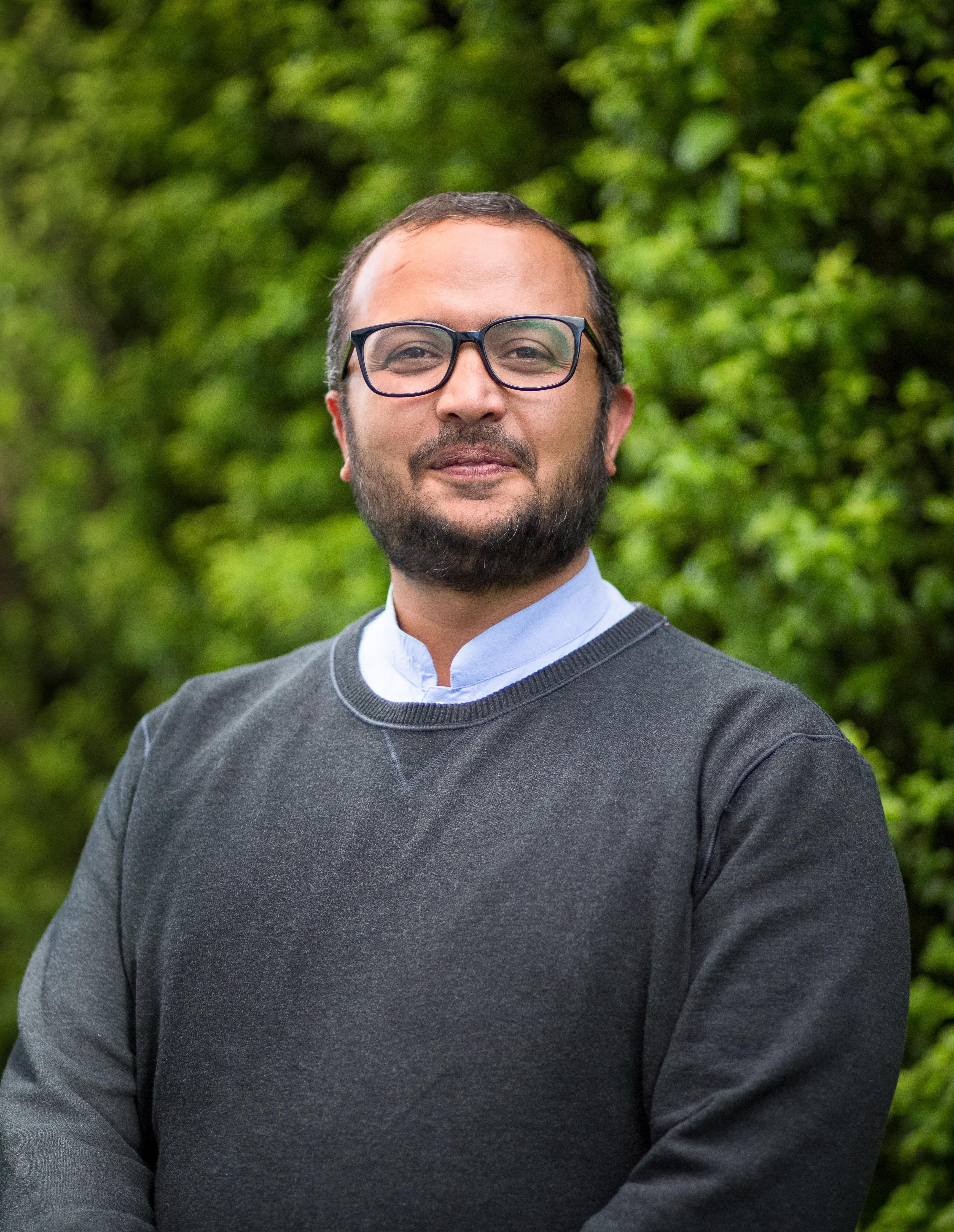
(1) Center of Chiropractic Research, New Zealand College of Chiropractic, Auckland, New Zealand;(2) Faculty of Health & Environmental Sciences, Health & Rehabilitation Research Institute, AUT University, Auckland, New Zealand;(3) Center for Sensory-Motor Interaction, Department of Health Science & Technology, Aalborg University, Alborg, Denmark
Interests: biomedical engineering; brain computer interface; biosignal; processing; neurorehabilitation technologies; motor control
Special Issue Information
Dear Colleagues,
We invite you to participate in a Special Issue on “Understanding the mechanisms of rehabilitation approaches for Neurological conditions.” This Special Issue is open for manuscripts that deal with the multidisciplinary approaches used to understand the recovery of function for neurological conditions to improve or have the potential to improve the quality of life. Active researchers in the fields of physical and neural rehabilitation, principally focused non-pharmacological/conservative modes of treatment to optimize the patient's rehabilitation journey and improve the quality of life, are highly encouraged to submit their work to this special issue. This Special Issue will concentrate on two key aspects of this field:
1. Innovative use of the different biomedical signals such as an electroencephalogram (EEG), electromyogram (EMG), and functional near-infrared spectroscopy (fNIRS) to measure and understand the basic mechanism of rehabilitation approaches/techniques that utilize novel signal processing methods in the short term or cross-sectional study designs.
2. Wearable sensors to measure longitudinal data based on the technological advancements of energy-efficient and interconnected wireless systems offering unique solutions for non-invasive, ubiquitous, and continuous healthcare monitoring in the field of neurological rehabilitation.
Original papers that describe new research on any of the themes mentioned above are welcomed. We look forward to your participation in this Special Issue.
Dr. Imran Khan Niazi
Guest Editor
Keywords
- Rehabilitation
- Stroke
- Traumatic brain injury
- Parkinson's disease
- Alzheimer's disease
- Non-invasive neuromodulation
- tdcs
- TMS
- EEG
- fnirs
- Wearable devices
- Body sensor Network
- Physical and physiological parameter sensing
- Lifestyle and healthcare prevention
- Monitoring
- and follow-up
- Smart signal processing
- Machine learning
- Artificial intelligence
Manuscript Submission Information
Manuscripts should be submitted via our online editorial system at https://imr.propub.com by registering and logging in to this website. Once you are registered, click here to start your submission. Manuscripts can be submitted now or up until the deadline. All papers will go through peer-review process. Accepted papers will be published in the journal (as soon as accepted) and meanwhile listed together on the special issue website.
Submitted manuscripts should not have been published previously, nor be under consideration for publication elsewhere (except conference proceedings papers). All manuscripts will be thoroughly refereed through a double-blind peer-review process. Please visit the Instruction for Authors page before submitting a manuscript. There is an Article Processing Charge (APC) for publication in this open access journal. For details about the APC please see here. Submitted manuscripts should be well formatted in good English.
Published Papers (2)
J. Integr. Neurosci. 2022, 21(4), 108; https://doi.org/10.31083/j.jin2104108
(This article belongs to the Special Issue Understanding the Mechanisms of Rehabilitation Approaches for Neurological Conditions)
J. Integr. Neurosci. 2022, 21(2), 58; https://doi.org/10.31083/j.jin2102058
(This article belongs to the Special Issue Understanding the Mechanisms of Rehabilitation Approaches for Neurological Conditions)