
Coronary Spasm: Diagnosis and Treatment
Submission Deadline: 31 Aug 2024
Guest Editor
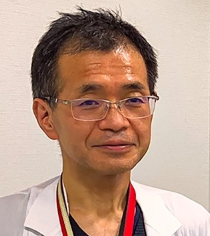
Hiroki Teragawa MD, PhD, FACC, FAHA, FESC, FSCAI
Department of Cardiovascular Medicine, JR Hiroshima Hospital, Hiroshima, Japan
Interests: coronary artery; coronary microvascular dysfunction; coronary spasm; vasospastic angaina
Special Issue in IMR Press journals
Special Issue in Cardiac Catheterization: Clinical Updates and Novel Technologies
Special Issue Information
Dear Colleagues,
Coronary spasm is a condition in which the epicardial coronary artery undergoes transient vasoconstriction, leading to myocardial ischemia. This is thought to cause not only resting angina pectoris, but also exertional angina, acute coronary syndrome, and sudden cardiac death. The diagnosis of coronary spasm can be made by detecting transient ST changes in the electrocardiogram of patients with chest pain during evening or early morning rest periods. Due to the difficulty of detecting electrocardiographic changes, in clinical practice the diagnosis is often made by performing a coronary spasm provocation test (SPT). Treatment consists of lifestyle modification (mainly cessation of smoking) and the administration of coronary dilators, especially calcium channel blockers.
However, there is no consensus regarding the drugs and doses that are provocative in the SPT. Moreover, in recent years coronary microcirculatory dysfunction (CMD) often coexists with coronary spasms. Whether coronary spasm or CMD should be evaluated first is subject to debate. During the treatment of coronary spasms, medically refractory cases are sometimes encountered in which the chest pain is prolonged, even with the use of several coronary vasodilators. Several unresolved issues clearly remain regarding the diagnosis and treatment of coronary spasms.
This special issue will publish various articles on coronary spasms relating to their diagnosis and treatment, with the aim of improving our current understanding and highlighting future directions and issues in the field.
Dr. Hiroki Teragawa
Guest Editor
Keywords
- coronary spasm
- spasm provocation test
- vasospastic angina
- variant angina
Manuscript Submission Information
Manuscripts should be submitted via our online editorial system at https://imr.propub.com by registering and logging in to this website. Once you are registered, click here to start your submission. Manuscripts can be submitted now or up until the deadline. All papers will go through peer-review process. Accepted papers will be published in the journal (as soon as accepted) and meanwhile listed together on the special issue website.
Submitted manuscripts should not have been published previously, nor be under consideration for publication elsewhere (except conference proceedings papers). All manuscripts will be thoroughly refereed through a double-blind peer-review process. Please visit the Instruction for Authors page before submitting a manuscript. There is an Article Processing Charge (APC) for publication in this open access journal. For details about the APC please see here. Submitted manuscripts should be well formatted in good English.
Published Paper (1)
Relation of Perivascular Adipose Tissues on Computed Tomography to Coronary Vasospasm
Rev. Cardiovasc. Med. 2025, 26(2), 26327; https://doi.org/10.31083/RCM26327
(This article belongs to the Special Issue Coronary Spasm: Diagnosis and Treatment)