
New Advances in Cardiopulmonary Resuscitation and Emergency Cardiovascular Care
Submission Deadline: 1 Oct 2023
Guest Editor

Department of Emergency Medicine, National Taiwan University Hospital, Taipei, Taiwan
Interests: cardiac arrest; post-cardiac arrest care; targeted temperature management; in-hospital cardiac arrest care; artificial intelligence; pre-hospital care; resuscitation; cardiogenic shock
Special Issue Information
Dear Colleagues,
Resuscitation medicine has seen major progress in recent decades. Clinical practices have new evolutions based on the current researches. The chance for neurological favorable outcomes increases under implemention of evidence-based clinical guidelines. In the molecular era, many studies have elucidated the biological changes and underlying molecular mechanisms in cardiac arrest and the post-cardiac arrest period. Multidisplinary cooperation including cardiologists, neurologists, emegency physicians and intensivists has extended the scopes of cardiac arrest research. Machine learning and artificial intelligence provide better chances of communication, prediction and practice in resuscitating patients both during pre-hospital and hospital care. This special issue will focus on emerging aspects of cardiac arrest biological mechanisms and management to idenify new therapies for special patient groups along with key interventions for improving outcomes.
Emerging aspects:
1. Pre-hospital life-support intervention for cardiac arrest
2. New therapeutic model and agents for cardiopulmonary resuscitation
3. Prognosis evalution following post-cardiac arrest
4. Intensive care including targeted temperature mangement in post-cardiac arrest patients
5. Neurological evaluation and management for comatous cardiac arrest patients
6. Hemodynamic management for post-cardiac arrest shock patients
7. Biololgical molecular mechanisms studies for post-cardiac arrest syndrome
8. Application of novel modalities, including artitificial intellegence in cardiac arrest
Prof. Chien-Hua Huang
Guest Editor
Keywords
- cardiac arrest
- post-cardiac arrest care
- targeted temperature management
- in-hospital cardiac arrest care
- artificial intelligence
- pre-hospital care
- resuscitation
- cardiogenic shock
Manuscript Submission Information
Manuscripts should be submitted via our online editorial system at https://imr.propub.com by registering and logging in to this website. Once you are registered, click here to start your submission. Manuscripts can be submitted now or up until the deadline. All papers will go through peer-review process. Accepted papers will be published in the journal (as soon as accepted) and meanwhile listed together on the special issue website.
Submitted manuscripts should not have been published previously, nor be under consideration for publication elsewhere (except conference proceedings papers). All manuscripts will be thoroughly refereed through a double-blind peer-review process. Please visit the Instruction for Authors page before submitting a manuscript. There is an Article Processing Charge (APC) for publication in this open access journal. For details about the APC please see here. Submitted manuscripts should be well formatted in good English.
Published Papers (6)
Rev. Cardiovasc. Med. 2023, 24(9), 262; https://doi.org/10.31083/j.rcm2409262
(This article belongs to the Special Issue New Advances in Cardiopulmonary Resuscitation and Emergency Cardiovascular Care)
Rev. Cardiovasc. Med. 2023, 24(7), 198; https://doi.org/10.31083/j.rcm2407198
(This article belongs to the Special Issue New Advances in Cardiopulmonary Resuscitation and Emergency Cardiovascular Care)
Rev. Cardiovasc. Med. 2023, 24(7), 191; https://doi.org/10.31083/j.rcm2407191
(This article belongs to the Special Issue New Advances in Cardiopulmonary Resuscitation and Emergency Cardiovascular Care)
Rev. Cardiovasc. Med. 2023, 24(6), 163; https://doi.org/10.31083/j.rcm2406163
(This article belongs to the Special Issue New Advances in Cardiopulmonary Resuscitation and Emergency Cardiovascular Care)
Rev. Cardiovasc. Med. 2023, 24(2), 55; https://doi.org/10.31083/j.rcm2402055
(This article belongs to the Special Issue New Advances in Cardiopulmonary Resuscitation and Emergency Cardiovascular Care)
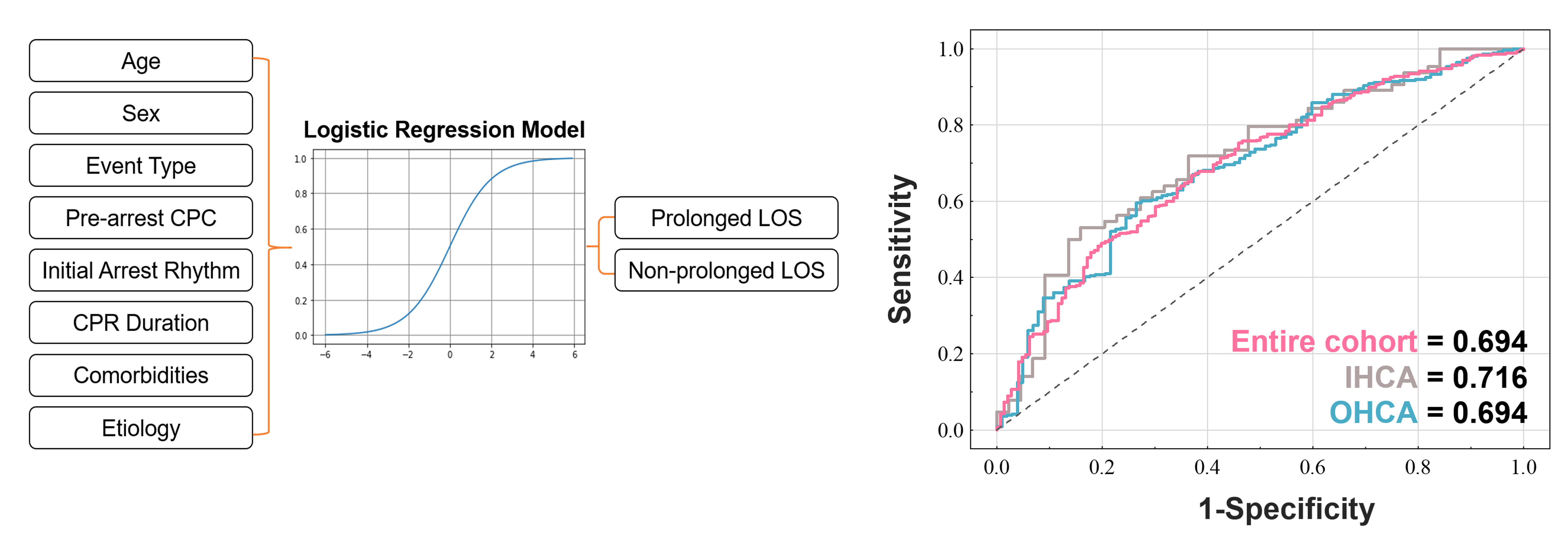
Rev. Cardiovasc. Med. 2023, 24(1), 25; https://doi.org/10.31083/j.rcm2401025
(This article belongs to the Special Issue New Advances in Cardiopulmonary Resuscitation and Emergency Cardiovascular Care)