

 , Fariba Fathi 1, Mozhgan Gholizadeh Vazvani 1, Mika Tapio Tarkka 2,3
1 Department of Plant Protection, Faculty of Agricultural Sciences, Vali-e-Asr University of Rafsanjan, 7718897111 Rafsanjan, Iran
2 UFZ—Helmholtz Centre for Environmental Research, Department of Soil Ecology, 06120 Halle (Saale), Germany
3 German Centre for Integrative Biodiversity Research (iDiv), 04103 Leipzig, Germany
Abstract
The use of biological control agents is one of the best strategies available to combat the plant diseases in an ecofriendly manner. Biocontrol bacteria capable of providing beneficial effect in crop plant growth and health, have been developed for several decades. It highlights the need for a deeper understanding of the colonization mechanisms employed by biocontrol bacteria to enhance their efficacy in plant pathogen control. The present review deals with the in-depth understanding of steps involved in host colonization by biocontrol bacteria. The colonization process starts from the root zone, where biocontrol bacteria establish initial interactions with the plant’s root system. Moving beyond the roots, biocontrol bacteria migrate and colonize other plant organs, including stems, leaves, and even flowers. Also, the present review attempts to explore the mechanisms facilitating bacterial movement within the plant such as migrating through interconnected spaces such as vessels or in the apoplast, and applying quorum sensing or extracellular enzymes during colonization and what is needed to establish a long-term association within a plant. The impacts on microbial community dynamics, nutrient cycling, and overall plant health are discussed, emphasizing the intricate relationships between biocontrol bacteria and the plant’s microbiome and the benefits to the plant’s above-ground parts, the biocontrol 40 bacteria confer. By unraveling these mechanisms, researchers can develop targeted strategies for enhancing the colonization efficiency and overall effectiveness of biocontrol bacteria, leading to more sustainability and resilience.
Keywords
- biocontrol bacteria
- colonization
- competition
- induced systemic resistance
- rhizosphere
Biological control of plant pathogens has emerged as an environmentally friendly and sustainable approach to manage crop diseases [1]. At the forefront of this strategy lies the utilization of biocontrol bacteria, which are beneficial microorganisms capable of suppressing plant pathogens and promoting plant health [2]. Understanding the colonization mechanisms employed by these biocontrol bacteria is crucial for harnessing their full potential in biological plant pathogen control [3]. The importance of studying colonization mechanisms stems from the fact that successful establishment and persistence of biocontrol bacteria within the plant ecosystem are essential for sustained disease suppression [4]. By comprehending how biocontrol bacteria colonize plants from root to shoot, researchers can unravel the intricate interactions between these microbes and their host plants. This knowledge serves as a foundation for designing effective strategies to optimize biocontrol efficacy and improve agricultural sustainability [5].
The journey of biocontrol bacteria begins in the rhizosphere, the region of soil surrounding plant roots [6]. The rhizosphere acts as a dynamic environment hosting a diverse microbial community, including both beneficial and pathogenic organisms and also microorganisms that do not have any positive and negative impact [7]. Within this complex network of interactions, biocontrol bacteria must compete, establish a niche, and interact with plant roots to initiate colonization [8]. Therefore, understanding the role of the rhizosphere in biocontrol bacteria colonization is pivotal to uncover the mechanisms underlying their successful establishment.
Various factors influence the root colonization process of biocontrol bacteria. Chemotaxis and motility enable these bacteria to navigate towards plant roots, relying on chemical signals released by the plant or the rhizosphere microenvironment [9]. Attachment to root surfaces is another critical step, where biocontrol bacteria employ specific adhesion factors to adhere to the root structures and gain a foothold [10, 11]. Moreover, they face competition from other microorganisms within the rhizosphere, necessitating robust mechanisms to outcompete plant pathogens and establish dominance [12]. The acquisition of nutrients within the rhizosphere is yet another vital aspect of colonization. Biocontrol bacteria have developed strategies to scavenge and utilize available nutrients, enabling their survival and proliferation [13]. Understanding these nutrient acquisition mechanisms sheds light on the metabolic adaptations of biocontrol bacteria and their role in successful colonization. Overall, comprehending the root-to-shoot colonization mechanisms of biocontrol bacteria opens up avenues for enhancing the effectiveness of biological plant pathogen control. By deciphering the intricate interactions between biocontrol bacteria and their host plants, researchers can develop targeted delivery systems, optimize colonization strategies, and exploit microbial consortia to combat plant diseases more efficiently.
In this review, we explore the journey of biocontrol bacteria from rhizosphere to roots, from air to shoots, and their migration between plant organs, unraveling the mechanisms employed by these beneficial microbes to establish themselves within the plant. Through a comprehensive understanding of colonization mechanisms, we aim to contribute to the advancement of biological plant pathogen control, ultimately leading to improved crop health, reduced reliance on chemical pesticides, and sustainable agricultural practices.
Biocontrol bacteria, also known as biopesticides or biological control agents, play a crucial role in sustainable agriculture by helping to manage plant diseases, pests, and weeds. These beneficial microorganisms are primarily found in the rhizosphere, the narrow region of soil directly influenced by root secretions and associated soil microorganisms. Some of these bacteria can also be found within the plant roots, exhibiting an endophytic relationship where they live inside the plant tissues without causing harm [14]. A diverse range of bacterial genera, including Agrobacterium, Alcaligenes, Arthrobacter, Bacillus, Enterobacter, Erwinia, Pseudomonas, Rhizobium, Serratia, Stenotrophomonas, Streptomyces, and Xanthomonas, have been documented for their plant disease protection activities against plant pathogens [15, 16].
Symbiotic bacteria are microorganisms that live in close association with a host organism, often providing mutual benefits. These relationships are crucial for the health and functioning of many organisms and ecosystems. Types of symbiotic relationships include: (a) Rhizobia form symbiotic relationships with plants, fixing atmospheric nitrogen in root nodules [17]. Rhizobia specifically form symbiotic relationships with leguminous plants, unlike other biocontrol bacteria that may have broader or non-symbiotic interactions with plants. The formation of root nodules is a unique feature of rhizobia, distinguishing them from other biocontrol bacteria that do not induce such structures. Rhizobia are primarily known for their ability to fix atmospheric nitrogen, a trait not common in other biocontrol bacteria. Rhizobia are specialized for leguminous plants, whereas other biocontrol bacteria may interact with a wide range of plant species [18, 19]. (b) Endophytic bacteria are microorganisms that live within plant tissues without causing any apparent harm to their host. These bacteria can be found in various plant parts, including roots, stems, leaves, and seeds. They establish a symbiotic relationship with the host plant, often providing benefits such as enhanced growth, disease resistance, and stress tolerance. Examples include some strains of Bacillus, Pseudomonas, and Enterobacter [20, 21].
Non-symbiotic bacteria are those that do not rely on a close physical association with another organism for survival. They operate independently in their environments, performing essential ecological functions such as nutrient cycling, decomposition, and sometimes interacting with other organisms in transient or indirect ways. These bacteria can be found in a variety of habitats, including soil, water, and air and include: (a) Soil-dwelling bacteria such as certain strains of Bacillus and Pseudomonas, do not necessarily form symbiotic relationships. Soil-dwelling bacteria play a vital role in maintaining soil health and fertility. They are a diverse group of microorganisms that contribute to nutrient cycling, organic matter decomposition, disease suppression, and overall soil structure improvement. They help maintain soil fertility, reduce the need for chemical inputs, and promote healthy plant growth. By leveraging the natural functions of these bacteria, farmers can enhance crop yields, improve soil health, and contribute to environmental sustainability. These bacteria are crucial for sustainable agriculture and ecosystem stability [22, 23]. (b) Epiphytic bacteria are microorganisms that live on the surface of plants, primarily on leaves, stems, and flowers, without causing harm to their host. These bacteria are part of the plant’s phyllosphere, which is the aerial parts of plants. Epiphytic bacteria play various roles, including influencing plant health, nutrient cycling, and environmental interactions [24, 25].
Biocontrol bacteria are microorganisms used to suppress plant diseases and pests through various mechanisms. They can either form symbiotic relationships with plants or operate independently (non-symbiotically). Here are the key differences between symbiotic and non-symbiotic biocontrol bacteria: Symbiotic biocontrol bacteria form close, often long-term associations with their host plants. These relationships are typically mutualistic, where both the plant and the bacteria benefit. They often colonize specific parts of the plant, such as roots or leaves, forming structures like nodules or biofilms. They can enhance the plant’s immune system, produce antimicrobial compounds, and outcompete pathogens for resources and space. They can also improve plant health by fixing nitrogen or providing other nutrients, indirectly contributing to biocontrol [26, 27, 28]. Non-symbiotic biocontrol bacteria do not form long-term, specific associations with plants. They operate independently and can interact with a wide range of plants and environmental conditions. They suppress pathogens through the production of antibiotics, siderophores, enzymes, and volatile organic compounds. They can induce systemic resistance in plants, enhancing the plant’s own defenses against a broad range of pathogens. They often compete with pathogens for nutrients and space in the rhizosphere (the soil region near plant roots) or phyllosphere (plant surfaces) [12, 29].
(a) These bacteria like Pseudomonas spp. and Bacillus
spp. compete with pathogens for root exudates (sugars, amino acids,
etc.). By competing more effectively for nutrients and colonization
sites on roots, biocontrol bacteria can outcompete pathogenic microorganisms,
reducing their ability to infect plants [29]. (b) Biocontrol bacteria can produce
antibiotics that inhibit or kill soil-borne plant pathogens. For example,
Pseudomonas fluorescens produces antibiotics like pyoluteorin and
2,4-diacetylphloroglucinol that suppress pathogenic fungi and bacteria [29].
(c) Siderophores are molecules that bind to iron and make it more
available to plants. This helps in iron uptake, which is essential for
chlorophyll production and overall plant health. These bacteria produce
siderophores that sequester iron, limiting its availability to pathogens [30, 31]. (d) Certain rhizosphere bacteria can induce systemic resistance in
plants, enhancing their overall defense against pathogens. This is similar to the
way vaccines work in humans, priming the plant’s immune system to respond more
effectively to attacks [32]. (e) Certain bacteria produce enzymes that
degrade the cell walls of fungal pathogens, leading to their destruction. The
release of lytic enzymes, such as
(a) Root colonization by rhizoplane biocontrol bacteria is a critical aspect of their function and effectiveness in promoting plant health and protecting against pathogens [35]. (b) Biofilms are structured communities of bacteria encased in a self-produced extracellular matrix that adheres to surfaces. This matrix protects the bacteria from environmental stress, antibiotics, and the host immune system. Rhizoplane bacteria such as Azospirillum spp., Pseudomonas spp. and Bacillus spp. form biofilms on root surfaces, providing a barrier against pathogen invasion [36]. (c) They produce phytohormones like auxins and gibberellins which promote root growth and enhance nutrient uptake [37]. These hormones can stimulate plant cell division and elongation, improving overall plant growth [38]. (d) Quorum sensing is a cell-to-cell communication mechanism used by bacteria to coordinate group behaviors based on population density. In biocontrol bacteria, quorum sensing plays a crucial role in regulating various functions that enhance their ability to suppress plant pathogens and promote plant health. Biocontrol bacteria such as Pseudomonas spp., Bacillus spp., Azospirillum spp., and Rhizobium spp. use quorum sensing to regulate the production of antimicrobial compounds and biofilm formation in response to population density [39, 40, 41]. (e) Certain bacteria, such as Pseudomonas and Bacillus species, can solubilize insoluble phosphate compounds, making phosphorus more available to plants [42]. Free-living nitrogen-fixing bacteria like Azotobacter and Clostridium convert atmospheric nitrogen into forms that plants can absorb and use [43].
(a) Endophytes like Bacillus spp. and Pseudomonas spp. can colonize internal plant tissues and provide systemic protection against pathogens [26]. (b) Endophytic bacteria trigger Induced Systemic Resistance (ISR) in plants by producing microbe-associated molecular patterns (MAMPs) that are recognized by plant receptors. This recognition activates signaling pathways involving jasmonic acid and ethylene, priming the plant’s immune system to respond more effectively to pathogen attacks. The enhanced defense readiness reduces the severity of subsequent infections, promoting overall plant health and resistance to a broad range of diseases [44]. (c) Endophytes assist in nutrient uptake by solubilizing minerals inside plant tissues. They produce enzymes and organic acids that convert nutrients like phosphorus and potassium into forms that plants can easily absorb, enhancing the plant’s overall nutrient acquisition and growth [45, 46]. (d) Endophytic bacteria produce metabolites that can directly inhibit pathogen growth. These metabolites include antibiotics, lytic enzymes, and siderophores, which target and suppress harmful microorganisms, thereby protecting the plant from diseases and promoting plant health [47]. (e) By producing growth-promoting substances such as indole-3-acetic acid (IAA), gibberellins, and cytokinins, endophytic bacteria enhance overall plant vigor and resistance to stress. These substances stimulate root and shoot growth, improve nutrient uptake, and help plants better cope with environmental stressors [48].
(a) Phyllosphere bacteria such as Pseudomonas spp. produce antimicrobial compounds that inhibit foliar pathogens. These compounds include antibiotics, lytic enzymes, and siderophores, which suppress the growth and activity of harmful microorganisms on leaf surfaces, protecting the plant from diseases [49]. (b) Phyllosphere bacteria outcompete pathogens for leaf nutrients by efficiently consuming exuded sugars and amino acids, colonizing surfaces to block pathogen establishment, and producing siderophores to sequester iron [50]. (c) Certain phyllosphere bacteria can induce local resistance in leaves, enhancing the plant’s ability to fend off pathogens. These bacteria trigger plant defense mechanisms, making the foliage more resilient to infections. This local resistance is a crucial aspect of plant protection [51]. (d) Some phyllosphere bacteria produce pigments that protect plant tissues from UV (Ultraviolet) radiation, reducing stress and making them less susceptible to pathogens. These pigments act as a shield, minimizing UV damage and enhancing the plant’s overall health and resilience [52]. (e) Phyllosphere bacteria can emit volatile organic compounds (VOCs) that have antimicrobial properties or act as signaling molecules to induce plant defenses. These VOCs help protect plants by directly inhibiting pathogens and triggering the plant’s own defense mechanisms [50, 53].
The rhizosphere, the narrow region of soil surrounding living plant roots, plays a crucial role in the colonization of biocontrol bacteria. It serves as a dynamic microenvironment where complex interactions occur between plants, beneficial microbes, and pathogens [54]. The rhizosphere offers a nutrient-rich environment with root exudates as a source of carbon compounds and other essential nutrients [55]. Biocontrol bacteria have evolved to exploit these resources and establish themselves within this specialized niche. The rhizosphere provides a physical site for interaction, communication, and competition between biocontrol bacteria and other microorganisms, including plant pathogens [56, 57]. Understanding the dynamics and composition of the rhizosphere microbial community is vital for comprehending the successful colonization of biocontrol bacteria. Biocontrol bacteria are some agriculturally important microorganisms that are mainly found in rhizosphere (surrounding of roots) or associated with plant roots showing endophytic relationship.
Root exudates chemistry and dynamic determine the assembly of the bacterial community of the rhizosphere in plants-microbes relationship [58]. Biocontrol bacteria possess the ability to sense and respond to chemical gradients in their environment, a process known as chemotaxis. Chemotaxis towards the root refers to the movement or orientation of organisms, usually microorganisms like bacteria, in response to chemical stimuli emanating from plant roots. This movement is a fundamental aspect of the interactions between plant roots and soil microorganisms, playing a critical role in processes like nutrient cycling, soil health, and plant growth. This mechanism allows them to detect and move towards specific compounds released by plant roots or other microbes. Plant roots release a variety of chemical compounds into the soil, including sugars, amino acids, and other organic acids. These compounds are often byproducts of the plant’s metabolic processes and can serve as nutrients or signaling molecules [9]. Chemotaxis plays a crucial role in guiding biocontrol bacteria towards the root surface and promoting their attachment, forming the initial step in colonization [59]. Bacterial motility, facilitated by flagella or other appendages, further aids in bacterial movement through the soil matrix towards the roots. The bacteria’s movement is not random; instead, it’s directed towards the root following the increasing concentration of chemical attractants [60]. Inactivation of bacterial chemotaxis or motility offers bacteria deficient for colonization of the root. In an experiment, through the genetic inactivation of Bacillus subtilis chemoreceptors, a significant reduction in colonization of Arabidopsis thaliana roots was illustrated 4 h post-inoculation [61]. Also, this chemotactic movement towards roots is critical in the formation of symbiotic relationships, such as those between nitrogen-fixing bacteria and legume roots hairs which act as the entry point for nodule infection (Rhizobium-legume symbioses). These symbiotic relationships are essential for plant nutrition, especially in nutrient-poor soils [62].
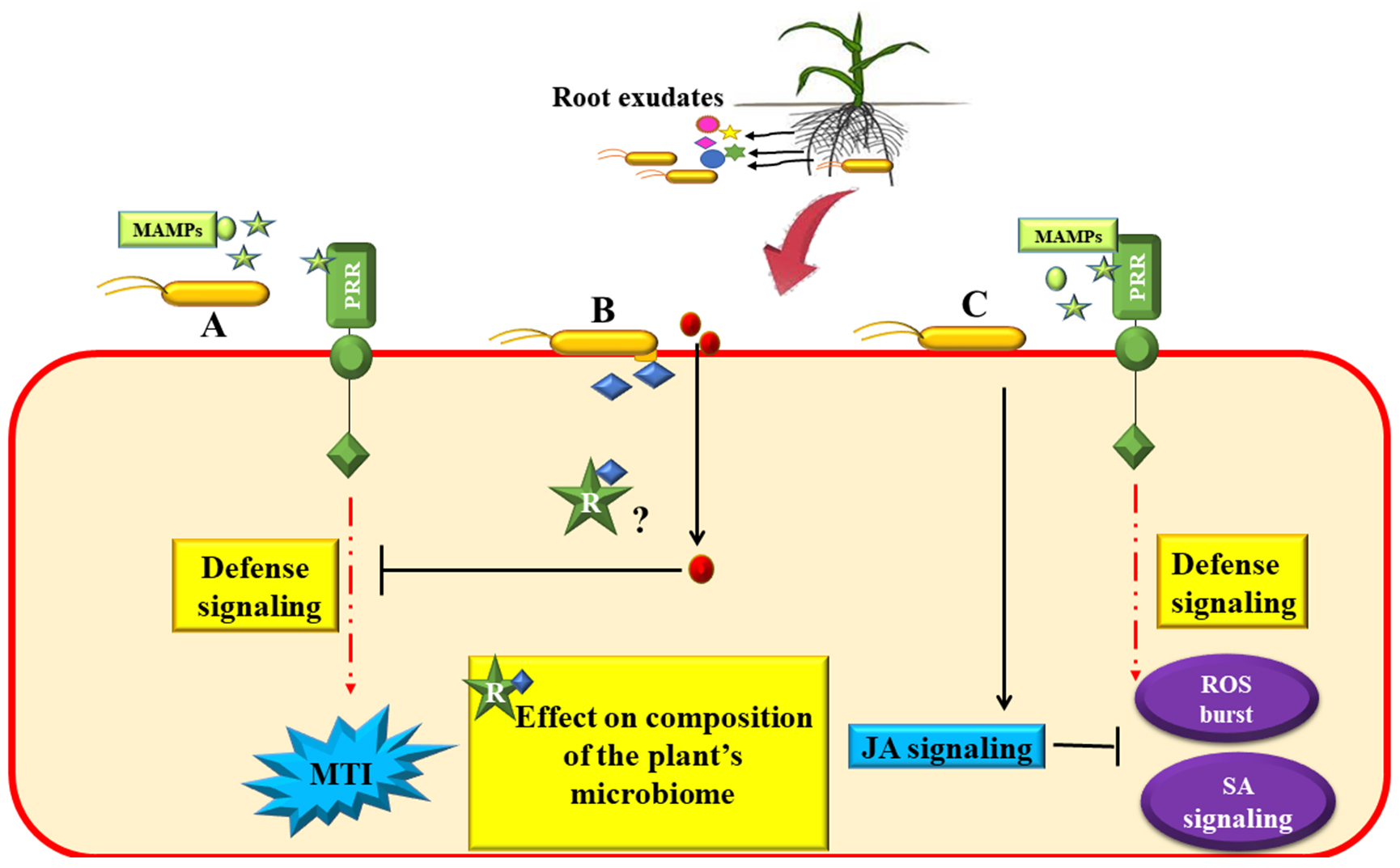
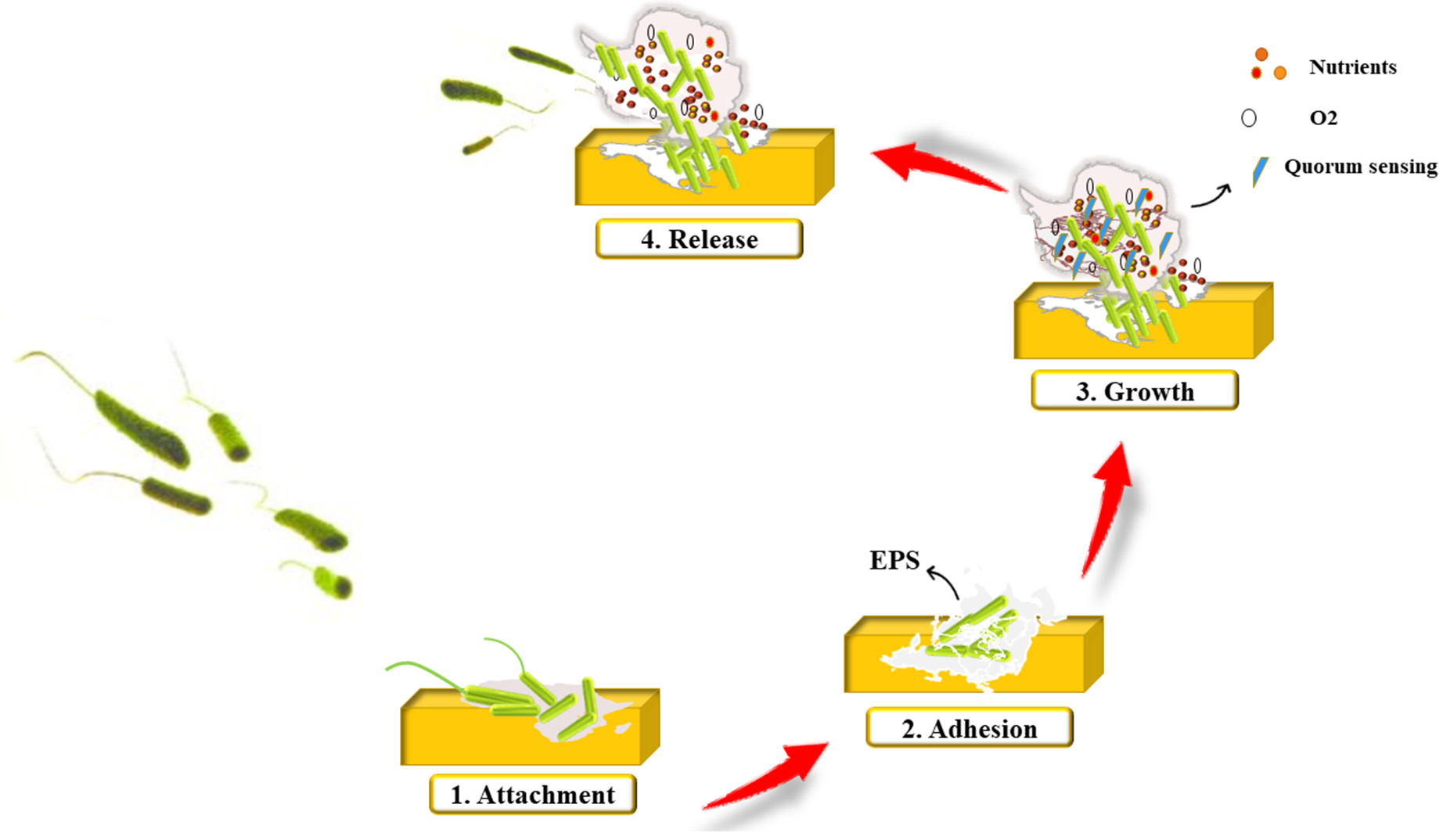
Successful establishment of biocontrol bacteria relies on their ability to attach to the root surfaces. These bacteria employ a range of mechanisms for adhesion, including the production of adhesive structures such as fimbriae, pili, or extracellular polymers [63]. These adhesive factors enable biocontrol bacteria to interact with root hairs, epidermal cells, or mucilage, enhancing their colonization potential. Adhesion not only facilitates proximity to plant cells but also provides protection against washout events and mechanical disturbances [64, 65]. Immune signaling in plants is initiated upon receptor-mediated perception of non-self-molecules that are often conserved among different classes of microbes, both pathogenic and beneficial. Biocontrol bacteria use strategies to reduce stimulation of host immune responses and actively suppress MAMP-triggered immunity (MTI). The modulation of host plant immunity during interactions with biocontrol bacteria is a fascinating and complex aspect of plant-microbe interactions. At first, biocontrol bacteria are recognized by the plant as invader, often through specific molecular patterns that are detected by the plant’s immune receptors. Upon recognition, these beneficial bacteria can trigger a basal immune response in the plant. This response is typically more controlled and less aggressive compared to the response against pathogens. The activation of this basal level of immunity helps in priming the plant’s defense mechanisms, a process known as induced systemic resistance (ISR) [66] (Fig. 1, Ref. [67]). After modulation of host immunity, some of these bacteria known as endophytes, enter the root and colonize different compartments of the plants, including the intercellular spaces of the cell walls and xylem vessels, flowers, fruits and seeds. The formation of biofilms or extracellular matrix can enhance bacterial colonization and provide protection against environmental stresses and plant defense mechanisms [68]. Biocontrol bacteria utilize mechanisms to adhere to above-ground plant surfaces, facilitating colonization. Some biocontrol bacteria produce adhesion proteins that enable them to attach to specific receptors on plant tissues [69]. These proteins promote strong adherence and increase the chances of successful colonization. Biocontrol bacteria can secrete exopolysaccharides that aid in attachment to plant surfaces. These polysaccharides form a protective matrix allowing bacteria to adhere and persist on above-ground plant parts [70]. Biocontrol bacteria often form biofilms, microbial communities enclosed in a self-produced matrix, as a strategy for colonization (Fig. 2, Ref. [71]). Benefits of biofilm formation include: (a) Adhesion and persistence: biofilms provide stability and adherence to above-ground plant surfaces, allowing biocontrol bacteria to resist mechanical forces and environmental challenges [72]. (b) Nutrient availability: within biofilms, bacteria can access nutrients through cooperative interactions and resource-sharing. This nutrient availability supports bacterial growth and persistence during colonization [73].
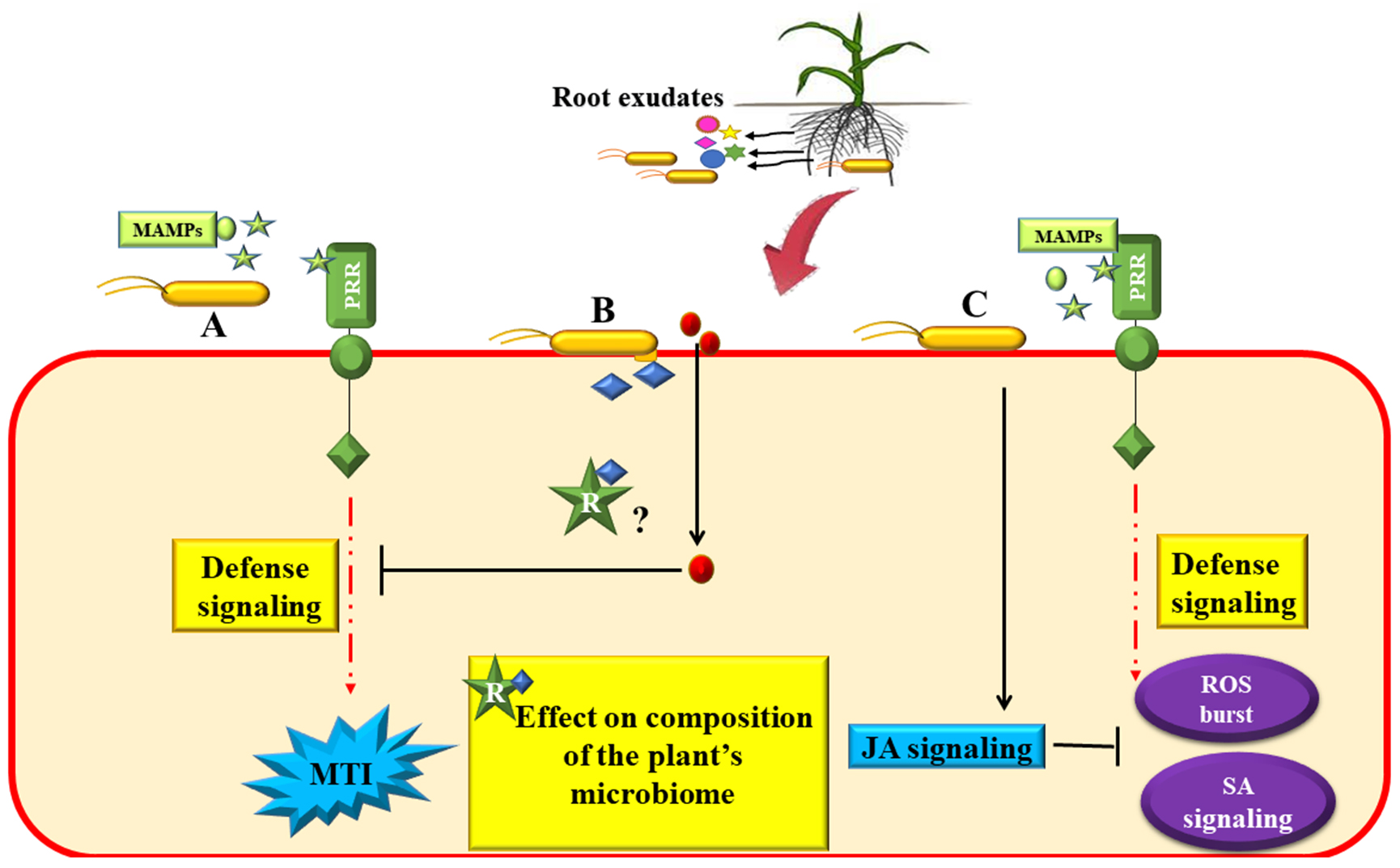 Fig. 1.
Model for the modulation of host immunity during interactions with biocontrol bacteria. Root exudates recruit biocontrol bacteria and prime them for interaction. (A) Host plants initially recognize biocontrol bacteria as potential invaders; pattern recognition receptors (PRR) in the host perceive microbe-associated molecular patterns (MAMP) and a signaling cascade is initiated, resulting in MAMP-triggered immunity (MTI). (B) Biocontrol bacteria suppresses the MTI response via apoplastic secretion of one or more thus-far-unidentified effector molecules (Red-colored shapes). Whether the secreted molecules act as apoplastic or cytoplasmic effectors and the mechanisms by which they interfere with the host immune system remain currently unknown. Effector molecules (Blue-colored shapes) that are secreted via the type III secretion apparatus of biocontrol bacteria are likely to assist but seem not to be essential for MTI suppression. In analogy to root nodule symbiosis, certain type III effectors may be recognized by host resistance (R) proteins which, in turn, may impact the composition of the microbial community in the rhizosphere. (C) Biocontrol bacteria recruit the jasmonic acid (JA) signaling pathway to suppress both early (ROS production) and late (SA-mediated responses) defense responses. Adapted with permission from [67]. ROS, reactive oxygen species; SA, salicylic acid.
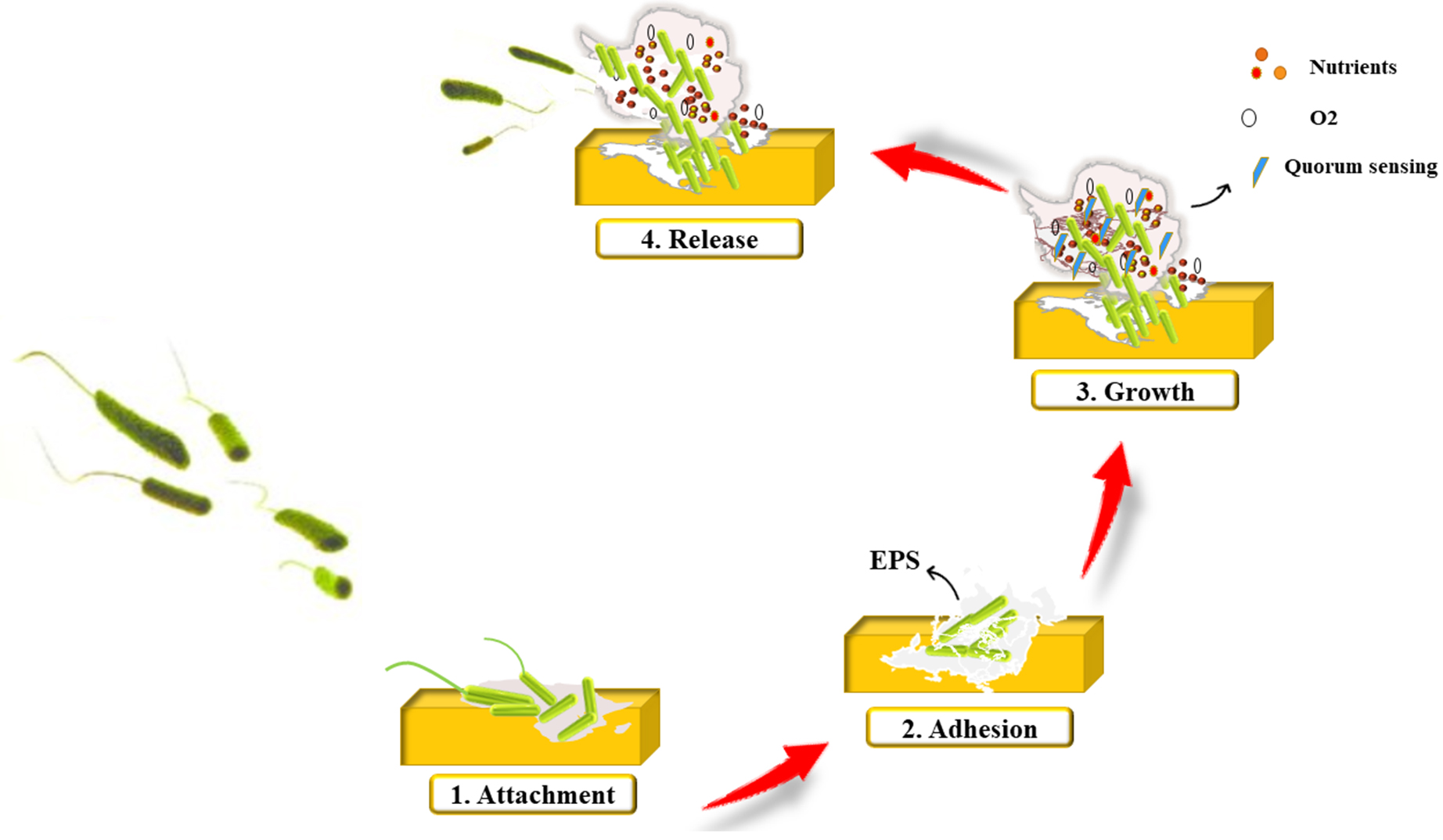 Fig. 2.
Biofilm formation process. The first step in biofilm formation is the attachment of bacterial cells to a surface. This can be the surface of a plant leaf, stem, or root. After initial attachment, bacteria start producing EPS, extracellular polymeric substances secreted by bacteria, which helps in anchoring the cells more firmly to the surface. This marks the transition from reversible to irreversible attachment. The bacteria begin to divide and form microcolonies. These microcolonies are the basic structural units of a biofilm. As the microcolonies grow, they develop into a more complex, three-dimensional structure. This maturation phase involves significant changes in the behavior and physiology of the bacteria. The EPS matrix grows denser, providing a scaffold that maintains the structural integrity of the biofilm. This matrix protects the bacteria from environmental stresses and can help shield them from plant defense mechanisms. Bacteria in biofilms communicate with each other through a process called quorum sensing, where they release and respond to chemical signal molecules. Quorum sensing regulates gene expression in response to the density of the bacterial population, coordinating behavior within the biofilm, including the production of EPS and other factors important for survival and interaction with the plant. The final stage of a biofilm lifecycle is dispersion, where some bacteria leave the biofilm to colonize new surfaces or to spread under changing environmental conditions. Adapted with permission from [71]. EPS, exopolysaccharides.
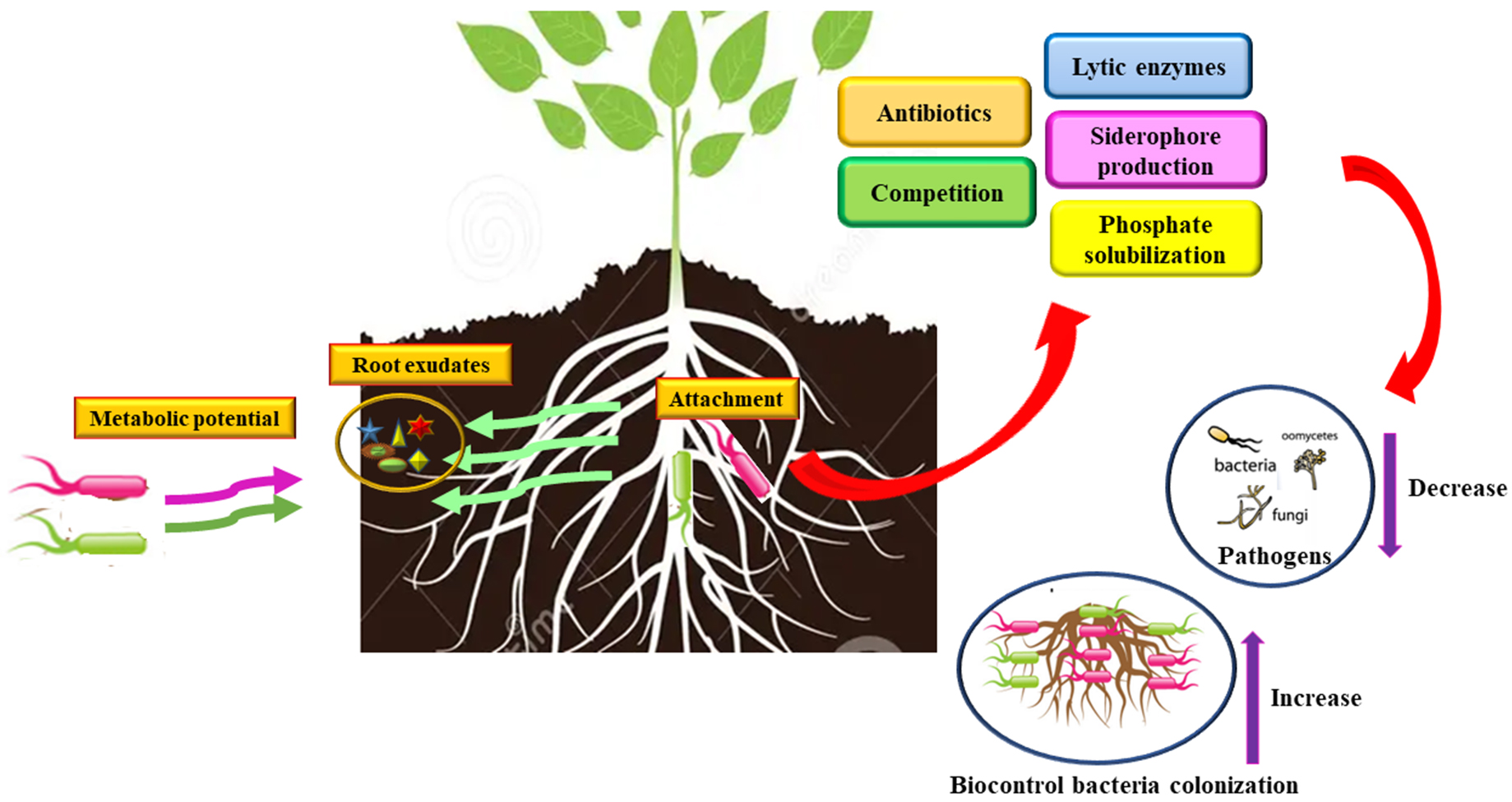
The rhizosphere is a competitive environment, with numerous microorganisms vying for limited resources and favorable niches [74]. Biocontrol bacteria must outcompete plant pathogens and other microbial species to establish successful colonization. They employ various strategies such as nutrient competition, antimicrobial compound production, and niche exclusion to gain an advantage over undesirable microorganisms [75]. Understanding the mechanisms by which biocontrol bacteria compete and interact with other microbes within the rhizosphere is crucial for their effective colonization. Competitive mechanisms employed by biocontrol bacteria against plant pathogens involve a variety of strategies aimed at outcompeting and inhibiting the growth of pathogenic microorganisms. These mechanisms play a crucial role in protecting plants from diseases in agricultural and natural ecosystems. Firstly, biocontrol bacteria compete for essential nutrients and space within the plant’s rhizosphere or on its surfaces. By utilizing available nutrients more efficiently or producing siderophores—molecules that chelate iron and make it less available to pathogens—these bacteria can deprive pathogens of the resources they need for growth. This competitive exclusion limits the establishment and proliferation of harmful organisms [76, 77]. Also, they are proficient at assimilating carbon sources, nitrogen compounds, phosphorus, iron, and other essential elements required for growth and colonization [78]. Secondly, biocontrol bacteria produce a diverse array of antimicrobial compounds, such as antibiotics, volatile organic compounds (VOCs), and lytic enzymes. Antibiotics, like those produced by Pseudomonas and Bacillus species, inhibit the growth of pathogens by disrupting their metabolic processes or cell wall synthesis. VOCs emitted by some biocontrol bacteria have been shown to suppress fungal spore germination and mycelial growth, further reducing pathogen populations. Additionally, lytic enzymes such as chitinases and proteases degrade fungal cell walls or interfere with bacterial cell membranes, effectively killing or weakening pathogens. Moreover, biocontrol bacteria can induce systemic resistance in plants, triggering the host’s defense mechanisms against a broad spectrum of pathogens. This process involves the production of signaling molecules, such as salicylic acid and jasmonic acid, which activate defense-related genes and pathways in the plant. By priming the plant’s immune response, biocontrol bacteria enhance its ability to recognize and combat invading pathogens, thereby reducing disease incidence and severity [79, 80]. The ability of biocontrol bacteria to efficiently acquire and utilize nutrients contributes to their competitiveness and persistence within the rhizosphere environment (Fig. 3, Ref. [81]) (Table 1, Ref. [49, 82, 83, 84, 85, 86, 87, 88, 89]).
 Fig. 3.
Root colonization process. Colonization begins when these bacteria, often present in the soil, are attracted to the root zone, also known as the rhizosphere, by exudates released by plant roots. These exudates contain various nutrients and signaling compounds that attract the bacteria. Upon reaching the root surface, the bacteria adhere to it, colonize in or around the roots by growth proliferation. During colonization, these bacteria can exert beneficial effects on the plant, such as promoting growth, enhancing nutrient uptake, and providing protection against pathogens through various mechanisms like the production of antibiotics or competition for resources. This symbiotic relationship improves plant health and growth. Adapted with permission from [81].
| Biocontrol bacteria | Host plant | Mechanisms | References |
| Streptomyces albidoflavus OsiLf-2 | Rice | Lytic enzyme activity; antimicrobial activity | [82] |
| Pseudomonas viridiflava | Canola | Antimicrobial activity; inducing plant resistance | [83] |
| Pseudomonas putida BP25 | Black pepper | Antimicrobial activity | [84] |
| Bacillus velezensis Bv-25 | Citrus | Antimicrobial compounds | [85] |
| Pseudomonas orientalis F9 | Apple | Production of siderophore and antibiotic | [86] |
| Streptomyces P4 | Sweet pea | Lytic enzyme activity | [87] |
| B. subtilis | Tomato | Production of fengycin | [88] |
| Bacillus amyloliquefasciens 5B6 | Cucumber | Induced Systemic Responses | [89] |
| Pseudomonas protegens CS1 | Lemon | Production of siderophore | [49] |
After successfully colonizing the roots, biocontrol bacteria may need to move within the plant to exert their protective effects against pathogens. The translocation of biocontrol bacteria from roots to shoots may enhance protection against pathogens by direct competition for resources or inhibition, inducing systemic resistance, or producing antimicrobial compounds. Additionally, they can stimulate plant growth by producing plant growth-promoting substances, enhancing nutrient availability, and improving stress tolerance [90, 91]. Biocontrol bacteria employ various strategies for movement and spreading within above-ground plant tissues. These strategies include: (a) Some biocontrol bacteria possess flagella, which allow them to actively move and navigate through the viscous environment of plant surfaces [92]. Flagella-driven movement facilitates colonization by enabling bacteria to reach new colonization sites. (b) Biocontrol bacteria may employ twitching motility, a form of surface-associated movement. Using pili or other appendages, bacteria can crawl along surfaces, facilitating their spread and colonization within above-ground plant parts [56]. Also, Chemotaxis, the movement towards or away from chemical stimuli, helps bacteria to locate and colonize favorable niches on the plant [59]. Understanding the mechanisms underlying this translocation process is essential for harnessing the full potential of biocontrol bacteria in biological plant pathogen control. Different translocation mechanisms employed by plants. (1) Apoplastic transport involves the movement of substances through the extracellular spaces between cells, primarily facilitated by the apoplast, which includes cell walls, intercellular spaces, and the xylem vessels [93]. (2) Symplastic transport: involves the movement of substances through the interconnected cytoplasmic continuum of interconnected cells via plasmodesmata. Key features of symplastic transport include: Symplastic pathway: substances can enter the symplastic early in the root system, bypassing the apoplast. They move from cell to cell through plasmodesmata until they reach the endodermis and eventually enter the xylem vessels [94]. (3) Transmembrane transport: involves the active or passive movement of substances across plasma membranes of root cells [95]. (4) Phloem transport: in addition to water and nutrients, plants also need to translocate organic compounds such as sugars, amino acids, and hormones throughout their system. This process occurs primarily through the phloem, a specialized vascular tissue responsible for translocation of assimilates [96, 97]. Biocontrol bacteria can employ various pathways to travel from the roots to the above-ground parts of the plant [48]. One primary route is through the plant’s vascular system, specifically the xylem tissue. The xylem serves as the water-conducting tissue of the plant and provides an extensive network for bacterial movement. By utilizing the natural flow of water and nutrients, biocontrol bacteria can be transported upwards in the xylem vessels towards the shoots. However, alternative pathways, such as intercellular spaces or specialized structures like hydathodes or stomata, may also facilitate the movement of biocontrol bacteria [21, 98, 99, 100].
Biocontrol bacteria capable of translocating from roots to shoots play a
significant role in enhancing plant health and productivity. Not all biocontrol
bacteria have been demonstrated to move from the roots to the shoots, including
the phyllosphere (the above-ground parts of plants). While many biocontrol
bacteria primarily exert their effects locally in the rhizosphere (the root
zone), some do have the ability to move systemically within the plant. These
bacteria, often referred to as endophytic bacteria, have evolved unique traits
that allow them to move systemically within the plant. A key feature of these
biocontrol bacteria is their production of various metabolites that promote plant
growth and health [26, 90]. These metabolites include phytohormones like auxins
and cytokinins, which can enhance root growth and development, facilitating
better nutrient and water uptake [101, 102]. Additionally, some of these bacteria
can produce antibiotics or other antimicrobial compounds that help protect the
plant from pathogenic microorganisms [84]. By colonizing the internal tissues of
the plant, these bacteria can provide a protective barrier against pathogens,
reducing the incidence of diseases. Another important trait of these biocontrol
bacteria is their ability to form biofilms and produce extracellular
polysaccharides, which aid in their attachment and colonization within the plant
tissues [103]. Biofilm formation not only helps the bacteria adhere to plant
surfaces but also provides protection against environmental stresses and plant
defense mechanisms. Moreover, these bacteria can modulate the plant’s immune
system, often through the secretion of enzymes that degrade plant cell walls or
by producing molecules that mimic plant signals, thereby facilitating their
systemic spread [104, 105]. Endophytic bacterial diversity has been reported in a
number of plant species, with Proteobacteria being the most predominant phylum
frequently isolated. This phylum includes the classes
The xylem, a key component of a plant’s vascular system, primarily functions in the translocation of water and minerals from the roots to various parts of the plant. However, its role in the translocation of biocontrol bacteria is quite specialized and not a typical pathway for bacterial movement within plants. This is because the xylem vessels, which are responsible for water transport, are not conducive environments for the growth and movement of most bacteria due to factors like the upward flow of water and the lack of nutrients. These bacteria must adapt to the unique conditions within the xylem, such as low nutrient availability and high hydrostatic pressures [112]. To traverse the xylem vessels, bacteria may possess specific physiological traits, including flagella-mediated motility or adaptations to withstand the harsh environment encountered during the journey [113, 114]. Additionally, the interactions between biocontrol bacteria and the plant’s vascular system, such as adherence to xylem walls or avoidance of plant immune responses, play significant roles in successful translocation. However, in some specific cases, certain types of bacteria have developed the ability to enter and move within the plant’s vascular system, including the xylem. This is usually observed in endophytic bacteria, which can live inside the plant tissues without causing harm. These bacteria might use the xylem to move to different parts of the plant, but such instances are more the exception than the norm. Their movement through the xylem is still a subject of research, and it’s not entirely clear how these bacteria manage to survive and navigate within this environment. It has been suggested that endophytic bacteria have a special genetic architecture, which may account for their capacity to colonize plant tissues internally [115].
The interactions between biocontrol bacteria and plant tissues during translocation are intricate and multifaceted, involving a series of steps that facilitate the movement and establishment of these beneficial bacteria within the plant. During translocation, the biocontrol bacteria may interact with plant cell walls, communicate with plant cells through signaling molecules, or actively modulate plant defense responses to avoid detection and clearance by the plant’s immune system [116]. Understanding these interactions that influence the efficiency and extent of bacterial movement, is crucial for elucidating the mechanisms employed by biocontrol bacteria to establish themselves within shoots and provide systemic protection against pathogens. Bacterial determinants for systemic colonization have been related to the secretion systems, metabolic capacities and bacterial cell wall properties [92, 117].
Efficient translocation of biocontrol bacteria from roots to shoots allows for widespread colonization within the plant and enhances systemic resistance against pathogens [118, 119]. By comprehending the pathways and mechanisms involved in this translocation process, researchers can develop strategies to enhance the upward movement of biocontrol bacteria and increase their efficacy in biological plant pathogen control [120]. Moreover, investigating the interplay between biocontrol bacteria and plant tissues during translocation provides insights into the molecular and physiological processes underlying the establishment and maintenance of systemic resistance.
In summary, understanding the translocation mechanisms of biocontrol bacteria as they travel from roots to shoots is crucial for maximizing their potential in biological plant pathogen control. Exploring the pathways, interactions, and adaptations involved in this journey enhances our ability to optimize colonization strategies, improve systemic protection, and develop innovative approaches that leverage the full power of biocontrol bacteria in sustainable crop management. After successful root colonization, biocontrol bacteria have the potential to extend their presence and protective effects to above-ground plant parts, including stems, leaves, and flowers [26]. The colonization of above-ground plant parts by biocontrol bacteria is a crucial aspect of their efficacy in biological plant pathogen control. Understanding the mechanisms and factors influencing colonization in these aerial plant tissues is essential for optimizing biocontrol strategies and enhancing crop protection.
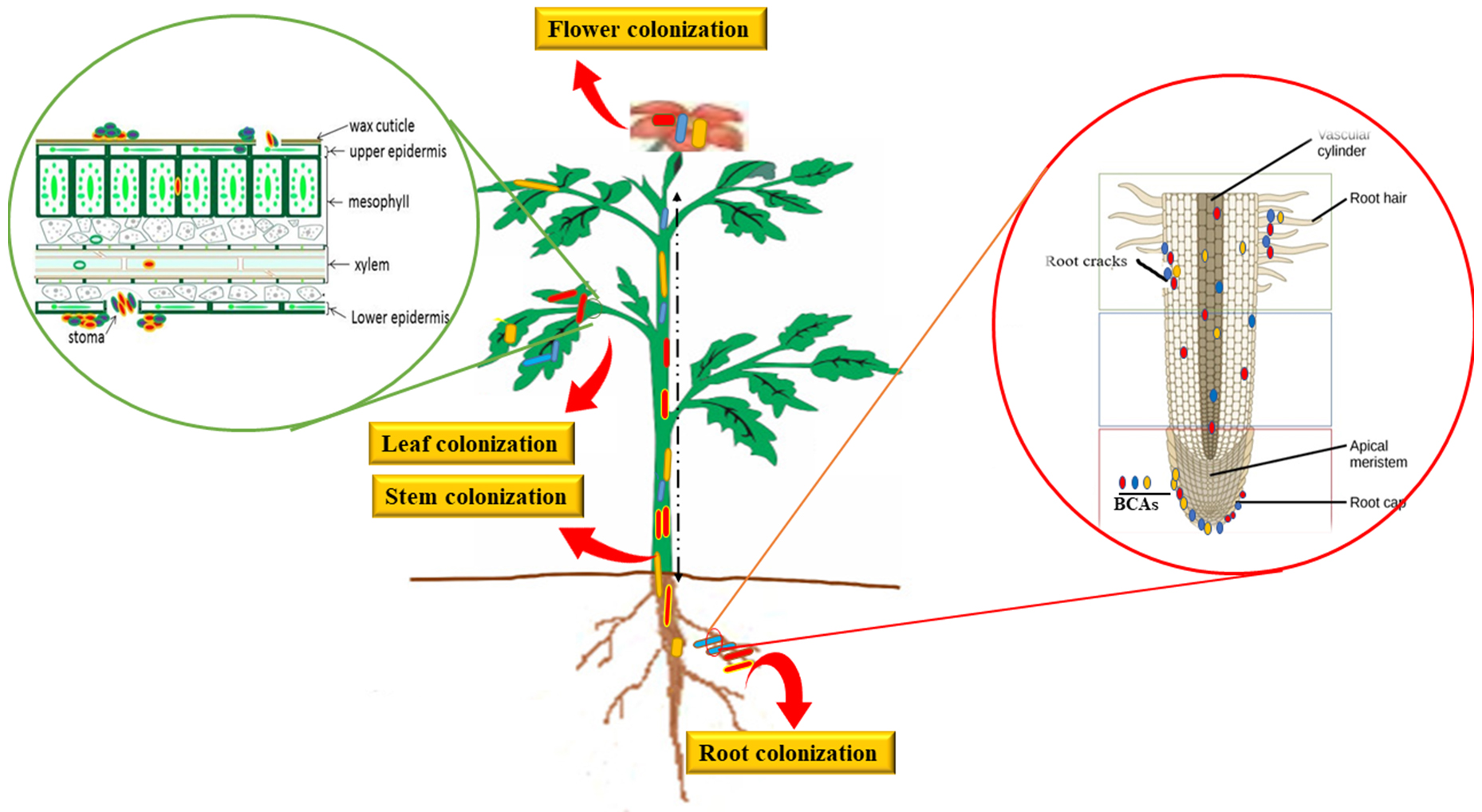
Biocontrol bacteria can colonize stem tissues through various routes, including movement through the xylem vessels or intercellular spaces in the stem cortex [121]. The presence of vascular connections between leaves and stems can enable biocontrol bacteria to colonize the stem from the leaf surface [122]. They may benefit from wounds or natural openings, such as leaf scars, lenticels, stomata, and hydathodes which provide entry points for colonization [123]. Once inside the stem, biocontrol bacteria can proliferate and form localized populations within the vascular tissues or surrounding cells (Fig. 4, Ref. [124]). Mechanical damage, herbivore feeding, or other forms of stress can create openings that allow bacteria to enter the stem and establish populations [125]. Once biocontrol bacteria colonize stems, they need to proliferate and adapt to the unique microenvironment within these tissues.
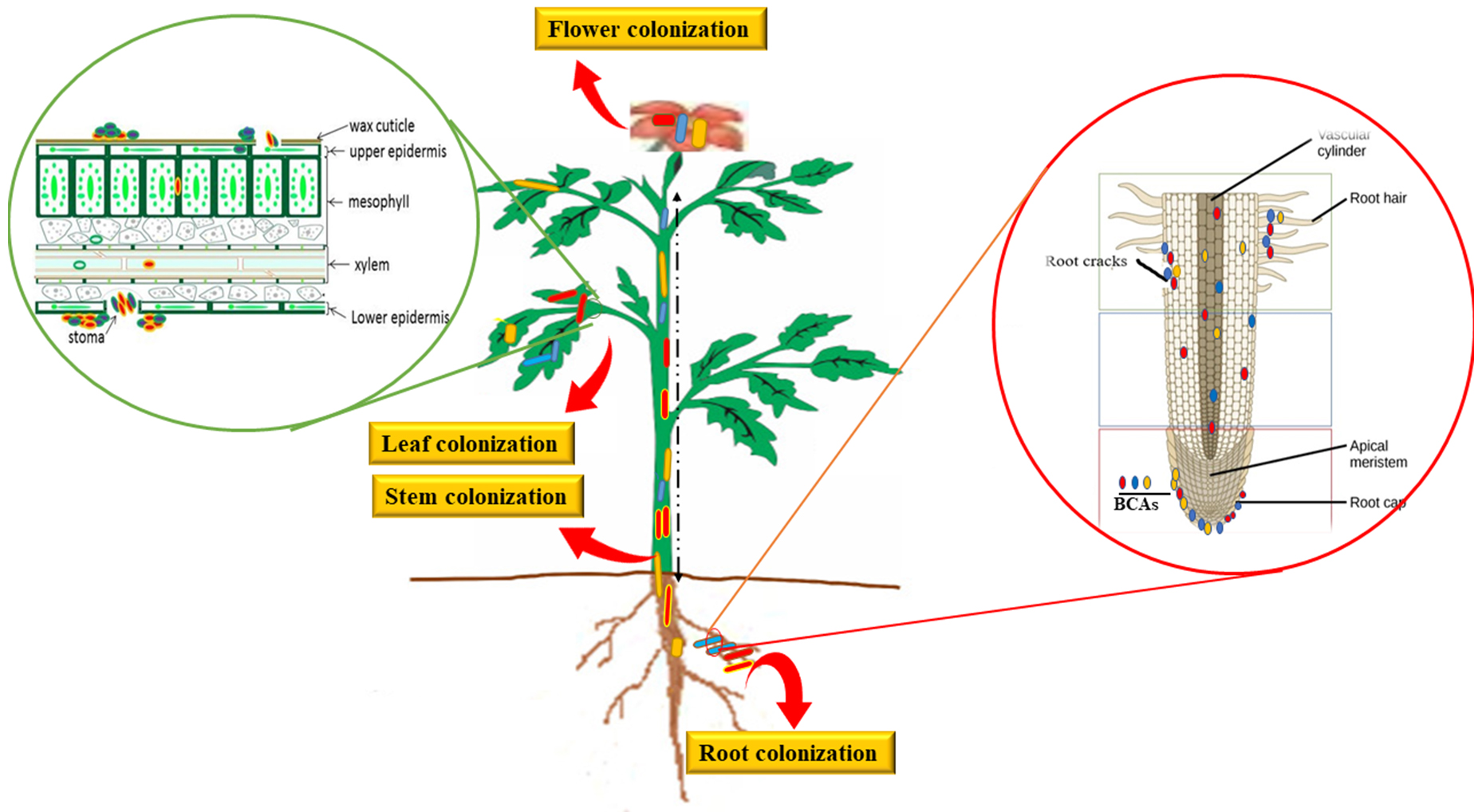 Fig. 4.
The pathways for upward movement within plants. The journey of biocontrol bacteria into plant tissues typically starts at the roots. Bacteria enter through natural openings like root hairs or wounds, or they may utilize enzymatic mechanisms to penetrate cell walls. This entry is facilitated by the chemical signals exchanged between the plant and the bacteria. Once inside, the bacteria begin to colonize the intercellular spaces of the plant tissues. This colonization is a delicate balance, as the plant’s immune system is constantly monitoring for potential pathogens. The bacteria must evade or suppress these immune responses to establish themselves within the plant. For bacteria that move beyond the local site of colonization, translocation usually occurs via the plant’s vascular system. The xylem and phloem serve as conduits; however, the xylem is less hospitable due to its primary function in water transport and its lower nutrient content. The phloem, being rich in organic nutrients, might provide a more favorable route for bacterial movement. Throughout their journey, biocontrol bacteria communicate with the plant cells via chemical signals. These signals can induce local or systemic changes in the plant, enhancing its growth or resistance to stress and pathogens. The bacteria, in turn, benefit from the nutrients and protection provided by the plant tissues.Adapted with permission from [124].
Factors influencing proliferation and adaptation include: (a) nutrient availability: Stems may provide a nutrient-rich environment for biocontrol bacteria. They can access nutrients transported through the xylem or utilize resources present within the stem tissues, promoting bacterial growth and colonization, and carbon has been reported as the most preferred source for growth and survival of them [126]. (b) Intercellular interactions: biocontrol bacteria may interact with plant cells and tissues within the stem, potentially modulating host immune responses or forming mutualistic relationships. Actually, a way by which these bacteria escape their detection as a pathogen by host tissue is maintenance of low cell densities (2–6 log cfu/gfw) as compared to pathogenic bacteria [127]. These interactions can contribute to successful colonization and systemic protection against pathogens.
In summary, the colonization of above-ground plant parts by biocontrol bacteria is a multifaceted process influenced by bacterial characteristics, plant surface properties, environmental conditions, and the interaction between the plant and the microbial community. Understanding the mechanisms and dynamics of above-ground plant parts colonization by biocontrol bacteria is crucial for developing effective strategies in biological plant pathogen control. By targeting stem colonization, researchers can enhance the systemic protection provided by biocontrol bacteria and improve overall plant health. Moreover, investigating the intricate interactions between biocontrol bacteria and stem tissues contributes to our understanding of plant-microbe interactions and opens avenues for developing innovative biocontrol approaches that harness the full potential of beneficial microorganisms.
Certain biocontrol bacteria can modulate plant defense responses to facilitate colonization. This includes suppression of defense mechanisms that might otherwise limit bacterial colonization. Some bacteria induce systemic resistance in plants, which paradoxically may improve their colonization by priming the plant’s overall defensive capacity without directly targeting the beneficial bacteria. These strategies are explained in detail in the following sections.
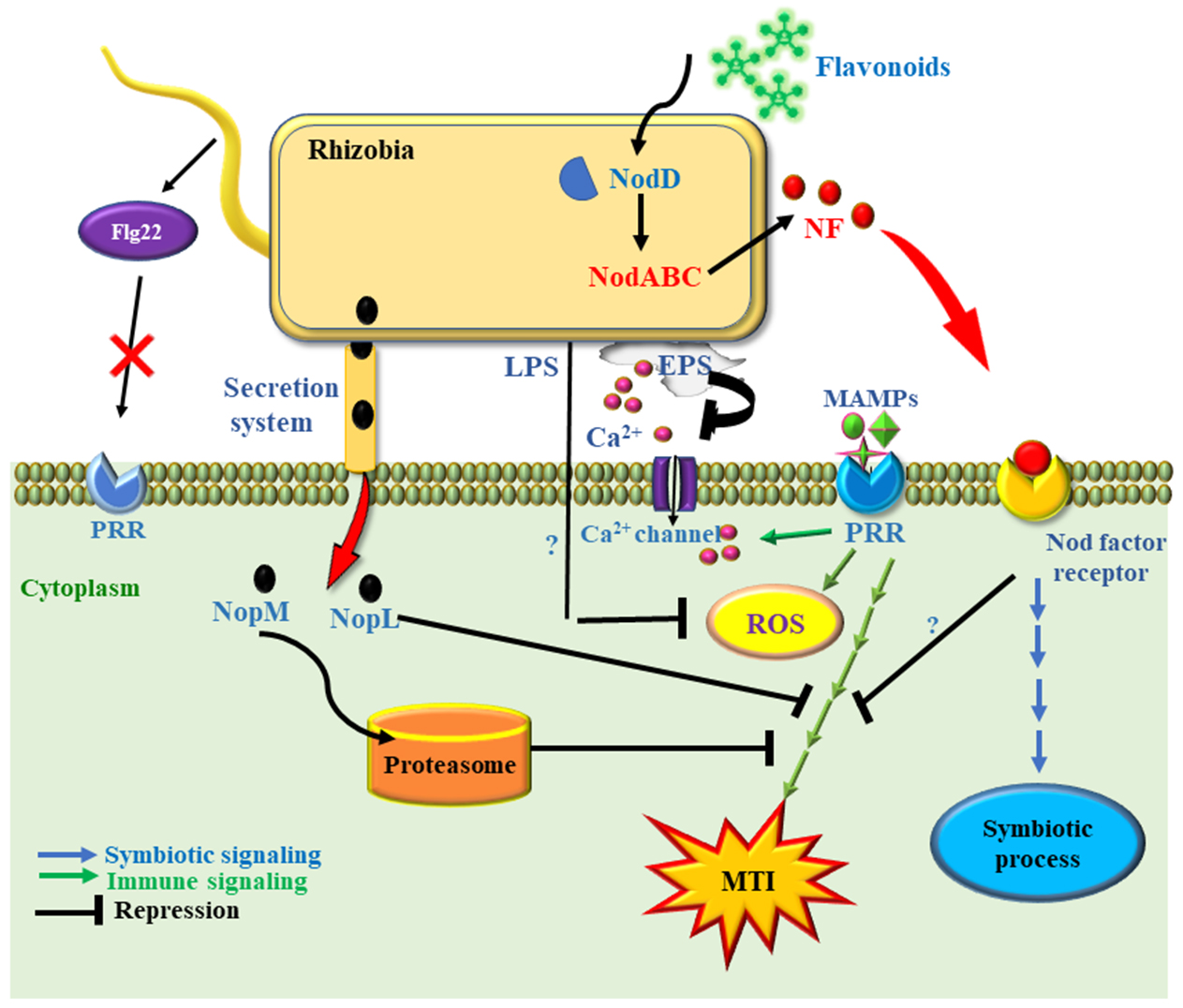
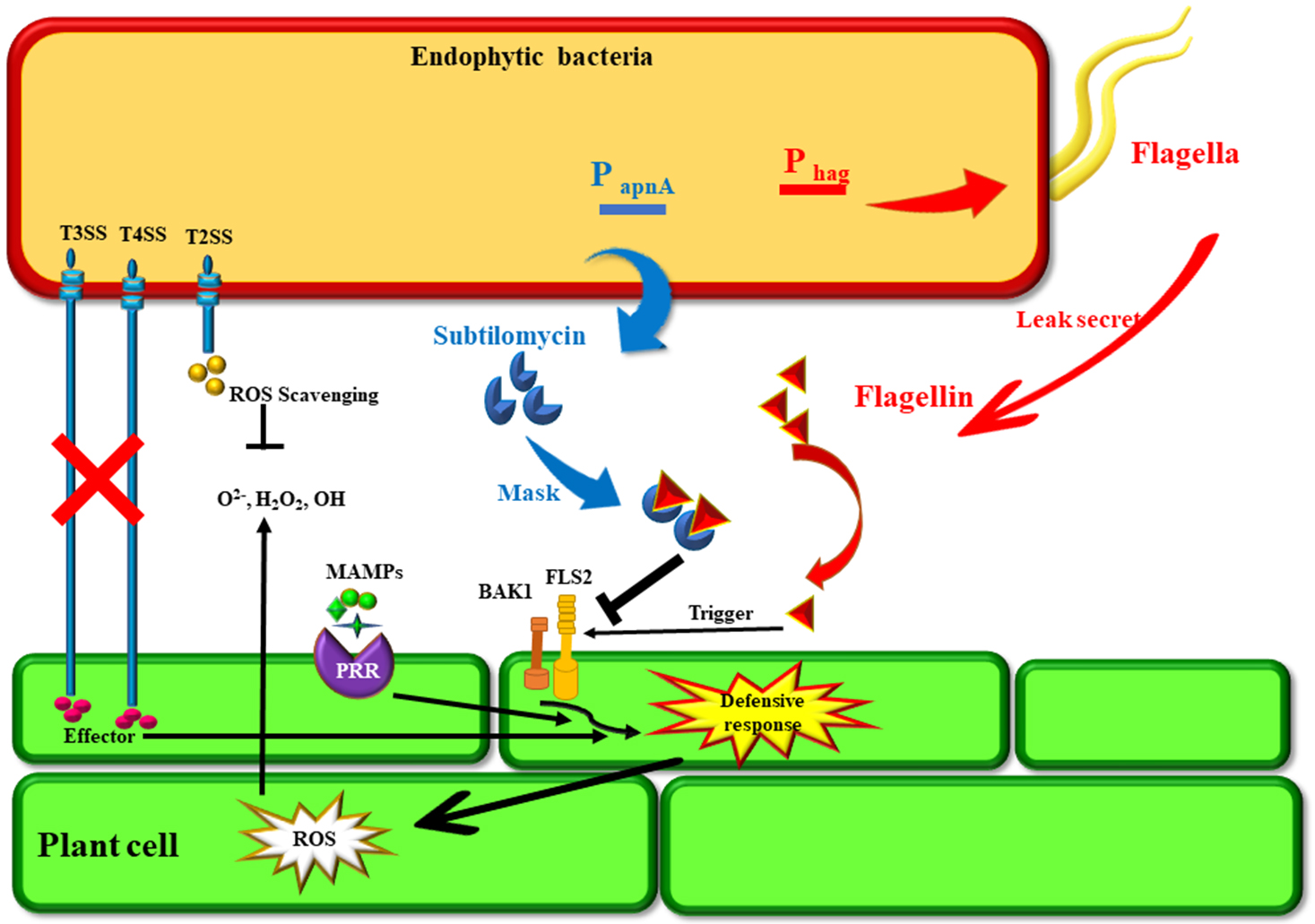
The suppression mechanisms employed by biocontrol bacteria during the colonization of plant hosts are quite sophisticated. These bacteria use various strategies to modulate or suppress the plant’s immune system, allowing for effective colonization and, in many cases, providing benefits to the plant. Some biocontrol bacteria produce compounds that suppress or interfere with the host plant’s immune responses. By dampening plant defense reactions, they can colonize above-ground plant parts without eliciting strong resistance [128]. Innate immunity pathway is termed MAMP triggered immunity (MTI) rely on the recognition of microbe-associated molecular patterns (MAMPs). MAMPs are conserved motifs present on essential components of a microbe that plants can recognize them through membrane-localized receptors. These pattern recognition receptors (PRRs) directly bind MAMPs, resulting in rapid changes in the cell [129]. The early immune responses downstream of MAMP, including changes in cytoplasmic Ca2+ levels, activation of mitogen-activated protein kinases (MAPK) cascades, induction of defence-related genes, production of phytoalexin, reactive oxygen species (ROS) and nitric oxide (NO), deposition of callose to reinforce the cell wall and stomatal closure to prevent bacterial entry [130]. Both symbiotic and non-symbiotic beneficial bacteria are initially recognized as alien organisms. Therefore, they use mechanisms to reduce stimulation of host immune responses and actively suppress. Some of these bacteria can escape MTI by producing modified MAMP or produce the MAMPs with low-elicit ability [131]. For example, in rhizobia have shown that the modified MAMPs including flagellin (flg22 peptide), lipopolysaccharides and exopolysaccharides inhibited the defense reactions through extracellular calcium chelation and ROS production inhibition (Fig. 5, Ref. [132, 133]). Endophytic bacteria like Bacillus subtilis employ a strategic approach by reducing the stimulation of plant defensive responses through the production of lantibiotic subtilomycin. This compound binds to the flagellin produced by the bacteria itself, enhancing its ability to colonize plants effectively [134]. In some cases, beneficial bacteria can downregulate the expression of Microbe-Associated Molecular Patterns (MAMPs) or modulate essential genes. For instance, the bacterial BacA protein from symbiotic Sinorhizobium protects it from plant-specific cysteine-rich antimicrobial peptides in nodules [135]. These mechanisms are commonly used by bacteria to adapt to and thrive in endosphere environments (Fig. 6, Ref. [134]).
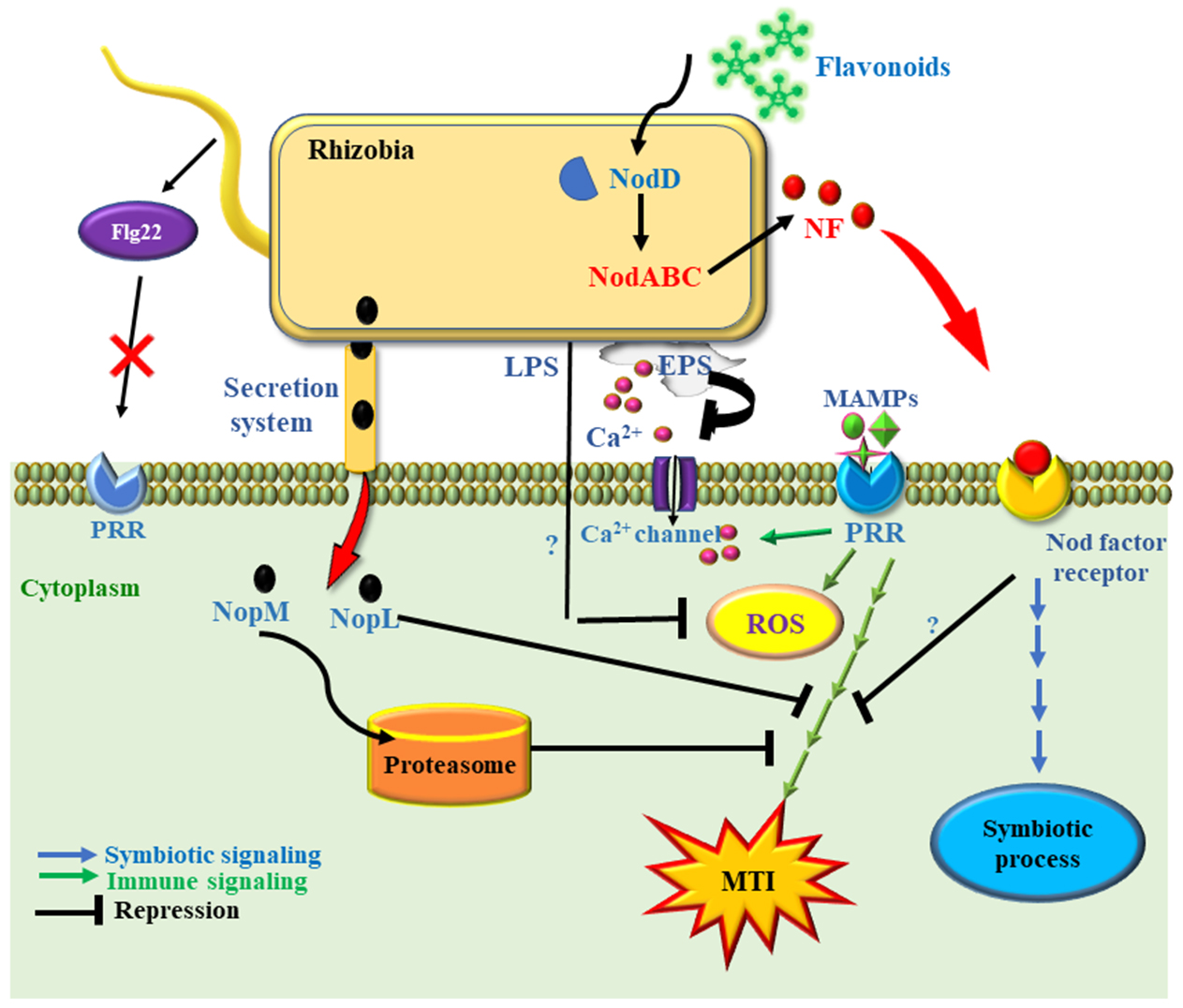 Fig. 5.
Defense suppression during early symbiotic interactions. The interaction begins when a plant root exudes chemicals, including flavonoids, that are detected by rhizobia. These flavonoids trigger the rhizobia to produce nod factors, which are signaling molecules. The nod factors are recognized by specific receptors on the plant root cells. This recognition is critical for the establishment of symbiosis. It initiates a series of signaling pathways inside the plant cells. Normally, the invasion of plant tissues by bacteria would trigger the plant’s immune response. Plants can perceive bacterial MAMP using PRRs that trigger MTI characterized by calcium influx, ROS (Reactive oxygen species) production, and immune signaling. However, in the case of rhizobia, the plant’s defense mechanisms are actively suppressed or modulated by producing modified MAMP (for example, rhizobial flg22 peptide is exceptionally divergent in Sinorhizobium meliloti), through NF-mediated suppression of MTI, by inhibiting the defense reactions through extracellular calcium chelation using bacterial exopolysacharides and/or through ROS production inhibition using bacterial lipopolysaccharides. Some rhizobia use T3SS or T4SS to inject symbiotic effectors (for example, Nop proteins) into the host cytoplasm to short circuit immune signaling, directly or via the proteasome pathway. Adapted with permission from [132] and [133]. NF, Nod factor; LPS, Lipopolysaccharide.
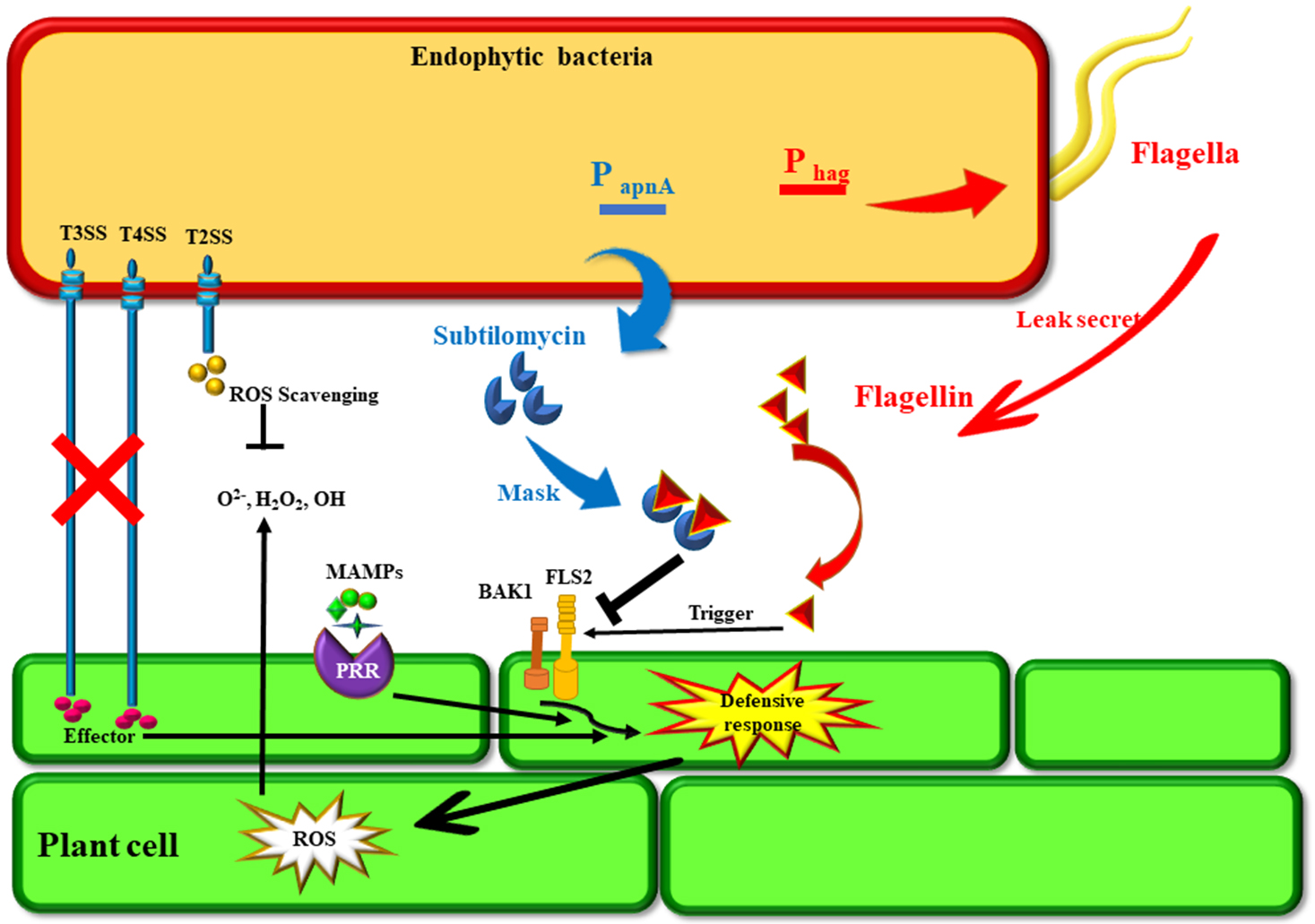 Fig. 6.
Endophytic bacteria reduce the stimulation of plant defensive response by producing lantibiotic subtilomycin to bind with self-produced flagellin, which makes subtilomycin producer a favorable colonist in plants. Also, Genes encoding secretion systems including T2SS are normally detected in high copy numbers in endophytic bacteria. The rare presence of T3SS and T4SS that generally elicit significant plant defense, and the production of scavenging enzymes of endophytic bacteria may have contributed to their successfully colonization in plants. Adapted with permission from Deng et al. [134].
Induced systemic resistance (ISR) is a fascinating aspect of plant defense that is triggered by certain biocontrol bacteria during colonization. This phenomenon enhances the overall immune capacity of the plant against a wide range of pathogens and pests. This strategy allows biocontrol bacteria to colonize plant tissues while simultaneously promoting plant health and protection [136]. When specific strains of biocontrol bacteria colonize the roots or other parts of the plant, they initiate ISR. This is often triggered by specific bacterial determinants, such as lipopolysaccharides, flagella, siderophores, or volatiles produced by the bacteria. The interaction between the plant and the biocontrol bacteria activates complex signaling pathways within the plant. This involves plant hormones like jasmonic acid and ethylene, which are key players in the plant’s defense mechanisms. Interestingly, salicylic acid, which is central in systemic acquired resistance (SAR), is generally not involved in ISR. Once ISR is triggered, the plant exhibits a ‘primed’ state. This means that the plant’s defensive mechanisms respond more quickly and effectively to subsequent pathogen attacks. It’s important to note that ISR doesn’t provide immunity but rather enhances the plant’s ability to defend itself. A significant advantage of ISR is that it provides resistance against a wide range of pathogens, including fungi, bacteria, and viruses, as well as some insect pests [137]. This broad-spectrum resistance is highly beneficial in agricultural contexts. Unlike systemic acquired resistance (SAR), ISR does not involve the direct activation of antimicrobial pathways in the absence of a pathogen. It’s more about preparing the plant for a faster and stronger response when a pathogen is detected. ISR and SAR are two different pathways for systemic resistance, and they can act synergistically. In some cases, plants may benefit from both types of resistance, providing a more robust defense system [138].
Some well-studied examples of biocontrol bacteria known to induce ISR in plants include: (a) Pseudomonas is a diverse genus of bacteria known for its ability to induce systemic resistance in plants. Many strains of P. fluorescens and P. putida are known to induce ISR [139, 140]. (b) Bacillus is a genus of bacteria that are widely recognized for their ability to induce systemic resistance in plants. Some strain of Bacillus subtilis and Bacillus amyloliquefaciens are known for their ISR-inducing capabilities [141, 142]. (c) The genus Rhizobium is renowned for its role in nitrogen fixation through symbiotic relationships with leguminous plants. Beyond its well-known role in nitrogen fixation, Rhizobium is also recognized for its ability to induce systemic resistance in plants, thereby enhancing plant defenses against various pathogens and pests. Some species like Rhizobium leguminosarum known to induce ISR in legumes [143]. (d) The Serratia genus, part of the Enterobacteriaceae family, includes several species known for their plant growth-promoting and biocontrol properties. Notably, some strains of Serratia marcescens can induce ISR in plants [144]. (e) The Azospirillum genus is renowned for its plant growth-promoting properties, particularly through nitrogen fixation and phytohormone production. Beyond these well-known functions, certain Azospirillum species are capable of inducing systemic resistance in plants. Some strain of Azospirillum brasilense known to induce ISR in certain crops [145]. Despite these promising findings, the ability to induce ISR is not universal across all strains within these species. Factors such as strain variation, host plant specificity, and environmental conditions like soil type and temperature play crucial roles in determining the effectiveness of ISR induction [146]. To ascertain the ISR-inducing potential of specific biocontrol bacteria, researchers employ a meticulous approach involving strain selection, controlled experiments, marker analysis, and comparative studies.
The concept of cross-talk and signaling by biocontrol bacteria during colonization is a crucial aspect of the complex interactions between plants, beneficial microbes, and their environment. This process involves a sophisticated network of chemical signals and responses that facilitate the establishment of beneficial relationships between the biocontrol bacteria and their host plants [147]. Biocontrol bacteria use signaling molecules to communicate with each other and with plant cells. This process, known as quorum sensing, involves the production, release, and detection of small signaling molecules called autoinducers. When the bacterial population reaches a certain density, these molecules trigger coordinated gene expression, allowing bacteria to adapt to the plant environment and enhance their colonization ability. Quorum sensing helps bacteria regulate functions such as biofilm formation, motility, and production of antimicrobial compounds [39]. These bacteria can modulate plant hormone levels, affecting plant growth and immune responses. For instance, bacteria may produce auxins, cytokinins, and gibberellins that promote plant growth, or they can influence ethylene and salicylic acid pathways to modulate plant stress responses. This hormonal modulation can create a more favorable environment for bacterial colonization while enhancing the plant’s ability to resist pathogens [148]. Plants release root exudates containing sugars, amino acids, organic acids, and secondary metabolites that attract beneficial bacteria. This chemotactic response guides bacteria towards the roots, where they can initiate colonization. Once inside the plant, bacteria continue to respond to chemical cues from plant tissues, helping them navigate and establish populations in above-ground parts [59]. Biocontrol bacteria possess molecules on their surfaces, such as flagellin, lipopolysaccharides, and peptidoglycans, known as microbe-associated molecular patterns (MAMPs). These MAMPs are recognized by plant receptors, triggering plant immune responses. However, they can modulate these responses, preventing a strong defensive reaction and allowing them to colonize plant tissues effectively. Also, they can trigger induced systemic resistance (ISR) in plants, a state of enhanced defensive capacity against a broad spectrum of pathogens. Through signaling molecules such as jasmonic acid and ethylene, bacteria prime the plant’s immune system, making it more responsive to future attacks. This systemic protection not only benefits the plant but also aids in the establishment and persistence of biocontrol bacteria in above-ground parts. During colonization, they can influence plant gene expression through various signaling pathways. For instance, bacteria might activate or repress specific plant genes involved in defense, growth, or stress responses. This interaction helps bacteria evade plant defenses while promoting a conducive environment for their proliferation [137]. In some cases, biocontrol bacteria establish symbiotic relationships with plants, where both parties benefit. For example, bacteria might fix nitrogen or solubilize phosphates, providing essential nutrients to the plant, while the plant offers a habitat and nutrients to the bacteria. This mutualistic interaction enhances the overall health and growth of the plant, facilitating bacterial colonization of above-ground parts [149]. The cross-talk and signaling between biocontrol bacteria and plants during movement and colonization involve a complex interplay of chemical signals, hormonal modulation, and immune responses. By understanding these mechanisms, researchers can develop more effective biocontrol strategies, leveraging the beneficial interactions between plants and bacteria to enhance plant health and protection against pathogens.
The successful colonization of biocontrol bacteria within plants is influenced by various factors, including the anatomical features of the host plant. Plant anatomy plays a significant role in determining the accessibility, movement, and establishment of biocontrol bacteria within different plant tissues. (1) The epidermis, the outermost layer of plant tissues, along with its associated structures and the cuticle, can affect biocontrol bacteria colonization [150]. Factors include: (a) trichomes: trichomes are hair-like structures present on leaf surfaces, stems, and other plant organs. They can act as physical barriers or provide attachment sites for biocontrol bacteria [151]. The presence of trichomes can influence bacterial adhesion, movement, and colonization on the plant’s surface. (b) Cuticle thickness: the cuticle is a waxy layer covering the epidermis that acts as a protective barrier against water loss and pathogen invasion [152]. The thickness and composition of the cuticle can impact the adherence and penetration of biocontrol bacteria. A thinner cuticle may facilitate bacterial colonization, while a thicker cuticle may pose challenges for their establishment. (c) Vascular system: the plant vascular system, consisting of xylem and phloem tissues, plays a crucial role in nutrient and water transport [90]. (2) Certain structural modifications in plants can influence biocontrol bacteria colonization. These modifications include: (a) lenticels: lenticels are small, corky structures on stems and other plant organs that allow for gas exchange. They can also serve as entry points for biocontrol bacteria, enabling colonization of internal stem tissues [153]. (b) Secondary growth and bark: plants with secondary growth, such as trees, develop a protective layer of bark. Biocontrol bacteria may colonize the bark, utilizing it as a microenvironment for establishment and providing protection against pathogens [154]. (c) Intercellular spaces: some plants have intercellular spaces within their tissues, which can provide habitats for biocontrol bacteria. These spaces offer colonization sites and contribute to the spread and establishment of beneficial microorganisms [155].
The impact of plant anatomy on the colonization of biocontrol bacteria is a significant aspect of plant-microbe interactions. Various anatomical features of plants can influence how effectively these beneficial bacteria colonize and exert their protective effects. Here’s an overview of how different plant anatomical structures impact biocontrol bacteria colonization: (a) stem anatomy: Stem anatomy influences the colonization potential of biocontrol bacteria, as it determines the availability of nutrient resources, intercellular spaces, and vascular connections. The presence of lenticels, leaf scars, or wounds can provide entry points and facilitate colonization within the stem tissue [156]. Variation in stem composition, such as lignification or secondary growth, may affect bacterial access to nutrients and colonization sites. (b) Leaf anatomy: The microscopic texture of leaves, including grooves, trichomes (hair-like structures), and stomata (pores), provides niches for bacterial colonization. Smooth surfaces might be less conducive to bacterial attachment compared to rough or grooved surfaces. Leaf surface characteristics, including epicuticular wax, trichomes, or stomatal density, influence biocontrol bacteria adherence and colonization on leaves. The presence of stomata provides an entry point for bacteria to colonize the leaf interior, these areas can be entry points for bacteria and also provide a more humid microenvironment, which can be beneficial for bacterial survival. The waxy layer on leaves can influence bacterial adhesion and survival. Some bacteria are better adapted to survive on waxy surfaces, while others may be hindered by it [157, 158]. (c) flower anatomy: Floral structures, such as nectaries, anthers, or stigma surfaces, can serve as colonization sites for biocontrol bacteria [159]. Nectar and pollen may act as nutrient sources for bacterial growth and survival within flowers [160]. The presence of specialized floral tissues, such as stigmatic papillae or glandular cells, can impact the ability of biocontrol bacteria to colonize and protect reproductive structures.
The effectiveness of biocontrol bacteria not only depends on their own traits but also on how well they can adapt and colonize the specific anatomical features of the plant they are protecting. Understanding these interactions can help in selecting or engineering bacteria that are more efficient in colonizing specific plant structures, thereby enhancing their biocontrol efficacy.
Understanding the impact of plant anatomy on biocontrol bacteria colonization and the strategies employed by biocontrol bacteria to overcome barriers in above-ground colonization has significant implications for biological plant pathogen control. Here, we will explore some of these implications:
By considering the anatomical features of host plants, researchers can design strategies to enhance the colonization efficiency of biocontrol bacteria [161]. This knowledge allows for the development of biocontrol formulations or treatments that specifically target favorable colonization sites, such as trichome-covered surfaces or intercellular spaces. Optimizing colonization efficiency increases the likelihood of establishing robust populations of biocontrol bacteria, leading to more effective protection against plant pathogens.
Understanding the translocation mechanisms of biocontrol bacteria within plants provides insights into their potential for systemic protection. Biocontrol bacteria capable of colonizing the xylem or phloem tissues can be strategically utilized to achieve broad-spectrum protection against pathogens. These bacteria can travel systemically, reaching different plant parts and providing a defense mechanism throughout the entire plant system [26]. Incorporating such bacteria into biocontrol strategies can enhance the overall efficacy and durability of plant disease management.
The knowledge of biocontrol bacteria’s adherence and attachment mechanisms can be utilized to develop targeted delivery systems. For example, understanding the role of adhesion proteins or exopolysaccharides can help design formulations that promote the attachment of biocontrol bacteria to specific plant surfaces [64]. This targeted delivery ensures efficient colonization and adherence, increasing the chances of successful establishment and long-term protection against pathogens.
Combining the understanding of plant anatomy and biocontrol bacteria strategies with other plant protection methods can lead to synergistic approaches in pathogen control. For instance, integrating biocontrol bacteria with plant breeding programs can result in the development of crop varieties with anatomical traits that facilitate biocontrol bacteria colonization [162]. Additionally, combining biocontrol agents with cultural practices, such as optimizing irrigation or nutrient management, can create a more conducive environment for biocontrol bacteria to colonize and thrive.
Harnessing the potential of biocontrol bacteria in plant pathogen control offers sustainable alternatives to synthetic pesticides. Biocontrol strategies are environmentally friendly, as they utilize natural microorganisms that are already present in the ecosystem [86]. Understanding how plant anatomy influences biocontrol bacteria colonization enables the development of targeted and effective biocontrol formulations, reducing reliance on chemical interventions and promoting sustainable agricultural practices.
In conclusion, the implications of studying the impact of plant anatomy on biocontrol bacteria colonization and their strategies to overcome barriers in above-ground colonization are significant for biological plant pathogen control. This knowledge empowers researchers, agronomists, and plant health professionals to design innovative approaches that optimize colonization efficiency, enhance systemic protection, develop targeted delivery systems, integrate multiple plant protection methods, and promote sustainable agricultural practices. By leveraging these insights, we can pave the way for effective and environmentally sustainable solutions to manage plant diseases and ensure global food security.
As we delve into the realm of biological plant pathogen control and the strategies employed by biocontrol bacteria to overcome above-ground colonization barriers, several future directions and challenges emerge. In this section, we will explore some potential avenues for future research and address the challenges that need to be addressed: (a) A key future direction is to further unravel the intricate interactions between biocontrol bacteria and plants. This involves understanding the molecular mechanisms underlying the communication and signaling processes that occur during colonization. Exploring the dynamic interactions between biocontrol bacteria and host plants at the genetic and biochemical levels will provide valuable insights into optimizing colonization efficiency and improving the overall effectiveness of biocontrol strategies. (b) While individual biocontrol bacteria have shown promise in plant disease management, exploring the potential of microbial consortia is an exciting future direction. Investigating how different strains of biocontrol bacteria can synergistically interact and complement each other’s functions could lead to more robust and reliable biocontrol formulations. By harnessing the power of diverse microbial communities, we may enhance their ability to colonize plant surfaces, outcompete pathogens, and trigger plant defense responses. (c) Omics technologies, such as genomics, transcriptomics, proteomics, and metabolomics, offer powerful tools for studying plant-microbe interactions. Integrating these approaches can provide a comprehensive understanding of the molecular mechanisms involved in biocontrol bacteria colonization and their impact on plant health. Applying omics technologies will enable researchers to identify key genes, proteins, and metabolic pathways associated with successful colonization and develop targeted strategies to enhance biocontrol efficacy. (d) Developing sustainable and practical application methods for biocontrol bacteria represents a significant challenge. Ensuring the viability and stability of biocontrol formulations during storage and transportation, as well as optimizing their delivery to plant surfaces, are areas that require further investigation. Novel formulation techniques, such as encapsulation or biofilm-based carriers, may offer solutions for protecting and delivering biocontrol bacteria effectively. (e) Environmental factors, such as temperature, pH, UV radiation, and competition from resident microbial communities, can influence the success of biocontrol bacteria colonization. Understanding how these factors impact above-ground colonization and developing strategies to overcome them is essential. This involves identifying stress-tolerant biocontrol strains, exploring protective mechanisms against environmental challenges, and optimizing formulation and application techniques to enhance biocontrol bacteria’s resilience in diverse environments. (f) The adoption of biocontrol strategies in agriculture faces regulatory and market challenges. Establishing standardized protocols for evaluating the efficacy, safety, and performance of biocontrol products is crucial for their commercialization and widespread use. Additionally, educating growers and stakeholders about the benefits and proper implementation of biocontrol approaches is essential to foster acceptance and integration into conventional plant disease management practices. (g) Climate change poses new challenges for plant health and disease management. Rising temperatures, altered rainfall patterns, and shifting pest and pathogen dynamics require innovative approaches. Future research should investigate how climate change affects biocontrol bacteria colonization, their stability, and interactions with host plants. Adapting biocontrol strategies to changing climatic conditions will be necessary to ensure their continued effectiveness in sustainable plant pathogen control.
By addressing these future directions and challenges, we can advance our understanding of biological plant pathogen control and maximize the potential of biocontrol bacteria. Continued research, collaboration, and innovation in this field will contribute to the development of effective and sustainable strategies to protect crops, reduce reliance on chemical pesticides, and promote resilience and environmentally friendly agricultural systems.
In conclusion, biological plant pathogen control through the use of biocontrol bacteria holds tremendous promise for sustainable and eco-friendly plant disease management. The strategies employed by biocontrol bacteria to overcome above-ground colonization barriers, coupled with an understanding of plant anatomy and translocation mechanisms, offer valuable insights into optimizing their effectiveness. Through enhanced colonization efficiency, targeted delivery systems, and systemic protection capabilities, biocontrol bacteria can provide a powerful defense against plant pathogens. By leveraging the intricate interactions between biocontrol bacteria and host plants, researchers can develop innovative solutions that integrate multiple plant protection methods and promote sustainable agriculture. However, several challenges and future directions need to be addressed. Unraveling complex plant-microbe interactions, harnessing microbial consortia, and integrating omics technologies will deepen our understanding of biocontrol mechanisms and help optimize biocontrol formulations. Sustainable application methods, overcoming environmental constraints, and addressing regulatory and market challenges are vital for successful implementation of biocontrol strategies. Additionally, considering the impacts of climate change on biocontrol efficacy is crucial for adaptability and long-term success. By tackling these challenges and advancing research in the field, we can pave the way for effective, efficient, and environmentally sustainable alternatives to chemical pesticides. Biological plant pathogen control offers immense potential in safeguarding crop health, minimizing environmental risks, and ensuring global food security. As we continue to explore and refine the use of biocontrol bacteria in plant disease management, collaboration among scientists, agronomists, policymakers, and growers becomes paramount. Through collective efforts, we can translate scientific knowledge into practical applications, promote the adoption of biocontrol strategies, and shape a more resilience and sustainable future for agriculture. In summary, the journey towards effective biological plant pathogen control through biocontrol bacteria is ongoing. With continued research, innovation, and collaboration, we can harness the power of nature to combat plant diseases, protect our crops, and foster a sustainable and healthy agricultural ecosystem.
RSR: Supervision, Writing-original draft, Project administration, Conceptualization, Writing, Review & editing, Visualization, Investigation; FF: Writing, Visualization; Resources, Figures, Conceptualization, Review & editing; MGV: Writing, Review & editing, Conceptualization, Visualization; MTT: Review & editing, Supervision, Project administration, Visualization. All authors contributed to editorial changes in the manuscript. All authors read and approved the final manuscript. All authors have participated sufficiently in the work and agreed to be accountable for all aspects of the work.
Not applicable.
Not applicable.
This research received no external funding.
The authors declare no conflict of interest.
References
Publisher’s Note: IMR Press stays neutral with regard to jurisdictional claims in published maps and institutional affiliations.