Academic Editor

Article Metrics

  • Fig. 1.

    View in Article
    Full Image
  • Fig. 2.

    View in Article
    Full Image
  • Fig. 3.

    View in Article
    Full Image
  • Fig. 4.

    View in Article
    Full Image
  • Fig. 5.

    View in Article
    Full Image
  • Fig. 6.

    View in Article
    Full Image
  • Fig. 7.

    View in Article
    Full Image
  • Information

  • Download

  • Contents

Abstract

Background: Spinal cord injury (SCI) is considered a central nervous system (CNS) disorder. Nuclear factor kappa B (NF-κB) regulates inflammatory responses in the CNS and is implicated in SCI pathogenesis. The mechanism(s) through which NF-κB contributes to the neuroinflammation observed during SCI however remains unclear. Methods: SCI rat models were created using the weight drop method and separated into Sham, SCI and SCI+NF-κB inhibitor groups (n = 6 rats per-group). We used Hematoxylin-Eosin Staining (H&E) and Nissl staining for detecting histological changes in the spinal cord. Basso-Beattie-Bresnahan (BBB) behavioral scores were utilized for assessing functional locomotion recovery. Mouse BV2 microglia were exposed to lipopolysaccharide (LPS) to mimic SCI-induced microglial inflammation in vitro. Results: Inhibition of NF-κB using JSH-23 alleviated inflammation and neuronal injury in SCI rats’ spinal cords, leading to improved locomotion recovery (p < 0.05). NF-κB inhibition reduced expression levels of CD86, interleukin-6 (IL-6), IL-1β, and inducible Nitric Oxide Synthase (iNOS), and improved expression levels of CD206, IL-4, and tissue growth factor-beta (TGF-β) in both LPS-treated microglia and SCI rats’ spinal cords (p < 0.05). Inhibition of NF-κB also effectively suppressed mitochondrial fission, evidenced by the reduced phosphorylation of dynamin-related protein 1 (DRP1) at Ser616 (p < 0.001). Conclusion: We show that inhibition of the NF-κB/DRP1 axis prevents mitochondrial fission and suppresses pro-inflammatory microglia polarization, promoting neurological recovery in SCI. Targeting the NF-κB/DRP1 axis therefore represents a novel approach for SCI.

1. Introduction

A serious condition damaging the central nervous system (CNS) is spinal cord injury (SCI) [1]. Trauma (including motor vehicle accidents, sport injuries and falls) and spinal disease (including spinal tuberculosis, tumors and amyotrophic lateral sclerosis) can lead to SCI [2, 3, 4, 5]. SCI causes to serious social, economic and psychological damage to patients [6]. Pathological processes of SCI comprise irreversible primary damage and reversible secondary damage [7, 8]. Primary SCI can cause tissue damage, which impairs cellular and organ dysfunction [9]. Alleviating inflammatory response during secondary damage is crucial for the treatment of SCI.

Microglia are specialized CNS macrophages that monitor the microenvironment through extending and retracting branches [10, 11, 12]. In response to neuropathological stimuli, microglia migrate to the site of injury to eliminate damaged neural cells [13, 14, 15]. Microglial activation after injury can prevent neuronal cell death. A chronic microglial response can however lead to further damage owing to the excessive production of pro-inflammatory molecules [16, 17]. Polarizing microglia into M1 or M2 states can ameliorate neuronal inflammation and degeneration, promoting the recovery of neuronal function after SCI [18]. Remodeling microglia polarization is therefore crucial to reducing inflammatory responses and restoring motor functions after SCI.

Nuclear factor kappa B (NF-κB) regulates innate and adaptive immunity [19] and the inflammatory response [19]. Dysregulated NF-κB activity is linked to inflammation-related diseases [20]. Studies highlight the involvement of NF-κB signaling in phenotypic alterations of microglia that impact neurological function following SCI [21, 22]. The mechanism(s) through which NF-κB influences the development of SCI however, remain largely undefined.

Mitochondrial fragmentation and dysfunction are closely linked to the progression of CNS disease [23] and are key contributors to the neuronal injury observed in SCI [24]. The fragmented and dysfunctional mitochondria release from microglia into the neuronal environment also increases neuronal cell damage [25]. Dynamin-related Protein 1 (DRP1) is a mitochondrial fussion’s extensive regulator in neurons. The inhibition of DRP1 leads to the collapse of mitochondria into perinuclear clusters, perturbing mitochondrial homeostasis [26, 27]. Targeting DRP1 has shown promise for treating Alzheimer’s disease [26]. We explored whether the effect of NF-κB inhibition could attenuate the progression of SCI by influencing DRP1 and mitochondrial function in microglia.

2. Materials and Methods
2.1 Clinical Specimens

We obtained serum specimens from twenty SCI patients at the Second Hospital of Tangshan. This included patients with cervical spondylotic myelopathy (CSM), cervical fracture with SCI, mixed spondylosis (including cervical spondylotic radiculopathy and CSM), conus medullaris injury or cervical SCI without fracture and dislocation. Samples were compared to 20 control samples obtained from patients with fractures or thumb injuries. Written informed consent was acquired by each subject. The research was accepted by the Ethics Committee of the Second Hospital of Tangshan (approval number: 20220026).

2.2 Cell Culture

Mouse BV2 microglia (No. CL-0493A; Procell, Wuhan, China) were kept in Dulbecco’s Modified Eagle’s Medium (DMEM) with 10% fetal bovine serum (FBS). We validated all cell lines by Short Tandem Repeat (STR) profiling and confirmed negative for mycoplasma. Cells were cultivated at 37 °C. We stimulated BV2 microglial cells with lipopolysaccharide (LPS) and BV2 cells with LPS (1 µg/mL, serotype O111:B4) for 1 d in the existence or absence of JSH-23 (No. HY-13982; MedChemExpress, Monmouth Junction, NJ, USA) using 50 µM.

2.3 SCI Rat Models

Animal experiments were conducted. Procedures were permitted by the Institutional Animal Care and Use Committee of Yi Shengyuan Gene Technology Co., Ltd. (protocol number YSY-DWLL-2023288). Sprague-Dawley rats (eight to ten week old; 200–250 g) were housed in Specific pathogen Free (SPF) animal facilities with free access to water and food, a 12-hour L/D cycle, and regulated temperature (22–26 °C) and humidity (40–70%). We randomized all rats into three groups (n = 6 per group): Sham, SCI, and SCI+NF-κB inhibitor groups. We created the SCI rat model by means of the weight drop method [28]. Briefly, we fixed anesthetized rats on the experimental platform in a prone position and their backs shaved and disinfected. A longitudinal skin incision of approximately 4 cm was made with a T1 spinous process as the center point to expose the T9-10 spinous process. The dural sac was exposed and considered as the designated injury site. An iron needle was dropped freely from a height to impact the dural sac leading to damage to the T9-10 segment of the spinal cord. We sutured muscle, fascia, and skin in sequence. A consistent, reproducible and graded injury that mirrored SCI pathology in humans was defined as Successful modeling. SCI rats were orally administered 3 mg/kg of the NF-κB inhibitor JSH-23 for 2 weeks daily. For sample preparation, following treatment, rats were anesthetized with isoflurane inhalation (1%) delivered in oxygen (up to 5% for initial induction), using a precision vaporizer. Rats were euthanized by cervical dislocation. Paraffin-embedded spinal cord tissue was cut into 5 µm sections, deparaffinized and hydrated.

2.4 BBB Behavioral Scores for Motor Function Analyses

Hindlimb motor function was evaluation using Basso-Beattie-Bresnahan (BBB) scores [29]. According to the presence of motor function defects, the BBB rating scale from 0–21 scores (Supplementary Table 1), and 0–7 assessed the hindlimb joint movement, 8–13 assessed the gait and coordination of the hindlimbs, and 14–21 assessed the fine movements of the claws. Scores were recorded for each group at 1, 3 and 7 days after SCI. Functional scores were assigned by two observers independently.

2.5 Hematoxylin-Eosin Staining (H&E) and Toluidine Blue Stainings of Tissue Sections

We stained sections with hematoxylin (1:2 diluted in purified water) for two min and excess stain was removed through treatment with 0.3% acid alcohol. Sections were rinsed with tap water and counterstained with 1% eosin for 2 min. To stain nissl, spinal cord sections were dewaxed, hydrated and stained with toluidine blue (1%) for 40 min at 60 °C. Bright-field images were acquired from 3 random fields on a SOPTOP OD630K microscope (Yuyao, China).

2.6 TUNEL Staining of Tissue Sections

Commercially available terminal deoxynucleotidyl transferase-mediated 2-deoxyuridine 5-triphosphate (dUTP)-biotin nick end labeling assay (TUNEL) cell apoptosis detection kits (BOSTER, Wuhan, China) were used for the assessment of apoptosis in spinal cord tissue. Briefly, we fixed segments in paraformaldehyde (4%) for 40 min and labeled with 1:3 dilution of TdT and digoxigenin (DIG-d-UTP) for 2 h at 37 °C. Sections were stained with biotinylated anti-digoxigenin antibodies (1:1000 in phosphate buffer saline (PBS)) followed by StreptAvidin Biotin Complex and Fluorescein Isothiocyanate (SABC-FITC) staining (1:100 dilution). We counterstained Nuclei with 4,6-diamidino-2-phenylindole (DAPI) (Solarbio, Beijing, China). Tissues were imaged on a BH2-RFCA Olympus fluorescent microscope.

2.7 Immunofluorescence (IF) Staining of Mouse BV2 Microglia

We fixed Mouse BV2 microglia in paraformaldehyde (4%), permeabilised in Triton X-100 (0.5%) and blocked in Bovine Serum Albumin (BSA, 2%). Cells were labelled at 4 °C overnight with anti-CD206 (ab300621, 1:100 dilution, Abcam, Cambridge, UK) and anti-CD86 (ab220188, 1:100 dilution, Abcam, Cambridge, UK) antibodies and stained with fluorescent conjugated secondary antibodies (ab150077, 1:250 dilution, Abcam, Cambridge, UK) for 2 h. Fluorescent images were captured by means of a BH2-RFC (OLYMPUS, Tokyo, Japan) microscope and examined by Image Pro Plus software (Media Cybernetics, MD, USA).

2.8 Transmission electron microscope (TEM)

Spinal cord tissues were fixed in glutaraldehyde (2.5%) for 4 h at 4 °C and then 1% osmic acid for 2 h at 4 °C. We dehydrated samples using graded ethanol (30%–100%), rinsed three times in propylene oxide and embedded in Epon812 resin (Spi-Chem, Shanghai, China). Samples were sliced into sections of 70 nm, and stained with uranyl acetate (3%) and then lead citrate (2.7%) for 8 min. Segments were imaged using TEM (HT7700, HITACHI, Tokyo, Japan).

2.9 Flow Cytometry Analysis of BV2 Microglia Polarization

For polarization assays, treated BV2 cells were re-suspended in PBS and stained with conjugated anti-F4-80 (F21480A03, LIANKE BIO, Hangzhou, China), anti-CD86 (F2108601, LIANKE BIO, Hangzhou, China) or anti-CD163 (ab282114, Abcam, Cambridge, UK) antibodies at 4 °C for 1 h. Intracellular reactive oxygen species (ROS) levels were detected following staining with DCFH-DA (CAS No.:S0033M, Beyotime, Shanghai, China) for 20 min at 37 °C. Mitochondrial membrane potential (MMP) was measured through staining with JC-1 (CAS No.:C2006, Beyotime, Shanghai, China) for 20 min at 37 °C. Flow cytometry was performed using a BD FACSCalibur™ (BD Biosciences, New York, NJ, USA). Data analysis was done with FlowJo software (Kentucky, New York, NJ, USA).

2.10 Cytokine-Based ELISA Assays

Serum levels of interleukin-6 (IL-6), IL-1β, inducible Nitric Oxide Synthase (iNOS), IL-10, IL-4 and growth factor-beta (TGF)-β from SCI patients, SCI rat models and BV2 cell supernatants were measured using enzyme linked immunosorbent assay (ELISA) kits from MEIMAIN (Yancheng, China). For each ELISA assay, 50 µL culture medium was used. Briefly, the samples were centrifuged at 2000 g for 10 min to remove debris. Each specimen or standard (50 µL) was supplied to appropriate wells, followed by 50 µL of the Antibody Cocktail to each well. We incubated the samples for 1 h at 25 °C on a plate shaker at 400 rpm. All wells were washed 3 times with 1×Wash Buffer followed by 100 µL/well of Tetramethylbenzidine (TMB) substrate and incubated under darkness for 10 min. Stop Solution was then added. Absorbance was read at 450 nm wavelength by means of a microplate reader. Human kits (MEIMIAN, Yancheng, Jiangsu, China) were as follows: IL-6 (No. MM-0049H2); IL-1β (No. MM-0181H2); iNOS (No. MM-1515H2); IL-10 (No. MM-0066H2); IL-4 (No. MM-0051H2); and TGF-β (No. MM-63141H2). Rat kits were as follows: IL-6 (No. MM-0190R1); IL-1β (No. MM-0047R2); iNOS (No. MM-0889R1); IL-10 (No. MM-0195R2); IL-4 (No. MM-0191R1); and TGF-β (No. MM-20594R2). Mouse kits were as follows: IL-6 (No. MM-0163M2), IL-1β (No. MM-0040M2), iNOS (No. MM-0454M2), and IL-4 (No. MM-0165M2).

2.11 Real-Time Quantitative Polymerase Chain Reaction (RT-qPCR)

We extracted total RNA from tissues and BV2 cell samples utilizing Redzol reagent (No. FTR-50; SBS Genetech Co., Ltd. Shanghai, China). cDNA synthesis was performed using Surescript™ First-Strand cDNA Synthesis Kits (No. QP056; GeneCopeia, Rockville, MD, USA). RT-PCRs were performed by means of 2×SYBR Green qPCR Master Mix (MPC2203026; Servicebio, Wuhan, China) on an iQ5 Real-Time PCR system. Data were were analyzed using the 2-Δ⁢Δ⁢Ct method and normalized to GAPDH. Primers’ sequences are shown in Table 1.

Table 1. Primers sequences used in this study.
Genes Primers
Inos F-5-AGCCTTTAGACCTCAACAGA-3
R-5-CAATCCACAACTCGCTCC-3
Il-1β F-5-AGCATCCAGCTTCAAATC-3
R-5-ATCTCGGAGCCTGTAGTG-3
Il-6 F-5-TGCCTTCTTGGGACTGAT-3
R-5-TTGCCATTGCACAACTCTTT-3
Il-4 F-5-CTCGTCTGTAGGGCTTCC-3
R-5-ATGCTCTTTAGGCTTTCC-3
Gapdh F-5-AGAGTGTTTCCTCGTCCCG-3
R-5-CCGTTGAATTTGCCGTGA-3
2.12 Western Blotting

Cells were lysed and proteins were quantified via Bicinchoninic Acid (BCA) assays. We separated proteins using 10% SDS-PAGE gels and transported onto PVDF membranes. Membranes were probed with anti-dynamin-related protein 1 (DRP1, ab184247; dilution 1:300, Abcam, Cambridge, UK), anti-pDRP1 (phospho S616; ab314755; dilution 1:350, Abcam, Cambridge, UK), anti-NF-κB p65 (ab16502; dilution 1:500, Abcam, Cambridge, UK) and anti-β-actin (ab8227, dilution 1:3000, Abcam, Cambridge, UK) at 4 °C for 24 h. Following incubation with HRP-conjugated secondary antibodies (ab6721, dilution 1:2500, Abcam, Cambridge, UK), blots were developed using BeyoECL Moon enhanced chemiluminescence kits (Beyotime, Shanghai, China). For densitometric analysis, proteins were normalized to the corresponding total protein level. Data were presented as relative expression or activation of proteins for indicated treatments. Representative data from three independent experiments yielding comparable results are shown (n = 3).

2.13 Immunohistochemical (IHC) Staining

For IHC, samples were dewaxed, hydrated, blocked in goat serum (5%) for 20 min and stained with 0.2 mg/mL anti-CD206 (ab300621, dilution 1:2000, Abcam) and anti-CD86 (ab220188, dilution 1:2000, Abcam) antibodies at 4 °C for 1 d. Then, sections were stained with the relevant secondary antibody for 20 min, stained with Diaminobenzidine (DAB, ZSGB-BIO, Beijing, China) and counterstained with 1% hematoxylin for 2 min (Beyotime, Shanghai, China). Three random imagesd were captured for each treatment.

2.14 Statistical Analysis

Data were presented as the mean ± SD, and then analyzed using GRAPHPAD Prism (Graphpad Software, GraphPad, Bethesda, MD, USA). A student’s t-test was utilized for inter-group comparisons. Multiple groups were compared emplying a one-way ANOVA with Tukey’s test. p-value 0.05 was used as significant.

3. Results
3.1 Pro-Inflammatory Cytokines in SCI Patients

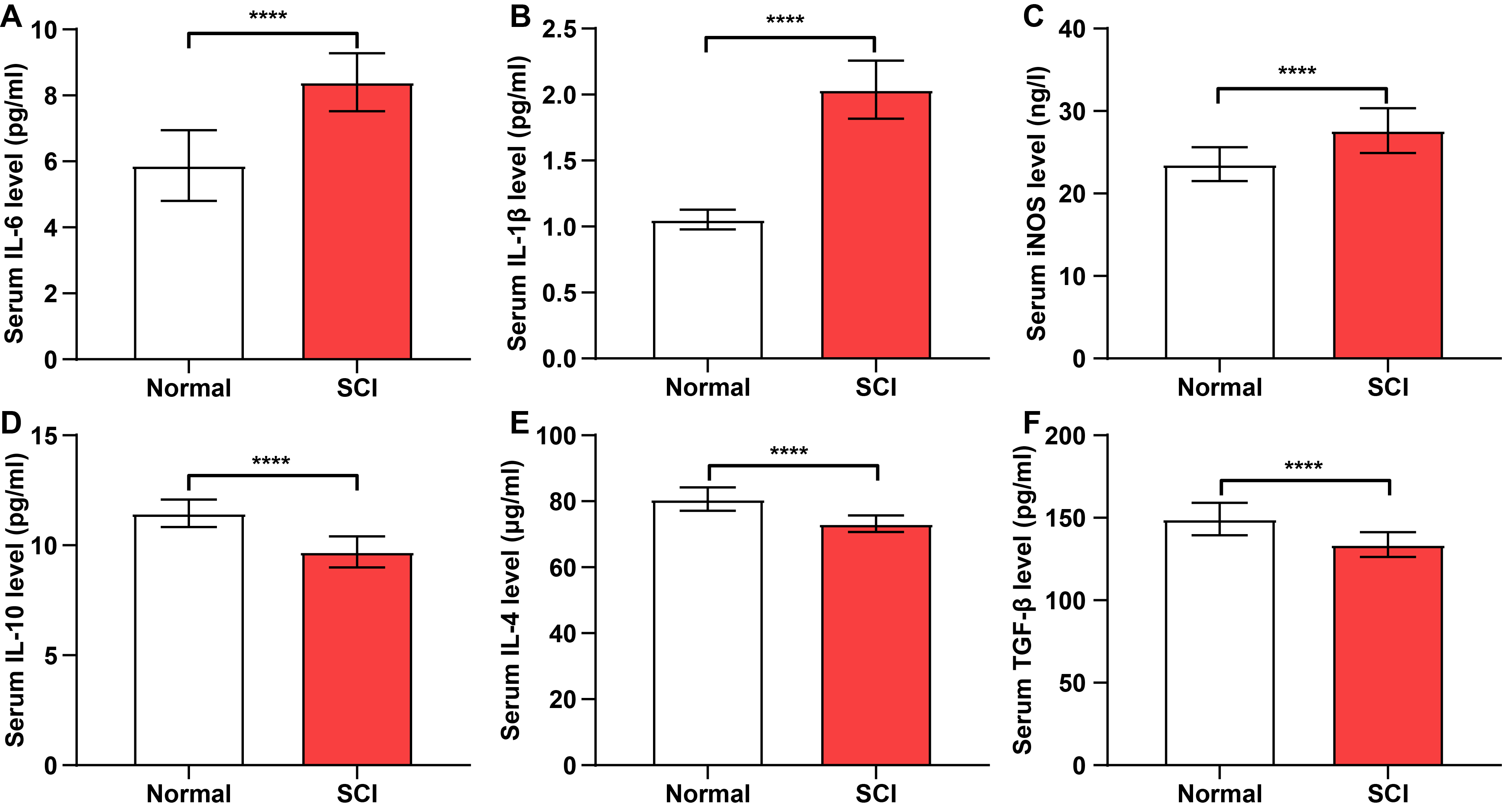
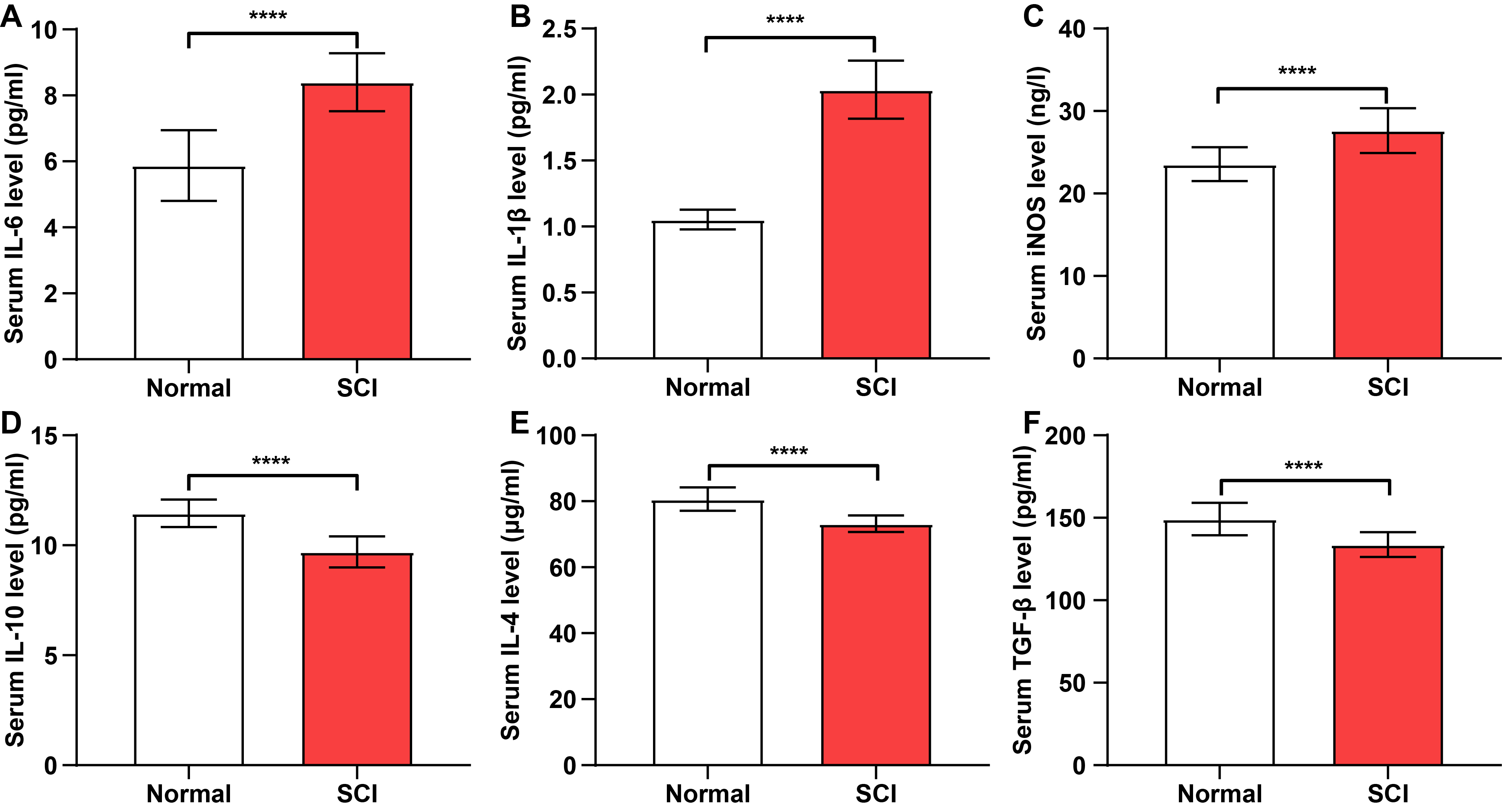
Pro-inflammatory and anti-inflammatory factors in serum samples from control and SCI patients were measured via ELISA. Serum IL-6, IL-1β and iNOS levels were notably elevated in SCI samples, whilst IL-10, IL-4 and TGF-β levels were lower than controls (Fig. 1A–F, p < 0.0001). This confirmed that SCI evokes a systemic inflammatory response.

Fig. 1.

Pro-inflammatory cytokine levels are elevated in the serum of spinal cord injury (SCI) patients. (A–F) Concentrations of interleukin-6 (IL-6), interleukin-1beta (IL-1β), inducible Nitric Oxide Synthase (iNOS), IL-10, IL-4 and tissue growth factor-beta (TGF-β) in serum samples from control and SCI patients determined by enzyme linked immunosorbent assay (ELISA). ****p < 0.0001 (n = 3).

3.2 NF-κB Inhibition Enhances Functional Recovery in SCI Rats

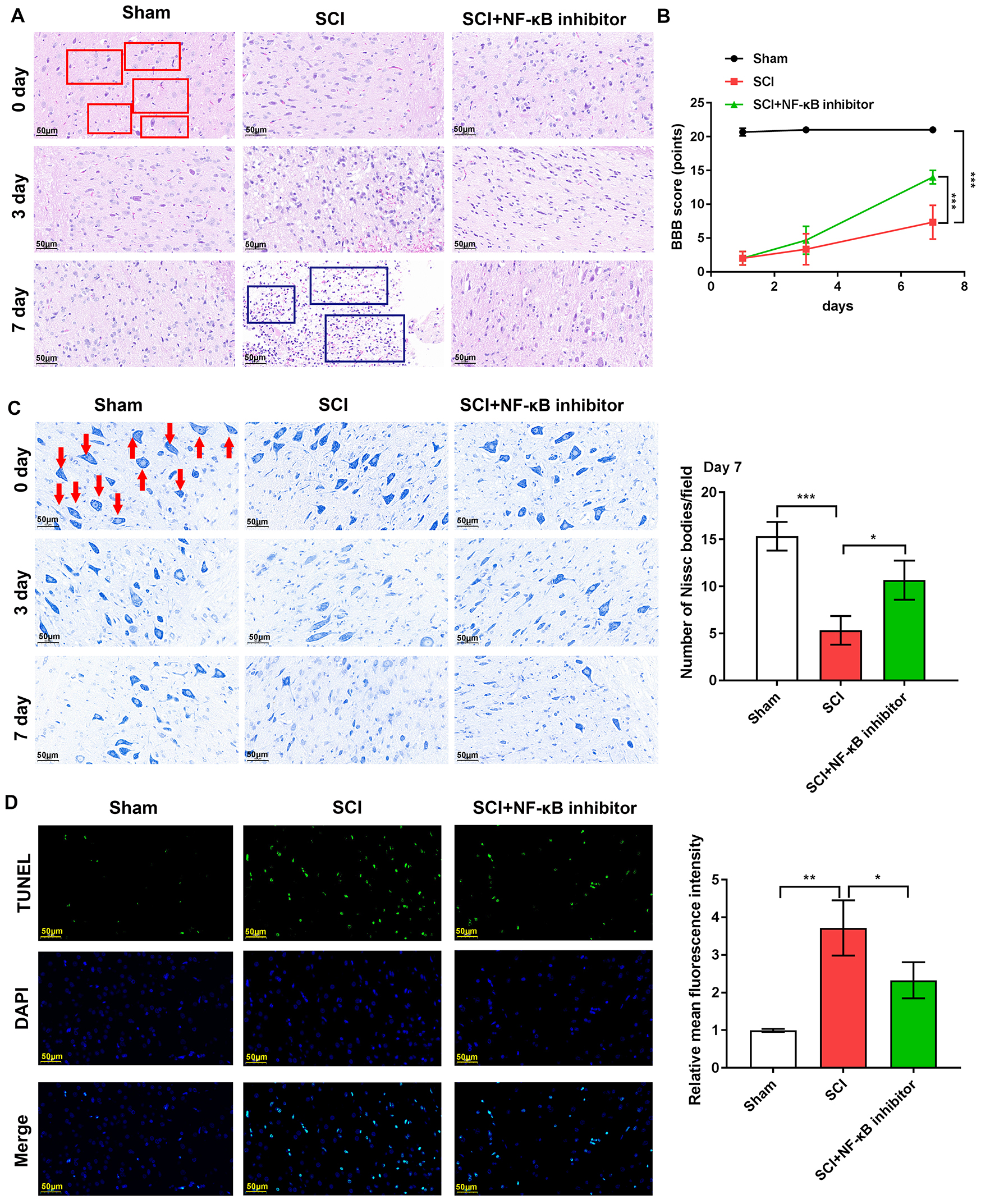
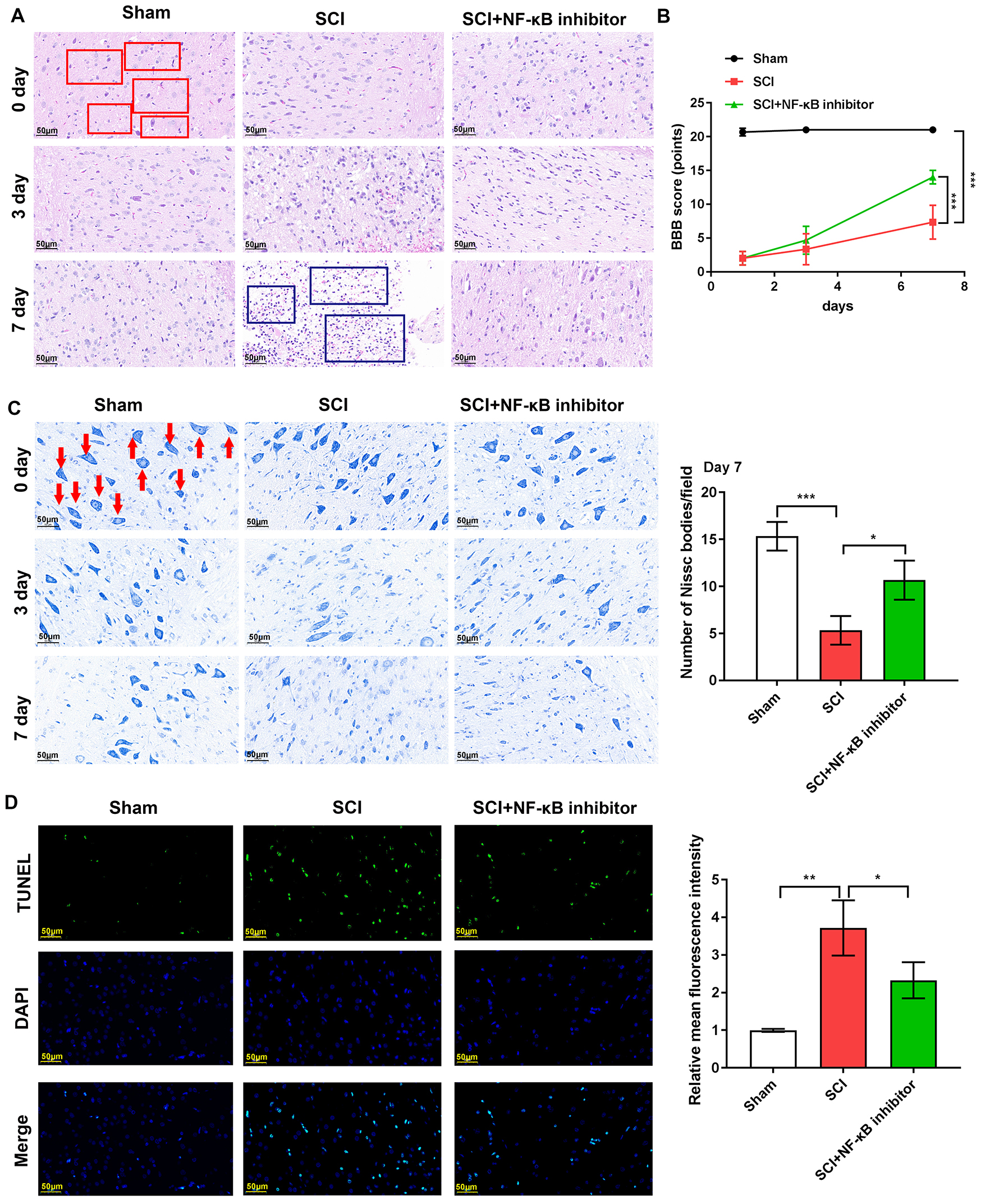
Rat models were established. H&E staining of spinal cord tissue in control rats showed no signs of inflammatory cell infiltration, hemorrhage, or necrosis (Fig. 2A). Conversely, spinal cord tissue in SCI rats showed hemorrhage, nerve cell edema, necrosis and inflammatory cell infiltration, confirming establishment of the SCI model (Fig. 2A). Consistent with previous data, NF-κB inhibition attenuated these changes in SCI rats (Fig. 2A).

Fig. 2.

Nuclear factor kappa B (NF-κB) inhibition promotes neurological function in SCI rats. (A) HE staining of the spinal cord 0, 3, and 7 days post-SCI. Red boxes in sham samples highlight the normal structure of spinal cord. Blue boxes in SCI samples at day 7 highlight neuronal degeneration, axonal separation and infiltration of astrocyte – microglia (Scale bar = 50 µm). (B) Basso-Beattie-Bresnahan (BBB) scores at days 1–7 post-SCI. (C) Red arrows indicate healthy Nissl bodies and expected size, shape, and intracellular position, most prevalent in the spinal cord motor neurons and brainstem, where they manifest as massive, blocked assemblies. Number of Nissl bodies (blue staining) at 7 days post-SCI were quantified (Scale bar = 50 µm). (D) Apoptotic cells were evaluated by TUNEL staining (Scale bar = 50 µm). *p < 0.05, **p < 0.01, ***p < 0.001 (n = 3).

Locomotion function was evaluated using BBB scores. For the SCI group, BBB scores were 2.00 ± 1.00 at day 1 post-SCI and gradually increased to 7.33 ± 2.52 at day 7. For the SCI + NF-κB inhibitor group, BBB scores were 2.00 ± 1.00 at day 1 post-SCI and gradually increased to 14.00 ± 1.00 at day 7 (Fig. 2B, p < 0.001).

Nissl bodies were reduced in the rat spinal cord tissues following SCI. NF-κB inhibitor treatment led to a significant recovery of these numbers (Fig. 2C, p < 0.05, p < 0.001). The number of TUNEL positive cells were also remarkably reduced following NF-κB inhibitor treatment (Fig. 2D, p < 0.05, p < 0.01).

3.3 NF-κB Inhibition Decreases M1 Polarization and Inflammatory Responses in SCI Rats

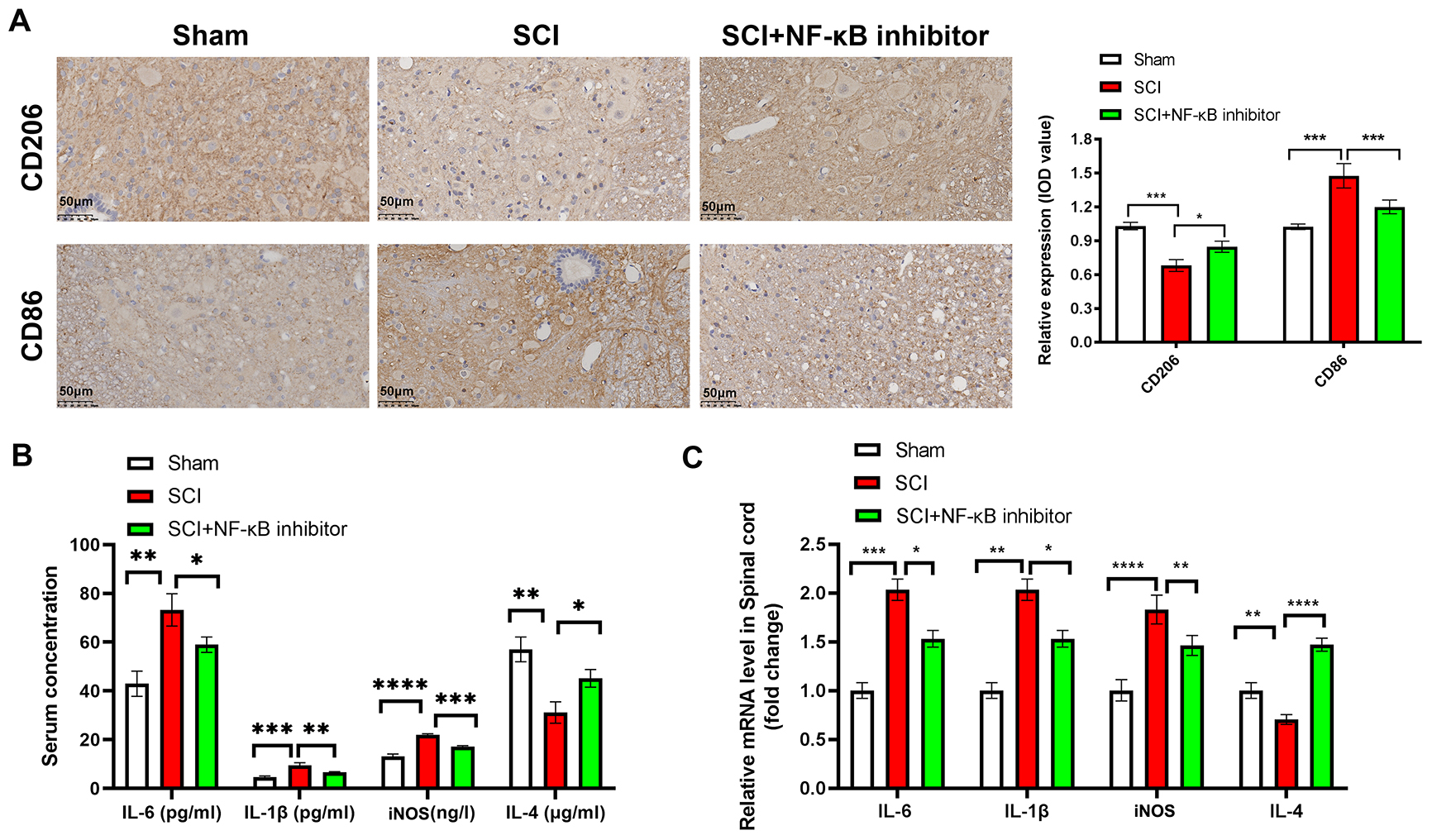
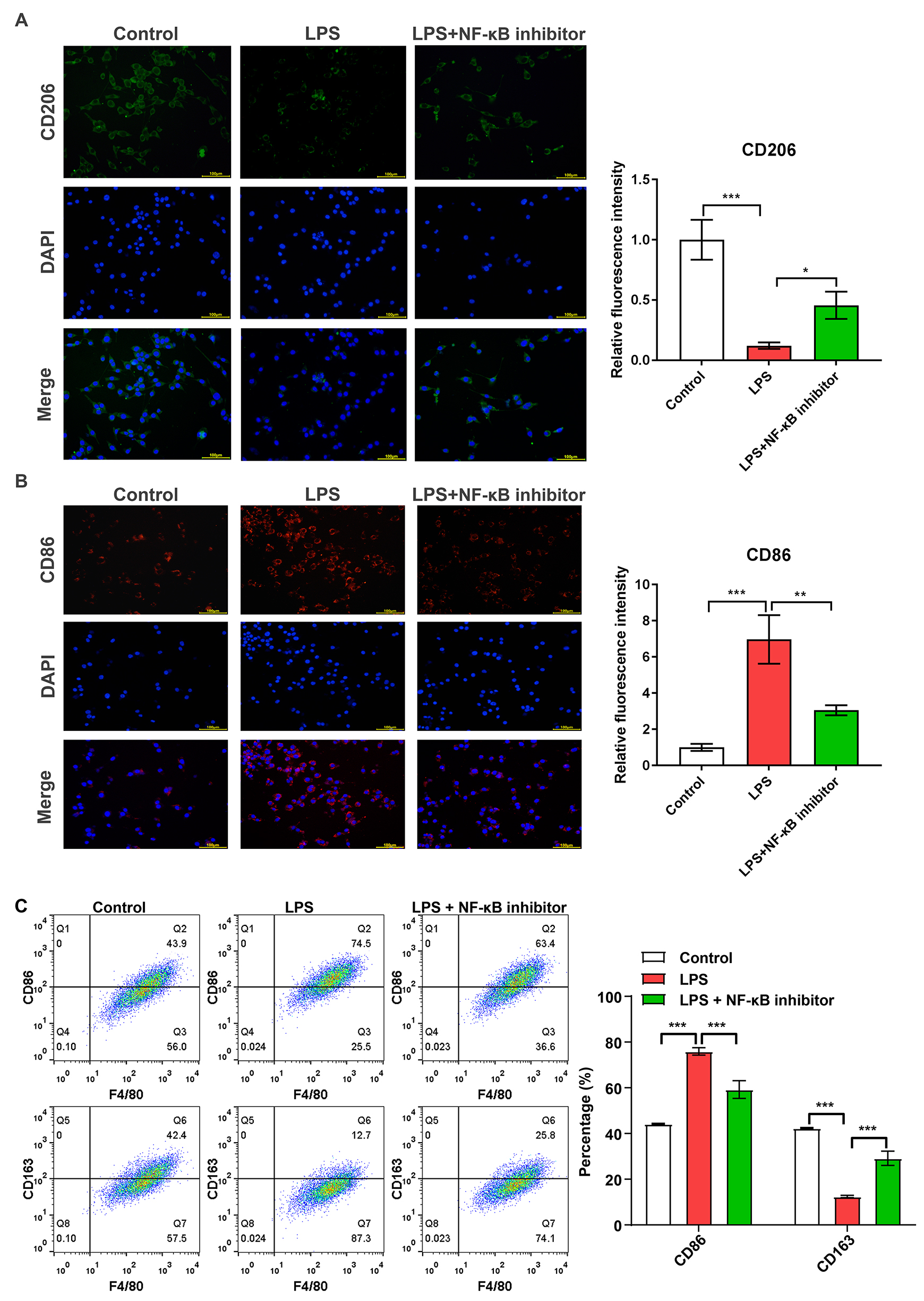
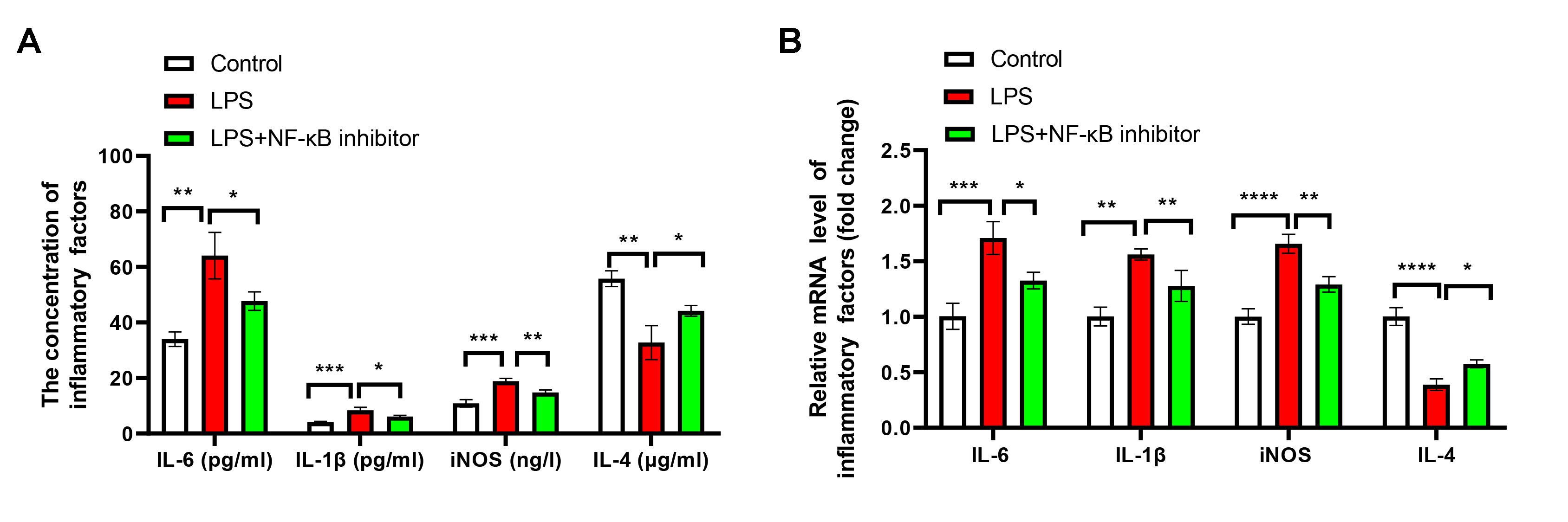
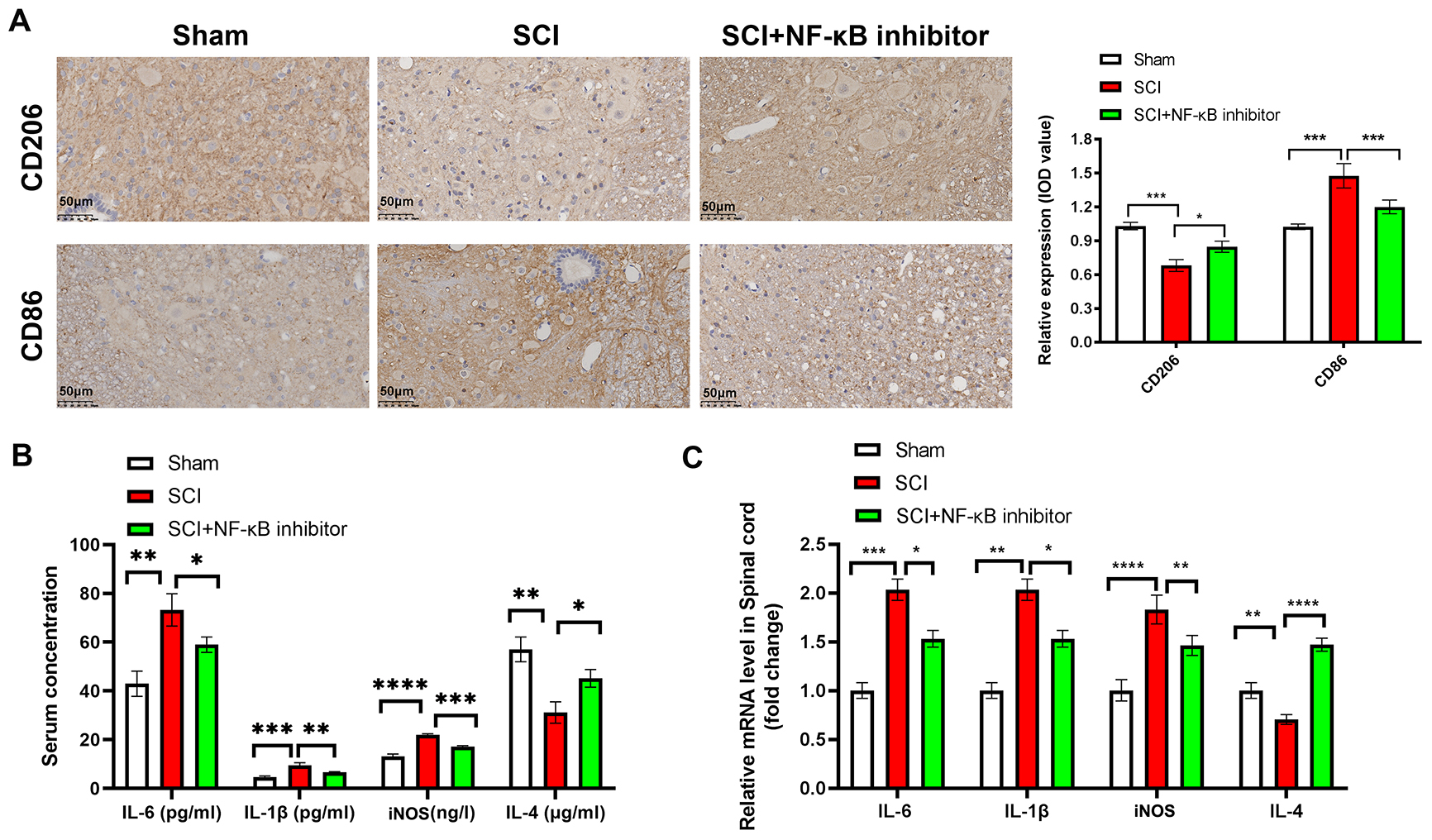
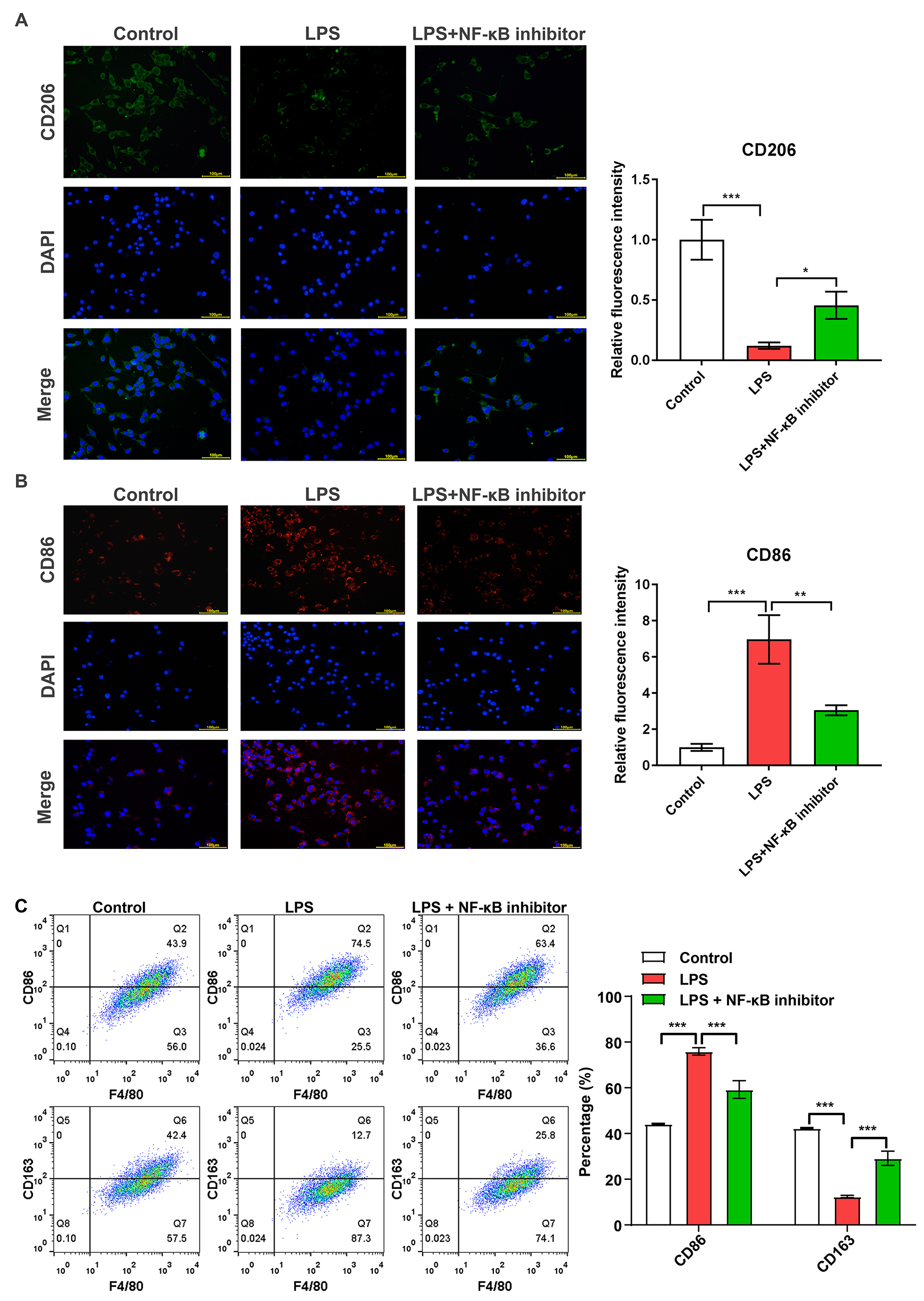
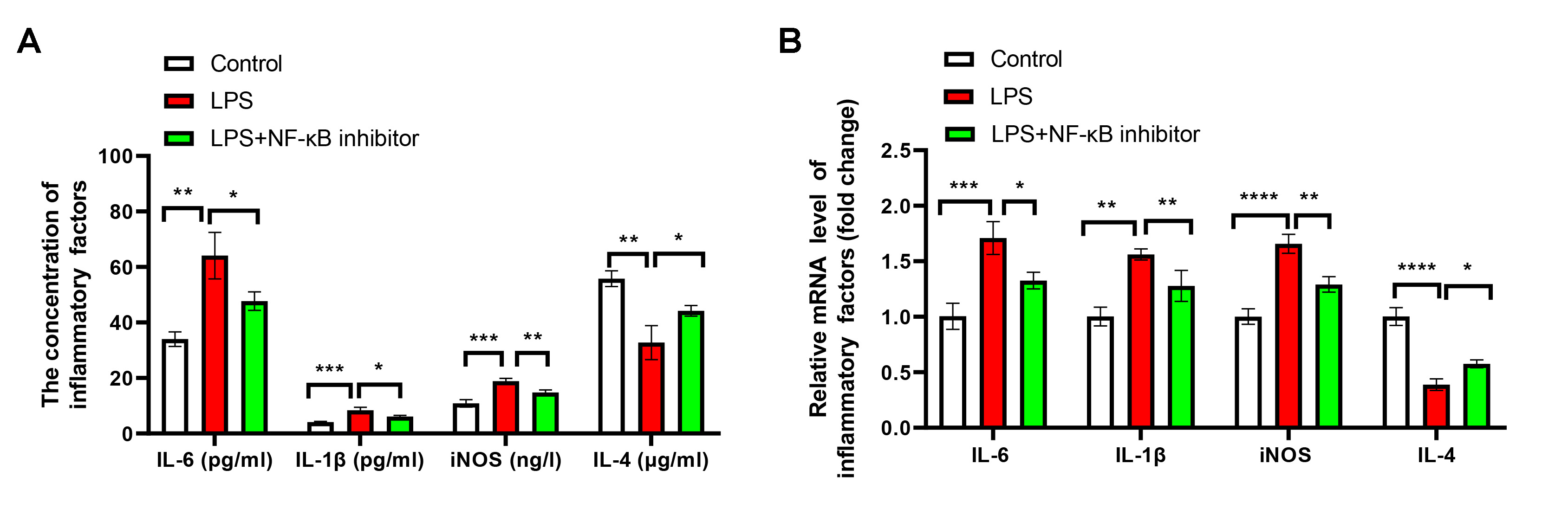
The effects of NF-κB inhibition on microglia polarization and the inflammatory response in SCI rats was next investigated. Compared to the sham group, CD206 expression decreased, whilst CD86 expression increased in the spinal cords of SCI rats. NF-κB inhibition reversed these changes (Fig. 3A, p < 0.05, p < 0.001, p < 0.0001). ELISA and RT-qPCR analysis revealed that the levels of M1 markers (IL-6, IL-1β and iNOS) were markedly elevated, but M2 markers (IL-4) decreased in SCI rats compared to sham rats (Fig. 3B,C, p < 0.05, p < 0.01, p < 0.001). These changes were reversed by NF-κB inhibitor treatment (Fig. 3B,C). Similar data were observed in lipopolysaccharide (LPS) treated BV2 microglia (Figs. 4,5, p < 0.05, p < 0.01, p < 0.001, p < 0.0001).

Fig. 3.

NF-κB inhibition decreases M1 polarization and inflammation responses in SCI rats. (A) Immunohistochemical (IHC) staining of CD206 and CD86 in the spinal cord (Scale bar = 50 µm). (B) Serum IL-6, IL-1β, iNOS, and IL-4 levels in rats determined by ELISA. (C) mRNA levels of IL-6, IL-1β, iNOS, and IL-4 in the spinal cord of rats evaluated by Real-Time Quantitative Polymerase Chain Reaction (RT-qPCR). *p < 0.05, **p < 0.01, ***p < 0.001, ****p < 0.0001 (n = 3).

Fig. 4.

NF-κB inhibition prevents M1 polarization and promotes M2 polarization in LPS-treated BV2 microglia. BV2 microglia were treated with 1 µg/mL lipopolysaccharide (LPS), or co-treated with 1 µg/mL LPS and NF-κB inhibitor JSH-23 (50 µM) for 24 h. (A,B) Immunofluorescence (IF) staining of CD206 and CD86 in BV2 cells (Scale bar = 100 µm). (C) Expression of CD86+ (M1 macrophages), and CD163+ (M2 macrophages) in BV2 cells evaluated by flow cytometry. *p < 0.05, **p < 0.01, ***p < 0.001.

Fig. 5.

NF-κB inhibition attenuates inflammatory responses in LPS-treated BV2 microglia. (A) IL-6, IL-1β, iNOS, and, IL-4 levels in the supernatant of BV2 microglia determined by ELISA. (B) mRNA levels of IL-6, IL-1β, iNOS, and IL-4 in BV2 microglia evaluated by RT-qPCR. Data normalized to control and displayed as mean ± standard deviation; n = 3. *p < 0.05, **p < 0.01, ***p < 0.001, ****p < 0.0001.

3.5 NF-κB Inhibition Prevents Mitochondrial Dysfunction in LPS-Treated BV2 Cells

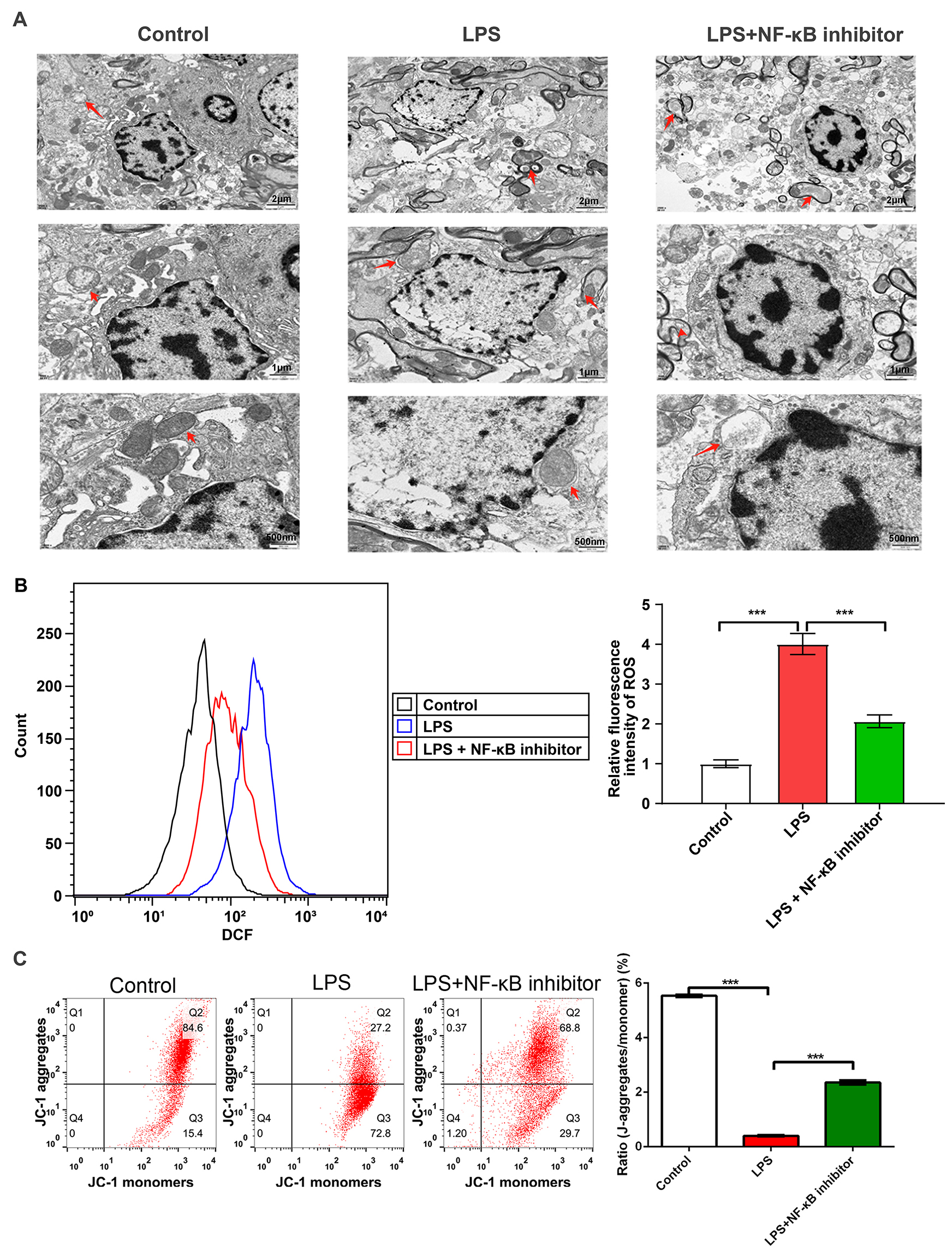
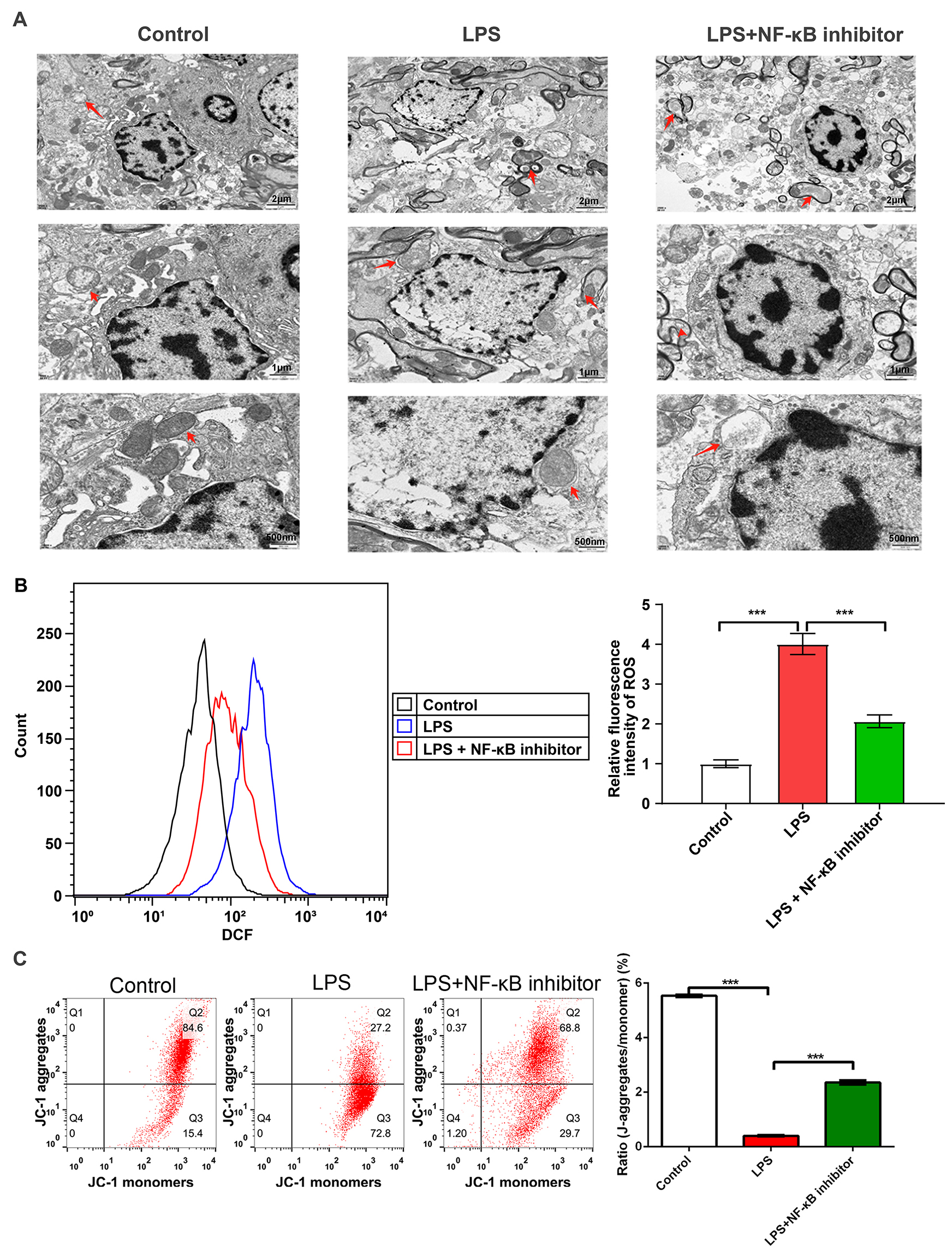
The impacts of NF-κB inhibition on mitochondrial function in SCI rat spinal cord and LPS-stimulated BV2 cells were next explored. TEM of the spinal tissue of SCI rats showed cristae fragmentation and mitochondrial swelling (red arrows) when compared with control rats, which was reversed by NF-κB inhibitor treatment (Fig. 6A). LPS treatment in BV2 cells also increased the intracellular ROS and reduced MMP levels, which was reversed by NF-κB inhibitor treatment (Fig. 6B,C, p < 0.001). These results suggest that NF-κB inhibition improves mitochondrial function in vivo and in vitro.

Fig. 6.

NF-κB inhibition prevents mitochondrial dysfunction. (A) Spinal cords of rats were observed using Transmission electron microscope (TEM). Red arrows indicate cristae fragmentation and a loss of mitochondrial integrity (Scale bar = 2 µm/1 µm/500 nm). (B,C) Reactive oxygen species (ROS) production and mitochondrial membrane potential (MMP) levels in BV2 cells treated with LPS or LPS+NF-κB inhibitor were assessed by flow cytometry. ***p < 0.001 (n = 3).

3.6 NF-κB Inhibition Suppresses Mitochondrial Fission through Reduced Phosphorylation of DRP1

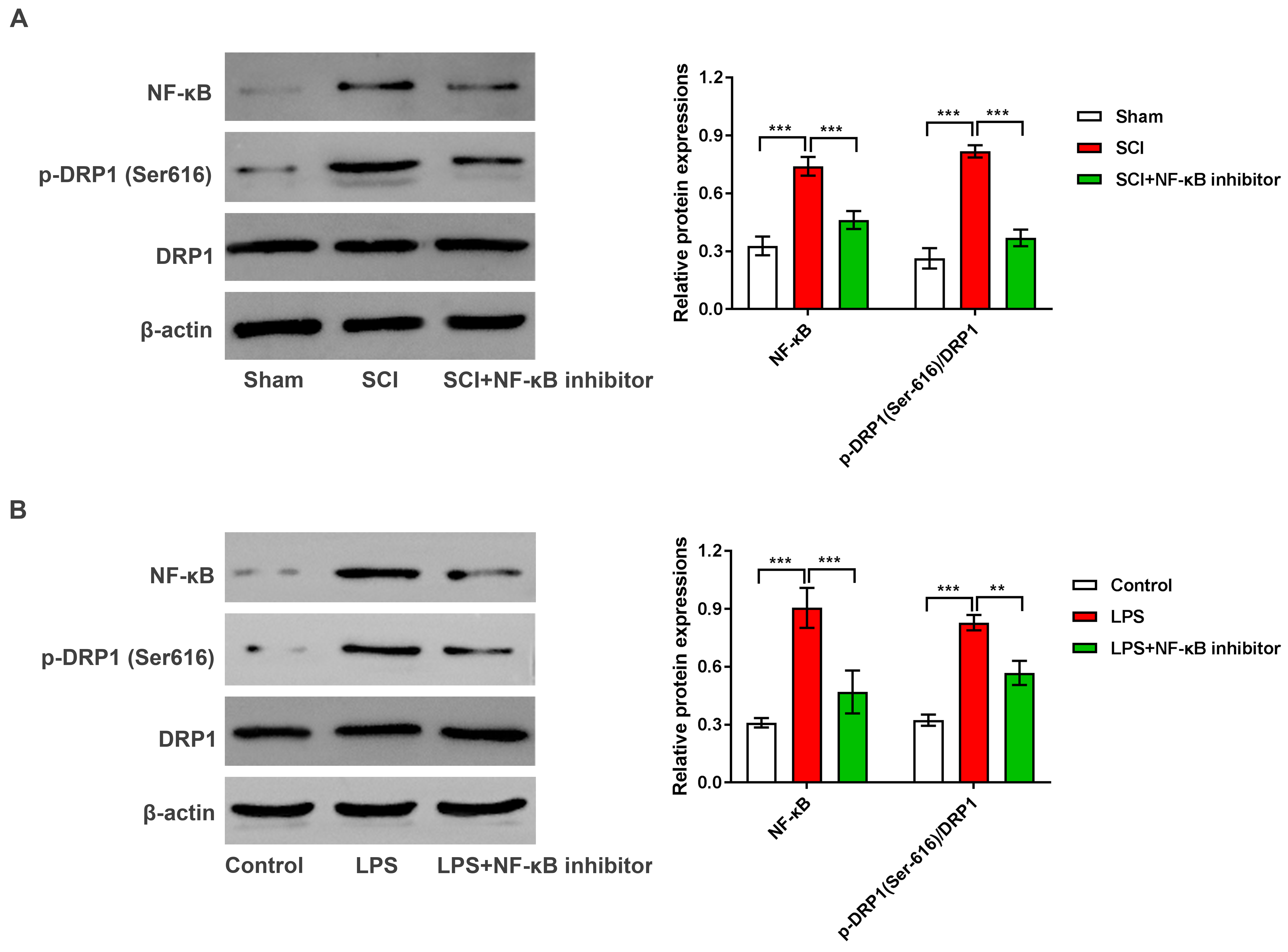
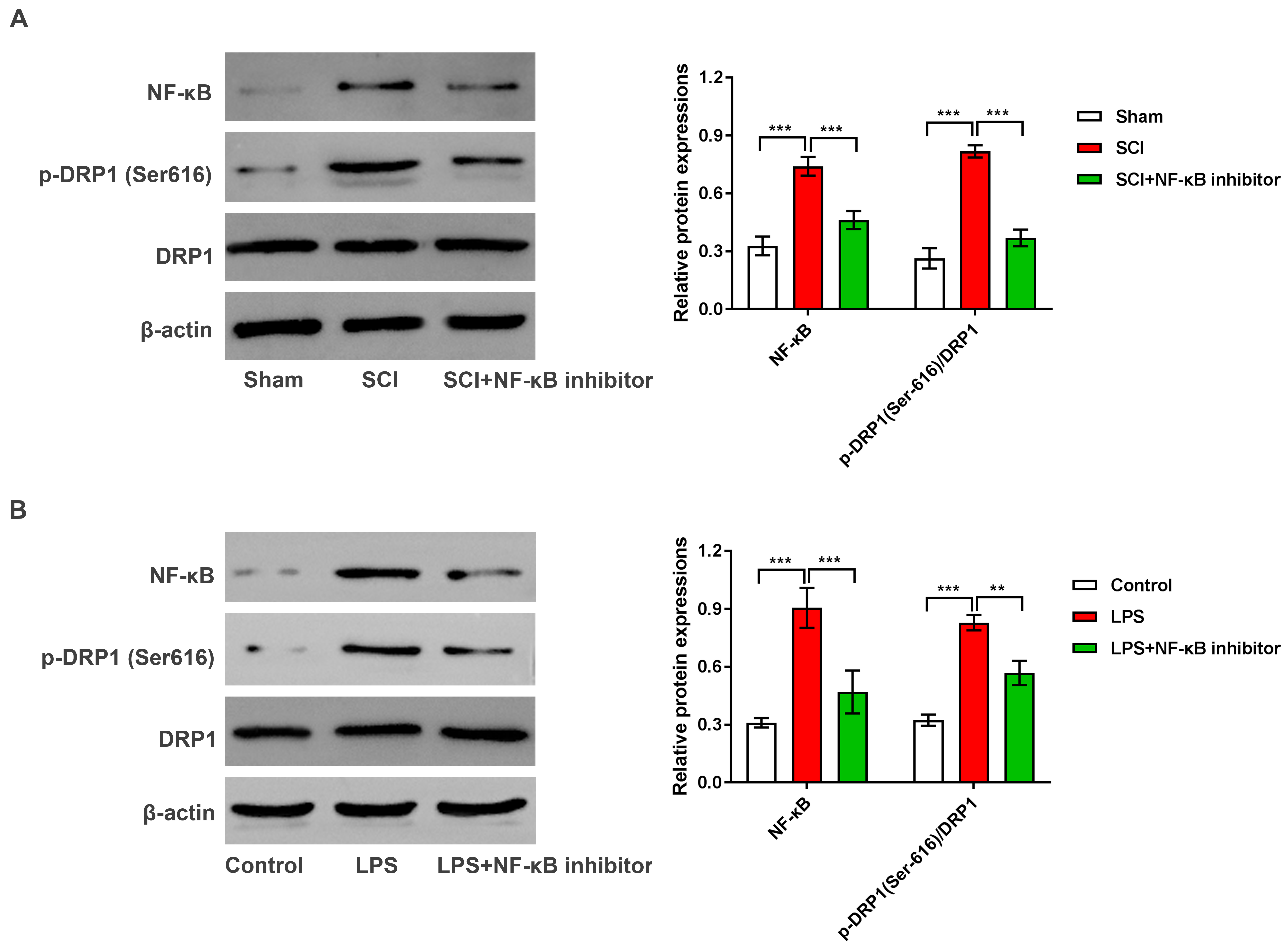
The p-DRP1/DRP1 and NF-κB levels were notably upregulated in the spinal cord of SCI rats, however, NF-κB inhibition significantly reduced these levels (Fig. 7A, p < 0.01, p < 0.001). Similar findings were also detected in LPS-stimulated BV2 cells (Fig. 7B, p < 0.05, p < 0.01, p < 0.001). These data imply that NF-κB inhibition suppresses mitochondrial fission.

Fig. 7.

NF-κB inhibition suppresses mitochondrial fission via suppressing the phosphorylation of dynamin-related protein 1 (DRP1). (A) Representative western blot showing NF-κB, p-DRP1 and DRP1 levels in the spinal cord of rats. (B) p-DRP1, NF-κB, and DRP1 levels in BV2 cells expression was quantified through densitometry. Proteins were normalized to the corresponding β-actin levels (housekeeper). Representative data from three independent blots were quantified. Data were compared using a one-way ANOVA, **p < 0.01, ***p < 0.001 (n = 3).

4. Discussion

Secondary injury processes in SCI promote neuronal apoptosis, a significant obstacle to the treatment of spinal cord repair. Mechanisms to prevent tissue and cell damage can serve as a therapeutic strategy to prevent or minimize secondary damage following SCI, thereby promoting neuronal function. In our study, we observed the effects of NF-κB on neuronal apoptosis and the underlying molecular mechanisms associated with its function in SCI. The inhibition of NF-κB signaling could attenuate inflammatory responses and inhibit M1 microglia polarization in the spinal cord of SCI rats. Mechanistically, NF-κB inhibition enhanced mitochondrial function and prevented fission through inhibiting the phosphorylation of DRP1. These data thereby address the underlying factors contributing to the function of NF-κB inhibition in ameliorating mitochondrial dysfunction in SCI.

Microglia functions in neuroinflammation after SCI [30]. Over-activation of pro-inflammatory microglia (M1 type) following SCI triggers the release of inflammatory mediators (IL-1β and IL-6), impairing tissue repair [31, 32]. NF-κB activation promotes M1 microglia polarization by increasing the creation of IL-1β and IL-6 [33]. Inhibiting NF-κB shifts microglia from an M1 to a M2 phenotype [34]. Consistent with these data, we found that inhibition of NF-κB led to a reduction in CD86, IL-6, IL-1β, and iNOS and increased CD206, IL-10, IL-4, and TGF-β in both LPS-treated microglia and the spinal cord of SCI rats. NF-κB inhibition also suppressed neuroinflammation and improved the recovery of locomotor function after SCI [35, 36]. Collectively, this highlights the therapeutic potential of targeting NF-κB signaling to promote recovery following SCI.

Mitochondria dysfunction is a key pathological feature of SCI [23]. Under physiological conditions, this equilibrium is essential for maintaining mitochondrial function [37]. Pathological conditions can however disrupt this balance [38, 39]. DRP1 is a dynamin family Guanosine Triphosphate (GTPase) that mediates mitochondrial and peroxisomal division in neurons [40] the activity of which is enhanced by phosphorylation at Ser616 [41]. In this study, we observed a significant elevation of p-DRP1 in LPS-treated microglia and in the SCI rat spinal cord reversed by NF-κB inhibition. Moreover, NF-κB inhibition also remarkably reduced intracellular ROS production and increased MMP in LPS-treated microglia. These data provide the first mechanistic evidence for the effects of NF-κB in mitigation of injury-induced mitochondrial fission and dysfunction in SCI.

Previous studies highlight a complex relationship between DRP1 and NF-κB [42, 43]. DRP1 promotes mitochondrial fission through activation of the NF-κB/NLRP3 axis [42]. DRP1 inhibition also effectively blocked LPS-induced mitochondrial fission and ROS generation, leading to reduced production of pro-inflammatory mediators [44]. Corticotropin-releasing hormone (CRH) can induce DRP1-mediated mitochondrial fission in neurons, which can be attenuated by NF-κB activity [43]. In our study, NF-κB inhibits an upstream target of DRP1, subsequently diminishing p-DRP1 levels and activity, thereby enhancing mitochondrial function and reducing apoptosis. These effects contribute to the prevention of SCI.

Despite our findings, some limitations of this study should be considered. Mitochondrial assays exclusively focused on microglia. Future studies encompassing multi-cellular types, including nerve and immune cells are now required to confirm our findings. Since, DRP1 is directly phosphorylated by a number of upstream kinases in neurons, including Cyclin-dependent Kinase 5 (CDK5), Calcium-CaM-dependent protein kinase (CAMK), PTEN induced putative kinase 1 (PINK1) and Protein Kinase B (AKT), further research are also required to elucidate the target of NF-κB attenuation.

5. Conclusion

We show that inhibition of the NF-κB/DRP1 axis could prevent mitochondrial fission and suppress pro-inflammatory microglia polarization, which ultimately promotes neurological recovery after SCI.

Availability of Data and Materials

The data that support the study findings are available on request from the corresponding author.

Author Contributions

CS and BSX planned the study, CS wrote the original draft. KHZ, CL and XYZ did experiments and acquired the data. BSX examined the data. All authors made editorial changes in the manuscript. Each author read and approved the final draft. All authors have participated sufficiently in the work and agreed to be accountable for all aspects of the work.

Ethics Approval and Consent to Participate

All participants provided written informed consent. This research was permitted by the Ethics Committee of the Second Hospital of Tangshan (approval number: 20220026). Animal experiments were permitted by the Institutional Animal Care and Use Committee of Yi Shengyuan Gene Technology Co., Ltd. (protocol number YSY-DWLL-2023288).

Acknowledgment

Not applicable.

Funding

This research received no external funding.

Conflict of Interest

The authors declare no conflict of interest.

References

Publisher’s Note: IMR Press stays neutral with regard to jurisdictional claims in published maps and institutional affiliations.