

 , Nayla Nuren Snigdha 1,†
1 Department of Pharmacy, School of Pharmacy and Public Health, Independent University, Bangladesh (IUB), Dhaka 1229, Bangladesh
†These authors contributed equally.
Abstract
Coccinia grandis (L.) Voigt (ivy gourd) is popularly consumed in South Asia for food and therapeutic purposes. C. grandis acts as a remedy for various ailments, such as hypertension, diabetes, cancer, ulcers, diarrhea, jaundice, inflammation, fever, bronchitis, burns, skin eruptions, insect bites, allergies, eye infections, and urinary disorders. Researchers have identified phytoconstituents in diverse chemical classes from this species, including alkaloids, flavonoids, coumarins, esters, ethers, fatty acids, fatty alcohols, terpenoids, and phenolic compounds. Comprehensive research conducted in vitro and in vivo has confirmed the properties of the plant as antidiabetic, anticancer, antiparasitic, antimicrobial, hepatoprotective, analgesic, antipyretic, anti-Alzheimer's, anticataract, antileishmanial, anti-anaphylactic, anti-histaminic, and wound-healing agent, as well as being advantageous for cardiovascular health. Most pharmacological findings are derived from studies on the extracts and the subsequent phytoconstituents from this plant species. Nevertheless, the specific phytoconstituents underlying these biological effects and the mechanisms of action involved are yet to be fully identified. Toxicological evaluations indicate that C. grandis is generally safe, although high doses can cause dose-dependent hepatotoxicity. Moreover, the clinical trials focusing on the antidiabetic effects of C. grandis demonstrate promising effects in managing glucose dysregulation. This review aims to provide a comprehensive update on C. grandis, expanding on previous studies by incorporating a broader ethnomedicinal scope, a more extensive phytochemical profile with detailed chemical structures, and additional clinical trial data. Unlike prior publications, this review emphasizes C. grandis as a functional food, highlighting its potential in chronic disease management. By integrating these aspects, this study offers a more in-depth analysis of the therapeutic potential and future applications of this plant. The functional food aspect of C. grandis, rich in bioactive compounds, supports its role in preventing and managing chronic diseases as a regular vegetable.
Keywords
- Coccinia grandis
- pharmacological activity
- phytoconstituents
- functional foods
- ethnomedicinal
Coccinia grandis (L.) Voigt, commonly known as Ivy gourd, belongs to the Cucurbitaceae family and is consumed as both food and a medicinal herb in South Asia [1]. It is widespread across tropical Asia, Central America, and Africa but is particularly prevalent in India, Bangladesh, Pakistan, Indonesia, Malaysia, the Philippines, Cambodia, Vietnam, Myanmar, Thailand, and Sri Lanka, where it is commonly utilized as a vegetable [2, 3, 4]. In Bangladesh, Ivy gourd is known by various vernacular names, such as Telakucha [5]. The tender, young, and elongated stems, leaves, and tuberous roots of C. grandis are used in culinary preparations or as seasoning, while its youthful fruits are incorporated into salads. Across various traditions, every part of this plant is believed to possess medicinal properties [6].
The World Health Organization (WHO) estimates that 80% of residents in developing nations rely primarily on traditional remedies for their basic healthcare needs [1]. C. grandis holds significant importance in traditional medicine. Almost all parts of C. grandis—fruits, leaves, and roots—are used for remedies like wound healing, ulcers, jaundice, diabetes, and fever [2, 3]. Traditionally, it has been employed for its hypoglycemic, digestive, carminative, laxative, and analgesic properties. Additionally, it exhibits antimicrobial effects against syphilis, leprosy, gonorrhea, urinary tract infections, eye infections, bronchitis, and abscesses. It is also used for skin problems (burns, skin eruptions, psoriasis, allergies) and inflammatory conditions such as fever, asthma, joint pain, and stomach pain, as well as for other ailments, including vertigo, ulcers, insect bites, filarial swelling, and snake poisoning [4, 5, 6].
Scientific studies, both in vitro and in vivo, have validated the efficacy of C. grandis in addressing these conditions. Research findings suggest that this plant species helps relieve pain, relax muscles, protect the liver, reduce fever and inflammation, and manage blood sugar, dyslipidemia, ulcers, malarial infections, and even cancer [7, 8, 9]. The leaves of this species are a rich source of secondary metabolites such as flavonoids, alkaloids, triterpenoids, glycosides, saponins, and carotenoids.
This review provides a comprehensive update on C. grandis, expanding on previous studies by incorporating a broader ethnomedicinal scope, a more extensive phytochemical profile with detailed chemical structures, and clinical trial. Unlike prior reviews, it emphasizes C. grandis as a functional food, highlighting its potential in chronic disease management. By integrating these aspects, this study offers a more in-depth analysis of the plant’s therapeutic potential and future applications.
Information for this article was gathered from Web of Science, PubMed, Science Direct, and Google Scholar employing specific keywords related to Coccinia grandis, Coccinia indica, Cephalandra indica, and Telakucha. The search spanned various periods, with approximately 1% of the data retrieved predating the year 2000, 19% falling within the range of 2001 to 2012, and the remaining 80% from the past decade, specifically from 2013 to 2024. Data collection occurred between January to July 2024, during which around 600 papers were reviewed to locate relevant information. Following initial screening, 209 papers were selected for thorough examination and summarization in this current review.
Vernacular names or local names are essential to biodiversity, showcasing the deep connection between people, language, and the natural world (Table 1, Ref. [10, 11, 12, 13, 14, 15, 16, 17, 18, 19, 20]). They serve as a valuable addition to scientific names, preserving local knowledge and cultural heritage. The local names of this species across the world are summarized in Table 1.
| Country | Vernacular names | Ref. |
| Bangladesh | Telakucha, kawajhinga | [10] |
| India | Tindora, tondli, parval, tindora, tinda, kundru, golenda, kaage thonde, theekkuduru, covel, aracanviroti, araiyanviroti, attarittan, katutumpi, korutan, periyakovai, perunkovai, dondatheege, rattakkovai, nallakovai | [11] |
| Malaysia | Pepasan, papasan | [12] |
| Chinese | Hong gua | [12] |
| Denmark | Skariagenagurk | [12] |
| Indonesia | Boluteka, papasan | [13, 14] |
| Thailand | Tảlụng, Tam Lueng, p̄hạk Tảlụng, Phak Tam Lueng | [12, 13] |
| Spain | Pepino cimarrón | [15] |
| Germany | Scharlachranke, tindola | [15] |
| Vietnam | Hoa bát, rau bát | [15] |
| Japan | Yasai karasu uri | [16] |
| SriLanka | Kowakka | [17] |
| Myanmar | Kin pone, Taw-kinmon, Kinmon, Hla cawi bactine (mon) | [18] |
| Cambodia | Sleuk bah | [19] |
| Saudi Arab | Mogad | [20] |
| Tanzania | Lukewja, pondwa | [20] |
| Nepal | Gol kankri, Ngadha | [20] |
| Iran | Kabare-hindi | [20] |
| Somali | Masskar | [20] |
| Nigeria | Lombaria | [20] |
| Singapore | Aroi papassang | [20] |
| Mali | Seff | [20] |
| Senegal | Barbouf | [20] |
| Ethiopia | Gale | [18] |
| Franch | Gourde Écarlate De L´Inde Tindola, Courge Écarlate | [18] |
| Kenya | Nyamutu Kuru | [18] |
| Niger | Magaro | [18] |
| Pakistan | Kanduri, Kundur | [18] |
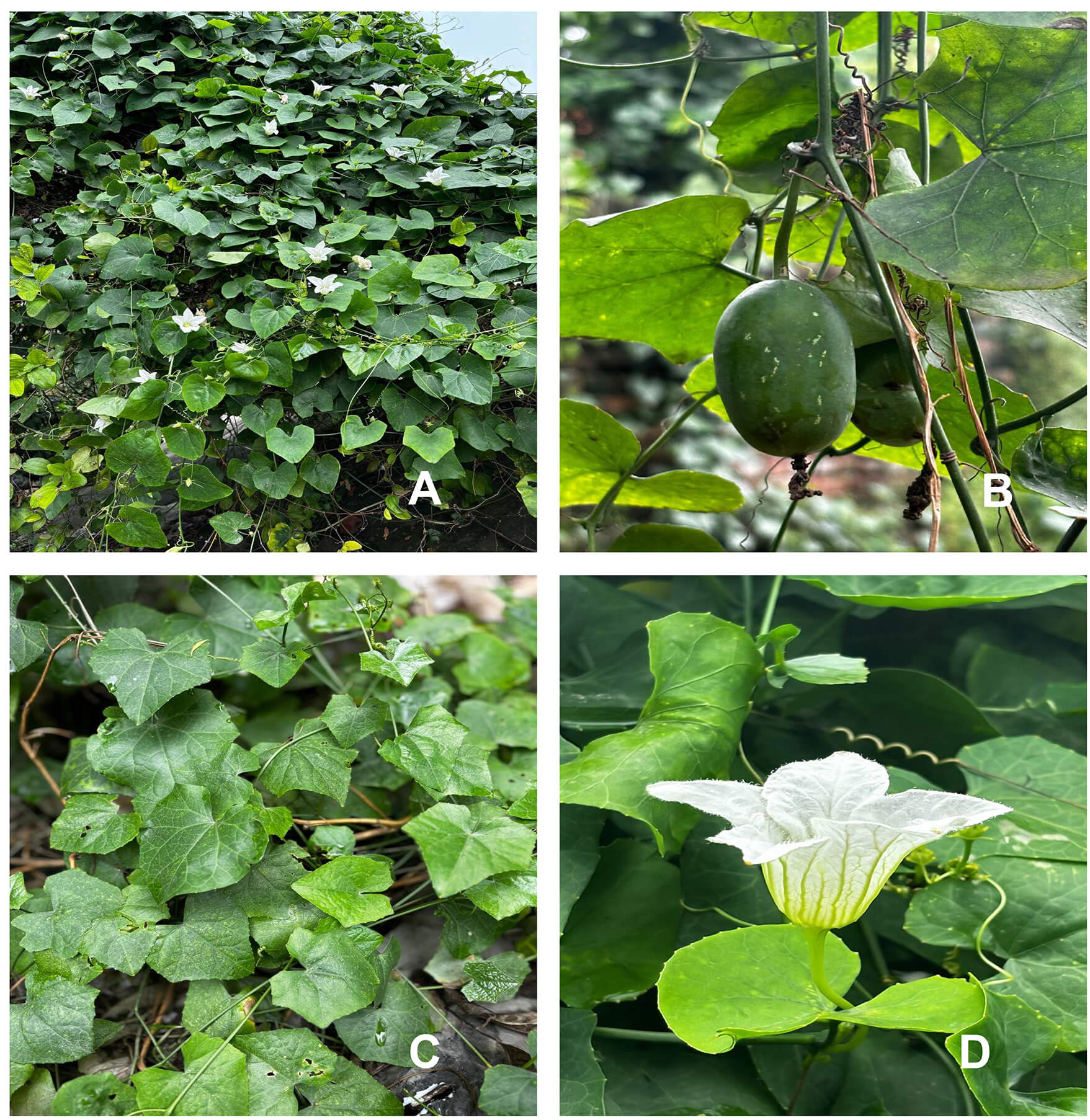
The Coccinia genus includes 30 species found exclusively in tropical Asia and Africa. This common dioecious plant is widely grown across Asia, from India to Indonesia, including Bangladesh, Nepal, Sri Lanka, Pakistan, Malaysia, Myanmar, Thailand, and Vietnam [21]. C. grandis is a trailing, dioecious, perennial climber, reaching lengths of up to 20 to 30 meters, with tuberous rootstock. The young stem is green, longitudinally ribbed, and eventually becomes woody [22]. The leaves are roughly oval-shaped with a central indentation at the base. Leaf measures 310 cm length, and width ranging from 4 to 10 cm, displaying five angles and typically having 3–7 lobes branching out from the center. The edges of the leaves are finely toothed, and the tips are blunt with a small point. The leaf stems are 1–3 cm long, and the tendrils are not divided into smaller branches [23]. The flowers are sizable, star-shaped, and white. The calyx comprises five recurved lobes, approximately 25 mm in length, situated on the hypanthium with a peduncle ranging from 1 to 5 cm. The corolla is white, bell-shaped, 34.5 cm in length, and consists of five ovate lobes. Individual flowers contain three stamens, and the ovary of the flower is located below the other floral parts. The fruit is either ovoid or elliptical, length of 25 to 60 mm, a diameter of 15 to 35 mm, with a smooth surface and hairless stalks (Fig. 1) [24]. The full taxonomic classification of C. grandis is outlined below [25]: Kingdom: Plantae; Division: Magnoliophyta; Class: Magnoliopsida; Order: Violales; Family: Cucurbitaceae; Genus: Coccinia; Species: grandis.
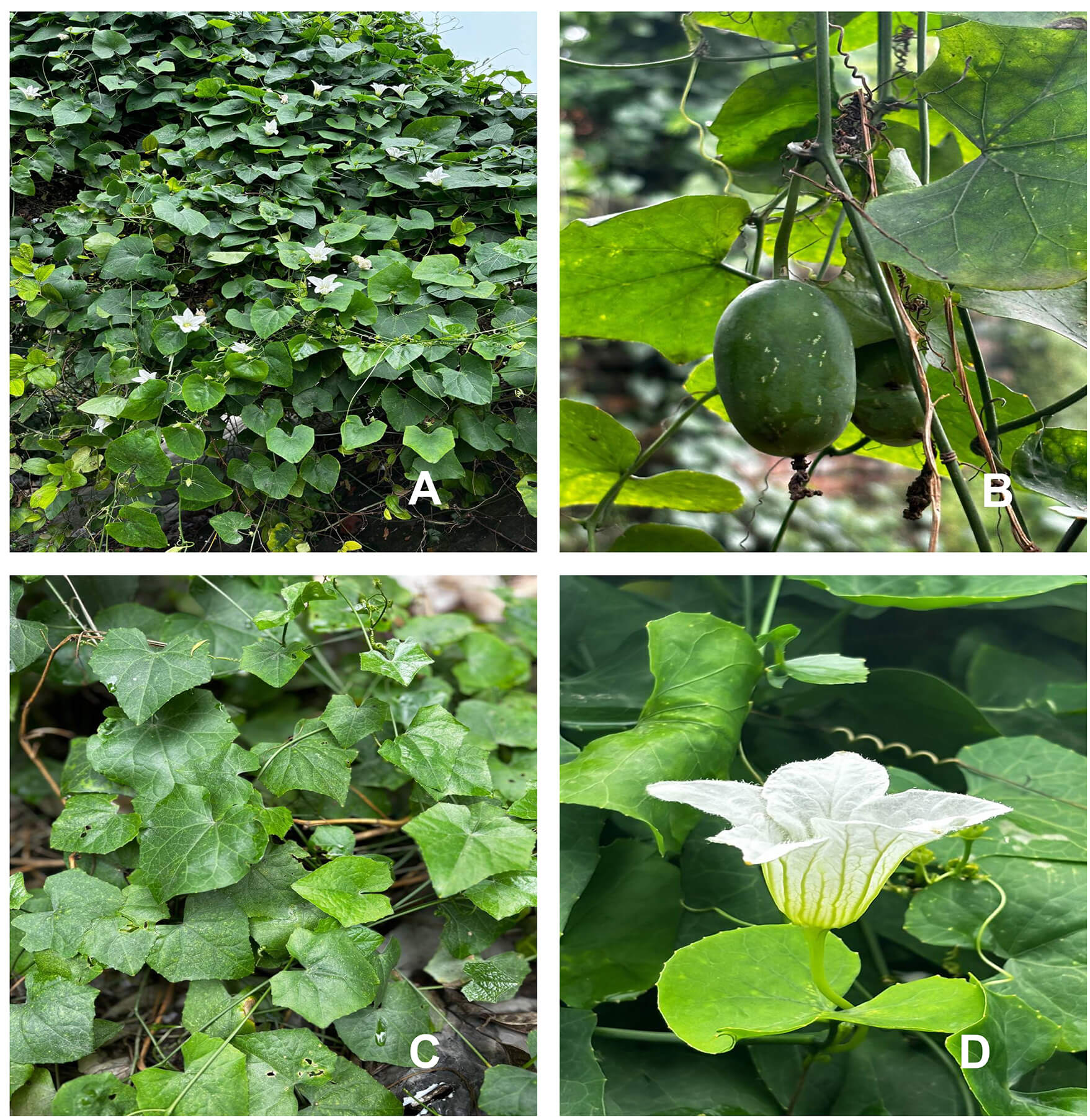 Fig. 1.
Coccinia grandis. (A) Full plant. (B) Fruit. (C) Leave. (D) Flower.
C. grandis is widely utilized as a traditional medicine, particularly in Southeast Asia and Africa. Its uses differ, with some being common, like those for diabetes, whereas others are limited to specific regions (Table 2, Ref. [26, 27, 28, 29, 30, 31, 32, 33, 34, 35, 36, 37, 38, 39, 40, 41, 42, 43, 44, 45, 46, 47, 48, 49, 50]). In Bangladesh, the plant is popular for its antidiabetic, antioxidant, osteoarthritis, joint pain, antihyperlipidemic, anti-diarrheal, anti-dyslipidemia, and anti-inflammatory properties [26, 27, 28]. In Cambodia, the stems are used to treat hepatoprotective activity [29]. In Ethiopia, leaves, fruits, and roots are employed for diabetes, stomachache, headache, and fever [30, 31]. In India, infusions made with entire plants or their stems are used to treat diabetes mellitus, hypertension, cardiovascular diseases, bronchitis, anti-ulcer, dysuria, itch, cough, emaciation, fever, and skin infections [32, 33, 34, 35]. In Indonesia, the stems, fruits, and leaves are used to cure fever, malaria, and diabetes [36, 37, 38]. The leaves are employed in Kenya for heavy snoring [39]. In Malaysia, the fruits and leaves of the plant serve as therapeutic options for diabetes and hyperlipidemia [40]. In Myanmar, roots are employed in treating stomachaches [41].
| Country | Parts used | Preparation & method of extraction | Ethnomedicinal uses | Ref. |
| Bangladesh | Root | Juice used topically | Moisturizer (for dry skin) | [26] |
| Roots of macerated | Osteoarthritis and joint pain | [27] | ||
| Leaf | Paste prepared from leaves (topical use) | Scabies | [27] | |
| Fruit | Flowers of Lagenaria siceraria and Zingiber officinale are pasted in combination | Infertility of women | [27] | |
| Whole plant | Diabetes | [28] | ||
| Cambodia | Stem | Decoction | Hepatoprotective activity | [29] |
| Ethiopia | Leaf | Decoction | Diabetes | [30] |
| Fruit | Consumption of Fruits | Diabetes | [30] | |
| Root | Dry, grind into powder, & mix with water | Stomachache, Headache, Fever | [31] | |
| India | Fruit | Orally administered | Antidiabetic | [32] |
| Leaf | A blend of black pepper & decoctions of the leaves from both C. grandis & Acalypha indica | Anti-ulcer | [33] | |
| Juice is mixed with honey | Diabetes and bronchitis | [34] | ||
| Dysuria | [35] | |||
| Indonesia | Leaf | Infusion (Orally administered) | Fever, Malaria | [36] |
| Fruit | Pound | Diabetes | [37] | |
| Stem | Infusion | Diabetes | [38] | |
| Kenya | Leaf | Made into decoction or consumed as a vegetable | Heavy snoring | [39] |
| Malaysia | Leaf | Infusion (Orally administered) | Diabetes | [40] |
| Fruit | Infusion (Orally administered) | Diabetes | [40] | |
| Myanmar | Root | Apply crushed root | Stomachache | [41] |
| Nepal | Fruit | Juice used topically | Dysentery, body pain & syphilis | [48] |
| Root | Juice used topically | Dysentery, body pain & syphilis | [48] | |
| Nigeria | Leaf | Depression | [42] | |
| Fruit | Venereal diseases | [42] | ||
| Pakistan | Leaf | Made into decoction from fresh leaves (Orally administered) | Antidiabetic | [43] |
| Fruit | Orally administered | Antidiabetic | [43] | |
| Root | Juice extracted from the roots | Antidiabetic | [44] | |
| Saudi Arabia | Fruit | Consumed when fresh ripe & tastes mildly sweet | Antioxidant & antidiabetic | [44] |
| Sri Lanka | Leaf | A decoction made from fresh leaves (Orally administered) | Antidiabetic | [43] |
| Thailand | Stem | Made into decoction (Oral ingestion) | Antidiabetic | [45, 46, 47] |
| Uganda | Fruit | Consumed as fruits | Bedwetting | [49] |
| Root | Made into decoction | Antivenom | [50] |
In Nigeria, leaves and fruits are used to treat depression, and venereal diseases [42]. In Pakistan, Saudi Arabia, and Thailand leaves, fruits, and stems are employed to manage diabetes, respectively [43, 44, 45, 46, 47]. In Nepal, roots and fruits are utilized for dysentery, body pain, and syphilis [48]. In Sri Lanka, the leaves are made into powder for the treatment of hyperglycemia, hyperlipidemia, and diabetes [43]. In Uganda, the fruits and roots are employed for their antivenom properties [49, 50].
Nuclear magnetic resonance (NMR) analysis of isolated pure bioactive compounds from C. grandis has confirmed the structure and purity of several key phytoconstituents. Extensive phytochemical investigations on the aerial parts of C. grandis, as well as its components such as leaves, stems, roots, and fruits, have led to the identification of over 31 distinct compounds across various chemical classes. Flavonoids are the most abundant phytochemicals in this species, with several bioactive flavonoids identified in the leaves and fruits. A significant number of alkaloids, phenolic acids, and glycosides have also been reported, particularly in the roots and leaves, highlighting their diverse pharmacological potential. Other classes of secondary metabolites present to a lesser extent include terpenoids, lignans, and miscellaneous aromatic compounds.
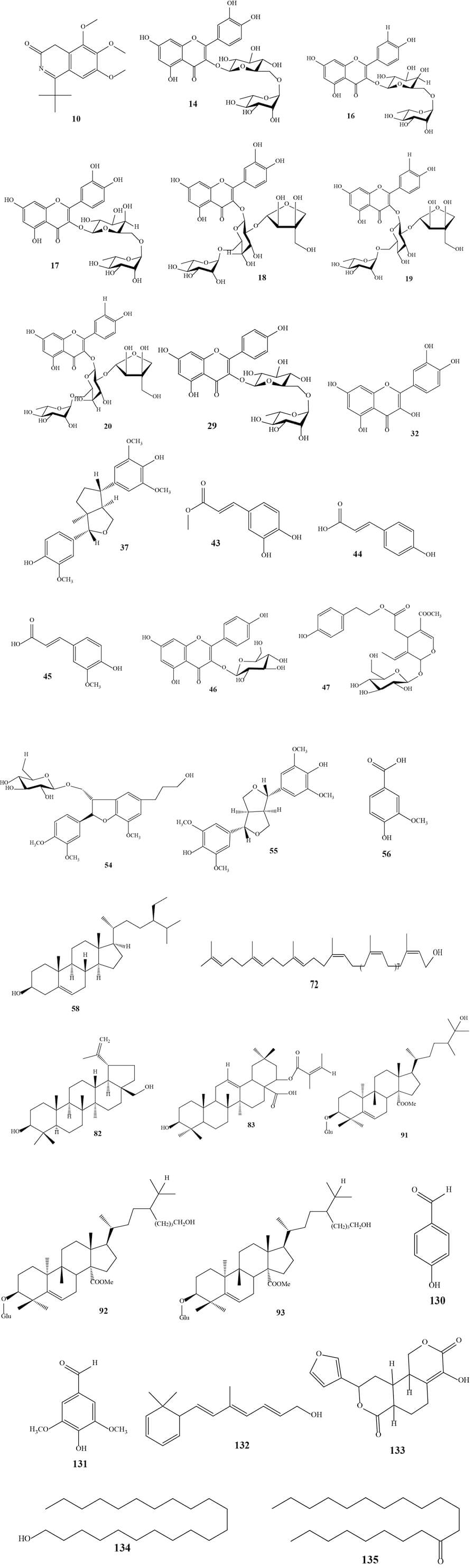
Around 158 compounds have been identified by chromatographic and spectrometric methods from various parts of C. grandis (Table 3, Ref. [4, 10, 51, 52, 53, 54, 55, 56, 57, 58, 59, 60, 61, 62, 63]). These studies employed advanced analytical techniques such as Ultra-High-Performance Liquid Chromatography (UHPLC), Liquid Chromatography-Mass Spectrometry (LC-MS), Liquid Chromatography-Tandem Mass Spectrometry (LC-MS/MS), and Gas Chromatography-Mass Spectrometry (GC-MS), which have successfully characterized a diverse array of phytoconstituents within the plant. However, NMR analysis has not yet been conducted to confirm the structural details of these compounds. Structures of the compounds analyzed using NMR have been illustrated in Fig. 2.
| SI. | Class | Chemical compounds | Parts | Ref. |
| 1 | Alkaloids | (6S)-Hydroxyhyoscyamine | Fruit | [51] |
| 2 | (S)-Norlaudanosoline | |||
| 3 | Camptothecin | |||
| 4 | Cathinone | |||
| 5 | Senecionine | |||
| 6 | Canadine | Leaf | [52] | |
| 7 | Protopine | |||
| 8 | Clonitazene | |||
| 9 | 1-tert-Butyl-5,6,7-trimethoxyisoquinolene | [53] | ||
| 10 | 1-tert-butyl-5,6,7-trimethoxyisoquinolin-3 (4H)-one | [54] | ||
| 11 | Flavonoids | Kaempferol-3-O-glucoside | Leaf | [55] |
| 12 | Kaempferol-3-O-neohesperidoside | |||
| 13 | Quercetin-3-O-neohesperidoside | |||
| 14 | Rutin | [4] | ||
| 15 | Kaempferol-3-O-rutinoside (or nicotiflorin) | |||
| 16 | Kaempferol 3-O-robinobioside | |||
| 17 | Quercetin 3-O-robinobioside | |||
| 18 | Quercetin 3-O- |
|||
| 19 | Kaempferol 3-O- |
|||
| 20 | Kaempferol 3-O- |
|||
| 21 | (-)-Sophorol | Fruit | [51, 52, 56] | |
| 22 | Esculetin | |||
| 23 | Hyperoside | |||
| 24 | Isorhamnetin 3-glucoside | |||
| 25 | Isorhamnetin 3-O-galactoside | |||
| 26 | Isorhamnetin 3-O-glucoside 7-O-rhamnoside | |||
| 27 | Isorhamnetin | |||
| 28 | Isorhoifolin | |||
| 29 | Kaempferol 3-O-rutinoside | |||
| 30 | Luteoside/Luteolin 7-O-glucoside | |||
| 31 | Quercetin 3-O-acetyl-rhamnoside | |||
| 32 | Quercetin | |||
| 33 | Scopoletin | |||
| 34 | Iso-flavonoids | 2,7-Dihydroxy-4-methoxyisoflavanone | Fruit | [51] |
| 35 | 7,2-Dihydroxy-4-methoxyisoflavanol | |||
| 36 | Isoformononetin | |||
| 37 | Lignans | Medioresinol | Stem | [57] |
| 38 | 5-(Hydroxymethyl)-2-(dimethoxymethyl) furan | |||
| 39 | Lukianol | Fruit | [51, 56, 58] | |
| 40 | Coniferin | |||
| 41 | Pinoresinol | |||
| 42 | 1-Acetoxypinoresinol | |||
| 43 | Phenolics | Methyl caffeate | Leaf | [55] |
| 44 | Trans-p-coumaric acid | |||
| 45 | Ferulic acid | |||
| 46 | Kaempferol-3-O- |
|||
| 47 | Ligstroside | |||
| 48 | Oleuropein | |||
| 49 | Campesterol | [52, 58] | ||
| 50 | Stigmatosterol | |||
| 51 | (+/–)-alpha-Tocopherol acetate | |||
| 52 | 2,4-ditertiary butyl phenol | Stem | [59] | |
| 53 | Gamma-sitosterol | Stem callus | [57] | |
| 54 | 3,4′-O-dimethylcedrusin9′-O-glucopyranoside | |||
| 55 | Syringaresinol | |||
| 56 | Vanillic acid | |||
| 57 | [58] | |||
| 58 | Bark | [60] | ||
| 59 | 4-Feruloylquinic acid | Fruit | [51, 58] | |
| 60 | 5-Hydroxyferulic acid | |||
| 61 | Caffeic acid | |||
| 62 | Cinnamaldehyde | |||
| 63 | Cinnamyl alcohol | |||
| 64 | Coniferyl alcohol | |||
| 65 | Feruloyl glucose | |||
| 66 | p-Coumaroyl glucose | |||
| 67 | Phenol, 2,4-bis(1,1-dimethyethyl) | |||
| 68 | Phenol-2-methoxy-5(1-propenyl) | |||
| 69 | 2-Methoxy-4-vinylphenol | [52] | ||
| 70 | 3,5-bis(1,1-dimethylethyl)-4-hydroxy-methyl ester | |||
| 71 | Benzenepropanoic acid | |||
| 72 | Polyprenols | C60-polyprenol | Leaf | [10] |
| 73 | 2-Methyl-Z, Z-3,13-Octadecadienol | Stem | [51, 58] | |
| 74 | 3,7,11,15-Tetramethyl-2-hexadecen-1-ol | |||
| 75 | Carnosic acid | |||
| 76 | Cucurbitacin E | |||
| 77 | Isosteviol | |||
| 78 | Rosmadial | |||
| 79 | Sterols | Cholesta-8,24-dien-3-ol,4-meth, (3-beta., 4-alpha.) | Leaf | [52] |
| 80 | Steroidal compounds | Olean-12-en-3-ol acetate (3-beta) | Leaf callus | [10] |
| 81 | Farnesol | Fruit | ||
| 82 | Terpenoids | Betulin | Bark | [60] |
| 83 | Oleanolic | Leaf | [61] | |
| 84 | Cucurbitacin B | [51, 52] | ||
| 85 | Cucurbitacin D | |||
| 86 | Cucurbitacin I | |||
| 87 | Phytol | |||
| 88 | Neophytadiene | Fruit | ||
| 89 | Lup-20(29)-ene-3, 28-diol, (3-beta) | |||
| 90 | ||||
| 91 | Glycosides | 3 |
Fruit | [62] |
| 92 | 3 |
|||
| 93 | 3 |
|||
| 94 | Ethyl- |
Stem | ||
| 95 | Methyl- |
|||
| 96 | Fatty acids | 9-Octadecynoic acid | Leaf | [52] |
| 97 | Palmitic acid | |||
| 98 | 9,12,15-Octadecatrienoic acid | |||
| 99 | Oleic acid | |||
| 100 | 9,10,12,13-Tetrabromo-octadecanoic acid | Leaf callus | [58] | |
| 101 | 9,12-Octadecadienoic acid; | Fruit | ||
| 102 | N-Pentadecanoic acid; | |||
| 103 | Linoleic acid | |||
| 104 | Fatty acid derivatives | 11-Octadecanoic acid, methyl ester | Leaf | [52] |
| 105 | 8,11,14-Eicosatrienoic acid, methyl ester (Z, Z, Z) | |||
| 106 | 9,12-Octadecadienoyl chloride (Z, Z) | |||
| 107 | 9,12-Octadecanoic acid, methyl ester | |||
| 108 | Cyclopentaneundecanoic acid, methyl ester | |||
| 109 | Hexadecanoic acid, ethyl ester | |||
| 110 | Pentadecanoic acid, 14-methyl-, methyl ester | |||
| 111 | Pentadecanoic acid, 2-hydroxy-(hydroxymethyl) ethyl ester | |||
| 112 | Hexadecanoic acid | Leaf callus | [58] | |
| 113 | Octadecyl ester | |||
| 114 | Isopropyl linoleate | |||
| 115 | Hexadecanoic acid methyl ester | Fruit | ||
| 116 | Hexadecanoic acid methyl ester | Stem | [59] | |
| 117 | Methyl stearate | |||
| 118 | Eicosanoic acid, methyl ester | |||
| 119 | Decanoic acid, methyl ester | Stem callus | [58] | |
| 120 | Phosphonic acid, dioctadecyl ester | |||
| 121 | Fatty alcohols | Behenic alcohol | Leaf | |
| 122 | 1-Octadecanol | Leaf callus | ||
| 123 | Undecanol | Fruit | ||
| 124 | 1-Heptacosanol | Stem | [59] | |
| 125 | 1-Eicosanol | |||
| 126 | Anthocyanins | Cyanidin 3-O-sambubioside 5-O-glucoside | Fruit | [51] |
| 127 | Cyanidin 3-O-xyloside | |||
| 128 | Lactones | Benzofuranone | Fruit | [58] |
| 129 | 2(3H)-furanone | |||
| 130 | Aldehydes | 4-hydroxybenzaldehyde | Stem | [57] |
| 131 | Syringaldehyde | |||
| 132 | Miscellaneous | 2E,4E,6E)-5-methyl-7-(2,6,6-trimethylcyclohexa-2,4-dien-1-yl) hepta-2,4,6-trien-1-o | Aerial parts | [63] |
| 133 | 9-(furan-3-yl)-4-hydroxy-1,5,6,6a,9,10,10a,10b-octahydro-3H,7H-pyrano[3,4-f] isochromene-3,7-dione | |||
| 134 | Docosan-1-ol | Bark | [60] | |
| 135 | Docos-10-one | |||
| 136 | Cyclohexane, 1,5-diethyl-2,3-dimethyl- | Stem | [59] | |
| 137 | 3-Tetradecene (E) | |||
| 138 | Cyclohexane,1,1′-(1,2-dimethyl-1,2-ethanediyl) bis- | |||
| 139 | Cyclohexane, hexyl- | |||
| 140 | 2,2-Dicyclohexylbutane | |||
| 141 | 1-Pentadecene | |||
| 142 | 1,7-Dimethyl-4-(1-methylethyl) cyclodecane | |||
| 143 | Cyclohexane, octyl- | |||
| 144 | Cyclohexane, 1,2,4,5 tetraethyl | |||
| 145 | Cyclohexane, undecyl- | |||
| 146 | Spiro [4.5] dec-6-en-8-one, 1,7-dimethyl-4-(1-methylethyl) | |||
| 147 | 1-Nonadecene | |||
| 148 | 7,9-Di-tert-butyl-1-oxaspiro (4,5) deca-6,9-diene-2,8-dione | |||
| 149 | Heneicosane | |||
| 150 | Cyclononasiloxane, octadecamethyl- | |||
| 151 | Phnol,4-ethenyl-, acetate | |||
| 152 | 9-Methyl-Z, Z-10,12-hexadecadien-1-ol acetate | |||
| 153 | 2,6-Octadiene, 1-(1-ethoxyethoxy)-3,7-dimethyl | |||
| 155 | 9-Octadecynoic acid | |||
| 156 | 9,12,15-Octadecatrienoic acid | |||
| 157 | Palmitic acid | |||
| 158 | 1-(4-Isopropylphenyl)-2-methylpropyl acetate |
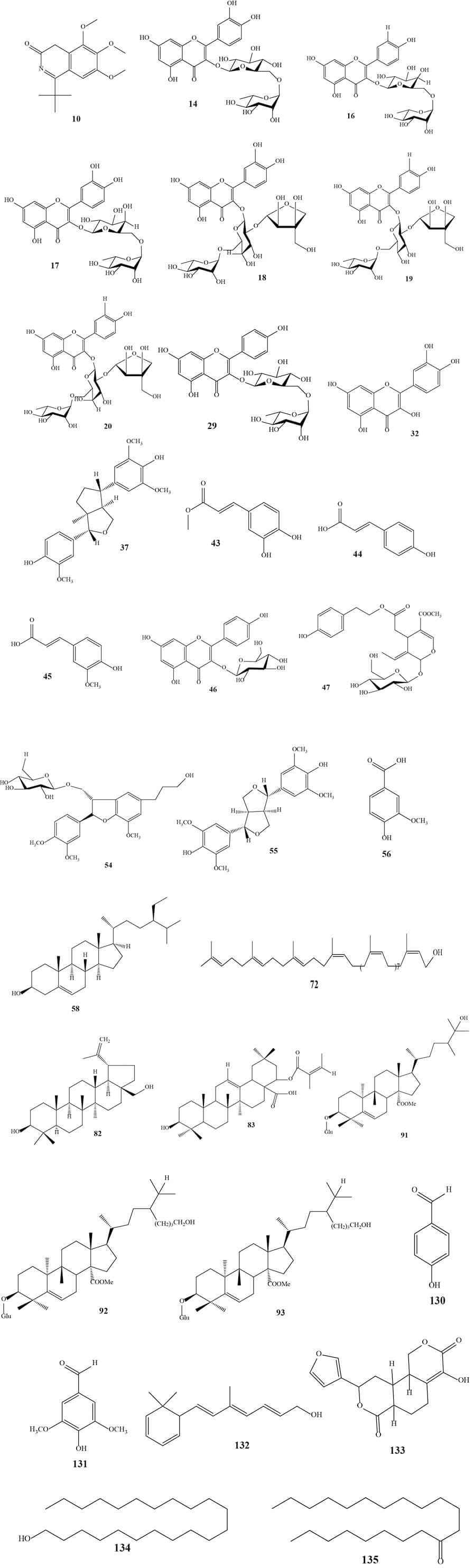 Fig. 2.
Chemical structure of bioactive phytoconstituents of Coccinia grandis.
The alkaloids identified from C. grandis demonstrate remarkable structural diversity and notable pharmacological potential. Five alkaloids (1–5) have been isolated from the fruit, contributing significantly to the diverse alkaloidal profile of the species [51]. Alkaloids derived by isolated compounds (6, 7) from leaf callus, highlight the efficacy of plant tissue culture techniques in facilitating the production of secondary metabolites. Moreover, the leaf has yielded compound (8), along with two isoquinoline alkaloid compounds (9) and (10), emphasizing the structural complexity and chemical diversity inherent in the plant’s alkaloidal constituents [52, 53, 54].
The flavonoids identified in this plant reflect significant structural diversity. Eight flavonoids (11–18) have been isolated from the leaf, comprising glucosides (11–14), rutinosides (15, 16), and complex conjugates (17, 18), showcasing the chemical diversity of the leaf constituents [61]. The fruit, on the other hand, contains a broader array of flavonoids, with 13 compounds (21–33) identified. These include glucosides (22–24), galactosides (25), rhamnosides (26, 29), and rutinosides (28), as well as acetyl derivatives (31) and simple flavonoids (27, 32). Notably, compound 33, a coumarin, further expands the fruit’s phytochemical profile, underlining its pharmacological potential [51, 52, 56].
Three iso-flavonoids (34–36) have been isolated from the fruit of C. grandis [51].
Different parts of the plant have been characterized by the presence of several lignans (37–42). From the stem, two compounds (37) and (38), have been isolated [57]. The fruit contains a broader range, with four compounds (39–42) identified, contributing to the plant’s lignan profile [51, 56, 58].
Twentynine phenolic compounds (43–71) have been isolated from C. grandis. The leaf contains six phenolic constituents (43–48) emphasizing its diverse bioactive profile [55]. In the stem, compound (49) has been identified as a sterol [52, 58], while compound (50) is a tocopherol derivative, with additional phenolic compounds (51) and (52) further contributing to its chemical complexity. The stem callus adds to this diversity with the presence of a compound (53). The fruit has been characterized with four notable phenolic compounds (54–57) significantly expanding the plant’s repertoire of bioactive compounds [57]. Furthermore, the bark contains a compound (58), while the fruit is enriched with an array of phenolics, including isolated compounds (59–71), collectively contributing to the comprehensive phenolic profile [51, 58, 62].
Seven polyprenol compounds (72–78) have been identified across various parts of C. grandis, emphasizing its remarkable chemical diversity. Among these, compound (72), identified as C60-polyprenol, was isolated from the leaf [10]. Six polyprenol compounds, including (73-78), isolated from the stem each enriching the chemical complexity [51, 58].
Three compounds, including one sterol (79) and two steroidal derivatives (80, 81), have been identified in C. grandis. Specifically, compound (79) was isolated from the leaf [52] compound (80, 81) have been isolated from the leaf callus, and fruit of C. grandis.
The terpenoids identified in C. grandis showcase a diverse range of chemical structures. Nine terpenoids (82–90) have been isolated from different parts of the plant, highlighting its chemical complexity. Specifically, compound (82) was isolated from the bark [60] and compounds (83–87) have been isolated from the leaf [60, 61]. The fruit is rich in additional terpenoids, including compounds (88–90) were also isolated, expanding the plant’s chemical repertoire.
Five glycosidic compounds (91–95) have been isolated from various parts of C. grandis, compounds (91–93) have been isolated in the fruit, contributing to the glycosidic profile of the plant [62]. Additionally, compounds (94, 95) were isolated from the stem, further enriching the plant’s glycosidic composition.
A diverse array of fatty acids (96–103) has been identified across different parts of C. grandis, further enriching its chemical profile. From the leaf, compounds 96, 97, 98, and 99 were isolated, significantly contributing to the plant’s fatty acid composition [52]. Compound (100) was discovered in the leaf callus, introducing a distinctive aspect to the plant’s lipid profile. Additionally, the fruit was found to contain compound (101–103) thus broadening the fatty acid spectrum and enhancing the plant’s potential for diverse pharmacological applications [58].
Different parts of C. grandis have been characterized by the presence of seventeen fatty acid derivatives (104–120). From the leaf, eight compounds (104–111) have been identified, reflecting significant chemical diversity [52]. The leaf callus has yielded three additional compounds isolated (112–114), further enriching the plant’s lipid profile. The fruit has been found to contain a compound (115), highlighting its contribution to the fatty acid derivative spectrum [58]. The stem also exhibits considerable diversity with the isolation of three compounds (116–118), while the stem callus features two unique derivatives (119–120) that have been isolated [59].
Five fatty alcohols (121–125) have been isolated in various parts of C. grandis, compounds (121) and (122) were isolated from the leaf and leaf callus. The fruit was found to contain a compound (123) [58]. Furthermore, compounds (124) and (125) were isolated from the stem [59].
Two anthocyanins (126, 127) have been identified in the fruit of C. grandis [51]. Among the lactones, two compounds (128, 129) were isolated in the fruit, highlighting the plant’s lactone diversity [58]. Additionally, the stem yielded two aldehydes (130, 131) further expanding the chemical constituents of the plant [57].
The phytochemical profile of C. grandis also encompasses various miscellaneous compounds. These include two complex cyclic structures (132, 133) isolated from the aerial parts [63], along with two docosane derivatives (134, 135) from the bark [60]. Furthermore, the stem has yielded a range of diverse compounds, including cycloalkanes, alkenes, and other unique structures (136–158) [59].
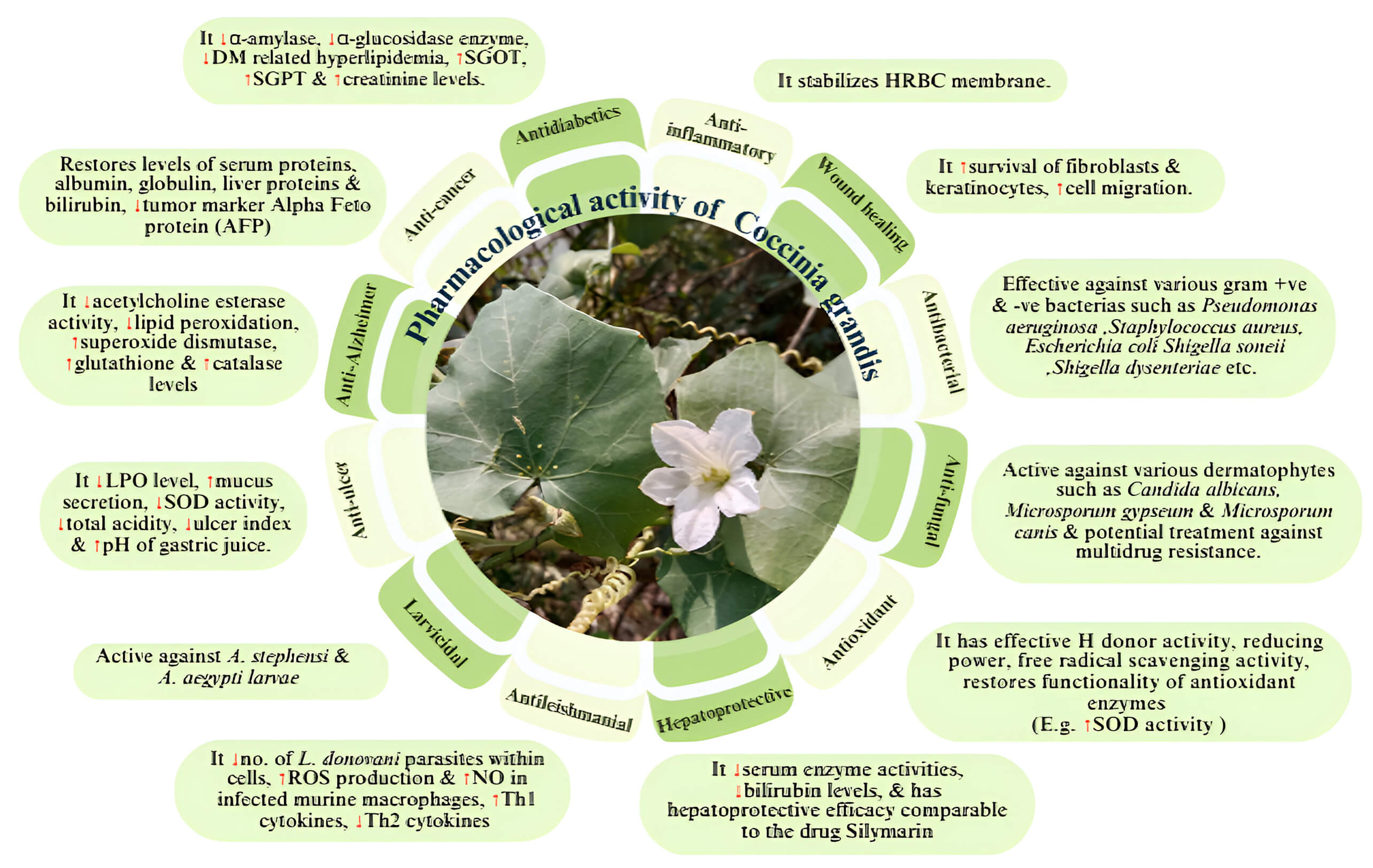
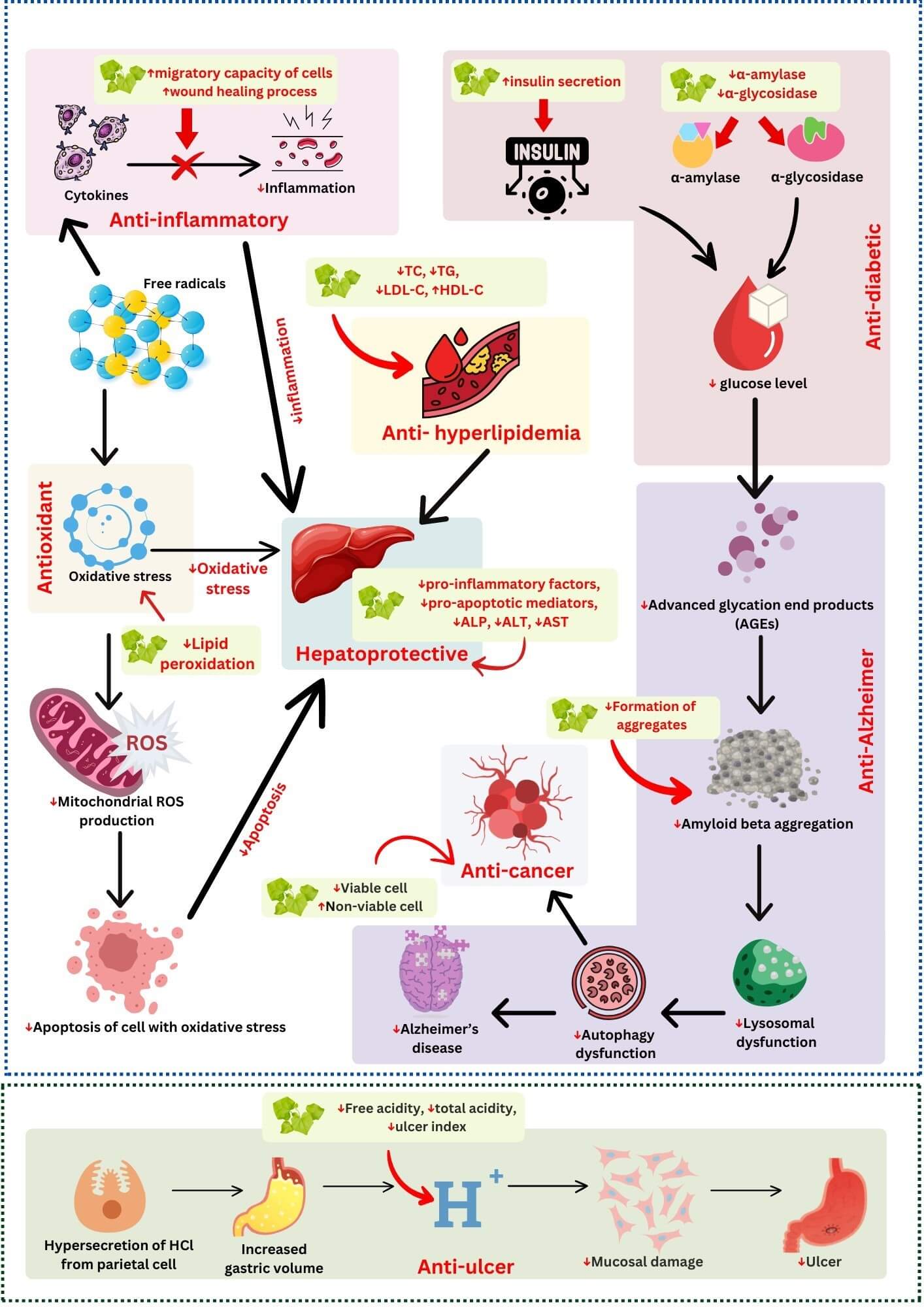
A variety of in vitro, in vivo, and in silico studies validated the traditional therapeutic uses of C. grandis. Most studies have concentrated on its antidiabetic [64] and cardiac activities [65], particularly exploring the molecular mechanisms of extracts and phytoconstituents. There is considerable evidence suggesting that the plant possesses anticancer [66], immunomodulatory [67], anthelmintic [68], antioxidant [69], antidiabetic [70], and antimicrobial effects [71]. Additionally, preliminary studies showed that it has hepatoprotective [72], woundhealing [51], anticataract [73], anti-Alzheimer [74], and larvicidal [75] effects. The pharmacological properties of the plant are outlined in Table 4 (Ref. [9, 51, 55, 64, 65, 67, 68, 69, 70, 71, 72, 73, 74, 75, 76, 77, 78, 79, 80, 81, 82, 83, 84, 85, 86, 87, 88, 89, 90, 91, 92, 93, 94, 95, 96, 97, 98, 99, 100, 101, 102, 103, 104, 105, 106, 107, 108, 109, 110, 111]) and demonstrated in Fig. 3. In addition, researchers unveil the mechanism of actions of some activities, particularly antidiabetic, anticancer, anti-inflammatory, antiulcer, hepatoprotective, and anti-Alzheimer effects. Compared to its traditional uses and beneficial effects, there is still a scope to perform in-depth research to find out the pharmacological activities as well as the precise mechanism of action of those effects [91]. A concise mechanism of action for various pharmacological effects is summarized in Fig. 4.
| Activity | Type of preparation | Study type | Study models/methods | Administered dosage | Biological effects | Ref. |
| Antidiabetic | Methanolic extract of leaves | In vivo | Diabetic mice | 100 mg/kg | It |
[76] |
| Ethanolic extract | In vitro | 12.5–250 µg/mL | It |
[64, 91] | ||
| Ethanolic extract | In vivo | Wistar rats (male) | Antihyperlipidemic activity | [77] | ||
| Methanolic extract | In vitro | RINm5F cells | 0.250 mg/mL & 0.50 mg/mL | It stimulated 1.28 & 1.71-fold |
[78] | |
| Aqueous extract | In vivo | Wistar rats with diabetes | 0.25–2.00 g/kg | Optimum effectiveness in antihyperglycemic activity | [9] | |
| Aqueous extract from leaves | In vivo | Albino rat models | 50 mg/kg body weight | It |
[79] | |
| Methanolic extract | In vitro | Murashige & Skoog medium | 1.0 mg/L | It |
[80] | |
| Methanolic extract (leaves, fruits, root & aerial parts) | In vivo | Albino mice models | 150 mg/kg | After 8 hours, it |
[70] | |
| 300 mg/kg | After 8 hours, it |
|||||
| 450 mg/kg | After 8 hours, it |
|||||
| Aqueous leaf extract | In vivo | Swiss-type albino rats | 3 mL/kg body weight | It |
[81] | |
| Ethanol, methanol & chloroform extract | In vivo | Wistar-type albino rats | 100 mg/kg | It possesses potential ability to |
[82] | |
| Aqueous & ethanolic extract | In vitro | Alpha amylase and alpha glucosidase | 62.5, 125, 250, 500 & 1000 µg/mL | It |
[83] | |
| Methanolic extract | In vivo | Rats | 125, 250 & 500 mg/kg | It has potential antidiabetic & antihyperlipidemic properties | [84] | |
| Fruit extract | In vivo | Rats with diabetes | 250 mg/kg | It possesses considerable antihyperglycemic activity | [85] | |
| Aqueous extract | In vivo | Wistar rat model | 0.75 g/kg | It possesses potential antidiabetic effect | [86] | |
| Chloroform, ethyl acetate, methanolic & n-hexane extract | In vitro | 0.5–7 mg/mL | It possesses effective |
[9] | ||
| Antioxidant | Petroleum ether, Chloroform, hydroalcoholic extract of stem | In vivo | Wistar-type albino rats | 250 & 500 mg/kg | It has antioxidant property, |
[87] |
| Ethanolic | In vitro | 2,2-diphenyl-1-picrylhydrazyl (DPPH) free radical scavenging assay | 20–800 µg/mL | It possesses significant antioxidant activity | [88] | |
| Ethanolic extract | In vitro | DPPH free radical scavenging assay | 2 mL | It possesses significant antioxidant effect | [69] | |
| Petroleum ether, chloroform & ethyl acetate | In vivo | Rats | 200 mg/kg | It possesses potential antioxidant effect | [9] | |
| Aqueous extract | In vitro | DPPH free radical scavenging assay | 40%, 50%, and 70% | Free radical inhibition | [71] | |
| Aqueous extract of leaves | In vitro | DPPH free radical scavenging assay | 100–500 µg/mL | It possesses significant antioxidant potential | [89] | |
| Methanolic extract | In vitro | DPPH free radical scavenging assay | 200, 100, and 50 µg/mL | Protects the cell from oxidative damage during extended periods of inflammation | [67] | |
| Methanolic extract | In vitro | DPPH free radical scavenging assay | 1 mg/mL | It has DPPH radical scavenging activity, |
[80] | |
| Methanolic & ethanolic extract | In vitro | DPPH scavenging assay | 20, 40, 60, 80, 100 µg/mL | It prevents oxidative damages | [90] | |
| Aqueous extract of leaves | In vivo | Swiss-type Albino rats | 3 mL/kg body weight | It |
[81] | |
| Ethanolic extract | In vitro | DPPH Radical Scavenging Activity | 10–100 µg/mL | It possesses potential antioxidant activity | [86] | |
| Aqueous extract with encapsulated alginate nanoparticles | In vitro | DPPH, ABTS (2,2′-azinobis (3-ethylbenzothiazoline-6-sulfonic acid)) radical scavenging assays, and FRAP (ferric reducing antioxidant power) assays | 1–5 mg/mL | Encapsulation |
[69] | |
| Methanolic extract | In vitro | DPPH free radical scavenging assay | 10 µL | It has potential antioxidant activity | [93] | |
| Hydroalcoholic extract | In vitro | DPPH & H2O2 assay | 20, 40, 60, 80 µg/mL | It has strong antioxidant activity | [69] | |
| Antiulcer | Aqueous extract of leaves | In vivo | Rats | 250 & 500 mg/kg | It |
[92] |
| Ethanol, aqueous extract | In vivo | Wistar-type albino rats | 400 mg/kg | It |
[93] | |
| Anti-inflammatory | Methanolic extract | In vitro | Human Fibroblast (hFB)-Cell and human epidermal keratinocytes (HaCaT) | 200 µg/mL | It |
[67] |
| Aqueous extract of the leaves | In vivo | Swiss mice & Wistar rat models | 50 mg/kg | It has potent anti-inflammatory activity | [94] | |
| Aqueous extract | In vivo | Swiss-type albino mice & Sprague Dawley rat models | 0.2 mL | It has potent anti-inflammatory activity | [95] | |
| Aqueous extracts | In vivo | Rats | 50, 100 & 200 mg/kg | It has potential anti-inflammatory effect | [95] | |
| Antibacterial | Aqueous, ethanol, methanol & petroleum ether extract | In vitro | Bacteria species such as pseudomonas aeruginosa, Bacillus subtilis, Vibrio anguillarum. Escherichia coli & Staphylococcus aureus | 100, 250 & 500 µL | It shows strong antibacterial effects against Vibrio anguillarum, with a zone of inhibition measuring 31 |
[96] |
| Aqueous & methanolic extract | In vitro | Bacteria species namely Escherichia coli & Staphylococcus aureus | 0.1 mL | It exhibits potent antibacterial activities | [97] | |
| Antifungal | Aqueous, ethanolic, methanolic & petroleum ether extract | In vitro | Bacteria species namely Candida albicans, Aspergillus niger, Aspergillus flavus & Aspergillus fumigatus | 100, 250 and 500 µL | It displays substantial antifungal effects against Aspergillus niger, with a distinct zone of inhibition (30.33 |
[96] |
| Antimicrobial | Aqueous extract of the leaves | In vitro | Disc-diffusion assay using bacteria species-Staphylococcus aureus, Bacillus subtilis, Escherichia coli, Serratia marcescens, Vibrio cholerae, Shigella sannei, Klebsiella pneumonia, Proteus vulgaris, Salmonella typhi & Proteus mirabilis | 15 mm, 13 mm | Exhibits potential antibacterial efficacy against Vibrio cholerae, Serratia marcescens & Proteus vulgaris with a zone of inhibition measuring 14 mm | [71] |
| Ethanolic extract | In vitro | Chequerboard Assay using bacteria species such as Staphylococcus aureus, Staphylococcus epidermidis, Streptococcus pyogenes, Acinetobacter baumanni, Escherichia coli & Candida albicans | 0.0625 to 32 mg/mL | Effectively inhibits the growth of all tested microorganisms | [98] | |
| Ethanolic extract | In vitro | Disc-diffusion assay using both gram (+) bacteria (Staphylococcus aureus, Sarcina lutea, Bacillus cereus) & gram (–) bacteria (Pseudomonas aeruginosa, Salmonella typhi, Escherichia coli) | 300 µg/disc | Showed significant antimicrobial activity | [99] | |
| Aqueous extract of the leaves | In vitro | Disc-diffusion assay using both gram (+) bacteria (Micrococcus luteus, Staphylococcus aureus, Methicillin resistant) & gram (–) bacteria Escherichia coli | 25 µL/disc | Maximum zone of inhibition (33 mm) Micrococcus luteus | [89] | |
| Aqueous, & hexane extracts of leaves | In vitro | Well-diffusion assay using both gram (+) bacteria (Staphylococcus aureus, Bacillus cereus, Streptococcus pyogene, Corynebacterium diptheriae) & gram (–) bacteria (Shigella boydii, Escherichia coli, Proteus mirabilis, Klebsiella pneumoniae, Salmonella typhi, Pseudomonas aeruginosa) | The aqueous extract produced moderate effectiveness against Pseudomonas aeruginosa, Klebsiella pneumoniae & Salmonella typhi while the hexane extract demonstrated a moderate level of activity against all bacteria types except Proteus mirabilis, which showed no response | [100] | ||
| Aqueous, hexane & ethyl acetate extract of stem | In vitro | Well-diffusion assay using both gram (+) (Bacillus cereus, Corynebacterium diptheriae, Staphylococcus aureus, Streptococcus pyogene) & gram (–) bacteria (Escherichia coli, Klebsiella pneumoniae, Proteus mirabilis, Pseudomonas aeruginosa, Salmonella typhi & Shigella boydii) | Effectiveness was observed with the aqueous extract exclusively against Shigella boydii, while the hexane extract demonstrated activity against Shigella boydii along with Klebsiella pneumoniae, Streptococcus pyogenes, Escherichia coli, Pseudomonas aeruginosa & Salmonella typhi. Similarly, the fraction of ethyl acetate was effective against all the tested bacteria apart from Staphylococcus aureus & Proteus mirabilis | [100] | ||
| Aqueous, acetone & ethanolic extracts | In vitro | Uropathogenic Escherichia coli (UPEC)/agar well diffusion method | 200 µg to 1000 µg | It has antimicrobial effects on biofilm formation & uropathogenic Escherichia coli, capable of producing the enzyme Extended Spectrum Beta-Lactamase (ESBL) | [101] | |
| Petroleum ether, chloroform, ethyl acetate, acetone, methanol & aqueous extract | In vitro | Agar well diffusion assay with Acinetobacter species, Klebsiella species, Pseudomonas aeruginosa, Staphylococcus aureus & Proteus mirabilis | 25 mg/mL | It has bactericidal activity | [102] | |
| Aqueous extract | In vitro | Agar well diffusion assay using both gram (+) bacteria (Staphylococcus aureus) & gram (–) bacteria (Escherichia coli) | 100 µL | It has potential antibacterial activity | [51] | |
| Hepatoprotective | Aqueous, petroleum ether, n-hexane, chloroform & methanolic extract | In vivo | Albino rat models | 0.6 mg/g body weight/day | It |
[65] |
| Aqueous extract of leaves | In vivo | Wistar-type Albino rats | 250 mg/kg body wt | It |
[103] | |
| Methanolic extract | In vivo | Albino rat models (Female) | 200 mg/kg | It |
[104] | |
| Methanolic extract | In vivo | Wistar-type Albino rat models | 100, 200 mg/bw | It |
[105] | |
| Aqueous & methanolic extract | In vivo | Swiss-type albino mice | 200 mg/kg | It has potent hepatoprotective activity | [72] | |
| Cardioprotective | Aqueous, petroleum ether, n-hexane, chloroform & methanolic extract | In vivo | Albino rat models | 0.6 mg/g body weight/day | It maintains typical lipid profile, |
[65] |
| Larvicidal | Essential oil extracted from leaves | In vitro | Anopheles stephensi, Aedes aegypti & Culex quinquefasciatus | 3.125, 6.25, 12.50, 25, 50 and 100 ppm | It exhibits promising larvicidal activity against three mosquito species | [106] |
| Ethanol, ethyl acetate, chloroform & aqueous extract | In vitro | Anopheles stephensi, & Aedes aegypti | 1 mL | It exhibits promising larvicidal activity | [107] | |
| Ethanol, ethyl acetate, chloroform & aqueous extract | In vitro | Larvae and pupae of C. quinquefasiatus | 20, 40, 60, 80, 100% | It has larvicidal & pupicidal activity | [108] | |
| Aqueous leaves extract, synthesized silver nanoparticles of C. grandis | In vitro | Aedes aegypti & Culex quinquefasciatus | 50–250 ppm | It is effective in controlling Culex quinquefasciatus & Aedes aegypti larvae | [75] | |
| Anti-cancer | Ethanolic extracts | In vitro | Ehrlich Ascites Carcinoma (EAC) cell | 200 & 400 mg/kg body weight | It |
[81] |
| Antitussive | Methanolic extract | In vitro | Guinea pigs & Swiss-type albino mice | 100, 200 & 400 mg/kg | It has significant antitussive effect | [109] |
| Anti-Alzheimer | Ethanolic extract | In vivo | Wistar-type albino rats | 500 & 1000 mg/kg | It |
[74] |
| Anticataract | Methanolic & aqueous extract | In vivo | Wistar-type albino rat models | 200 mg/kg | It has potential anticataract activity | [73] |
| Antileishmanial | Leaf extract (crude extract) | In vivo | BALB/c mice models (female, adult) | 12, 24, 48 mg/kg | Possible immunomodulator for treating visceral leishmaniasis | [110] |
| Anti-anaphylactic | Ethanolic extract | In vivo | Swiss-type albino mice models | 100, 125 & 150 mg/kg | It shows potential anti-anaphylactic activity by |
[111] |
| Antihistaminic | Ethanolic extract | In vivo | Swiss-type albino mice models | 100, 125 & 150 mg/kg | It has potential antihistaminic activity | [111] |
| Anthelmintic | Methanolic extract | In vivo | Earth worm, tape worm & round worm | 5, 10 mg/mL | It has significant anthelmintic activity | [68] |
| Wound healing | Aqueous extract | In vivo | Wistar-type albino rat models | 0.5 mg/cm | It |
[51] |
| Methanolic extract | In vivo | Albino rat models (male) | 1.5 mg/g | It has wound healing capacity | [55] |
Upward (
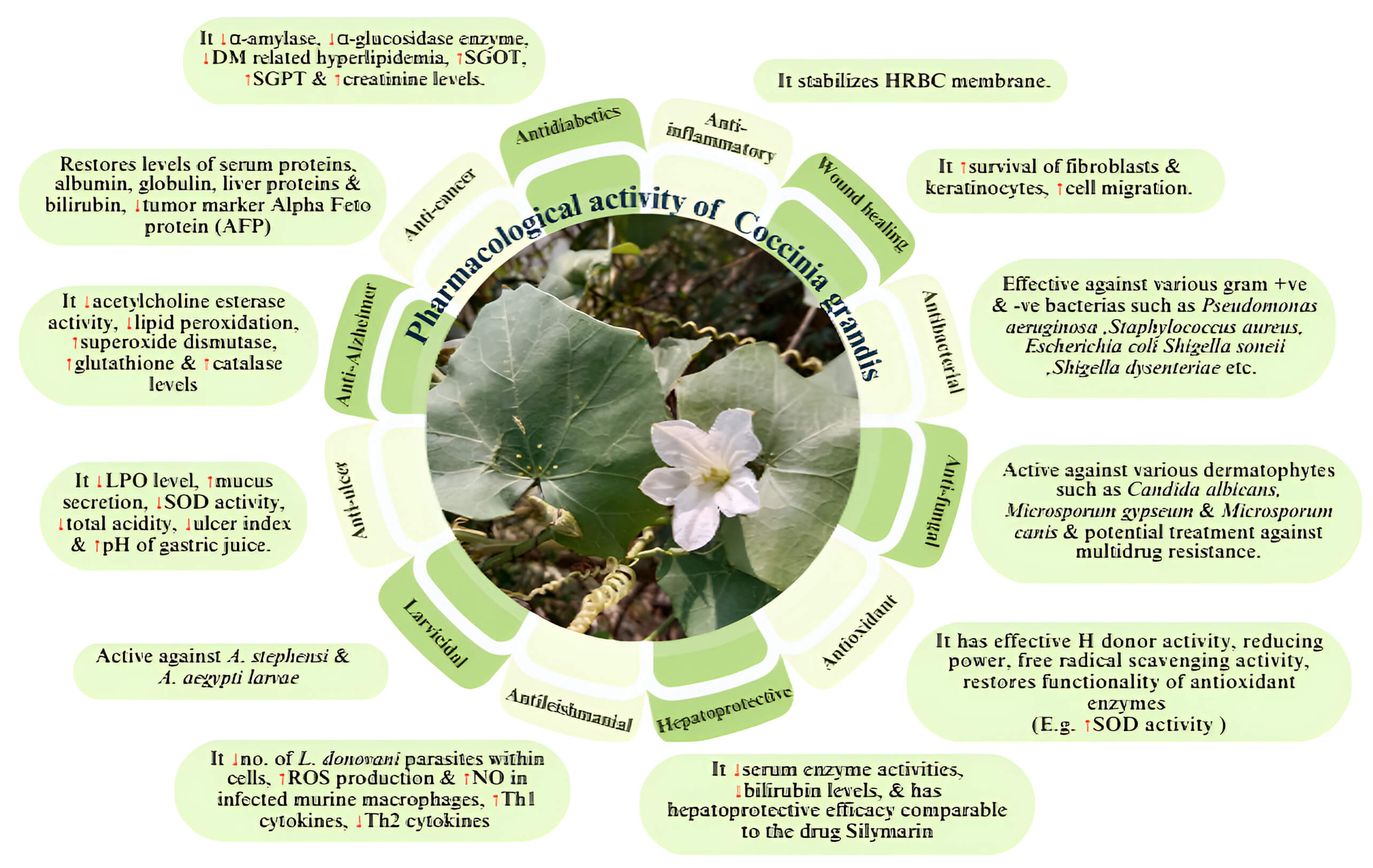 Fig. 3.
Pharmacological activities of Coccinia grandis. Upward
(
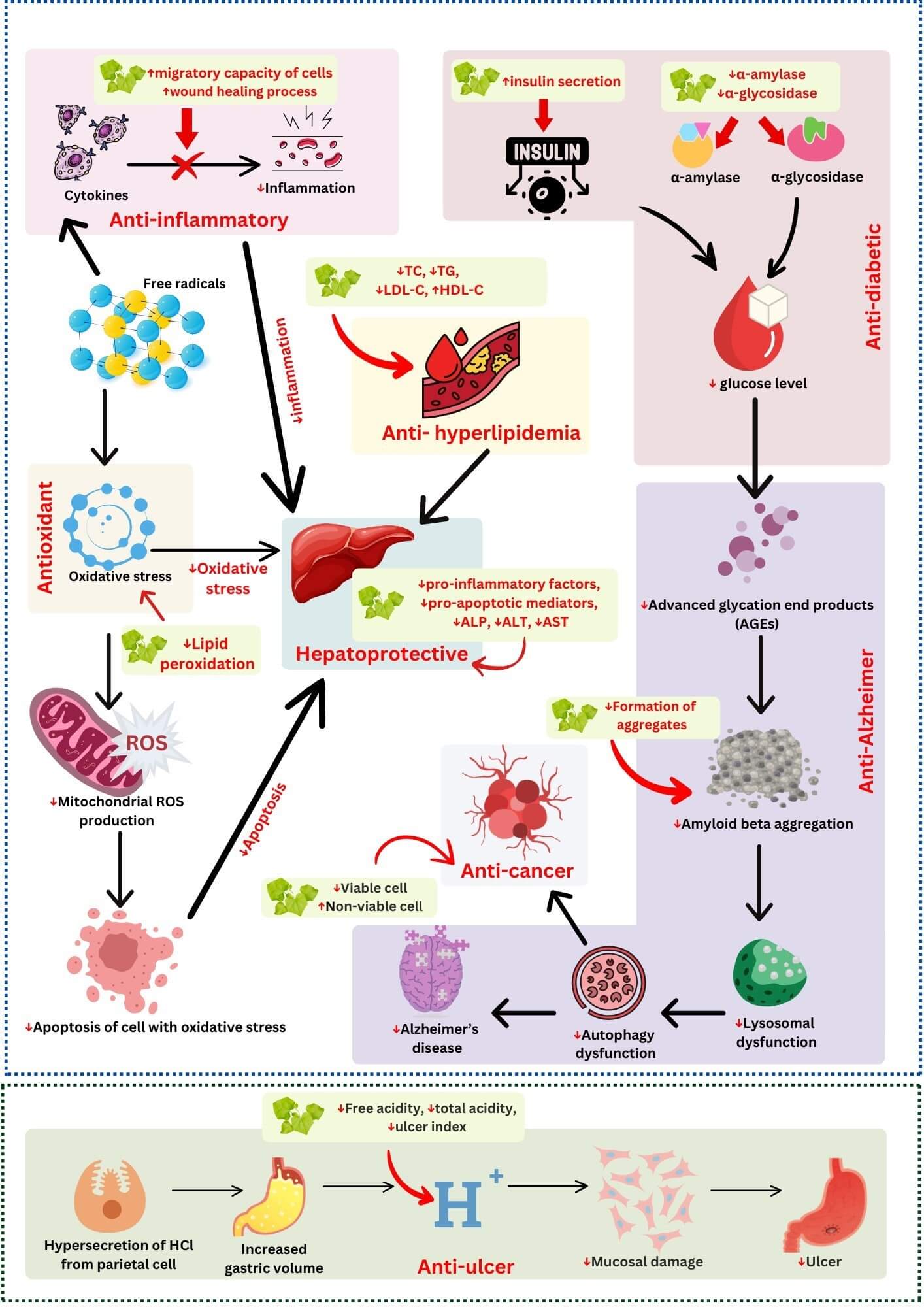 Fig. 4.
The diverse effects of Coccinia grandis and the underlying mechanisms. The small red upward arrows (↑) indicate an increase or upregulation of the respective biological activity, level, or process, whereas red downward arrows (↓) indicate a decrease or downregulation. Created using canva.com.
Non-insulin-dependent diabetes mellitus (NIDDM), commonly known as Type 2 Diabetes Mellitus (T2DM), accounts for approximately 90% of diabetes cases globally, affecting around 9% of the population, or about one in eleven individuals worldwide. T2DM is marked by persistent hyperglycemia, disrupted protein, carbohydrate, and lipid metabolism, and an elevated risk of vascular complications. This condition stems from inadequate insulin, essential for glucose transport from blood to tissues [112]. Integrative approaches combining herbal and ayurvedic medicine with conventional treatments offer a comprehensive strategy for managing diabetes, with proven safety and effectiveness, particularly when coupled with dietary control and exercise [113, 114, 115]. Traditional medicinal plants have gained traction as alternative treatments and novel drug sources for diabetes, aligning with the WHO’s guidelines on diabetes care.
For instance, the methanolic extract of C. grandis leaves has
demonstrated significant antidiabetic effects in streptozotocin (STZ)-induced
diabetic rats at doses of 125, 250, and 500 mg/kg, showing an ability to reduce
hyperlipidemia associated with diabetes [84]. Studies using C. grandis
fruit extracts have revealed strong antioxidant and radical-scavenging
activities, evaluated through nitric oxide and radical-scavenging assays, and
inhibitory effects on key enzymes
The biological degenerative processes associated with excessive free radicals can result in damaging oxidative reactions within the body [118]. Antioxidant activity, defined as a bioactive compound’s ability to neutralize these harmful radicals, plays a crucial role in protecting cellular integrity by inhibiting lipid peroxidation (LPO) and preventing oxidative damage. Antioxidants not only contribute to cellular defense but are essential for various biological functions, including anticancer, anti-inflammatory, and anti-aging effects. Research suggests a link between antioxidant activity and the prevention of chronic diseases like cancer, diabetes, and cardiovascular diseases [119]. Many plants contain potent antioxidants such as carotenoids, phenolics, flavonoids, anthocyanins, unsaturated fatty acids, vitamins, enzymes, and cofactors—providing therapeutic potential for preventive healthcare. Recent research has further reinforced the antioxidant potential of C. grandis. A study evaluating the genetic variability of C. grandis germplasm under rainfed semi-arid conditions found significant variations in antioxidant activity among different accessions. High heritability and genetic advance were observed for key antioxidant markers such as total phenols, total flavonoids, and 2,2-diphenyl-1-picrylhydrazyl (DPPH) assays, suggesting strong genetic control over these traits and highlighting the potential of C. grandis for breeding programs aimed at enhancing its antioxidant properties [120].
Studies have highlighted the value of plant-derived antioxidants for disease
prevention, showing that diets rich in secondary plant compounds can reduce the
risk of degenerative conditions, including cancer and arteriosclerosis [121, 122]. Medicinal plants like C. grandis have shown promising antioxidant
effects, which are particularly evident in ethanol extracts. For instance, the
DPPH free radical scavenging assay demonstrated that C. grandis ethanol
extract exhibited significant antioxidant activity (IC50 1.15
µg/mL), outperforming the standard, ascorbic acid (IC50 5.80
µg/mL), which displays the highest inhibition of free radical
activity [123]. In vitro studies further support the efficacy of
C. grandis fractions, revealing their robust hydrogen-donating ability.
Chloroform (IC50 0.135 µg/mL), ethyl acetate (IC50 0.154
µg/mL), pet-ether (IC50 0.39 µg/mL), and methanolic
fractions (IC50 0.8 µg/mL) all exhibited significant antioxidant
activity. The methanolic fraction had the highest reducing power (0.426
µg/mL), followed by ethyl acetate, pet-ether, and chloroform
fractions. These findings were benchmarked against standards like butylated
hydroxytoluene (BHT), ascorbic acid,
Bacterial infections remain a major global health threat, with rising antimicrobial resistance and biofilm-associated infections heightening the need for novel antibacterial solutions [126]. The misuse and overuse of antibiotics have accelerated this resistance, rendering many existing drugs ineffective. This issue, deemed by the WHO as one of the most urgent challenges in medicine, highlights the necessity for new antimicrobial agents [127]. Since the late 20th century, resistance has surged among pathogens, complicating treatment options [128]. Reducing dependence on traditional antibiotics by exploring alternative sources, especially medicinal plants, is now critical [129]. Roughly half of existing drugs and nutraceuticals are derived from natural sources, driving researchers to investigate bioactive compounds from plants to combat microbial resistance.
Medicinal plants like Coccinia grandis (ivy gourd) have demonstrated significant antimicrobial effects. The methanol extract of C. grandis showed a 14.10 mm zone of inhibition against Pseudomonas aeruginosa in vitro, close to that of the standard antibiotic ciprofloxacin, which showed a 16.07 mm inhibition zone. C. grandis demonstrated strong activity against various gram-positive and gram-negative bacteria, such as Staphylococcus aureus and Escherichia coli, with minimum inhibitory concentrations (MICs) ranging from 10 to 25 µg/mL and minimum bactericidal concentrations (MBCs) from 25 to 50 µg/mL [130]. Further analysis of C. grandis extracts confirmed antimicrobial activity against a range of pathogens, including gram-positive bacteria like Staphylococcus aureus and gram-negative strains like Klebsiella pneumoniae and Proteus vulgaris. The purified protease inhibitor of C. grandis showed inhibition zones in antimicrobial tests, with K. pneumoniae and Aspergillus flavus being the most sensitive (MIC-0.01 mg/mL and MBC/minimal fungicide concentration (MFC)-0.5 mg/mL). Meanwhile, Staphylococcus aureus and Bacillus subtilis showed relatively higher resistance [131]. In another study, C. grandis ethanol leaf extracts demonstrated antibacterial activity against both gram-positive and gram-negative strains, including Staphylococcus aureus, Bacillus cereus, Escherichia coli, and Klebsiella pneumoniae, with MIC values less than 31.5 µg/mL against certain bacteria [132]. The extract also exhibited antifungal effects against Candida albicans and Aspergillus niger, particularly effective against oral and vaginal infection strains. Ethanol extracts showed higher activity against Aspergillus niger, responsible for aspergillosis, compared to aqueous extracts [133].
The liver, a crucial organ responsible for metabolism, secretion, storage, and detoxification, plays a fundamental role in maintaining overall health [134]. Its vital functions make it susceptible to damage, especially due to continuous exposure to toxins via direct blood flow from the intestines [135, 136]. Liver diseases are among the leading causes of global morbidity and mortality, often triggered by unhealthy habits, excessive alcohol and drug use, sugary diets, and infections from microbes like bacteria, viruses, and parasites, along with autoimmune diseases like hepatitis and cirrhosis [137]. These diseases can be acute or chronic, classified into hepatitis (inflammatory), hepatosis (non-inflammatory), and cirrhosis (degenerative fibrosis) [138, 139]. Current treatments for liver disorders are controversial, as synthetic medications often produce significant side effects. For centuries, herbal remedies have offered alternative therapies due to their lower toxicity and fewer adverse effects, leading to modern medicines inspired by medicinal plants [138]. Among these plants, C. grandis demonstrates hepatoprotective properties.
Studies indicate that alcoholic extracts from C. grandis fruit can reduce liver damage in rats exposed to carbon tetrachloride (CCl4), significantly lowering serum enzyme and bilirubin levels, comparable to the effects of the standard drug silymarin [140]. Similarly, an ethanolic extract of C. grandis leaves administered in varying doses has shown hepatoprotective effects against CCl4 and paracetamol-induced liver damage. Rats treated with the extract exhibited statistically significant reductions in liver enzymes and other biochemical markers of liver damage [141] (Fig. 4). Furthermore, a mechanistic study demonstrated that C. grandis protects against monosodium glutamate and high-lipid diet-induced systemic damage in rats by ameliorating oxidative stress, metabolic disturbances, and inflammatory responses, suggesting its potential as a hepatoprotective agent [142].
Leishmaniasis, a major global health challenge, is a vector-borne disease caused by protozoan parasites of the genus Leishmania and ranks among the top six neglected tropical diseases according to the World Health Organization (WHO). Affecting 98 countries across five continents, it presents two primary clinical forms: visceral leishmaniasis (VL) and cutaneous leishmaniasis, with annual incidences of approximately 0.2–0.4 million VL cases and 0.7–1.2 million cutaneous cases [143]. Due to the high toxicity and emerging resistance of conventional treatments, there is a pressing need for novel therapeutic agents. Natural products, particularly plant derivatives, have shown promise as alternative antileishmanial agents, demonstrating efficacy against Leishmania major (causing cutaneous leishmaniasis) and Leishmania infantum (responsible for VL) [144].
Research into C. grandis has revealed significant antileishmanial
potential. The leaf extract of C. grandis (Cg-Ex), tested in
vitro against Leishmania donovani, achieved a 50% inhibitory
concentration (IC50) of 193
Inflammation is a complex immune response triggered by microbial infections, tissue damage, or sterile causes [146]. Globally, chronic pain associated with inflammation affects millions, including over 100 million adults in the U.S. and 27% of adults in Europe, with rates in Asia ranging from 7.1% to 61% [146, 147]. If untreated, acute pain can lead to delayed wound healing, immune dysfunction, cardiovascular stress, and respiratory issues, while chronic pain disrupts the quality of life, daily activities, sleep, and work productivity, resulting in substantial economic costs [147]. Key immune cells such as leukocytes, macrophages, and mast cells release signaling molecules and activate complement factors, creating a cascade that recruits leukocytes, along with fluid and protein, to inflammation sites. While non-steroidal anti-inflammatory drugs (NSAIDs) and steroidal anti-inflammatory drugs (SAIDs) are widely used to manage inflammation, they pose risks of gastrointestinal (GI) and cardiovascular complications. As a result, plant-derived compounds are increasingly favored as natural anti-inflammatory alternatives with fewer side effects [148, 149].
Studies on C. grandis have highlighted its anti-inflammatory potential. Using the human red blood cell (HRBC) membrane stabilization method, hydroethanolic leaf extract of C. grandis demonstrated dose-dependent HRBC protection rates of 30.7%, 47.11%, 58%, and 62% approaching the efficacy of diclofenac sodium, which showed protection rates of 68.85%, 78.41%, 89.8%, and 92.92% at similar concentrations [150].
In vivo studies showed that a 100 mg/kg dose of C. grandis methanolic leaf extract effectively reduced carrageenan-induced paw edema in rats, achieving similar results to diclofenac sodium, albeit with a 4-hour onset compared to diclofenac’s 3-hour effect. The compound C. grandis leaf (CGL) reached 35.84% efficacy, close to diclofenac’s 45.28%, and presents a safer, natural option for anti-inflammatory use [53]. Fig. 4 illustrates the mechanisms of C. grandis in modulating anti-inflammatory responses.
Ulcers are open sores found on the skin or mucous membranes, characterized by shallow tissue damage. They can develop on the skin of the lower extremities and within the gastrointestinal (GI) tract, with peptic ulcers being among the most common types [151]. Peptic ulcers involve the erosion of the stomach or duodenal lining and penetrate deep layers, often leading to tissue necrosis, immune cell infiltration, reduced blood flow, oxidative stress, and inflammation [152, 153]. These ulcers arise from an imbalance between harmful agents (such as acid, pepsin, and Helicobacter pylori) and protective factors like mucin, prostaglandins, bicarbonate, nitric oxide, and growth factors. Factors such as poor digestion, stress, and metabolic issues can exacerbate ulcer formation [154]. Current treatments include sucralfate, histamine, prostaglandin, muscarinic receptor antagonists, proton pump inhibitors (PPIs), and antacids, though many have adverse side effects like hypersensitivity, fatigue, blood disorders, and arrhythmias. This underscores the need for safer, natural remedies to treat peptic ulcers effectively.
Research has explored various plant-based agents for ulcer treatment, including
C. grandis, which has traditional applications in treating gastric and
peptic ulcers. Studies using an aspirin-induced ulcer model demonstrated that
both C. grandis leaf powder (CGL) and its methanol extract (CGM)
significantly reduced ulcer indices in a dose-dependent manner (p
Further studies on C. grandis ethanol and aqueous extracts in a pylorus-ligated rat model revealed that both extracts reduced total acidity and ulcer index while increasing gastric juice pH in a dose-dependent manner. The ethanol extract showed a substantial ulcer-curative effect (78.57%), with the aqueous extract achieving a 64.28% effect, both comparable to omeprazole’s 85.70% effectiveness. Notably, C. grandis extracts are natural, unlike omeprazole, a synthetic drug, highlighting the therapeutic value of these extracts, particularly the ethanol variant, in ulcer treatment [157, 158]. Mechanisms underlying C. grandis anti-ulcer activity are illustrated in Fig. 4.
Cancer remains one of the most common causes of death worldwide [159]. It encompasses a group of diseases characterized by uncontrolled cell proliferation, influenced by multiple factors such as genetic mutations and epigenetic changes in cell cycle-regulating oncogenes [160]. Cancer cells typically exhibit abnormal apoptosis and altered microtubule dynamics during mitosis. The World Health Organization (WHO) identifies primary cancer-inducing factors, including somatic mutations, ionizing radiation, reactive oxygen species (ROS), and exposure to various chemical and biological agents [161]. While chemotherapy remains a standard treatment, it can damage healthy cells, causing side effects like bone marrow suppression, nausea, vomiting, and hair loss [162]. Consequently, there is an urgent need for novel, safer treatments.
Medicinal plants offer promising alternatives, as their natural compounds may provide effective anticancer therapies [163]. Throughout history, natural products have served as key sources of medicine, offering bioactive compounds for direct therapeutic use [164]. Among these, C. grandis has shown notable anticancer properties. In one in vivo study, the ethanolic extract of C. grandis leaves was administered to mice with benzidine-induced hepatocellular carcinoma (HCC), where it reversed abnormalities in liver enzyme levels and serum proteins at a dose of 250 mg/kg. The tumor marker alpha-fetoprotein (AFP) significantly decreased in the extract-treated group, demonstrating a protective effect against HCC [165]. Fig. 4 illustrates the anticancer activity of C. grandis.
Further research using various extraction methods on C. grandis fruit showed that cold extracts more effectively reduced breast cancer cell proliferation in MDA-MB-231 cells compared to hot extracts, while acetone extracts exhibited greater activity than ethanol extracts [166]. Studies with Ehrlich Ascites Carcinoma (EAC) cell-induced tumors in rats also highlighted C. grandis anticancer efficacy, with ethanol extract injections increasing survival rates by up to 97% and reducing viable cell counts, paralleling the effects of vinblastine, a standard cancer treatment [167]. Additionally, the application of C. grandis seed extracts in zinc oxide nanocomposites demonstrated notable anticancer effects on hypertension -29 cells (IC50 = 45.4 µg/mL), offering a sustainable and cost-effective approach to cancer therapy [168].
Alzheimer’s disease (AD), a leading cause of dementia, represents one of the
most pressing medical challenges of the modern era [169, 170, 171]. Dementia
encompasses various neurodegenerative disorders marked by cognitive decline that
disrupts daily functioning, with AD being the most prevalent accounting for 60%
to 80% of dementia cases [172]. This neurodegenerative disease is defined by
An in vivo study assessed the effects of C. grandis fruits on
learning and memory using the Morris Water Maze, Elevated Plus Maze, and
Hebb-William Maze tests. Researchers measured the brain concentrations of GSH,
SOD, catalase, LPO, and acetylcholine esterase activity. Doses of C.
grandis (500 mg/kg, 1000 mg/kg), in addition to diazepam (1 mg/kg), showed
reduced transfer latency (TL) and swim latency (SL) compared to diazepam alone.
This was accompanied by lower acetylcholine esterase and LPO activity and
increased levels of catalase, SOD, and GSH, suggesting C. grandis
enhances learning and memory through its antioxidant and neuroprotective effects
[74]. Additionally, in silico studies identified
The rising environmental toxicity of insecticides can be mitigated by using
plant-based alternatives for mosquito control. Coccinia grandis extracts
show effective larvicidal properties against Anopheles stephensi and
Aedes aegypti. At 100% ethanol concentration, mortality rates reached
73.3
Further studies on unripe fruit extracts showed strong larvicidal and pupicidal
effects against Culex quinquefasciatus, with low LC50 values.
Ethanol, chloroform, aqueous, and ethyl acetate extracts induced substantial
mortality, with aqueous extracts showing the highest mortality (LC50
61.97%). Statistical analysis revealed significant variations (p
Infectious diseases caused by microorganisms remain a major global health threat, with wound infections contributing significantly to morbidity and mortality [176]. Wound healing, a complex process of tissue repair, begins with inflammation, followed by collagen production and epithelial regeneration [177]. Disruptions in the inflammatory phase can lead to oxidative stress, delaying healing. Recent studies on C. grandis leaf extract, traditionally used for insect bites, revealed its antioxidant potential in wound healing. The extract demonstrated strong antioxidant activity, with an IC50 of 4.85 mg/mL for ROS scavenging and 21.39 mg/mL for iron chelation. It also enhanced cell survival and migration by up to 23%, suggesting its promise in skin care and wound healing applications [51].
Moreover, an investigation into the protein profile of C. indica
revealed a significant similarity between the 17 kDa Protein Phosphatase 2 PP2
(CIA17) and phloem lectins within the PP2 superfamily. Mass spectrometry
identified 16 probable allelic variants of CIA17, each with slightly varied
structural characteristics. A key feature of CIA17, preserved across cucurbit
species, is an intramolecular disulfide bond between cysteine residues at
positions 34 and 51, essential for carbohydrate binding. Circular dichroism (CD)
spectroscopy confirmed that CIA17 is rich in antiparallel
The antibacterial properties of C. grandis were evaluated through in vitro studies using aqueous and organic solvent extracts, including chloroform, ethanol, and petroleum ether. These extracts were tested against Bacillus subtilis, Enterobacter aerogenes, Salmonella typhimurium, Pseudomonas aeruginosa, and Staphylococcus epidermidis using broth dilution and agar well diffusion techniques. The findings demonstrated notable antibacterial activity, with ethanol and aqueous extracts exhibiting the strongest inhibitory effects [179]. A subsequent study focused on the synthesis of silver nanoparticles (AgNP) using an ethanolic extract of C. indica leaves. The extract, prepared by maceration and used to reduce silver nitrate, led to the successful biosynthesis of AgNPs, as confirmed by surface plasmon resonance (SPR) at 425 nm, transmission electron microscopy (TEM), and scanning electron microscopy (SEM). The AgNPs ranged from 8 to 48 nm and showed a zeta potential of –55.46 mV, indicating moderate stability. Notably, AgNPs exhibited stronger antibacterial activity against gram-negative bacteria compared to gram-positive strains [180]. The antibacterial activity of C. grandis is further illustrated in Fig. 4.
Another study utilizing agar well diffusion reported that various solvent extracts, including acetone, ethanol, methanol, aqueous, and hexane, from C. grandis leaves exhibited substantial antibacterial activity, with ethanol extracts showing the most potent effects against S. aureus, B. cereus, E. coli, K. pneumoniae, and S. pyogenes. The minimal inhibitory concentration (MIC) for the ethanol extract ranged from 31.25 µg/mL to 1000 µg/mL, with concentrations below 31.5 µg/mL demonstrating strong inhibition, particularly against K. pneumoniae, S. aureus, and E. coli [132].
Moreover, a study found that hot ethanol and acetone extracts of C. grandis showed larger inhibition zones compared to cold extracts, especially against S. aureus, E. coli, and Enterococcus faecalis. In contrast, P. aeruginosa exhibited no significant inhibition at these concentrations. The antibacterial activity was comparable to that of the standard erythromycin, with varying MIC values, the highest for P. aeruginosa and the lowest for S. aureus [170]. Lastly, a screening of human pathogenic bacteria using the disc diffusion method revealed that the chloroform extract of C. cordifolia showed moderate antibacterial activity, while the n-hexane and ethyl acetate extracts demonstrated slightly less efficacy [181].
In vitro assays on C. indica demonstrated antifungal activity against dermatophytes like Candida albicans, Microsporum gypseum, and Microsporum canis using Asthana and Hawker’s and Sabouraud’s dextrose agar. Methanol and petroleum ether extracts were most effective, particularly from the fruit, which showed larger inhibition zones (3–8 mm) than leaf (2–5 mm), root (1–4 mm), and stem (1–3 mm) extracts [182]. Moreover, ethanolic extracts of C. grandis effectively inhibited C. albicans and A. niger. While A. niger and A. fumigatus are known to cause aspergillosis, C. albicans is associated with conditions like oral and vaginal candidiasis. Fig. 4 illustrates the antifungal effects of C. grandis extracts [170].
A separate investigation explored the antifungal and antibacterial properties of C. indica leaves against various pathogens, including Methicillin-Resistant Staphylococcus aureus (MRSA), Streptococcus pyogenes (multidrug-resistant), Candida auris, Trichophyton rubrum, and E. coli. Using tube dilution and disc diffusion methods, the ethanolic extract showed strong inhibition against MRSA, C. auris (250 µg/mL), and S. pyogenes (200 µg/mL) compared to antibiotics. Higher concentrations were needed to affect E. coli, while no significant impact was observed on Trichophyton rubrum. These findings highlight concentration-dependent antifungal and antibacterial effects, indicating potential for C. indica ethanolic extracts in addressing multidrug-resistant pathogens [183]. Additionally, methanol root extract (300 µg/disc) and kanamycin (30 µg/disc) were tested against various fungi. The plant extract showed strong antifungal activity, with the largest inhibition zone (19.0 mm) against C. albicans and Colletotrichum falcatum, followed by 17.0 mm against Aspergillus niger. Lesser effects (7.0 mm) were observed against Aspergillus fumigatus, and no inhibition was noted for Aspergillus flavus and T. rubrum. The petroleum ether extracts from leaves and calluses displayed potent antifungal effects at minimal concentrations of 0.3125 µg/100 µL against C. albicans, and 0.625 µg/100 µL against Candida krusei and Candida tropicalis [184].
The clinical trials conducted to date with C. grandis have primarily targeted its antidiabetic effects and potential to improve glucose metabolism in various health conditions (Table 5, Ref. [91, 185, 186, 187, 188, 189, 190, 191]).
| Administered material | No. of subjects | Health state of the participants | Study model | Dosage regimen | Results | Ref. |
| Plant powder in tablet | 48 | Pre-diabetic patients | Double-blind, randomized, placebo-controlled trial | 500 mg, one tablet taken twice daily | It |
[185] |
| Leaves combined with a certain amount of grated coconut & table salt | 122 | Healthy participants | Double-blind, randomized, placebo-controlled trial | 20 g of leaves once with a meal | Its |
[186] |
| Gelatine capsule as dietary supplement | 158 | Patients with T2DM | Double-blind, randomized, placebo-controlled trial | 500 mg once a day | Control blood sugar levels, including |
[91, 187] |
| Root powder | 10 | Patients with T2DM | 3 g twice a day before food | It |
[188] | |
| Capsule | 90 | Patients with & without diabetes | Double-blind, randomized, placebo-controlled trial | 500 mg twice per day | It |
[189] |
| Herbal capsule | 82 | Patients with T2DM | Double-blind randomized, placebo-controlled trial | 500 mg 1 capsule to be taken twice a day | It |
[190] |
| Herbal formulation | 158 | T2DM patients | Double-blind randomized, placebo-controlled trial | 500 mg once daily | It |
[191] |
Upward (
In a double-blind, randomized, placebo-controlled trial on 48 pre-diabetic
patients, daily administration of a 500 mg C. grandis tablet twice daily
led to significant reductions in fasting glucose and triglyceride levels while
enhancing glucose tolerance [185]. Another study with 122 healthy participants
assessed the effects of C. grandis leaves, combined with grated coconut
and salt, taken as a single 20 g dose with a meal, and reported a substantial
drop in blood sugar levels [186]. Further investigations in T2DM patients
demonstrated promising outcomes. For instance, a trial involving 158 T2DM
patients who received a 500 mg C. grandis gelatin capsule daily observed
regulated blood sugar levels alongside reduced activities of
Additionally, research on herbal capsule formulation in 82 T2DM patients highlighted reductions in blood glucose levels and antioxidant benefits with a twice-daily 500 mg dose [190]. Another study tested a 500 mg herbal formulation in 158 T2DM patients, showing an improvement in glucose tolerance [191]. While these clinical trials indicate a consistent positive impact of C. grandis on blood sugar regulation and associated metabolic markers, the studies are preliminary, with varying methodologies and sample sizes. Further large-scale, rigorously controlled trials are necessary to confirm its efficacy and safety as an antidiabetic agent and fully understand its therapeutic potential in chronic disease management.
C. grandis demonstrates a high safety profile, with no significant toxicity or side effects reported in various animal and human studies, supporting its use as a safe natural remedy. Multiple studies show that C. grandis extracts are safe for oral consumption. In acute toxicity tests, ethanolic and methanolic extracts of C. grandis leaves exhibited no toxicity or mortality at doses up to 2000 mg/kg in animal model [84, 192, 193]. Studies confirm that different plant parts, including leaves and stem, are non-toxic and safe for normal cells, showing no adverse effects on cell lines such as erythrocytes and Human Embryonic Kidney 293 (HEK293) cells [194, 195]. Additionally, a 12-week randomized, double-blind clinical trial on prediabetic adults reported no significant adverse effects, suggesting tolerability in humans [155]. In vivo studies further substantiate the plant’s safety: no toxicity was observed at doses up to 2.00 g/kg for anti-hyperglycemic effects, while hepatoprotective effects were noted up to 3.2 g/kg in laboratory rats [141, 196]. Even at doses as high as 3500 mg/kg, C. grandis extracts were well-tolerated without lethality or toxicity in gastric ulcer models [155]. This extensive evidence suggests that C. grandis is a safe candidate for therapeutic applications, though future studies on drug interactions are recommended to confirm its safety for wider clinical use.
Chronic diseases such as heart disease, cancer, and diabetes are major public health concerns, often linked to poor dietary habits, including excessive intake of fats, refined sugars, salt, and cholesterol [197]. These conditions, exacerbated by unhealthy lifestyles, have contributed to a rise in non-communicable diseases [198]. Incorporating functional foods, which are rich in vitamins, minerals, fiber, antioxidants, and probiotics, can reduce the risk of these diseases and enhance both physical and mental health [199]. Functional foods, which resemble traditional foods but provide additional health benefits, help improve bodily functions and prevent diseases by adding beneficial ingredients or removing harmful ones. Such foods can boost immune function, reduce the risk of cardiovascular disease, osteoporosis, obesity, and cancer, and improve cognitive health [198, 199]. These foods became widely recognized in Japan in the 1980s and have since spread globally [199, 200]. Epidemiological studies indicate that consuming bioactive compounds in fruits and vegetables can lower the risk of metabolic disorders and cancer [199].
C. grandis is an underutilized functional food known for its numerous health benefits. Rich in bioactive compounds such as antioxidants, minerals, and phytochemicals, it offers significant nutritional value [17, 201]. The tender leaves are commonly used in salads, while young fruits and shoots are incorporated into various dishes, providing a rich source of vitamins, protein, and minerals [202, 203]. Unripe fruits are utilized in soups, and the bitter variants are particularly valued for their leaves and shoots [56]. C. grandis contains a wide range of phytochemicals, including alkaloids, phenolic acids, triterpenoids, carotenoids, flavonoids, saponins, beta-carotene, and polysaccharides. Among these, cucurbitacin, a triterpenoid, is noted for its broad therapeutic potential. Phenolic compounds, such as phenolic acids and flavonoids, exhibit strong antioxidant properties, offering protection against cancer, inflammation, atherosclerosis, and thrombosis [204, 205]. Moreover, C. grandis demonstrates significant antioxidant potential and starch hydrolase inhibitory properties, further establishing its role as a functional food [206]. These findings underscore C. grandis as a promising candidate for functional food formulation, owing to its rich phytochemical composition and diverse health benefits.
The antidiabetic effects of C. grandis encapsulated in alginate
nanoparticles were analyzed, revealing significant inhibition of
Activated carbon (AC) synthesized from C. grandis leaves (CL-AC) was investigated for its electrochemical properties. The synthesis involved carbonization, impurity removal, and NaOH activation, resulting in a high surface area and nitrogen content. Compared to conventional bamboo-derived AC (B-AC), CL-AC demonstrated improved electrochemical performance, including reduced series and charge transfer resistance due to nitrogen incorporation. These findings suggest that nitrogen-rich C. grandis leaves serve as promising precursors for nitrogen-doped AC, offering a cost-effective alternative for electrochemical capacitor applications [209].
Multiple in vitro and in vivo studies on C. grandis have demonstrated its remarkable medicinal potential, particularly in the management of diabetes and related metabolic disorders, providing strong support for its ethnobotanical uses. Various bioactive compounds in C. grandis, including flavonoids, alkaloids, and triterpenoids, have been reported to exhibit significant antidiabetic and antioxidant activities, which warrant further investigation for the development of novel therapies targeting diabetes. In addition, the anti-inflammatory properties of C. grandis may provide new avenues for the treatment of conditions such as arthritis and other inflammatory diseases, which should be explored in future research. The anticancer potential of C. grandis has also been studied, with promising results indicating its ability to inhibit the growth of various cancer cell lines. However, the specific molecular mechanisms involved in these effects have not yet been fully elucidated. Further studies are needed to investigate the underlying molecular pathways, which could lead to the identification of potential chemopreventive agents within C. grandis. Furthermore, the hepatoprotective effects of C. grandis have shown considerable promise, although additional studies are required to verify the compounds responsible for this activity and their safety profile. The use of C. grandis in the treatment of cardiovascular diseases has been supported by several studies, particularly regarding its effects on lipid metabolism and its antioxidant properties. However, conflicting results have been reported in terms of its efficacy in regulating blood pressure, suggesting the need for more comprehensive clinical trials. Bioassay-guided isolation of specific phytoconstituents in C. grandis could help identify the most potent compounds for treating hypertension and related cardiovascular issues. Likewise, the immunomodulatory activity of C. grandis extracts and its phytoconstituents deserves further exploration. Certain compounds in C. grandis have shown the ability to modulate the immune system, both activating and suppressing immune responses. This dual action presents an interesting area for future research, particularly for conditions involving immune dysregulation, such as autoimmune diseases and chronic inflammation. While C. grandis has demonstrated substantial pharmacological effects, its toxicity profile remains a concern. Toxicological studies have shown that while C. grandis appears to be safe in recommended doses. Therefore, further in-depth investigations into the safety and toxicity of individual compounds, especially at higher doses, are crucial to ensure the plant’s therapeutic viability. The promising outcomes from preclinical studies need to be translated into clinical settings to confirm their therapeutic potential. Exploration of various nanoparticles of extracts and constituents, along with their synergistic effects could help develop more potent therapeutic formulations. Additionally, pharmacokinetics and bioavailability studies of these formulations are crucial for attaining consistent therapeutic outcomes. Investigating the potentials of C. grandis in other therapeutic areas, such as neurodegenerative diseases, cardiovascular health, and immune modulation, could open new avenues for its application.
C. grandis shows significant promise as a multifunctional therapeutic agent for a range of diseases, including diabetes, cancer, cardiovascular diseases, and inflammatory disorders. However, to fully realize its potential, further pharmacological, toxicological, and clinical research is needed. Identifying the specific active compounds responsible for their therapeutic effects and assessing their safety profiles will be critical in developing C. grandis as a reliable and effective treatment option.
ABTS, 2,2′-Azino-bis (3-ethylbenzothiazoline-6-sulfonic acid) diammonium salt; AD, Alzheimer’s disease; AgNPs, Silver nanoparticles; BHT, Butylated hydroxyl toluene; C. grandis, Coccinia grandis; CCl4 Carbon tetrachloride; CGL, Coccinia grandis leaf; CGM, Coccinia grandis methanolic extract; DM, Diabetes mellitus; DPP-4, Dipeptidyl peptidase 4; DPPH, 2,2-diphenyl-1-picrylhydrazyl; EECG, Ethanolic extract of Coccinia grandis; ER, Endoplasmic Reticulum; FRAP, Ferric reducing antioxidant power; Gly, Glycerol; GSH, Glutathione; H2O2, Hydrogen peroxide; HDL-C/TC ratio, High Density Lipoprotein-Cholesterol/Total cholesterol ratio; HF, High-fat; HRBC, Human red blood cell; HR-TEM, High-resolution transmission electron microscopy; HT, Hypertension; IC50, Half-maximal inhibitory concentration; IL, Interleukin; LPO, Lipid peroxidation; MBC, Minimal bactericidal concentration; MFC, Minimal fungicide concentration; MIC, Minimum inhibitory concentration; MIL, Miltefosine; NIDDM, Non-insulin dependent diabetes mellitus; NO, Nitric oxide; NSAIDs, Non-steroidal anti-inflammatory drugs; OGTT, Oral Glucose Tolerance Test; PEF, Pet-ether fraction; PP2, Protein Phosphatase 2; ROS, Reactive Oxygen Species; SARS-CoV-2, severe acute respiratory syndrome coronavirus 2; SGOT, Serum glutamic oxaloacetic transaminase; SGPT, Serum glutamate pyruvate transaminase; SOD, Superoxide dismutase; SSG, Sodium Stibo Gluconate; STZ, Streptozotocin; T1DM, Type-1 Diabetes Mellitus; T2DM, Type-2 Diabetes Mellitus; TC, Total cholesterol; TG, Triglyceride; TGF-
NHS, NNS, Supervision, Data acquisition, analysis, interpretation, Writing — review & editing, writing — original draft. Both authors read and approved the final manuscript. Both authors have participated sufficiently in the work and agreed to be accountable for all aspects of the work.
Not applicable.
We would like to express our sincere gratitude to Mohammad Abdur Rahim and Dr. Mohammad Zashim Uddin for their valuable assistance in identifying the plant C. grandis used in this study.
This research received no external funding.
The authors declare no conflict of interest.
References
Publisher’s Note: IMR Press stays neutral with regard to jurisdictional claims in published maps and institutional affiliations.