
Endometriosis, Adenomyosis and Uterine Fibroids: Modern Management
Submission Deadline: 31 Dec 2021
Guest Editors

IRCCS Ospedale Policlinico San Martino, University of Genova, Genova, Italy
Interests: Endometriosis; Uterine fibroids; Gynecological surgery; Gynecological oncology
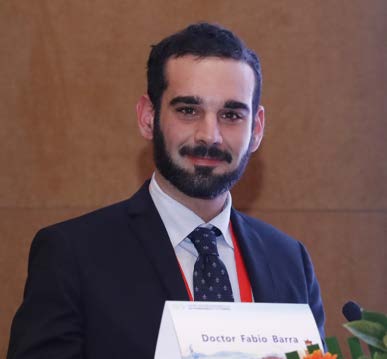
Academic Unit of Obstetrics and Gynecology, IRCCS Ospedale Policlinico San Martino, Largo R. Benzi 10, 16132, Genova, Italy
Interests: Reproductive surgery; Endometriosis; Uterine fibroids; Uterine malformations; Adenomyosis; Infertility
Special Issue Information
Dear Colleagues,
Endometriosis, adenomyosis, and uterine fibroids are some of the most frequent benign gynecological conditions. These gynecological diseases have a broad spectrum of manifestations; in fact, they can be asymptomatic in some patients or cause severe symptoms (such as pelvic pain, heavy menstrual bleeding, and infertility) that significantly affect the quality of life, working efficiency, and sexuality.
Transvaginal ultrasonography is the first-line investigation for the diagnosis of these conditions. However, the diagnostic performance of transvaginal ultrasonography is dependent on the experience of the ultrasonographer. Magnetic resonance imaging may be used to confirm the diagnosis and provide a better definition of these diseases' characteristics.
These conditions develop in an estrogen-dependent fashion; therefore, they are infrequent before the menarche and, usually, regress after menopause. Hormonal therapies that suppress circulating ovarian hormones can improve the symptoms caused by these conditions. However, hormonal therapies do not “cure” these diseases, and symptoms usually recur when the treatment is discontinued.
Surgery may improve the symptoms caused by endometriosis, adenomyosis, and uterine fibroids. It should be performed by minimally invasive techniques such as hysteroscopy, laparoscopy, and robotic surgery. Compared with traditional laparotomy, these surgical techniques decrease postoperative pain and improve postoperative recovery. The choice to perform a surgical procedure is based on several variables, including characteristics and intensity of symptoms, age of the patients, desire to preserve fertility, and conceive comorbidities.
Over the last ten years, the management of endometriosis, adenomyosis, and uterine fibroids has mostly changed. The better knowledge of the molecular pathways involved in the pathogenesis of these conditions has led to the development of new drugs to treat these conditions. Also, new diagnostic tools and surgical instruments have improved the management of these diseases.
This special issue aims to provide an update on the diagnosis and management of endometriosis, adenomyosis, and uterine fibroids.
Prof. Simone Ferreroa nd Dr. Fabio Barra
Guest Editors
Keywords
- Endometriosis
- Myomas
- Adenomyosis
- Laparoscopy
- Surgery
- Diagnosis
- Hormonal therapy
- Diagnosis
Manuscript Submission Information
Manuscripts should be submitted via our online editorial system at https://imr.propub.com by registering and logging in to this website. Once you are registered, click here to start your submission. Manuscripts can be submitted now or up until the deadline. All papers will go through peer-review process. Accepted papers will be published in the journal (as soon as accepted) and meanwhile listed together on the special issue website.
Submitted manuscripts should not have been published previously, nor be under consideration for publication elsewhere (except conference proceedings papers). All manuscripts will be thoroughly refereed through a double-blind peer-review process. Please visit the Instruction for Authors page before submitting a manuscript. There is an Article Processing Charge (APC) for publication in this open access journal. For details about the APC please see here. Submitted manuscripts should be well formatted in good English.