

 , Xiao Feng 1
1 School of Cultural Heritage and Information Management, Shanghai University, 200444 Shanghai, China
Abstract
Traditional residences embody deep cultural and academic value. To objectively present their historical significance and stimulate public engagement, this study explores an objective approach to digital narrative design within a “story and discourse” narratology framework. Using the traditional residential buildings of Shanghai’s Nanyin Hall as a case study, we collected relevant geospatial data and generated narrative content through visual analysis of data characteristics. We then identified common narrative structures within Shanghai’s traditional residential stories using event extraction and feature vector clustering methods. Based on these findings, we designed a story script and presented it through an interactive digital storytelling website. The digital narrative primarily focuses on how environmental changes have influenced site selection, residential construction, and economic development. The story follows the progressive arc characteristic of Shanghai’s traditional residential narratives. Throughout the narrative design process, full consideration was given to ensuring the credibility and persuasiveness of the narrative content, providing an operable solution for the design of objective and effective digital narratives.
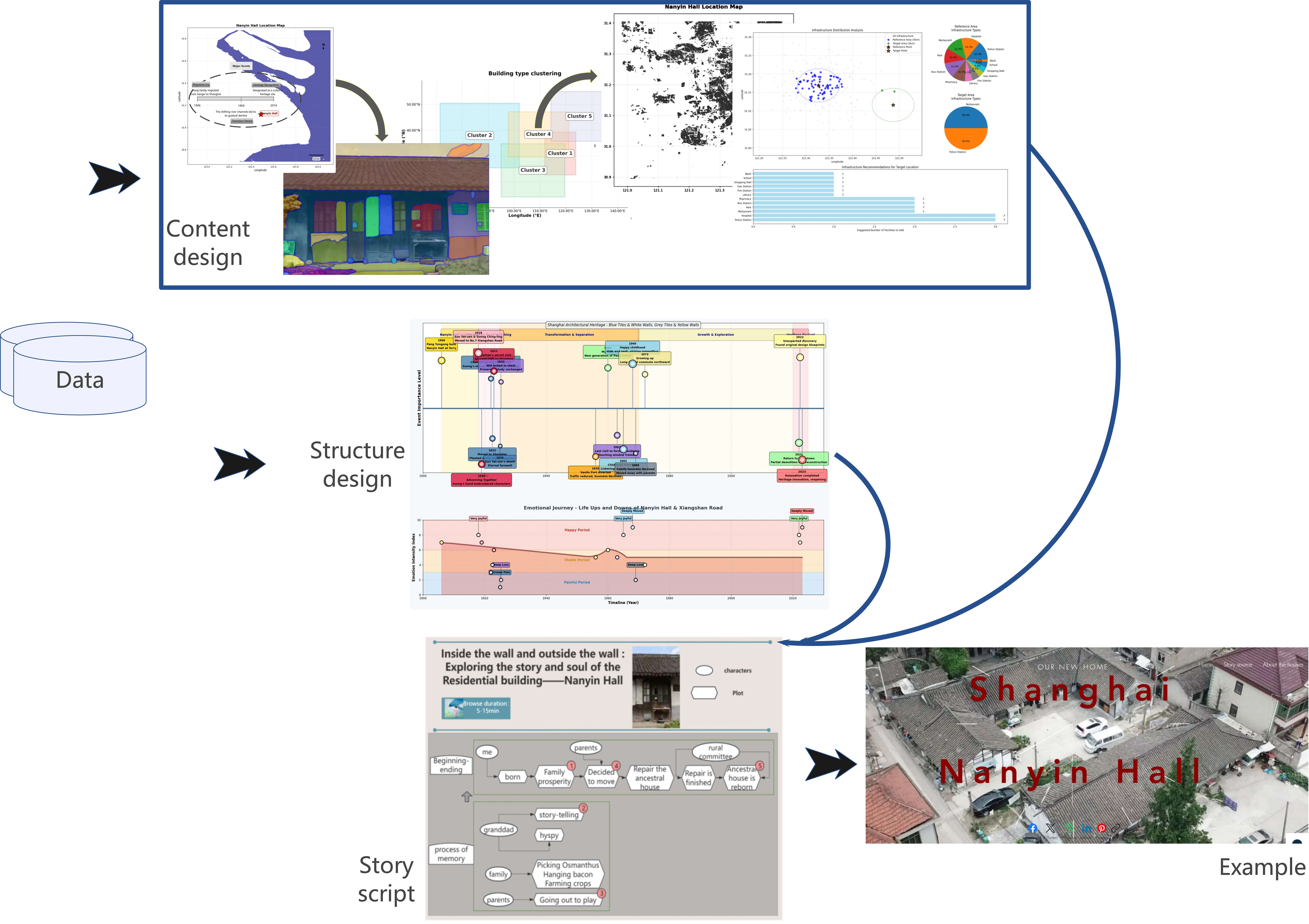
Graphical Abstract
Keywords
- cultural heritage
- digital narrative
- traditional residences
- data visualization
Traditional residences represent a vital form of cultural heritage, predominantly self-built by local villagers. They embody the cultural customs and daily practices of people across different eras and regions while simultaneously reflecting the local topography, climate, soil, and other environmental conditions (Mohammadi et al., 2018). As such, they serve as natural museums embedded in the landscape and constitute vivid material carriers of cultural inheritance (Caro and Sendra, 2020).
In the digital age, innovative digital narrative forms provide new possibilities for disseminating knowledge about traditional residences. Story-driven content effectively inspires public engagement, while the articulation of coherent narrative logic enhances emotional resonance and memorability. Interactive media delivery transcends the physical constraints of cultural relic exhibitions (Poulopoulos and Wallace, 2022), presenting regionally distinctive cultural heritage to the global public.
By examining current examples of digital narratives centered on traditional residences—as well as other narrative-oriented digital heritage projects—it becomes evident that certain works, such as the Liangjiahe Digital Museum (https://bigscene.4dage.com/2018/LiangJiaHe/index.html) and Smithsonian Three-Dimensional Digitization (https://3d.si.edu/), place greater emphasis on data visualization or visual effects. Some focus instead on personal artistic expression, such as the Bartlett Shows (https://www.ucl.ac.uk/bartlett/architecture/exhibitions-0). Others simply catalog digital heritage in science-popularization formats, as seen in Google Arts & Culture (https://artsandculture.google.com/) and the Traditional Chinese Village Digital Museum (https://www.dmctv.cn/).
There are some common issues, namely, insufficient attention to narrative objectivity and a weakening of the “narrative” form. First, the consideration of scientific rigor and objectivity in narrative content is relatively lacking, a growing concern in public evaluations of digital narrative works (Lan and Liu, 2025). It specifically appears in the unclear attribution of content sources (Wang et al., 2020), with most source materials relegated to background information (Ei Outa et al., 2020), or in outdated exhibition content, such as architectural complexes damaged by weathering and other factors (Lian and Li, 2024), and exhibition imagery failing to accurately represent the original appearance of the structures. Secondly, the decline of narrative form primarily stems from digital narrative projects focusing on interactive experiences while neglecting complete storytelling and emotional resonance (Lan et al., 2024).
The issues in digital narrative design pose barriers to the promotion of traditional residential culture and reduce social recognition, diminishing public trust and emotional immersion in cultural heritage digital narratives (Podara et al., 2021; Zort et al., 2023). Regarding the lack of narrative objectivity, Piper and Toubia (2023) employed word embeddings to quantify features of narrative structure, offering valuable insights for constructing objective story frameworks. This study further uses primary data as the narrative source, drawing on the “story and discourse” narrative framework to demonstrate how to scientifically and objectively design digital narratives while emphasizing the emotional value conveyed by narrative content. The research primarily addresses the following problems:
• How to objectively design narrative content grounded in data characteristics.
• How to identify narrative structures, using scientific data analysis.
• How to comprehensively design credible and emotionally engaging digital narratives.
Through the above research, a genuine and easily comprehensible narrative context can be established for participants. This enables global audiences to develop cross-cultural understanding through data-driven interpretation. The ultimate goal is to foster effective communication, enhance the cultural and economic value of traditional residences, and raise public awareness regarding the protection of traditional residences.
The concept of digital narrative originated from narratological theory. Rooted in etymology and semiotics, classical narrative theory emerged in the mid-20th century, focusing on linear causality and the structural functions of stories. Classical narratology, grounded in classical narrative theory, emerged in the 1960s. In 1969, Tzvetan Todorov formally proposed the concept of “narratology” (French: narratologie), defining it as the systematic and scientific study of the nature, structure, function, and dissemination mechanisms of narrative, marking the transformation of narratology into a discipline with an independent theoretical framework. Around the 1990s, the popularity of computers and the Internet brought breakthroughs to classical narratology, leading to the emergence of post-classical narratology. In the context of the digital turn, digital narrative theory and practice arose, exploring concepts such as hypertext and virtual grammar (Laurel et al., 1994) and gaining attention as both an extension and a branch of traditional narratology.
As a theoretical branch of post-classical narratology, one of the most representative definitions of digital narrative comes from Laurel (1991), who defined it as “computer-based storytelling”, primarily focusing on how stories can be conveyed through digital media. In its early stages, digital narrative research emphasized nonlinear narrative structures, user participation, and the development of hypertext fiction. Since the 1990s, it has sought to establish paradigms for cross-media storytelling, as in games and theater (Ryan, 2004). In the 21st century, the participatory culture of digital narrative has become increasingly diverse, with technological revolutions in media giving rise to stages of development—such as tangible, embodied, and virtual narratives (Trichopoulos et al., 2023). It has further expanded into diverse fields, including education, journalism and communication, healthcare, business, and cultural dissemination.
Regarding narratological frameworks, Chatman’s (1978) “story and discourse” model has been widely recognized. Building on this, Genette (1980) proposed that narrative can be further divided into story, narrative, and narration, arguing that the purpose of narrative lies in generating meaning beyond the narrated content itself. Extending Chatman’s original framework, Koenitz (2015) emphasized the integration of non-linear storytelling and user participation, introducing an interactive narrative model constructed from the perspectives of narrative logic, media technology, and user engagement. Similarly, Ryan (2006) developed a cross-media narrative framework, incorporating her “possible worlds” theory, which stresses the complementary affordances of different media in expanding narrative boundaries, while highlighting the shifting roles of individuals as they navigate between virtual and real worlds.
It is evident that all these frameworks build upon Chatman’s “story and discourse” model, and none depart from its underlying logic of “what to narrate” and “how to narrate”. Consequently, this study adopts Chatman’s framework as the foundational structure for narrative design. Within this framework, “story” refers to the content elements of narrative, such as plot, characters, and setting, while “discourse” refers to the modes of presentation, including structure and medium. Thus, the following narrative design will primarily develop along two dimensions: narrative content and narrative structure.
Based on its origins and fundamental framework, the essence of digital narrative remains the expression of emotion. Technological development should enhance the depth and means of communication rather than weaken narrative capacity. Accordingly, the design of digital narrative should focus on constructing compelling, emotionally resonant stories.
Naur first proposed the theory of “data science” in 1966, formally introducing the concept in 1974 and defining it as “a science based on data processing”. Under the influence of interdisciplinary theories such as neuroscience, cognitive theory, and graphic semiotics, research on data visualization emerged but with a weak narrative element (Lee et al., 2015). In the early 21st century, storytelling and data visualization began to be combined (Gershon and Page, 2001). Around 2010, influenced by narrative communication theory and the growing use of dynamic graphics in news reporting, the narrative potential of data visualization was fully realized (Segel and Heer, 2010), as media outlets such as The New York Times and The Guardian started using magazine-style layouts, annotated charts, and data comics to present information.
At present, data visualization is often integrated with digital narrative as a means of articulating viewpoints, primarily used in the field of online journalism (Stalph, 2018). It emphasizes the exploration of data characteristics and the presentation of patterns, while text typically functions as titles, annotations, or citations (De Simone et al., 2014). Such approaches presuppose a certain level of public knowledge, requiring audiences to interpret the underlying meaning of the data before forming different types of cognition (Darakeh, 2021).
This paper leverages the rationality embedded in data visualization to guide the design of narrative content, building on prior visualization practices. At the same time, it further expands the narrative potential of data visualization, enhancing its interpretability so that audiences across age groups can effectively access and comprehend the information.
The purpose of digital narrative is to foster user recognition of narrative themes through interactive and cross-media approaches. Advancements in technologies such as Artificial Intelligence and Virtual Reality have led to the development of numerous innovative cross-media interactive platforms for cultural heritage. For example, by integrating close-range interaction, sensor-based technologies, and narrative design, virtual communication spaces now enhance both the social and interactive dimensions of heritage experiences (Chrysanthi et al., 2022). In public cultural exhibitions, interactive digital narratives increase visitor participation, generate meaningful personal narratives, and enhance the attractiveness of cultural sites and the overall user experience (Sun and Dong, 2025). In educational practice, virtual architectural exhibitions designed through digital communication and 3D modeling tools on metaverse platforms provide valuable opportunities to develop learning environments and promote digital heritage (De Marco, 2024). In addition, VR and web applications have been employed to showcase industrial heritage, improving public awareness and contributing to the sustainable development of cultural heritage (Wang et al., 2023). Similarly, the integration of game elements with VR and AR technologies facilitates interactive engagement between the public, historical narratives, and cultural artifacts (Srdanović et al., 2025).
These digital heritage projects, which emphasize innovative interactive experiences, engage users’ curiosity through diverse modes of interaction. In contrast, this study takes a more rigorous approach, aiming to help users understand cultural heritage from a scientific perspective.
Shanghai is a municipality in China with a history spanning thousands of years of civilisation and is now a modern international metropolis. It has nurtured the Shanghai-style culture, integrating artistic beauty with industrial civilisation and offering rich folk customs and tourism resources. Characteristic traditional residences in Shanghai include Jiaoquan houses and Shikumen (stone-gate houses). This paper uses Pang’s Nanyin Hall, a century-old Jiaoquan house in Shanghai, as a case study for digital narrative design.
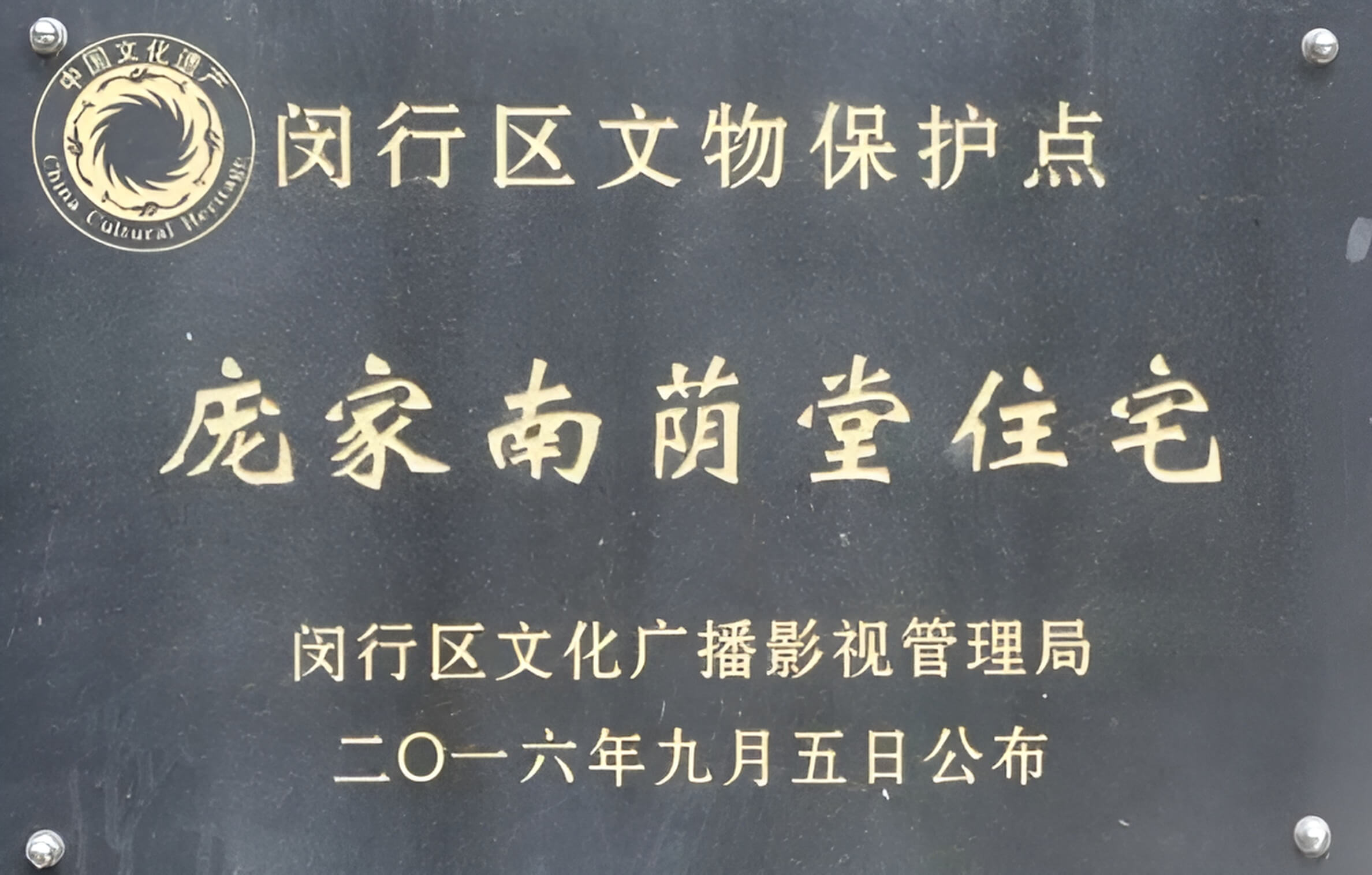
Nanyin Hall is located in Lusheng Village, Pujin Street, Minhang District, Shanghai, with coordinates 121.48703°E and 31.115786°N. It has a history of over 100 years and is one of the few well-preserved and large-scale Jiaoquan houses in Shanghai, retaining original historical objects of traditional wooden structures such as wooden beams, wooden columns, and carvings. It thus holds high historical, artistic, and cultural value. In 1906, the Pang family moved from Jiangxi to Shanghai. In the early days, with reliance on Guangang and Wangjiadu ferries, there were many boatmen and merchants, and the market gradually prospered. Through the efforts of several generations, a large ancestral house was built. However, in 1969, following the relocation of the ferry, the family gradually fell into decline. As shown in Fig. 1, this century-old house was designated as a cultural relic protection unit by Minhang District in 2016. However, due to natural weathering and damage, the walls suffered multiple breaches. Additionally, in accordance with urban road planning requirements, the government carried out protective restoration of the residence in 2022 and decided to continue using the site as a venue for folk cultural dissemination and a multifunctional recreational space.
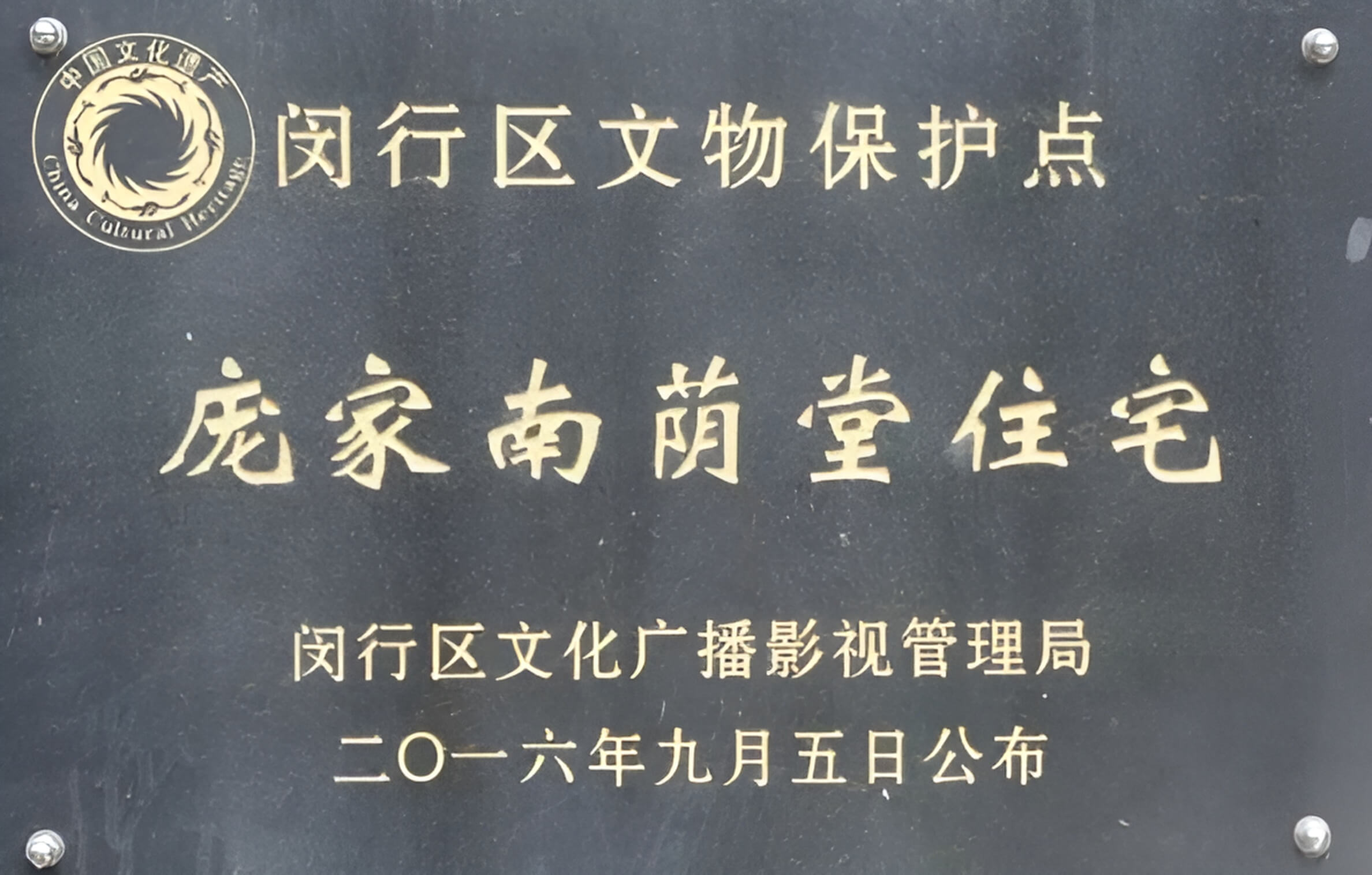 Fig. 1.
Pang’s Nanyin Hall Cultural relics protection stele. The Chinese text on the stele reads: “Minhang District Cultural Relic Protection Site: Pang’s Nanyin Hall, Announced by Minhang District Culture, Radio, Film and Television Administration, September 5, 2016”.
The evolution of Nanyin Hall amid social change is a microcosm of the transformation of traditional dwellings worldwide. Adaptive conservation strategies must be explored to balance cultural heritage with modern utility.
The data used in the research consists of two types. The first includes policies, local histories, and books related to residential construction such as the Comprehensive Plan and General Land-use Plan of Pujiang Town, Minhang District (2017-2035) (Shanghai Minhang District People’s Government, 2019), Chenxing Town’s village annal (Chenxing Town’s village annals compilation leading group, 1985), the book “Talking about Jiaoquan Houses” by Shanghai local history researcher Mr. Chu Bannong (Chu, 2017), and news interviews with the descendants of the Pang family. The second category consists of related datasets, including urban planning data, residential area data, a digital elevation model (DEM) dataset (90m resolution), the Shanghai building profile dataset, and publicly available datasets from the Geospatial Data Cloud (http://www.gscloud.cn/).
Some limitations arose during data collection. Due to space constraints, this study selected only the natural geographic data that exert a significant influence on the development of residential construction. The temporal scope of the dataset used in this research was limited to 2022–2025. During this period, no renovation notices were issued by the local Urban and Rural Planning Bureau, so the dataset represents the most up-to-date source available. Considering both terrain recognition capacity through graphic resolution and data quality, we selected data that clearly capture key features such as rivers, building outlines, and small-scale topographic elements. Nevertheless, potential biases may still exist in the dataset. Efforts were made throughout the research to prevent the use or disclosure of sensitive information, thereby ensuring that the data remained consistent with actual conditions.
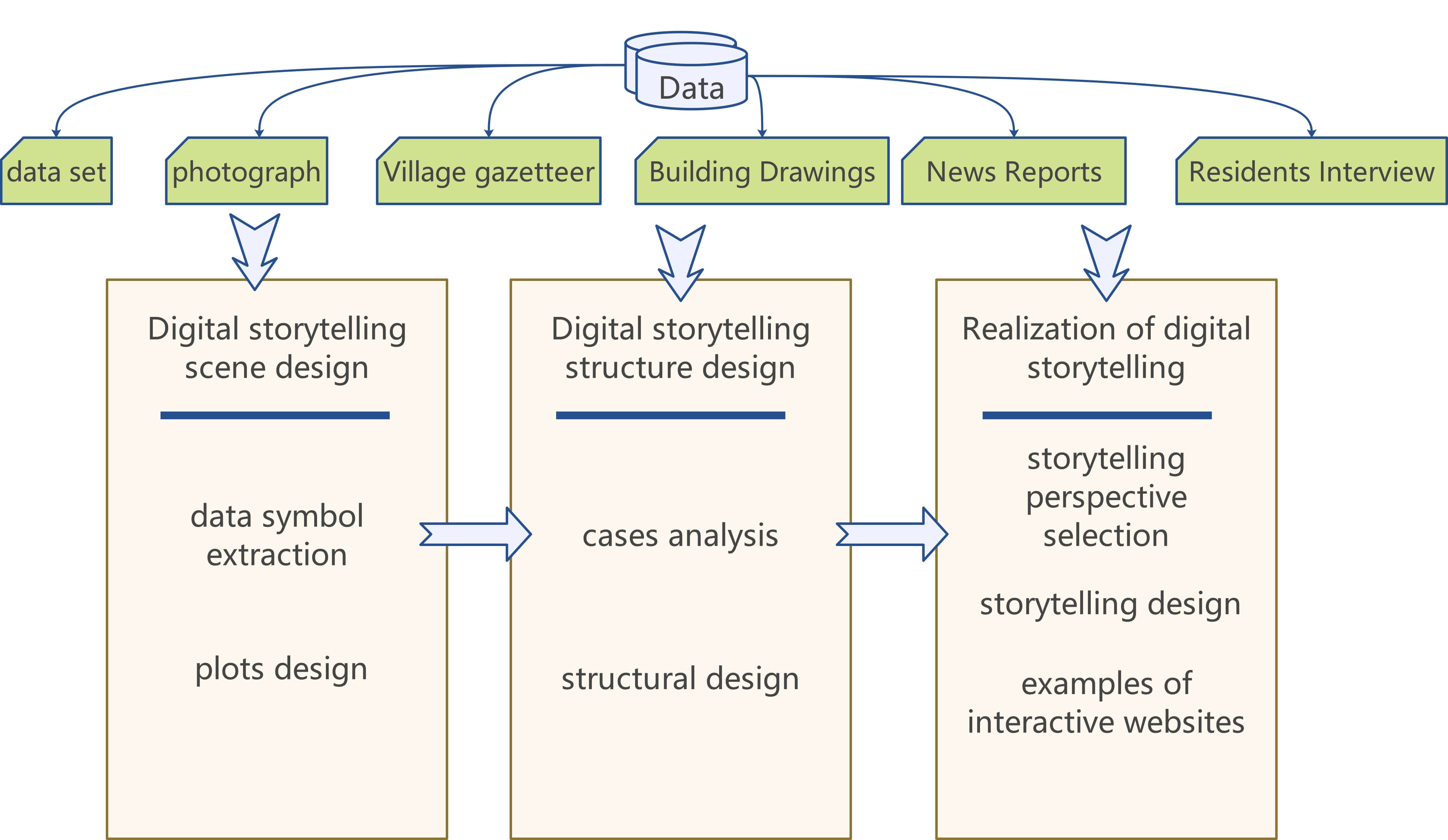
Based on the classical narrative framework of “story and discourse”, the research is mainly divided into three stages: narrative content formation, narrative structure determination, and digital narrative design. The research steps are shown in Fig. 2.
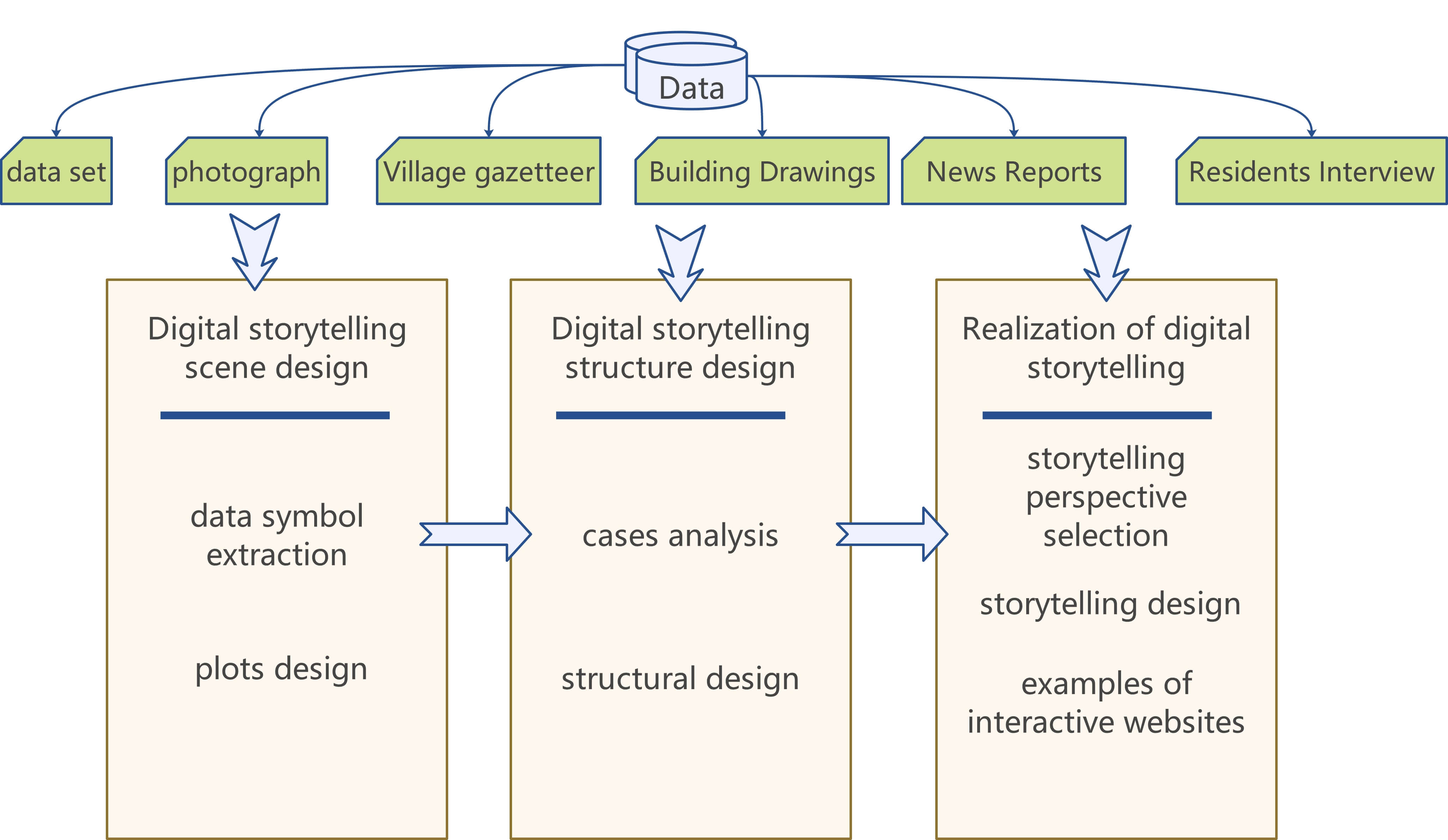 Fig. 2.
Data-based residential digital narrative design process.
The method for constructing narrative content through data primarily employs web-based visualization techniques that include data exploration, story creation, and storytelling (Garreton et al., 2025). These techniques enhance readers’ interactive exploration experiences by incorporating graphic elements and intuitive interface designs, thereby fostering deeper engagement with the material. For traditional residences, the associated data mainly includes geographic topography, architectural features, historical records, and cultural elements. Among these, natural geographical factors exert a profound influence on site selection and design decisions for residences (Mileto et al., 2019; Gomis et al., 2020), as they shape how residences adapt to environmental constraints like terrain, climate, and resource availability.
Given the objective nature of the dataset, to ensure the accuracy of the information conveyed, we first evaluate the dataset’s scientific validity and usability (Gebru et al., 2021), followed by data preprocessing to identify dataset-specific characteristics (Oreski et al., 2017). We analyze attributes such as the number of features, data sparsity, and number of instances, and then choose appropriate visualization techniques and themes accordingly.
Consequently, this paper draws on geographic and humanistic data related to Nanyin Hall—such as datasets, drawings, and photographs—as the foundation for narrative content. Key data features are extracted through visualization analysis and then used to inform the content of the story. The analyses were mainly conducted using the GeoPandas and Pandas libraries in Python (version 3.10.9, Python Software Foundation, Wilmington, DE, USA). These libraries implement efficient geospatial processing and statistical operations to validate the authenticity of the narrative.
Narrative structure is primarily used to represent the relationships among characters, events, and roles (Hullman et al., 2013) and plays a critical role in shaping both the presentation of a story and public perception. Common story structures include the three-act structure (Upton, 1748), pyramid-based structure (Freytag, 1895), anachronous narrative structures (Genette, 1983), and other variations.
Narrative structure can be quantitatively characterized; for example, linguistic patterns in text—such as the use of verbs and adverbs—can be leveraged to guide structural choices (Pustejovsky, 1991). Another study analysed official tourism promotional brochures to explore whether situational, interpersonal, and ideational meanings realized in promotional texts could facilitate smooth communication with the public (Valdeón, 2009).
This study employs both case and textual analysis to design the narrative structure, focusing on “traditional residences” from Shanghai’s immovable cultural relics as the research subject. The narrative materials are drawn from the official descriptions provided by the Shanghai Library (https://data.library.sh.cn/shnh/wkl/webapi/hsly/building/toRelicDirectory). A methodological pipeline of text segmentation, feature vectorization, and clustering analysis was applied to categorize narrative structures. The narrative texts were first cleaned and segmented using natural language processing techniques. Subsequently, automatic event extraction and conflict-turn analysis were performed to construct event sequences and emotional trajectories. The extracted results were validated through a comparison between system outputs and manually annotated data. Second, feature values such as event density, story climax position, and temporal markers were extracted to generate document semantic vectors. After standardizing the features, KMeans clustering was performed with k ranging from [2, 6] (Arbelaitz et al., 2013). Finally, a Cluster Stability Saturation test was conducted by gradually increasing the sample size and using repeated sampling to examine the consistency of clustering results (Hennink et al., 2017). As a result, widely used narrative patterns in the promotion of Shanghai traditional residences were identified, and one pattern was selected as a reference for designing the digital narrative structure in this study.
Based on historical materials such as village annals, the above content was refined to confirm key narrative timelines and story details, optimise story logic and structural integrity, and ultimately develop a digital narrative framework for the traditional residence. At the same time, this paper also designed an interactive website based on the narrative framework to demonstrate achievable forms of digital storytelling.
The digital narrative design of Nanyin Hall is conducted in three aspects: the formation of narrative content, the determination of narrative structure, and the development of the narrative script.
Narrative content (scenes) comprises plots, and plots are expressed through events. In this study, data symbols embedded in traditional residences were first extracted as “events” to convey their relevant characteristics. On this basis, the narrative plots were then designed.
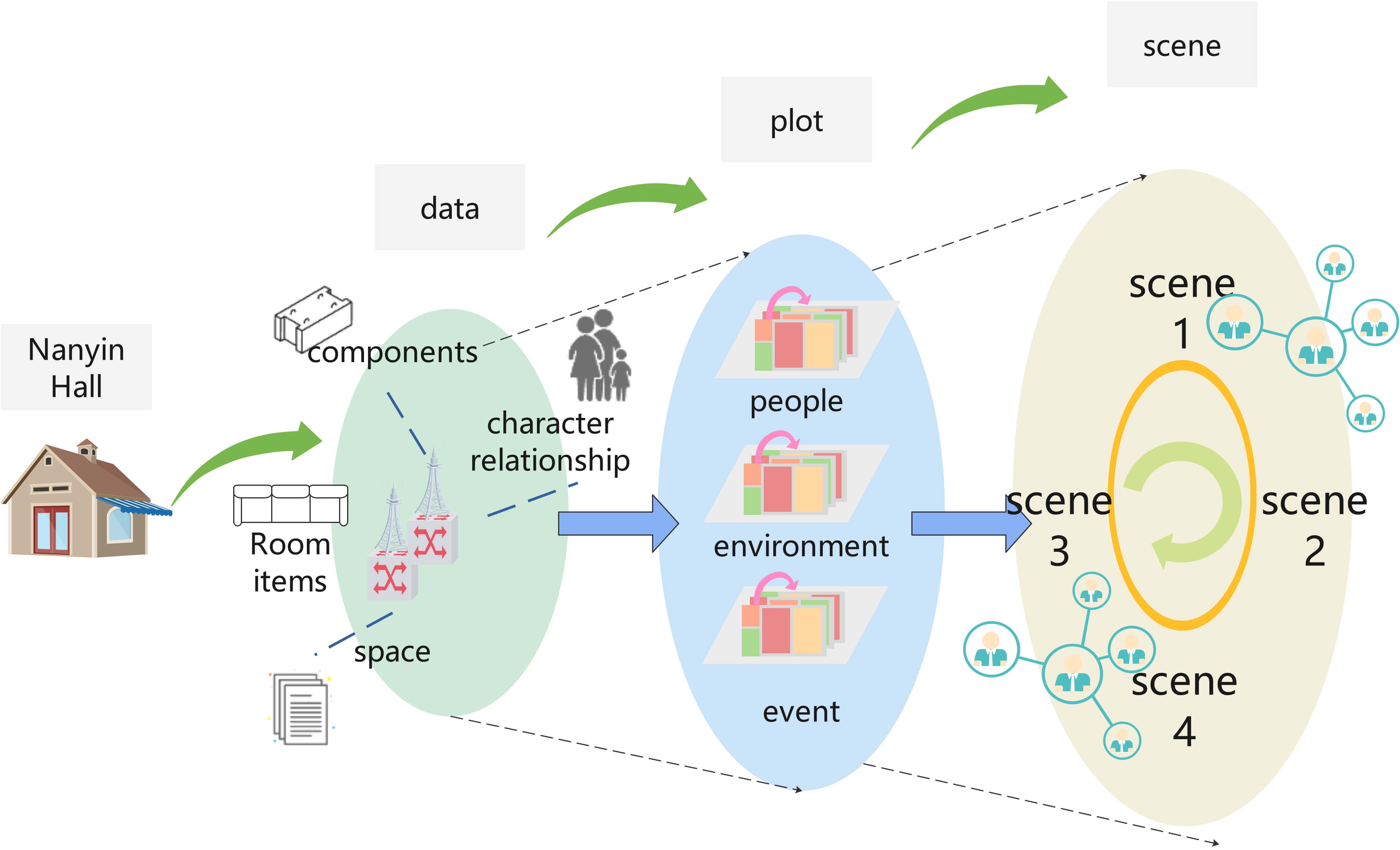
When transitioning from research and analysis to the narrative stage, the amount of information in the scenes was significantly reduced, while the results of data analysis helped retain the key events (Carbonell et al., 2017). As shown in Fig. 3, traditional residences contain different types of “data”, including architecture, environment, and people. The data were connected through relationships such as interpersonal, environmental, and event-based links. When these relationships interact, they form the “plot” of a story. The plot represents the turning points in the story’s development, and by arranging and combining the plots, logically connected story “scenes” were constructed (Bang, 1993).
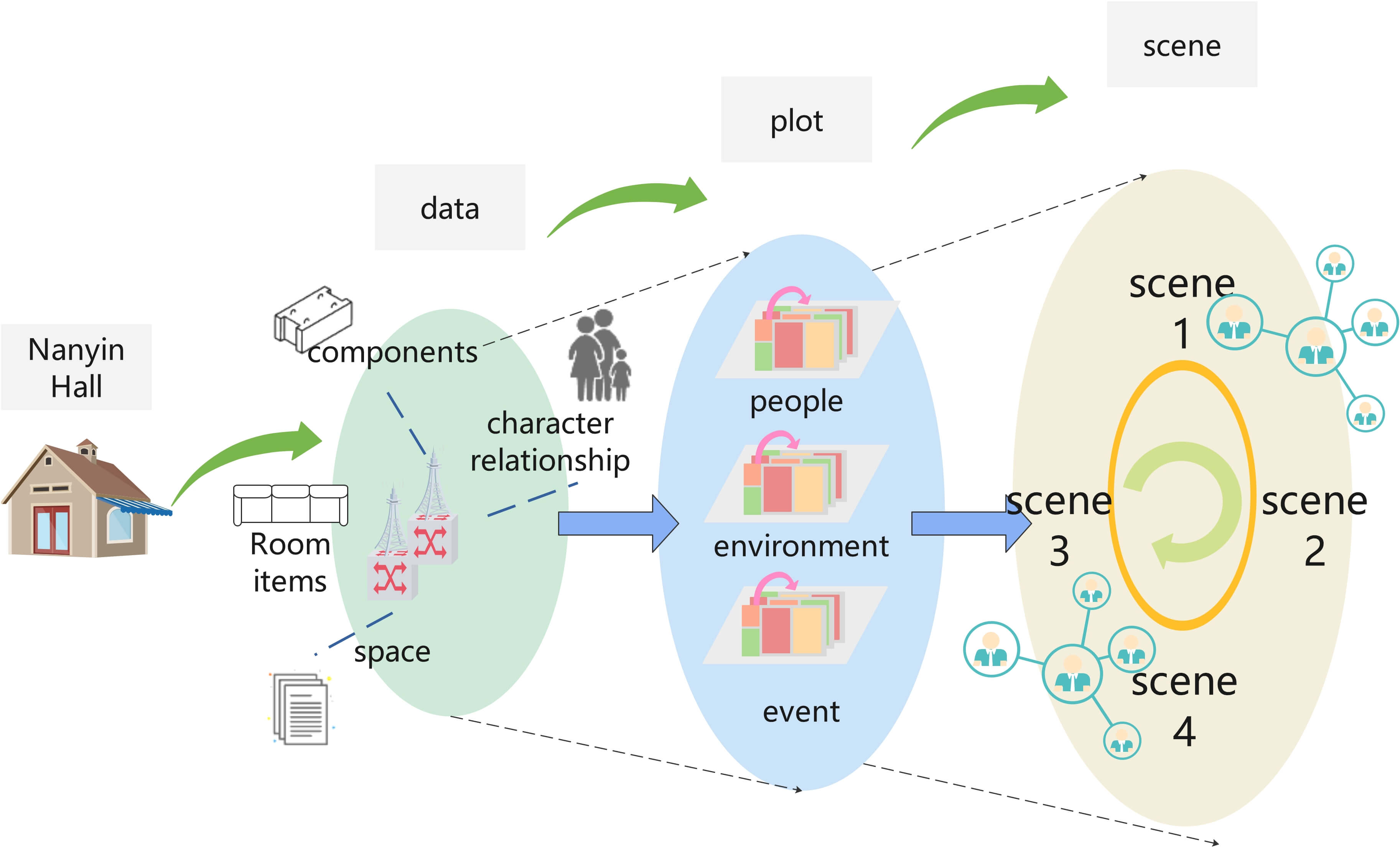 Fig. 3.
Process of extracting narrative scenes.
Data symbols related to Nanyin Hall include multiple types, such as character relationships, geographical locations, items inside houses, and architectural components. Character relationships are represented by county annals, letters, contracts, land deeds, and family genealogies. Spatial symbols primarily refer to the macro-geographical environment and natural climate of the residence. Structural symbols refer to architectural components such as columns, beams, and rafters. Cultural relic symbols refer to movable decorative items and furniture within a residence, with this data primarily consisting of images, film, and photographs. Trace symbols refer to the assessment of residents’ living habits through wear and damage conditions. For example, the varying degrees of wear on each staircase segment and step indicate the primary living areas, while the material and colour of doors and windows reveal the timing and frequency of renovations. This paper focuses on natural geographical symbols that most strongly influence the development of residential buildings, such as geographical location, terrain, residence types, and building environment, as the source of narrative content.
The following five plots are used as examples to illustrate in detail how narrative plots can be constructed through the characteristics of data symbols:
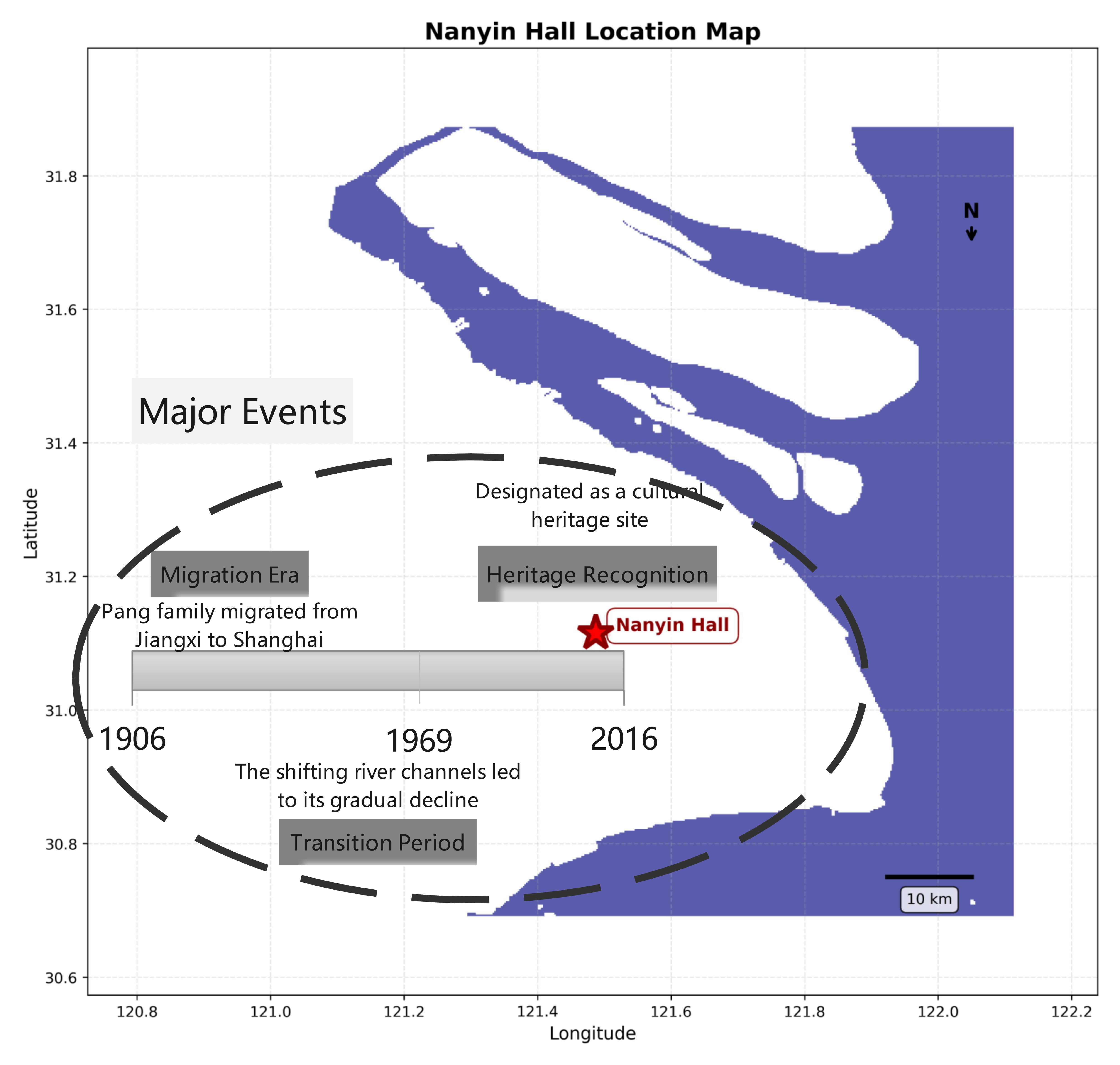
Plot 1: First, DEM geographic location data were extracted to analyze how the Pang family prospered. Fig. 4 shows the topographic map of Nanyin Hall and its surrounding area, where the house was clearly located near the coastline. This site once served as a vital route for port merchants engaged in trade. The continuous flow of people generated demands for food, accommodation, and daily necessities, which fostered the development of commercial activities. This explains why the family chose to build the residence at this location in 1906. However, the shifting river channels led to its gradual decline around 1969. With governmental support, the site saw prospects for new development again in 2016. Interviews with the descendants of the Pang family further confirmed this narrative.
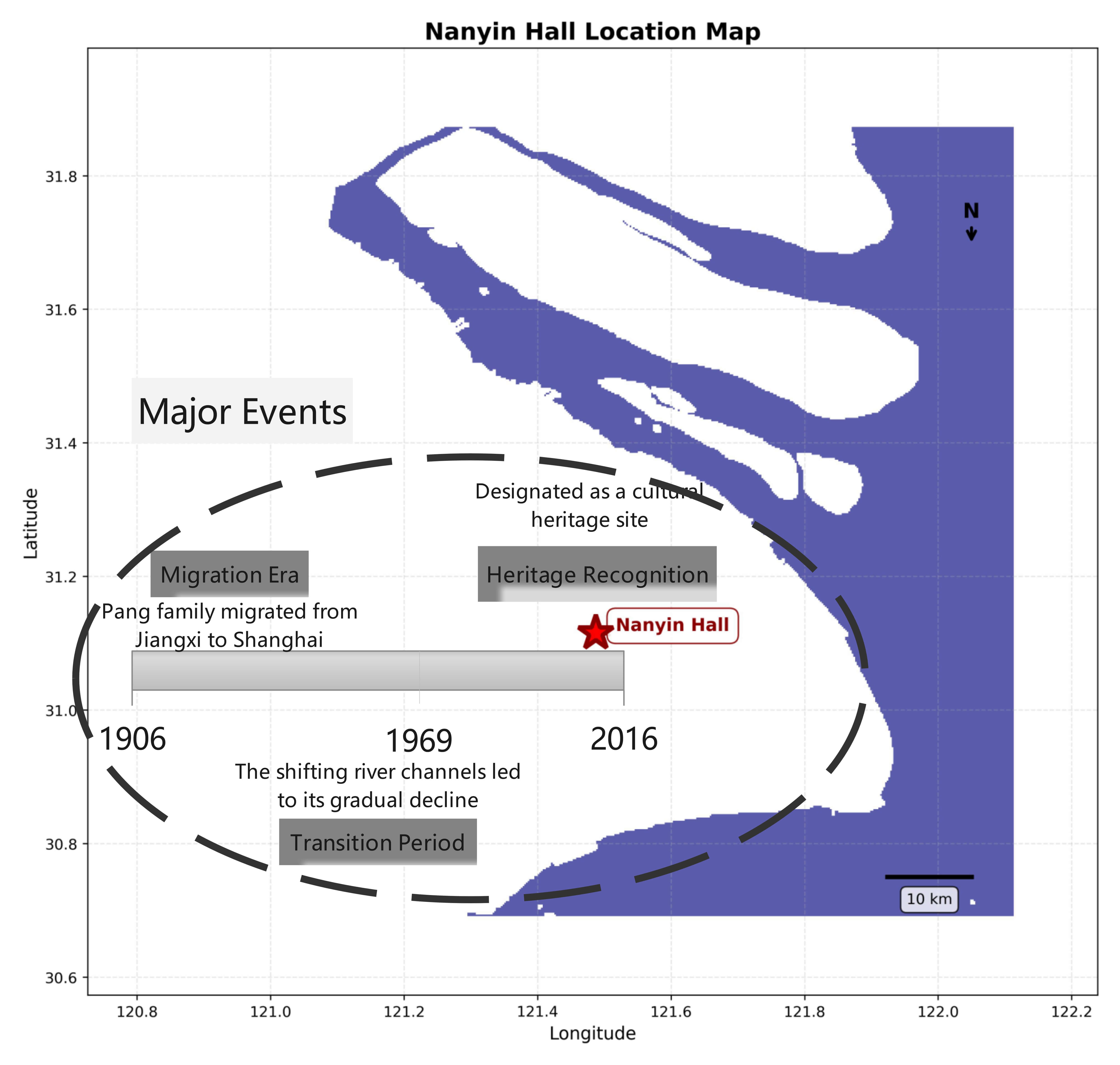 Fig. 4.
The historical trajectory of Nanyin Hall’s prosperity.
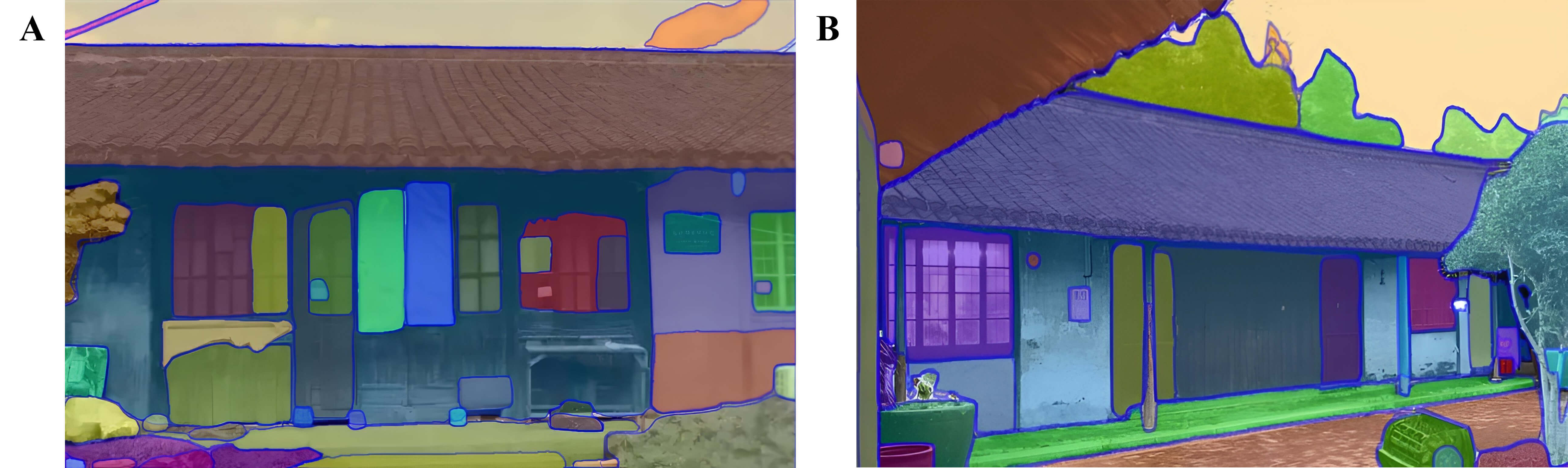
Plot 2: Second, architectural feature data were extracted. Fig. 5 shows that segmenting old photographs of Nanyin Hall in the village annals revealed roofs, doors, and windows. Further extraction of image features from other Jiaoquan house reveals that this type of residence shares highly consistent architectural characteristics: enclosed by high walls on all four sides, presenting an overall “回” shape, the roof structure features hinged gable roofs; most houses have a single entrance, wooden doors and windows, and some retain coin-shaped ventilation holes.
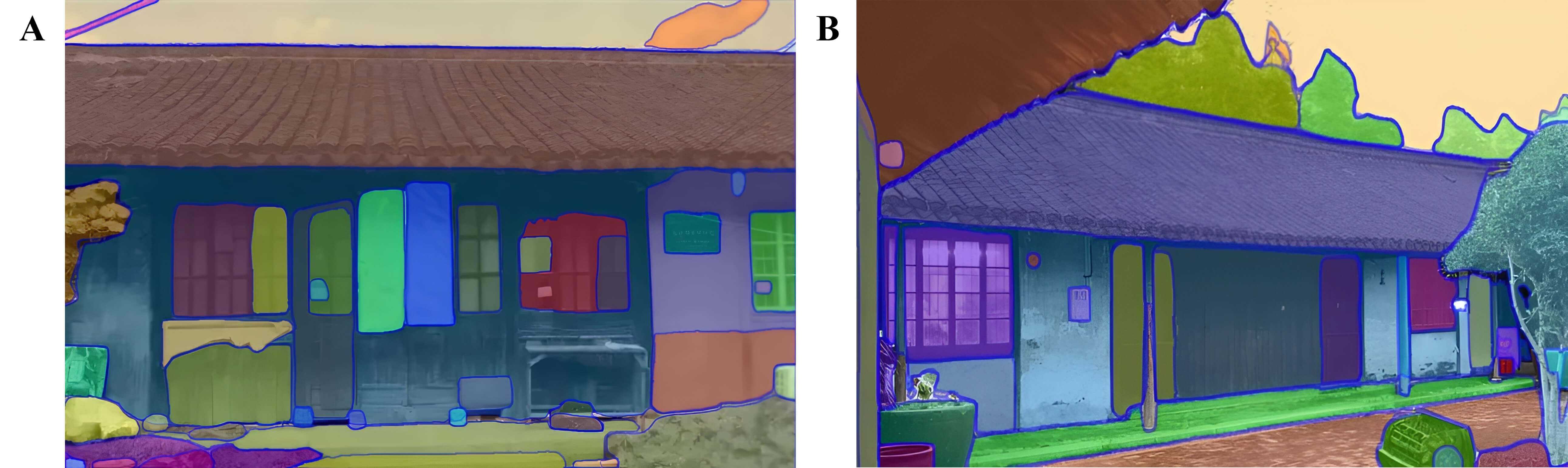 Fig. 5.
Appearance characteristics of Jiaoquan house. (A) Architectural features of Nanyin Hall. (B) Features of other Jiaoquan house.
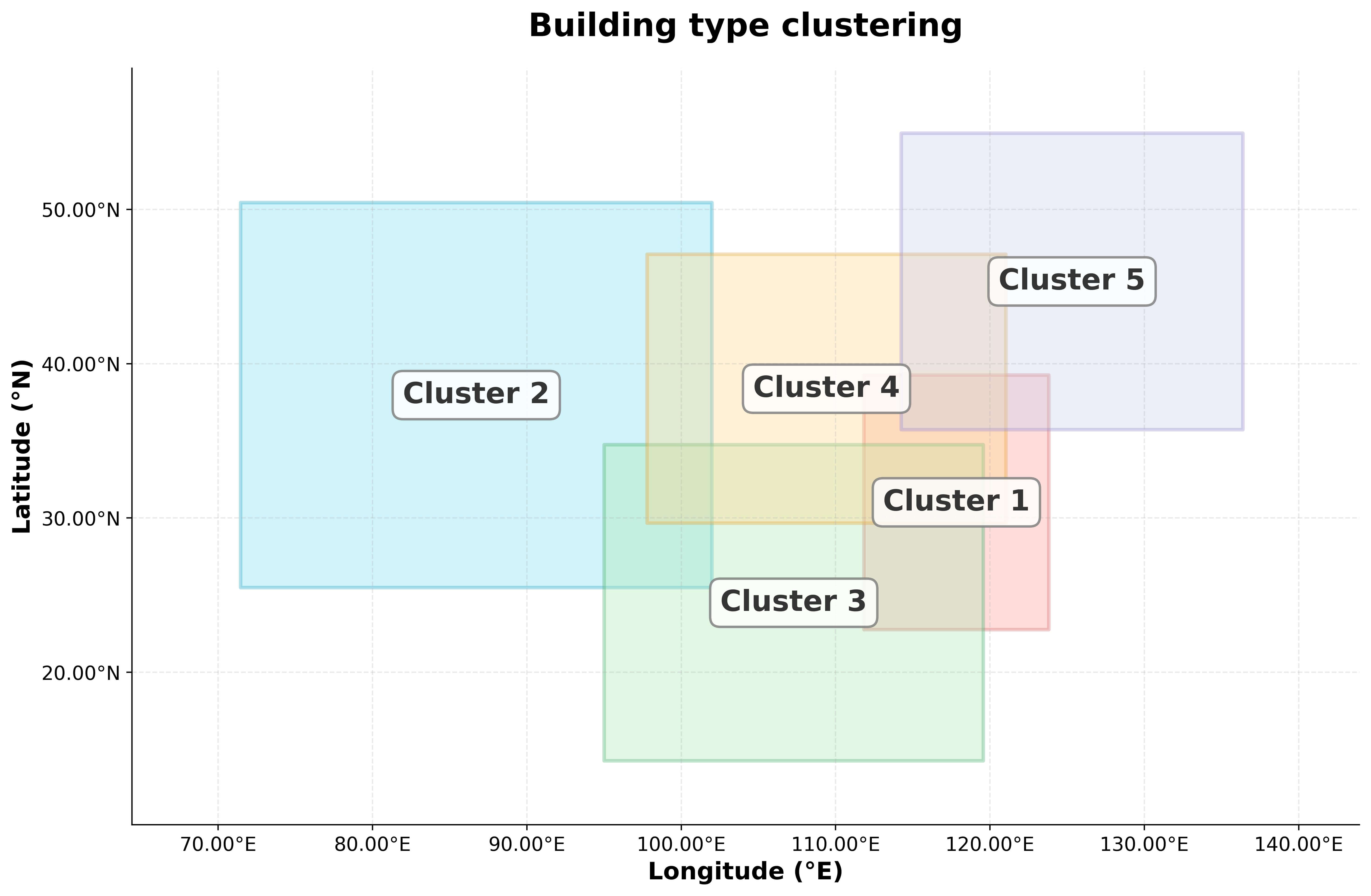
Plot 3: China’s terrain is high in the west and low in the east, distributed in a stepped pattern. Building type data were extracted, and cluster analysis was performed on building types across China. Fig. 6 shows that building types are basically similar to the national geographical regional division, reflecting the impact of natural geographical location on building appearance. For example, Cluster 5 lies in a temperate monsoon climate with concentrated but low precipitation; roofs are generally flat for drying grain. Cluster 1, where Nanyin Hall is located, has a tropical monsoon climate with sloped roofs to reduce rainwater accumulation during the rainy season.
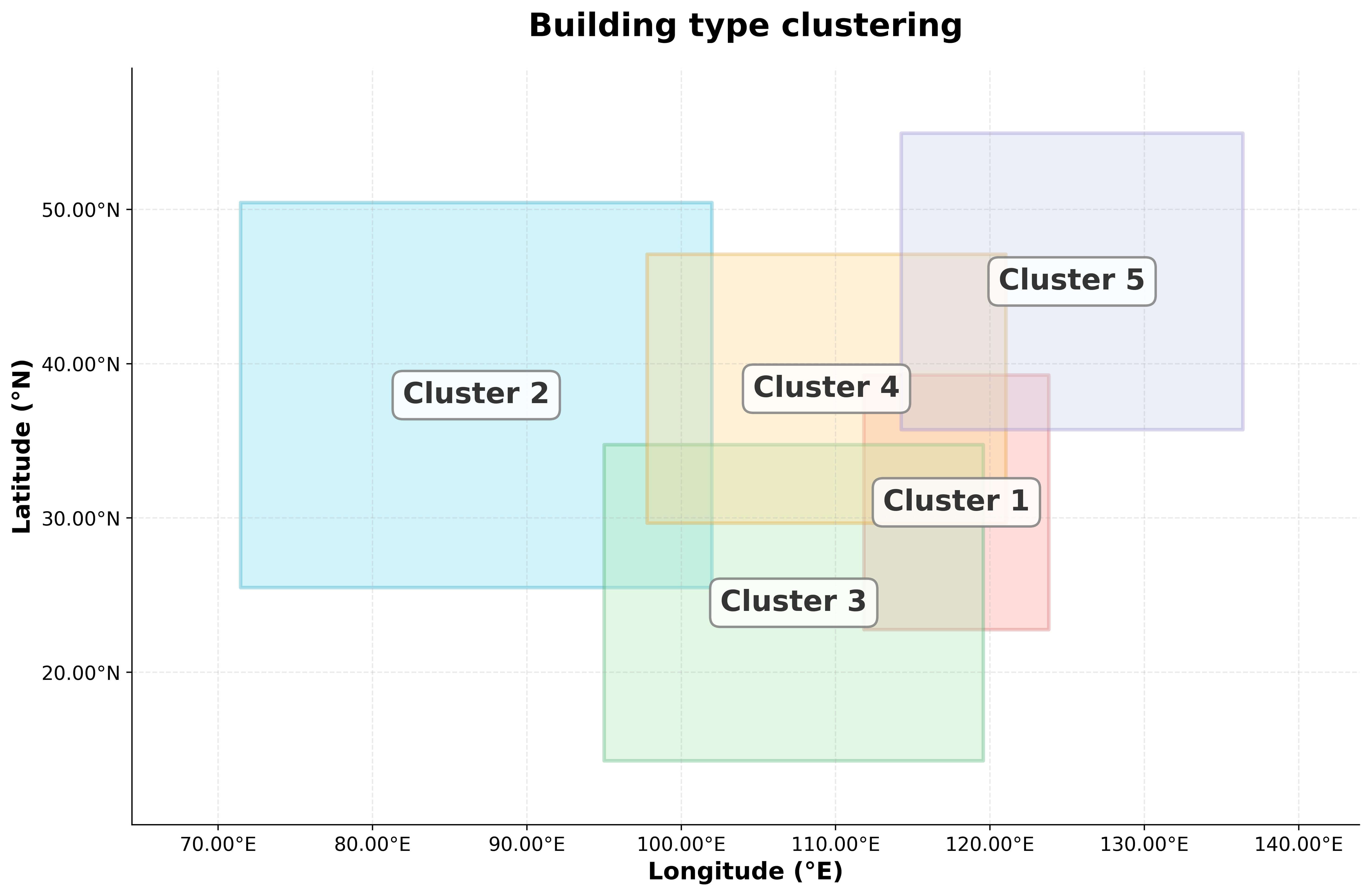 Fig. 6.
Building type clustering.
This clustering analysis further illustrates how environmental factors shape architectural evolution, offering a data-backed perspective that enriches narratives by connecting physical forms to broader ecological and climatic stories.
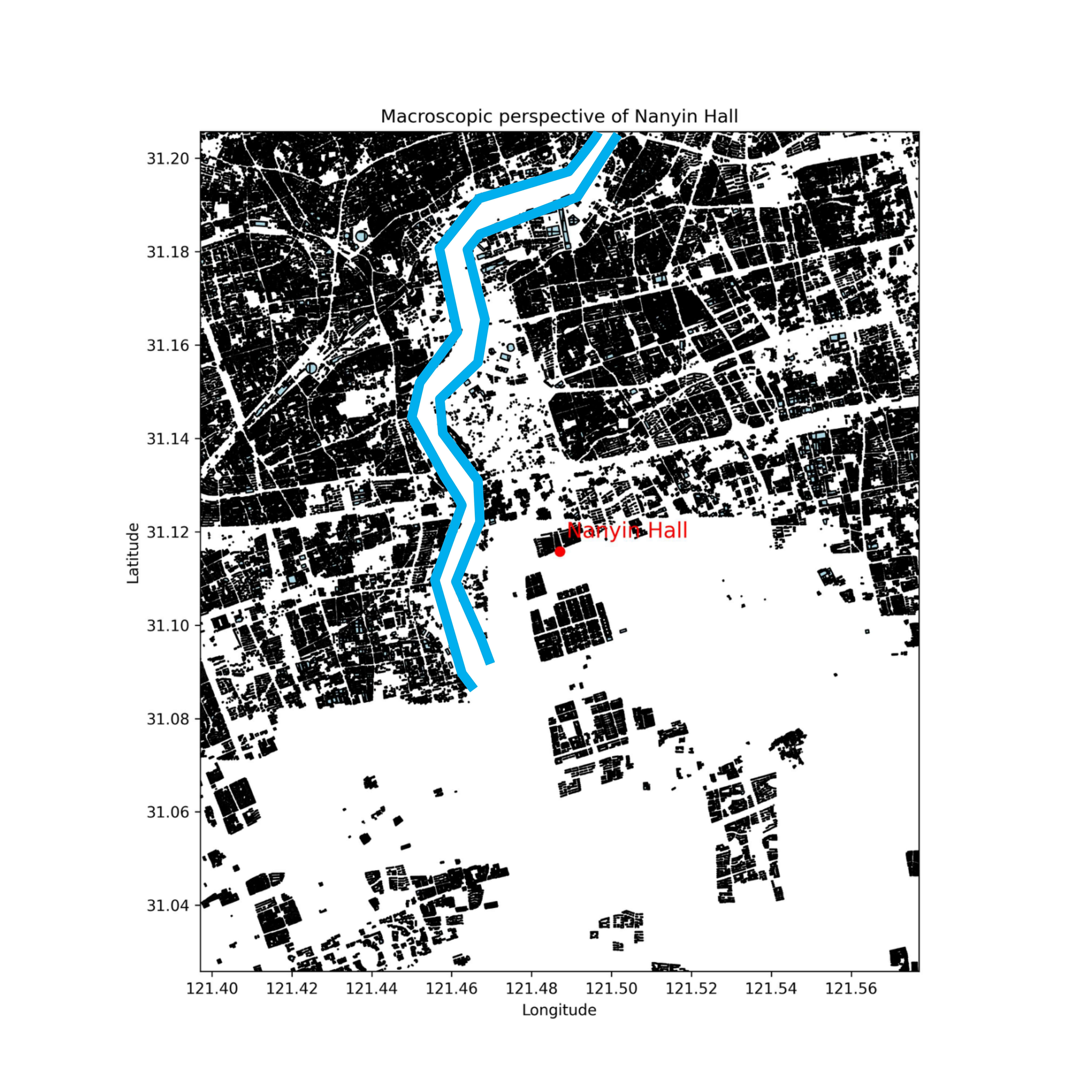
Plot 4: We will continue to analyse the geographical location data. Fig. 7 shows the surface elevation information near Nanyin Hall, indicating that river course changes shifted the residence away from the confluence of the rivers, decreasing merchant traffic and contributing to the Pang family’s commercial decline.
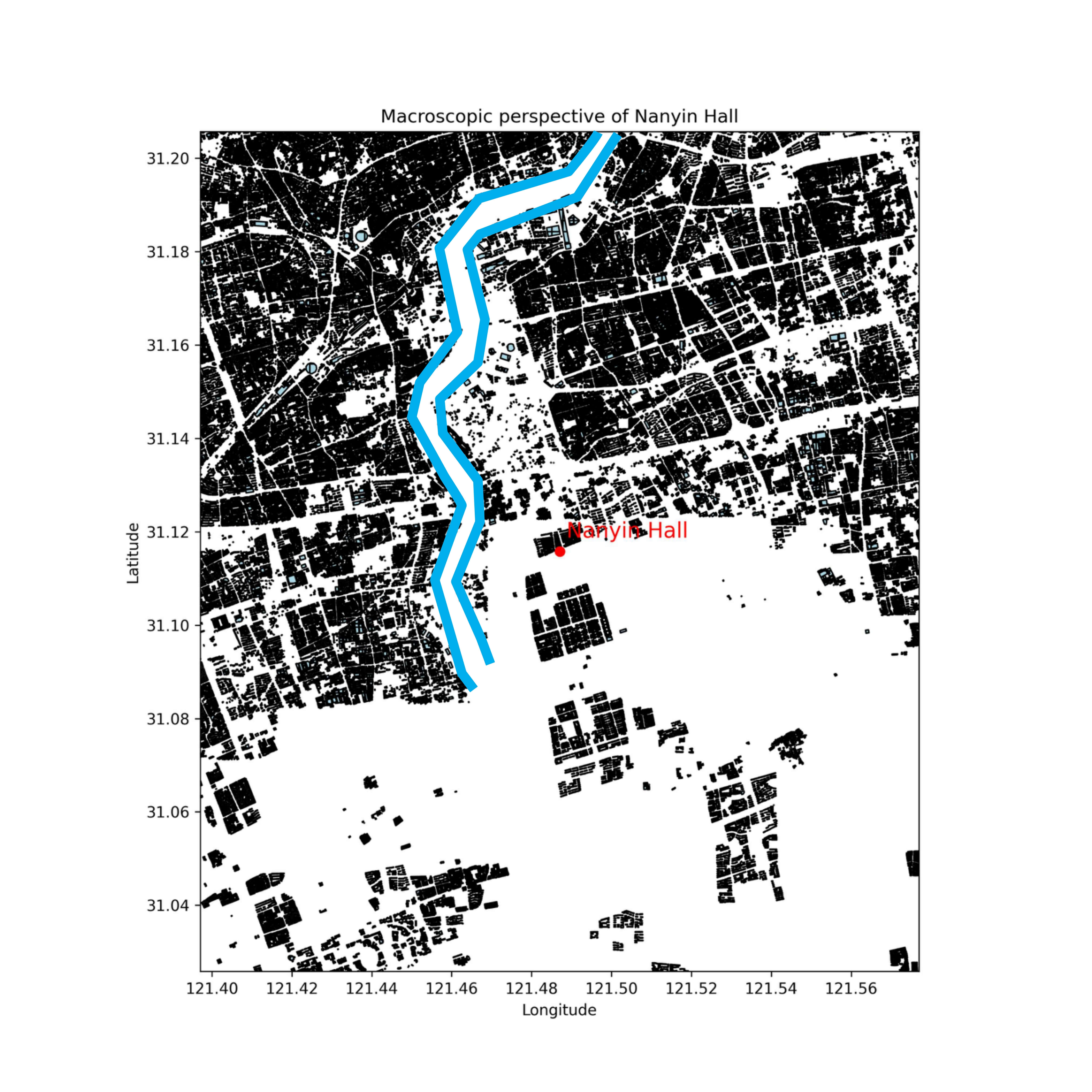 Fig. 7.
Macroscopic perspective of Nanyin Hall.

Plot 5: The following analysis is based on architectural planning data. The country adheres to the policy of “integrated urban-rural development”, and the suburbs where Nanyin Hall is located are being continuously optimised and improved. Using the urban planning data, we take a high-grade residence in the urban area of Minhang District as an example and count the types of facilities within a 3-kilometre radius of the residence. Based on density analysis, we predict the types of facilities that need to be added to Nanyin Hall. As Fig. 8 shows, facilities within three kilometres of the downtown area include police stations, hospitals, and hotels. However, around Nanyin Hall, only police stations and hotels exist; to achieve integrated development of the urban and rural areas, banks, schools, and shopping malls should be added in the future.
 Fig. 8.
Forecast of required infrastructures in Nanyin Hall.
The above events reflect the rise and fall of the Pang family, as well as the physical characteristics of Nanyin Hall, its natural environment, and predictions for future development.
The five narrative plots described above will be organized and expressed through the narrative structure, ultimately forming the narrative scenes, which constitute the narrative content within the framework of this study. Next, we will continue with a structural analysis to determine the order in which these events occurred.
Narrative structure serves to organize and arrange narrative plots, yet its richness and diversity cannot be reduced to a single unified standard (Martin, 1986). To identify a narrative structure more suited to dissemination, this study applies cluster analysis to residential story texts provided by the Shanghai Library, followed by validity testing. In total, 314 stories related to “traditional residences” were collected. Based on the clustering results—considering factors such as whether the narrative climax occurs earlier or later, the number of climaxes, the density of events, and the degree of emotional fluctuation—the traditional residence stories of Shanghai can be categorized into four types. Each of these types is illustrated with examples below.
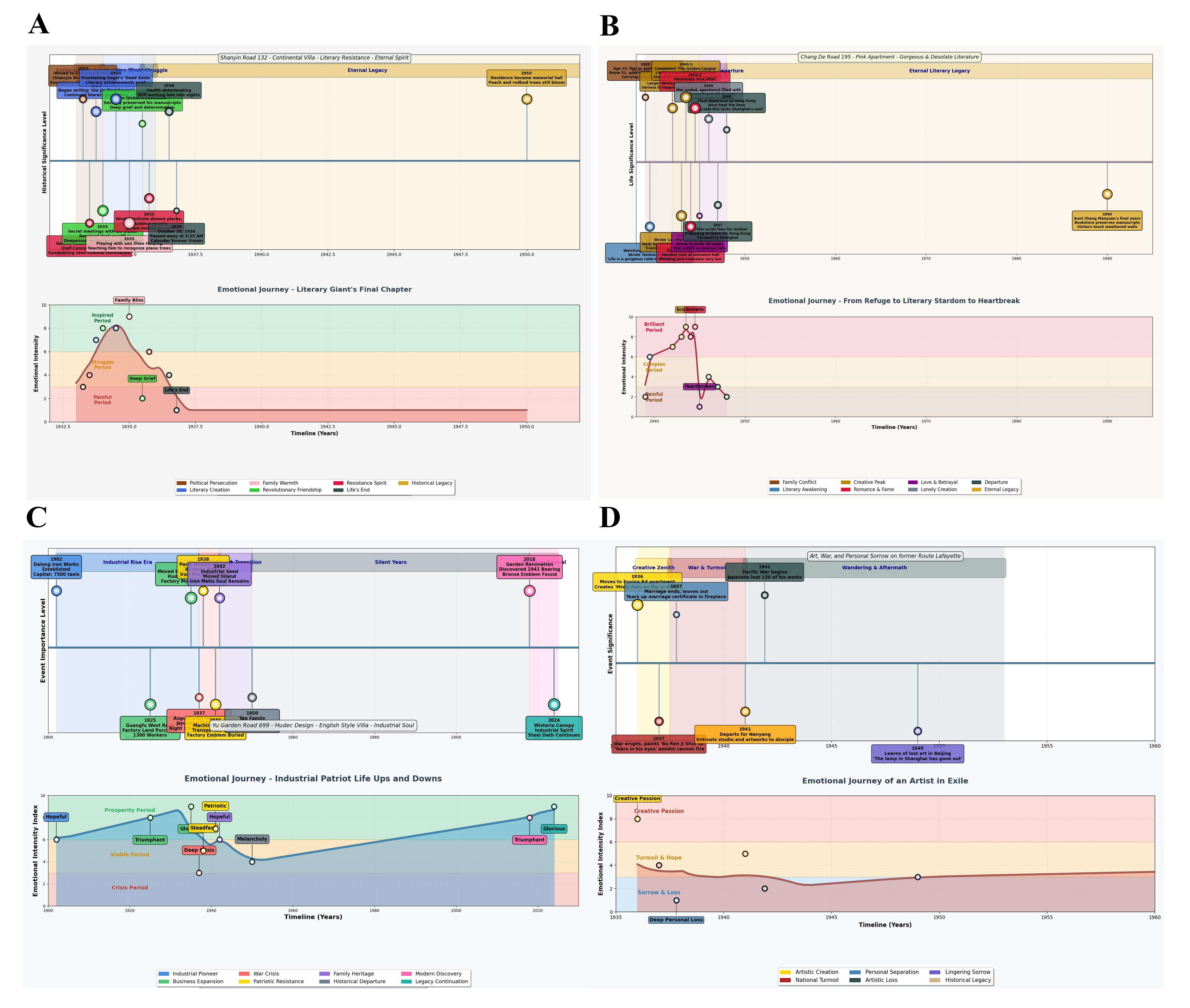
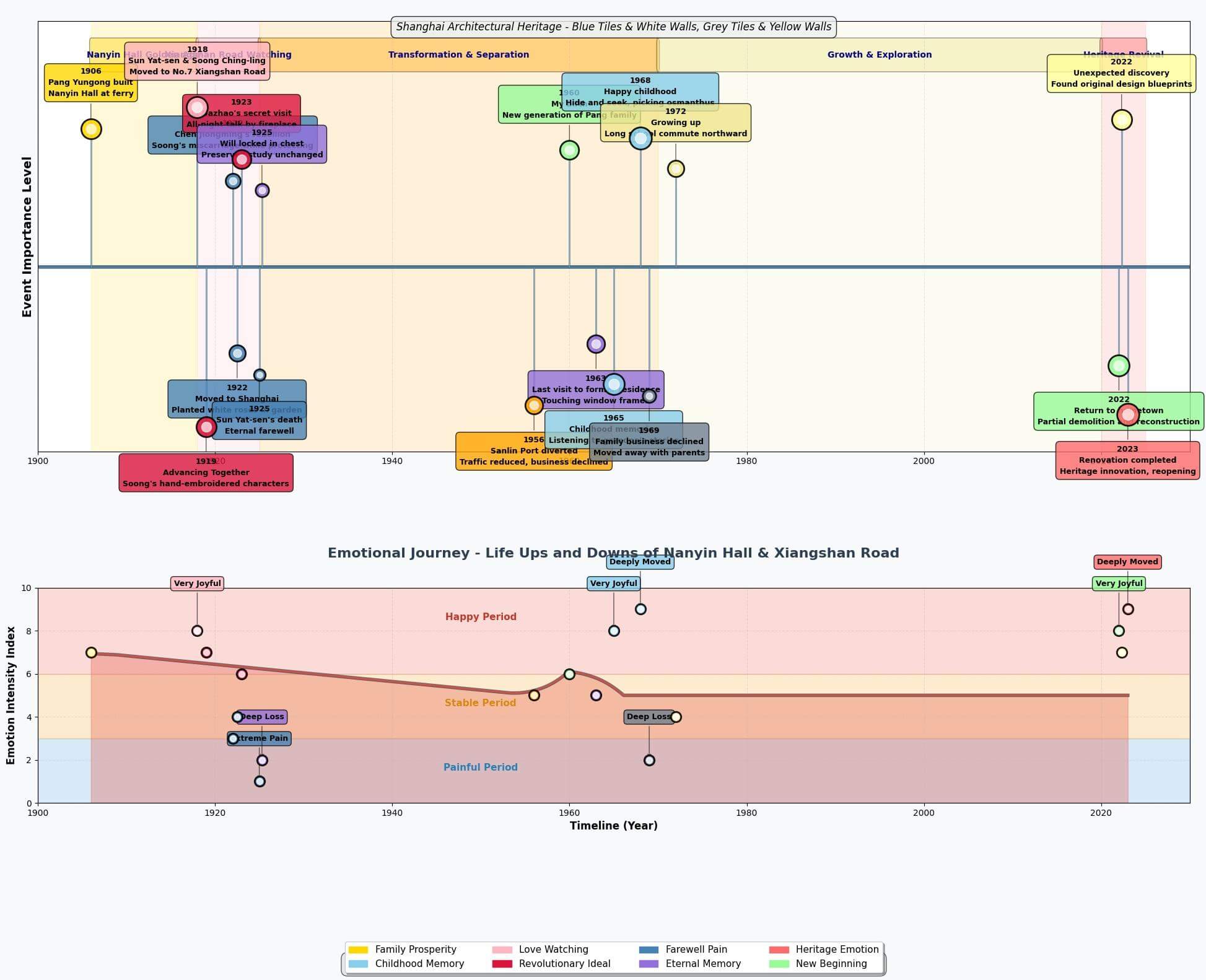
Fig. 9A shows the “pre-emptive type”, which refers to the climax of the story and the points of emotional outburst that enter earlier and are densely arranged with events. Fig. 9B shows the “multi-conflict type”, featuring pronounced emotional ups and downs, multiple outbursts, and short intervals between them. Fig. 9C shows the “progressive type”, with events concentrated in the story’s middle, emotions gradually escalating to a midpoint outburst, then subsiding. Fig. 9D shows the “stable type”, characterized by a simple plot and minimal emotional fluctuation.
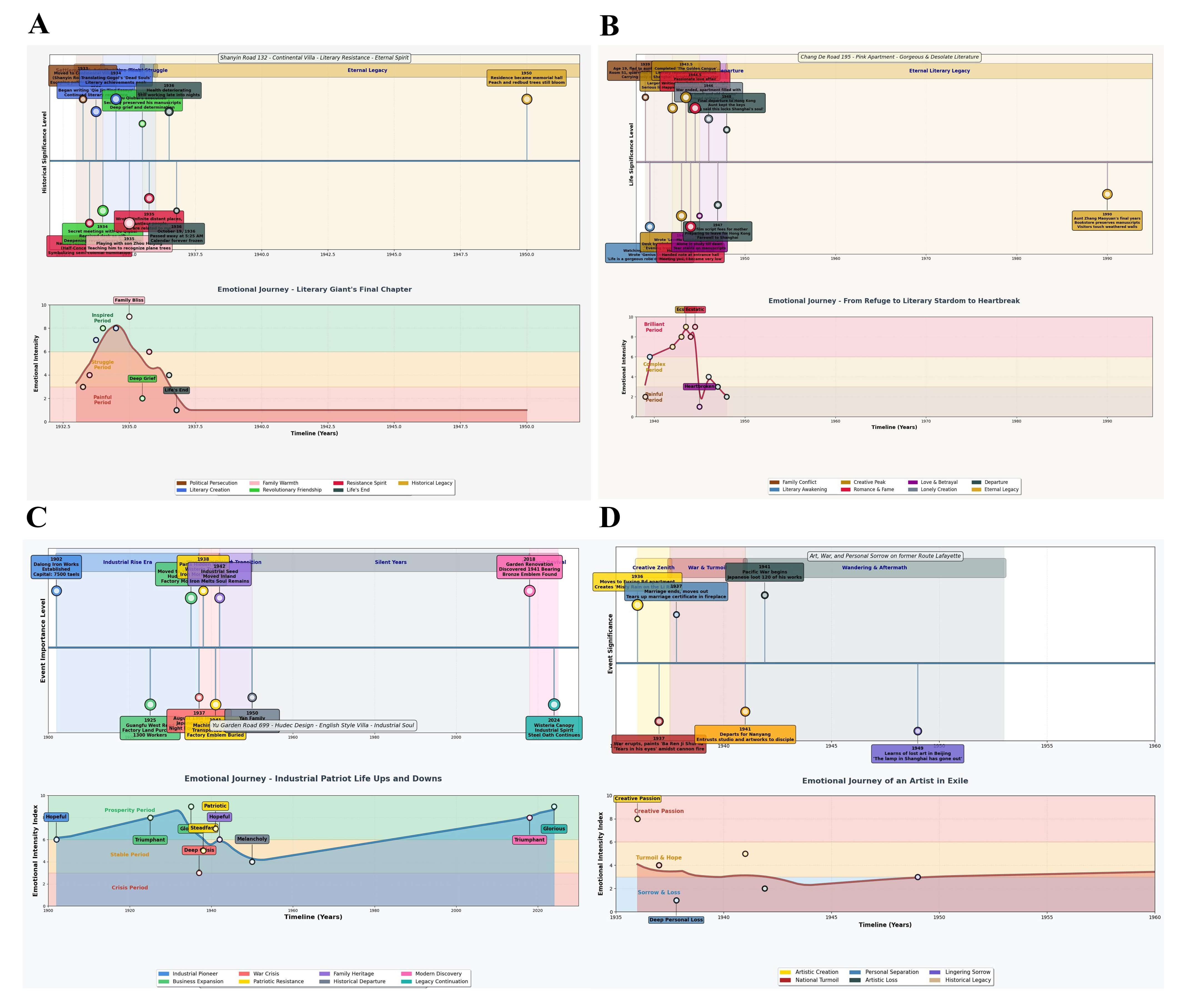 Fig. 9.
Narrative structure of Shanghai traditional residence. (A) Pre-emptive narrative structure. (B) Multi-conflict narrative structure. (C) Progressive narrative structure. (D) Stable narrative structure.
Structure C is similar to the classic pyramid-based structure, featuring a climax episode in the middle of the story; studies have confirmed the validity of this structure in data narratives (Yang et al., 2022). This paper therefore uses it as the basis for organising narrative content, setting a story climax in the middle of the story and using flashback techniques to engage reading interest.
In the preceding analysis, the objective narrative content and structure were derived according to Chatman’s narrative framework. The next step is to design the narrative script and provide examples to illustrate its application in practice.
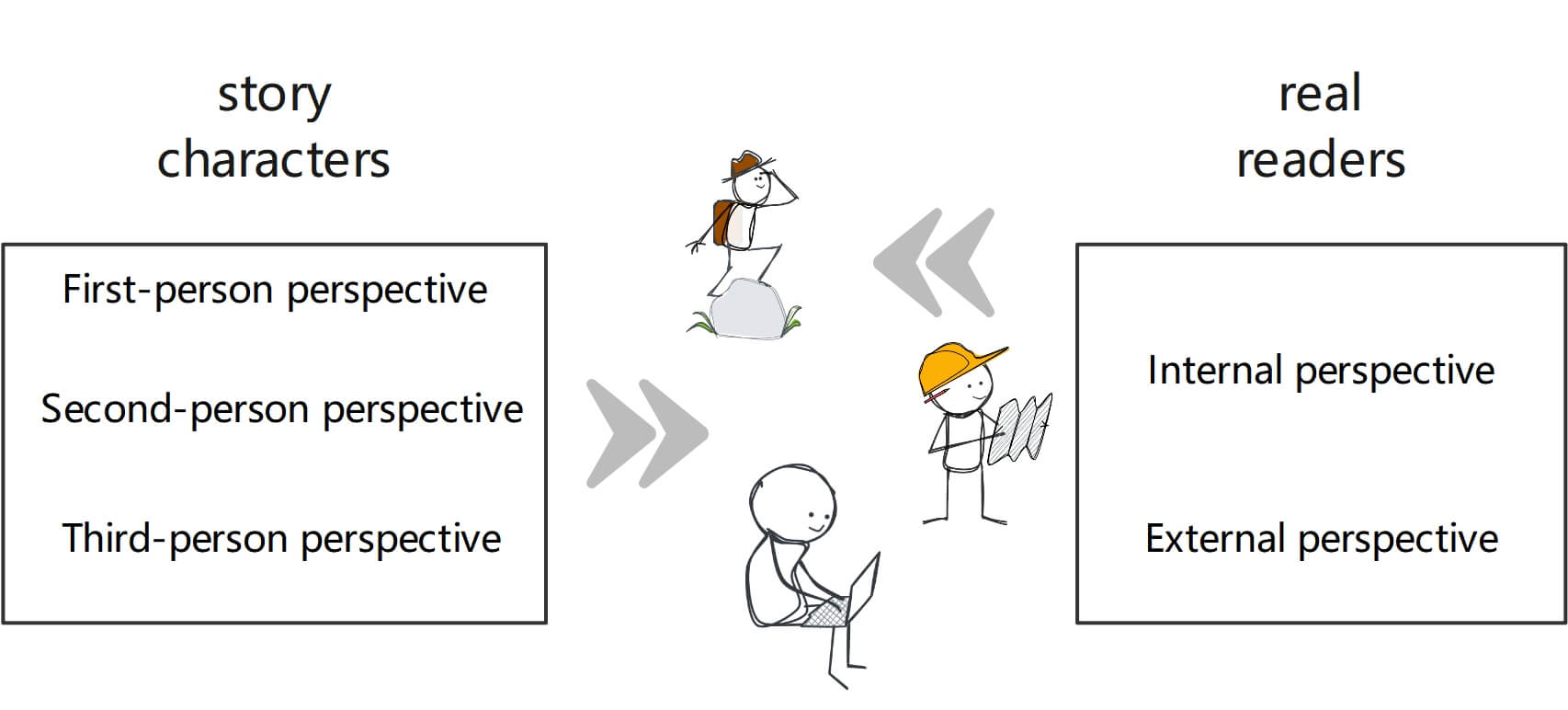
According to Ryan’s cross-media narrative framework, users establish two types of character relations when engaging with digital narratives: those between real persons and story characters. Within the story, characters may appear through first-person, second-person, or third-person perspectives. The real person, i.e., the user, can adopt either an “internal” or an “external” position. As shown in Fig. 10, when users engage with the story from an internal perspective, they project themselves into the virtual world and become a story character; from an external perspective, they follow the story from the standpoint of the real world.
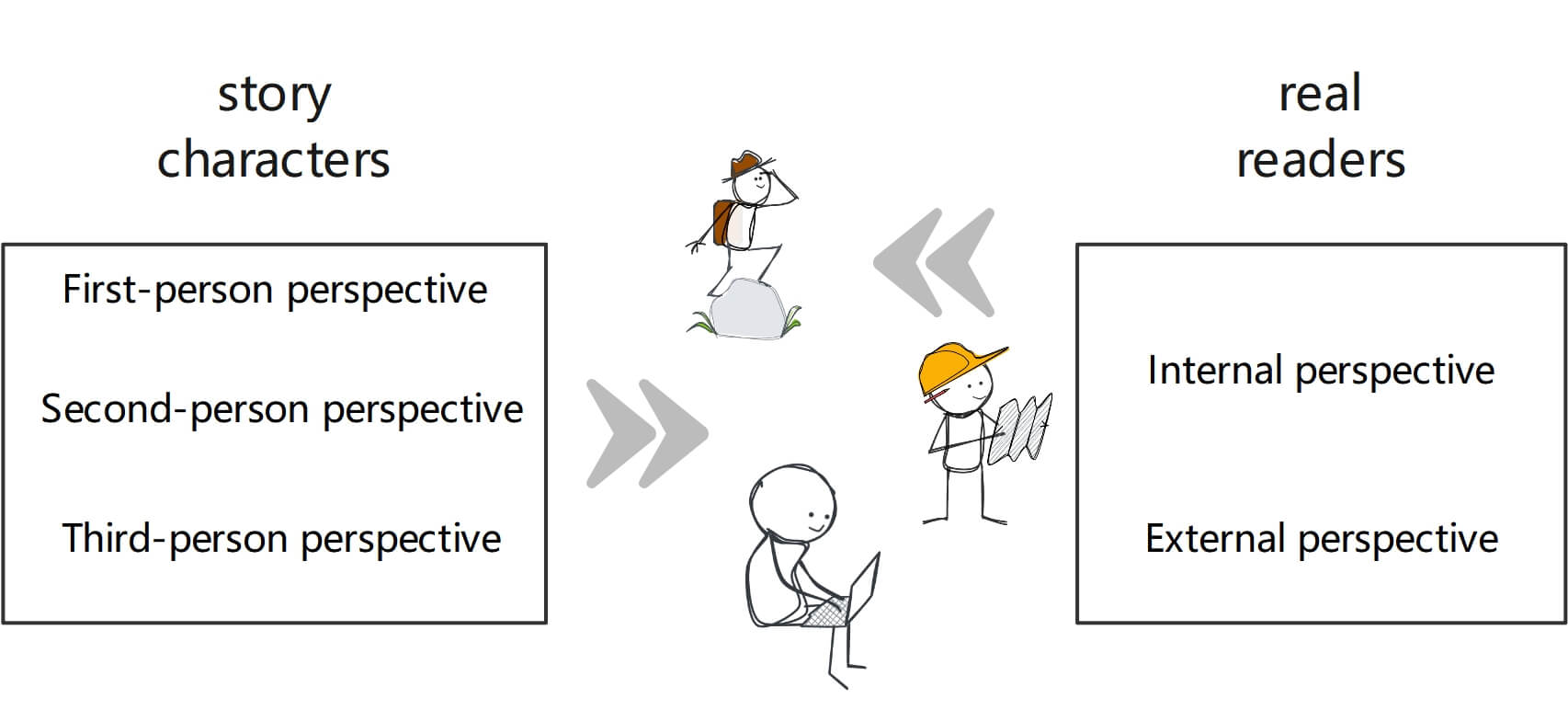 Fig. 10.
Relationship between story characters and real readers.
Personal pronouns can influence the narrative experience in literary reading. The first person is the narrator presenting the story as a personal experience, giving readers a sense of being in the scene, and more easily attracting readers by directly expressing their inner activities to trigger empathy (Hartung et al., 2016). Therefore, this paper uses a first-person narrative design to create a sense of immersion for participants, making them curious about the outcome of the story.
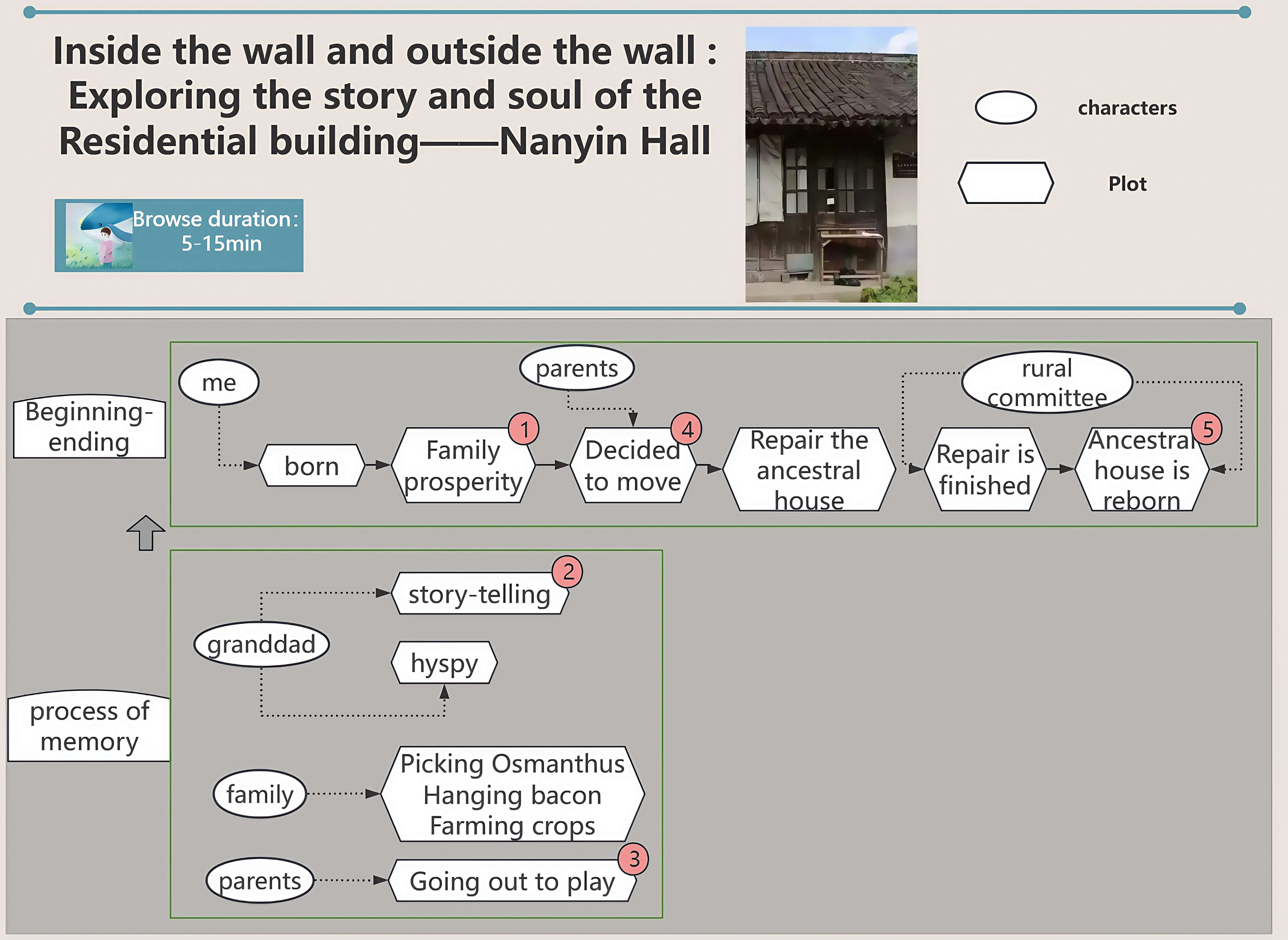
Through the above research, five narrative plots were identified and arranged according to narrative structure C. The narrative unfolds from a first-person perspective, resulting in the digital narrative script of Nanyin Hall, as shown in Fig. 11. The overall design adopts a flashback technique, embedding the protagonist’s memories within the progression of the story to create the climax, thereby presenting a narrative thread that integrates “architecture, family, and city”. The unnumbered sections are supplemented with plot elements derived from relevant literature to ensure the completeness of the narrative.
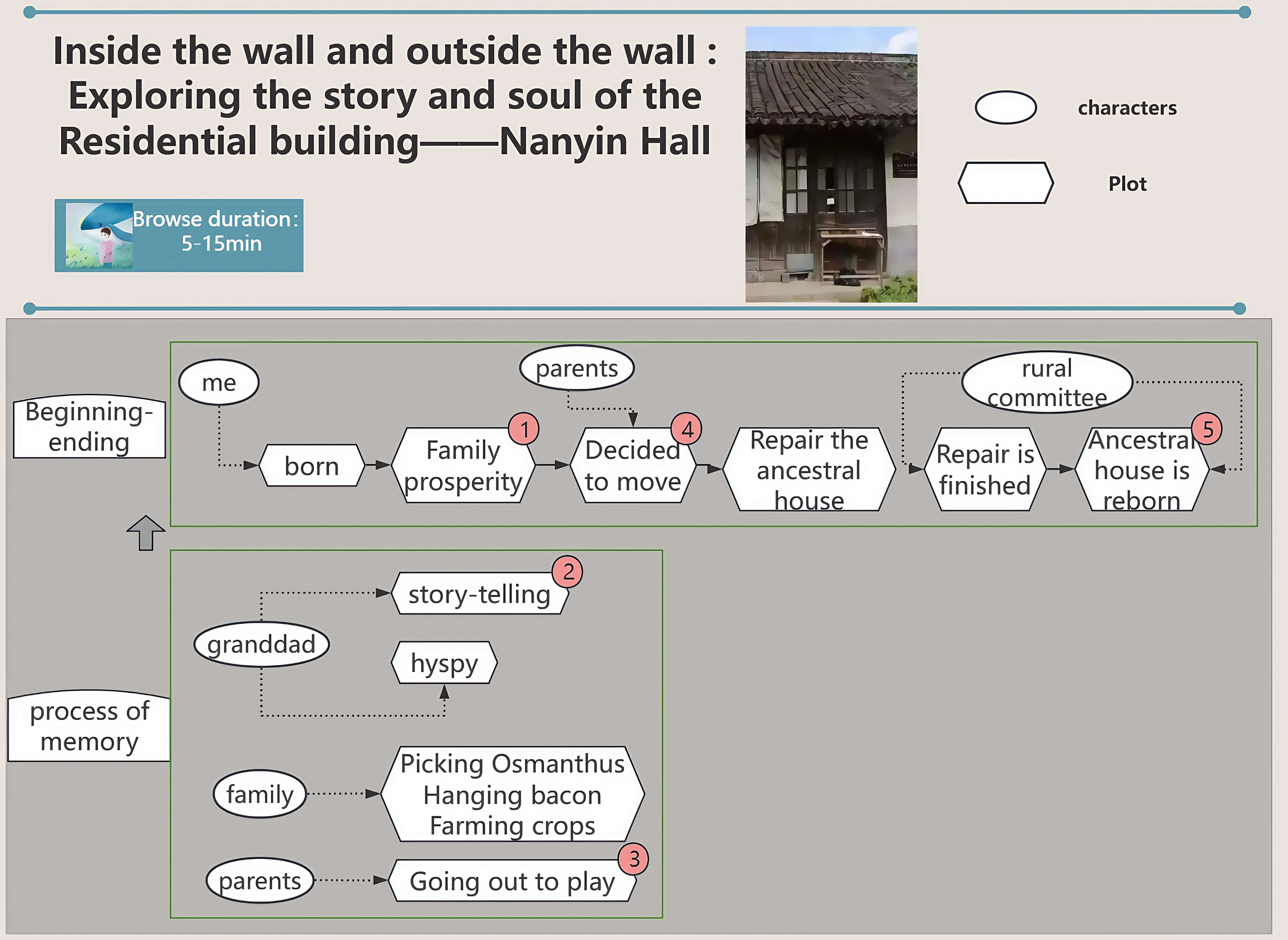 Fig. 11.
Storyline of Nanyin Hall.
The final story text and narrative structure are as follows:
Beginning — I was born in 1960, a descendant of the Pang family, and settled abroad with my parents after the decline of the family business (around 1969). Recently, I had the opportunity to come back and revisit this ancestral home because the family house needed to be partially demolished and then newly constructed (in 2022). The old family house was situated around the Huangpu River, and it was at that time (1906) that the family thrived because it lay at the confluence of two ferry ports (Plot 1). The house was a typical Shanghai-style building with grey tiles and white walls, mortise and tenon joints, and carved beams and painted rafters. Facing south, the house had two main courtyards with seven bays each, totaling 22 rooms. During the renovation of the ancestral house, I discovered many design drawings made by the elders when building the house.
Process of memory — I gradually recalled some of my childhood memories:
At that time, I would listen to my grandpa’s stories about the past, and he once told me that this house was built by the 10th ancestor, Pang YunGong, which I remembered in my heart. I also played hide-and-seek with my grandfather in various parts of the house, and I always liked to hide by the fence outside the door (Plot 2).
I also recall that there was a patch of osmanthus trees on the south side of the house, and when they bloomed in the summer, my mother would always pick them in the morning to make food, and in the winter, she would build poles on the beams of the house to hang bacon. The land near the house was perfect for growing rice, cotton, and oilseed rape, and the harvest season was always filled with laughter.
But my favourite thing was to go everywhere with my parents, especially to the north, which was very different from my home, and I found it very strange (Plot 3).
When I grew up, my father took care of the family shop at first, but after the dredging of the Sanlin harbour a few years ago (1956), there were fewer and fewer people there, and we soon moved out of the harbour to other places (Plot 4).
Ending — Eventually, after months of hard work, the old house was given a new look. It not only retained the “Seven-Person Dragon Dance” on the square wood, the Xixiangji opera text on the furniture, and the green bricks in the heart of the court but also incorporated modern craftsmanship to repair structural problems such as settling and tilting. Later, it was designated to host cultural exhibitions and other functions, as well as to improve the surrounding residents’ living conditions (Plot 5). On the day of its reopening, I stood in front of the window looking at what was in front of me, and my heart was filled with pride and emotion. I understand that this is not only respect for the ancestors but also a new future for us.
Based on the research methods described above, the temporal, event-related, and emotional elements of the narrative content were extracted and analysed to verify their arrangement. The final story structure and content are shown in Fig. 12, which conforms to the characteristics of Structure C.
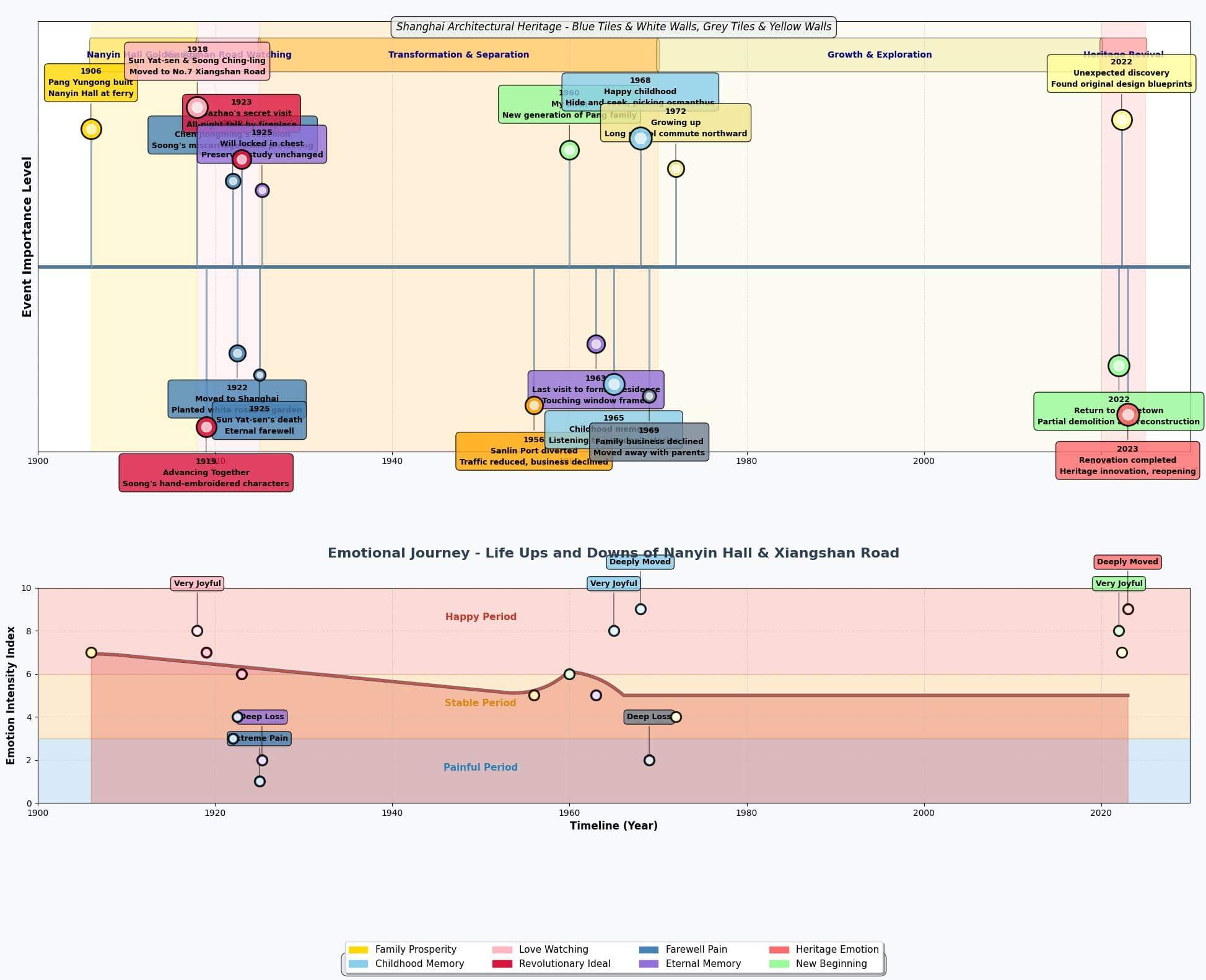 Fig. 12.
Nanyin Hall digital narrative structure.
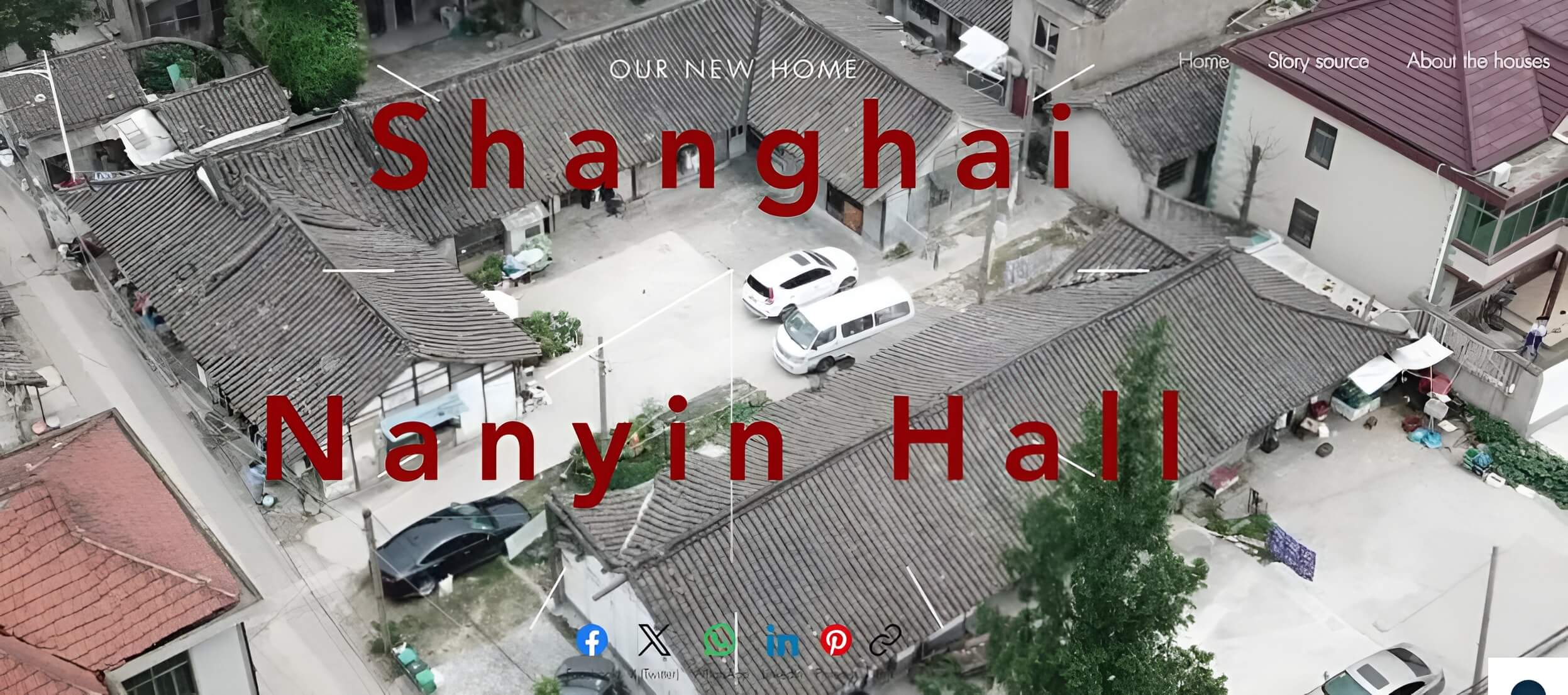
Based on the above, this study developed an interactive website to demonstrate the possible forms of digital narrative (URL: https://mhg500569.wixsite.com/my-site-1), as shown in Fig. 13. The webpage includes three parts. According to human visual habits, when seeing an interface, we do not follow a fixed reading order, but the brain receives information influenced by factors such as colour, size, and shape. Therefore, the narrative is presented with images as the primary focus and text as supplementary content to reduce redundant information, and the overall screen uses real photos of Nanyin Hall as the background to immerse readers in a real atmosphere.
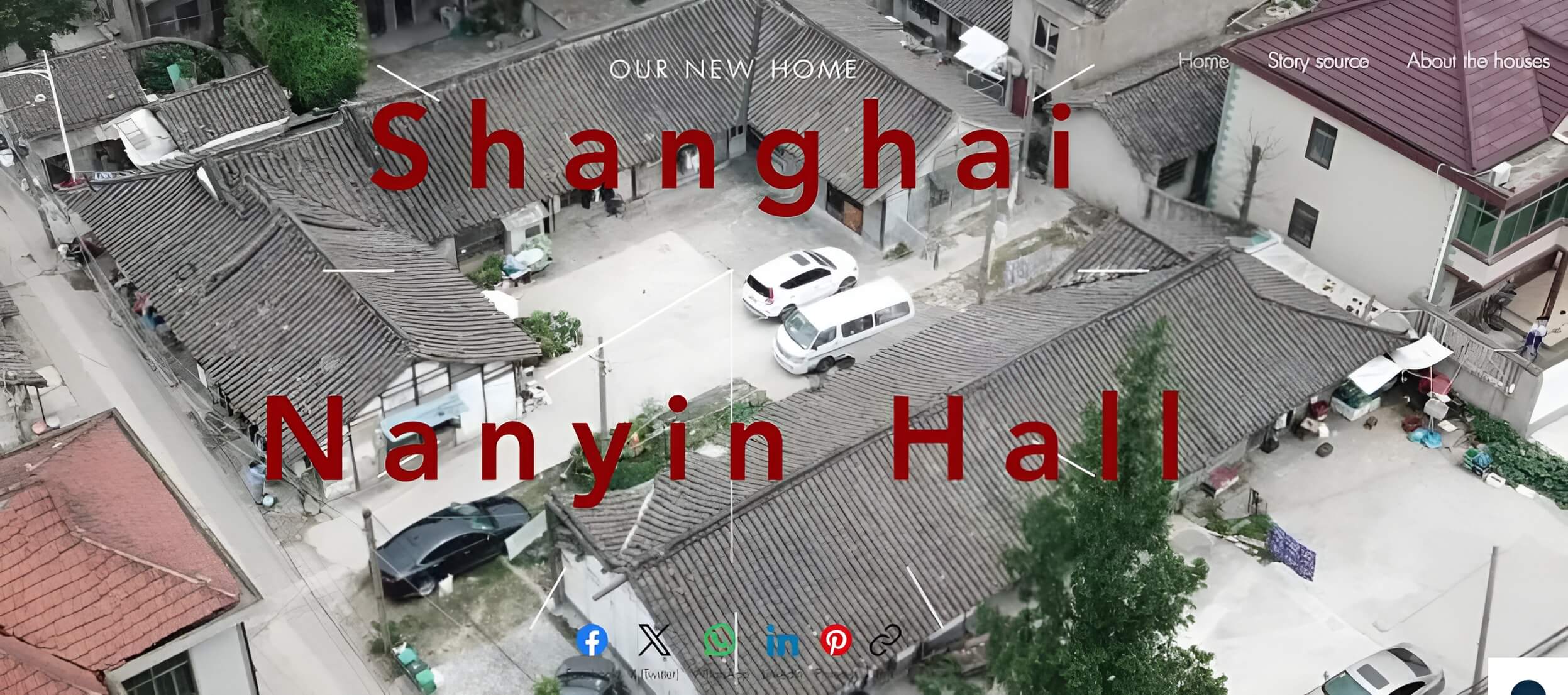 Fig. 13.
Shanghai Nanyin Hall website.
The “Home” page presents the complete story of the house, based on the narrative script. The “Story source” section explains the image features, describes what they represent, and clarifies the source of the narrative content. The ultimate goal of the digital narrative is to expand understanding of cultural heritage among all social strata, including young people, the elderly, non-professionals, and cross-cultural audiences, and to attract people to visit the site. The “About” section provides location information and briefly introduces the special food and landscape around the residence to attract the public to visit the site offline.
Through the online interactive website, we aim to foster users’ understanding of residential culture through data interpretation and evoke emotional resonance with their own experiences by inviting them to follow the story’s protagonist. In this way, users may form a lasting impression of the residence, advancing the dissemination of traditional residential cultural heritage.
This study designs digital narratives of traditional residences based on data characteristics, responding to the call for the digitization of cultural resources and the reconfiguration of cultural heritage values (García-Mieres et al., 2024). Beyond the narrative itself, it further reflects the distinctive cultural patterns embedded in local residences. The construction of these houses demonstrates strong geo-dependence. Architectural styles are shaped not only by functional considerations but also serve as unified cultural symbols of the family. The building process takes full account of the natural environment, embodying the ecological wisdom of local residents in adapting to their surroundings. Moreover, under the national orientation of “urban–rural integration”, greater emphasis has been placed on equalized ways of living.
Based on the above narrative framework, this study designed an interactive website with the aim of expanding the cultural and economic dissemination of traditional residences. During subsequent engagement with the interactive heritage projects, users may develop behaviors such as sharing (Kocaturk et al., 2023), protecting (Selmanović et al., 2020), and consuming heritage resources (Chang et al., 2025). The emergence of these behaviors is influenced by such factors as participants’ personal interests, knowledge background, the convenience of the participation environment, and the degree of support provided by information technologies (Podara et al., 2021). Psychological factors such as social expectations and behavioral exemplars from others can further motivate users to share these digital narrative works (Xue et al., 2019). The objective authenticity of narrative content, the structural authenticity of narratives, and individuals’ value orientations are key factors stimulating spontaneous public initiatives to protect cultural heritage (Li et al., 2025). Moreover, experiential dimensions, such as hedonic value and utilitarian value, can enhance the willingness of the public to engage in offline consumption (Guo et al., 2022).
This study also has certain limitations. First, there are the limitations and sensitivity of data sources. Due to space constraints, only natural geographic data with significant influence on traditional residences were selected for analysis, which imposes certain restrictions on the scope of narrative themes. Second, this study only designed an interactive website, and the effectiveness of the digital narrative will be further evaluated in subsequent stages. The ultimate purpose of digital narratives lies in shaping cultural identity (Hajirasouli et al., 2021) and fostering the revitalization and sustainable preservation of cultural heritage. Therefore, future research will adopt the perspective of users. Drawing on symbolic interaction theory and uses and gratifications theory, employ interviews or survey methods to analyze the needs of the public in engaging with digital narratives, clarify whether narrative forms can exert stronger persuasive power on users, and identify which elements of narrative design stimulate continuous user participation.
It is worth noting that this study only presents one objective method for constructing digital narratives. The emergence, dissemination, and development of cultural heritage are grounded in the cultural background, aesthetic preferences, and economic needs of the public. Therefore, as long as the goal of positive development is achieved, any form of cultural heritage dissemination built upon authenticity is worthy of promotion.
This study integrates Chatman’s “story and discourse” narrative framework with data science methods, taking the traditional residence Nanyin Hall as a case, and proposes a “data-driven framework for objective digital narrative design”. Through such AI-generated multimodal narratives, the research attempts to address the imbalance between technological demonstration and emotional expression that often arises in digital humanities projects while also providing a reference for public dissemination and cost-effective promotion of cultural heritage. The main findings are as follows:
• The data-driven digital narrative design process consists of five key stages: extraction of data symbols, feature analysis, formation of narrative content, selection of narrative structure, and digital narrative design.
• Geographical location plays a critical role in the siting, construction, and subsequent economic development of traditional residences, revealing the close interaction between the natural environment and human settlement culture.
• Cluster analysis of narrative structures in Shanghai’s traditional residence stories reveals four types of narrative structure: pioneering, multi-conflict, progressive, and steady.
• Preservation of the value of traditional residences requires sustained participation from multiple stakeholders, including government agencies, cultural tourism development, and local communities, to ensure the continuity of heritage value.
In selecting data and constructing narrative content, this study has primarily focused on natural geographic aspects. Future research may incorporate additional sources such as socioeconomic indicators, population migration, and policy changes, thereby building multi-source data fusion models and multi-language cultural heritage narrative frameworks to enrich the historical depth and socio-cultural context of the narratives. Further investigation into user participation behaviors will also be necessary to evaluate the effectiveness of data-driven storytelling.
This traceable, data-driven approach could have broader application, enabling quantifiable choices around events, characters, and conflicts. It holds potential to contribute to the development of AI-generated narratives in areas such as interactive fiction, brand advertising, and psychological therapy.
The data that support this study are available from the corresponding author upon reasonable request.
YZ and XF designed the research study. XF performed the research. YZ provided help and advice on validation. XF analysed the data. XF wrote the manuscript. YZ and XF revised the manuscript critically for important intellectual content. Both authors contributed to editorial changes in the manuscript. Both authors read and approved the final manuscript. Both authors have participated sufficiently in the work and agreed to be accountable for all aspects of the work.
Not applicable.
This research was funded by the Shanghai Education Development Foundation and the Shanghai Municipal Education Commission of P.R. China (Project Name: Research on Digital Narrative of cultural heritage driven by smart data, Project No. 24SG039).
The authors declare no conflict of interest.
During the preparation of this work, the authors used ChatGPT-4.0 in order to check spelling and grammar. After using this tool, the authors reviewed and edited the content as needed and took full responsibility for the content of the publication.
References
Publisher’s Note: IMR Press stays neutral with regard to jurisdictional claims in published maps and institutional affiliations.