


 , Yutong Li 2,†, Yanan Liu 1, Xianfu Wu 2, Yong Lu 2, Rong Zou 1, Jianmin Tang 1, Xiao Wei 1, Chenghao Zhu 1,*
1 Guangxi Institute of Botany, Chinese Academy of Sciences, 541006 Guilin, Guangxi, China
2 National Institutes for Food and Drug Control, 100053 Beijing, China
3 School of Pharmacy, Guilin Medical University, 541104 Guilin, Guangxi, China
†These authors contributed equally.
Abstract
Camellia petelotii (Merr.) Sealy (Jinhuacha, JHC) is a rare plant species native to Guangxi, China, and northern Vietnam, renowned for its significant ornamental, nutritional, and medicinal properties. To date, 177 chemical constituents have been isolated and identified from JHC, including Flavonoids, Terpenoids, Steroids, Phenylpropanoids, Essential oils, Alkaloids, and Organic acids. Among these, Quercetin, Kaempferol, Luteolin, Catechin, Oleanolic acid, and Camelliaside A are the primary bioactive compounds. The JHC exhibits diverse pharmacological activities, including hypolipidemic and hypoglycemic effects, anti-inflammatory, antioxidant, antibacterial, antidepressant, and antitumor properties. Studies have demonstrated that extracts of JHC effectively inhibit pancreatic lipase (PL) and cholesterol esterase (CEase), with median inhibitory concentrations (IC50) values of 320 μg/mL and 200 μg/mL, respectively. Additionally, the extracts show strong free radical scavenging activity, with 2,2-Diphenyl-1-picrylhydrazyl (DPPH) and 2,2′-azino-bis(3-ethylbenzothiazoline-6-sulfonic acid) (ABTS) radical clearance rates reaching 84.61% and 95.51%, respectively. Clinical applications indicate that JHC Hypoglycemic Capsules achieve a total effective rate of 93.33% in the adjunctive treatment of patients with type 2 diabetes. Nevertheless, the quality control markers and the precise mechanisms underlying certain pharmacological effects of JHC remain to be fully elucidated. This paper systematically reviews current advances in the study of the chemical constituents and pharmacological effects of JHC, and further proposes future research directions, aiming to provide a scientific foundation for the in-depth investigation of its active constituents and mechanisms of action.
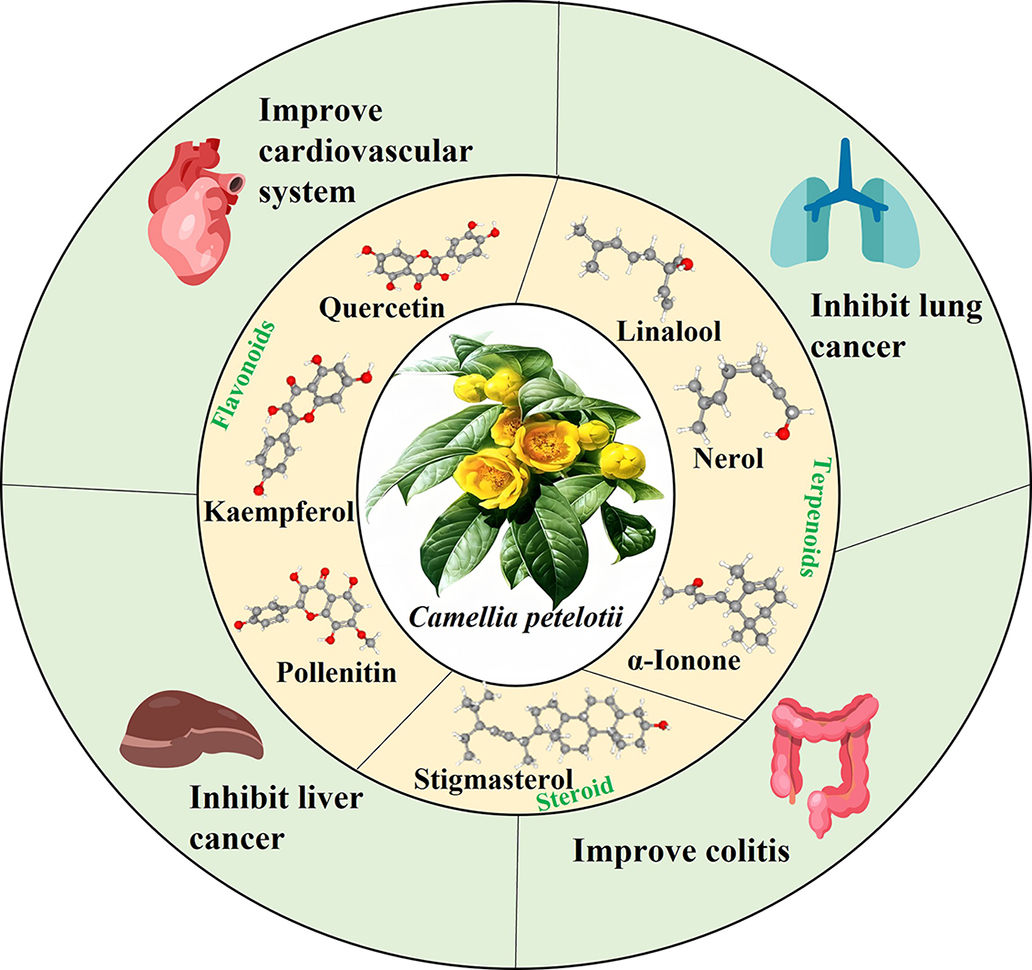
Graphical Abstract
Keywords
- Camellia petelotii (Merr.) Sealy
- chemical constituents
- pharmacological effects
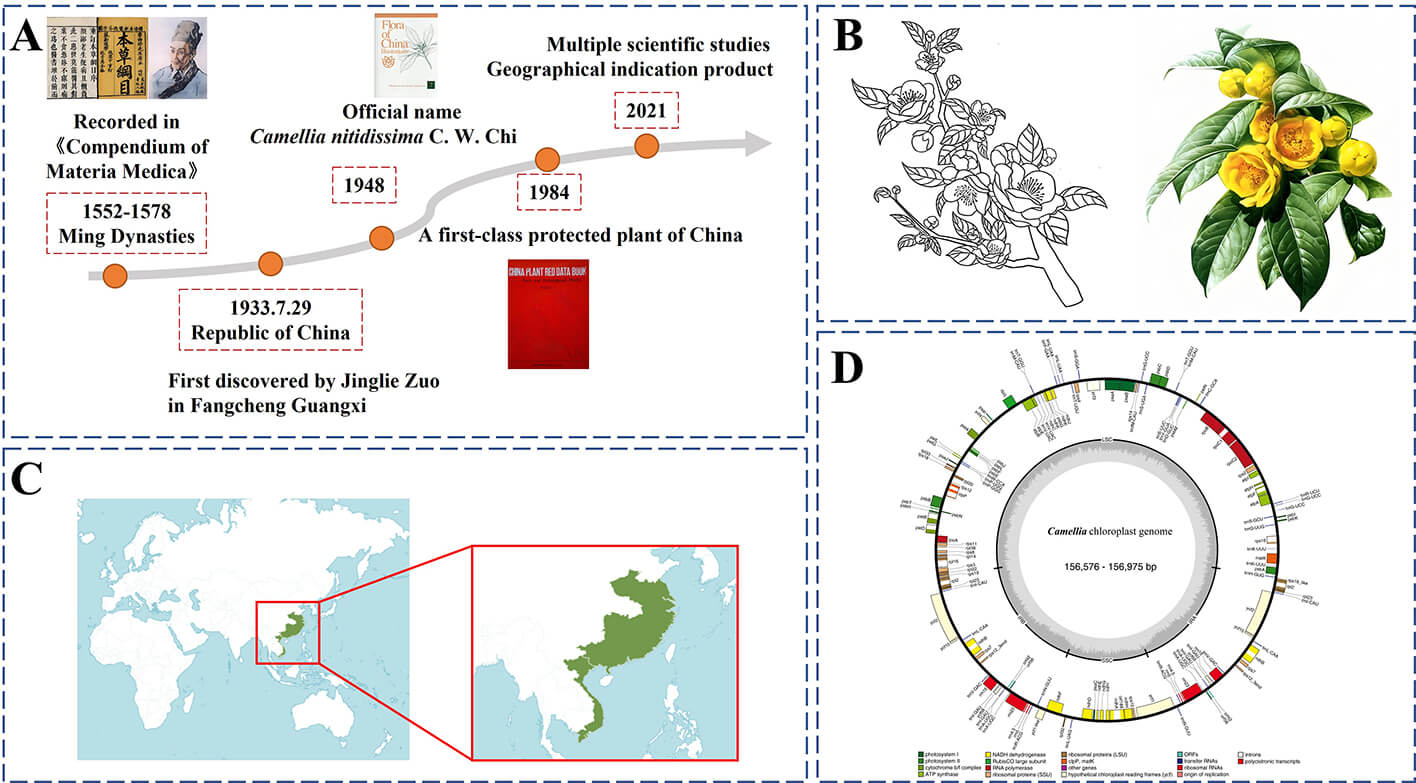
Camellia petelotii (Merr.) Sealy (Jinhuacha, JHC) is an evergreen shrub or small tree belonging to the genus Camellia in the family Theaceae. It was first discovered in Guangxi, China, in the early 1960s and is mainly distributed in southwestern China and northern Vietnam (Fig. 1). Recognized as a rare and endangered species, it is renowned for its striking golden-yellow flowers (Fig. 1B) and is often referred to as the “Queen of Tea” [1, 2, 3]. Currently, JHC has been introduced to Japan, Australia, and North America as a valuable genetic resource for commercial camellia cultivation, drawing significant attention from horticulturists worldwide [4]. JHC possesses not only significant ornamental value but also considerable medicinal and edible applications. Its extract can serve as a natural food coloring agent, while its seeds can be processed for edible oil or utilized as industrial raw materials. Additionally, the leaves of JHC can be prepared as an infusion for consumption. This plant is traditionally used as a folk remedy by the Zhuang ethnic group in Guangxi, China [5]. According to authoritative references such as the “Guangxi Standards for Chinese Medicinal Materials” and the “Modern Compendium of Materia Medica”, it has been documented for the prevention and treatment of pharyngitis, nephritis, dysentery, tumors, hematochezia, hypertension, and menstrual disorders. According to the Chinese Materia Medica, the flowers of JHC are administered in dosages of 3–9 g, prepared by boiling in water or as a decoction, primarily for the treatment of hematochezia and excessive menstruation. The leaves, with a recommended dosage of 9–15 g, are used to reduce fever, detoxify, and alleviate dysentery. Fresh plant materials may also be crushed and applied topically in appropriate amounts for hemostasis. The first record of JHC was made in 1552 in the Compendium of Materia Medica (Bencaogangmu) during the Ming Dynasty. The description in the book reads, “JHC is produced in the south…. It blossoms in late winter, with red petals and yellow stamens…. the flowers are golden yellow”. The botanist Jinglie Zuo first discovered the wild JHC population in 1933 in Fangchenggang, Guangxi, China. In 1965, it was officially named Camellia nitidissima C. W. Chi by the botanist Jingwen Qi. In 1984, it was listed as a first-class protected plant of China. In 2010, the Chinese National Health Commission changed its scientific name to Camellia petelotii (Merr.) Sealy. In 2021, it became a geographical indication brand of Fangchenggang, Guangxi, China (Fig. 1A), with great development potential.
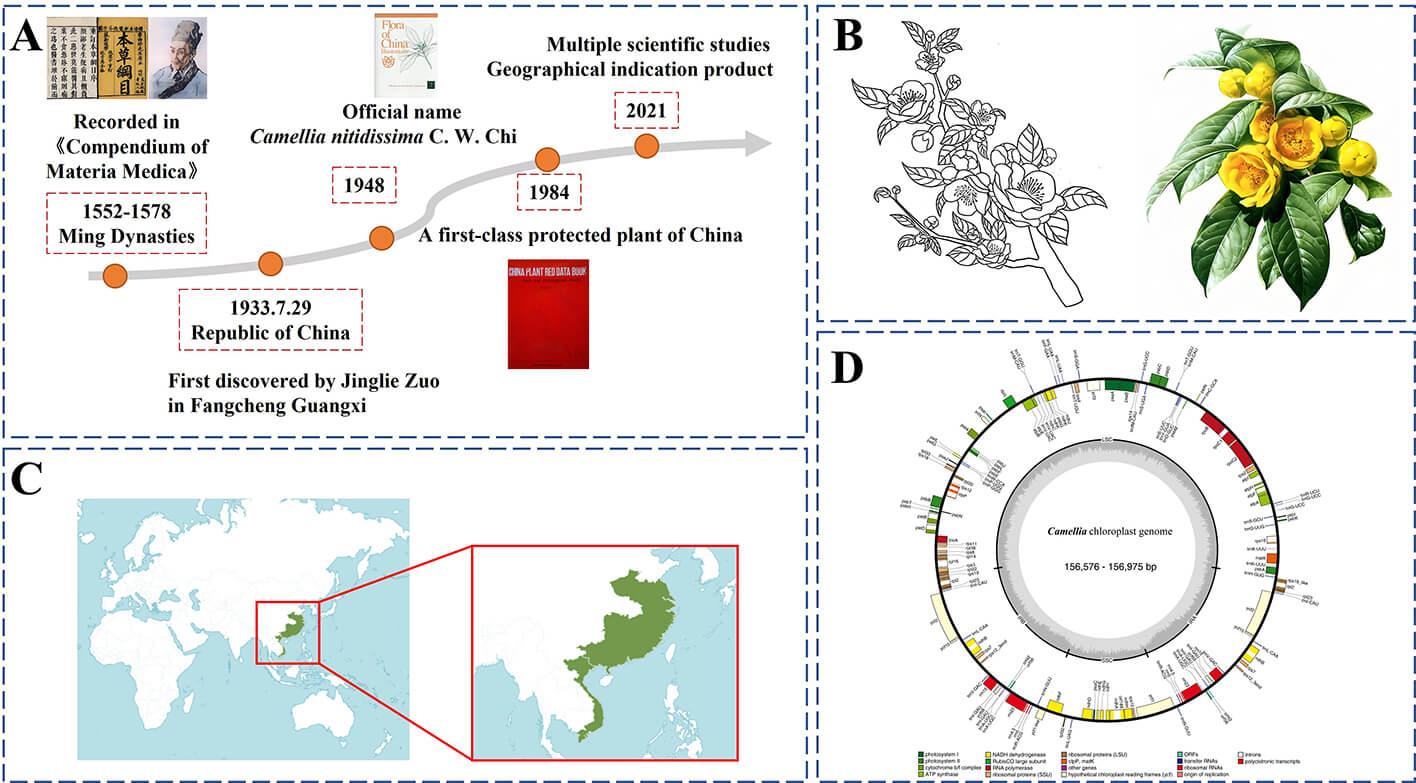 Fig. 1.
Introduction to JHC. (A) The history of consumption and medicinal use of JHC. (B) Flower and leaf morphology of JHC. (C) Geographical distribution of JHC. (D) The chloroplast genome size of JHC. JHC, Jinhuacha.
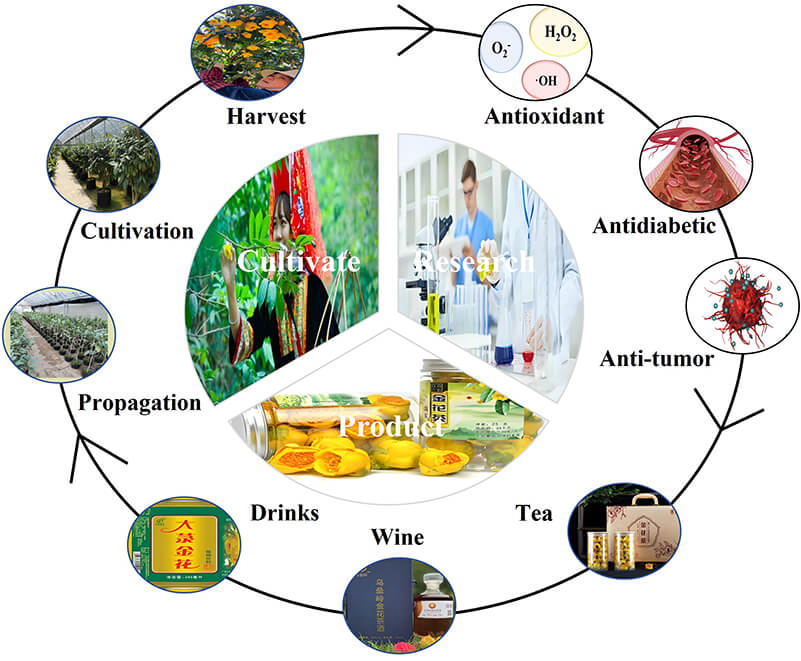
At present, research on JHC mainly focuses on germplasm resources, genetic diversity, cultivation physiology, isolation and identification of chemical components, and activity analysis. Among them, research in molecular biology mainly concentrates on gene sequencing and the role of genes in substance synthesis and metabolism. For instance, some research reports indicate that the total length of the chloroplast genome of JHC is between 156,575 and 156,975 bp, providing a research basis for the identification of JHC species [6]. In recent years, with the continuous breakthroughs in cultivation techniques, the output of JHC has steadily increased, and various functional products have emerged on the basis of various scientific researches (Fig. 2) [7]. More and more chemical components have been isolated and identified from JHC, e.g., Flavonoids, Terpenoids, Steroids, and Phenylpropanoids. These are confirmed to have multiple pharmacological effects, such as lowering of blood sugar, reduction of swelling, and anti-tumor effects [8]. Notably, there are significant differences in the component contents among different species of Camellia petelotii [9, 10, 11]. However, the quality markers of JHC and the specific mechanisms by which it exerts its pharmacological effects remain unclear, and there is no comprehensive overview of its chemical components and pharmacological effects. This has led to the public’s insufficient understanding of the components and benefits of JHC, restricting the enhancement of its brand awareness and the development of the industry.
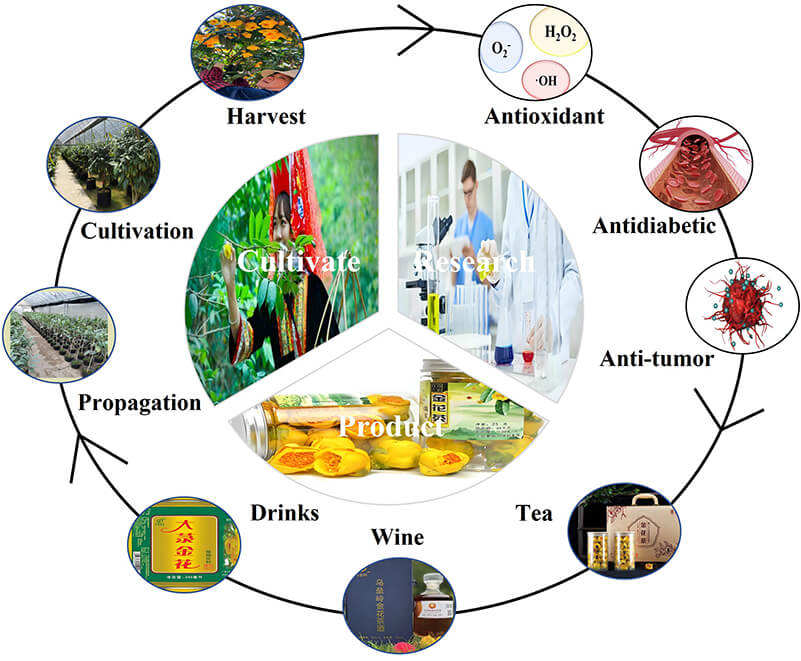 Fig. 2.
The main research focus of JHC including propagation and cultivation, activity research and product development.
Therefore, it is necessary to conduct this review to fully explore its chemical components and pharmacological effects and clarify the future research direction. In view of this, we take “Camellia petelotii”, “Camellia nitidissima” and “Yellow Camellia” as the key words. The chemical components and pharmacological activities of JHC are systematically screened in the Web of Science, PubMed, Elsevier, ScienceDirect, Google Scholar, Baidu Scholar, and China National Knowledge Infrastructure, CNKI, thus providing a reference for the further development and utilization of JHC.
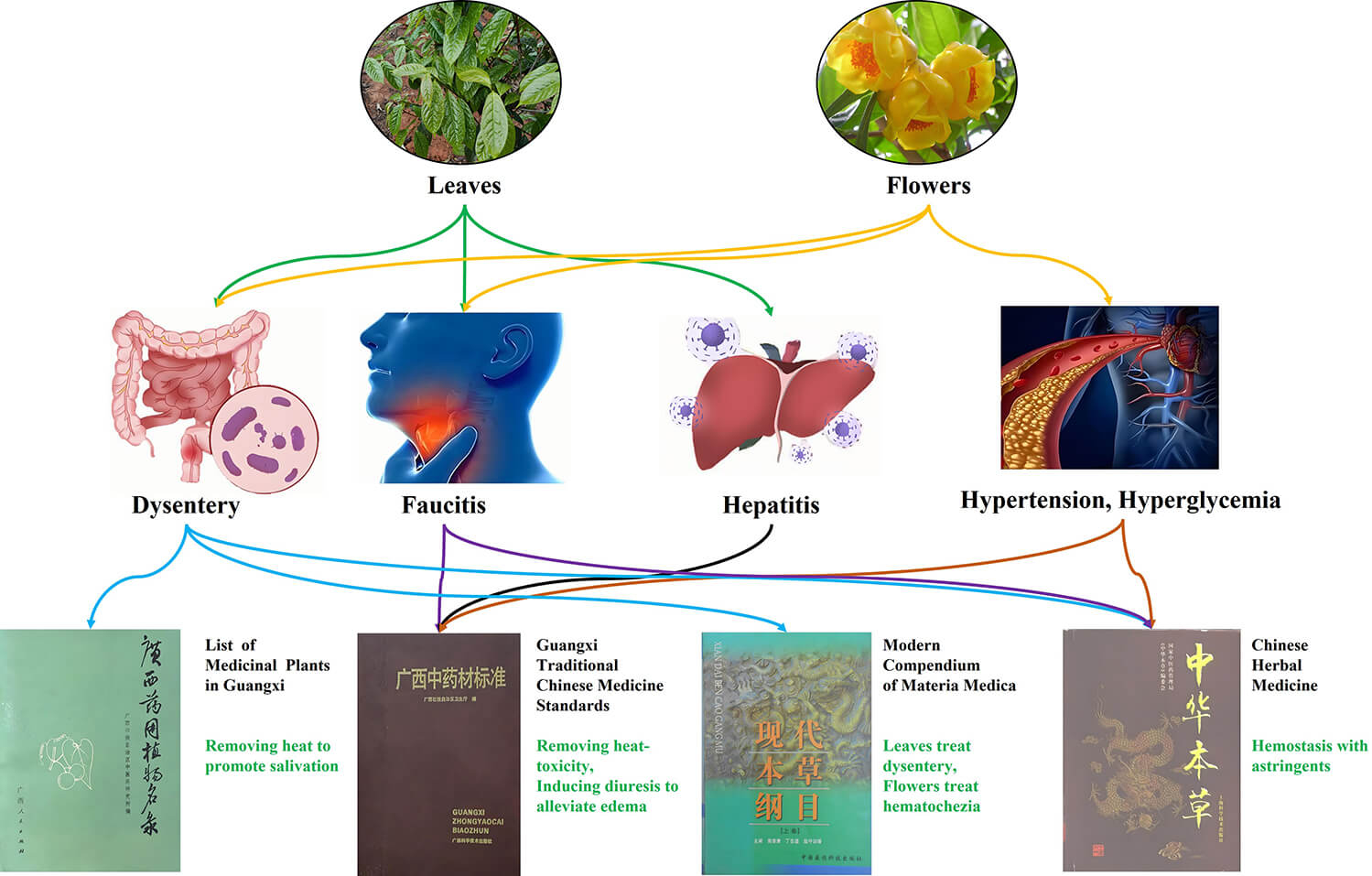
A review of the classical literature and historical records reveals that traditional applications of JHC primarily focus on the treatment of dysentery, faucitis, hepatitis, and cardiovascular diseases. According to the “Guangxi List of Medicinal Plants”, JHC leaves can reduce fever to promote salivation and are effective in the treatment of dysentery. As outlined in the “Guangxi Traditional Chinese Medicine Standards”, JHC has the capacity to remove heat and toxic material and can induce diuresis to reduce edema. It can be used for the treatment of pharyngitis, dysentery, nephritis, edema, urinary tract infections, icteric hepatitis, ascites associated with liver cirrhosis, hypertension, sores, ulcers, and for tumor prevention. The “Modern Compendium of Materia Medica” documented its efficacy in treating dysentery, with the flowers indicated for hematochezia and excessive menstrual bleeding. According to the “Chinese Materia Medica”, the JHC flower has astringent and hemostatic properties and is used primarily in the treatment of hematochezia and excessive menstruation. JHC leaves were known to clear heat, detoxify, and arrest dysentery, and were thus commonly used to treat dysentery, pharyngitis, and skin ulcers. Furthermore, JHC was widely utilized in clinical practice by ethnic minorities in Guangxi as a hepatoprotective agent (Fig. 3). Contemporary clinical data suggest that JHC hypoglycemic capsules could serve as an adjunct in the treatment of type 2 diabetes, with a reported overall efficacy of 93.33% [12]. Continuous consumption of JHC over a three-month period by patients with hypertension could reduce systolic blood pressure by 10–15 mmHg and diastolic blood pressure by 5–10 mmHg. The antihypertensive effects of JHC usually begin to manifest within 1–2 h after administration [13]. These traditional and modern therapeutic applications are closely linked to the rich array of chemical components found in JHC, particularly flavonoids, triterpenoids, and saponins, which constitute the biochemical foundation of its pharmacological effects. The aim of this review is to summarize the chemical composition and pharmacological activities of JHC, thereby providing a scientific basis for understanding its traditional medicinal uses.
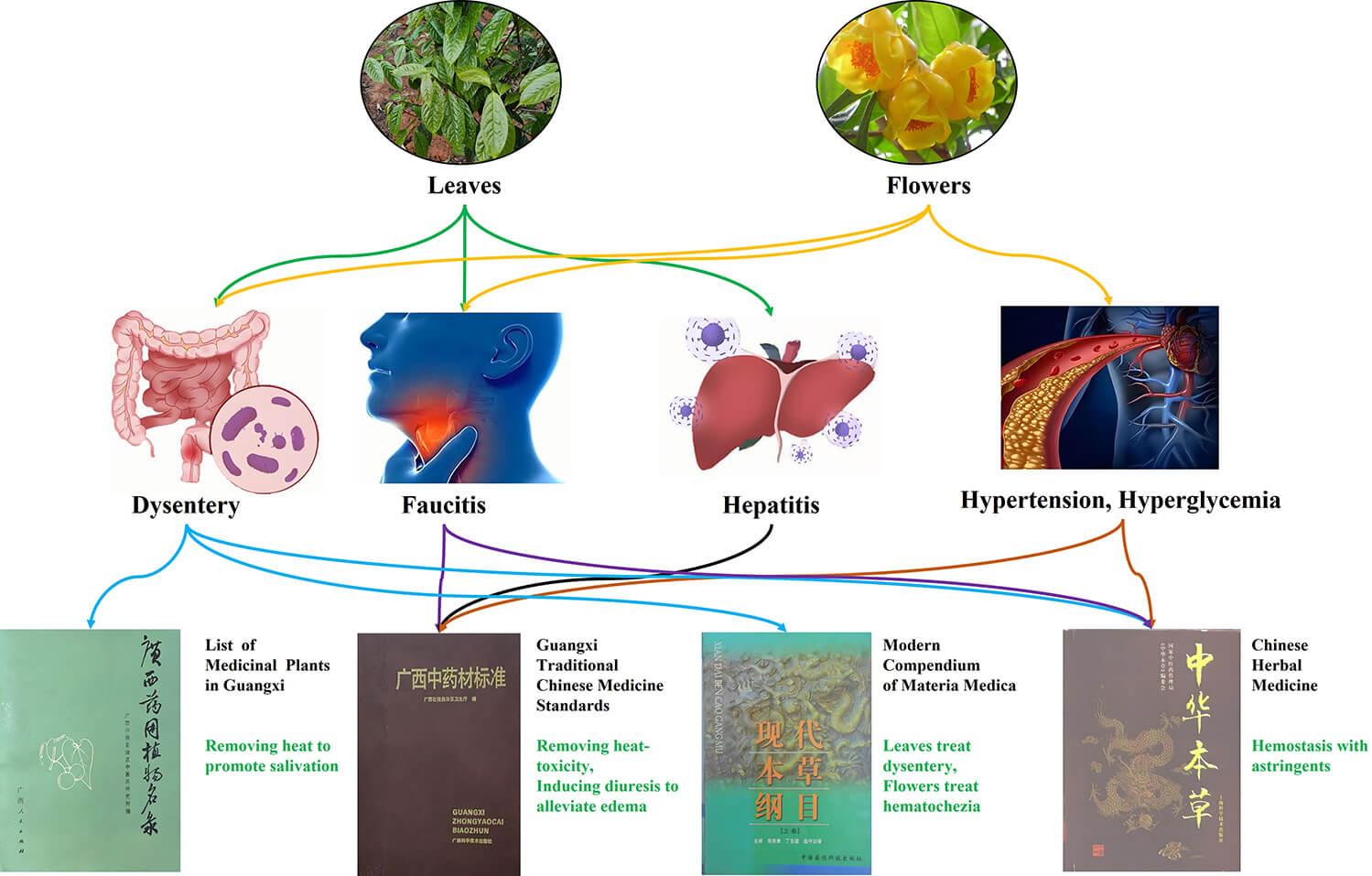 Fig. 3.
The uses of JHC recorded in traditional Chinese materia medica throughout history. It is mainly used for the treatment of dysentery, faucitis, hepatitis, and cardiovascular diseases.
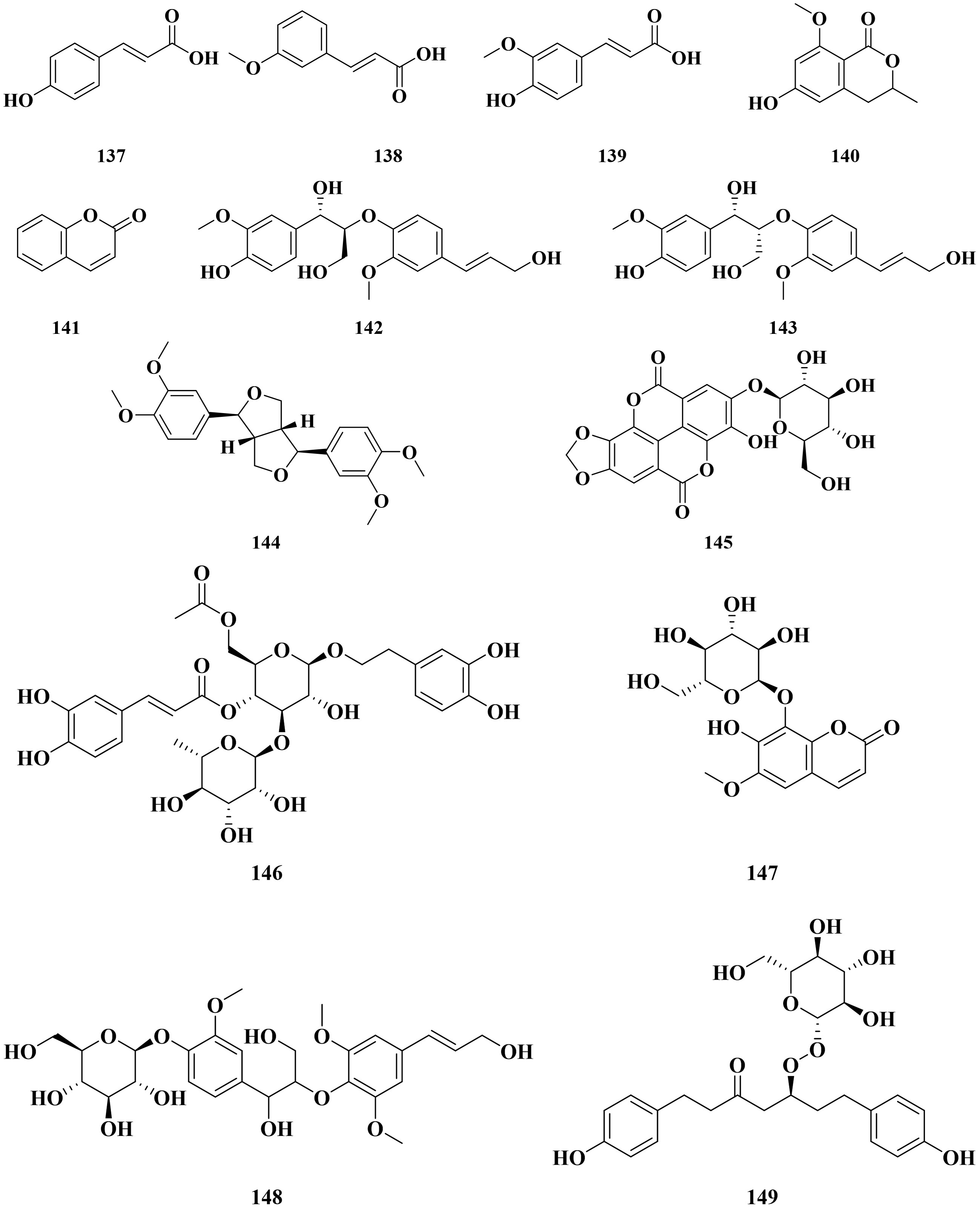
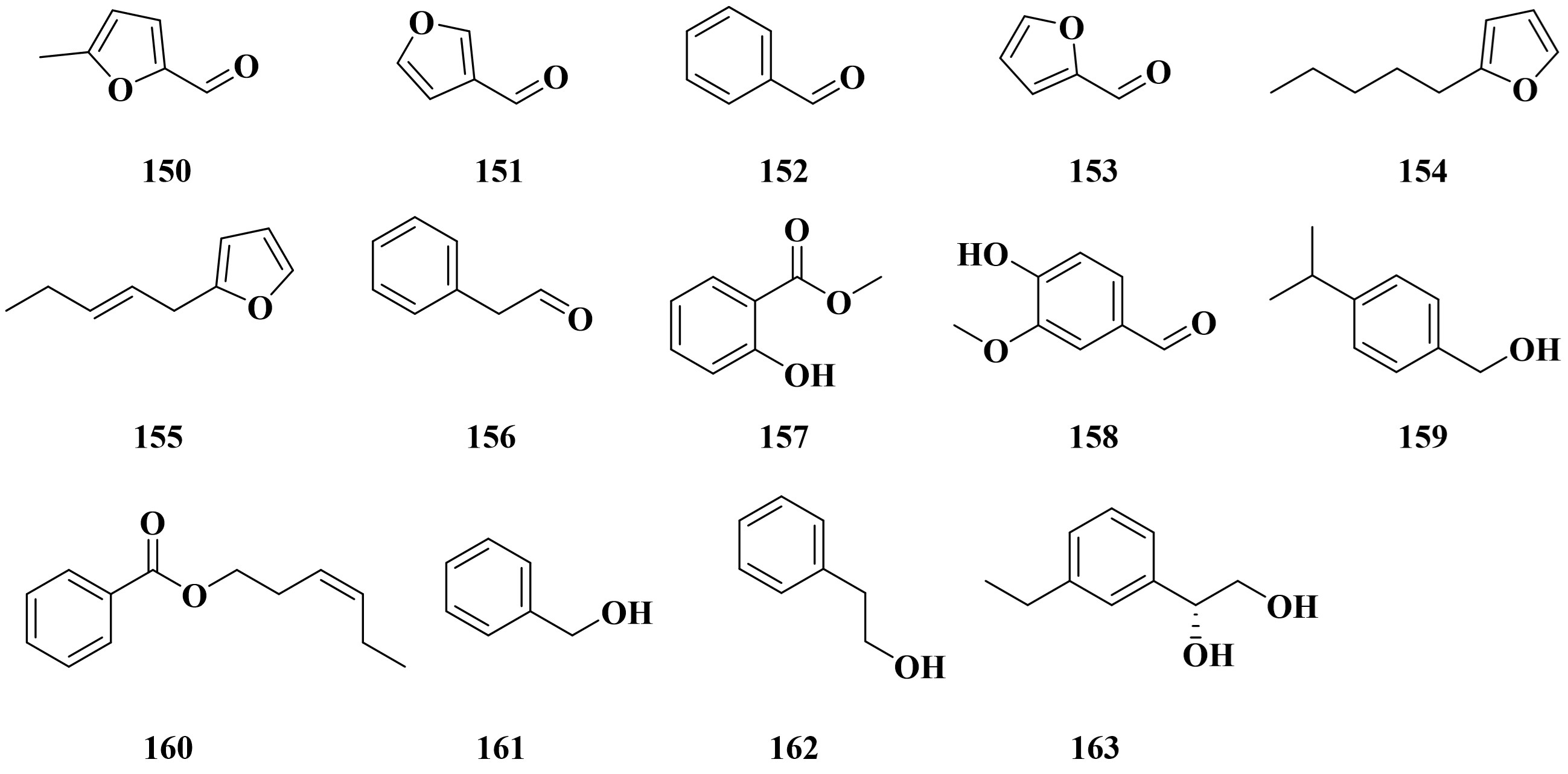
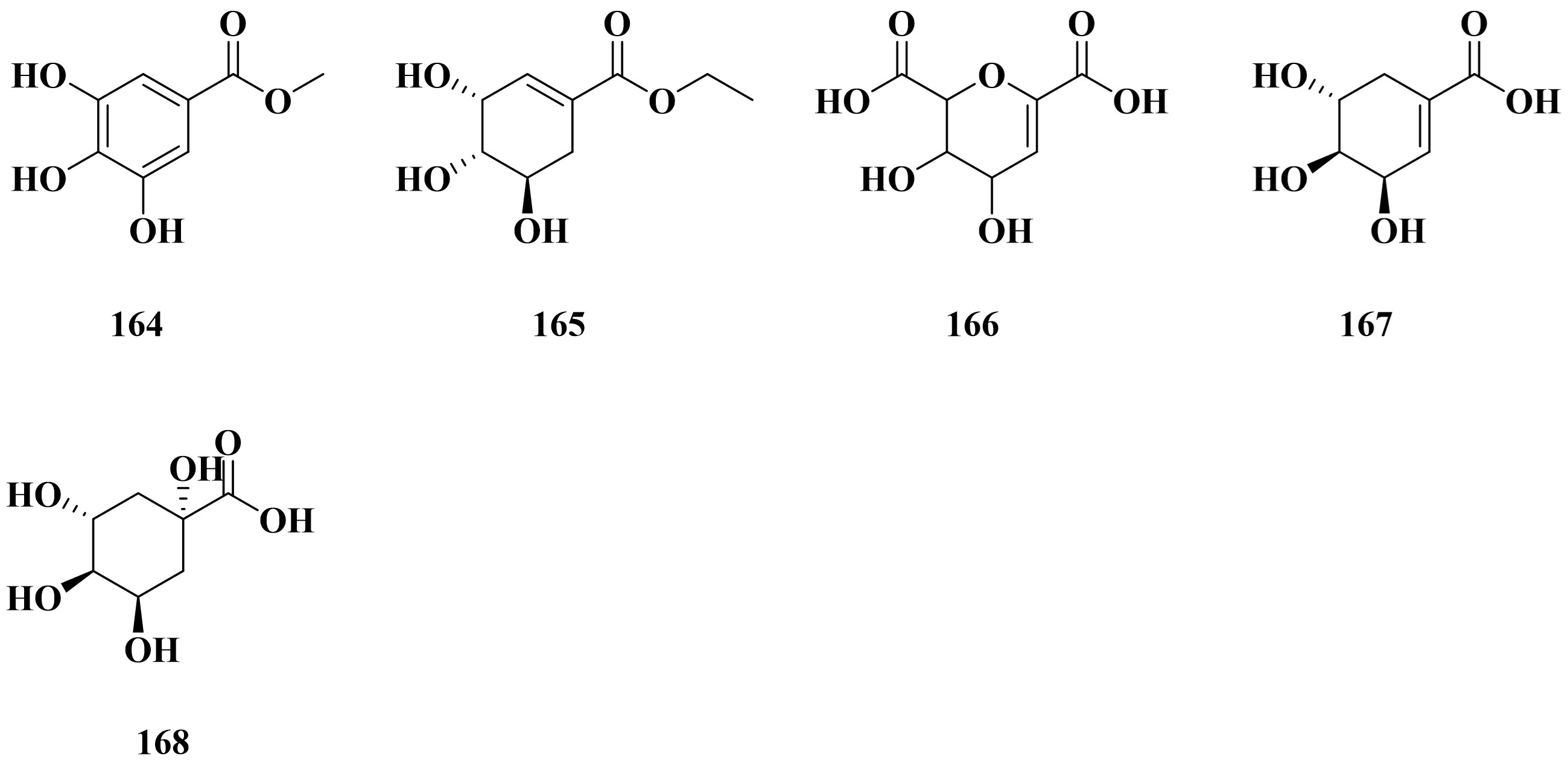
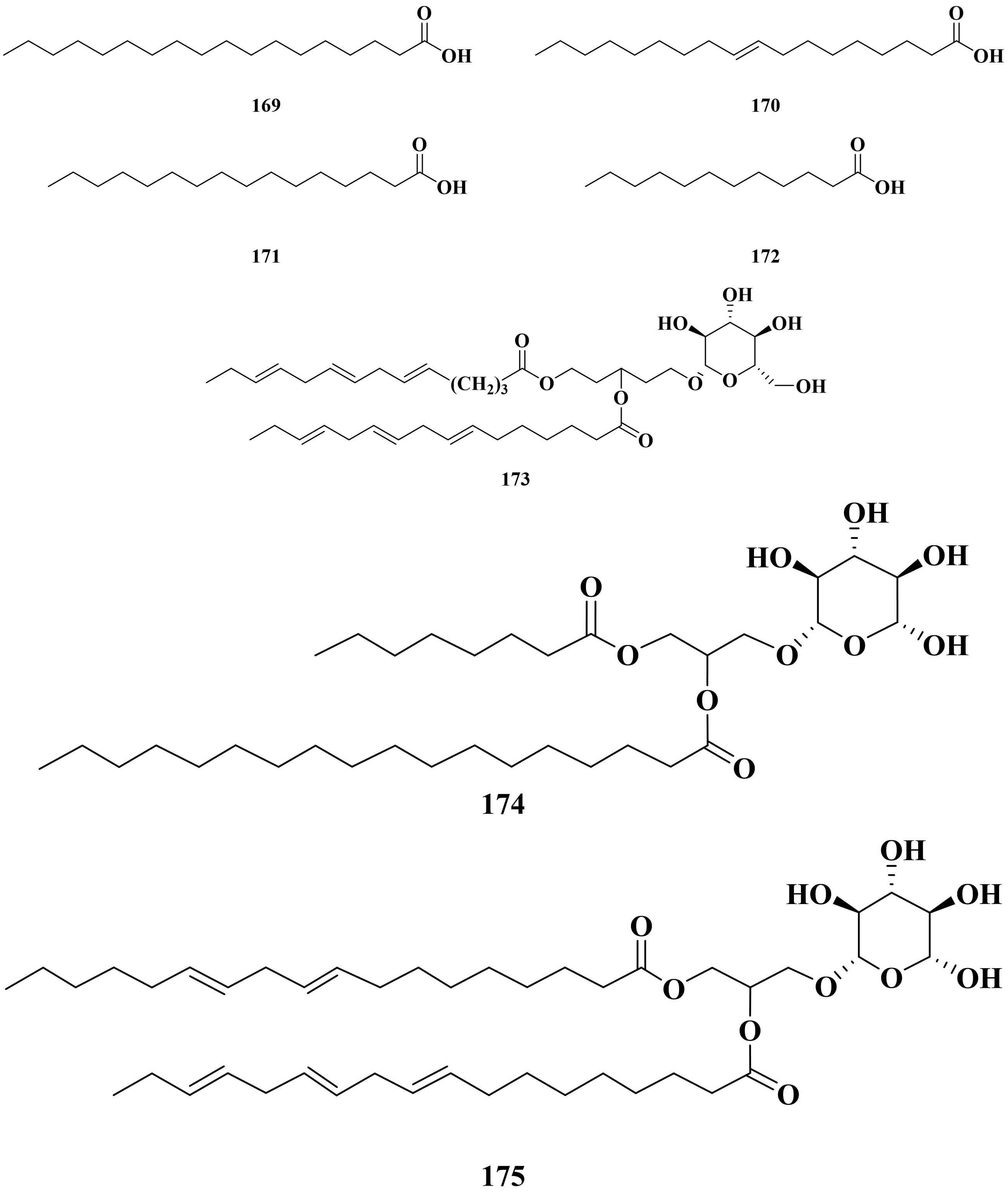
JHC has attracted much attention for its unique phytochemical resources. This review systematically summarizes the compounds isolated and identified from the flowers and leaves of JHC. Table 1 presents the categories, proportions, representative compounds and their possible biological activities of the components currently isolated and identified from JHC. Including Flavonoids (1–60), Terpenoids (61–131), Steroids (132–136), Phenylpropanoids (137–149), Essential oil (150–163), Organic acid (164–168) and Others (169–177). The Supplementary Table 1 was details of the component.
| Categories | Proportion | Representative Compounds | Effects |
| Flavonoids | 34% | Quercetin1 | Reduces blood pressure, enhances capillary resistance, decreases capillary fragility, lowers blood lipid levels, dilates coronary arteries, and increases coronary blood flow |
| Luteolin4 | Anti-inflammatory, anti-allergic, uric acid-lowering, anti-tumor, antibacterial and antiviral | ||
| Epigallocatechin gallate13 | Antioxidant, antibacterial, antiviral, antiparasitic and enhancing the immune capacity of the body | ||
| Rutin20 | Anti-inflammatory, antioxidant and antiviral | ||
| Terpenoids | 40% | Ginsenoside Rg1110 | Promote neurogenesis, enhance learning and memory abilities, combat fatigue and regulate immunity |
| Campetelosides A116 | Neuroprotective and anti-inflammatory | ||
| Betulin130 | Anti-inflammatory and anti-tumor | ||
| Steroids | 3% | Lower cholesterol, fight tumors and repair tissues | |
| Phenylpropanoids | 7% | Ferulic acid139 | Antibacterial, antiviral and antioxidant |
| Essential oil | 8% | Vanillin158 | Antibacterial |
| Organic acid | 3% | Shikimic acid167 | Anti-inflammatory, antiviral and antioxidant |
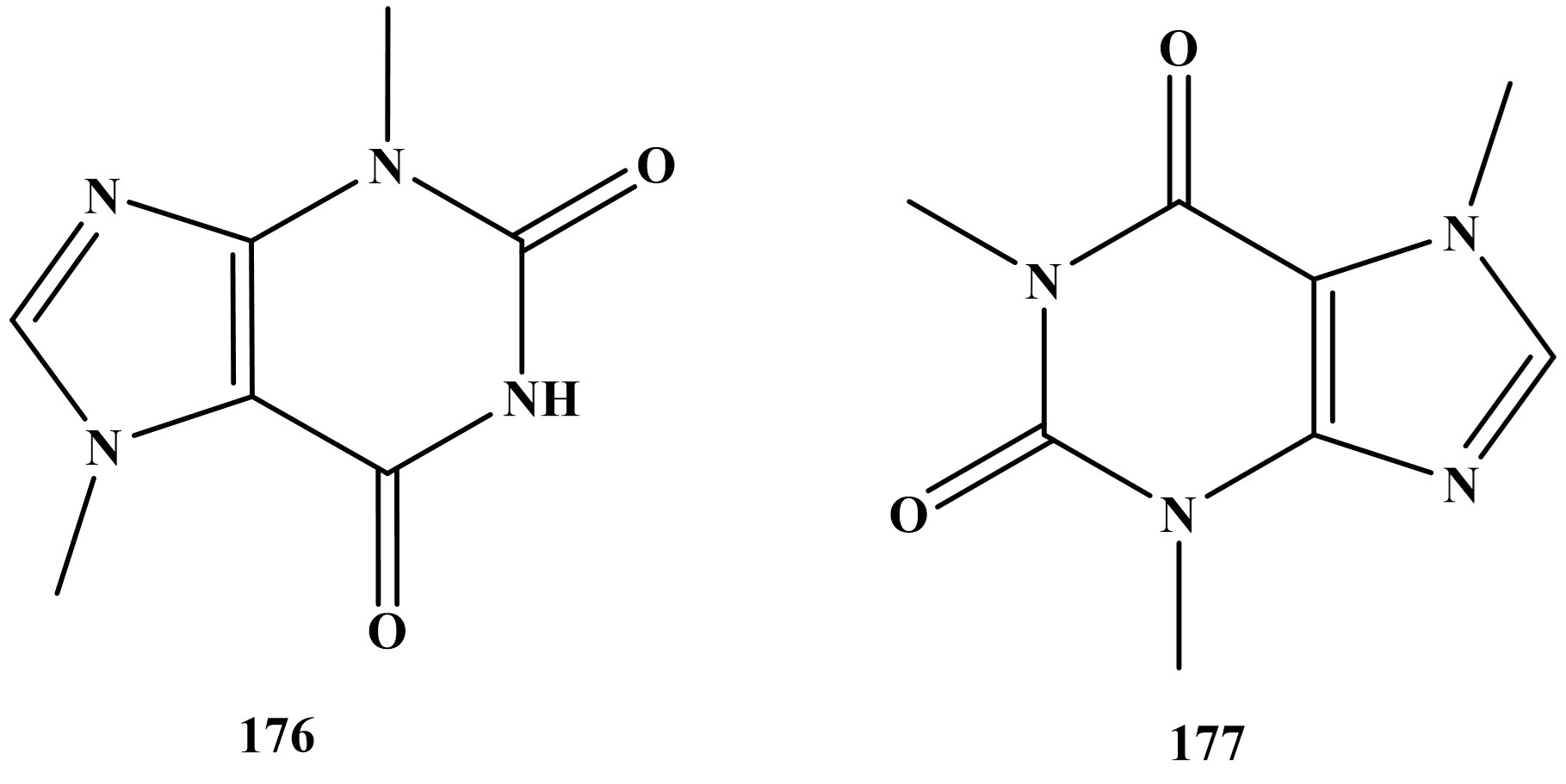
| Others | 5% | Theobromine176 | Stimulating effect on the cardiovascular system |
The superscript numbers correspond to the compound numbers mentioned later in the text.
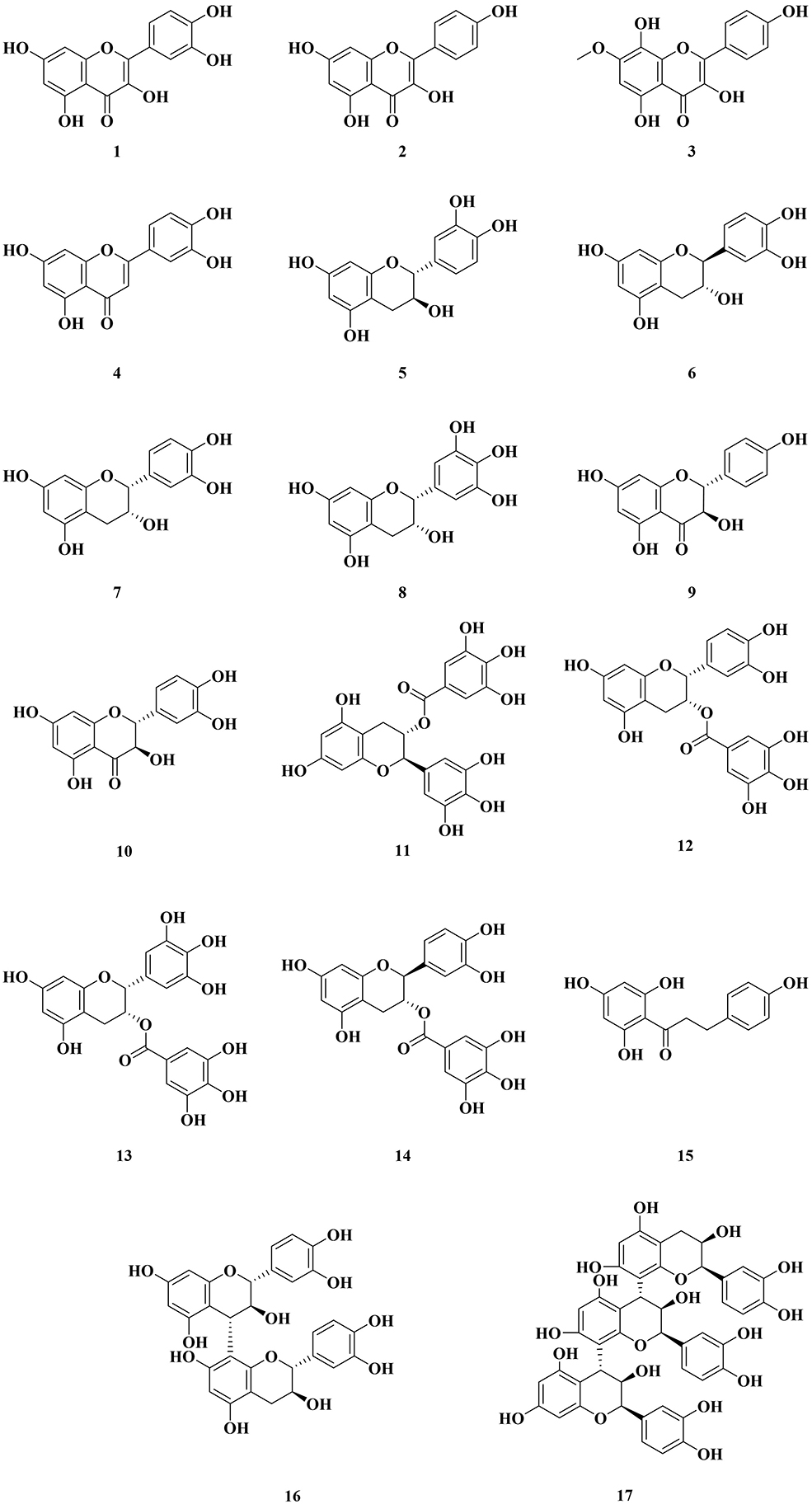
Flavonoids are characteristic secondary metabolites in JHC and show significant
structural diversity in chemical taxonomy and biological activity. The flavonoids
identified to date mainly include Flavonols (1–3), Flavanols
(5–8), Biflavonoids (16), and their derivatives (Fig. 4). The
highest content is catechin (39.31%) and quercetin (38.20%) [14]. From the
perspective of structural characteristics, this type of component typically has
the following substitution patterns: hydroxyl substitution at the C-5 position of
the parent nucleus A ring (1–10), with the B ring mainly characterized
by a single hydroxyl substitution (19, 23–28). In terms of
glycosylation modification, the flavonoids in JHC mostly exist in the form of
glycosides (18–60) (Fig. 5), with their glycosylation connection sites
showing obvious regularity. The C-3 hydroxyl group often forms
For instance, the antioxidant activity of Quercetin (1) is primarily
attributed to the
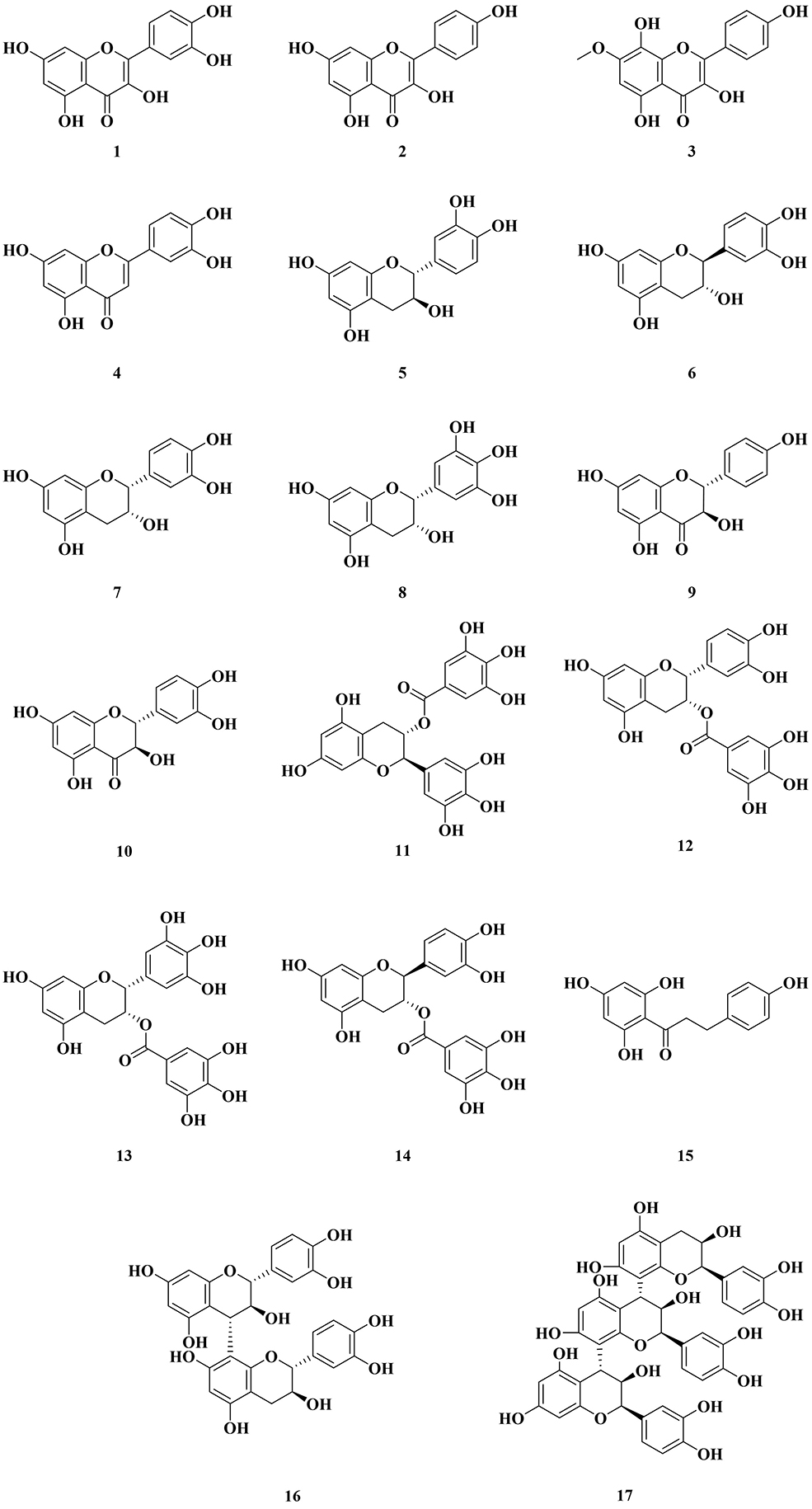 Fig. 4.
Flavones compounds in JHC.
 Fig. 5.
Flavone glycosides in JHC.
The above-mentioned structural specificity establishes chemical classification markers for JHC, e.g., the combined characteristics of C-5 hydroxyl-substituted flavonols and B-ring monohydroxylation mode. More importantly, it also provides a clear molecular framework for the targeted structural modification of flavonoid components. Based on existing structure-activity relationships, the lipophilicity and bioavailability of JHC can be regulated through strategies such as directed glycosylation/acylation and selective hydroxyl protection, while its antioxidant efficacy can be enhanced through the design of metal chelating sites. This lays a solid chemical foundation for the development of new flavonoid functional molecules.
The structural diversity and chemical characteristics of terpenoids in JHC have become an important direction in phytochemical research. From the perspective of biosynthesis, the molecular skeletons of terpenoids all originate from the directional polymerization and c-ring modification of isoprene units. Moreover, their structural complexity increases significantly as the degree of polymerization increases.
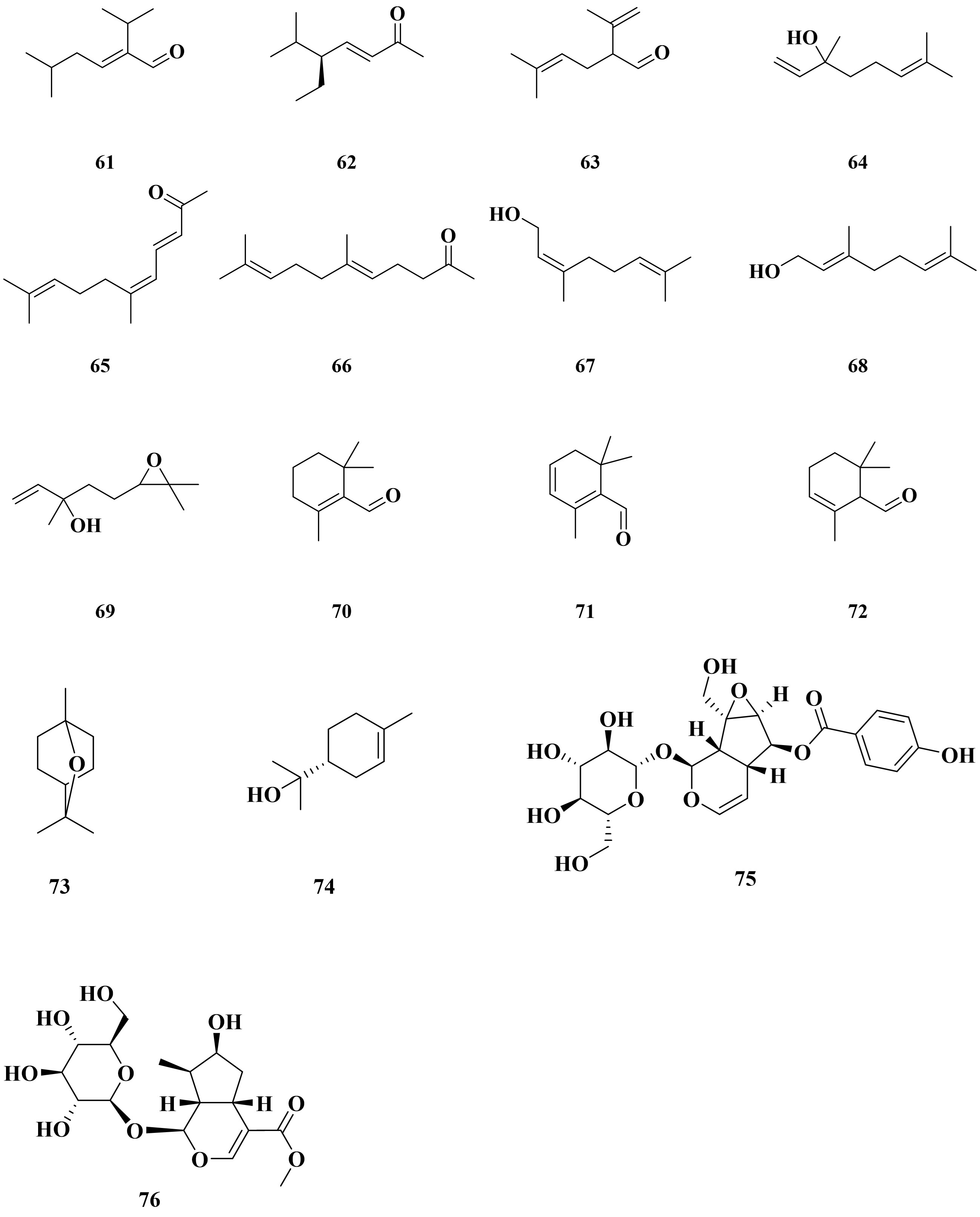
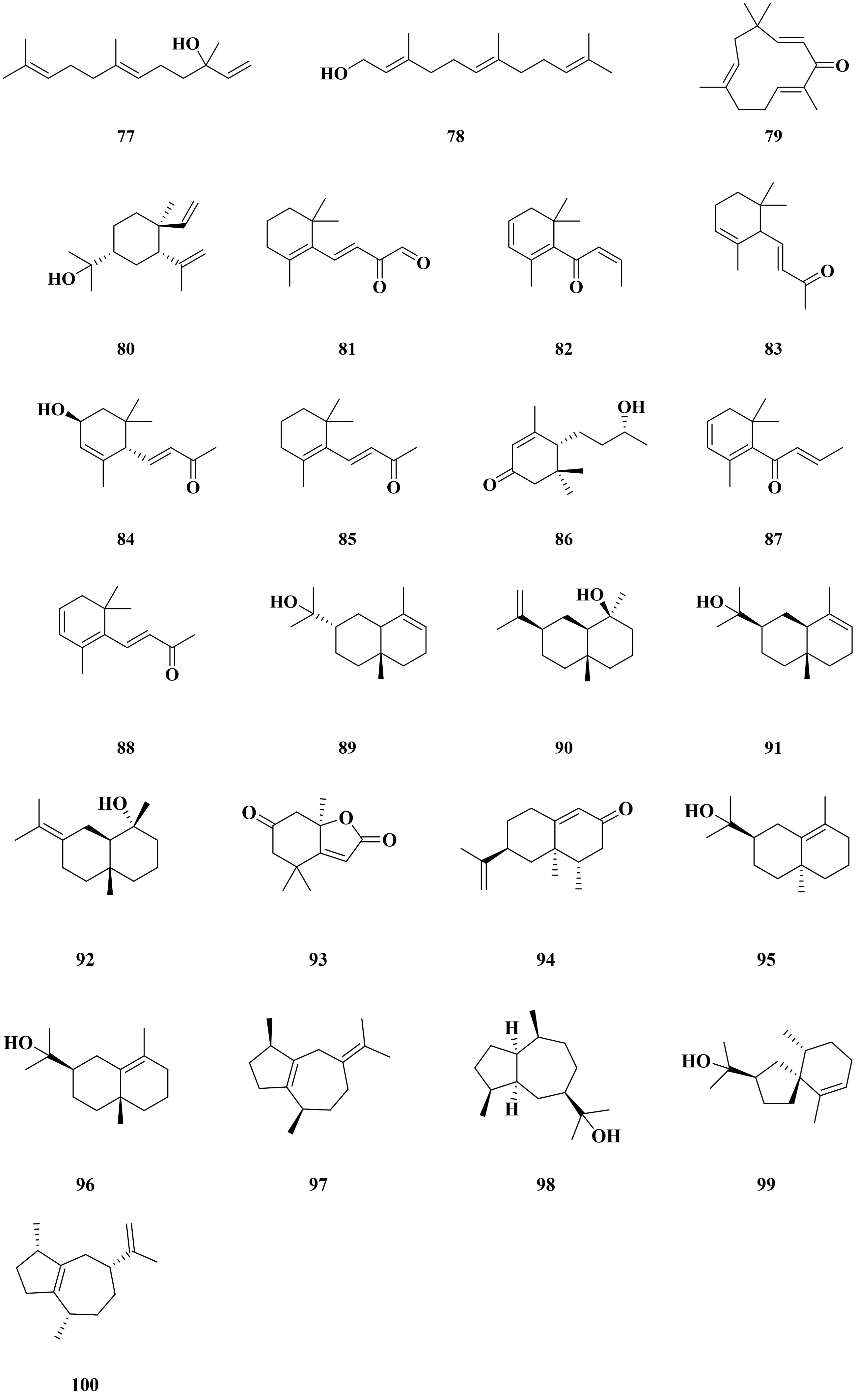
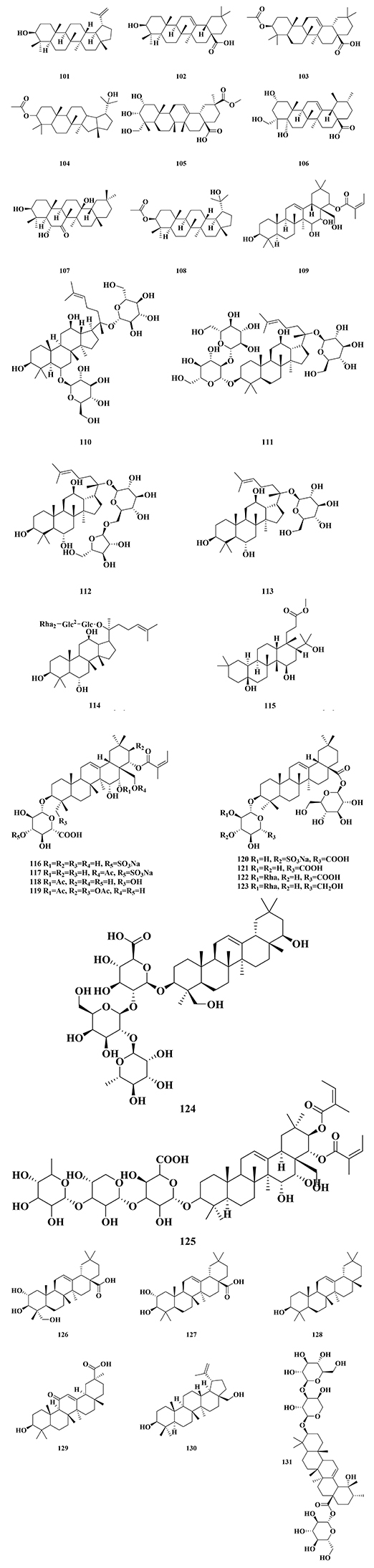
Monoterpenoids are based on the head-tail connection of two isoprene units and form various types of skeletons through different cyclization mechanisms. These include acyclic monoterpenoids (61–68), which have characteristic terminal allyl alcohol groups within their molecules, as well as monocyclic and iridoid glycosides (69–76) (Fig. 6). The structural characteristics of sesquiterpenes are reflected in their unique ring system combinations and oxidation modification sites. Their skeletal structure includes chain-like and single-ring sesquiterpenoids (77–88), and bicyclic sesquiterpenes (89–100) (Fig. 7). The sesquiterpene components undergo oxidation at C4, C7, or C11 positions to form polar groups such as hydroxyl, ketone, or epoxide groups, highlighting their structural diversity. Triterpenoids are characteristic secondary metabolites of higher plants and exhibit a significant structural evolution from linear to highly cyclized. They are typically represented by the oleane-type pentacyclic system (102–103), with the carboxyl group at the C17 position often forming an ester bond with a sugar group to constitute a saponin (116–123) (Fig. 8). The diverse structures of terpenoids in JHC not only reveal the biosynthesis rules of its secondary metabolites, but also provide a theoretical basis at the molecular level for further in-depth development of its medicinal value.
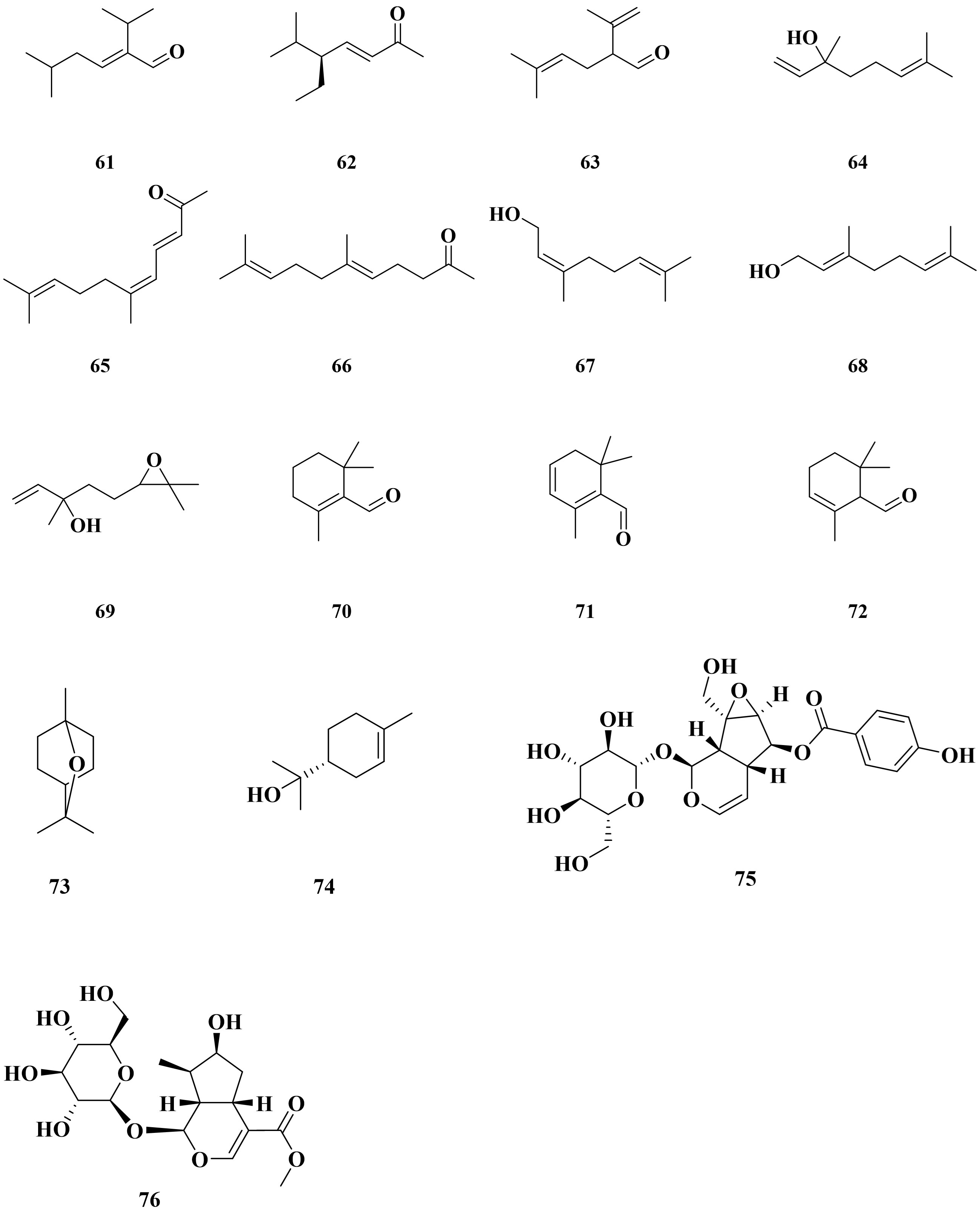 Fig. 6.
Monoterpenoids in JHC.
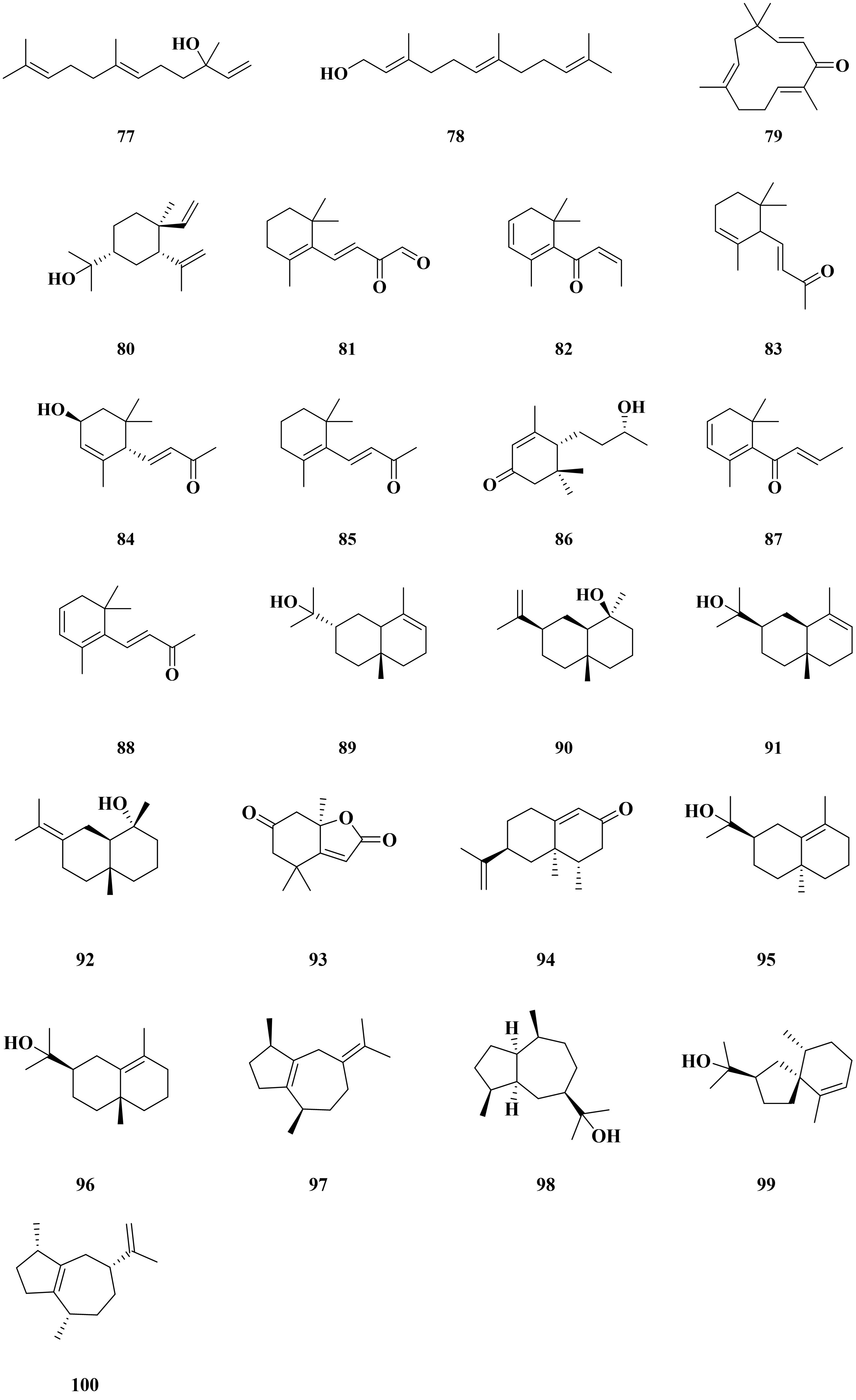 Fig. 7.
Sesquiterpenes in JHC.
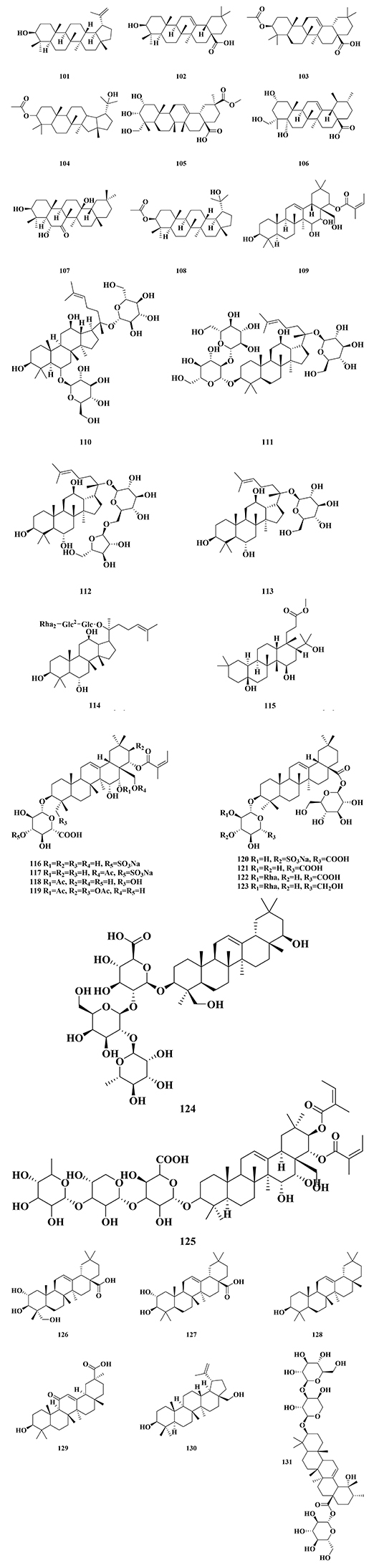 Fig. 8.
Triterpenoids in JHC.
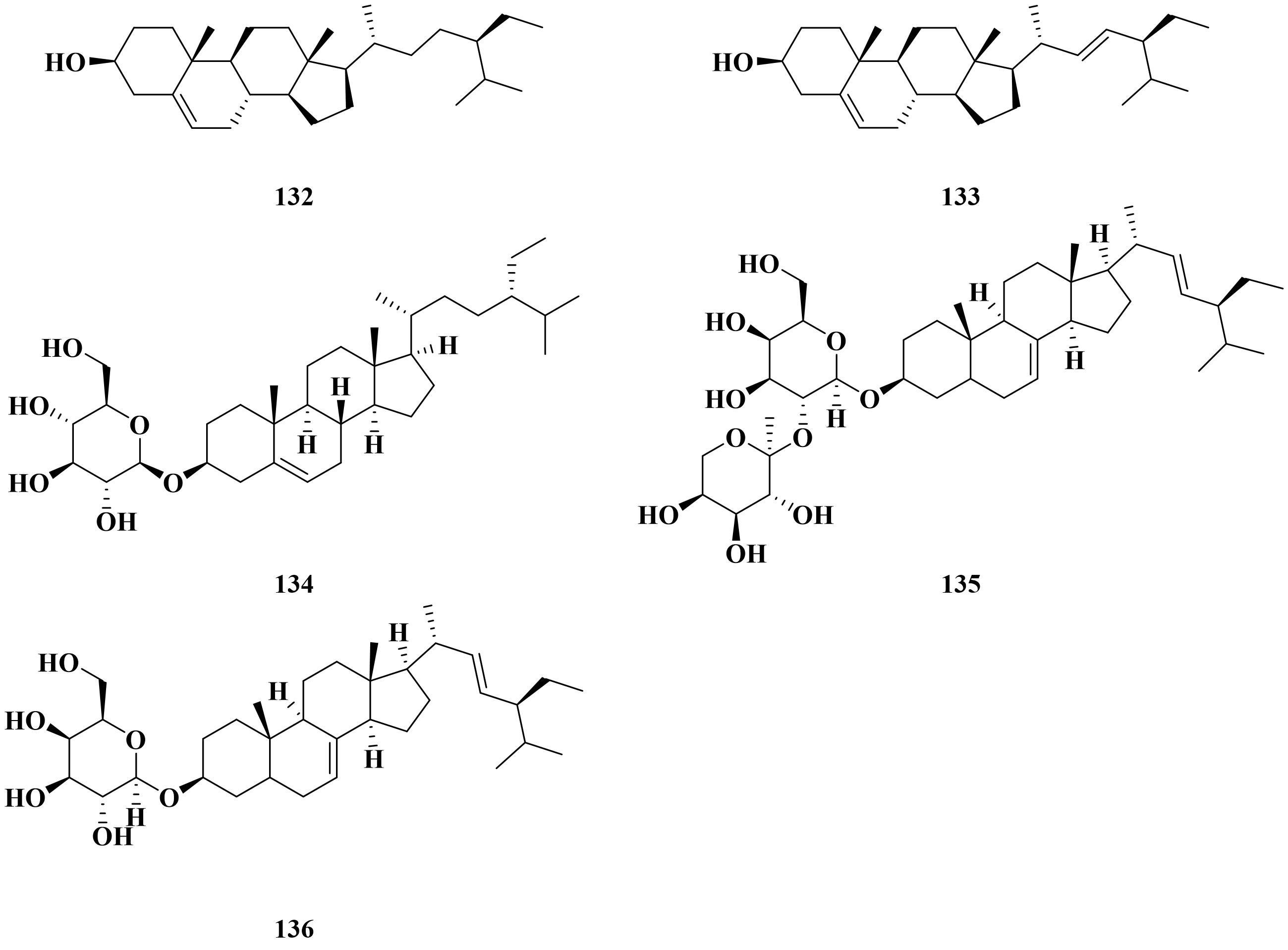
The aglycone types of steroidal saponins are based on cholestane and stigmastane as the basic framework (132–133). The hydroxyl group at the C-3 position is combined with the sugar chain through glycosidic bonds. The length of the sugar chain ranges from monosaccharides to disaccharides (134–136) (Fig. 9). The structural diversity provides a key molecular basis for the classification of chemical components and the evolution of secondary metabolic pathways in JHC.
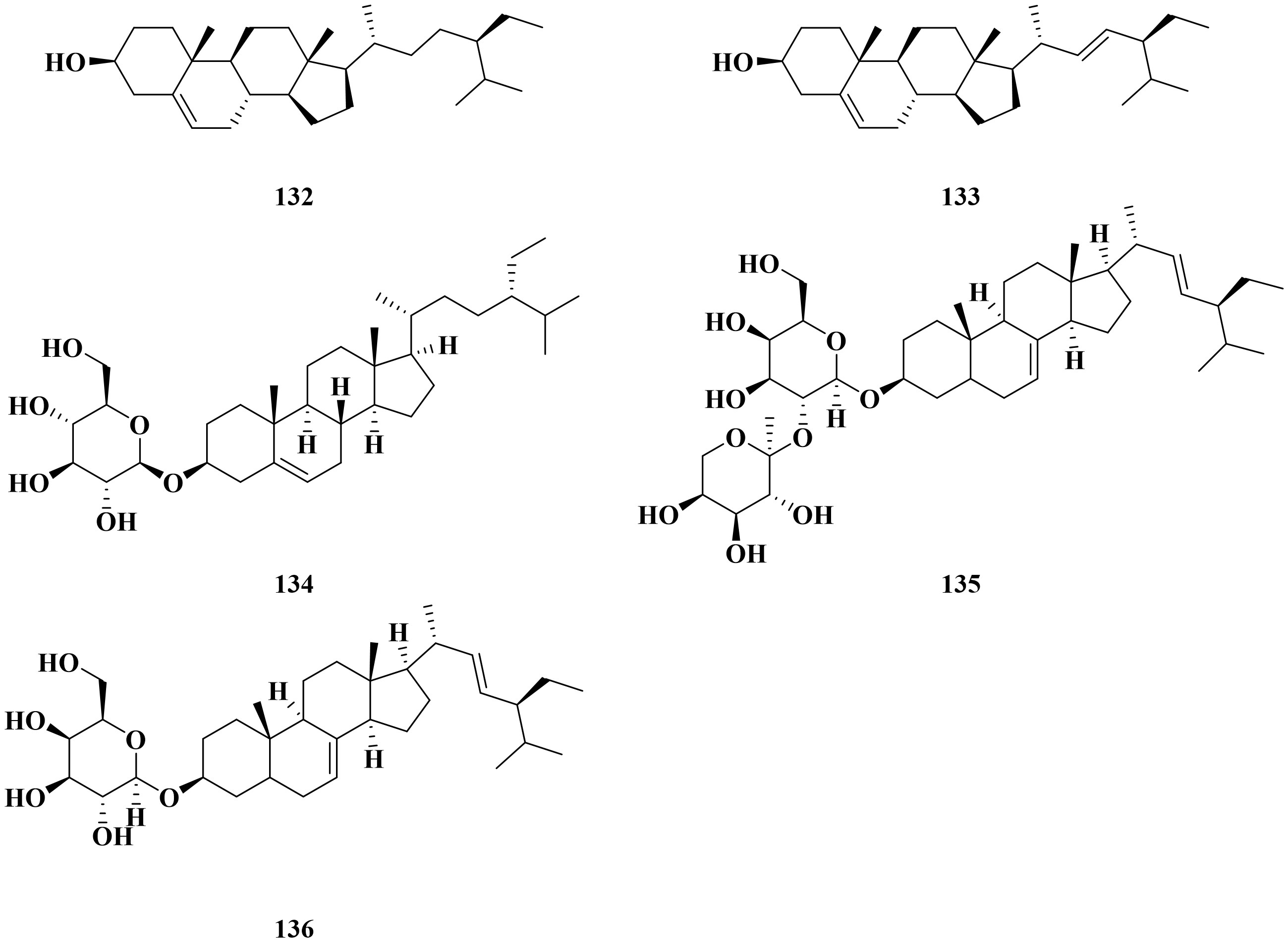 Fig. 9.
Steroids in JHC.
The phenylpropyl compounds in JHC include three major structural types:
phenylpropionic acid, coumarin, and lignan. Their molecular characteristics show
systematic chemical diversity. The phenylpropionic acid class is based on the
C6-C3 type phenylpropane skeleton, and its core compounds include cinnamic acid
and its ester derivatives (137–139). Coumarins have the benzo
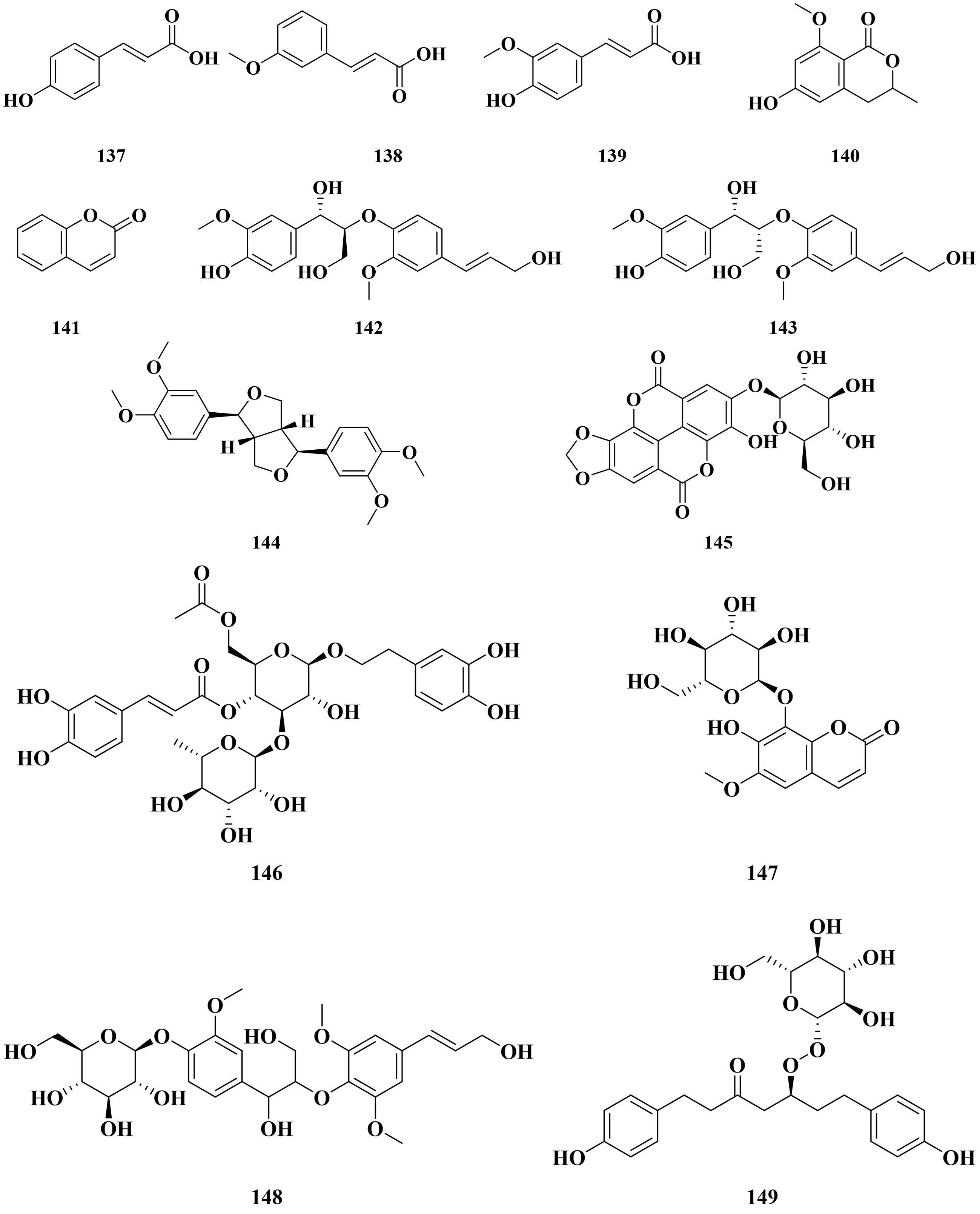 Fig. 10.
Phenylpropanoids in JHC.
Other compounds have also been found in JHC, including essential oils (150–163) (Fig. 11), organic acid (164–168) (Fig. 12), long-chain fatty acids and their glycosides (169–177) (Figs. 13,14), as well as alkaloids.
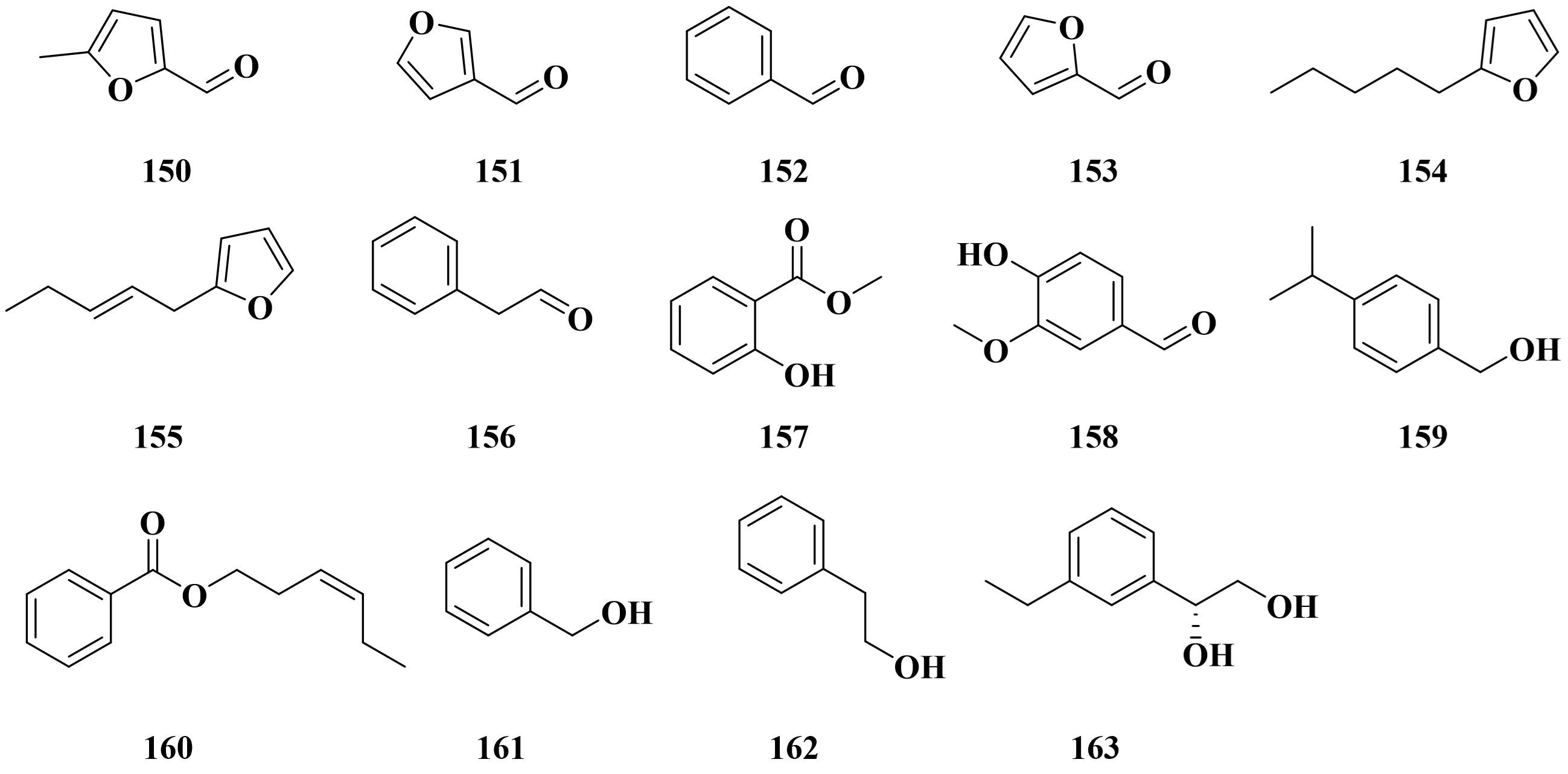 Fig. 11.
Essential oils in JHC.
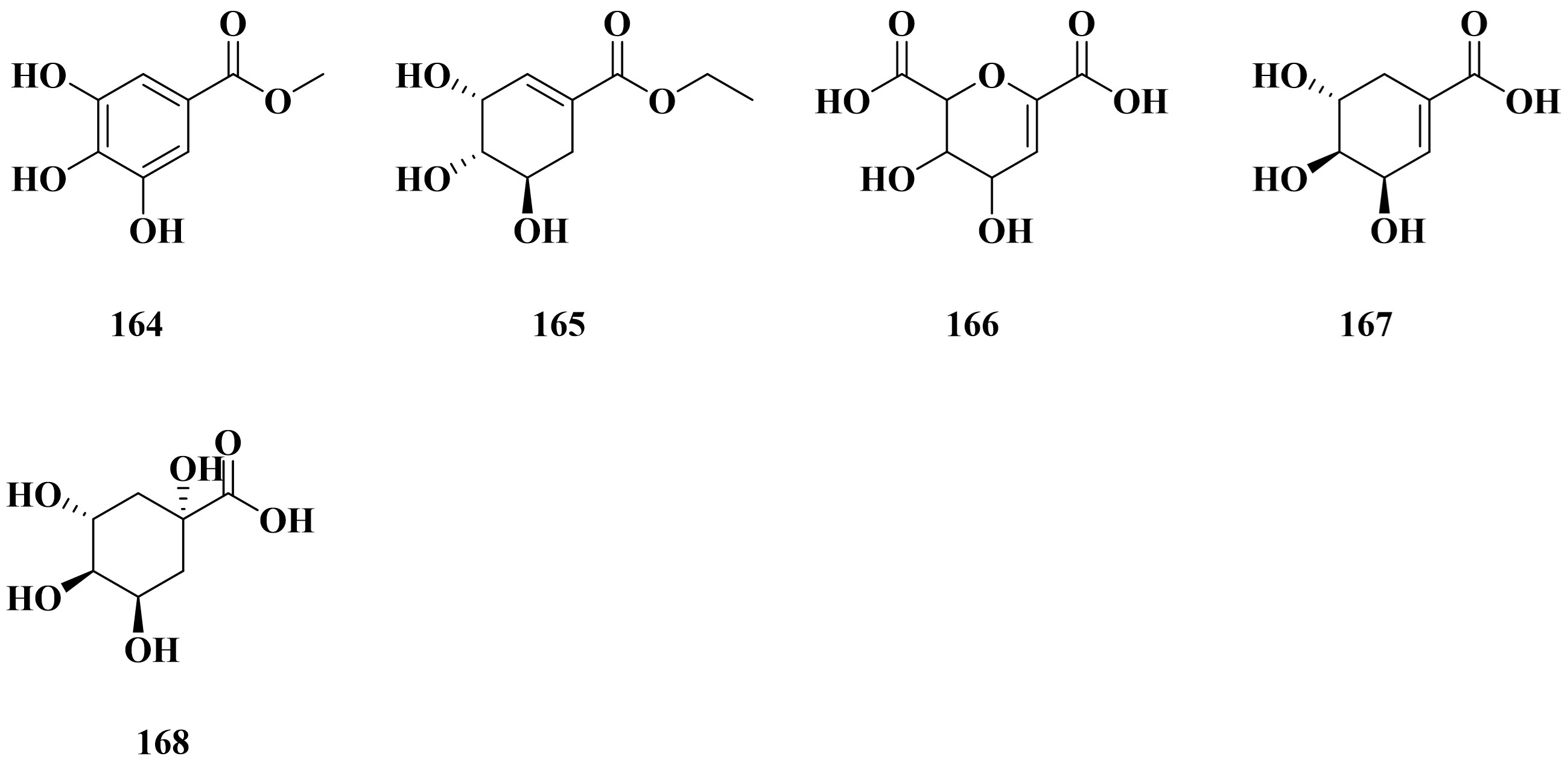 Fig. 12.
Organic acid in JHC.
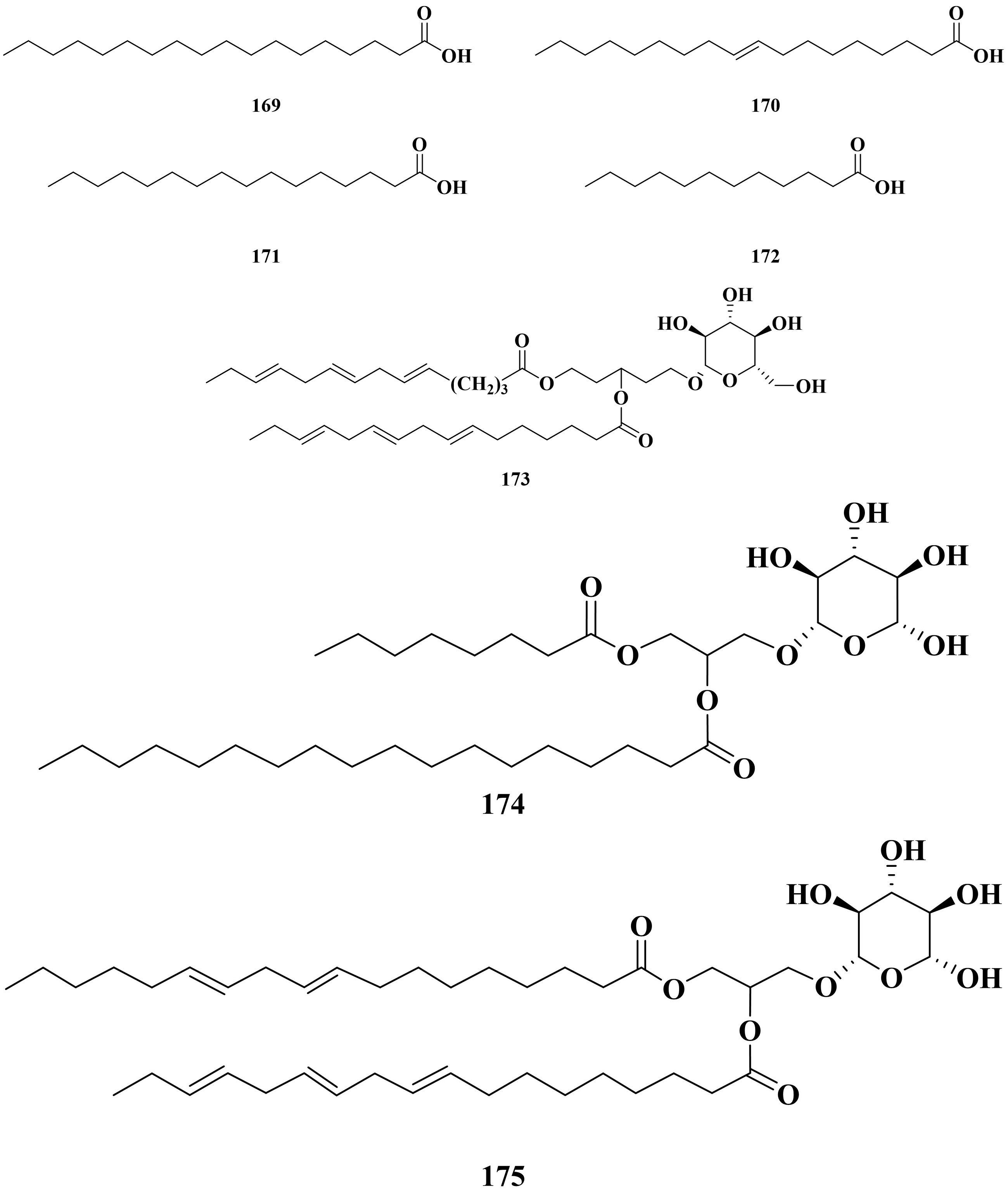 Fig. 13.
Long-chain fatty acids in JHC.
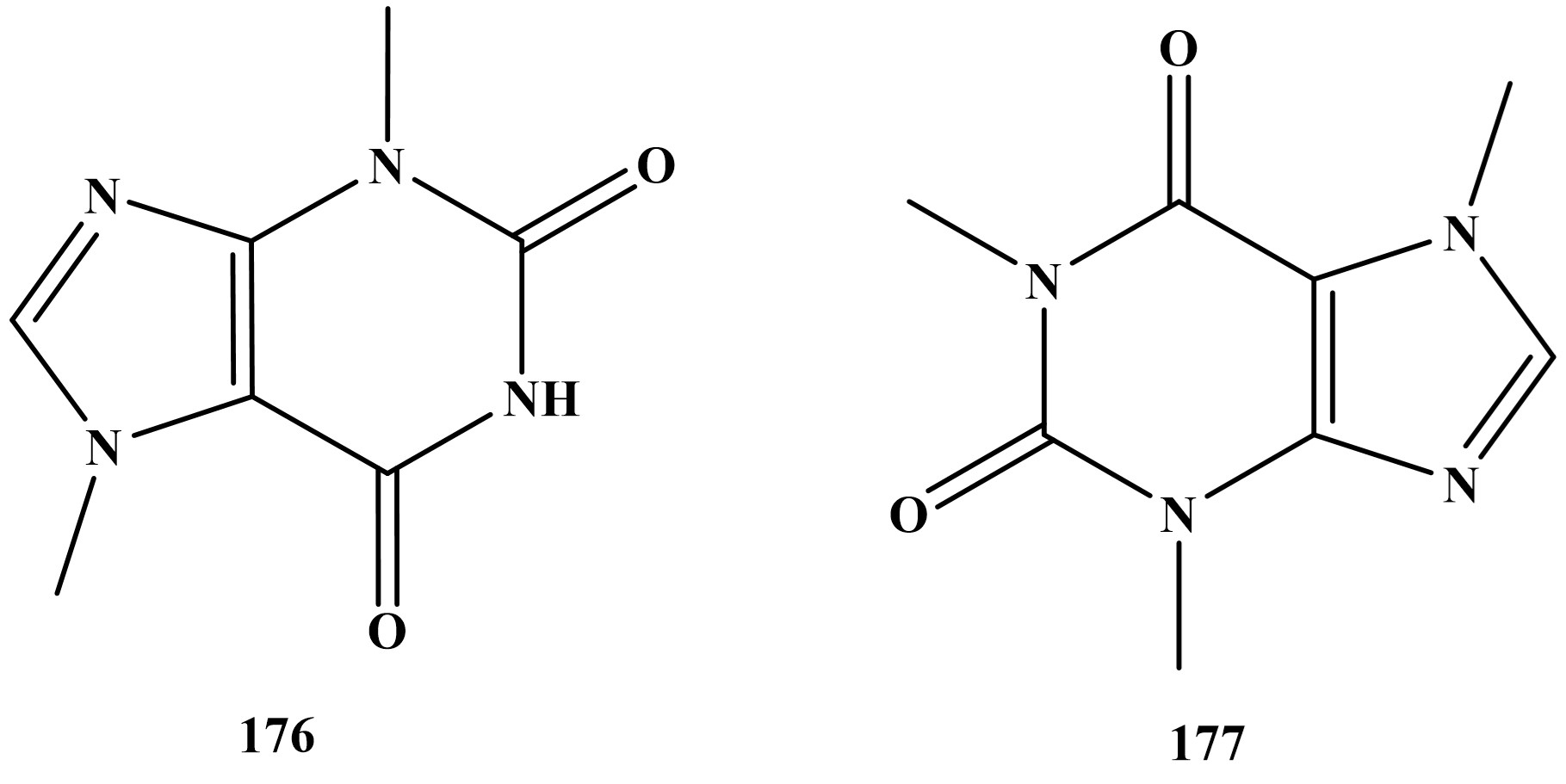 Fig. 14.
Alkaloids in JHC.
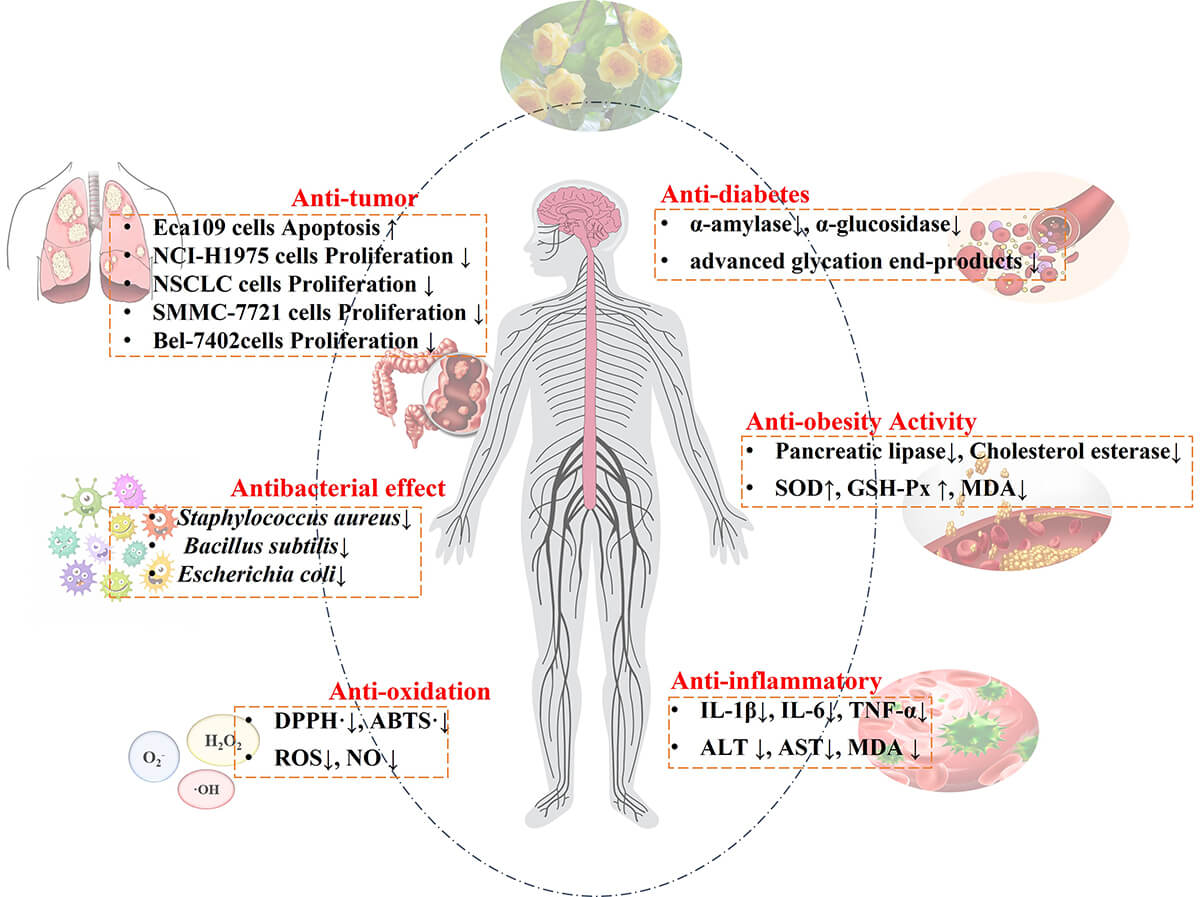
Several recent studies have reported a variety of definite biological activities for JHC. These included enzyme activity assays, in vitro cell experiments, animal models, and some preliminary clinical data. They confirmed the extensive pharmacological effects exhibited by the chemical components, mainly flavonoids, terpenoids, and saponins. Specifically, the core biological activities of JHC include lipid reduction and hypoglycemic, anti-inflammatory, anti-tumor, and anti-oxidant effects (Fig. 15). These findings indicate that JHC has multiple health benefits and holds significant potential for disease prevention and treatment.
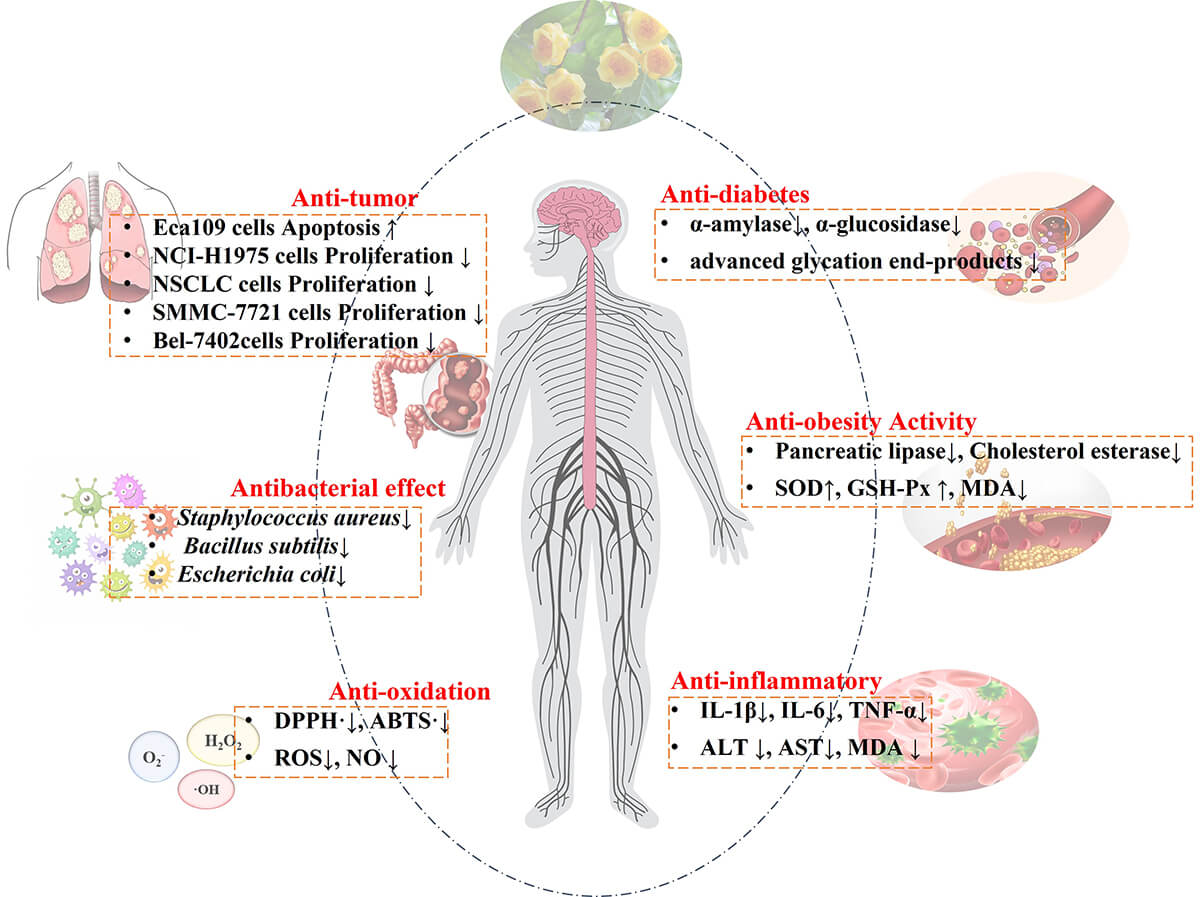 Fig. 15.
The functions and index changes of JHC in the human body. It mainly works in the lungs, gastrointestinal tract and blood vessels.
Multiple studies have confirmed that JHC exerts inhibitory effects on various human cancers such as lymphoma, esophageal squamous cell carcinoma, gastric cancer, lung cancer, colon cancer, and liver cancer. This function is related to various components in JHC, such as flavonoids, terpenoids, polyphenols, saponins, and polysaccharides (Table 2, Ref. [16, 17, 18, 19, 20, 21, 22, 23, 24, 25, 26, 27, 28, 29, 30, 31, 32, 33, 34, 35, 36, 37, 38, 39, 40, 41, 42, 43, 44, 45]).
| Active ingredient | Pharmacological effects | Mechanism of action | Research model | References |
| Quercetin-7-O-(6′′-O-E-caffeoyl)- |
Anti-Lymphoma | Enhances caspase-3 activity in human lymphoma U937 cells and induces apoptosis | Cell model (human lymphoma cell U937) | [16] |
| Camellia nitidissima Flower Water Extract | Anti-esophageal squamous cell carcinoma | Arrests Eca109 cells at G0/G1 phase and induces apoptosis | Cell model (human esophageal squamous cell carcinoma cell Eca109) | [17] |
| Camellia nitidissima Leaf n-Butanol Extract | Anti-Gastric Cancer | Induces cell autophagy and apoptosis; regulates the PI3K/Akt/mTOR signaling pathway; enhances the sensitivity of gastric cancer cells to paclitaxel | Cell model (human gastric cancer cells BGC-823, SGC-7901) | [18] |
| A1-barrieron-22a-angelate | Anti-EGFR-Mutant Lung Cancer | Induces apoptosis and inhibits cell proliferation | Cell model (National Cancer Institute-H1975 human lung adenocarcinoma cell line (NCI-H1975)) | [19] |
| Polyphenols, Saponins | Anti-Non-Small Cell Lung Cancer (NSCLC) | Inhibits cytokines such as TGFB2 and INHBB, downregulates key genes such as PIK3R3 and ITGB8, downregulates NTRK and CACNA1D, and inhibits tumor proliferation and metastasis | Cell model (EGFR-mutant non-small cell lung cancer (NSCLC) cell lines NCI-H1975, HCC827 and EGFR wild-type NSCLC cell line A549), nude mouse subcutaneous xenograft model | [20] |
| Camellia nitidissima Leaf Water Extract/Ethanol Extract | Anti-Lung Cancer | Arrests the cell cycle at G0/G1 and S phases; increases intracellular ROS levels; upregulates the expression of pro-apoptotic proteins Bax and Caspase-3; regulates the expression of core proteins EGFR, SRC, and AKT | Cell model (lung cancer cells A549 (human lung adenocarcinoma) and SK-MES-1 (human lung squamous cell carcinoma)) | [21] |
| Camellia nitidissima Leaf n-Butanol Extract/Water Extract | Anti-Colitis-Associated Colorectal Cancer | Enhances the activity of serum antioxidant enzymes (CAT, SOD); reduces the level of lipid peroxidation product MDA; regulates pathways such as glycolysis, amino acid metabolism, oxidative stress, and nucleic acid metabolism | Animal model (AOM/DSS-induced mouse colon cancer model) | [22] |
| Camellia nitidissima Ethanol Extract | Anti-Colorectal Cancer | Regulates apoptosis, cell cycle, and ferroptosis pathways; targets proteins GPX4, HMOX1, SLC7A11, FTH1, p53, and ACSL4 | Cell model (human colorectal cancer cells HCT116, SW480, HCT15), nude mouse subcutaneous xenograft model | [23] |
| (3 |
Anti-Hepatocellular Carcinoma | Inhibits the proliferation and migration of hepatocellular carcinoma cells | Cell model (human hepatocellular carcinoma cells Bel-7402, SMMC-7721) | [24] |
| Polysaccharides | Anti-Liver Cancer | Induces cell apoptosis (mainly early apoptosis); increases ROS levels; upregulates the expression of Bax and caspase-3; downregulates EGFR expression; inhibits cell proliferation and migration | Cell model (MHCC-97H, SMMC-7721 human hepatocellular carcinoma cell line) | [25] |
| Camellia nitidissima Flower Ethanol Extract | Hypolipidemic, Anti-obesity | Inhibits the activity of pancreatic lipase (PL) and cholesterol esterase (CEase); reduces cholesterol micelle solubility and cholesterol absorption; changes the conformation of pancreatic enzymes | Enzymatic experiment, animal model (high-fat diet rat model) | [26] |
| Camellia nitidissima Flower Water Extract, Ethanol Extract | Hypolipidemic, Anti-obesity | Increases the activity of SOD and GSH-Px, reduces serum MDA content; regulates lipid metabolism-related genes (fatty acid synthase, HMG-CoA reductase, etc.) | Cell model (HepG2 human hepatoblastoma cells), animal model (high-fat diet mouse model) | [27] |
| Leaf Essential Oil (mainly containing phytol, geraniol, n-hexanal) | Antioxidation | Scavenges DPPH and ABTS free radicals | In vitro antioxidant experiment | [28] |
| Gallic Acid, Catechin, Salicylic Acid, okicamelliaside | Antioxidation | Free radical scavenging and enzyme protection activities | In vitro activity screening (HPLC-UV-FLD post-column derivatization system) | [29] |
| 3-cinnamoyltribuloside | Anti-inflammatory | Inhibits NO production and iNOS mRNA expression in LPS-activated RAW264.7 cells; downregulates inflammatory factors such as TNF- |
Cell model (RAW264.7 murine macrophage cell line) | [30] |
| Camellia nitidissima Leaf 10% Ethanol Extract | Liver protection via antioxidative stress and anti-inflammatory effects | Reduces the levels of ALT, AST, and MDA in serum and liver tissue; inhibits ROS production; blocks p65 protein phosphorylation; regulates the Nrf2 pathway and increases the levels of HO1, SOD, and GSH | Animal model (CCl4-induced acute liver injury model in rats) | [31] |
| Camellia nitidissima Water Extract | Alcohol detoxification and liver protection | Enhances the activity of alcohol dehydrogenase and acetaldehyde dehydrogenase; improves liver oxidative stress and inflammatory status; regulates intestinal flora | Animal model (acute alcohol exposure model) | [32] |
| Camellia nitidissima Ethanol Extract | Anti-ulcerative colitis | Downregulates the TLR4/NF-κB signaling pathway (inhibits the expression of TLR4, p-NF-κB p65, and p-IκB |
Animal model (DSS-induced acute ulcerative colitis model in mice) | [33] |
| Camellia nitidissima Leaf Essential Oil | Antibacterial activity (against Staphylococcus aureus, Bacillus subtilis and Escherichia coli) | Directly inhibits bacterial growth | In vitro antibacterial experiment | [28] |
| Gallic Acid, Catechin, Ellagic Acid, Chlorogenic Acid, Quercetin, Kaempferol | Anti-Pseudomonas aeruginosa | Inhibits the production of bacterial virulence factors and motility | In vitro antibacterial experiment | [34] |
| Methyl gallate | Anti-Aeromonas hydrophila | Inhibits the activity of bacterial hemolysin, protease, and lipase; weakens swimming ability and biofilm formation; regulates virulence-related genes such as ahyR and fleQ | In vitro antibacterial experiment | [35] |
| 1,2,6-tri-O-galloyl-beta-d-glucose | Anti-Proteus penneri | Inhibits virulence factors such as protease and extracellular polysaccharide (EPS); regulates genes such as hfq and flhD and destroys the cell membrane structure | In vitro antibacterial experiment | [36] |
| Camellia nitidissima Leaf Water Extract | Antidepressant | Regulates the hypothalamic-pituitary-adrenal (HPA) axis and monoaminergic nervous system; inhibits the mitochondrial-mediated apoptotic pathway; activates the PKA-CREB-BDNF signaling pathway | Cell model (corticosterone-induced neuronal injury model) | [37] |
| Camellia nitidissima Leaf Ethanol Extract | Antidepressant | Promotes hippocampal neurogenesis; regulates HPA axis function; promotes serotonin reuptake; activates the Akt/GSK3 |
Animal model (depression mouse model) | [38] |
| Phenolic Substances/Phenolic Compounds | Antidiabetic (improving complications) | Scavenges methylglyoxal and inhibits the formation of advanced glycation end products (AGEs) | In vitro biochemical experiment | [39] |
| 3 |
Antidiabetic | Inhibits |
In vitro enzyme activity experiment | [40] |
| Camellia nitidissima Flower Ethanol Extract | Antidiabetic | Inhibits |
In vitro enzyme activity experiment | [41, 42] |
| Luteolin | Improving autism | Alleviates endoplasmic reticulum stress and mitochondrial dysfunction | Animal model (rodent autism model) | [43] |
| Ellagic Acid | Liver protection | Improves diabetes-induced liver injury and enhances liver function | Animal model (diabetic rat model) | [44] |
| Rutin | Skeletal muscle protection | Alleviates cisplatin-induced oxidative damage to skeletal muscle | Animal model (cisplatin-treated rat model) | [45] |
A new flavonoid glycoside extracted from JHC (quercetin 7-O-[600-O-E-caffeoyl]-B-D-glucopyranoside) could enhance the activity of caspase-3 in human lymphoma U937 cells and induce their apoptosis [46]. The water extract of JHC can inhibit the growth of human esophageal squamous cell carcinoma cells (Eca109) in the G0/G1 phase and induce apoptosis of these cells [18]. The n-Butanol extract of JHC (JHC-4) was found to significantly inhibit the proliferation of human gastric cancer cells and induce autophagy. As an autophagy agonist, JHC-4 could synergically increase the sensitivity of gastric cancer cells to paclitaxel, while significantly enhancing the growth inhibitory effect of paclitaxel by inducing autophagy and apoptosis. The synergistic anti-proliferative effect of JHC-4 and paclitaxel was related to the PI3K/Akt/mTOR signaling pathway [21]. Hou et al. [47] analyzed the components of JHC and screened their anti-tumor activity. They identified a new oleane-type triterpene, A1-barrigenol22a-angelate, that has strong anti-tumor activity and can induce apoptosis and significantly inhibit the proliferation of the EGFR-mutant lung cancer cell line NCI-H1975. Wang et al. [48] found that polyphenols and saponins present in JHC have a significant inhibitory effect on non-small cell lung cancer (NSCLC) cells through cytokine-cytokine receptor interaction and the PI3K-Akt and MAPK signaling pathways. The key targets through which JHC exerted its anti-tumor effects in vitro were TGFB2 (Transforming Growth Factor Beta 2), INHBB (Inhibin Subunit Beta B), PIK3R3 (Phosphatidylinositol-3-Kinase Regulatory Subunit 3), ITGB8 (Integrin Subunit Beta 8), TrkB (Tropomyosin Receptor Kinase B), and CACNA1D (Calcium Voltage-Gated Channel Subunit Alpha1 D).
Zhou et al. [22] reported that JHC can cause G0/G1 and S phase cell cycle arrest, increase intracellular ROS levels, promote the expression of apoptotic proteins Bax and Caspase-3, and simultaneously regulate the expression of core proteins EGFR (Epidermal Growth Factor Receptor), SRC (Proto-Oncogene Tyrosine-Protein Kinase Src), and AKT, thereby inhibiting lung cancer cells by inducing apoptosis. Li et al. [23] confirmed that the n-butanol and water extracts of JHC could significantly reduce the incidence of colon cancer in a mouse model of colitis generated by the injection of azomethane oxide (AOM) and sodium dextrin sulfate (DSS). Studies have confirmed that JHC mainly inhibits the development of colon cancer by increasing the activities of antioxidant enzymes (CAT (Catalase), SOD (Superoxide Dismutase)) in serum, reducing the level of lipid peroxidation product (MDA (Malondialdehyde)), and regulating multiple pathways such as glycolysis, amino acid metabolism, oxidative stress, and nucleic acid metabolism.
Chen et al. [25] found that a JHC extract regulates multiple pathways
in colon cancer cells, including apoptosis, cell cycle, and ferroptosis. This
extract exerts its anti-colon cancer effect by regulating the expression of
GPX4 (Glutathione Peroxidase 4), HO1 (Heme Oxygenase 1), SLC7A11 (Solute Carrier
Family 7 Member 11), FTH1 (Ferritin Heavy Chain 1), p53, and ACSL4 (Acyl-CoA
Synthetase Long Chain Family Member 4) proteins. Xu et al. [41]
reported that
(3
At present, only a minority of research on the anti-tumor activity of JHC has employed animal models, with most experimental studies being at the in vitro cellular stage. Further animal experiments are needed to confirm the reliability of JHC anti-tumor activity.
Published studies have shown that a JHC extract (CNEF) can lower blood lipids by
inhibiting the activities of pancreatic lipase (PL) and cholesterol esterase
(CEase). Moreover, water extract (AEC) and ethanol extract (EEC) of the flower
can reduce blood lipids by increasing the activities of SOD and
GSH-Px(Glutathione Peroxidase), and reducing the level of serum MDA. CNEF
inhibited the activities of PL and CEase by simultaneously binding to free
enzymes and enzyme-substrate complexes, with the inhibition of PL and CEase being
dose-dependent. The median inhibitory concentrations (IC50) of CNEF for PL
and CEase were 320 µg/mL and 200 µg/mL, respectively, with the
inhibitory effect of CEase being stronger than that of PL. Moreover, CNEF reduced
cholesterol absorption by lowering the solubility of artificially prepared
cholesterol micelles in a dose-dependent fashion, thereby reducing blood lipids
and improving obesity [27]. After treatment of PL with CNEF, the content of
Animal experiments showed that adding CNEF to a high-fat feed can significantly
reduce the food intake of rats in a dose-dependent manner. This indicates that
CNEF delays the digestive process by inhibiting the activities of PL and CEase,
thereby reducing the body’s food requirements. Compared with the high-fat feed
group, fecal excretion of total triglycerides (TG) and total cholesterol (TC) in
the high-dose CNEF group increased significantly by 37
AEC and EEC showed significant differences in lipid-lowering capabilities in cell and animal experiments. Cell experiments showed that AEC has greater potential to prevent fatty liver than EEC. AEC and EEC (both 100 µg/mL) significantly reduced lipid accumulation and TG levels in oleic acid-induced HepG2 cells (Human Hepatocellular Carcinoma G2 cell line), with a stronger effect by AEC. AEC (100 µg/mL) was found to down-regulate the mRNA levels of fatty acid synthase, 3-hydroxy-3-methylglutaryl-coenzyme A reductase, and glycerol-3-phosphoacyltransferase in HepG2 cells, whereas EEC (150 µg/mL) only down-regulated the mRNA level of 3-hydroxy-3-methylglutaryl-coenzyme A reductase [29]. Animal experiments showed that high-dose AEC, low- and high-dose EEC, and lovastatin significantly reduced the serum levels of TC, TG, and LDL-C, while increasing serum HDL-C. At the same dose, EEC had a stronger lipid-lowering effect than AEC [50]. The above results indicate that further studies are needed to determine which polar parts or chemical components in JHC have greater lipid-lowering capabilities.
The antioxidant activity of essential oil extracted from JHC leaves was
evaluated by Ge et al. [24] through DPPH and ABTS free-radical
scavenging experiments. The antioxidant capacity of JHC essential oil, mainly
composed of phytolol (58%), geraniol (5.6%), and n-hexanal (3.3%), was
significantly stronger than the essential oil, which is mainly composed of
linalool (35.8%), phytolol (7.9%), geraniol (7.3%), and methyl salicylate
(6.8%). This was the first report on the antioxidant activity of JHC. Wang
et al. [51] found that the ethanol extract exhibited strong antioxidant
activity close to that of vitamin C due to its rich polyphenol content, which was
significantly superior to that of the essential oils. Tian et al. [16]
found that the JHC ethanol extract exhibited DPPH and ABTS radical scavenging
rates of 84.61% and 95.51%. Currently, the screening of active ingredients in
natural products is often time-consuming and labor-intensive. Cheng et
al. [30] established an efficient screening method for active ingredients that
integrates molecular network multi-data processing technology, chromatographic
fingerprinting, and the evaluation of efficacy. The core antioxidant components
of JHC (gallic acid, catechins, and salicylic acid) were screened using an
HPLC-UV-FLD post-column derivatization system. Based on their structural
similarity, seven potentially active components related to active markers were
rapidly identified by Molecular Networking analysis. The free-radical scavenging
and enzyme protective activities of the novel antioxidant component
okicamelliaside were discovered and confirmed for the first time, demonstrating a
successful example of the discovery of trace components and offering new ideas
for the research and development of active natural products. Wang et al.
[31] discovered that 3-cinnamoyltribuloside (3-CT) extracted from JHC could
inhibit the production of nitric oxide, as well as the mRNA expression of its key
synthetase (iNOS) in LPS-activated RAW 264.7 cells. In addition, through
mRNA detection and ELISA analysis, these authors confirmed that 3-CT could
inhibit the production of inflammatory factors such as TNF-
JHC extract can protect the liver and treat colitis through its antioxidant and
anti-inflammatory effects. Zhang et al. [32] found that an extract from
JHC leaves could reduce the levels of ALT, AST, and MDA in serum and liver
tissue, reduce histopathological damage, inhibit the generation of ROS, and
reduce levels of the inflammatory factors TNF-
Studies have shown that JHC essential oil has inhibitory effects on Staphylococcus aureus, Bacillus subtilis, and Escherichia coli. The dichloromethane extract component (DF) of JH can also significantly inhibit Pseudomonas aeruginosa. Six active components detected by DF, namely gallic acid, catechin, ellagic acid, chlorogenic acid, quercetin, and kaempferol, could all inhibit the production and motility of Pseudomonas aeruginosa, with ellagic acid having the strongest effect [24, 36]. Jiang et al. [37, 52] isolated methyl gallate and 1,2,6-tri-O-galloyl-beta-d-glucose from JHC. Methyl gallate could effectively inhibit the hemolytic, protease, and lipase activities of Aeromonas hydrophila (SHAe 115), weaken its ability to swim and form biofilms, down-regulate positive regulatory genes (ahyR, fleQ), and up-regulate negative regulatory genes (litR, fleN). 1,2,6-tri-O-galloyl-beta-d-glucose inhibited the production of key virulence factors for Proteus penneri (ALK 1200), such as protease and EPS. The cell membrane structure was affected by down-regulating hfq and flhD, and up-regulating bssS, thereby reducing its pathogenicity.Notably, the compound isolated from JHC by Wang et al. [53] did not exhibit significant inhibitory effects on pyocyanin synthesis regulated by quorum sensing in Pseudomonas aeruginosa PAO1.
He et al. [54] reported that the antidepressant activity of the water
extract of JHC might be due to the regulation of the
hypothalamic-pituitary-adrenal axis and the monoaminergic nervous system.
Moreover, they confirmed that JHC extract could effectively antagonize
corticosterone-induced neuronal damage. The protective mechanism may involve
inhibition of the mitochondrial-mediated apoptotic pathway and activation of the
PKA-CREB-BDNF signaling pathway [38]. Tsoi et al. [39] confirmed that
JHC extract can significantly improve depressive behaviors in mice by promoting
hippocampal neurogenesis. The mechanism of action involves regulating the
function of the hypothalamic-pituitary-adrenal axis, promoting serotonin
reuptake, and activating the Akt/GSK3
The therapeutic effect of JHC on diabetes is mainly achieved by inhibiting the
formation of advanced glycation end products (AGE) and suppressing the activities
of
Recent studies have demonstrated that luteolin derived from JHC alleviates endoplasmic reticulum stress and mitochondrial dysfunction in rodent models of autism [44]. Ellagic acid has been shown to improve hepatic function in male rats and to mitigate diabetes-induced liver injury [45]. Additionally, Rutin exhibits protective effects against cisplatin-induced oxidative damage in the skeletal muscle tissue of rats [57].
The safety of the water extract of JHC was systematically evaluated through a
series of toxicological tests including acute toxicity, genotoxicity, and
subchronic toxicity. The acute oral LD50 (Lethal Dose 50) values of both rats
and mice were greater than 10.0 g/kg
This study systematically summarized the chemical components and pharmacological
activities of JHC. The main chemical components of JHC are flavonoids, terpenoids
(including monoterpenoids, sesquiterpenoids, and triterpenoids), steroidal
saponins, and phenylpropanes. Among these, the flavonoids, triterpenoids, and
saponins form the material basis for the main pharmacological activities.
Flavonoid components mediate significant anti-tumor activity by activating the
Caspase-3/Bax apoptotic pathway and inhibiting the PI3K/Akt/mTOR signaling axis.
Triterpene saponins promote reverse cholesterol transport by activating liver X
receptor
However, developing JHC into a standardized herbal product still faces two core challenges: insufficient pharmacokinetic (ADME) research and unclear quality markers. Firstly, most of the existing research focuses on in vitro activity and mechanism, while in vivo pharmacokinetic (absorption, distribution, metabolism, excretion) data are seriously lacking. In the future, a combination of metabolomics and chemical analysis should be employed to systematically track the dynamic changes of multiple components within organisms. By using animal disease models (e.g., hyperlipidemia and diabetes models), the bioavailability, tissue distribution and metabolic pathways of their active ingredients are comprehensively evaluated. Computerized molecular docking and in vitro enzymatic experiments were adopted to predict and verify the interactions between key components and drug-metabolizing enzymes (e.g., CYP450), and to assess the potential risks of drug-drug interactions. Secondly, the chemical composition of JHC is complex and is significantly affected by factors such as the growth environment and harvesting and processing, making it difficult to control the uniformity of product quality. To this end, it is necessary to establish and integrate a multi-dimensional quality control system: apply omics technologies (e.g., metabolomics) to construct a digital fingerprint that comprehensively reflects the chemical composition spectrum of its small molecules. And by integrating chemometrics methods, identify the characteristic component groups related to key pharmacological activities and set reasonable quantitative standards to ensure the consistency between product batches and the reproducibility of clinical efficacy.
As a distinctive “Food and Medicine Homology” plant resource, JHC has great potential for further development. Future research should focus on the following directions to extend the industrial chain and promote sustainable utilization. (1) Targeted functional product development: based on the clearly identified active ingredients and their mechanisms, develop foods or drugs with specific functions, e.g., anti-tumor, lipid-regulating, and hypoglycemic. (2) Further explore the active components of macromolecules: focus on the relatively weak links in current research, such as the structural identification of macromolecular substances (e.g., polysaccharides and polypeptides), clarify their structure-activity relationships, and analyze in detail the mechanisms and key targets of their immune regulation and inhibition of angiotensin-converting enzyme (ACE). (3) Expand the pharmacological verification of traditional effects: systematically study the modern pharmacological basis of other effects recorded in ancient texts (e.g., lowering of blood pressure) and explore potential new pharmacological effects. (4) Evaluation of system safety: establish a complete toxicological assessment system, covering acute toxicity (LD50), 30-day feeding (subchronic) toxicity with a focus on monitoring changes in liver and kidney function indicators, and interference assessment of drug-metabolizing enzymes (e.g., CYP450), to ensure the safety of clinical application. On this basis, a sustainable resource development and utilization model that integrates “targeted cultivation of active ingredients - development of high-quality functional products - ecological protection of rare resources” can be constructed by integrating and applying the quality control technology of chemical fingerprinting.
In conclusion, JHC possesses significant scientific, economic, medicinal, and ornamental value. However, due to its limited distribution, habitat degradation, and persistent illegal harvesting, the wild population of JHC has declined sharply. Therefore, its development and utilization must adhere to the principles of sustainable development. While promoting resource utilization, it is essential to strengthen relevant legal frameworks, enforce strict penalties against illegal collection, and enhance quality control systems to ensure the traceability and legality of raw materials. Furthermore, conservation efforts should be intensified through the expansion of protected areas and the improvement of nature reserve management to maintain the stability and integrity of wild populations. A transition from reliance on wild harvesting to large-scale artificial cultivation should be facilitated through technological innovation. The establishment of standardized cultivation bases and high-quality germplasm resource banks is critical to ensuring a sustainable and reliable supply of JHC, thereby enabling the long-term conservation and responsible use of this valuable medicinal resource.
DL: Writing-original draft, Software, Investigation, Formal analysis. YLi: Writing-review & editing, Validation, Investigation, Conceptualization. YLiu: Data curation, Investigation, Software. XWu: Investigation, Formal analysis. YLu: Investigation, Formal analysis. RZ: Validation, Resources. JT: Validation, Resources. XWei: Validation, Investigation, Conceptualization, Funding acquisition. CZ: Writing-review & editing, Software, Resources, Funding acquisition. All authors contributed to editorial changes in the manuscript. All authors read and approved the final manuscript. All authors have participated sufficiently in the work and agreed to be accountable for all aspects of the work.
Not applicable.
We would like to express my gratitude to all those who helped me during the writing of this manuscript and thanks to all the peer reviewers for their opinions and suggestions. Additionally, we are grateful to Ejear for providing language editing services for this review.
This study was supported by the Project Funded by the National Science Foundation (32160091) and the Basic Scientific Research Business Expenses of Guangxi Institute of Botany (Gui Zhi Ye 25003).
The authors declare no conflict of interest.
Supplementary material associated with this article can be found, in the online version, at https://doi.org/10.31083/IJP47944.
References
Publisher’s Note: IMR Press stays neutral with regard to jurisdictional claims in published maps and institutional affiliations.