

 , Rongdong Zeng 1,†, Jianhui Shi 1, Junjie Xie 1, Canhong Zhang 1,*
1 Department of Orthopedics, Quanzhou First Hospital Affiliated to Fujian Medical University, 362000 Quanzhou, Fujian, China
†These authors contributed equally.
Abstract
Traumatic myositis ossificans (TMO) is an ectopic ossifying lesion brought on by trauma to a bone or joint. Celecoxib is a selective non-steroidal anti-inflammatory drug frequently used to treat osteoarthritis. The aim of this study was to investigate the role and mechanism of celecoxib in osteogenesis and immunomodulation in an animal model of TMO.
A TMO model was established at the Achilles tendon of Sprague-Dawley (SD) rats and was treated with celecoxib. Before animal sacrifice, X-rays were used to examine the formation of new bone. The skin temperature of the affected side was also measured. The expression of bone morphogenetic protein-4 (BMP-4) in the Achilles tendon was assessed by Real-Time Quantitative PCR (RT-qPCR), Western blotting, and immunohistochemistry (IHC) methods, while the level of inflammatory factors in the serum was evaluated by enzyme-linked immunosorbent assay (ELISA).
In a rat model of TMO treated with celecoxib (celecoxib group), swelling of the affected side was significantly reduced compared to the control group. Furthermore, the overall rate of bone formation in the celecoxib group was slower, the osteogenesis time was longer, the degree of ossification was less, and the tissue level of BMP-4 and serum levels of interleukin-2 (IL-2), interleukin-6 (IL-6), and tumor necrosis factor-alpha (TNF-α) were reduced.
Celecoxib can effectively reduce the occurrence of TMO after Achilles tendon surgery in rats, along with reduced expression of BMP-4, IL-2, IL-6, and TNF-α, suggesting a possible link between its anti-osteogenic effect and modulation of these factors. This may provide a novel approach for the treatment of TMO in the clinic.
Keywords
- traumatic myositis ossificans
- celecoxib
- BMP-4
- IL-2
- IL-6
- TNF-α
Traumatic myositis ossificans (TMO) is a pathological condition characterized by the formation of heterotopic bone within soft tissues following trauma or surgical procedures [1]. The development of TMO is a complex process involving local fibrous hyperplasia, calcification, and metaplasia, ultimately leading to the formation of ectopic bone tissue. Accumulating evidence shows that the inflammatory response plays a pivotal role in the pathogenesis of TMO. Following trauma, local bleeding, exudation, and infiltration of inflammatory cells (such as macrophages and lymphocytes) are observed. These cells release various cytokines that activate mesenchymal stem cells (MSCs) or other progenitor cells present in the soft tissues. The activated cells then differentiate into osteoblasts and chondrocytes, driving the gradual transformation of hematomas into ectopic bone tissue through endochondral or intramembranous ossification [2]. However, the precise mechanisms underlying the interaction between inflammation and ossification in TMO remain incompletely understood.
Bone morphogenetic protein (BMP) primarily participates in bone growth, development, and wound repair by inducing the differentiation of MSCs located near surrounding muscles and blood vessels. In this process, BMP initially induces the MSCs to differentiate into chondrocytes, thereby forming cartilage. Subsequently, this cartilage is replaced by endochondral ossification, leading to the formation of osteocytes and bone tissue. Therefore, it is unlikely that BMP directly induces the formation of osteocytes in muscle tissue. Instead, it first induces the differentiation of chondrocytes, which then form osteocytes and bone tissue through the process of endochondral ossification [3]. BMP primarily participates in bone growth, development, and wound repair by inducing the differentiation of mesenchymal stem cells located near surrounding muscles and blood vessels, initially forming osteo-progenitor cells. These osteo-progenitor cells then further differentiate and mature into osteoblasts [4, 5]. BMP-2, BMP-4, and BMP-7 exert distinct yet complementary functions. BMP-2 orchestrates chondrocyte hypertrophy and the initiation of endochondral ossification, while concurrently amplifying local inflammation. BMP-4 preferentially drives intramembranous bone formation, maintains epithelial barrier integrity, and exerts anti-inflammatory effects. Finally, BMP-7 enhances bone remodeling and concurrently suppresses inflammatory and fibrotic responses [1].
Celecoxib is a selective cyclooxygenase-2 (COX-2) inhibitor and nonsteroidal anti-inflammatory drug (NSAID) that has received approval from the U.S. Food and Drug Administration for the treatment of inflammatory conditions such as osteoarthritis and rheumatoid arthritis. Our previous study using a rat model of TMO found that celecoxib could inhibit ossification by reducing BMP-4 expression. However, the specific mechanisms by which celecoxib modulates BMP-4 expression in TMO, as well as its downstream effects on osteogenesis and inflammation, have yet to be fully elucidated.
Recent studies have highlighted the bidirectional relationship between
inflammatory factors and BMP signaling in TMO development. Pro-inflammatory
cytokines such as interleukin-2 (IL-2), interleukin-6 (IL-6), and tumor necrosis
factor-alpha (TNF-
The aim of this study was therefore to investigate the role of celecoxib in modulating BMP-4 expression and inflammatory signaling in a rat model of TMO. We hypothesize that celecoxib can attenuate TMO by simultaneously targeting BMP-4 and inflammatory factors, thereby providing a novel therapeutic approach for the prevention and treatment of this condition. Our study seeks to elucidate the underlying mechanisms and temporal dynamics of the effects of celecoxib on BMP-4 and inflammation. This should enhance our understanding of TMO pathogenesis, as well as identify potential clinical applications for celecoxib in this context.
All animal experiments were performed by senior attending physicians and approved by the Institutional Ethics Committee of Quanzhou First Hospital Affiliated to Fujian Medical University. Procedures were carried out in accordance with a protocol approved by the Animal Care and Use Committee of Fujian Medical University.
The Achilles tendon injury model used in this study was based on previously reported methods [7]. Specifically, our model was optimized to better simulate the clinical scenario of TMO. Male Sprague-Dawley (SD) rats (n = 60) purchased from the Animal Experiment Center of Shandong University were housed individually with free access to water and chow under a constant 12-h light-dark cycle in specific pathogen-free transparent plastic cages. All animals were acclimatized for 1 week before experimentation. At completion of the study, rats were euthanized in a chamber using 100% CO2 gas at a flow rate of 20–30% chamber volume per minute [8].
The rats were randomly divided into two batches (5-week and 10-week). Each batch was further subdivided into three groups: the sham-operated group (control group), which underwent the same surgical procedure but without tendon injury; the injury-saline group (model group), which underwent tendon injury and received daily gavage with normal saline; and the celecoxib group, which underwent tendon injury and received celecoxib treatment via gavage (n = 10 per group). To further investigate the effect of celecoxib, we sometimes included an additional sham-operated group that also received celecoxib, designated as the Celecoxib group (Control); for clearer distinction, the group that received tendon injury plus celecoxib gavage was correspondingly designated as the Celecoxib group (Model). Following isoflurane anesthesia (induction: 4%; maintenance: 2%; Attane vet, 1000 mg/g, Piramal Healthcare, Grangemouth, UK), rats were immobilized on the operating table and the surgical area was shaved and disinfected with iodine. A 1-cm longitudinal incision was made over the right Achilles tendon using a sterile surgical blade. The distal portion of the Achilles tendon was exposed and transected laterally. The incision was then sutured closed.
Starting from the first postoperative day, the celecoxib group received 10 mg/kg/day of celecoxib (Gibco, Thermo Fisher Scientific, Waltham, MA, USA) via gavage for either 5 or 10 weeks. The model and control groups received 2 mL of normal saline via daily gavage. Animals were monitored every other day during the first week and weekly thereafter.
Skin temperature and the swelling of limbs for the rats in each group were observed at the 5th or 10th postoperative week, and the formation of heterotopic ossification was observed by taking X-ray under anesthesia. Swelling at the injury point was counted as 1 point, at the knee joint as 2 points, above the knee joint as 3 points, and no swelling as 0 point. The swelling scoring system employed in this study is consistent with that described in prior research, wherein the degree of swelling was quantified to assess the severity of the inflammatory response and associated tissue damage. Similarly, the extent of ossification (or calcification) in the rat Achilles tendon was evaluated following a previously established classification method for grading the degree of ossification [7]. After completion of the X-ray, the bilateral Achilles tendon tissues of rats in different groups were compared for color, thickness, elasticity, and the number and location of ectopic bone. X-ray imaging was performed using a digital X-ray machine (Model: KODAK DR 7500, Carestream Health, Rochester, NY, USA). At the 5th and 10th weeks, rats were fully anesthetized and placed in a supine position on the X-ray examination table, with the target area (operated humerus) positioned at the center of the detector. After adjusting the appropriate parameters (tube voltage 70 kV, tube current 7 mA, exposure time 10 ms), X-ray exposure was performed to obtain the images. These were subsequently processed and stored using the relevant software.
To further evaluate the extent and structure of heterotopic ossification, we performed µCT analysis on the heterotopic ossification tissue in the TMO model. At 10-week post-surgery, 5 rats were randomly selected from each group, anesthetized, and euthanized. The heterotopic ossification tissue from the right Achilles tendon area was carefully dissected, washed with saline, and fixed in 4% paraformaldehyde for 24 h. Samples were then scanned using a Skyscan 1176 µCT scanner (Bruker, Kontich, Belgium) with the following parameters: voltage 50 kV, current 500 µA, exposure time 900 ms, and resolution 9µm. The acquired images were reconstructed using NRecon software (version 1.6.8.0, Bruker, Kontich, Belgium) and analyzed using CTAn software (version 1.18.8, Bruker, Kontich, Belgium).
The following bone morphometric parameters were assessed: bone volume fraction
(BV/TV, %), trabecular number (Tb.N, 1/mm), trabecular thickness (Tb.Th, mm),
and trabecular separation (Tb.Sp, mm). Additionally, three-dimensional images of
the heterotopic ossification tissue were constructed using CTVol software
(version 2.3.2.0, Bruker, Kontich, Belgium) to visually present its structural
characteristics. Statistical analysis was performed using SPSS 22.0 software
(version 22.0, IBM, Armonk, NY, USA). Intergroup comparisons were conducted using
one-way ANOVA, with p
The Achilles tendon was cut off at the junction between the tendon and the gastrocnemius muscle, and the junction with the calcaneus bone. The Achilles tendon specimens were removed completely, together with other tissues. After washing with normal saline, the Achilles tendon was divided into three parts along its sagittal axis. The ossification site tissues were milled with liquid nitrogen, and RNA was extracted with Trizol (cat. no. 15596018, Invitrogen, Waltham, MA, USA). Complementary DNA (cDNA) was synthesized by Super Script III reverse transcriptase (cat. no. 18080044, Life Technologies, Carlsbad, CA, USA), and gene expression levels for Bmp4, Bmp2, Bmp7 and Il2 were quantitatively analyzed using Power SYBR Green PCR Master Mix and StepOnePlus Real Time PCR System (cat. no. 4376598, Applied Biosystems, Singapore). Actb was used as the housekeeping gene for relative quantification analysis. The primer sequences used are shown in Table 1.
| Gene | Primer | Sequence |
| Actb | forward | 5′-CAGGGTGTGATGGTGGGTATGG-3′ |
| reverse | 5′-AGTTGGTGACAATGCCGTGTTC-3′ | |
| Bmp4 | forward | 5′-GCCAAGCGTAGTCCCAAGCATC-3′ |
| reverse | 5′-TTCCAGCCCACGTCACTGAAGT-3′ | |
| Il2 | forward | 5′-TCCTCCTGAGCGCAAGTACTCT-3′ |
| reverse | 5′-GCTCAGTAACAGTCCGCCTAGAA-3′ | |
| Bmp2 | forward | 5′-CGGGAACAGATACAGGAA-3′ |
| reverse | 5′-GCTGTTTGTGTTTGGCTTGA-3′ | |
| Bmp7 | forward | 5′-CAAGTGGACATCAACGGGTT-3′ |
| reverse | 5′-GCAGGAGCGCACGATCATGT-3′ |
RT-qPCR, Real-Time Quantitative PCR; Bmp, bone morphogenetic protein; Il2, interleukin-2.
At the 5th or 10th week after surgery, a portion of the Achilles tendon tissues
was cut in RIPA lysate at low temperature and incubated on ice for 30 min. The
samples were then centrifuged for 30 min at 12,000 r/min and 4 °C to obtain the
supernatant. A BCA kit (cat. no. P0012, Beyotime, Biotechnology, Shanghai, China)
was used for protein quantification. An appropriate volume of 5
For IHC examination, tissues were fixed with 4% paraformaldehyde at 4 °C for 24
h, embedded in paraffin, and dewaxed for 5 min at 60 °C in a baking machine before
cutting sections. Tissue sections were washed twice with PBS, soaked in a dye box
filled with citrate buffer (cat. no. AR0024, Boster Biological Technology, Pleasanton, CA, USA), heated in the microwave for 30 minutes, cooled to
room temperature, and finally washed three times with PBS. After blocking with
5% donkey serum (cat. no. 017-000-121, Jackson ImmunoResearch Laboratories, West Grove, PA, USA), the sections were incubated with the primary antibody overnight
at 4 °C. Following incubation with the secondary antibody for 1 h at room
temperature, the sections were observed by microscopy. BMP-4 protein expression
was quantified using ImageJ software (version 1.53t, National Institutes of
Health, Bethesda, MD, USA). For each section, three representative fields of view
(200
Venous blood (2 mL) was extracted from rats at the 5th and 10th week after
operation, and the serum was separated by centrifugation. ELISA was used to
determine the levels of IL-2, IL-6, and TNF-
MSCs were a kind gift from Dr. Cheng. The cells were seeded in gelatin-coated dishes and cultured for 3 weeks with Oricell® human bone marrow MSC osteogenic differentiation medium (cat. no. HUXMX-90021, Cyagen Biosciences (Guangzhou) Inc., Guangzhou, Guangdong, China) with or without celecoxib, as recommended by the manufacturer. After induction, the cells were fixed and stained with alizarin red. For the in vitro MSC experiments, cells were divided into the following groups: the Control group (cultured in standard growth medium without osteogenic induction), the Model group (cultured in osteogenic differentiation medium without celecoxib), and the Celecoxibtreated groups (cultured in osteogenic differentiation medium supplemented with 50 µM or 100 µM celecoxib).
The SPSS 22.0 statistical software package was used for analysis. Measurement
data were expressed as the mean
No significant changes were observed in the control group during the entire
experimental period. At the 5th week after surgery, the skin temperature of rats
in the celecoxib group was lower than in the model group (Table 2). Moreover, the
affected side of the rat in the celecoxib group showed significantly less
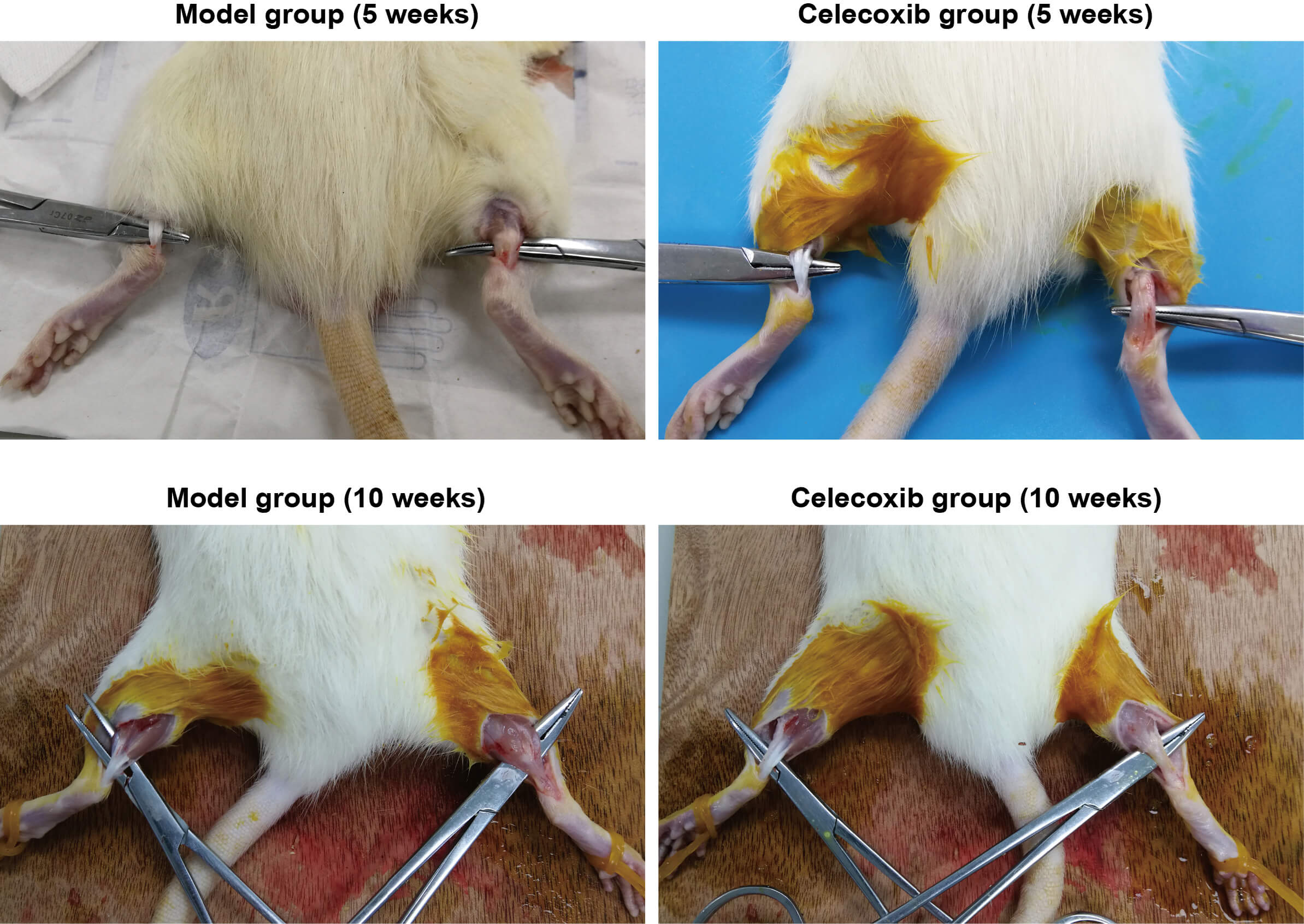
swelling compared to the model group (p = 0.002) (Table 3 and Fig. 1).
At the 10th week after operation, the skin temperature and swelling in the
celecoxib group were both significantly lower compared with the model group
(p
| Time | Model group | Celecoxib group | T-value | p-value |
| 5th week | 37.61 |
37.05 |
2.941 | 0.009 |
| 10th week | 37.12 |
36.30 |
3.333 | 0.004 |
| Time | Model group | Celecoxib group | T-value | p-value |
| 5th week | 1.26 |
0.54 |
3.557 | 0.002 |
| 10th week | 1.98 |
0.85 |
3.969 | 0.001 |
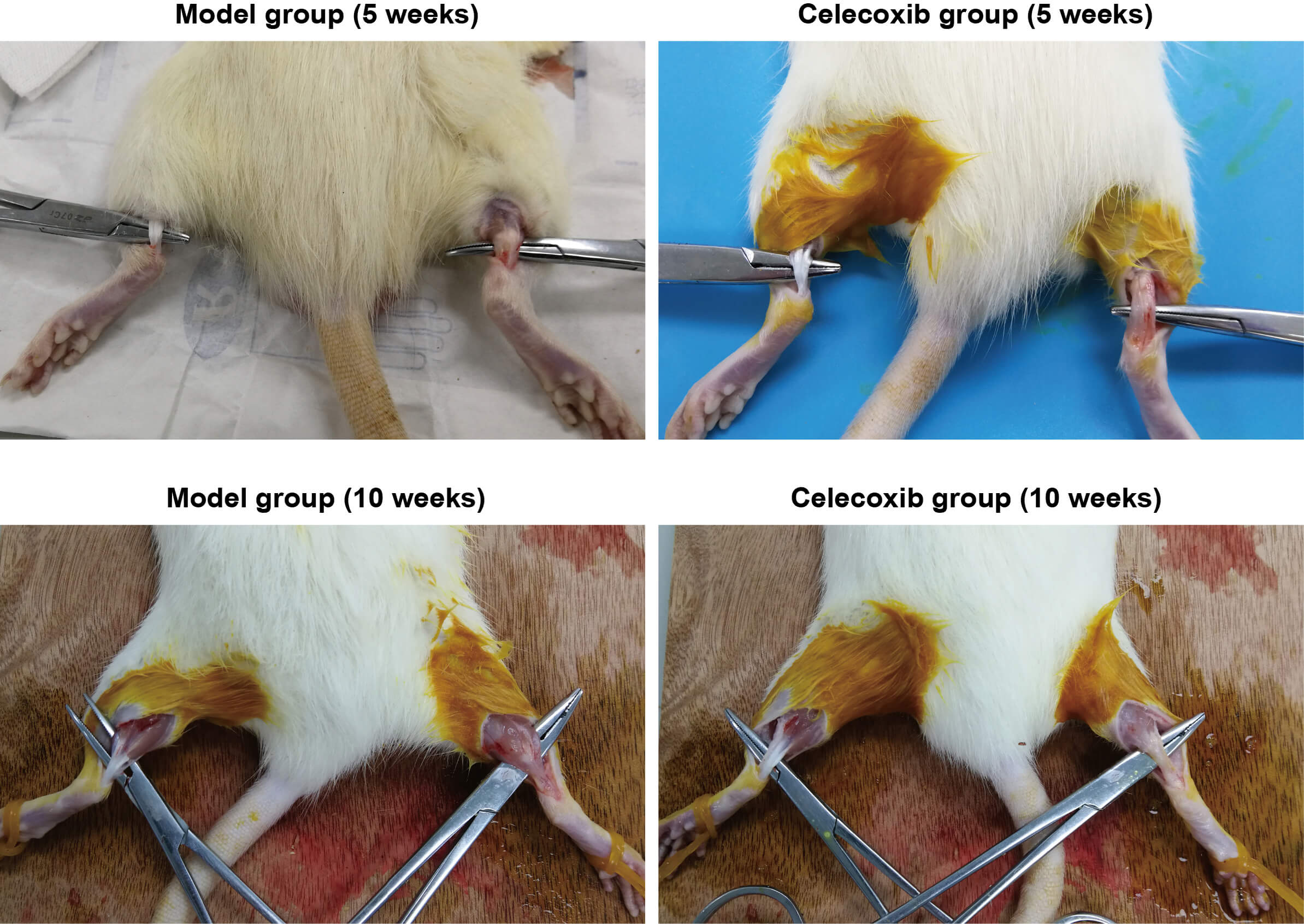 Fig. 1.
Swelling of the Achilles tendon at the 5th and 10th week after operation (n = 10 biological replicates per group). General contrast between the left and the right Achilles tendons of the model and celecoxib groups at 5 and 10 weeks after operation. At the 10th week, the right Achilles tendons of rats in the model group showed obvious heterotopic ossification.
At the 5th week after surgery in the model group, the Achilles tendon had
repaired itself, and adhesion, congestion, and edema were visible on the affected
side. Compared to the uninjured side, the affected side had a thickened diameter
with decreased elasticity. A transparent fusiform expansion could be seen at the
anastomosis with poor activity. X-ray results suggested heterotopic ossification
(Level II). Compared with the model group, the celecoxib group had less
congestion and edema, and the anastomosis was connected by tendon tissue. The
sliding ability of the Achilles tendon in the celecoxib group was better than
that of the model group, and the X-rays showed heterotopic ossification (Level
I). At the 10th week after surgery in the model group, hard bone-like nodules
were visible at the Achilles tendon, the activity was poor, and there was obvious
swelling compared to the contralateral side. At the distal end of the Achilles
tendon, the X-rays all indicated heterotopic ossification (Level III). In the
celecoxib group, the degree of hemorrhage and edema was significantly reduced,
and there was obvious adhesion of the sputum. The sliding ability of the Achilles
tendon was better than that of the control group. Three rats in the celecoxib
group were classified as heterotopic ossification grade III, and the remainder as
heterotopic ossification grade II. With the longer experimental period
(10-weeks), the Achilles tendon in both the model and celecoxib groups gradually
thickened, and ectopic bone formation was visible. However, the overall rate of
osteogenesis in the model group was earlier and faster than in the celecoxib
group (p
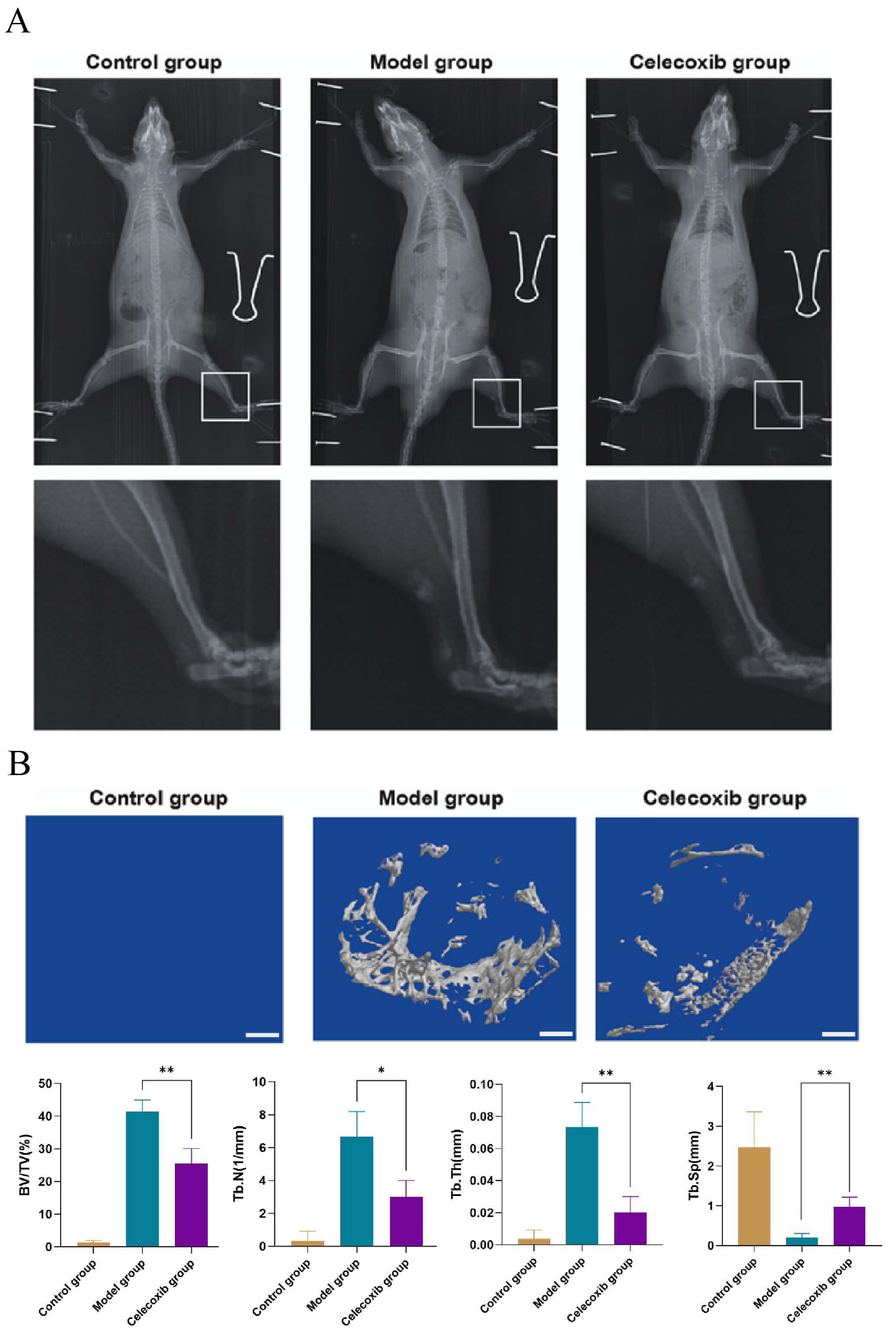
Notably, all rats in our study developed heterotopic ossification following the Achilles tendon injury, achieving a 100% success rate for the induction of TMO. Representative images of the TMO model are shown in Fig. 1, X-ray images in Fig. 2, and statistical results in Table 4. While all rats developed heterotopic ossification, the celecoxib group showed a later onset, milder ossification grade, and slower overall bone formation rate.
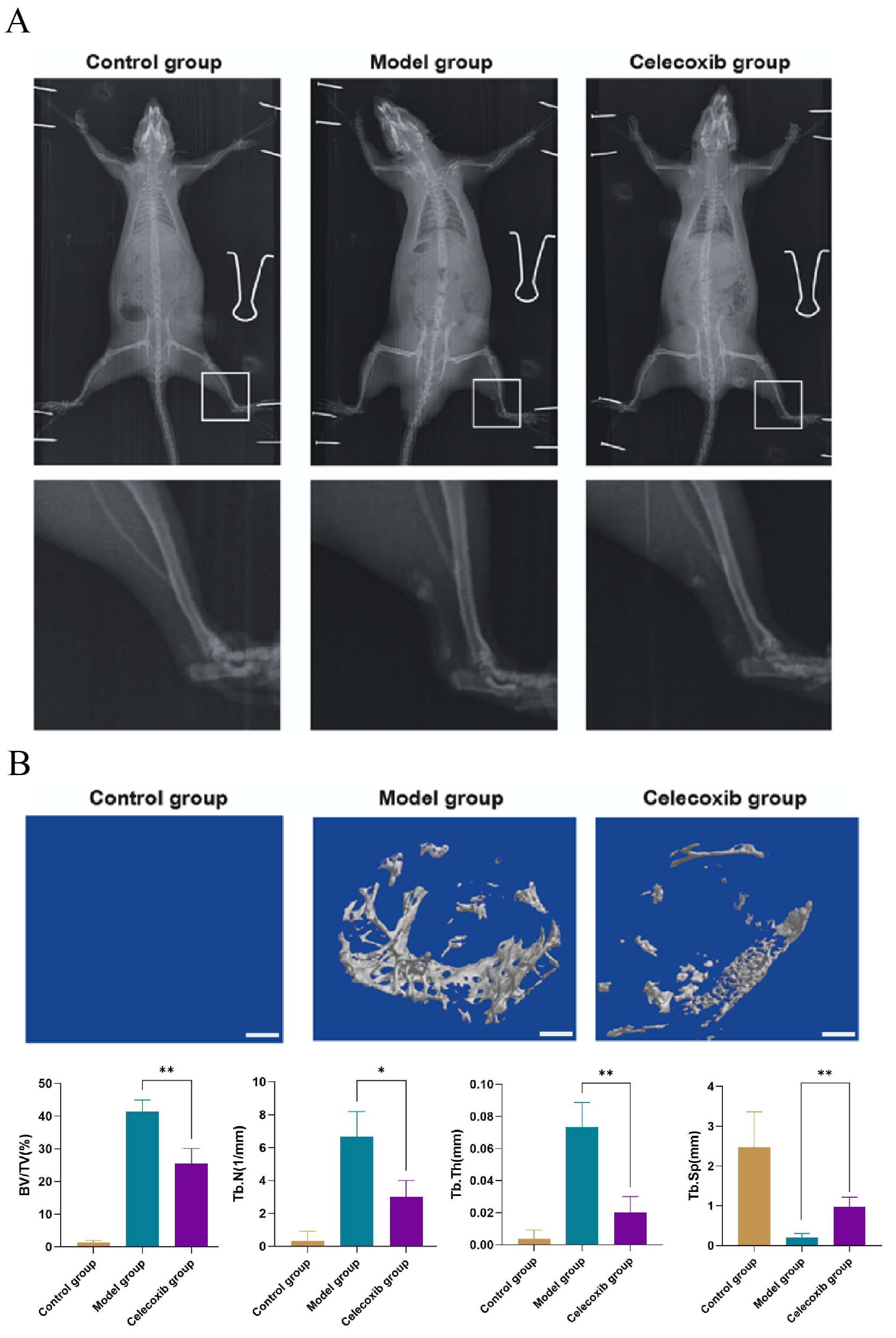 Fig. 2.
Formation of ectopic ossification at the 10th week after the
operation (n = 10 biological replicates per group). (A) Representative X-ray
images of the Achilles tendon region. From left to right: sham-operated control
group (no ossification), injury + saline model group (ossification present), and
injury + celecoxib group (ossification present). (B) Representative
three-dimensional micro-computed tomography (µCT) reconstructions of
heterotopic bone (scale bar: 500 µm) and quantitative analysis of bone
morphometric parameters: bone volume fraction (BV/TV), trabecular thickness
(Tb.Th), trabecular number (Tb.N), and trabecular separation (Tb.Sp). Data are
presented as mean
| Time | 5th week | 10th week | ||||||
| Level | 0 | I | II | III | 0 | I | II | III |
| Celecoxib group | 3 | 6 | 1 | 0 | 0 | 1 | 8 | 1 |
| Model group | 1 | 1 | 8 | 0 | 0 | 1 | 2 | 7 |
| p-value | ||||||||
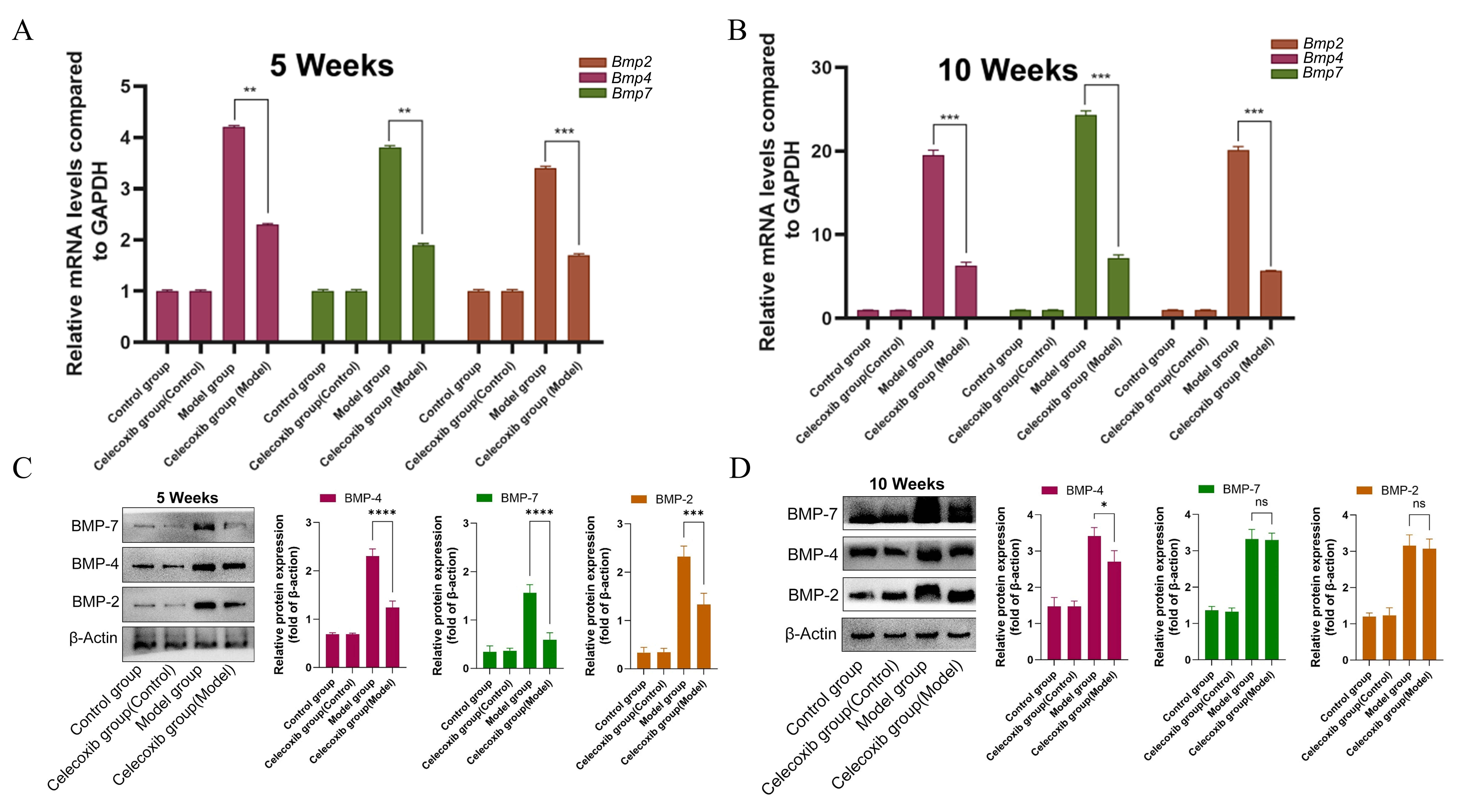
BMPs were activated in our TMO model. At the 5th week after the operation, the mRNA expression of Bmp in the right Achilles tendon was significantly higher than in the left Achilles tendon. Bmp mRNA expression in the right Achilles tendon of the celecoxib group was significantly lower than in the model group (Fig. 3A). After 10 weeks, the expression levels of Bmp genes in the Achilles tendon tissue of rats in the celecoxib group were significantly lower than in the model group (Fig. 3B). These results indicate that celecoxib can significantly inhibit the expression of Bmp mRNA in the TMO rat model. We also examined the expression of BMP proteins in tissues by Western blotting. The results showed that BMP protein levels in the ossified tissue of the celecoxib group were lower than in the model group (Fig. 3C,D).
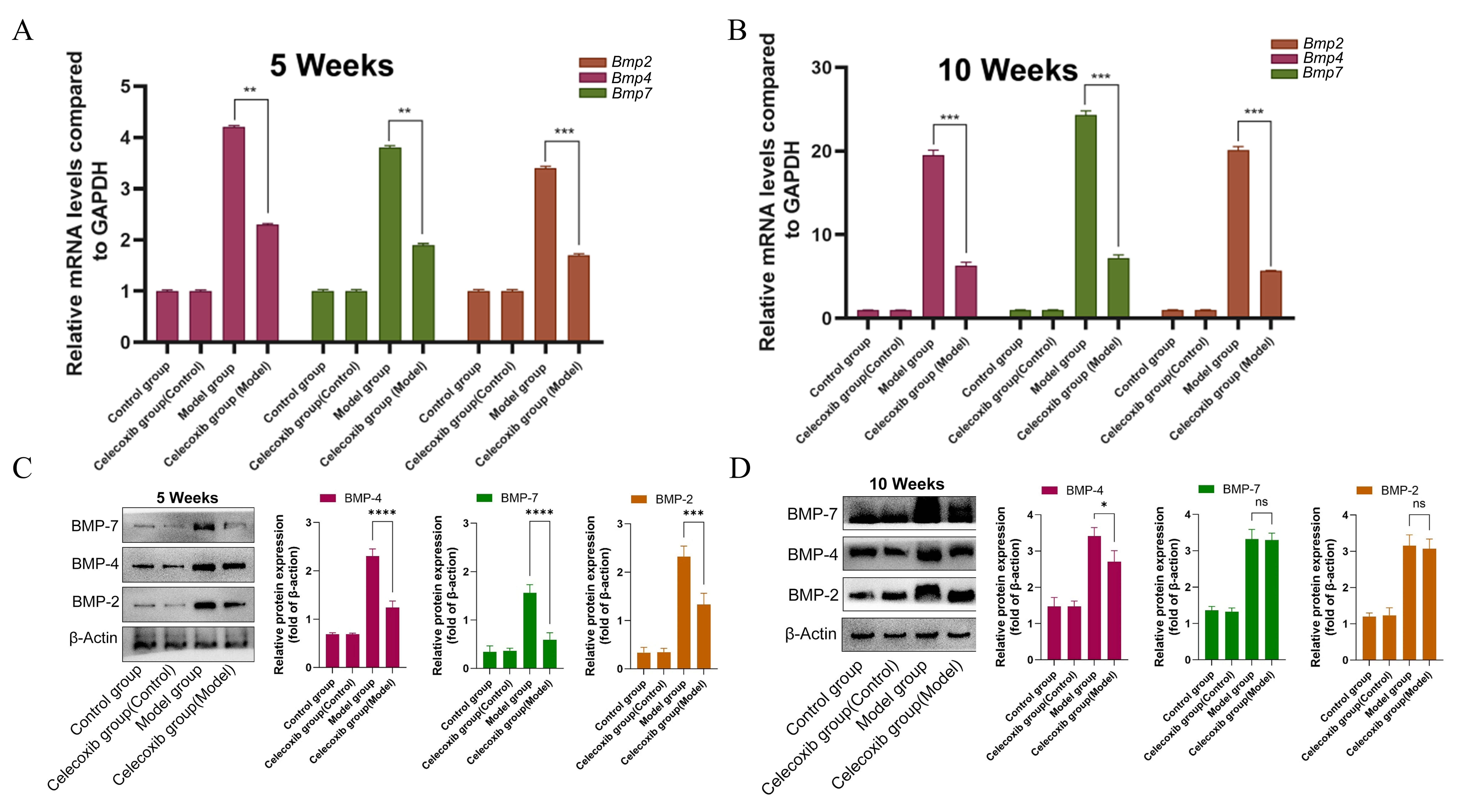 Fig. 3.
Celecoxib inhibits the expression of bone morphogenetic protein
genes and proteins (n = 10 biological replicates per group). (A,B) RT-qPCR results for mRNA expression of Bmp genes at the 5th (A) and
10th (B) weeks postoperatively in the heterotopic ossification model in rats.
(C,D) Western blot results for BMP protein expression in the Achilles tendon
tissues at the 5th (C) and 10th (D) weeks postoperatively.
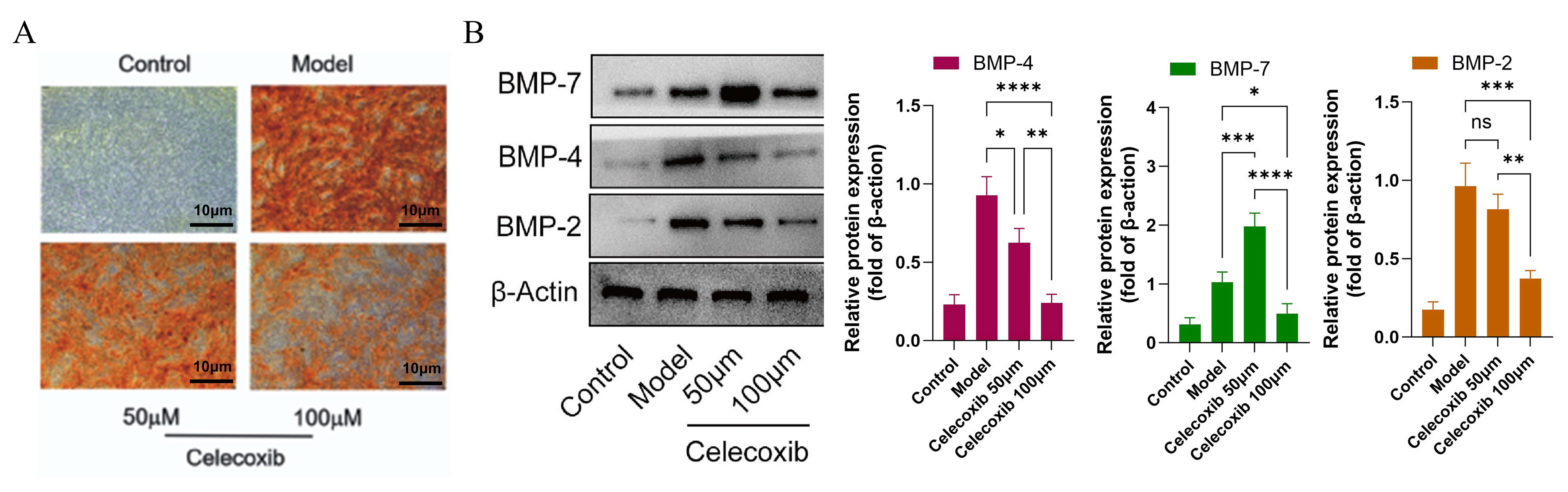
The role of celecoxib in osteogenesis was further studied during the MSC osteogenesis process. Alizarin red staining in the celecoxib group was lighter than in the model group (Fig. 4A). The expression of BMP-2 and BMP-4 was greatly increased in osteogenic MSCs, and this increase was significantly inhibited by celecoxib at both 50 µM and 100 µM. BMP-7 expression was also elevated in the model group, but was significantly inhibited only at the 100 µM concentration of celecoxib (Fig. 4B). These results indicate that celecoxib can effectively inhibit the expression of key osteogenic BMPs, with BMP-2 and BMP-4 showing greater sensitivity than BMP-7 in this model.
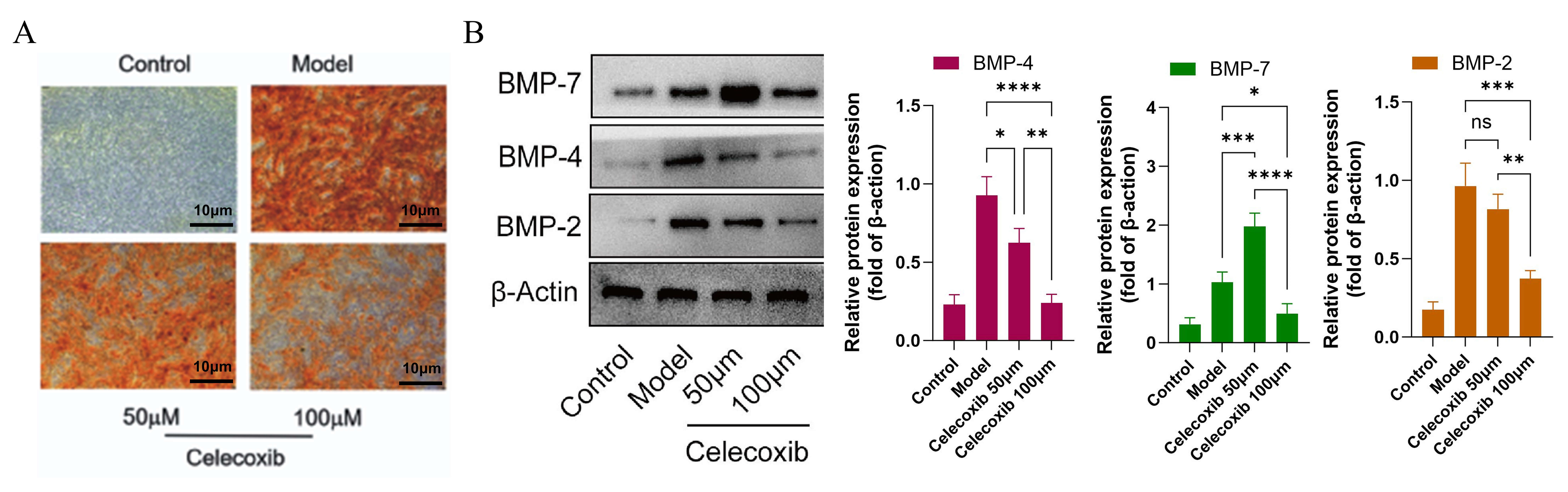 Fig. 4.
Celecoxib reduced osteogenic differentiation and BMP protein
expression in mesenchymal stem cells (MSCs). (A) After 3 weeks of induction, MSC
osteogenesis was seen using alizarin red staining (200
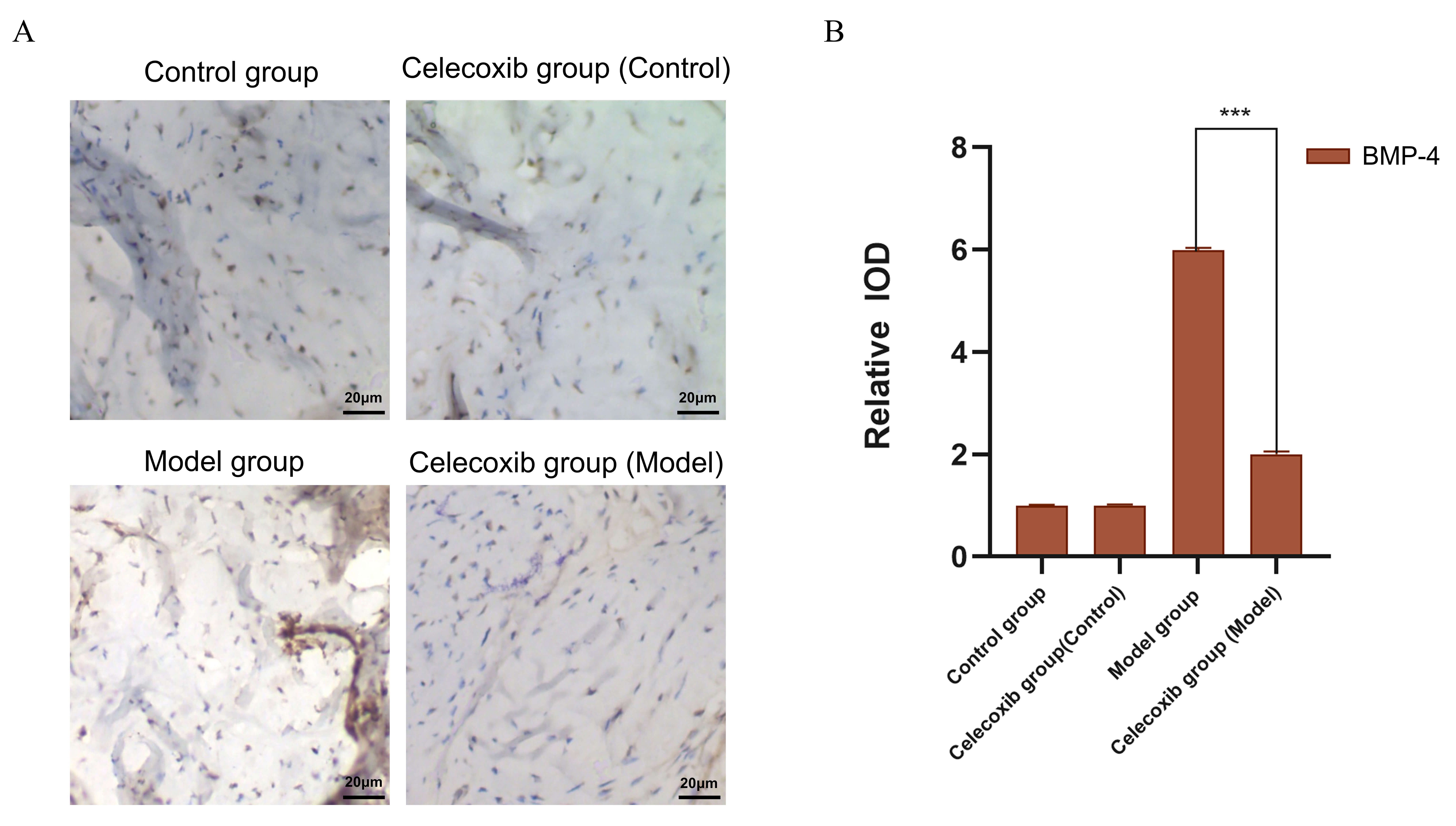
We next focused on the evaluation of BMP-4 due to its importance in TMO. At the
5th week after operation, BMP-4 protein expression at the surgical site in the
model group was significantly higher compared to the contralateral side
(p
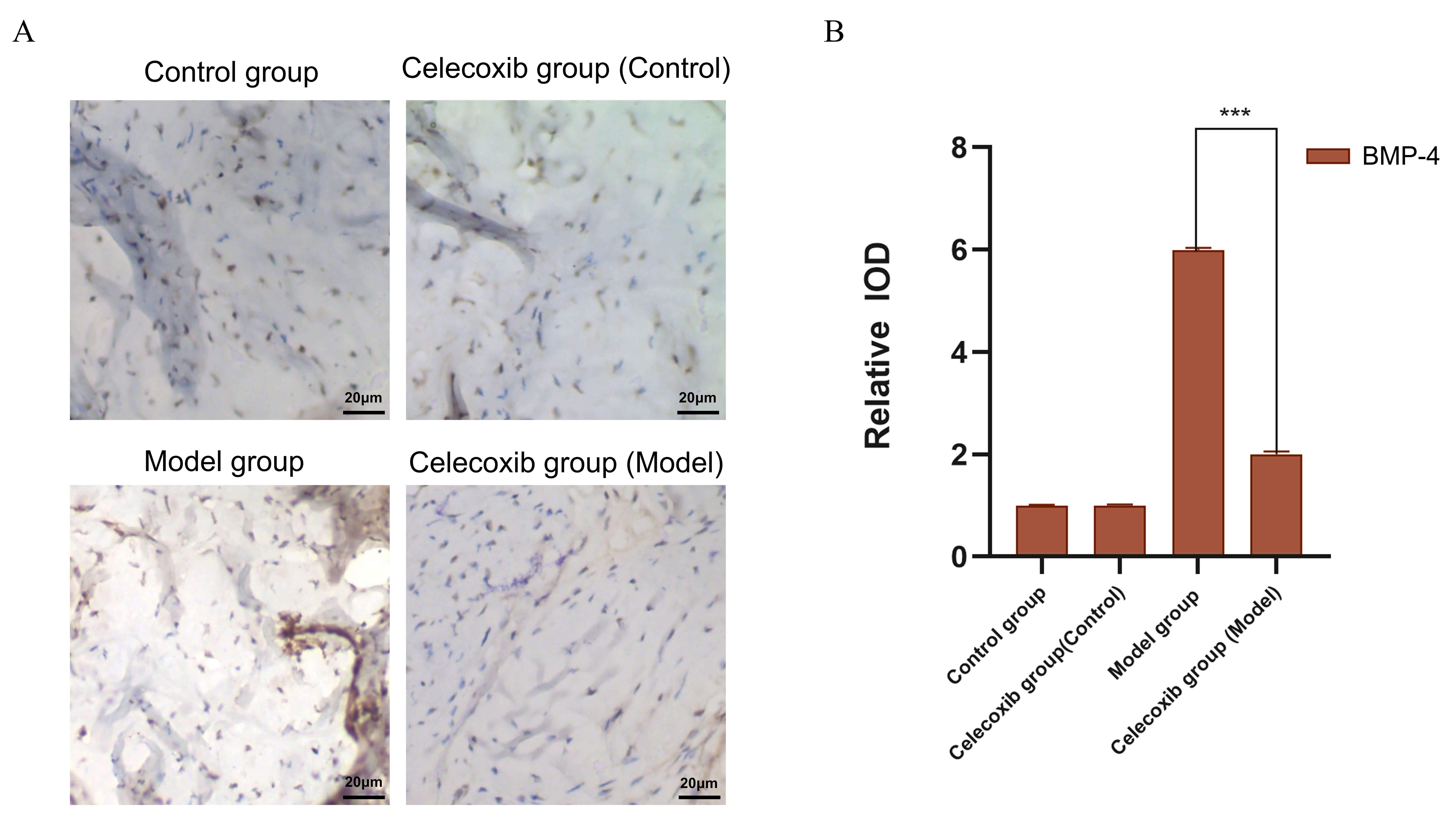 Fig. 5.
BMP-4 protein expression in rat Achilles tendon tissue at 5
weeks post-operation detected by immunohistochemistry (IHC). (A) The expression
of BMP-4 protein in rat Achilles tendon tissues was detected at the 5th week
after operation by immunohistochemistry (200
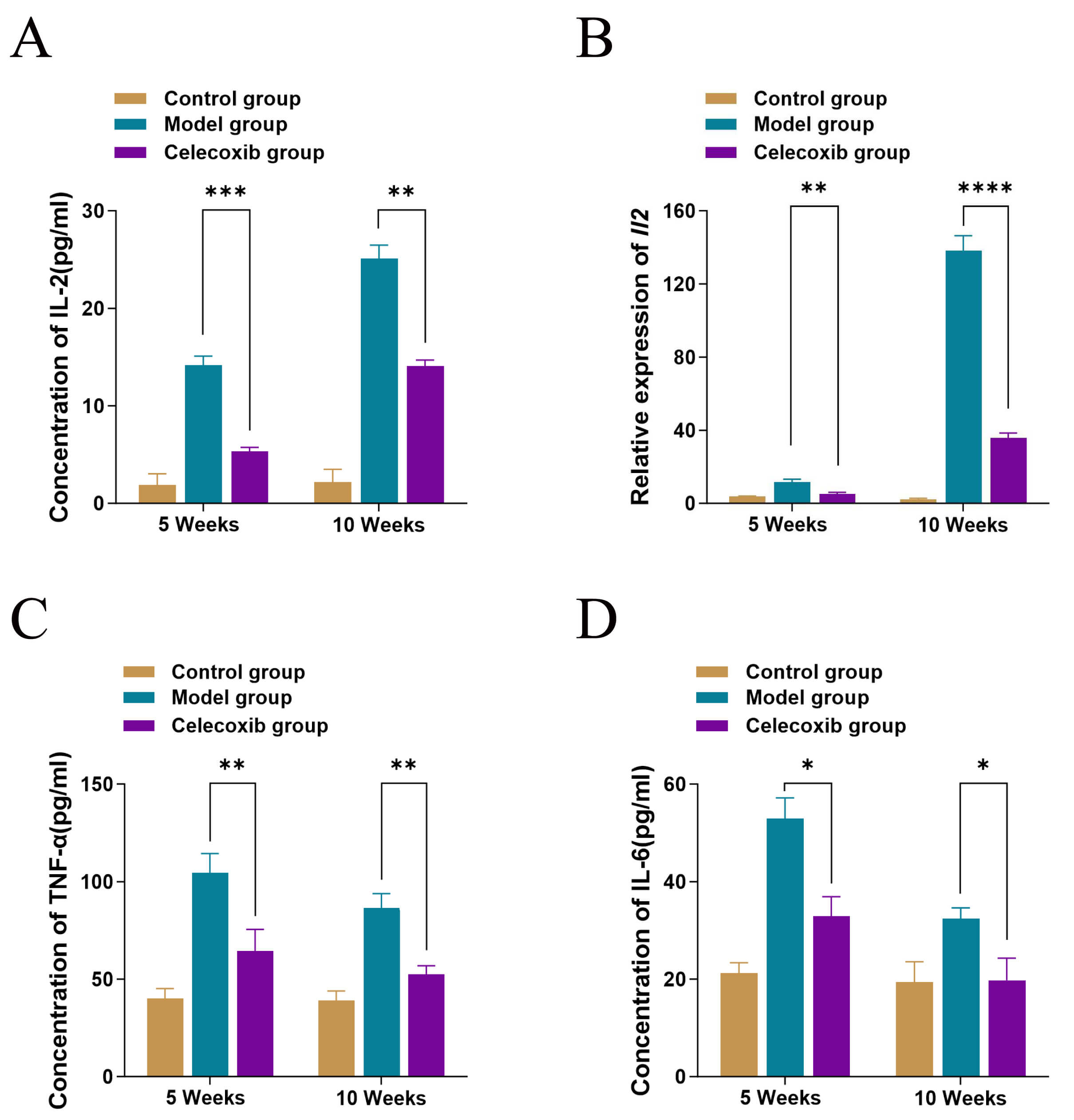
We next used ELISA to evaluate the concentrations of IL-2, IL-6, and
TNF-
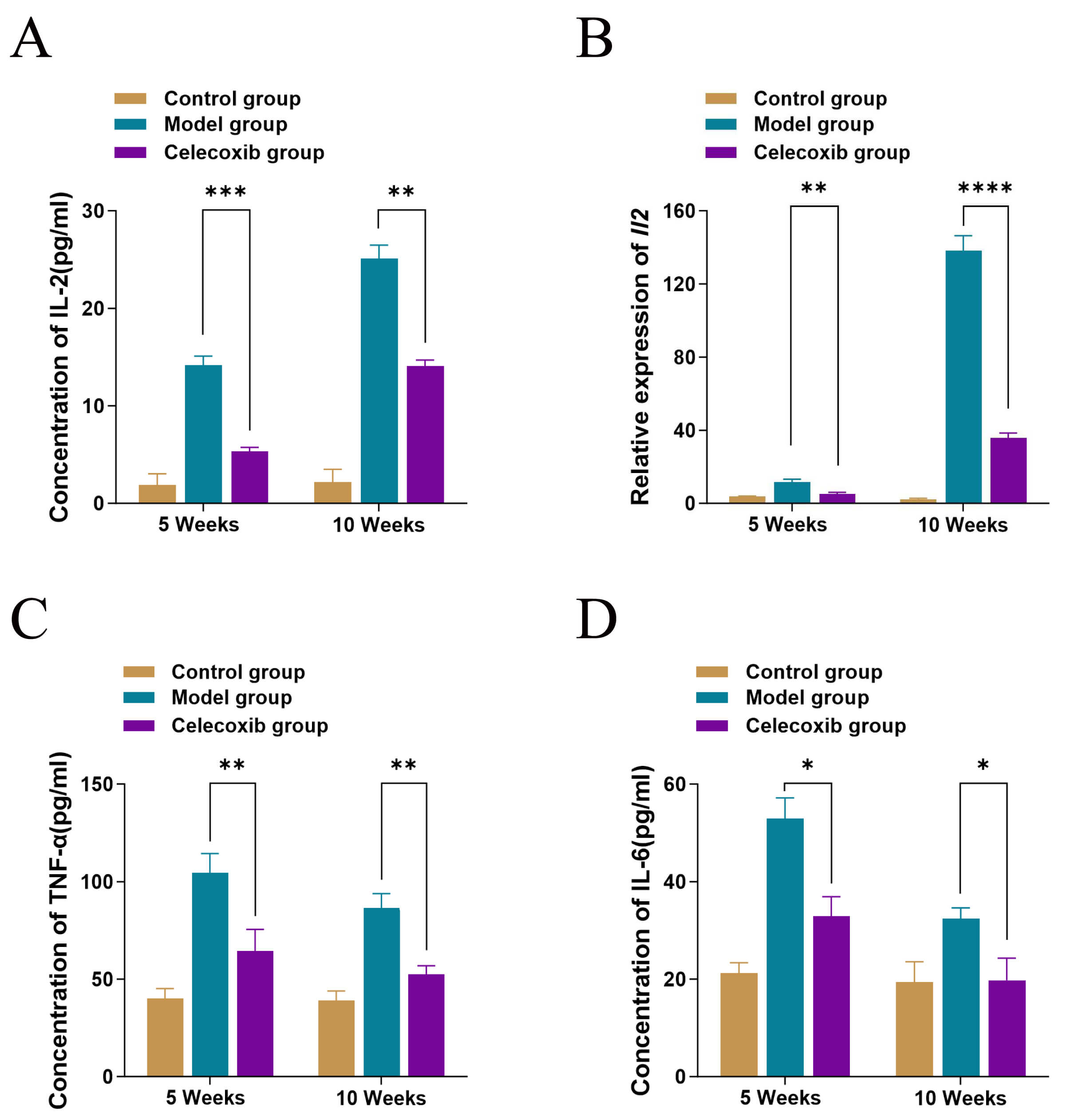 Fig. 6.
Collectively, our findings show that celecoxib slows
osteogenesis in the traumatic myositis ossificans (TMO) model by modulating the
expression of BMP-4 and associated factors via a COX-2-dependent mechanism, and
by decreasing inflammatory effects. (A) The level of IL-2 in the blood of rats
at the 5th and 10th week after surgery, as determined by ELISA. (B) Il2
gene expression in the Achilles tendon tissue of rats in the heterotopic
ossification model at the 5th and 10th week after surgery, as determined by
RT-qPCR. (C) TNF-
Our findings provide experimental evidence supporting the potential clinical application of celecoxib for the prevention and treatment of TMO. First, the timing of celecoxib administration could be optimized based on our observation that early intervention (within 5 weeks) resulted in significantly reduced swelling and inflammatory markers. This suggests that prophylactic administration of celecoxib immediately after high-risk surgery or injury might be more effective than administration after the development of TMO symptoms. Second, our discovery of a dual mechanism for celecoxib—suppressing both BMP-4 and inflammatory factors—suggests that monitoring these biomarkers in patients could help to identify those at highest risk of developing TMO development, as well as guiding personalized treatment approaches. Additionally, the dosage of 10 mg/kg/day used in our rat model provides a reference point for clinical dose optimization studies, although further research is needed to determine optimal human dosing. Finally, our findings regarding the effects of celecoxib on MSCs suggest that local administration at the surgical site could be explored as a targeted treatment approach, potentially reducing systemic exposure and side effects compared to oral administration. These potential clinical applications warrant further investigation through properly designed clinical trials to establish their safety and efficacy in human patients.
TMO is a type of heterotopic ossification caused by trauma or surgery. Its pathological characteristics include local fibrous hyperplasia, calcification, and metaplasia, as well as heterotopic new bone extraction. Ectopic bone growth in the soft tissues frequently causes considerable discomfort and restricted movement. Our study revealed that celecoxib exerts an inhibitory effect on bone formation in the TMO model by reducing the expression of BMP-4 and inflammatory factors.
The method of Achilles tendon severing induces TMO in a short period of time, with stable and reproducible results. In particular, this method lays the foundation for assessing the degree of ossification activity for early diagnosis, consistent with the results of a previous study [7]. In the current study, the TMO animal model was established by cutting the Achilles tendon. This resulted in increased body temperature and swelling (as seen by gross observation and imaging), as well as progressive heterotopic ossification, which were similar to clinical symptoms. Our results showed that celecoxib, a selective COX-2 inhibitor, reduced ossification and swelling in the rat TMO model. Ossification is caused by collagen metaplasia of connective tissue, which is thought to originate from pluripotent stem cells in soft tissues, mainly MSCs [9, 10]. We also discovered a similar inhibitory effect of celecoxib on MSC osteogenesis, suggesting that it may be impacting the process of osteogenesis from its inception.
While the anti-inflammatory effect of celecoxib is well-established, our study
highlights its concomitant suppression of BMP-4, a key osteogenic driver. This
dual modulation may underlie the observed delay in heterotopic ossification,
suggesting a multifaceted mechanism beyond mere inflammation control. The
relationship between inflammatory factors and BMP signaling in the development of
TMO appears to be bidirectional. Our findings suggest the anti-inflammatory
effects of celecoxib may indirectly modulate BMP expression through the
suppression of pro-inflammatory cytokines. IL-6, TNF-
BMPs induce MSCs to differentiate into osteoblasts by transforming mesenchymal tissue, thereby inducing heterotopic ossification and promoting the deposition of hydroxyphosphate and calcium [11]. BMP-4 was purified and cloned by Wozney et al. [12] in 1988. Studies by Kuroda showed that mouse-derived stem cells expressing BMP-4 produce hyaline cartilage in articular cartilage defects in rodents, and do not degrade or ossify even after 6 months [13]. Previous studies have demonstrated that BMP-4 induces heterotopic ossification in muscle tissue, illustrating its critical role in osteogenesis [3, 14]. The formation of traumatic ectopic ossification can be reduced by inhibiting the synthesis of BMP-4, thus confirming the role of BMP-4 in ectopic ossification [1]. In the present study, BMP-4 expression was shown to be increased in both rat TMO and MSC osteogenesis models, and its expression was inhibited by celecoxib. siCOX-2 was reported to inhibit BMP-4 expression in esophageal squamous epithelial cells [15], suggesting that celecoxib reduces BMP-4 in osteogenesis by suppressing COX-2 expression. However, the precise mechanism by which celecoxib reduces the expression of BMP-4 remains to be elucidated.
Our investigation of the inflammatory cascade in TMO reveals a complex interplay
between different cellular and molecular factors. Studies have shown that
Achilles tendon severance, subsequent tissue necrosis, and a local hypoxic
environment lead to macrophage aggregation, which then releases inflammatory
mediators such as TNF-
The temporal dynamics of BMP regulation and the inflammatory response merit particular attention. Our data suggest the effects of celecoxib on both of these pathways are time-dependent, with early intervention resulting in more pronounced benefits. This timing effect may be explained by the cascade nature of BMP signaling and inflammatory responses, where early interruption prevents the establishment of self-reinforcing cycles of ossification and inflammation. Future studies should focus on elucidating the optimal therapeutic window for celecoxib intervention in the prevention and treatment of TMO.
Several limitations of this study should be acknowledged. First, it should be emphasized that the present study establishes associations, rather than causal relationships, between celecoxib treatment, decreased BMP-4/inflammatory cytokine levels, and the attenuation of TMO. Therefore, any interpretation of the anti-osteogenic or anti-inflammatory effects of celecoxib as being directly mediated by these factors must be made with caution. Future investigations employing genetic or pharmacological approaches—such as conditional knockout of Bmp4 or neutralization of specific cytokines—are warranted to validate the mediating effects and elucidate the precise underlying mechanisms. Second, this study was conducted exclusively in a rat model, and the translational relevance of our findings to human TMO remains to be established. The dosage of celecoxib used in this study may not directly correspond to clinically effective doses in humans due to species differences in drug metabolism and pharmacokinetics. Third, the observation period was limited to 10 weeks post-surgery, which may not fully capture the long-term progression or potential recurrence of heterotopic ossification after celecoxib withdrawal. Fourth, while we focused on BMP-4, other BMP family members (e.g., BMP-2, BMP-7, BMP-9) and inflammatory mediators may also contribute to TMO pathogenesis and were not comprehensively investigated. Fifth, the in vitro MSC experiments used human bone marrow-derived MSCs, whereas the animal model used rat tissues; this species mismatch may introduce variability and should be considered when interpreting the combined results. Despite these limitations, our findings provide a foundation for future mechanistic and translational studies on celecoxib in TMO prevention and treatment.
Celecoxib can effectively reduce the occurrence of TMO after Achilles tendon
surgery in rats, accompanied by decreased expression of BMP-4, IL-2, IL-6, and
TNF-
This paper was previously posted as a preprint on ResearchSquare (https://www.researchsquare.com/article/rs-14886/v2).
All relevant data are within the paper and the relevant data be obtained from the first author or corresponding author upon reasonable request.
CZ designed the research study. ML, RZ, JS, JX and CZ performed the research. ML, RZ, JS, JX and CZ provided help and advice on the experiments. ML, RZ, JS, JX and CZ analyzed the data, wrote, reviewed and revised the manuscript. All authors read and approved the final manuscript. All authors have participated sufficiently in the work and agreed to be accountable for all aspects of the work.
This study was approved by the Institutional Ethics Committee of Quanzhou First Hospital Affiliated to Fujian Medical University. All experiments using animals were performed in accordance with a protocol approved by the Animal Care and Use Committee of Fujian Medical University, NO. 2019-153. All the experimental protocols involved in the current investigation followed the Guide for the Care and Use of Laboratory Animals of the National Institutes of Health and the ARRIVE (Animal Research: Reporting of in vivo Experiments) guidelines.
Not applicable.
The authors disclose receipt of the following financial or material support for the research, authorship, and/or publication of this article: this work was supported by the Project of Quanzhou Science & Technology Bureau (grant numbers 2018Z018), Startup Fund for scientific research, Fujian Medical University (grant numbers 2021QH1248), Natural Science Foundation of Fujian Province (grant numbers 2025J011574).
The authors declare no conflict of interest.
References
Publisher’s Note: IMR Press stays neutral with regard to jurisdictional claims in published maps and institutional affiliations.