


1 Department of Internal Medicine, Faculty of Medicine, Jazan University, 45142 Jazan, Saudi Arabia
Abstract
Opioid overdose represents a critical public health issue that has attracted considerable research interest. Therefore, objective of this study aimed to conduct a comprehensive analysis of the opioid overdose research (OOR) landscape, performance, evolution, citation impact and changing research themes.
A bibliometric analysis was performed on the OOR data published between, 1971 and 2024. Data were gathered from the Scopus database and analyzed using Bibliometrix and VOSviewer. Citation counts, prolific authors, top sources, and seminal publications were also identified. Thematic mapping was performed to aid the visualization of the major clusters in the OOR data.
The analysis included 13,971 authors who contributed to the OOR. Prolific authors, such as Walley, A.Y., and Green, T.C., made notable contributions. "Drug and alcohol dependence" emerged as the top source in the publications. The United States exhibited the highest research output, followed by Canada, the United Kingdom, and Australia. The average citation count per article was 22.44, indicating the impact and visibility of the research. Seminal publications have addressed critical topics including opioid prescription patterns, economic burden, medication-assisted therapies, and overdose prevention programs. Thematic mapping revealed clusters related to drug overdose, opioids, overdose prevention, toxicology, buprenorphine, and opioid use disorders.
The findings showed an ongoing need for further studies on gap filling, such as long-term consequences, socioeconomic factors and inequalities, in addition to technology application and interdisciplinary collaboration. By focusing on new themes, as well as longitudinal studies, stakeholders can gain improved knowledge on opioid overdose problem-solving solutions that have been applied to victims and their communities, thereby improving outcomes.
Keywords
- opioid overdose
- toxicity
- research landscape
- emerging research
- bibliometric analysis
Opioid overdose is a global health disaster with unfortunate consequences. These include the rise in abuse of opioids, including painkillers such as fentanyl, which has led to more deaths due to preventable drug-related causes [1]. There are situations in which patients might experience respiratory depression and altered consciousness, leading to dangerous complications calling for acute diagnosis and treatment [2, 3]. Addressing opioid use disorders and future overdose cases should involve medication-assisted treatment (MAT), counseling sessions and peer support groups [4].
Management of opioid overdoses encompasses prevention strategies, access to evidence-based treatments and harm reduction approaches. Prevention efforts should include prescribing fewer opioids, safe-use education programs and prescription drug monitoring initiatives. To check the number of deaths due to overdose, naloxone distribution is used together with needle exchange services that aim at harm reduction [5, 6].
The prevalence of opioid overdoses is affected by several factors, including the availability/misuse of prescribed opioid analgesics, illicitly manufactured opiates and heroin. Persons who are involved in the criminal justice system or have mental disorders are at high risk or those with a history of substance abuse problems [6, 7]. Other indicators such as poverty level, unemployment rate and low healthcare attainment continue to exacerbate these risks. They differ across different geographical areas because some places receive more opioids through prescriptions than others, while there are various methods for drug dispensing adopted in different parts depending on multiple facets guiding drug syndication among regions. Awareness of how frequently opioid overdose occurs enables timely action by focusing on particular interventions and preventative measures, such as naloxone distribution sites and supervised injection facilities [2, 7, 8, 9, 10, 11].
These drugs encompass comprehensive addiction therapies for individuals with Opioid Use Disorders (OUDs) and Medication-Assisted Treatment (MAT) [12, 13]. It calls for collaboration between healthcare providers, policymakers, law enforcement authorities and community organizations to address this problem appropriately. Well-founded reactions demand that one consider extra elements, such as better monitoring systems, expanded treatment facilities, harm reduction initiatives and awareness campaigns. This approach is vital for reducing the number of opioid overdose events and their impact on individuals and communities [13, 14].
This topic concerns the bibliometric examination of materials indexed in Scopus related to opioid overdose. This is designed to be advantageous for academics, policymakers and healthcare practitioners who engage in studies on opioid overdoses. Bibliometric analysis allows for the identification of current research trends and the establishment of knowledge gaps as well as promising subjects for future investigations. To effectively address the opioid overdose crisis, policy planners must possess a comprehensive understanding of the available literature and the research environment, among other factors, to inform the creation of evidence-based solutions [15, 16]. This study employed a metrical approach to examine the literature on opioid overdoses. It also identifies research trends in this subject and proposes potential areas for further investigation. The Scopus database is utilized as a comprehensive search strategy to retrieve relevant articles on opioid overdose.
The bibliometric study analyzed bibliographic data from relevant literature in the field of opioid overdose. The data collection and analysis were conducted between March and June, 2024. The study utilized established bibliographic databases and resources to gather comprehensive information for the analysis. This study was conducted at Jazan University, Jazan City, Saudi Arabia.
The use of one database in bibliometric studies ensures uniformity; comparability as well as comprehensiveness in analysis [15, 16, 17]. For this study Scopus was chosen due to its wide coverage of disciplines; advanced search features, citation analytic tools and extensive collection of English language publications [18]. By utilizing Scopus reliable information which can be used for decision-making process is provided by this study regarding the prevalence rates connected with opioid overdose.
The data mining was conducted using the MeSH database [19] to construct search terms for this study. The search terms used were “Opiate Overdose”, “Opioid Overdose”, “Opioid Poisoning”, “Opioid-Related Deaths” and “Opioid Mortality”. These terms were entered in the TITLE-ABS-KEY box. A total of 4985 documents were initially found. Further refinement was done by limiting the search to articles (DOCTYPE: “ar”) and the English language. This resulted in 3811 document results for analysis.
This study only included papers that dealt with opioid overdose, which were published in English and could be accessed in full-text format as research articles. It excluded papers that were not in the English language, unrelated research and those which had no full text of the article available to the reader. Quality control measures used MeSH database, reputable Scopus database and multiple reviewers for screening and critical appraisal for quality assessment. To obtain accurate data, systematic data extraction was conducted. The aim of these criteria and quality control measures was to choose reliable journals to analyze by increasing the trustworthiness of the study.
The intellectual or conceptual mapping method was used during bibliometric analysis in this regard using software tools such as VOSviewer (Version 1.6.20, Centre for Science and Technology Studies (CWTS), Leiden University, Leiden, South Holland, The Netherlands) and Bibliometrix (Version 4.2.1; developed by Massimo Aria, University of Naples Federico II, Naples, Campania, Italy) [17, 20]. These devices make it possible to visualize exploratory bibliographic data supporting knowledge gap identification within the field of interest, making use of intellectual structures rather than emerging trends. Intellectual maps were constructed through co-citations and co-authorship networks, using VOSviewer as a powerful tool [17]. This helped to identify key authors, influential papers and clusters of research, thereby providing insight into the intellectual landscape of the field. Visualizations such as term maps and network graphs assist in understanding relationships or connections between different topics or concepts involved, whereas Bibliometrix (a web-based bibliometric tool) facilitated citation network exploration, as well as citation pattern analysis by providing features including citation network visualization. Bibliometrix is an online bibliometric tool used to explore citation networks and analyze citation patterns; it has functions such as visualization of social networks [20]. This allowed me to get insights into how literature is structured conceptually and locate significant sources that I should know about, for example, while doing my literature review, among other things.
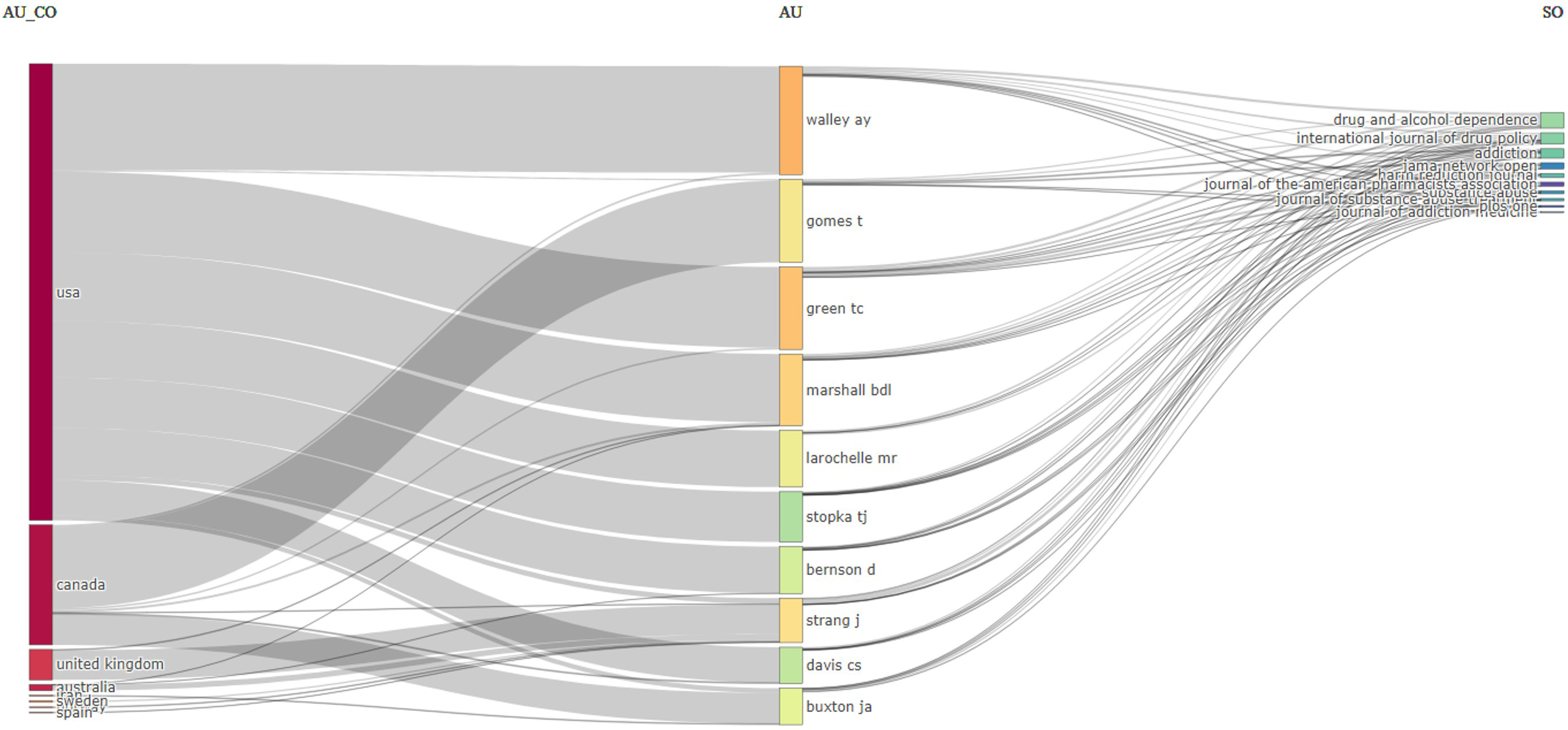
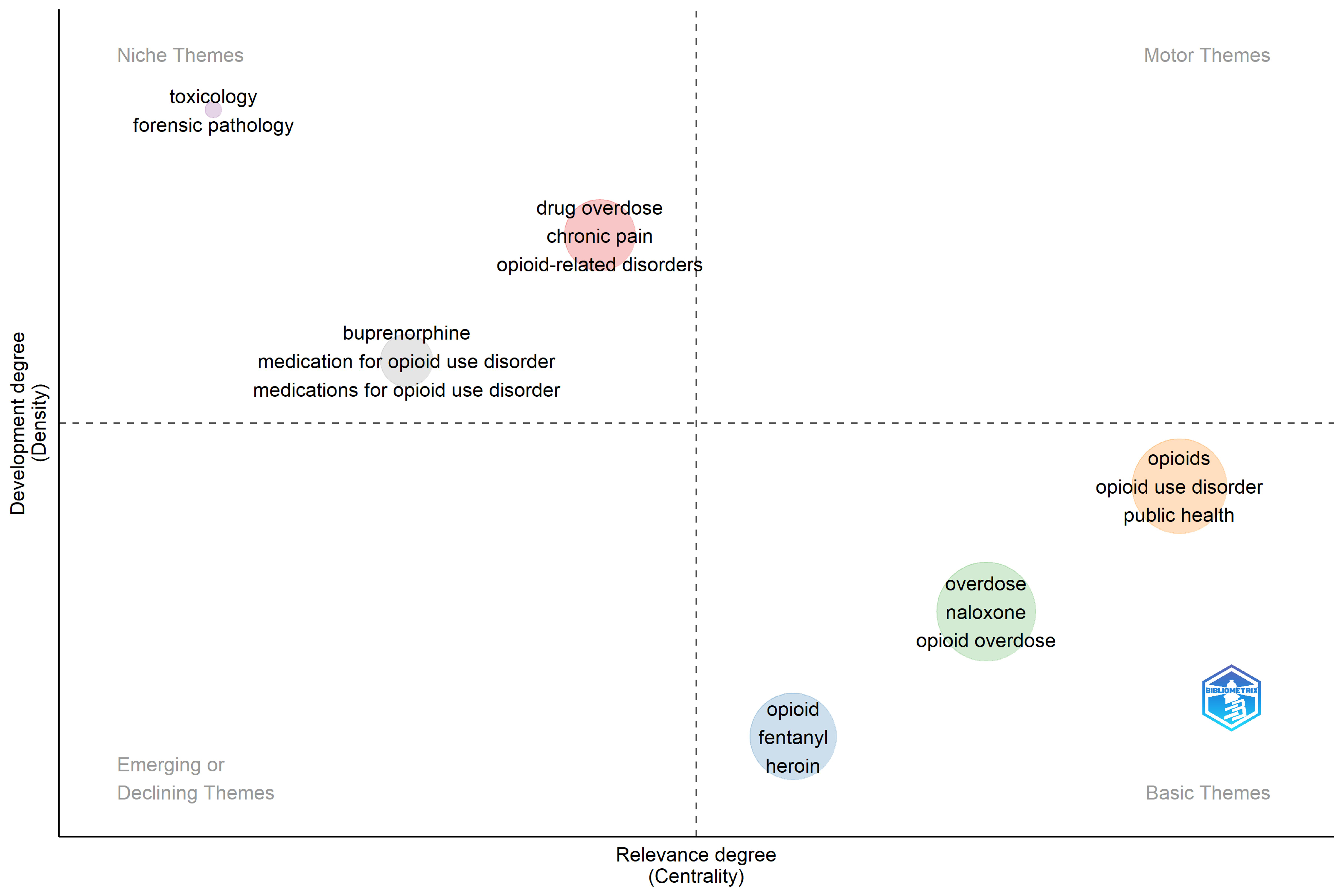
A Sankey diagram was developed to show the interrelationship between top authors, sources and countries in earlier studies on opioid overdoses. It was a flow chart that illustrated how those things flowed together and their rate of flow. Research output distribution by top authors, leading publication sources and contributing countries were presented in the diagram. This helped to identify influential researchers, key publication outlets and geographical trends to facilitate evidence-based decision-making and promote collaboration aimed at addressing the opioid crisis. Callon density in thematic map analysis refers to the concentration of connections between research topics, whereas centrality measures the relevance of a specific topic. The Y-axis represents the Callon density, indicating the degree of development, while the X-axis represents centrality, indicating the importance of this topic. These parameters help understand the structure and dynamics of a field of study by highlighting the main areas or connections between themes [20].
A total of 13,971 authors contributed to this research, of which 146 were single authors. Among the most prolific authors in opioid overdose research by Walley et al. [11] stands out with 65 publications, followed closely by Green et al. [21] with 57 publications. Strang et al. [22] contributed significantly to 45 publications, while Barocas et al. [7] and Gomes et al. [1] had 44 and 39 publications, respectively. In terms of sources, Drug And Alcohol Dependence ranked highest with 252 publications (6.61%), while the International Journal of Drug Policy and Addiction had 166 (4.36%) and 109 (2.86%) publications, respectively. Regarding the countries associated with this research, the United States took the lead with 2868 publications (66.20%), followed by Canada with 405 publications (9.35%). The United Kingdom and Australia also made notable contributions with 202 (4.66%) and 164 (3.79%) publications, respectively. Fig. 1 depicted the Sankey diagram as a tool for analysing these hotspots.
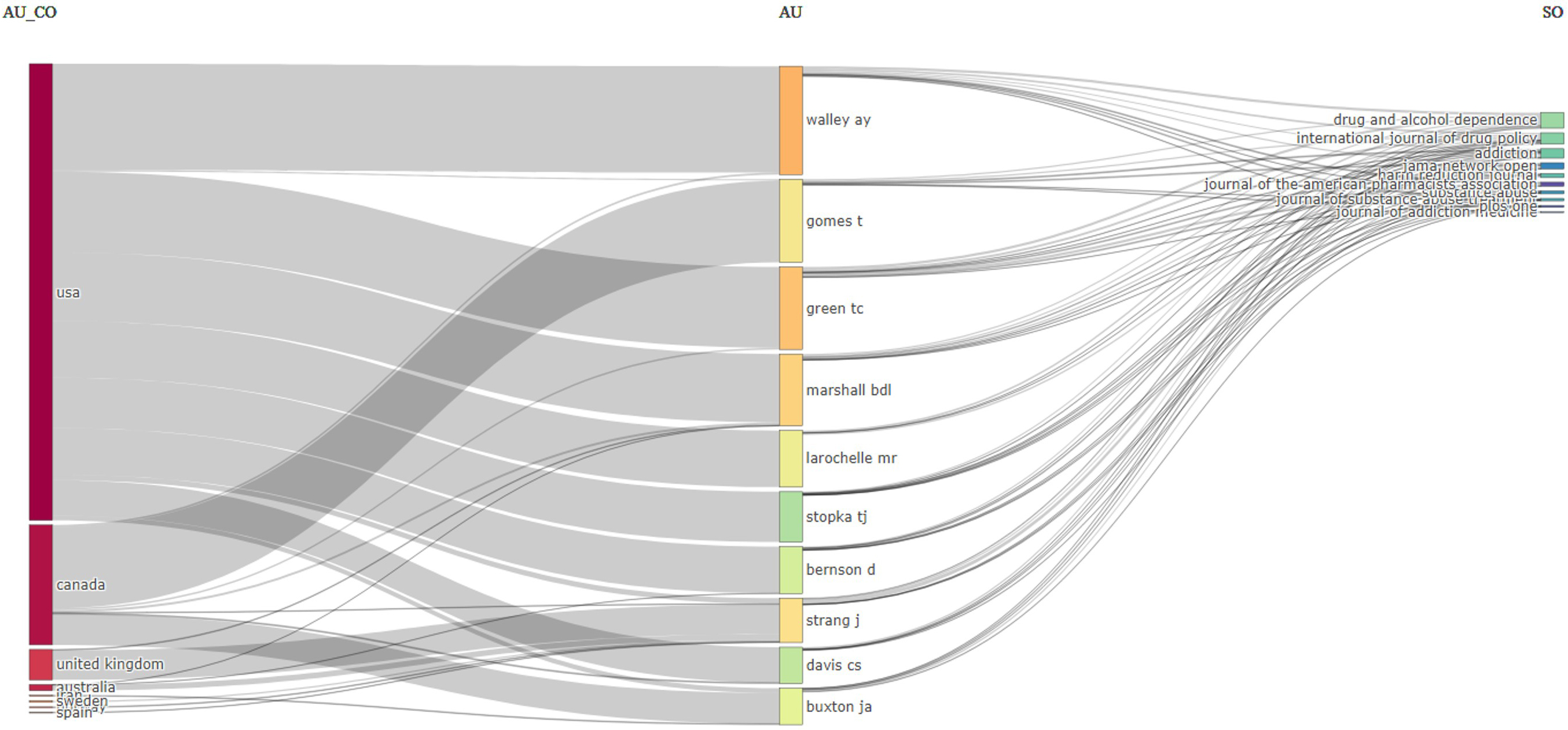 Fig. 1.
Sankey diagram that represents the flow of quantities or values between entities. A three-fold plot refers to a Sankey diagram that illustrates the flow of three different variables or categories. It helps visualize complex relationships and interactions between these variables. AU, Authors; AU_CO, Country of the authors; SO, Sources. The thickness of the lines connecting authors from different countries represents the number of papers they have co-authored. The thickness of the lines connecting countries and sources represents the number of papers from each country that have been published in each source. Each rectangle represents an author, country or source. The size of the rectangle represents the importance of nodes in the network. This figure was generated using the Bibliometrix (Version 4.2.1; developed by Massimo Aria, University of Naples Federico II, Naples, Campania, Italy) application and the BibTex data file.
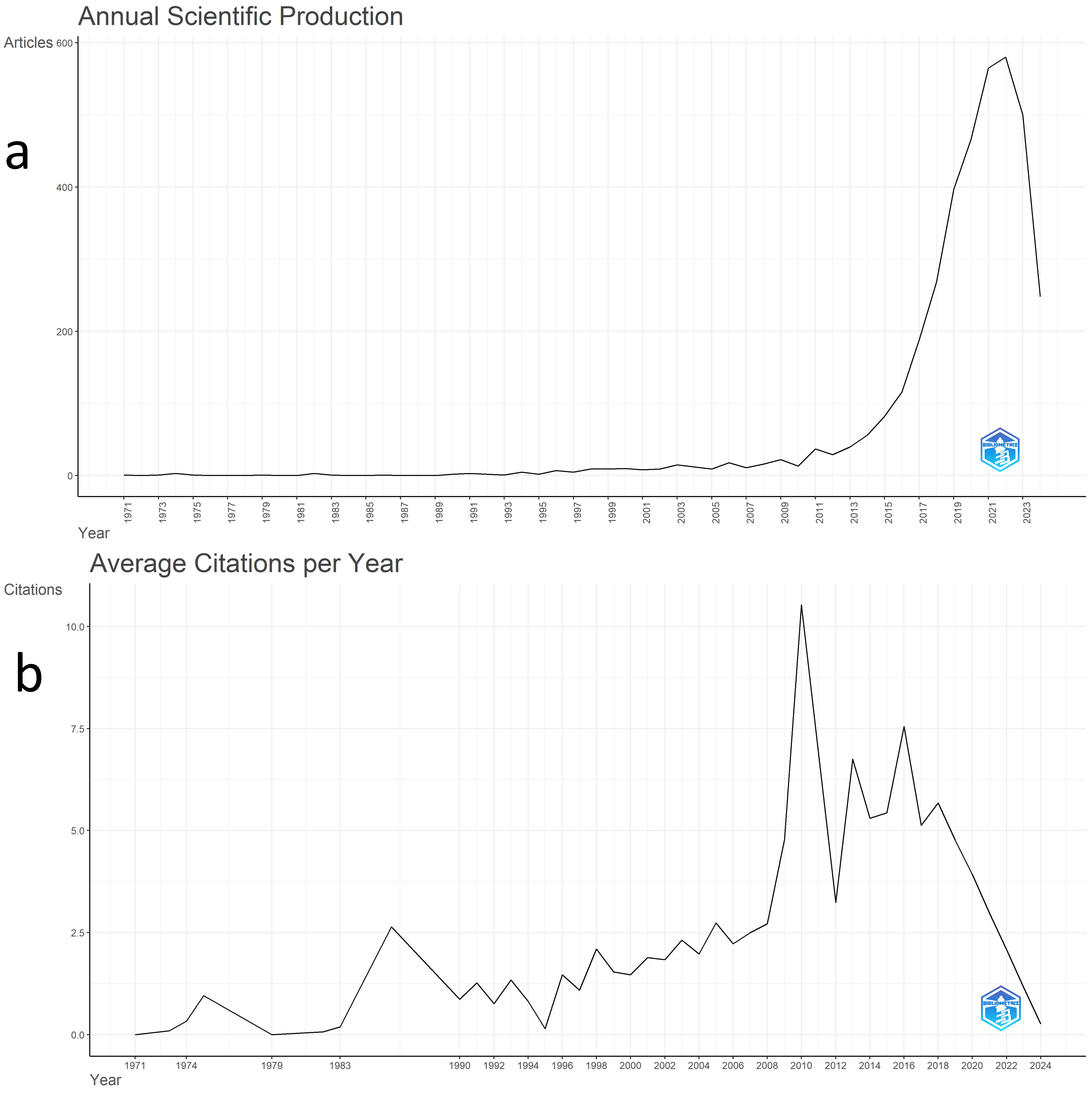
The provided data offer an overview of opioid overdose research, spanning 1971 to 2024 and consists of 3811 documents (Fig. 2a) from 993 sources. Fig. 2b provides a snapshot of the average total citations per article and number of articles. This reveals that citation counts per article varied widely, ranging from a peak of 157.92 in 2010 to a low of 0.26 in 2024. On average, each document received 22.44 citations, indicating its impact and visibility (Fig. 2b). In addition, there have been times when the number of published articles has varied, with a maximum of 580 in 2022 and a minimum of 1 in some early years. The most cited year by other researchers was 2010 when each article had an average total citation of 157.92, which is a sign that this research area received much attention from other scientists during this particular year. Furthermore, the highest number of articles ever published was in 2022, totaling 580, showing high productivity for that specific year. The included documents grew annually at a rate of 10.96%, confirming continuous growth in research production. On average, how old are these documents? They were only five years old, on average.
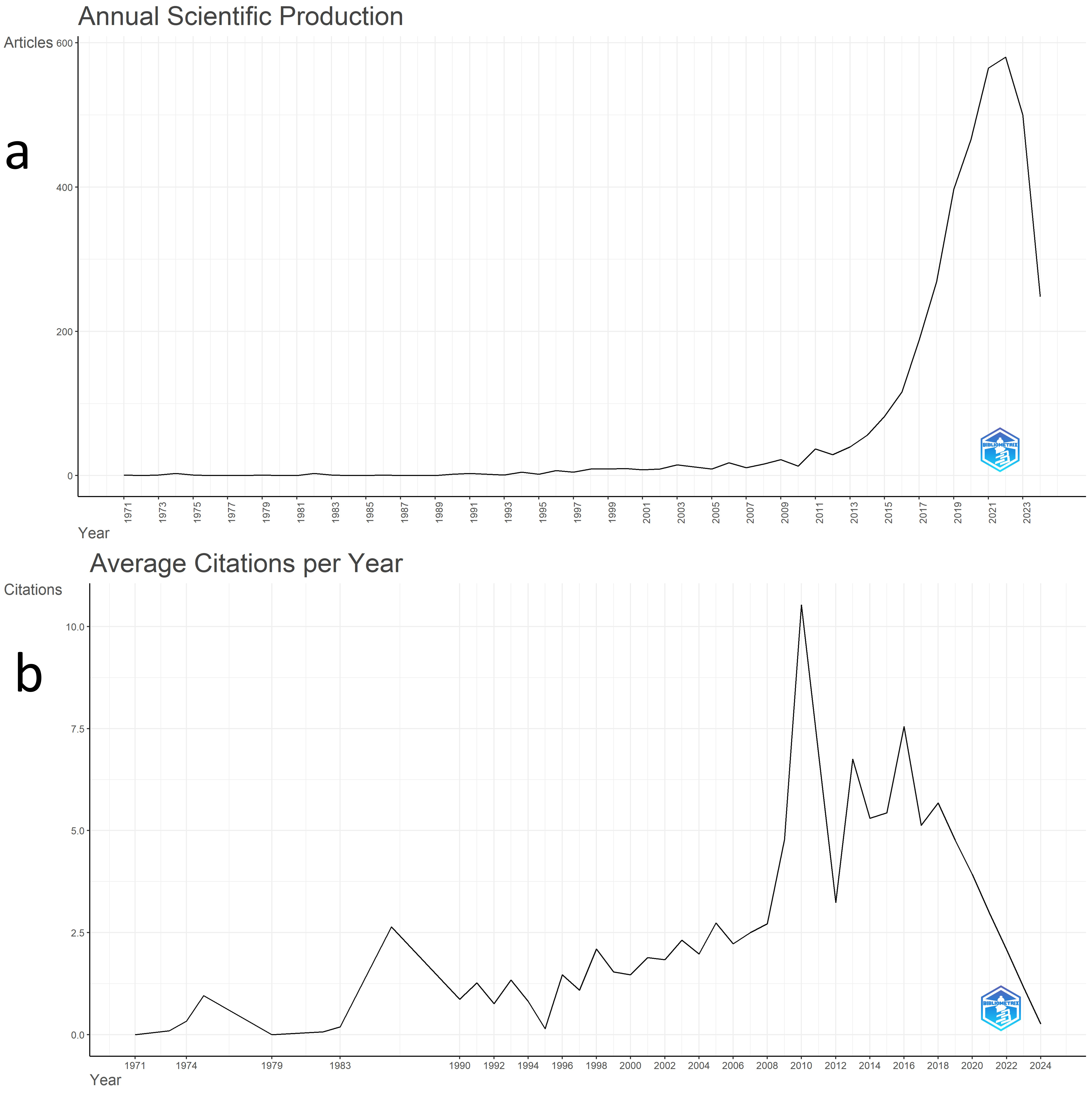 Fig. 2.
Growth and Citation. (a) Annual production on opioid overdose research, Y-axis: The number of articles published. X-axis: The years since the first article published in the topic of this paper and (b) Average citation per year. Data for these figures were obtained from the Scopus database. These figures were generated using the Bibliometrix application and the BibTex data file.
Highly cited documents (Table 1, Ref. [1, 2, 3, 4, 10, 23, 24, 25, 26, 27]) in opioid overdose research cover key topics such as the association between opioid prescribing patterns and overdose-related deaths, the economic burden of prescription opioid overdose, the risk of opioid-related death with concurrent use of gabapentin and opioids, the relationship between opioid dose and drug-related mortality in nonmalignant pain patients, the role of medication for opioid use disorder post-nonfatal overdose, the alarming increase in drug and opioid overdose deaths, risks of concurrent use of prescription opioids and benzodiazepines, the effectiveness of medication-assisted therapies and the impact of overdose education and naloxone distribution programs. These documents contribute valuable insights to understand and address the opioid overdose crisis.
| DOI | Source | Year | Citations |
| 10.1001/archinternmed.2011.117 of Gomes et al. [1] | Archives of Internal Medicine | 2011 | 533 |
| 10.1001/jama.2011.370 of Bohnert et al. [2] | JAMA | 2011 | 1213 |
| 10.15585/mmwr.mm6450a3 of Rudd et al. [3] | Morbidity and Mortality Weekly Report | 2016 | 1499 |
| 10.1371/journal.pmed.1002396 of Gomes et al. [4] | PLoS Medicine | 2017 | 364 |
| 10.1136/bmj.j760 of Sun et al. [10] | BMJ (Online) | 2017 | 382 |
| 10.7326/0003-4819-152-2-201001190-00006 of Dunn et al. [23] | Annals of Internal Medicine | 2010 | 1102 |
| 10.1097/MLR.0000000000000625 of Florence et al. [24] | Medical Care | 2016 | 884 |
| 10.7326/M17-3107 of Larochelle et al. [25] | Annals of Internal Medicine | 2018 | 627 |
| 10.1056/NEJMp1402780 of Volkow et al. [26] | New England Journal of Medicine | 2014 | 756 |
| 10.1136/bmj.f174 of Walley et al. [27] | BMJ (Online) | 2013 | 728 |
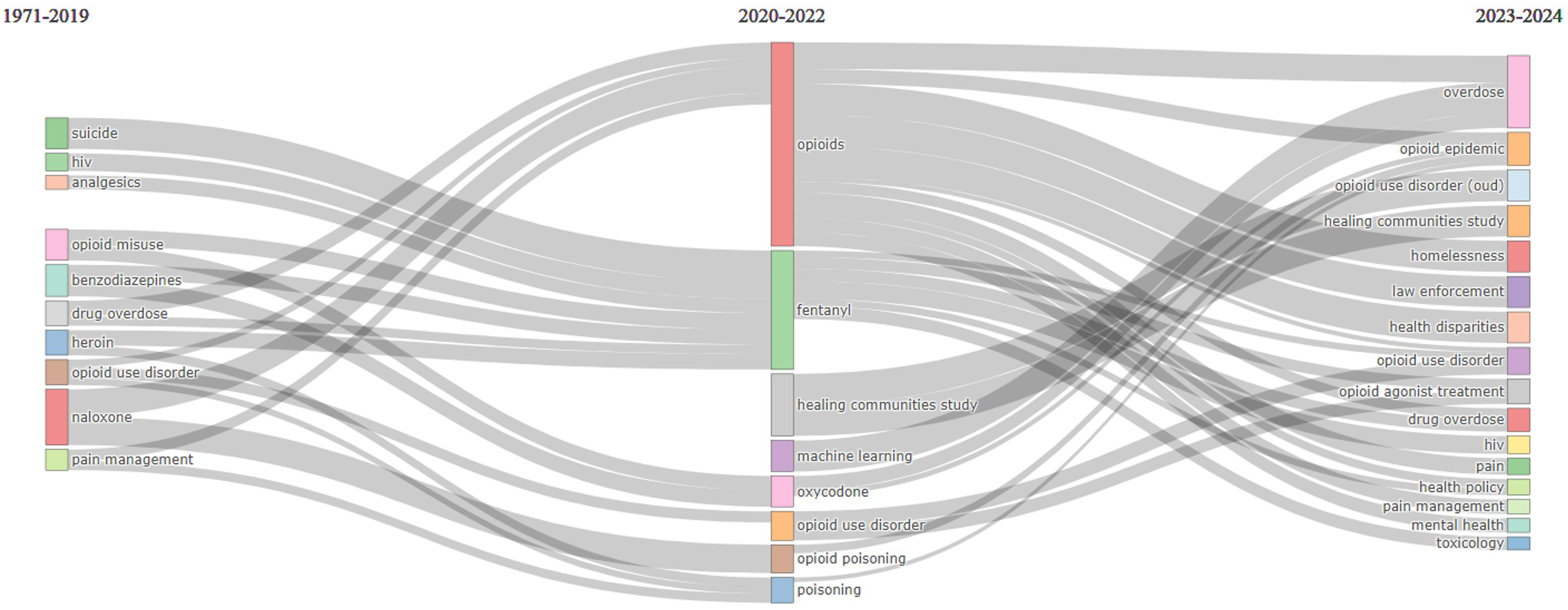
From 1971 to 2019, the main themes explored in the research included analgesics, benzodiazepines, drug overdose, heroin, HIV, naloxone, opioid misuse, opioid use disorder, pain management and suicide. These topics were extensively studied during this period (Fig. 3). In the years 2020 to 2022, a shift in focus occurred, with fentanyl emerging as a prominent theme alongside existing topics such as benzodiazepines, opioids, heroin and naloxone. Moreover, during this time period, new themes such as opioid use disorder; opioid poisoning and toxicology emerged and were also given due attention. The research landscape further evolved between the years, 2023 and 2024. With fentanyl being one focal point for example one can look into drug overdose health policy HIV opioid agonist treatment overdose toxicology. Also emerging are “Healing Communities Study” and “Machine Learning” besides continued examination into topics including opioids, overdose or OUD. Moreover, the opioid epidemic became central to studies during this later period discussing subjects such as health disparities homelessness law enforcement mental health and pain management among others. This also touched on areas like health policy opioid agonist treatment as well as studying how opioids affect different populations. In conclusion, there is a dynamic nature of substance abuse-related papers with changes based on trends and shifts occurring within their development phases while their underlying subject matter reflects evolving concerns about as well as understanding around multiple facets concerning opiate addiction affectations.
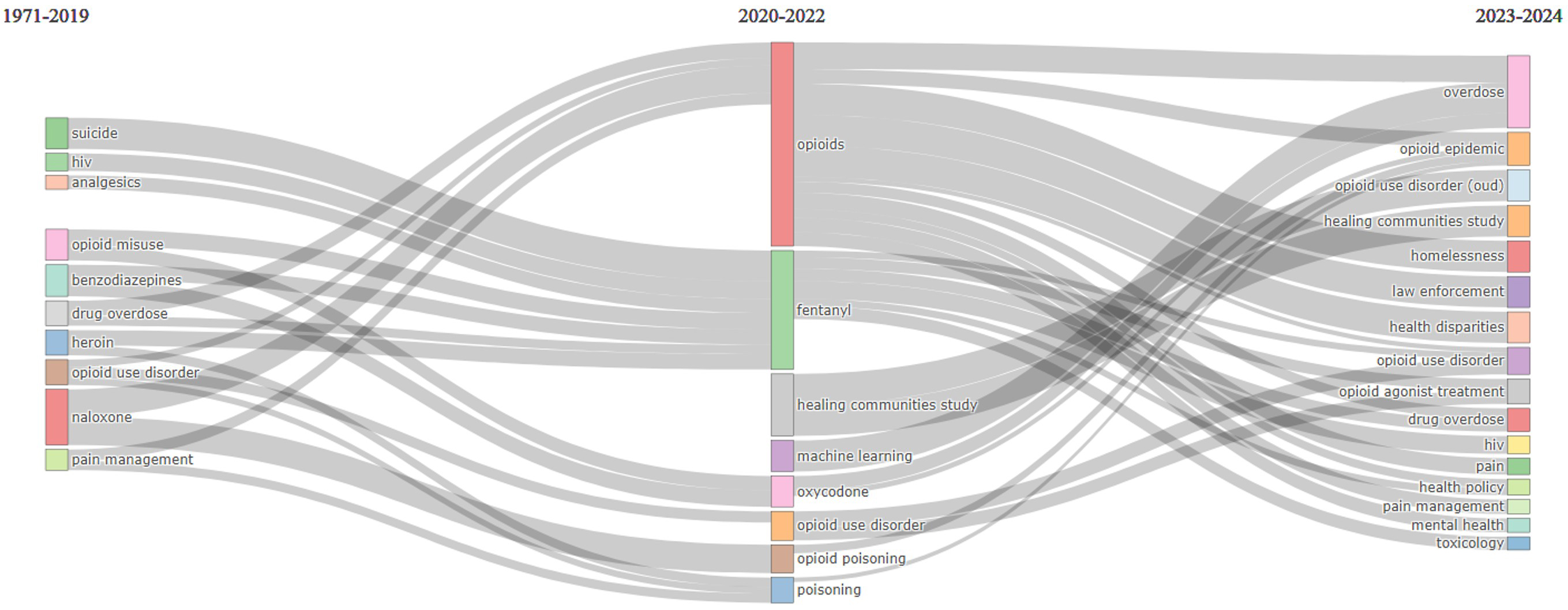 Fig. 3.
Thematic evolution of the opioid overdose research (OOR). 2021 was a crucial point for the transformation of the main topics. This figure was generated using the Bibliometrix application and the BibTex data file.
The importance and development of research topics were represented by Fig. 4, which is a thematic map divided into four quadrants based on centrality and density. The Bibliometrix application and the BibTex data file generated this map. Callon centrality, Callon density, classification and major terms associated with each cluster were included in Table 2. “Drug overdose” that has a Callon centrality of 0.142 and a Callon density of 3.875 belongs to the niche class and other major terms such as drug overdose, chronic pain, opioid-related disorders, an opioid crisis, pain or analgesics. The “Opioid”, cluster has a Callon centrality of 0.189 and Callon density of 3.020; classified as basic and includes terms like opioid, fentanyl, heroin mortality epidemiology prescription opioids etcetera. Another basic cluster called “overdose” has a Callon centrality of 0.198 and a Callon density of 3.472; while, the main terms covered here include overdose, naloxone, opioid, overdose, harm reduction, overdose prevention etcetera. “Toxicology”, the fourth cluster has a Callon centrality of 0.0072 and density of 4.938. Fifthly, this is another basic term labeled “opioids”. These clusters illustrate the major research directions in opioid overdose studies. Literature on centrality scores and density scores gives insights into how influential these topics are within the field of literature.
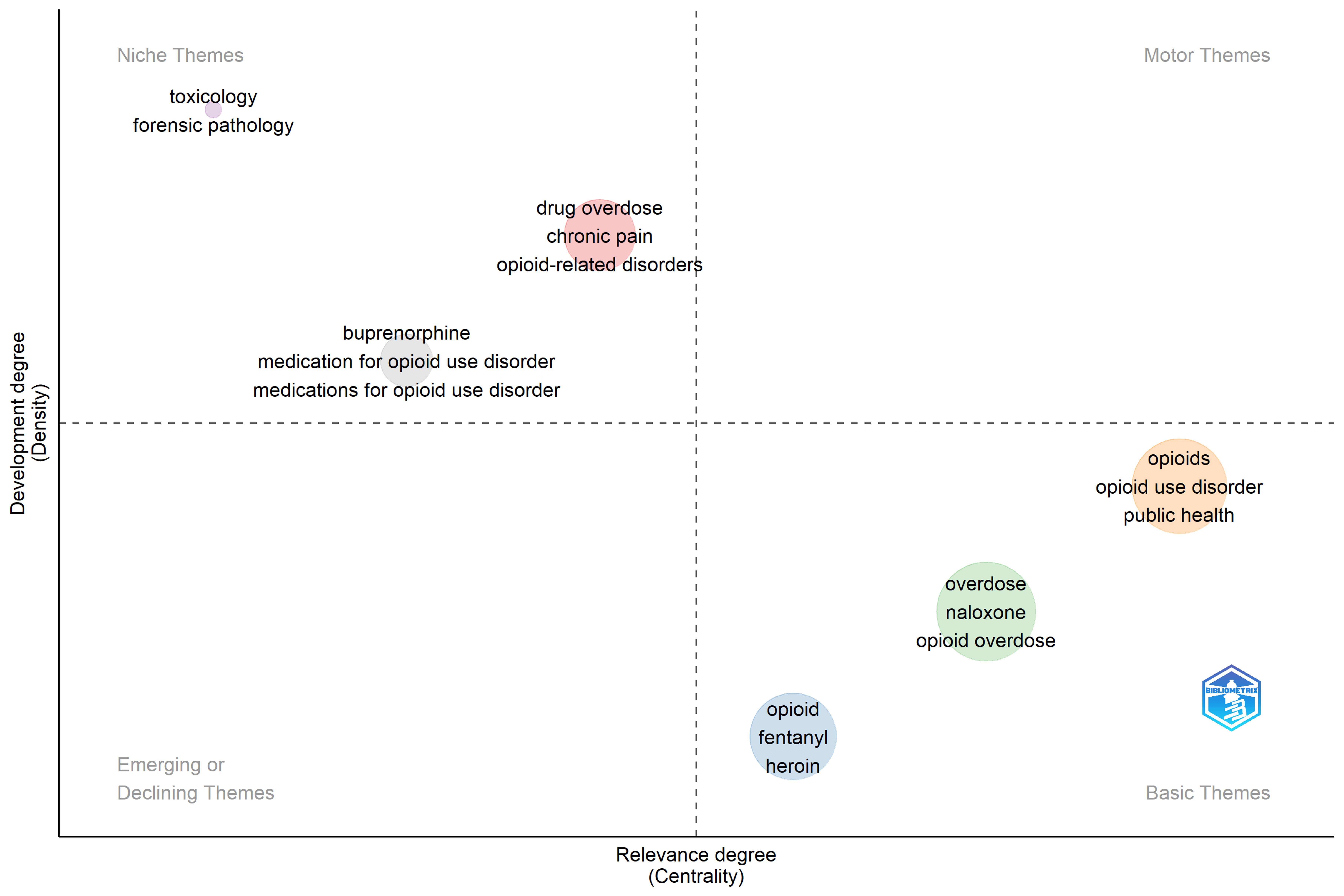 Fig. 4.
Thematic maps are divided into four quadrants based on centrality and density, which represent the importance and development of research topics. This figure was generated using the Bibliometrix application and the BibTex data file.
| Cluster | Callon centrality | Callon density | Classification | Major terms of the cluster |
| Drug overdose | 0.142 | 3.875 | Niche | Drug overdose, chronic pain, opioid-related disorders, opioid crisis, pain and analgesics |
| Opioid | 0.189 | 3.020 | Basic | Opioid, fentanyl, heroin, mortality, epidemiology and prescription opioids |
| Overdose | 0.198 | 3.472 | Basic | Overdose, naloxone, opioid overdose, harm reduction and overdose prevention |
| Toxicology | 0.007 | 4.938 | Niche | Toxicology and forensic pathology |
| Opioids | 0.281 | 3.645 | Basic | Opioids, opioid use disorder public health, addiction and substance use |
| Buprenorphine | 0.066 | 3.740 | Niche | Buprenorphine, medication for opioid use disorder, opioid agonist treatment and criminal justice |
Details of the thematic map shown in Fig. 4*. *Thematic maps are divided into four quadrants based on centrality and density, which represent the importance and development of research topics. These quadrants were created based on the values of Callon centrality and Callon density. Each theme or cluster possesses terms that represent its thematic content. This table was generated using the Bibliometrix application and the BibTeX data file.
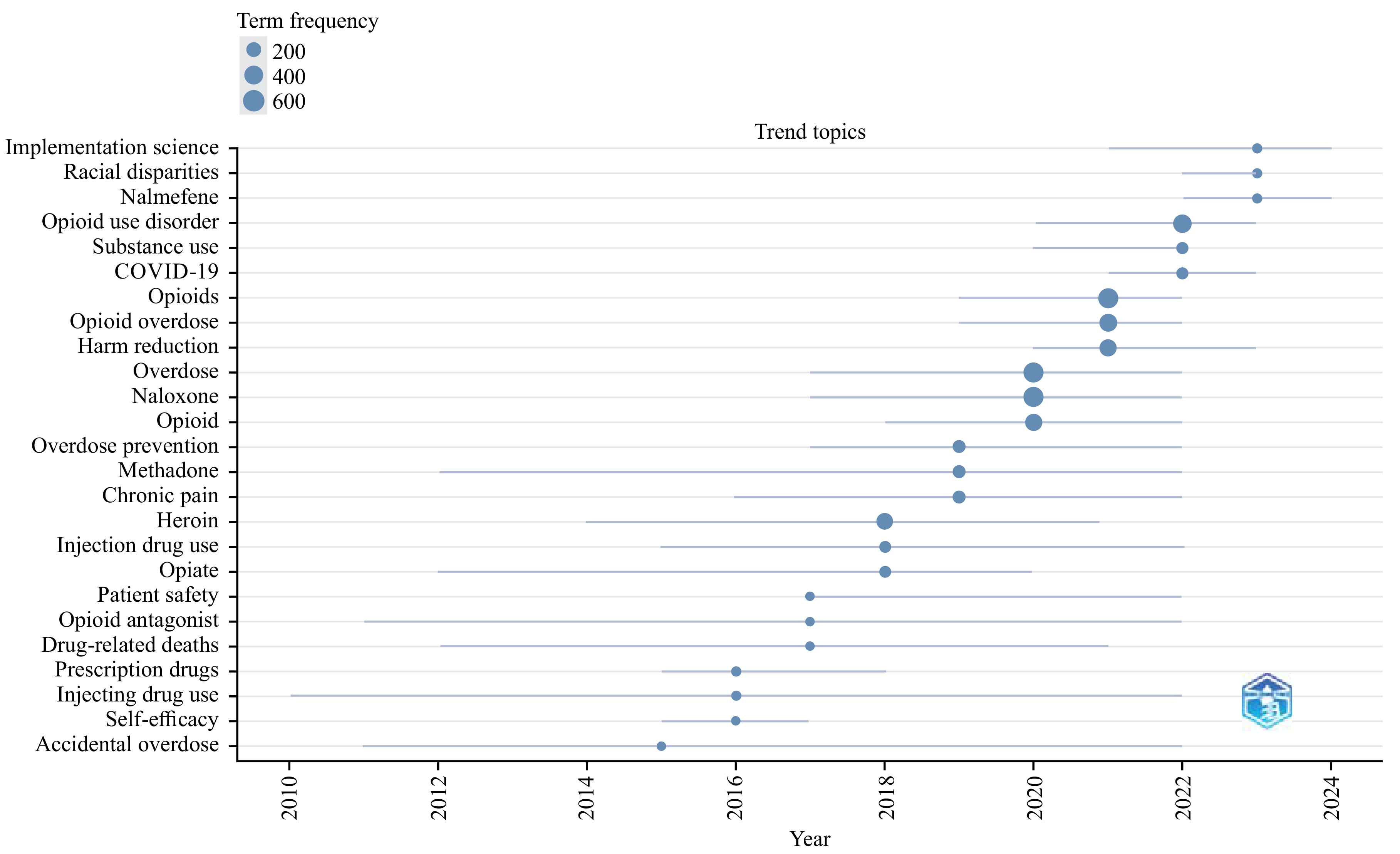
Trending topics (Fig. 5) in opioid research include racial disparities, nalmefene, COVID-19, implementation science, harm reduction and opioid use disorder. These areas explore the unequal impact on different racial groups, medication for overdose and addiction, the influence of the pandemic, bridging research and practice, minimizing harm and understanding opioid addiction.
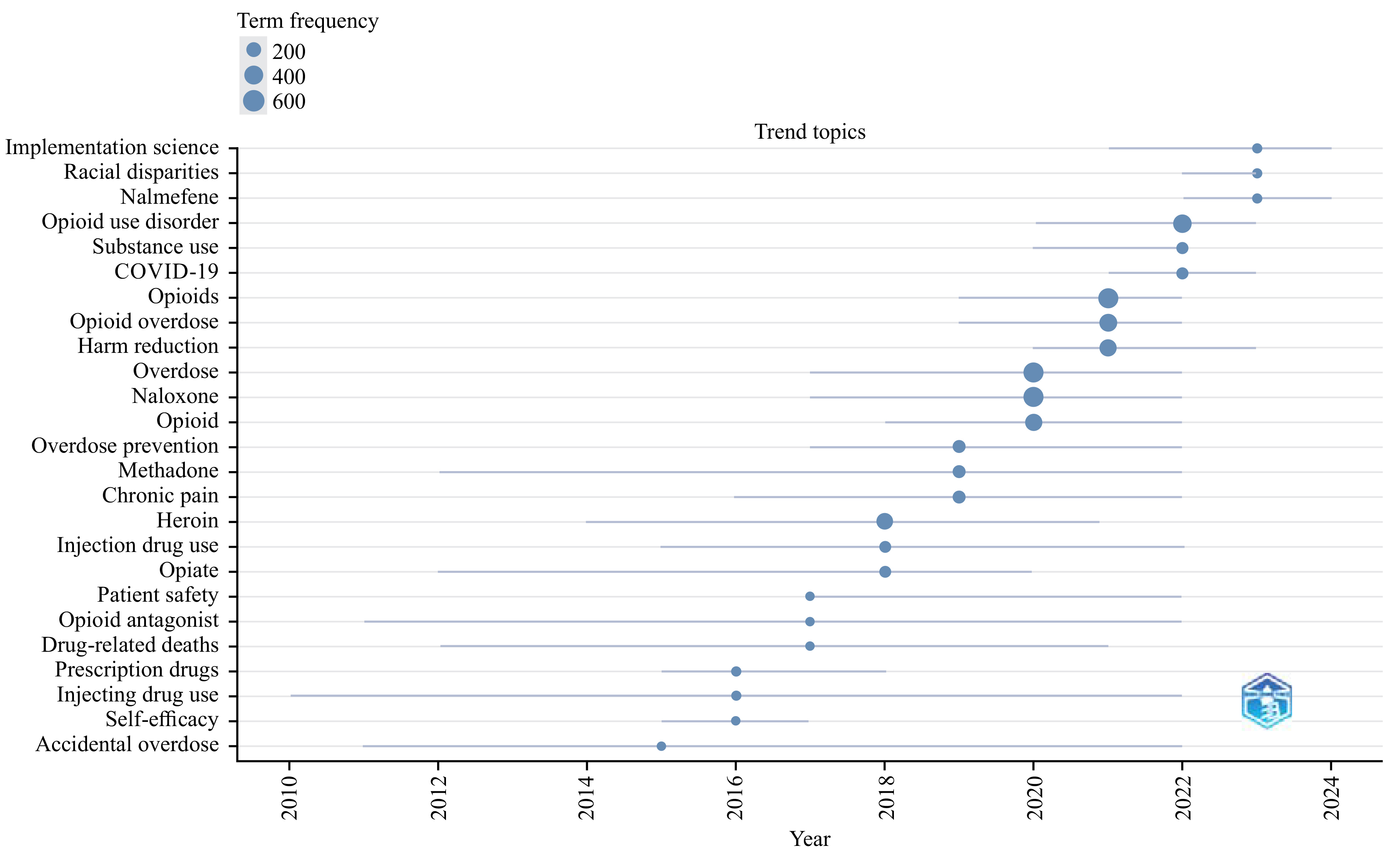 Fig. 5.
The graph depicts the research topic’s time span, with horizontal lines indicating the duration and blue circles representing the frequency of the term. This figure was generated using Bibliometrix and BibTex data files.
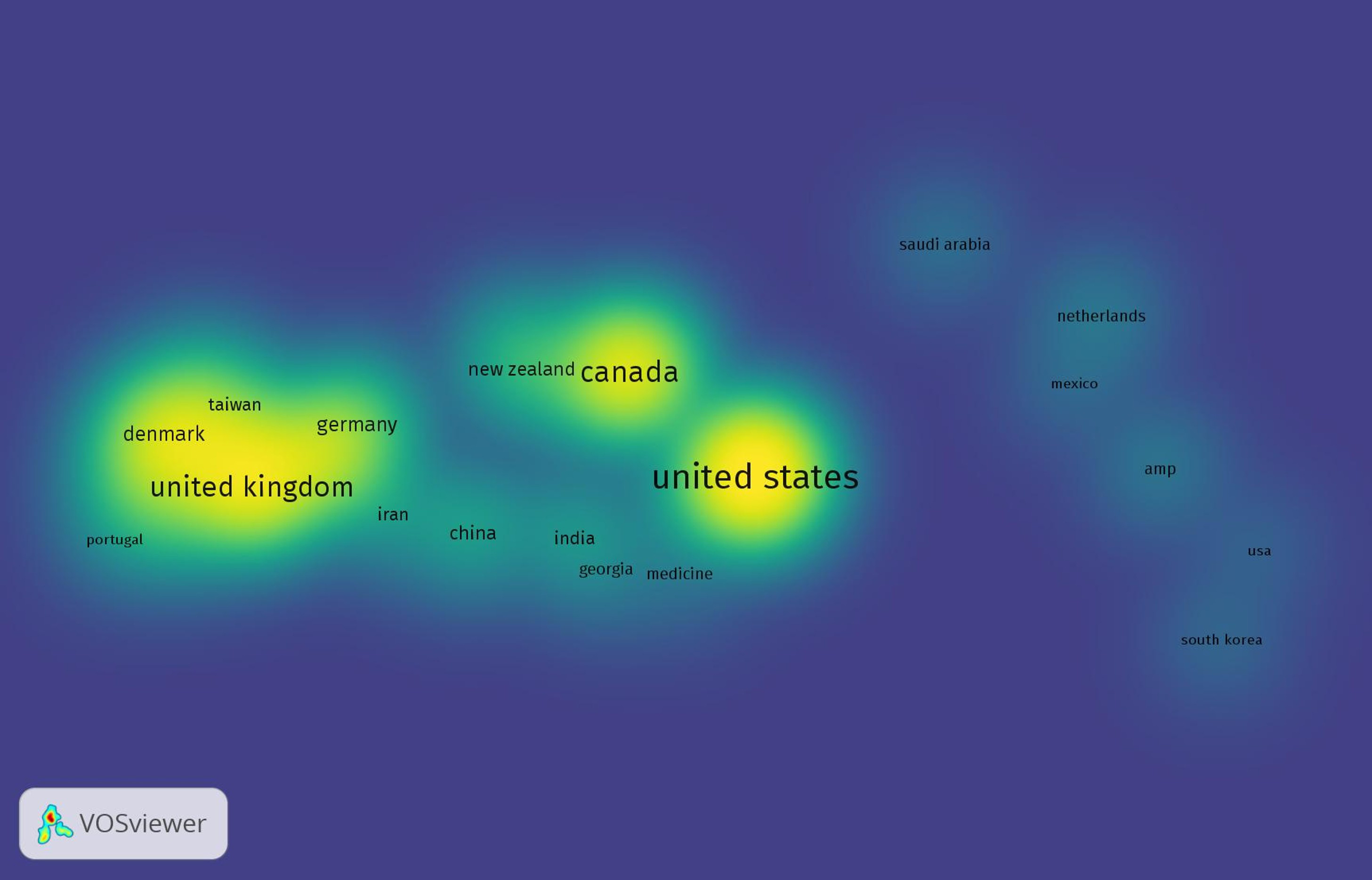
The study aims to map international collaboration in the field being investigated (Fig. 6). Using the VS Viewer program, countries with more than five documents were included in the analysis. The Total Link Strength (TLS) value, representing the strength of international collaboration, was calculated. The results indicate that the United States has the highest TLS value of 324, making it the most cooperative country in this field. Canada, the United Kingdom, Australia, Germany and Denmark also demonstrate significant levels of international collaboration with TLS values of 194, 175, 111, 55 and 46, respectively. The size of the yellow halo surrounding each country indicates the level of cooperation. A larger yellow halo signifies a higher degree of international collaboration (Fig. 6).
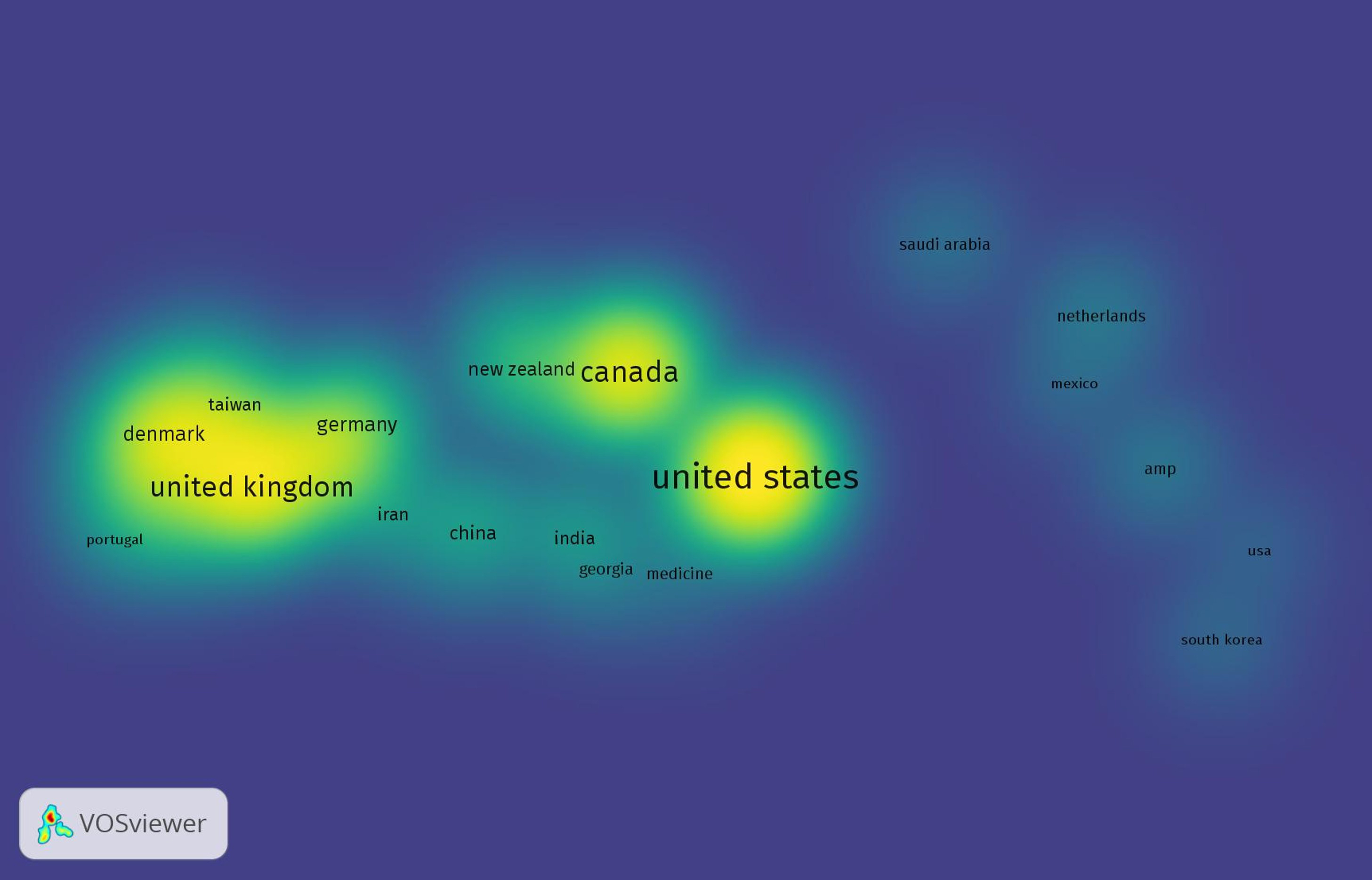 Fig. 6.
Level of international collaboration. The Total Link Strength (TLS) values, representing the strength of collaboration, are provided for each country. Size of the yellow halo surrounding each country indicates the level of cooperation. A larger yellow halo signifies a higher degree of international collaboration. The United States exhibits the strongest collaboration, represented by the largest yellow halo. It is followed by Canada, the United Kingdom, Australia, Germany and Denmark, each with progressively smaller yellow halos. This figure emphasizes the importance of international cooperation in advancing research and knowledge exchange in the field.
This bibliometrics work is an extensive survey of the opioid overdose research landscape regarding publication patterns, leading authors and collaborations. It also guides policy-making choices, directs future studies and promotes evidence-based interventions. Data-driven studies are justified as they contribute to evidence-based decision-making, optimize resource allocation, identify public health challenges and enable continuous monitoring and evaluation of healthcare policies [15, 16]. This research is significant for healthcare and policymakers in promoting evidence-based decision-making and improving healthcare outcomes.
Walley et al. [27], Green et al. [21] and Strang et al. [22] are prolific researchers in the field of opioid overdose. Their work covers a wide range of topics related to opioid overdose, including factors contributing to overdose deaths, distribution and training programs for naloxone (an opioid overdose reversal medication), medications for opioid use disorder, drug checking services and attitudes and knowledge surrounding opioid overdose. Their studies investigate sociodemographic factors and social determinants associated with opioid-related deaths, the effectiveness of take-home naloxone in preventing overdoses, the impact of education and distribution programs, community pharmacy-based naloxone models, detection devices for detecting fentanyl in street samples, willingness to use fentanyl test strips, the association between medication for opioid use disorder and mortality and the role of touchpoints in predicting and preventing opioid overdose. They also explore medication utilization and discontinuation, overdose rates among pregnant and postpartum women, acceptability of drug checking services and the development of evaluation scales for naloxone training [5, 6, 7, 8, 9, 11, 21, 22, 25, 27, 28, 29, 30, 31, 32, 33, 34, 35, 36, 37].
The United States leads in opioid research with 2868 publications (66.20%) and notable collaboration (Fig. 6). This can be attributed to factors such as the severity of the opioid epidemic [38], strong research infrastructure and funding, academic expertise, policy focus [39] and a culture of collaboration among Cottler et al. [40]. Opioid records in a previous bibliometric study were from a varied international research community, with contribution from United States always being around or above 50% [41].
The annual compound growth rate of 10.96% for included documents indicates consistent and steady increase in opioid overdose related research output over time which implies the growing interest and recognition of this problem. The increasing number of publications reflects ongoing efforts to understand and mitigate the opioid overdose crisis. In addition, the average age of such documents is 4.79 years indicating a focus on recent research that reveals dynamic nature of field itself. Researchers need to be aware of actual tendencies, developments, in interventions about drug addiction cases as well as consequences so are expected to constantly update their knowledge through continuous training [9, 11, 27]. There was a similar growth pattern noticed earlier from bibliometry on opioid research relating to chronic pain and immunomodulation [42, 43].
The shift in themes of opioid-related research between 1971–2024 reflects changing dynamics within this crisis. Starting with analgesics, benzodiazepines, drug overdose, heroin use, HIV infection prevention, etc., the topics covered later became different. At the same time other themes were added with some focusing on fentanyl, benzodiazepines, opioids, heroin and naloxone, while others dealt with issues like OUD poisoning among others. Recent years have seen further development of fentanyl remaining as one key area under investigation linked now with others such as drug overdose, health policy and HIV/AIDS prevention via opioid agonist therapy. This thematic evolution represents an ongoing attempt at solving problems in the sphere of opioid crisis.
A thematic map visually represents key research areas and concepts within a field. It indicates how topics interrelate and cluster to identify the main areas studied and their relationships with other themes [16, 20]. The conceptual map helps to identify such essential aspects as drug overdose-related deaths, pill violence rates across communities, naloxone administration schools’ libraries street level interventions, medication-assisted treatment burden etc. For instance, in this case, the scope includes examining measures for tackling overdose issues; substance abuse programs focusing on people with an addiction who most likely overdose; information related to serum or urine testing in opioid use prevalence among communities; approaches towards counseling for alcoholics using drugs like naltrexone while maintaining their abstinence during rehabilitation; risks associated misuse of opiates especially when these are taken after surgery; types support provided patients during their recovery period including follow-up therapy sessions aimed at preventing relapse relapses. Like any other field, bibliometric analysis can be used to study what has been published about addiction program development among adolescents or even social determinants affecting them.
Implementation science has become a hot topic (Fig. 5) in opioid overdose studies because of its pragmatic and straightforward approach to research transfer into real-world interventions. Furthermore, there is an increasing urgency for practical approaches to the opioid crisis, which requires bridging the gap between research evidence and implementation [44]. The use of implementation science models and techniques can help determine how complicated an intervention is when evaluating strategies for implementation, barriers and facilitators of implementation [45]. Application of results through implementation science ensures that research findings are rapidly translated into practice, thus providing timely and effective responses to immediate needs faced by opiate overdose victims [46]. Besides, when well utilized, this scientific concept can help design policies and systems that promote service delivery based on empirical evidence, therefore improving health care results at the system level. Thus, with integration into implementation, science researchers/tools/practitioners will be helped in coming up with more effective interventions, therefore having a significant impact concerning reductions in opiate overdose-related morbidity/mortality rates but also better individual/family/community outcomes [44, 45].
Limitations of this study include using a single database and focusing on english-based articles, which may introduce bias and overlook relevant research. Researchers should utilize multiple databases to ensure comprehensive coverage to overcome these limitations in future studies. Additionally, efforts should be made to include non-English language publications through translation or collaboration with international researchers. These steps will enhance inclusivity and broaden the scope of analysis while unveiling a broader landscape concerning opioid overdose research.
The study analyzed opioid overdose literature from 1971 to 2024, involving 13,971 authors, with notable high-output contributors such as Walley et al. [27] and Green et al. [21]. The United States produced the most research, followed by Canada, the United Kingdom, and Australia. On average, each document received 22.44 citations, reflecting strong visibility and influence. Seminal work centered on opioid prescribing patterns, economic burden, concurrent medication use, medication-assisted therapies, and overdose prevention programs. Over time, the focus shifted toward themes such as fentanyl, opioid use disorder, health disparities, and the broader implications of the opioid epidemic. Thematic mapping identified major clusters around drug overdose, opioids, overdose prevention, toxicology, buprenorphine, and opioid use disorder, while emerging topics include racial disparities, nalmefene, COVID-19, implementation science, and harm reduction. International collaboration was robust, led by the United States and followed by Canada, the United Kingdom, and Australia. Collectively, these findings provide a comprehensive overview of prolific authors, leading sources, research output, and evolving themes; they clarify key gaps and priorities, inform evidence-based interventions and policy development, and guide future work—particularly on long-term impacts, social determinants, technology-enabled approaches, and interdisciplinary, longitudinal research—to improve outcomes for affected individuals and communities.
The datasets used and analyzed during the current study are available from the corresponding author on reasonable request.
TA conceived and designed the study; acquired, analyzed, and interpreted the data; drafted and critically revised the manuscript; approved the final version; and accepts full accountability.
Not applicable.
The author is grateful to the Saudi Digital Library for their generous support in providing full access to their database.
This research received no external funding.
The author declares no conflict of interest.
References
Publisher’s Note: IMR Press stays neutral with regard to jurisdictional claims in published maps and institutional affiliations.