
Special Interview with The Heart Surgery Forum Editorial Board Member Prof. Massimo Bonacchi: Insights into Advances in Aortic Surgery and the Journal’s Development
21 April 2026
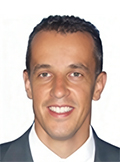
We are honored to invite Prof. Massimo Bonacchi, Editorial Board Member of The Heart Surgery Forum (HSF), Past Director of the Specialization School of Cardiac Surgery, and Professor of Cardiac Surgery at the University of Florence, Italy, to this interview. With years of in-depth experience in the field of cardiac surgery and more than two decades of academic, clinical, and scientific leadership, he has developed a research profile that bridges complex aortic surgery, total arterial coronary revascularization, minimally invasive and robotic cardiac surgery, and mechanical circulatory support. His recent scholarly activity spans external validation of the ARCH score for hypothermic circulatory arrest aortic arch surgery, minimally invasive aortic valve surgery, robotic-assisted hybrid coronary revascularization, and emerging technologies for heart failure devices [1,3,4,6,8]. In parallel, his academic career has been marked by sustained commitment to postgraduate training, doctoral education, and international collaboration. His team's study, “Long-Term Outcomes in Patients Undergoing Thoracic Endovascular Aortic Repair: A Single Center Experience,” published in HSF [2], has provided important guidance for clinical practice and future research directions in this field. This interview explores Prof. Bonacchi’s academic research journey, cutting-edge progress in aortic surgery, and his insights and suggestions regarding the development of HSF as an editorial board member, helping researchers in the global field of cardiac surgery better understand both this specialty and the journal.
Part 1: Academic Journey and Research Focus
1. Could you please briefly introduce your academic background, main research focus, and the primary scientific work currently being carried out by your team to our readers?
Thank you for this opportunity. I am currently Professor of Cardiac Surgery at the University of Florence, within the Department of Experimental and Clinical Medicine, and a Staff Surgeon at the Careggi University Hospital. My academic journey began with a medical degree, magna cum laude, from the University of Florence in 1991, followed by specializations in Cardiac Surgery, Cardiology, and Emergency Surgery. This broad formation has shaped the way I approach cardiovascular disease: not as a collection of isolated procedures, but as a continuum in which pathophysiology, perioperative care, surgical technique, and long-term outcomes must be considered together.
My clinical and research training has been profoundly shaped by international experiences. I spent formative periods at the Centre Cardio-Toracique de Monaco, the Brigham and Women's Hospital in Boston, South Manchester University Hospital, and Harefield Hospital in London, among others. Those experiences taught me the value of technical discipline, critical appraisal of evidence, and multidisciplinary teamwork. They also reinforced an academic method that I still consider essential today: combining clinical observation with systematic research and translating that research back into improved patient care.
Our current scientific activity is organized around four major lines. The first is complex aortic surgery, especially aortic arch disease, acute dissection, hybrid repair, and perioperative organ protection. The second is coronary surgery, with particular interest in total arterial myocardial revascularization, conduit strategy, and hybrid coronary procedures. The third is minimally invasive and robotic cardiac surgery, where we study not only feasibility but also physiologic impact and long-term results. The fourth is mechanical circulatory support and advanced heart failure, including device-based therapies and patient selection.
What I consider especially important is that these programs are not pursued in isolation. They are supported by an academic ecosystem that includes residents, doctoral students, fellows, statisticians, and international collaborators. In this sense, our work is not only surgical research; it is also a model of academic training, because each project is designed to produce both scientific knowledge and the next generation of surgeon-scientists.
My scholarly work includes over 150 documents indexed in Scopus, with 2,443 total citations and an h-index of 26. According to Web of Science Core Collection, my publications have been cited over 4,100 times, with an average of 14.76 citations per item and an h-index of 35.
2. You have long been dedicated to research in aortic surgery, adult cardiac surgery, and mechanical circulatory support. What do you think are the key challenges and potential opportunities these fields will face in future clinical practice?
These fields are entering a phase in which technical progress is rapid, but the central challenge remains the same: selecting the right treatment for the right patient at the right time. In aortic surgery, for example, the growth of endovascular and hybrid strategies has expanded our therapeutic armamentarium, but it has also made decision-making more complex. The real issue is no longer whether a technology exists, but how to integrate it responsibly with open surgery, imaging, risk stratification, and long-term surveillance.
Aortic arch surgery has historically been considered particularly challenging due to its invasiveness and technical complexity. In my view, for complex aortic arch disease, one of the most important unmet needs is better perioperative risk prediction and organ protection. Neurologic injury, renal dysfunction, distal aortic remodeling, and the durability of arch repair all remain clinically decisive. However, TEVAR has fundamentally transformed our therapeutic landscape. We face what I describe as a "dichotomy": type A versus type B dissection, surgery versus medical management, traditional arch replacement versus hybrid approaches. Resolving these dichotomies through evidence-based medicine represents our central challenge.
A second major challenge involves risk stratification in complex aortic arch surgery. Existing models often lack precision in this subset of patients. This is why our interest has extended beyond technical performance alone to include predictive tools such as the ARCH score and structured follow-up after open, hybrid, and endovascular treatment. My team has been actively engaged in validating specialized tools such as the ARCH score through multicenter studies encompassing 851 patients across European and North American centers, demonstrating excellent discrimination with a c-statistic of 0.798 [1].
The opportunity before us is to establish the "Aortic Team" approach—multidisciplinary collaboration among cardiac surgeons, vascular surgeons, interventional radiologists, and imaging specialists. This integrated model ensures comprehensive patient care from diagnosis through long-term follow-up.
In mechanical circulatory support, the challenge is broader than device implantation. We need better criteria for timing, bridge strategy, complication prevention, and quality-of-life assessment. As technologies evolve, the field will increasingly depend on multidisciplinary heart-failure programs capable of integrating surgery, cardiology, intensive care, rehabilitation, and health economics.
The major opportunity, in my opinion, lies in precision cardiovascular surgery. This means combining anatomy, clinical risk, biomarkers, genetics, procedural expertise, and increasingly data-driven tools to tailor therapy. The future will belong to centers that are not defined only by operative volume, but by their ability to generate evidence, teach reproducible techniques, and deliver genuinely personalized care.
Within this field, I coordinate the DAVID multicenter study, which evaluates left ventricular assist devices in terms of survival, quality of life, and economic implications. These outcomes are critical as these technologies emerge as primary treatment options for end-stage heart failure.
3. In your role as Associate Professor of Cardiac Surgery at the University of Florence, you have held multiple positions, such as Director of the Specialization School of Cardiac Surgery, Delegate for Internationalization, Member of the Research Committee, and Member of the Teaching and Curriculum Committee, among others. How do you balance your research, teaching, clinical work, and editorial responsibilities?
I do not see these roles as separate compartments. For me, they are different expressions of the same academic mission: to improve patient care, generate reliable evidence, and train future surgeons. Balance becomes possible when there is conceptual coherence across all activities.
Teaching is central to this model. Over the years, I have taught cardiac surgery in the medical curriculum, in several specialty schools, in master's programs, and in doctoral training environments in Florence. I have always tried to move beyond traditional lectures by involving trainees directly in case discussion, data collection, study design, manuscript preparation, and technical simulation. This educational philosophy is particularly important in surgery, where cognitive training, technical learning, and scientific reasoning should develop together.
My approach is fundamentally collaborative. Examining my publications reveals a broad network of collaborators who bring diverse expertise to our work. This distributed model of scholarship allows us to accomplish far more than any individual could.
Clinical practice is the source of our research questions, and teaching is inseparable from research. Complex dissections, reoperations, hybrid coronary strategies, and advanced heart-failure cases all generate problems that require systematic investigation rather than anecdotal solutions. In turn, research improves our decision-making and gives trainees a framework for critically evaluating what they do in the operating room: every challenging reoperation raises questions that cannot be answered by existing literature, and these clinical puzzles become the basis for our investigations. As Professor of Cardiac Surgery, Vice Director, Co-Director, and Director of the Specialization School in Cardiac Surgery (2015-2019), I engage medical students and trainees in the process of discovery. Our large observational studies have involved numerous students and trainees who contribute to ideation, data collection, analysis, and manuscript preparation. I have introduced innovative educational projects that utilize advanced surgical simulations and regular case review sessions, focusing on emerging technologies.
Editorial responsibilities—as Editorial Board Member of The Heart Surgery Forum (HSF), and serving as associate editor, editorial board member, or reviewer for several other prominent journals including JACC, Circulation, Annals of Thoracic Surgery, and European Journal of Cardio-Thoracic Surgery, Frontiers in Cardiovascular Medicine—provide a broader perspective on the field, exposing me to innovative approaches and emerging evidence before they appear in print.
The key is to maintain a coherent intellectual focus: improving outcomes for patients with complex cardiac disease through rigorous evaluation of surgical techniques and technologies.
In practical terms, the key to balance is teamwork, delegation, and continuity: building a group in which teaching, research, and clinical care are not competing priorities but mutually reinforcing functions.
Part 2: Frontiers and Hot Topics in the Field
1. What do you see as the biggest challenges or unresolved core issues in the treatment of aortic disease, particularly in TEVAR?
Based on our research and clinical experience, I identify several unresolved core issues.
First, endoleaks remain a significant challenge. In our TEVAR study [2], 21.6% of patients developed endoleaks during follow-up, with type II endoleaks being the most common. While many can be managed conservatively or with secondary interventions, they represent failure of the primary therapeutic objective. This is particularly relevant for younger patients, chronic degenerative disease, and arch-involving pathology, where the initial procedural success must be weighed against years of reintervention risk and continued surveillance [2].
Second, optimal management of the aortic arch—the most complex and controversial segment. Open, hybrid, branched, fenestrated, and physician-modified solutions are all evolving, but patient selection is often more difficult than the procedure itself. For this reason, I strongly believe in the concept of the Aortic Team: cardiac surgeons, vascular surgeons, interventional specialists, imaging experts, anesthesiologists, and intensivists working within a shared framework. Through my role as Guest Editor for research topics on "Novel Insights into Aortic Arch Repair" [7], I have emphasized that aortic arch surgery is at a crossroads, with some centers pursuing total endovascular approaches while others advocate hybrid or open repair depending on patient anatomy.
Third, the long-term durability of TEVAR requires further investigation. Complications such as endoleaks, distal aortic events, and incomplete remodeling remain clinically relevant and should not be underestimated, especially in younger patients, simply because the initial intervention is less invasive. One of the lessons from our TEVAR work is that favorable early outcomes must always be interpreted in light of structured long-term follow-up.
Fourth, management of acute type A aortic dissection with malperfusion syndromes continues to be one of the most challenging emergencies in cardiovascular surgery. Here, innovation is welcome, but it must be critically validated, and we must continue to evaluate these strategies rigorously. Newer adjuncts and hybrid concepts, including stent-assisted repair strategies, are promising only if they improve not just technical success, but survival, neurologic outcomes, aortic remodeling, and downstream reintervention burden.
Finally, we need better integration of genetic and biomarker data into clinical decision-making. Through my participation in PRIN projects on hereditary aortic pathologies and biological signatures of atherosclerosis, I have seen how understanding genetic factors can personalize treatment for syndromic aortopathies versus degenerative aneurysms.
2. Emerging technologies, including minimally invasive surgical techniques and endovascular interventional techniques, are driving the development of cardiac surgery. Is your team applying these technologies to carry out clinical or scientific research work? What practical experience can you share?
Yes, very much so. Emerging technologies are central to our research portfolio. Our strategy has been to study innovation not as an end in itself, but as a hypothesis that must be tested against measurable outcomes. This principle has guided our work in minimally invasive aortic valve surgery, hybrid coronary revascularization, aortic arch repair, and mechanical circulatory support [3,4,6,7,8].
Regarding minimally invasive surgical techniques, one important lesson has been that access strategy matters, but details within the access strategy may matter even more.
Our work comparing ministernotomy with right anterior minithoracotomy techniques [3] and our study on pleural integrity preservation [4] both suggest that perioperative physiology and postoperative recovery can be meaningfully influenced by refined technical choices. These are examples of how careful surgical craftsmanship can generate research questions with immediate clinical relevance. Our research has taught us that benefits extend beyond cosmetic outcomes and shorter hospital stays—they fundamentally alter patient physiology in ways that influence long-term survival. A particularly instructive example is our investigation of preservation of pleural integrity during minimally invasive aortic valve replacement. In a propensity-matched analysis of 1,696 patients, we demonstrated that maintaining the pleura closed without chest tube insertion reduced ICU stay (9.7 vs. 17.3 hours), hospital stay (5.2 vs. 8.9 days), and, most importantly, improved 30-day survival (1.0% vs. 2.9% mortality) [4]. This finding—that a seemingly minor technical detail has a substantial impact—exemplifies clinically meaningful knowledge emerging from systematic investigation.
In the endovascular domain, our TEVAR research has provided important insights into patient selection. We found that despite 44.3% of procedures being performed urgently/emergently, hospital mortality was only 7.2%, with 8-year survival reaching 76%. Notably, prior cardiac surgery (51.6% of patients) and cerebrovascular disease (23.2%) were important considerations in procedural planning[2].
Our team has also investigated hybrid approaches combining surgical and endovascular techniques, including the Ascyrus Medical Dissection Stent for acute type A aortic dissection repair[5].
Perhaps most importantly, our research extends beyond procedural outcomes to risk prediction and patient selection. Through machine learning analysis of factors influencing ischemic stroke after CABG (presented at ESC Congress 2020) and validation of the ARCH score for aortic arch surgery, we provide surgeons with tools for evidence-based decision-making [1].
At the same time, we believe that educational innovation is essential: technical progress has little value if it cannot be safely transmitted. This is why we are equally engaged in procedural standardization, video-based teaching, and operative mentoring, as reflected, for example, in our work on radial artery harvesting techniques for training environments [9].
Part 3: Collaboration with the Journal and Suggestions
1. Could you share what motivated you to join the editorial board of HSF and become a member of this international journal in the field of cardiac surgery?
My motivation comes from a conviction that scientific publishing is not a secondary activity; it is part of the responsibility of an academic surgeon. A journal is not only a repository of papers, but also a place where standards are set, controversies are clarified, and younger investigators learn what good scientific reasoning looks like. That is why editorial work is meaningful to me.
Specifically, my decision to join the HSF editorial board stems from several considerations.
First, I was also attracted by the international profile of HSF. I believe the dissemination of surgical knowledge should be a global endeavor, transcending geographic boundaries. Cardiac surgery develops through dialogue among different traditions, case mixes, healthcare systems, and technical cultures. A journal that welcomes these perspectives can play a valuable role in connecting not only centers, but also generations of surgeons and investigators. HSF has established itself as a platform welcoming contributions from around the world, providing visibility to research that might otherwise remain confined to regional audiences. This international perspective is essential for advancing our field.
Second, my experience as Associate Editor for Frontiers in Cardiovascular Medicine and Frontiers in Surgery has reinforced my appreciation for journals that actively shape scientific discourse. HSF's commitment to publishing original research, reviews, case reports, and forum discussions creates a dynamic intellectual environment I find highly appealing.
Third, I value contributing to peer review in a meaningful way. Having benefited throughout my career from constructive criticism of anonymous reviewers—including my roles as a reviewer for other leading cardiovascular journals —I consider it a professional obligation to provide similar service to the community.
Finally, editorial activity is closely linked to mentorship and complements my research activities. Engaging with manuscripts across a broad spectrum keeps me informed about emerging trends and methodologies, enriching my own scientific work. Constructive peer review can improve a manuscript, but it can also help form the scientific habits of authors, especially early-career colleagues. This educational dimension is one of the reasons I consider editorial service an extension of academic teaching and my mentorship of trainees.
2. As an Editorial Board Member, what aspects of a manuscript do you prioritize during peer review? How would you evaluate HSF's current review process?
During peer review, I prioritize several aspects.
Methodological rigor is paramount. In surgical research, where randomized trials are often difficult, observational work must be especially rigorous. I look carefully at study design, endpoint definition, statistical strategy, follow-up completeness, and the degree to which the authors have addressed confounding and selection bias. My work validating the ARCH score using ROC curve analysis, bootstrap validation, and Brier scores exemplifies the methodological standards I consider essential.
Clinical relevance is equally important. A methodologically flawless and technically sophisticated study has limited value if it does not address a meaningful problem in patient care. I ask whether the question arises from genuine uncertainty and whether the results have practical implications for surgeons making treatment decisions or can influence decision-making, technique, patient selection, or future investigation.
Transparency and completeness of reporting are critical. Authors should describe patient selection, operative strategy, adjunctive measures, statistical methods, and limitations with enough precision that readers can interpret and, when appropriate, reproduce the work. For surgical papers in particular, technical clarity is not optional. I assess whether authors provide sufficient detail and outcome definitions to enable replication; following reporting guidelines such as STROBE for observational studies or PRISMA for systematic reviews is essential.
Regarding HSF's current review process, I find it efficient and constructive. The journal maintains appropriate standards for methodological quality while recognizing the value of observational research and single-center experiences. Turnaround time from submission to decision is reasonable, and reviewer comments are typically substantive and helpful. One particular strength is the journal's willingness to consider negative findings, essential for counterbalancing publication bias.
3. Based on your editorial experience with HSF and your academic perspective in cardiovascular research, what constructive suggestions do you have for HSF's planning for future topics, special issues, international cooperation, and other aspects?
Drawing on my editorial experience and broader perspective, I offer several suggestions.
First, I recommend commissioning more systematic reviews and meta-analyses on controversial topics. Our recent meta-analysis on mitral valve surgery after failed transcatheter edge-to-edge repair, synthesizing data from 16 studies encompassing 892 patients, demonstrated the power of aggregated evidence to guide clinical decision-making.
Second, I encourage HSF to expand its focus on risk prediction and patient selection while also promoting better methodology in surgical research. Special issues or invited tutorials on propensity analysis, competing-risk methods, external validation of risk scores, and reporting standards would be useful not only for readers but also for authors preparing future work.
Third, I suggest strengthening international collaboration through dedicated issues highlighting regional practices and outcomes. Cardiac surgery varies across the world, influenced by disease patterns, healthcare systems, and resource availability. Multicenter registries, regional practice comparisons, expert roundtables, and cross-disciplinary contributions from imaging, vascular surgery, heart failure, and intensive care would increase both relevance and scientific breadth.
My international collaborations with various centers have enriched my perspective and could serve as models for such initiatives.
Fourth, I recommend that HSF consider creating structured mentorship opportunities for early-career researchers. This could involve pairing junior authors with experienced editorial board members during manuscript revision, publishing mentored research reports, or offering workshops on scientific writing. My roles as a member of the PhD Program Committee in Clinical Sciences at the University of Florence have reinforced my commitment to nurturing the next generation.
Finally, I suggest that the journal explore innovative article formats beyond traditional research reports. "Surgical technique" videos, "expert opinion" roundtables, and "controversies in cardiac surgery" debates could engage readers in new ways. I would strongly encourage educational initiatives for early-career surgeons and researchers. This may include mentored revisions, invited methodological primers, and dedicated spaces for how-to technical learning.
A journal becomes stronger not only by publishing good science, but by helping create the community capable of producing it.
In this exclusive interview, Prof. Massimo Bonacchi has comprehensively shared his academic journey, cutting‑edge challenges, technical applications, and future directions in aortic surgery and mechanical circulatory support, and put forward highly valuable suggestions for HSF in peer review, topic planning, international cooperation, and early‑career researcher development.
Prof. Massimo Bonacchi outlines a vision of cardiac surgery that is at once technical, scientific, and educational. His perspective is shaped not only by operative experience but also by sustained work in clinical investigation, international collaboration, postgraduate training, and editorial service.
We sincerely thank Prof. Bonacchi for taking time out of his busy schedule to join this interview, and look forward to further in‑depth cooperation with the professor to jointly promote academic exchange in cardiac surgery and the continued development of high‑quality contributions from the journal.
Selected publications and scholarly outputs discussed in this interview
1. Cabrucci F, Baudo M, Sicouri S, et al. Dual-center external validation of the ARCH score: Predictive accuracy and calibration for hypothermic circulatory arrest aortic arch surgery. Surgery. 2025.
2. Aleksander Dokollari, Serge Sicouri, Roberto Rodriguez, et al. Long-Term Outcomes in Patients Undergoing Thoracic Endovascular Aortic Repair. Single Center Experience. Heart Surg. Forum 2025, 28(1), 86–95.
3. Bonacchi M, Dokollari A, Parise O, et al. Ministernotomy compared with right anterior minithoracotomy for aortic valve surgery. J Thorac Cardiovasc Surg. 2023;165(3):1022-1032.e2.
4. Bacchi B, Cabrucci F, Chiarello B, Dokollari A, Bonacchi M. Impact of Pleural Integrity Preservation After Minimally Invasive Aortic Valve Surgery. Innovations. 2024;19:298-305.
5. Cabrucci F, Bacchi B, Petrone D, et al. Clinical and Radiological Outcomes of Acute Type A Aortic Dissection Repair with the Ascyrus Medical Dissection Stent. J Clin Med. 2025;14(23):8553.
6. Dokollari A, Gemelli M, Sicouri S, et al. Midterm Clinical Outcomes of Robotic-Assisted Reverse Hybrid Coronary Revascularization: A Single-Center Experience. Am J Cardiol. 2024.
7. Bonacchi M, Cabrucci F, Bacchi B, et al. Editorial: Novel insights into aortic arch repair. Front Cardiovasc Med. 2022;9:1087952.
8. Bonacchi M, Bacchi B, Cabrucci F, et al. Editorial: New technologies for mechanical heart failure devices on the horizon: a non-distant future. Front Cardiovasc Med. 2024;11:1442164.
9. Cabrucci F, Bacchi B, Chiarello B, Dokollari A, Bonacchi M. Radial artery harvesting with harmonic scalpel: fully no-touch technique. Multimed Man Cardiothorac Surg. 2023.
Journal Homepage: The Heart Surgery Forum