
Special Interview with Clinical and Experimental Obstetrics & Gynecology Associate Editor Prof. Osamu Hiraike: Insights into Ovarian Aging, Reproductive Medicine, and Journal Development
22 April 2026
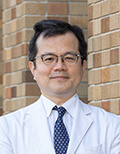 |
Osamu Hiraike, MD Department of Obstetrics and Gynecology, Nippon Medical School Hospital, Tokyo, Japan Interests: gynecology; reproductive endocrinology; minimally invasive gynecology; ovary; ageing; estrogen |
Prof. Osamu Hiraike is an Associate Professor in the Department of Obstetrics and Gynecology at the Nippon Medical School Hospital. He has long‑standing clinical and academic experience in reproductive endocrinology, infertility, menopausal medicine, minimally invasive gynecologic surgery, and women's health across the life course. His research focuses on ovarian aging, oxidative stress, and age‑related fertility decline, with important achievements in these areas. As a key member of the Editorial Board of Clinical and Experimental Obstetrics & Gynecology (CEOG), he has recently been appointed as an Associate Editor of the journal.
It's our great honor to conduct an exclusive interview with Prof. Osamu Hiraike. We conduct in-depth exchanges on his academic research journey, the cutting-edge hotspots in the field of ovarian aging and female reproductive health, as well as the development, construction, and future planning of CEOG. The interview aims to explore new research perspectives in the field of obstetrics and gynecology, gather academic wisdom for the international and high-quality development of CEOG, and share cutting-edge research ideas and journal construction experience with obstetrics and gynecology scholars around the world.
1. Could you please briefly introduce your academic background, the subspecialties within obstetrics and gynecology you have been deeply engaged in, and the core scientific research work that your team is currently advancing?
I am an obstetrician and gynecologist with longstanding clinical and academic experience in reproductive endocrinology, infertility, menopausal medicine, minimally invasive gynecologic surgery, and women’s health across the life course. Throughout my career, I have been involved in both clinical practice and academic leadership, with a particular interest in connecting basic science, translational research, and real-world women’s healthcare. My main subspecialty interests include ovarian aging, reproductive endocrinology, hysteroscopy and minimally invasive gynecology, bone and metabolic health in women, and the development of evidence-based strategies for women’s health promotion. In parallel with my clinical work, I have also been engaged in academic society activities, surgical education, and the dissemination of reliable health information for women.
At present, our team is advancing research in several interconnected areas. One major focus is ovarian aging and the biological mechanisms underlying age-related decline in ovarian function, including oxidative stress, tissue microenvironment, and fibrosis. We are also working on research related to perimenopausal health, lipid metabolism, and early biomarkers associated with ovarian reserve and bone metabolism. In addition, we are interested in how digital health, clinical databases, and AI-based approaches can contribute to better diagnosis, decision-making, education, and quality improvement in obstetrics and gynecology.
2. Your research focuses on ovarian aging, reproductive endocrinology, minimally invasive gynecology, and other fields, among which the research on ovarian oxidative stress and age-related fertility decline has achieved important results. Could you share the initial rationale behind this research project and its practical significance for clinically solving female fertility problems?
Our interest in ovarian oxidative stress arose from a simple but clinically important question: why does ovarian function decline not only quantitatively but also qualitatively with age? In daily practice, we often encounter women whose reproductive potential cannot be fully explained by chronological age alone. This suggests that biological aging of the ovary is influenced by specific cellular and tissue-level mechanisms that may eventually become modifiable targets. Among these mechanisms, oxidative stress appears to play a central role. The ovary is a highly dynamic organ that undergoes repeated cycles of follicular growth, ovulation, tissue remodeling, and repair. Over time, cumulative oxidative damage may affect granulosa cells, oocytes, stromal tissue, and mitochondrial function, thereby contributing to diminished ovarian reserve and impaired oocyte quality. We considered that understanding this process more precisely could help bridge the gap between laboratory science and clinically meaningful intervention.
The practical significance of this research lies in its translational potential. If we can better characterize the pathways linking oxidative stress to ovarian aging, we may be able to identify earlier biomarkers of reproductive decline, improve risk stratification, and design preventive or therapeutic strategies aimed not only at preserving the number of follicles but also at maintaining oocyte competence and overall ovarian health. Ultimately, this line of research may contribute to more individualized fertility counseling and to broader strategies for women’s reproductive longevity.
3. Ovarian aging and female fertility preservation are currently hot topics of global concern. What do you think are the primary challenges or unresolved core scientific issues in this field?
Ovarian aging and female fertility preservation are indeed among the most important and challenging topics in contemporary reproductive medicine. Despite significant progress, several core issues remain unresolved.
First, we still do not fully understand the mechanisms that determine the heterogeneity of ovarian aging among individuals. Chronological age is a strong predictor, but women of the same age often show markedly different ovarian reserve, endocrine profiles, and reproductive outcomes. This indicates that additional biological determinants, such as oxidative stress, fibrosis, mitochondrial dysfunction, inflammation, vascular change, and genetic or epigenetic susceptibility, must be better defined.
Second, there remains a major gap between markers of ovarian quantity and markers of ovarian quality. In clinical practice, we have relatively accessible indicators such as AMH and AFC, but these do not fully capture oocyte competence or reproductive potential. Developing reliable biomarkers that reflect both biological ovarian age and functional reproductive prognosis is therefore a major unmet need.
Third, current fertility preservation strategies are still largely centered on cryopreservation, which is important but not sufficient to address the broader question of how to maintain ovarian health itself. We need to expand the field from preservation of reproductive material to preservation of ovarian function and tissue integrity.
Finally, a major challenge is translation. Many mechanistic insights are emerging from laboratory studies, but converting them into safe, effective, and clinically applicable interventions remains difficult. I believe the future of this field depends on integrating molecular biology, imaging, omics, pathology, and longitudinal clinical data to establish a more comprehensive understanding of ovarian aging and to identify realistic intervention points.
4. Emerging technologies such as single-cell sequencing, organoid models, AI-assisted pathology, and advanced minimally invasive surgical systems are reshaping gynecology. How are these technologies influencing your research or clinical practice?
Emerging technologies are already having a substantial impact on both research and clinical practice in gynecology. In my own work, these technologies are especially valuable because they allow us to move from descriptive observation to more precise, mechanism-based understanding.
Single-cell sequencing, for example, offers a powerful way to analyze the heterogeneity of ovarian and endometrial tissues. It enables us to examine how individual cell populations change with aging, inflammation, fibrosis, or hormonal environment, and this is highly relevant to ovarian biology and reproductive endocrinology. Organoid and ex vivo tissue models also provide promising platforms for studying disease mechanisms and therapeutic responses in a more physiologically relevant setting.
AI-assisted pathology and image analysis are becoming increasingly important as well. In gynecology, these approaches have the potential to improve diagnostic consistency, identify subtle patterns not easily recognized by the human eye, and create new quantitative indicators for research. In surgical fields, advanced minimally invasive systems, digital video analysis, and AI-based skill assessment may also contribute to better education, standardization, and quality assurance.
From a clinical perspective, advanced minimally invasive surgical systems continue to improve the precision, ergonomics, and reproducibility of procedures. At the same time, digital health tools, wearable devices, and large-scale clinical databases are creating new opportunities to understand women’s symptoms and health trajectories in real-world settings. I believe the most important point is not simply to adopt new technology, but to use it in a way that meaningfully improves patient outcomes, research quality, and equity of care.
5. As you have just been appointed to the role of Associate Editor of the journal, what are your expectations and plans for your future work in this position?
I was pleased to have the opportunity to join the editorial board of Clinical and Experimental Obstetrics & Gynecology because the journal covers a broad and important spectrum of our field, spanning both clinical practice and experimental research. I have long believed that obstetrics and gynecology require exactly this kind of integrative academic platform, where laboratory discoveries, clinical evidence, surgical innovation, and women’s health perspectives can be brought into meaningful dialogue.
As I take on the role of Associate Editor, I see my responsibility as contributing to the scientific quality, fairness, and international visibility of the journal. I hope to support the journal by helping to identify manuscripts with genuine novelty, sound methodology, and practical relevance, while also encouraging submissions in areas of growing importance such as reproductive aging, endocrine gynecology, minimally invasive surgery, digital health, AI applications, and life-course women’s health.
I also hope to contribute to the journal’s further development as a trusted international forum for high-quality scholarship. In this role, I would like to support efficient and constructive peer review, help attract strong submissions from diverse regions, and promote a culture of academic rigor combined with collegiality and transparency.
6. CEOG has always adhered to a fair and transparent peer review process. As an editorial board member, what aspects do you focus on to evaluate the quality and academic value of manuscripts when reviewing them? What are the review standards and principles you adhere to? In your view, how would you characterize the overall quality of manuscripts currently published in CEOG?
When reviewing manuscripts, I focus first on the clarity and importance of the research question. Even before examining the details, I ask whether the study addresses a meaningful scientific or clinical problem and whether the authors clearly explain why the work matters.
Second, I carefully evaluate methodological rigor. This includes the appropriateness of study design, patient or sample selection, outcome definitions, statistical analysis, handling of bias and confounding, and the consistency between the data presented and the conclusions drawn. For basic and translational studies, I also pay close attention to experimental design, reproducibility, and whether the interpretation remains appropriately cautious.
Third, I value originality and contribution to the field. Not every paper must be groundbreaking, but each paper should add something reliable and useful—whether a new concept, a robust dataset, a clinically relevant perspective, or a well-executed confirmation of prior findings in a new setting.
In terms of review principles, I believe in fairness, transparency, academic integrity, and constructive feedback. Peer review should not only filter quality but also help authors improve their work. Even when a manuscript has limitations, the review process should guide authors clearly and respectfully.
Regarding CEOG, I think the journal has been developing in a positive direction and has published work across a broad range of obstetrics and gynecology topics. As with many broad-scope international journals, manuscript quality can vary, but this also means there is a strong opportunity for further strengthening. By continuing to refine editorial standards, prioritizing methodological robustness, and attracting more influential submissions, CEOG can further enhance its reputation and impact.
7. CEOG is an international, open-access, peer-reviewed journal covering the entire field of obstetrics and gynecology. In 2024, it became a member of STM and also joined COPE, demonstrating a strong and positive development trend. Combined with your insights into the development trend of international obstetrics and gynecology journals, what constructive development suggestions do you have for our journal in terms of topic planning (such as special issues), international cooperation, and academic communication in the future?
I believe CEOG is well positioned to strengthen its role as an international platform in obstetrics and gynecology, especially at a time when the field is becoming increasingly interdisciplinary and data-driven.
In terms of topic planning, I would recommend strategically organized special issues on areas of high momentum and broad interest. These may include ovarian aging and fertility preservation, reproductive endocrinology, minimally invasive and robotic gynecologic surgery, endometriosis, perimenopausal and menopausal health, AI and digital medicine in women’s health, placenta-related disorders, and implementation science in obstetrics and gynecology. Special issues are most successful when they are timely, focused, and led by guest editors with strong academic credibility and international networks.
For international cooperation, the journal could further expand its editorial and reviewer networks across Asia, Europe, North America, and emerging research communities. It is particularly valuable to engage both established leaders and promising mid-career researchers. International diversity in editorial participation often improves not only visibility but also the breadth of topics and methodological perspectives represented in the journal.
With regard to academic communication, I think it is increasingly important for journals to go beyond publication alone. CEOG could strengthen its presence by promoting editorials, expert commentaries, interviews, visual summaries, thematic collections, and digital dissemination through webinars or scholarly social media communication. These efforts can make high-quality work more visible and more widely discussed.
Overall, I believe the journal’s future development should focus on three parallel goals: maintaining rigorous editorial standards, increasing international academic connectivity, and improving the visibility and practical influence of the research it publishes.
In this interview, Prof. Osamu Hiraike shared his in-depth research from ovarian oxidative stress to the mechanisms of reproductive aging, his unique insights into how emerging technologies are reshaping obstetrics and gynecology, and his concrete suggestions for CEOG regarding special issues, international collaboration, and academic dissemination. His expertise not only reflects a commitment to scientific rigor but also provides a clear and practical direction for the journal’s future development. We sincerely thank Prof. Hiraike for taking the time to participate in this interview, and we look forward to his continued partnership with CEOG in advancing the dissemination of scholarly work in obstetrics and gynecology.
Journal Homepage: Clinical and Experimental Obstetrics & Gynecology