



1 Department of General Education, Shandong Xiehe University, 250109 Jinan, Shandong, China
Abstract
Medical education is associated with substantial academic and psychological demands that may undermine positive psychological resources such as hope, life satisfaction, and meaning in life, thereby highlighting the need to examine the potential role of mindfulness-based interventions in promoting well-being among medical students. This study examined the effects of a mindfulness intervention on hope, life satisfaction, and meaning in life among Chinese medical students.
A quasi-experimental pretest–posttest control group design was used, with two intact classes assigned to either the intervention group (n = 65) or the control group (n = 65). After attrition, the final sample comprised 58 participants in the experimental group and 60 in the control group. Pre- and post-intervention assessments were conducted using validated Chinese versions of standardized psychological measures. Linear mixed models (LMM) were used to analyze group-by-time interaction effects.
The experimental group showed statistically significant improvements in mindfulness, hope, life satisfaction, and meaning in life compared to the control group (p < 0.01), with medium effect sizes (partial η2 ≈ 0.059–0.083).
These results provide preliminary evidence supporting the effectiveness of brief mindfulness training in academic settings. Future research should involve larger and more diverse samples, longer follow-up periods, and additional variables to strengthen external validity and clarify the underlying mechanisms.
Keywords
- mindfulness program
- meaning in life
- hope
- life satisfaction
- quasi-experimental design
- medical students
- Chinese university
The lack of mindfulness may hinder psychological and emotional development by limiting emotional awareness and the capacity for intentional self-regulation, thereby leaving individuals more vulnerable to external pressures. Mindfulness supports the regulation of negative emotions while fostering positive states such as happiness and life satisfaction. Programs designed to cultivate mindfulness have been shown to improve attentional control, integration of life experiences, and adaptive decision-making (Malinowski and Lim, 2015). Furthermore, mindfulness encourages nonjudgmental awareness of emotions and strengthens the ability to manage distress (Hassed and Chambers, 2016; Bluth and Blanton, 2014; Cho et al., 2016).
Hope represents a key component in psychological adaptation, supporting individuals to confront challenges through deliberate, goal-oriented strategies. Empirical studies have consistently associated hope with multiple indicators of positive functioning, such as occupational success (Wood, 2022), subjective happiness (Al-Sadi, 2018), well-being (Yalnizca-Yildirim and Cenkseven-Önder, 2023), and overall quality of life (Pais-Ribeiro and Pedro, 2022), and job satisfaction (Duggleby et al., 2009). According to the theoretical framework proposed by Snyder and colleagues (1991, 1995, 1998), hope encompasses both cognitive strategies and motivational components that enable individuals to set goals, develop pathways to attain them, and maintain confidence in achieving desired outcomes. Research further suggests that mindfulness may enhance hope by reducing repetitive negative thinking, increasing present-moment awareness, and encouraging self-compassion (Wang et al., 2024; Satici and Satici, 2022; Singh and Devender, 2015). Nevertheless, findings across a study are not entirely consistent, with some evidence indicating weak or nonsignificant associations between these variables (Bhardwaj and Imran, 2023).
In addition to hope, life satisfaction is a key indicator of psychological functioning and overall mental health, reflecting individuals’ evaluative judgments regarding their lives (Diener et al., 2000). Empirical research has consistently shown that higher levels of mindfulness are associated with greater life satisfaction, partly by promoting adaptive acceptance and strengthening psychological resilience under stressful circumstances (Mace et al., 2024). Conversely, lower levels of mindfulness are often associated with reduced life satisfaction. This relationship has been supported by multiple studies, which have documented a strong correlation between mindfulness and life satisfaction in various populations (Chang et al., 2015; LeBlanc et al., 2021; Zadhasan, 2024).
Furthermore, meaning in life represents a critical component of psychological well-being (Ryff, 2014). A strong sense of purpose has been associated with favorable outcomes such as reduced mortality risk (Alimujiang et al., 2019), improved physical well-being (Czekierda et al., 2017), and lower psychological distress, particularly among individuals facing significant health challenges (Breitbart et al., 2010).
Prior research has demonstrated that meaning in life is positively associated with both hope and life satisfaction (Dursun, 2012; Santos et al., 2012). Subsequent empirical evidence has further confirmed these relationships, highlighting the interconnected nature of these psychological constructs (Karataş et al., 2021; Bhardwaj and Imran, 2023). Building on this body of evidence, the present study investigates the effects of a brief mindfulness-based intervention on hope, life satisfaction, and meaning in life among medical students in China. This population experiences continuous academic pressure, high examination demands, and limited access to structured psychological support, factors that may heighten their vulnerability to psychological distress. Investigating the effects of a structured mindfulness program in this educational context offers insights into feasible and scalable approaches to enhancing well-being in academic settings.
Theoretical perspectives on meaning in life emphasize its central role in psychological well-being, with empirical evidence showing that individuals who perceive their lives as meaningful tend to report higher levels of hope and life satisfaction (Eagleton, 2007; Dissanayake et al., 2017; Schippers and Ziegler, 2019). Within this framework, hope is conceptualized as a motivational resource that supports adaptive functioning and is positively associated with meaning in life (Hedayati and Khazaei, 2014; Snyder et al., 2002; Yalçın and Malkoç, 2015). Moreover, mindfulness has consistently been associated with an enhanced sense of meaning in life by fostering present-moment awareness, reducing maladaptive cognitive patterns, and increasing self-compassion. These psychological processes, in turn, contribute to higher levels of life satisfaction and hope by reinforcing adaptive cognitive and emotional functioning (Bloch et al., 2017; Evans et al., 2018; Viskovich and De George-Walker, 2019; Aldbyani et al., 2025; Hanner, 2024).
This study targets medical students, a population particularly vulnerable to persistent academic stress, high performance demands, and limited access to structured psychological support. Investigating the effects of a brief mindfulness intervention in this context can provide practical evidence for scalable mental health strategies in higher education. Based on this framework, it is hypothesized that students who participate in the mindfulness intervention will show significant improvements in mindfulness, hope, life satisfaction, and meaning in life compared with the control group.
This study used a quasi-experimental pretest-posttest control group design. Participants were assigned at the class level, rather than individually, with one intact class receiving the mindfulness intervention and another class serving as the control group. Individual random assignment was not feasible due to administrative constraints. This design enables the evaluation of intervention effects while accounting for potential clustering within classes.
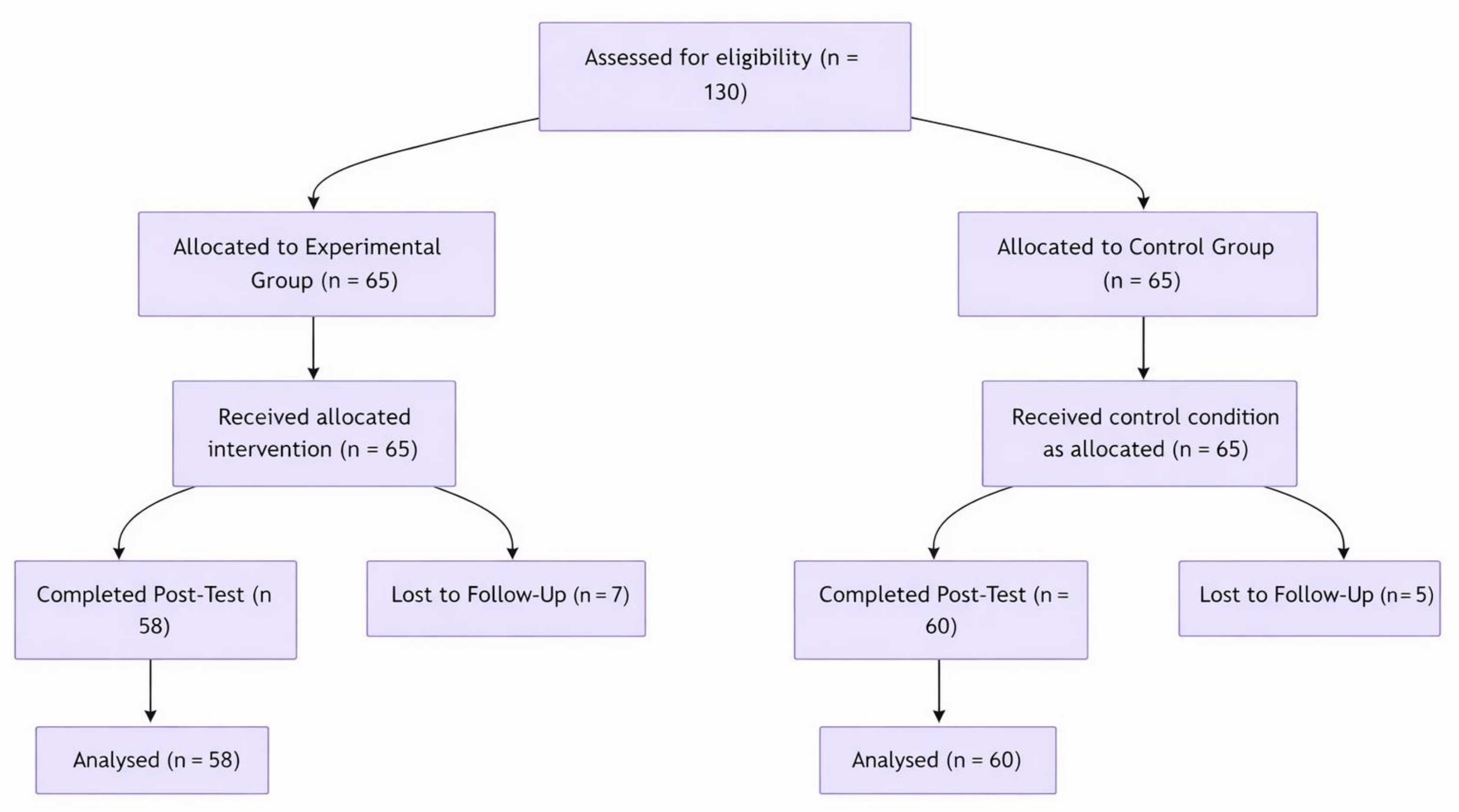
A total of 130 medical students from Shandong Xiehe University, China, participated in the study on a voluntarily basis and were assigned to either the experimental group (n = 65) or the control group (n = 65). The intervention was conducted from September 2024 to December 2024. All participants provided informed consent, and the confidentiality of their data was maintained. Participants were aged between 18 and 22 years. None of the participants reported prior exposure to mindfulness training or engagement in related practices, including Tai Chi, Qigong, or yoga. Eligibility criteria required voluntary participation and no previous experience with meditation or similar practices. Additional demographic and lifestyle characteristics, including family income, family structure, living arrangements, health-related behaviors, and physical activity, was not collected in this study. This limitation is acknowledged and will be considered in future research. During the intervention period, some students were absent, resulting in a final sample of 58 participants in the experimental group and 60 in the control group, reflecting attrition of 7 and 5 students, respectively, from the initial allocation.
A Consolidated Standards of Reporting Trials (CONSORT)-style flow diagram was created to illustrate participant allocation, follow-up, and analysis. Of the 130 students initially assigned to the two groups, 12 participants did not complete the post-test assessment (7 from the experimental group and 5 from the control group). The final analytic sample consisted of 58 participants in the experimental group and 60 in the control group. Fig. 1 presents the participant flow diagram, adapted for the quasi-experimental design.
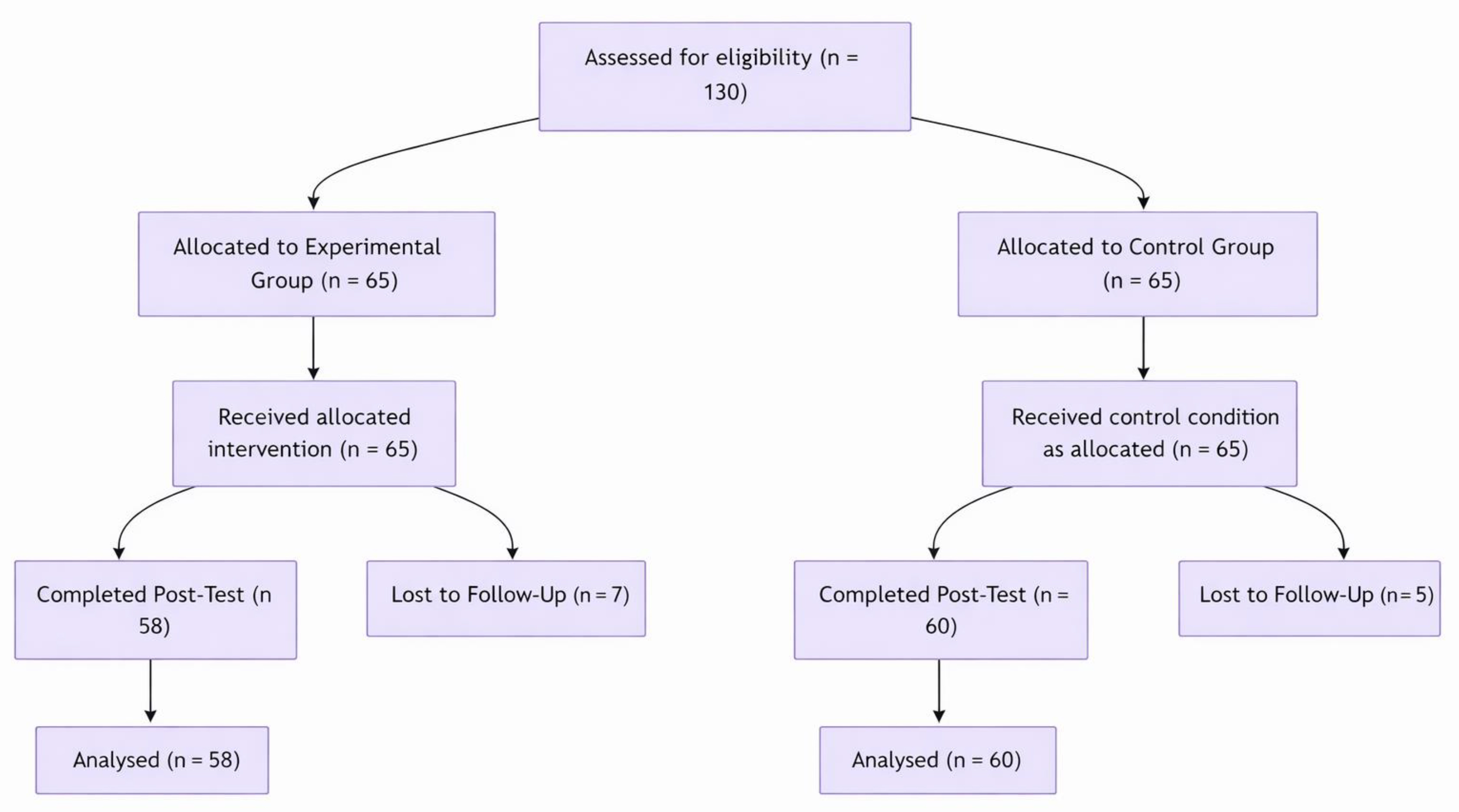 Fig. 1.
Participant flow diagram. n, number of samples.
Baseline demographic and outcome variables were examined to assess group
comparability prior to the intervention. Standardized mean differences (SMD) were
calculated for age, gender distribution, and pre-test scores for all outcome
measures, including mindfulness, hope, life satisfaction, and meaning in life.
SMDs were small across baseline variables (
| Variables | Experimental (n = 65) | Control (n = 65) | SMD | p-value |
| Age (M, SD) | 20.10 (2.40) | 19.90 (2.40) | 0.05 | 0.62 |
| Gender (% male) | 21.50% | 18.40% | 0.05 | 0.68 |
| Mindfulness (Pre) | 3.18 (0.83) | 3.15 (0.82) | 0.04 | 0.79 |
| Hope (Pre) | 3.13 (0.67) | 3.12 (0.71) | 0.01 | 0.92 |
| Life Satisfaction (Pre) | 3.33 (0.69) | 3.31 (0.67) | 0.03 | 0.85 |
| Meaning in Life (Pre) | 4.76 (0.66) | 4.74 (0.64) | 0.03 | 0.88 |
Note. Baseline comparisons are based on the original sample (n = 65 per group). The final analytic sample included 58 participants in the experimental group and 60 in the control group after exclusions. M, mean; SMD, standardized mean differences.
The study began with administering the questionnaires to two classes after obtaining informed consent and ensuring the confidentiality of responses. One class was assigned to the experimental group (n = 65), and the other served as the control group (n = 65). Participants in the experimental group engaged in an eight-week mindfulness intervention that consisted of weekly sessions combining conceptual instruction, group discussions, and 30-minute breathing-based meditation practice, complemented by assigned home exercises. The control group did not experience any form of training or intervention during this period. Attendance in the experimental group was monitored throughout the program. Upon completion of the intervention, both groups completed the post-test questionnaire. Due to participant absences during post-testing, the final sample included 58 individuals in the experimental group and 60 in the control group.
In this study, validated Chinese versions of standardized psychological scales were used to measure mindfulness, hope, life satisfaction, and meaning in life. These instruments have demonstrated satisfactory reliability and validity in previous research conducted in China; however, additional evaluation of their cultural applicability to the Chinese medical students remains necessary.
Mindfulness: The Chinese version of the Mindful Attention Awareness Scale (MAAS) was used to measure mindfulness, consisting of 15 items (Creswell, 2017). This scale has demonstrated good reliability and validity in the Chinese context (Chen et al., 2012). Participants rated each item on a 6-point Likert scale, where 1 represented “Almost always” and 6 represented “Almost never”. The internal consistency of the scale in this study was acceptable, with a Cronbach’s alpha of 0.79. Negatively worded items were reverse-scored to ensure that higher scores reflected higher levels of mindfulness.
Hope: The Chinese version of the Adult Hope Scale (AHS) was used to measure hope, consisting 12 items (Snyder, 1995). This scale has demonstrated good reliability and validity in the Chinese context (Sun et al., 2012). Each item was rated on 4-point Likert scale, ranging from 1 (“Definitely false”) to 4 (“Definitely true”). The Cronbach’s alpha for this scale was 0.90, indicating high internal consistency.
Life Satisfaction: The Chinese version of the Satisfaction with Life Scale (SWLS) was used to measure life satisfaction, consisting of five items (Diener et al., 1985). This scale has demonstrated good reliability and validity in the Chinese context (Xiong and Xu, 2009). Participants rated each item on a 7-point Likert scale, with 1 indicating “Strongly disagree” and 7 indicating “Strongly agree”. In this study, the Cronbach’s alpha for the SWLS in this study was 0.86, indicating good internal consistency.
Meaning in Life: The Chinese version of the Meaning of Life Questionnaire (MLQ) was used to assess meaning in life, consisting of ten items (Martela and Steger, 2016). This scale has demonstrated good reliability and validity in the Chinese context (Liu and Gan, 2010). Participants rated each item on a 7-point Likert scale, where 1 represented “Absolutely Untrue” and 7 represented “Absolutely True”. The Cronbach’s alpha for the MLQ in this study was 0.88, indicating good internal consistency.
To ensure comparability across instruments with different score ranges, all descriptive statistics and analyses were based on mean item scores rather than total scores.
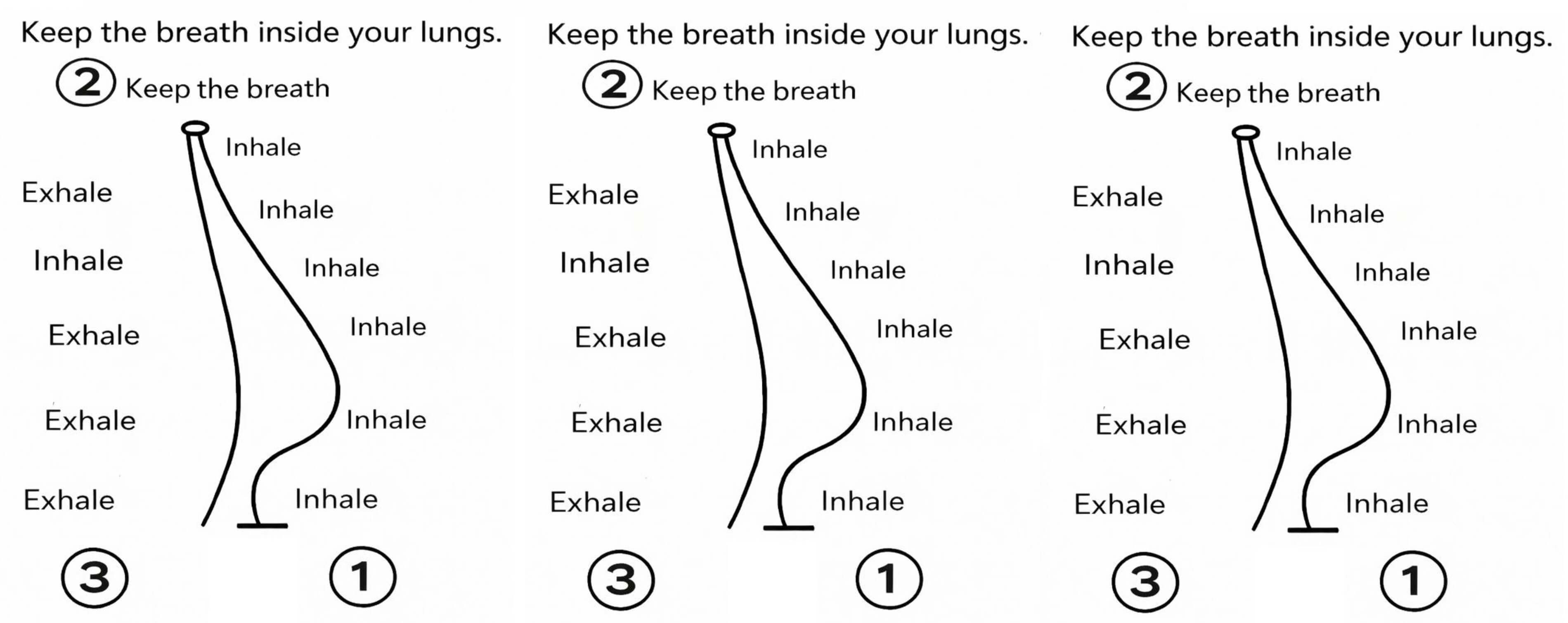
The mindfulness training program was specifically developed for this study, drawing on the core principles of Mindfulness-Based Stress Reduction (MBSR) and integrating a novel, structured coloring meditation technique. The intervention consisted of an eight-week structured program delivered during regular class hours. Each weekly session lasted 30 minutes and included a breathing-based coloring practice accompanied by brief instruction and discussion. All sessions were conducted face-to-face in a classroom setting, with participants attending in groups.
A central and unique component of the in-class practice was the structured coloring meditation, which used a coloring booklet specifically designed by the researcher for this study. As illustrated in Fig. 2, the booklet contained a series of numbered, wavy shapes. Participants were guided to synchronize their breathing with the coloring movements: inhaling slowly for 4 seconds while coloring an ascending line, pausing for 2 seconds at the turning point, and exhaling slowly for 4 seconds while coloring the descending line. This exercise was designed to anchor attention in the present moment by combining breath awareness with a simple sensory-motor task.
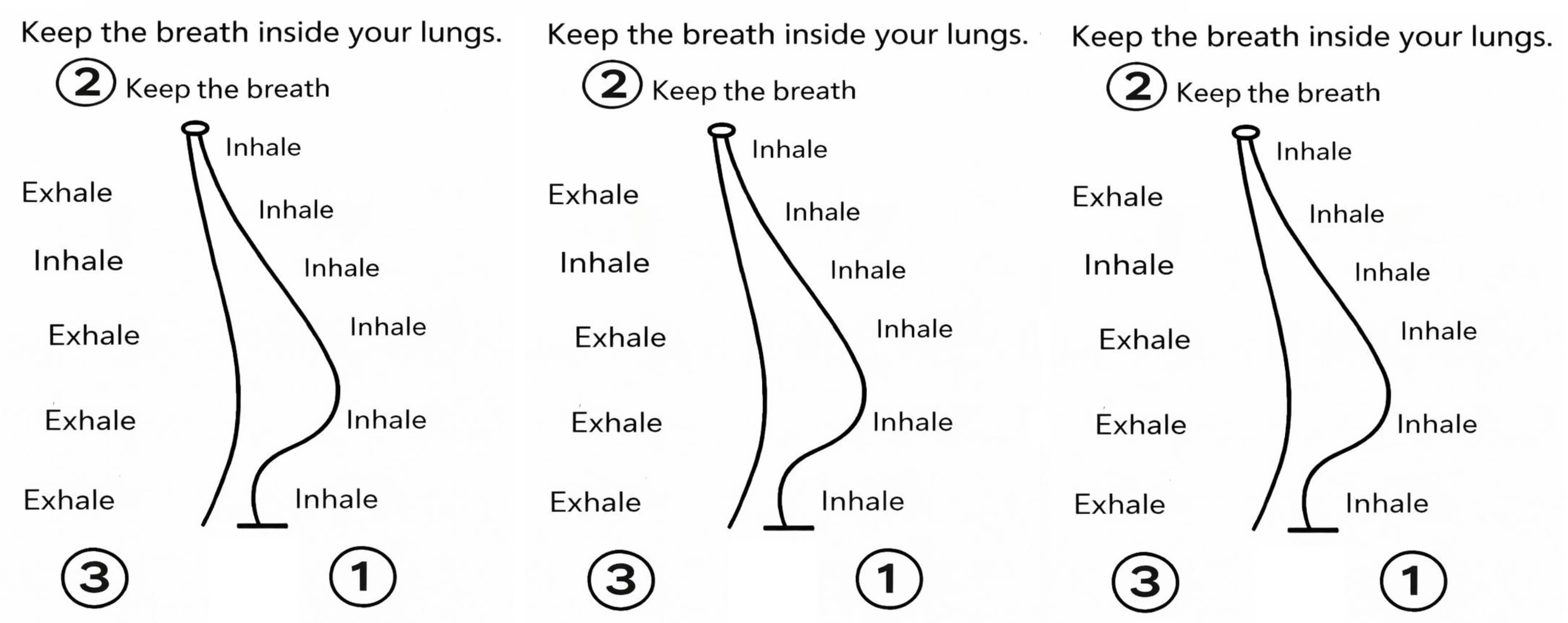 Fig. 2.
Example of the mindfulness breathing and coloring booklet.
Session Content: All sessions focused on structured coloring meditation, which was introduced in the first week and remained the core in-class activity throughout the eight-week program. Session 1 provided an introduction to mindfulness and basic breathing techniques, integrated with guided coloring meditation. Sessions 2 to 7 progressively developed participants’ awareness, attention, and emotional regulation through coloring meditation synchronized with breathing. Session 8 focused on reviewing and consolidating all skills acquired during the program. Additional mindfulness techniques (e.g., breathing exercises, body scan, mindful walking, and mindful eating) were introduced as optional homework exercises and monitored weekly to support independent practice. The weekly structure of the mindfulness intervention is summarized in Table 2, which outlines the session focus, core in-class activity, and monitored homework practices.
| Week | Session focus | Core in-class activity | Homework practice |
| 1 | Introduction to mindfulness | Orientation and guided coloring meditation | Breathing awareness |
| 2 | Developing awareness | Coloring meditation with focus on posture and breath | Breathing and brief body scan |
| 3 | Sustained attention | Coloring meditation with extended focus | Mindful walking |
| 4 | Deepening practice | Coloring meditation with controlled breathing cycles | Mindful eating |
| 5 | Emotional awareness | Coloring meditation with nonjudgmental observation | Observing thoughts and feelings |
| 6 | Stress regulation | Coloring meditation, emphasizing calm breathing | Mindful breathing |
| 7 | Integration and application | Coloring meditation, integrating previous elements | Free choice of preferred practice |
| 8 | Review and consolidation | Group reflection and coloring meditation | Continued personal practice |
Instructor Qualifications and Program Fidelity: The program was implemented by the first author, an associate professor holding a PhD in positive psychology and with extensive experience in mindfulness research and practice, including a doctoral dissertation and subsequent research focused on mindfulness interventions. He has conducted multiple mindfulness-based training programs for students both within and outside China. Intervention fidelity was ensured by following a detailed session manual. The instructor completed a fidelity checklist after each session, and a trained observer verified delivery for 25% of the sessions to confirm adherence to the protocol.
Home Practice and Adherence: In addition to in-class training, participants were instructed to engage in daily home practice (10–20 minutes, five days per week), which included breathing exercises, body scanning, mindful walking, and mindful eating. Participants were provided with printed materials and guided audio instructions to support independent practice. Adherence was monitored through attendance records and weekly logs of home practice duration. Average attendance across all sessions was 91%, and participants reported an average of 15 minutes of home practice per day.
Control Group: The control group was a waitlist group and did not receive any intervention during the study period. This design may introduce expectancy and attention effects, which are acknowledged as a limitation of the study.
Statistical analyses were performed using SPSS (version 23; IBM Corp., Armonk, NY, USA). Before the analyses, descriptive statistics [means (M) and SDs] were calculated for all study variables at pre-test and post-test. Baseline comparability between both the experimental and the control groups was examined using SMDs for demographic variables and pre-test outcome measures (mindfulness, hope, life satisfaction, and meaning in life).
The primary hypothesis was tested using linear mixed models (LMM) to examine the
Group
Shapiro–Wilk and Levene’s tests were used to evaluate the assumptions of
normality and homogeneity of variances before inferential analyses. All tests
were non-significant (p
In addition to significance testing, Cohen’s d was calculated to estimate the magnitude of change from pre-test to post-test within each group, providing an indicator of practical significance.
The results presented in Table 3 showed differences in mean scores between the experimental and control groups for mindfulness, hope, life satisfaction, and meaning in life. These differences were evident at post-test, with higher scores observed in the experimental group.
| Variables | Pre-test | Post-test | ||||||||
| Control | Experimental | p-value (Pre) | Control | Experimental | p-value (Post) | |||||
| M | SD | M | SD | M | SD | M | SD | |||
| Mindfulness | 3.15 | 0.82 | 3.18 | 0.83 | 0.79 | 3.22 | 0.80 | 3.65 | 0.70 | |
| Hope | 3.12 | 0.71 | 3.13 | 0.67 | 0.92 | 3.08 | 0.68 | 3.45 | 0.72 | 0.002 |
| Life satisfaction | 3.31 | 0.67 | 3.33 | 0.69 | 0.85 | 3.38 | 0.95 | 3.85 | 0.75 | 0.004 |
| Meaning in life | 4.74 | 0.64 | 4.76 | 0.66 | 0.88 | 4.82 | 0.66 | 5.25 | 0.69 | |
Values are mean item scores (not total scores).
Table 4 presents the results of the Group
| Variables | Effect | F-value | df1, df2 | p-value | Partial η2 [95% CI] |
| Mindfulness | Group |
8.95 | 1, 116 | 0.072 | |
| Hope | Group |
7.23 | 1, 116 | 0.059 | |
| Life Satisfaction | Group |
9.84 | 1, 116 | 0.078 | |
| Meaning in Life | Group |
10.56 | 1, 116 | 0.083 |
LMM, linear mixed models.
For mindfulness, the F-value was 8.95 with a partial
Table 5 presents the pre-test and post-test scores, the magnitude of change, and effect sizes for the four outcome variables across the experimental and control groups. For mindfulness, the experimental group increased from 3.18 to 3.65, with a change of +0.47 and a Cohen’s d of 0.58, indicating a medium effect size. Conversely, the control group showed a minimal change of +0.07 with a small effect size (d = 0.09). This indicates that the intervention led to a clear and meaningful improvement in mindfulness levels among participants in the experimental group. For hope, the experimental group improved from 3.13 to 3.45, with a change of +0.32 and a medium effect size (d = 0.45). In contrast, the control group experienced a slight decrease of –0.04, with a negligible effect size (d = –0.06). For life satisfaction, the experimental group showed an increase from 3.33 to 3.85, with a change of +0.52 and a medium effect size (d = 0.68), whereas the control group exhibited a minimal increase (+0.07), corresponding to a small effect size (d = 0.08). Similarly, for meaning in life, the experimental group improved from 4.76 to 5.25, with a change of +0.49 and a medium effect size (d = 0.71), while the control group showed only a minimal change of +0.08, corresponding to a small effect size (d = 0.12)
| Variable | Group | Pre-test | Post-test | Change | Cohen’s d |
| Mindfulness | Experimental | 3.18 | 3.65 | +0.47 | 0.58 (medium) |
| Control | 3.15 | 3.22 | +0.07 | 0.09 (small) | |
| Hope | Experimental | 3.13 | 3.45 | +0.32 | 0.45 (medium) |
| Control | 3.12 | 3.08 | −0.04 | −0.06 (small) | |
| Life satisfaction | Experimental | 3.33 | 3.85 | +0.52 | 0.68 (medium) |
| Control | 3.31 | 3.38 | +0.07 | 0.08 (small) | |
| Meaning in life | Experimental | 4.76 | 5.25 | +0.49 | 0.71 (medium) |
| Control | 4.74 | 4.82 | +0.08 | 0.12 (small) |
Given the cluster-based allocation design, a supplementary cluster-level analysis was conducted to estimate the intervention effect while preserving the original allocation level. This approach provides a conservative estimate of the program’s efficacy by accounting for the hierarchical structure of the data. Table 6 presents the mean change scores (post-test minus pre-test) for each outcome variable at the cluster level, along with the corresponding between-group effect sizes.
| Variable | Group | Mean Change (Post-Pre) | Between-Group Difference | Cohen’s d (Cluster Level) | Interpretation |
| Mindfulness | Experimental | +0.47 | +0.40 | 0.53 | Medium Effect |
| Control | +0.07 | ||||
| Hope | Experimental | +0.32 | +0.36 | 0.48 | Medium Effect |
| Control | –0.04 | ||||
| Life satisfaction | Experimental | +0.52 | +0.45 | 0.60 | Medium-to-Large Effect |
| Control | +0.07 | ||||
| Meaning in life | Experimental | +0.49 | +0.41 | 0.55 | Medium Effect |
| Control | +0.08 |
Mean Change represents the difference between the pre-test and post-test mean
scores for each cluster (group). Cohen’s d was calculated at the cluster level
using the pooled SD of the change scores. Effect size interpretation follows
conventional benchmarks: small (d
The cluster-level analysis revealed significant between-group differences favoring the experimental condition across all outcome measures. The experimental cluster demonstrated markedly greater pre-to-post improvement compared to the control cluster, with mean change differences ranging from +0.36 to +0.45 points across variables. Cohen’s d effect sizes, calculated at the cluster level, indicated medium to medium-large magnitude effects (range: d = 0.48 to 0.60), consistent with conventional interpretations in psychological research. Descriptive comparisons at the cluster level (one class per arm) favored the intervention across all outcomes. However, these summaries are purely descriptive and do not support inferential claims.
These results demonstrate that the intervention produced moderate improvements across all outcome variables in the experimental group, with medium effect sizes, while the control group showed minimal or no meaningful changes.
This study examined the impact of a brief mindfulness meditation program on hope, life satisfaction, and meaning in life. Following the eight-week intervention, participants in the experimental group showed statistically significant improvements in all three outcomes relative to the control group. These results are consistent with previous research reporting beneficial relationships between mindfulness and life satisfaction (such as Abbasi et al., 2024; Kan et al., 2024; Stolarski et al., 2016), hope (such as Satici and Satici, 2022; Singh and Devender, 2015), and meaning in life (Chu and Mak, 2020; Li et al., 2022; Tan et al., 2021).
The interpretation of these findings can be framed within three theoretical frameworks. First, mindfulness theory highlights present-focused awareness, nonjudgmental acceptance, and cognitive-emotional recognition as mechanisms that promote psychological well-being (Elices et al., 2019; Follette and Hazlett-Stevens, 2016), thereby fostering a greater sense of meaning in life. Second, meaning in life theory emphasizes the role of a clear sense of purpose as a central component of psychological functioning, with meaningful engagement associated with increased hope and greater life satisfaction (Eagleton, 2007; Cotton Bronk et al., 2009). Third, hope theory conceptualizes hope as a key psychological construct that is positively related to meaning in life and linked to more optimistic expectations for the future (Bailey et al., 2007).
The results are consistent with the expected associations among mindfulness, hope, life satisfaction, and meaning in life; however, mediation was not examined in this study. Mindfulness promotes self-awareness and cognitive reappraisal, fostering a deeper sense of purpose and significance. This enhanced sense of meaning may, in turn, contribute to higher levels of hope and life satisfaction. Moreover, these findings are particular relevant in the context of Chinese medical education, where students often experience high academic pressure and limited access to structured psychological support. Integrating brief mindfulness programs into medical curricula could provide a practical, low-cost, and scalable approach to support students’ psychological well-being. Embedding these interventions within existing courses or extracurricular activities may enhance engagement and help alleviate stress and burnout, which are prevalent challenges in medical training.
Several limitations should be acknowledged. First, the generalizability of the results is limited, as the sample consisted exclusively of medical students from a single university. Expanding the sample to include participants from different academic levels, disciplines, and institutions would strengthen external validity. Second, the study relied entirely on self-report measures, which may introduce response bias. Future research should consider incorporating additional assessment methods, such as behavioral indicators, physiological measures, or external evaluations, to improve measurement accuracy.
Third, although the measures used have demonstrated acceptable psychometric properties in previous research, further validation within Chinese medical student populations would be beneficial to ensure cultural and contextual appropriateness. Fourth, the study focused on a limited set of psychological constructs—mindfulness, hope, life satisfaction, and meaning in life—without examining other potentially relevant variables, such as personality traits, resilience, or emotion regulation. Including such variables in future research would provide a more comprehensive understanding of the intervention’s impact.
Finally, the intervention period was limited to eight weeks, which does not allow conclusions about the long-term sustainability of the observed effects. Longitudinal studies with extended follow-up periods are needed to determine whether these effects persist over time. The study also did not include subgroup analyses (e.g., comparisons by gender) due to sample size constraints. Addressing these limitations in future work would improve both the internal and external validity of the findings.
This study provides empirical evidence that a brief mindfulness intervention improves significantly mindfulness, hope, life satisfaction, and meaning in life among medical students. These findings highlight the potential of mindfulness-based approaches to enhance psychological well-being in academic contexts. The observed effects were consistent across all outcomes and were of medium magnitude, indicating meaningful practical impact. Incorporating such interventions into educational environments may offer a pragmatic and scalable strategy to improving student well-being. Further research using more diverse samples, longer follow-up periods, and broader outcome measures is needed to consolidate these findings and expand their applicability. Our findings indicate moderate improvements in mindfulness, hope, life satisfaction, and meaning in life following a brief class-based intervention. Given the two-class allocation, the results should be viewed as preliminary and warrant replication with additional clusters and longer follow-up.
Upon a reasonable request, the corresponding author (Dr. Aamer Aldbyani) will provide the data supporting the study’s conclusions. For further inquiries regarding data access, please contact the corresponding author at aameraldbyani@sdxiehe.edu.cn.
AA designed the research study, performed the intervention, and analyzed the data. He also drafted and revised the manuscript. The author has read and approved the final manuscript. The author has participated sufficiently in the work and agreed to be accountable for all aspects of the work.
All procedures involving human participants in this study were performed in accordance with the ethical standards of the institutional and national research committee and with the 1964 Helsinki Declaration and its later amendments or comparable ethical standards. The study protocol was reviewed and approved by the Ethics Review Board of the Department of General Education, Shandong Xiehe University (Approval Number: 2024/11). Written informed consent was obtained from all individual participants included in the study before their participation.
The author would like to sincerely thank all the students who participated in this research for their valuable time and commitment.
The author gratefully acknowledges the financial support provided by Shandong Xiehe University (SDXHQD2024020) for this study.
The author declares no conflict of interest.
During the preparation of this work, the authors used ChatGPT to check spelling and grammar. After using this tool, the authors reviewed and edited the content as needed and take full responsibility for the content of the publication.
References
Publisher’s Note: IMR Press stays neutral with regard to jurisdictional claims in published maps and institutional affiliations.