


1 Department of Obstetrics and Gynecology, Jazan University, 45142 Jazan, Saudi Arabia
Abstract
Chorioamnionitis is the main contributor to prenatal morbidity and mortality. This study aimed to investigate maternal-fetal antibiotic dynamics in suspected chorioamnionitis (MFADESC) using bibliometric data mining tools to determine key research themes and trends.
This cross-sectional study, based on the Strengthening the Reporting of Observational Studies in Epidemiology (STROBE) guidelines, was conducted using the Scopus data. A multistep data-mining protocol was employed to identify 1606 relevant articles from 2448 initial records, refined by filtering for language, document type, and publication year. VOSviewer (version 1.6.19) was utilised to map the co-authorship and co-citation networks, and the total link strength (TLS) was calculated. To analyse the knowledge structure, thematic maps, and trends, Bibliometrix (version 4.1.4) was used. Bibliometric indices (g-, m-, and h-indices) were utilised to evaluate researcher productivity and impact, providing insights into research contributions and influence.
The analysis identified an 8.16% annual growth rate. The TLS values identified prominent scholars in MFADESC research. Romero, R. stands out with the highest h-index (28), g-index (42), and total citations (TC = 3726), reflecting a significant influence since 1991. Thematic evolution has underscored emerging trends in antibiotic efficacy and neonatal outcomes, thereby reflecting evolving research priorities. MFADESC research themes focus on chorioamnionitis, antibiotic efficacy, preterm birth, neonatal outcomes, maternal morbidity, diagnostic innovations, and emerging trends.
The current findings recommend advancing diagnostic tools, enhancing antibiotic efficacy, fostering collaboration, and addressing emerging trends in MFADESC research.
Keywords
- antibiotic efficacy
- chorioamnionitis
- data mining
- diagnostic innovations
- neonatal outcomes
- research collaboration
Chorioamnionitis, also known as intra-amniotic infection, is a critical obstetric condition characterised by inflammation of fetal membranes secondary to bacterial infection [1, 2]. Preterm birth, neonatal infection, and long-term developmental problems seriously compromise maternal and fetal health [3, 4]. Antibiotics are the cornerstone of clinical care for suspected chorioamnionitis as they target the mother’s infection and halt its development to the fetus, thereby reducing the risks [1, 5]. Optimising treatment strategies depends on the awareness of the pharmacokinetics of the mother-fetal antibiotic dispersion, thereby guaranteeing therapeutic efficacy while reducing possible damage [6, 7, 8]. Although these treatments are essential, our knowledge of how antibiotics pass through the placental barrier and their consequent impact on fetal health still lags [1]. Driven by developments in pharmacology and obstetric medicine, research in this field has expanded over the years; however, complete knowledge remains elusive.
Recently, significant advancements in the fields of embryology and prenatal medicine were observed regarding the identification of specific antibiotic agents targeting microorganisms associated with chorioamnionitis [1, 3]. Notable improvements in maternal and infant care across various clinical settings have also stemmed from these advancements [9, 10]. However, these recommendations require further systematic investigation, especially considering the complexities arising from maternal immune responses and the pharmacokinetics of antibiotics [10]. Attaining fetal therapeutic levels of such antibiotics involves various influential factors, including drug characteristics, gestational age, and placental capacity, all of which require meticulous examination [11]. As global attention to maternal and neonatal health continues to grow [12], bibliometric studies [13, 14] offer a valuable framework for tracking scientific advances, collaboration networks, and identifying existing knowledge gaps in this research field.
Despite the growing body of literature on maternal-fetal antibiotic dynamics in suspected chorioamnionitis (MFADESC) [1, 15], existing research remains limited and lacks a cohesive framework to guide clinical practice. Critical questions persist regarding the optimal antibiotic regimens for different clinical contexts, their long-term effects on fetal development, and their roles in emerging antibiotic resistance. This bibliometric analysis addressed these gaps by mapping the global research landscape and identifying publication trends, influential contributors, and emerging themes. By leveraging advanced bibliometric tools, such as citation network analysis, co-authorship mapping, and thematic evolution tracking [16, 17], this study determined key trends, influential contributors, thematic evolution, and research gaps in MFADESC. It underscored high-impact research for integration into infection management protocols, revealed shifts in antibiotic strategies, and emphasised the need for enhanced diagnostic approaches. The findings provide a structured foundation for clinical innovations, fostering interdisciplinary collaboration to bridge research and practice. The study addresses the following: What are the key trends, thematic evolutions, influential contributors, and research gaps in MFADESC research as revealed through bibliometric analysis?
A cross-sectional bibliometric study according to the Strengthening the Reporting of Observational Studies in Epidemiology (STROBE) guidelines [18].
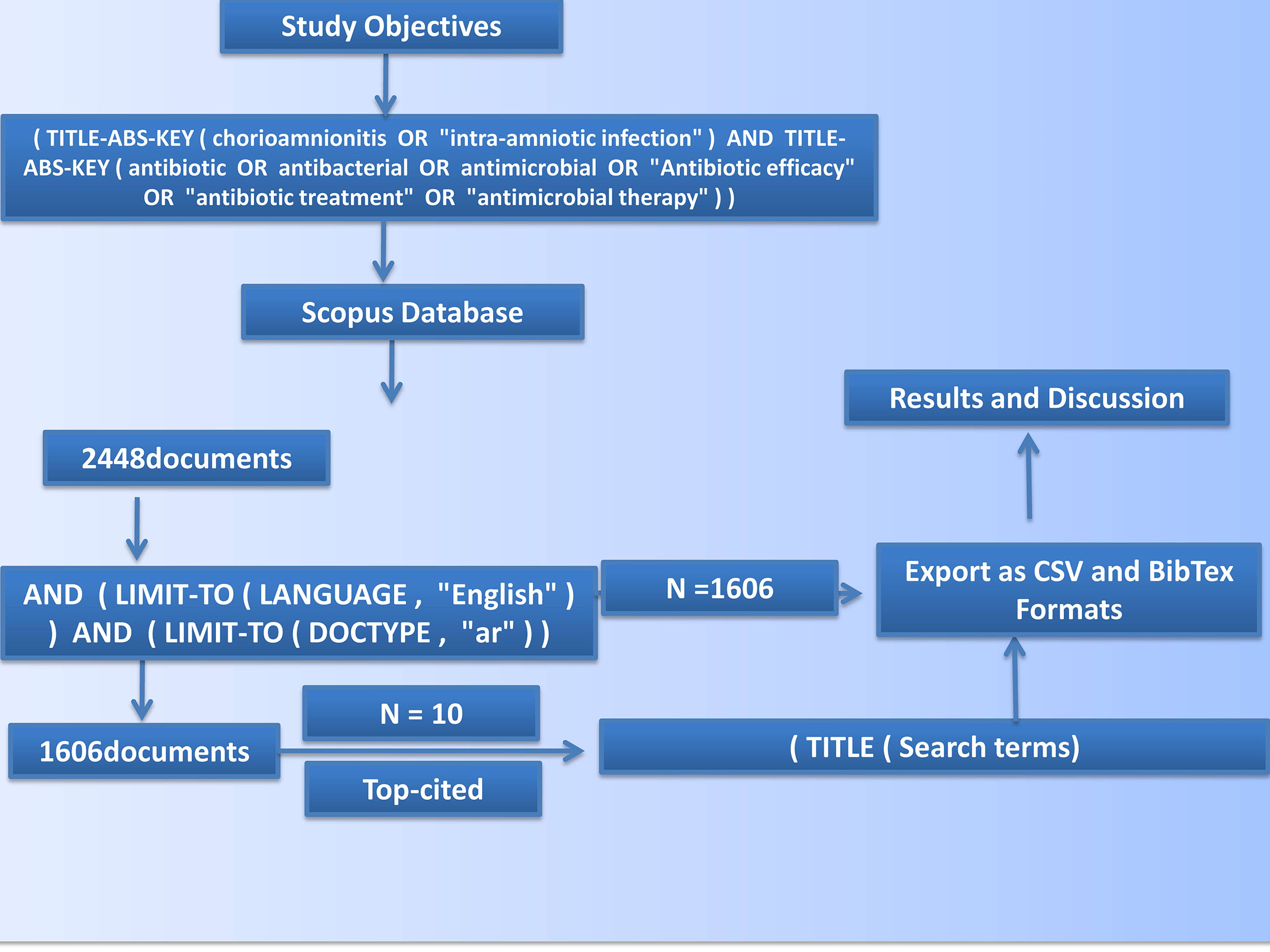
A comprehensive data mining protocol was employed to retrieve relevant bibliographic data from the Scopus database (https://www.scopus.com). Scopus was selected over Web of Science (WoS) (https://www.webofscience.com/) and Google Scholar (https://scholar.google.com) owing to its greater journal coverage, complete citation analysis tools, systematic indexing, and better integration with bibliometric software, thus guaranteeing more trustworthy and replicable research insights [19]. This search was conducted in November 2024. The search terms were developed meticulously based on an intensive literature review [1, 2, 5, 9, 15, 20] to align with the objectives of the MFADESC study. These terms were further verified using the MeSH (https://www.ncbi.nlm.nih.gov/mesh) database [21]. To refine the search and ensure the inclusion of pertinent data, a multistep approach (Fig. 1) was utilised. The search formula combined key terms, such as chorioamnionitis or intra-amniotic infection with antibiotic, antibacterial, antimicrobial, and related phrases, such as antibiotic efficacy and antimicrobial therapy. Initially, 2448 documents were identified, with the majority being articles (71.79%), followed by reviews (16.35%), letters (3.92%), conference papers (2.86%), notes (2.09%), short surveys (1.10%), editorials (1.06%), book chapters (0.78%), and books (0.04%). To ascertain specificity, the results were filtered to exclude publications from 2025, restrict the document type to articles, and limit the language to English, yielding 1606 relevant articles. For further analysis, a targeted search underscoring on article titles was conducted to identify highly cited documents, from which the 10 most-cited articles were selected. The final dataset was exported in numerous formats compatible with the analytical tools employed in this bibliometric study.
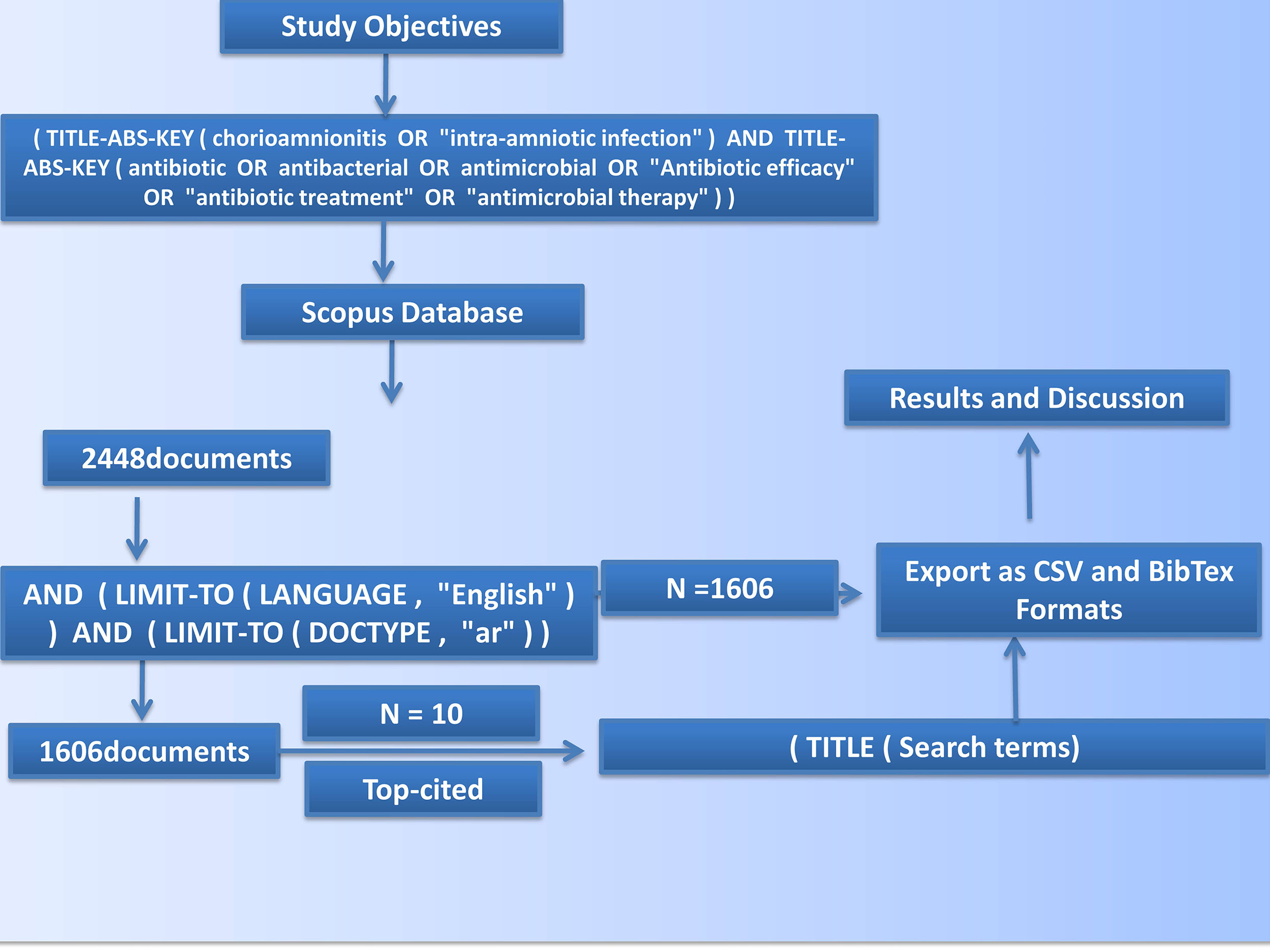 Fig. 1.
Database selection, search terms, and extraction of bibliographic data.
Documents indexed in the Scopus database with relevant MFADESC keywords were included in the criterion for this investigation. With a language limit to English and a publishing timeframe up to 2024, excluding 2025 publications, only original research papers relevant to MFADESC were considered. The data was extracted on 31 December 2024. Furthermore, a targeted search emphasising data-driven studies was conducted to identify the 10 most-cited articles. Exclusion criteria comprised non-original article types such as letters, conference papers, notes, short surveys, editorials, book chapters, and books; publications not written in English; studies published in 2025; and research not relevant to MFADESC, as determined by the refined multistep search approach.
VOSviewer (version 1.6.19) [22], developed by the
Centre for Science and Technology Studies (CWTS), Leiden University, Leiden,
Netherlands, was used to analyse and build the co-authorship and co-citation
networks based on the retrieved data. The software was provided with the names of
writers with at least 150 citations as a unit of analysis to produce the authors’
co-citation. The number of clusters is proportional to the resolution parameter,
and this program groups constituents into nodes (clusters) that are closely
related and represented by different colours. VOSviewer was utilised to calculate
each constituent’s total link strength (TLS). Knowledge structure, thematic maps,
theme progression, and trending topics were mapped using Bibliometrix (version
4.1.4) [23], which was developed by researchers at the
University of Naples Federico II, Naples, Italy. Bibliometric indices, such as
the G, M, and H indices, are used to evaluate the productivity and influence of
researchers and their work. By counting the number of publications that acquired
at least G
The MFADESC research spans 1963–2024, with 1606 original articles, an 8.16% annual growth rate, and a document average age of 12.7 years. From 1963 to 2024, MFADESC research output has steadily increased, with 53.8% of publications occurring from 2015 to 2024, 23.04% from 2005 to 2014, 13.51% from 1995 to 2004, and 8.09% from 1985 to 1994. Early contributions (pre-1985) comprised only 1.56% of the total publications, reflecting the rapid growth of the field in recent decades.
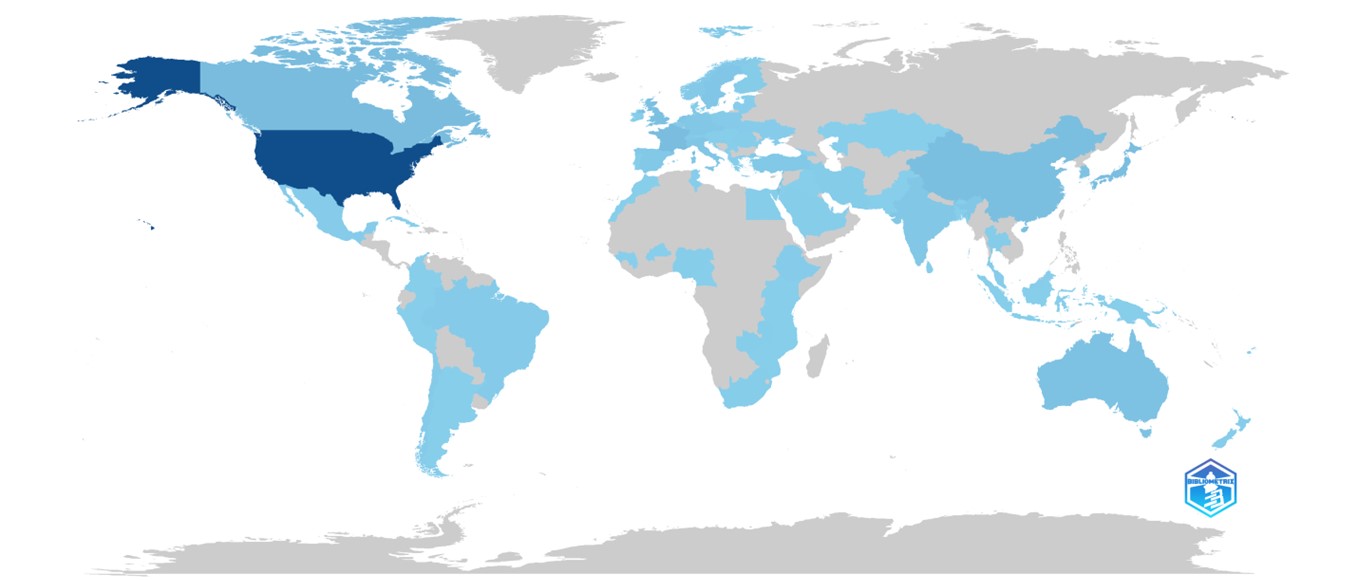
Co-authorship is prominent, averaging 5.98 authors per article, with 12.2% involving international collaborations. The USA leads in productivity (696 articles), followed by the UK (83), Japan (77), and Canada (65). Notable contributions also come from China (59), France (58), South Korea (56), Australia (54), and Israel (54). Notable emerging contributors include India (39), Turkey (29) and Saudi Arabia (10). The continental representation of MFADESC research highlights North America as the leading contributor, accounting for 41.38% of publications, followed by Europe (27.82%) and Asia (21.66%). Africa and Oceania contributed 3.08% and 3.03%, respectively, reflecting smaller but notable engagement in the global research landscape. Fig. 2 highlights the global distribution, with the USA, Canada, France, and Korea as key contributors based on the number of publications. The interdisciplinary nature of this field underscores its increasing global relevance.
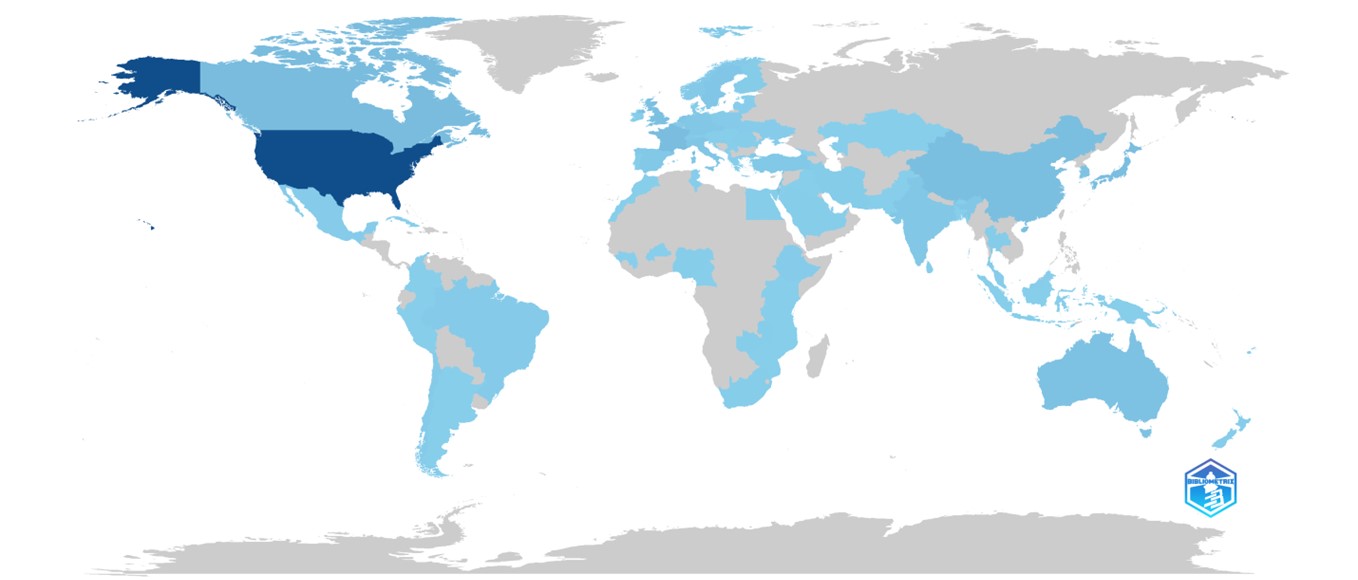 Fig. 2.
Global production. Countries depicted in dark blue are the most prolific. Countries not classified inside the blue category have not contributed to research in this specific domain. This figure was produced utilising the Bibliometrix tool and the BibTex data file.
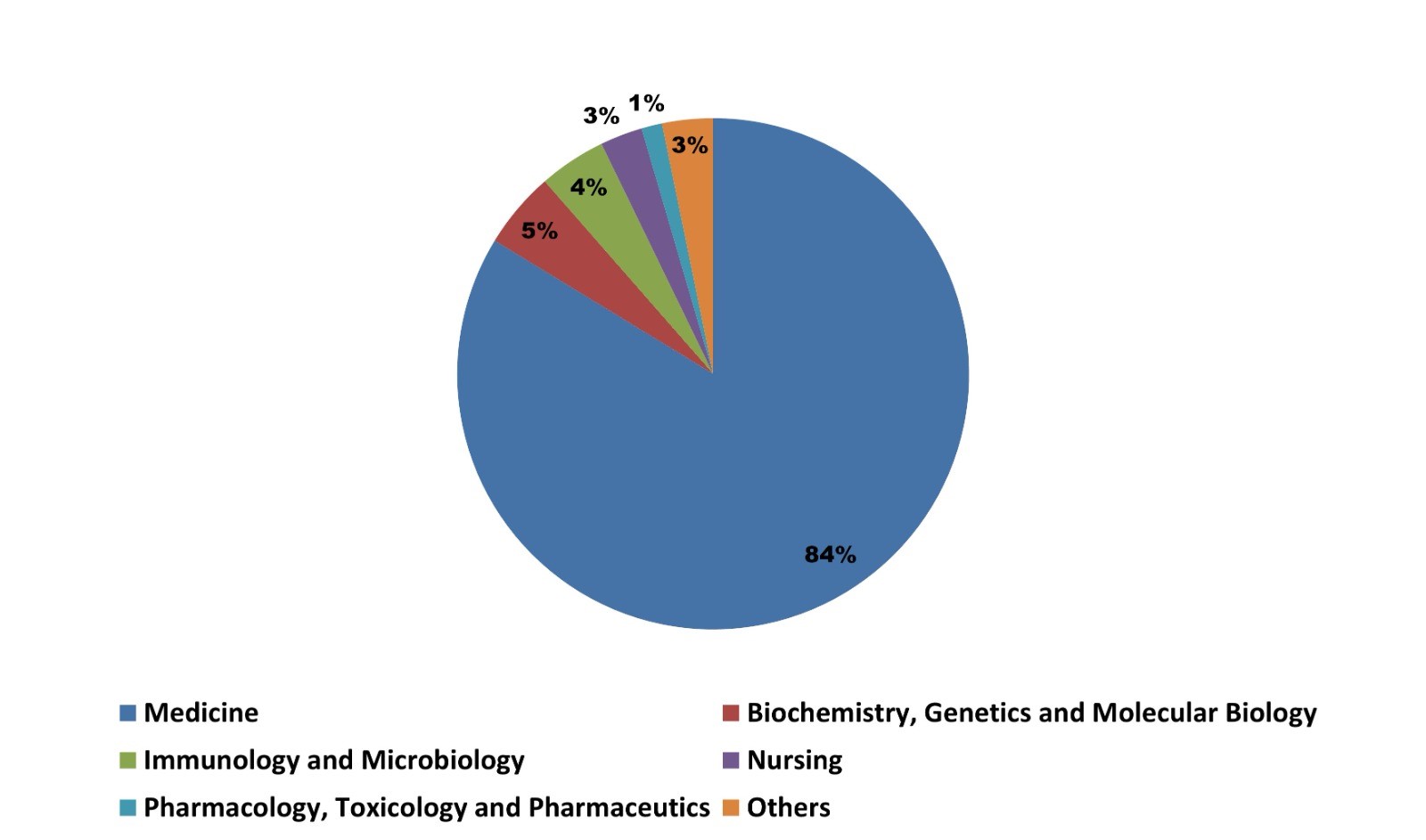
The diffusion of knowledge in MFADESC research spans multiple subject areas, as illustrated in Fig. 3. Most publications fall under Medicine (83.72%), reflecting the core clinical focus of the field. Smaller contributions came from Biochemistry, Genetics, and Molecular Biology (4.84%); Immunology and Microbiology (4.25%); Nursing (2.67%); and Pharmacology, Toxicology, and Pharmaceutics (1.31%). An additional 3.21% are distributed across “Other” areas, including Multidisciplinary, Neuroscience, Agricultural and Biological Sciences, Social Sciences, and Engineering, showcasing the interdisciplinary nature of MFADESC research.
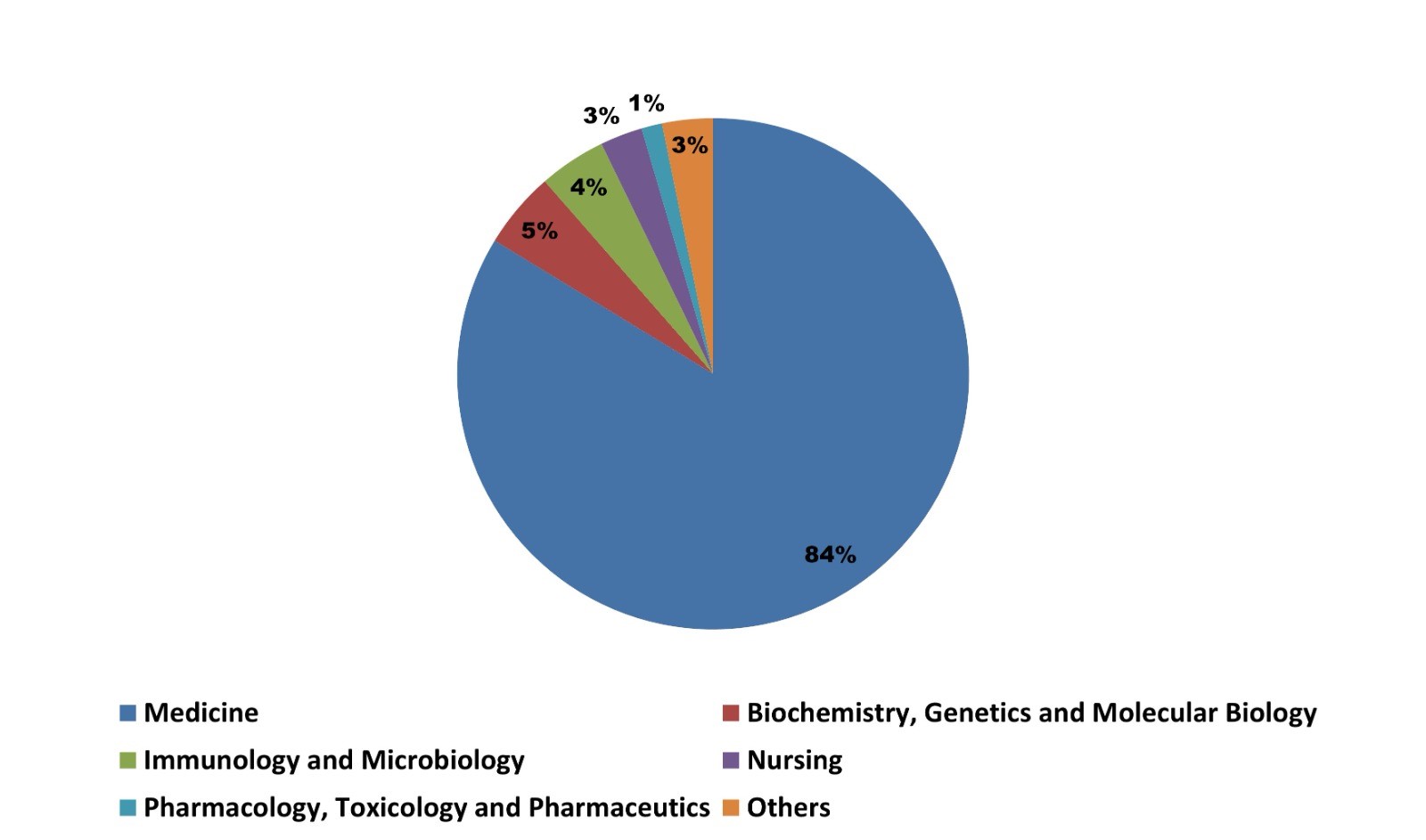 Fig. 3.
Diffusion of knowledge. The “Others” category Maternal-Fetal Antibiotic Dynamics in Suspected Chorioamnionitis (MFADESC) research encompasses a diverse range of subject areas, including Multidisciplinary, Neuroscience, Agricultural and Biological Sciences, Health Professions, Social Sciences, Chemical Engineering, Computer Science, Arts and Humanities, Chemistry, Environmental Science, Earth and Planetary Sciences, Engineering, Materials Science, and Veterinary Science. This shows the interdisciplinary contributions to the field.
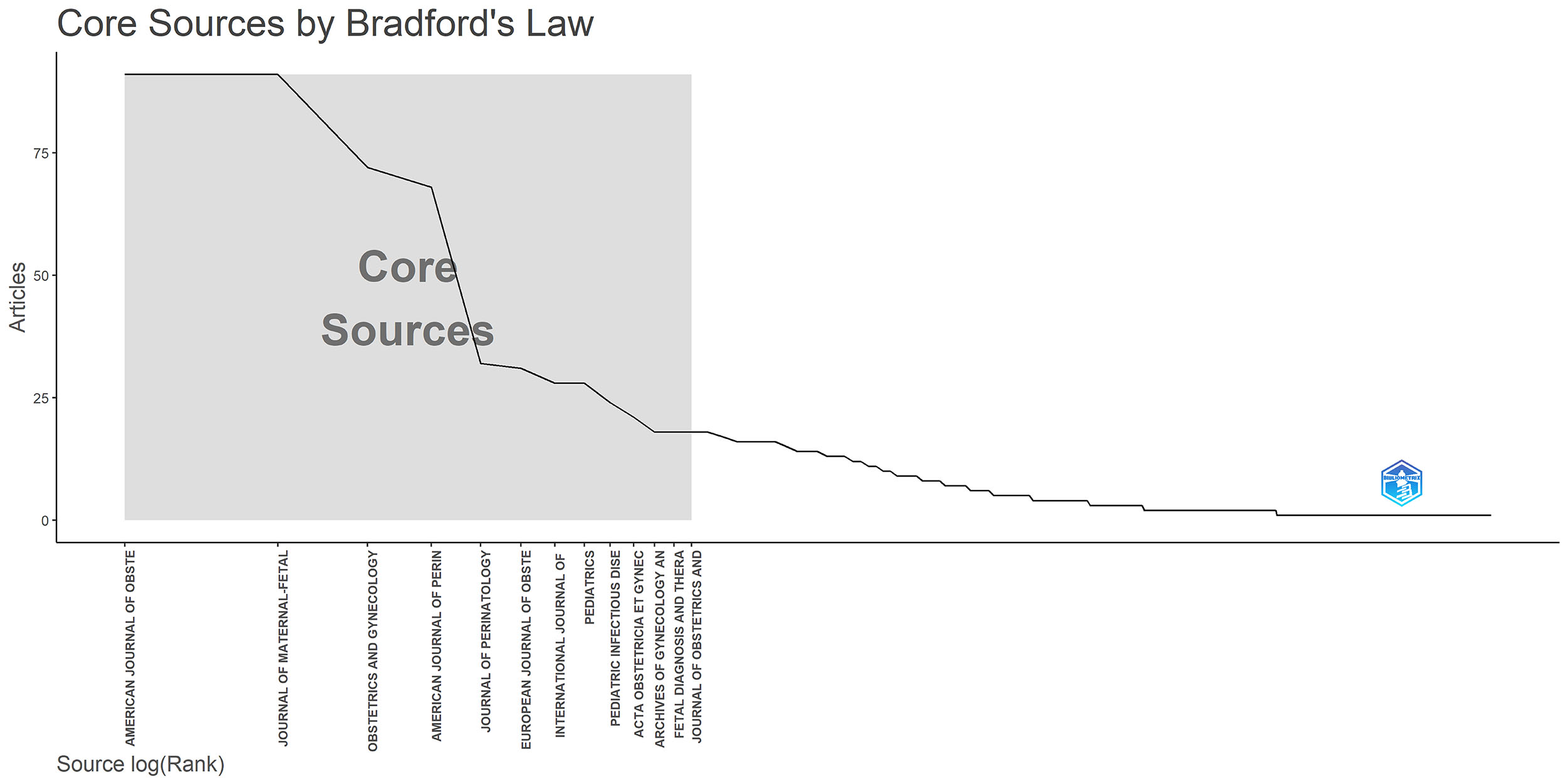
The MFADESC research sources are divided into three zones according to Bradford’s law. Zone 1 (core sources) includes 13 sources, with top journals such as the American Journal of Obstetrics and Gynecology and the Journal of Maternal-Fetal and Neonatal Medicine (Fig. 4). Zone 2, comprising 69 sources, features prominent journals such as the Journal of Obstetrics and Gynecology Canada and BJOG: An International Journal of Obstetrics and Gynecology. Zone 3, the largest with 403 sources, includes Antimicrobial Agents and Chemotherapy and Diagnostics, demonstrating diverse contributions across related fields. A full list of the sources related to MFADESC research is provided in Supplementary File 1.
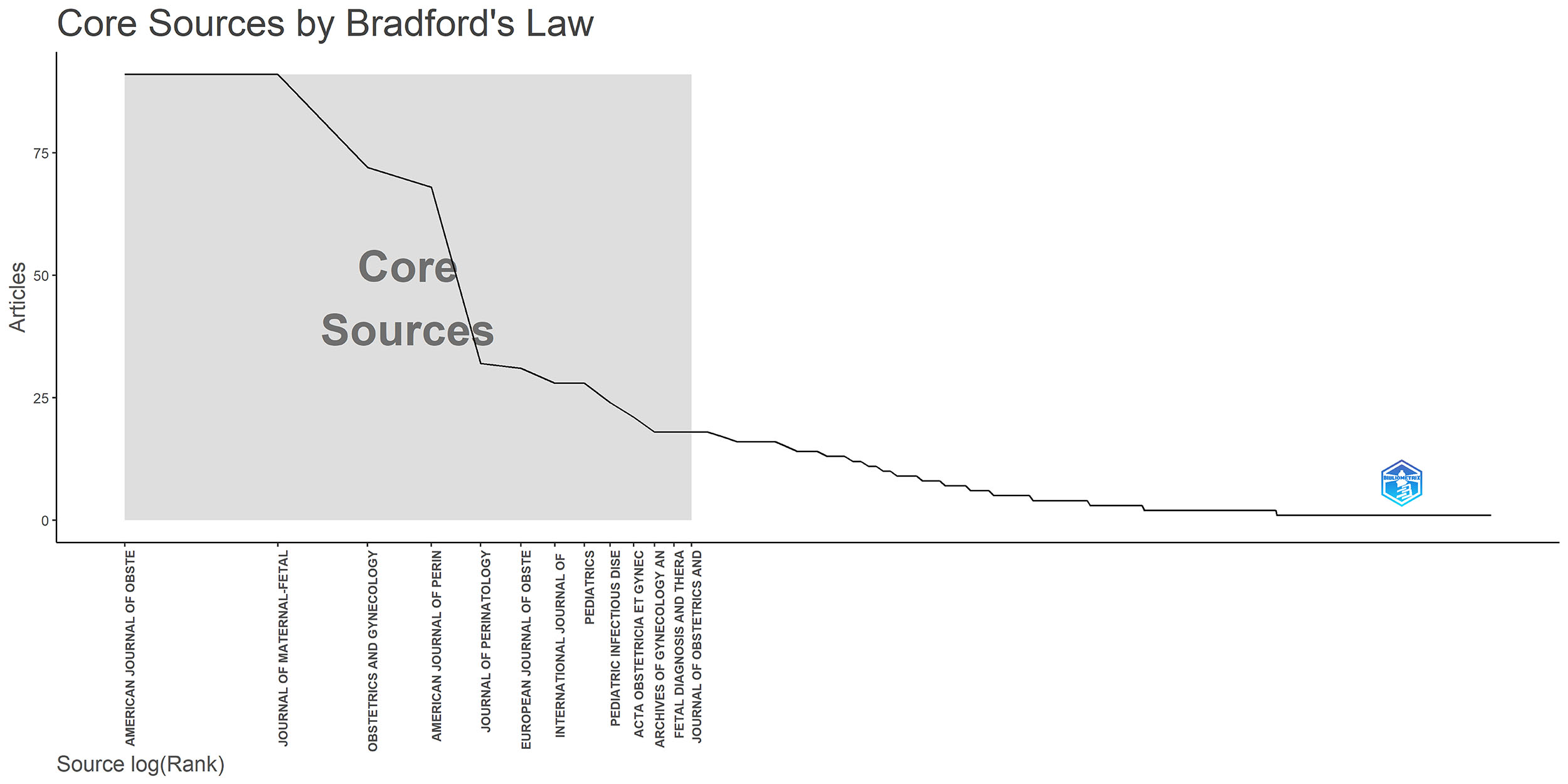 Fig. 4.
Bradford’s law was used to detect core sources related to MFADESC research. Zone 1 (core sources) includes 13 sources, with top journals such as the American Journal of Obstetrics and Gynecology and Journal of Maternal-Fetal and Neonatal Medicine.
The analysis of author impact in MFADESC research underscores the key contributors based on various metrics (Table 1). Romero, R. stands out with the highest h-index (28), g-index (42), and total citations (TC = 3726), reflecting a significant influence since 1991. Gibbs, R.S. follows with a notable h-index of 13 and 2059 total citations, contributing since 1980. Goldenberg, R.L., and Duff, P. had an h-index of 10, showcasing consistent contributions over time. Jacobsson, B., Kacerovsky, M., Yoon, B.H., and Chaiworapongsa, T. demonstrate strong productivity with h-indices of 9. Notably, Musilova, I. and Puopolo, K.M. have high m-indices of 0.571 and 0.889, respectively, highlighting rapid career impacts, particularly for Puopolo, which began publishing in 2017. These metrics underline the diverse and influential contributions of the leading researchers in the field.
| Author | h_index | g_index | m_index | TC | NP | PY_start |
| Romero, R. | 28 | 42 | 0.800 | 3726 | 42 | 1991 |
| Gibbs, R.S. | 13 | 16 | 0.283 | 2059 | 16 | 1980 |
| Duff, P. | 10 | 11 | 0.286 | 630 | 11 | 1991 |
| Goldenberg, R.L. | 10 | 12 | 0.323 | 671 | 12 | 1995 |
| Chaiworapongsa, T. | 9 | 10 | 0.391 | 576 | 10 | 2003 |
| Jacobsson, B. | 9 | 19 | 0.375 | 524 | 19 | 2002 |
| Kacerovsky, M. | 9 | 19 | 0.563 | 366 | 21 | 2010 |
| Yoon, B.H. | 9 | 9 | 0.391 | 836 | 9 | 2003 |
| Musilova, I. | 8 | 15 | 0.571 | 262 | 15 | 2012 |
| Puopolo, K.M. | 8 | 9 | 0.889 | 876 | 9 | 2017 |
The h-index measures productivity and citation impact, whereas the g-index emphasises highly cited work. The m-index adjusts the h-index for the career length. Total citations (TC) count all citations received, and the number of publications (NP) reflects the output. PY_start indicates the year in which the author began publishing.
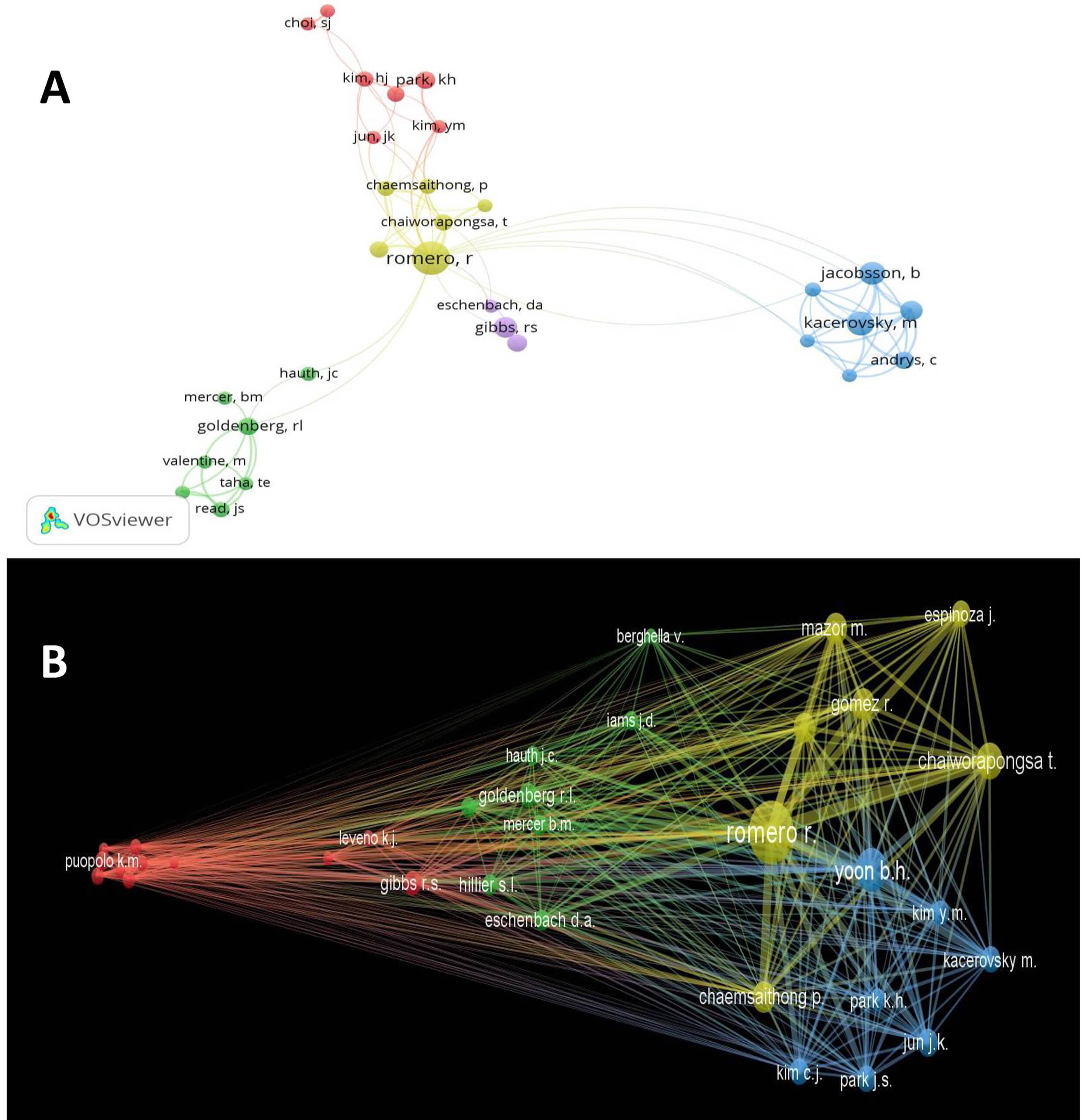
Through VOSviewer, the collaboration network among MFADESC researchers was mapped, identifying 40 scholars with a minimum of seven documents clustered into five groups (Fig. 5A). Nodes represent authors, whereas TLS values indicate collaboration. The most collaborative author was Kacerovsky, M. (TLS = 63), followed by Romero, R. (59), Musilova, I. (55), and Jacobsson, B. (46). Additional notable contributors include Andrys, C. (39), Bolehovska, R. (32), Pliskova, L. (31), and Stranik, J. (30). Other significant collaborators include Read, J.S. (26), Chaiworapongsa, T. (24), Goldenberg, R.L. (24), Taha, T.E. (22), and Valentine, M. (21), reflecting strong interconnectedness within the research community.
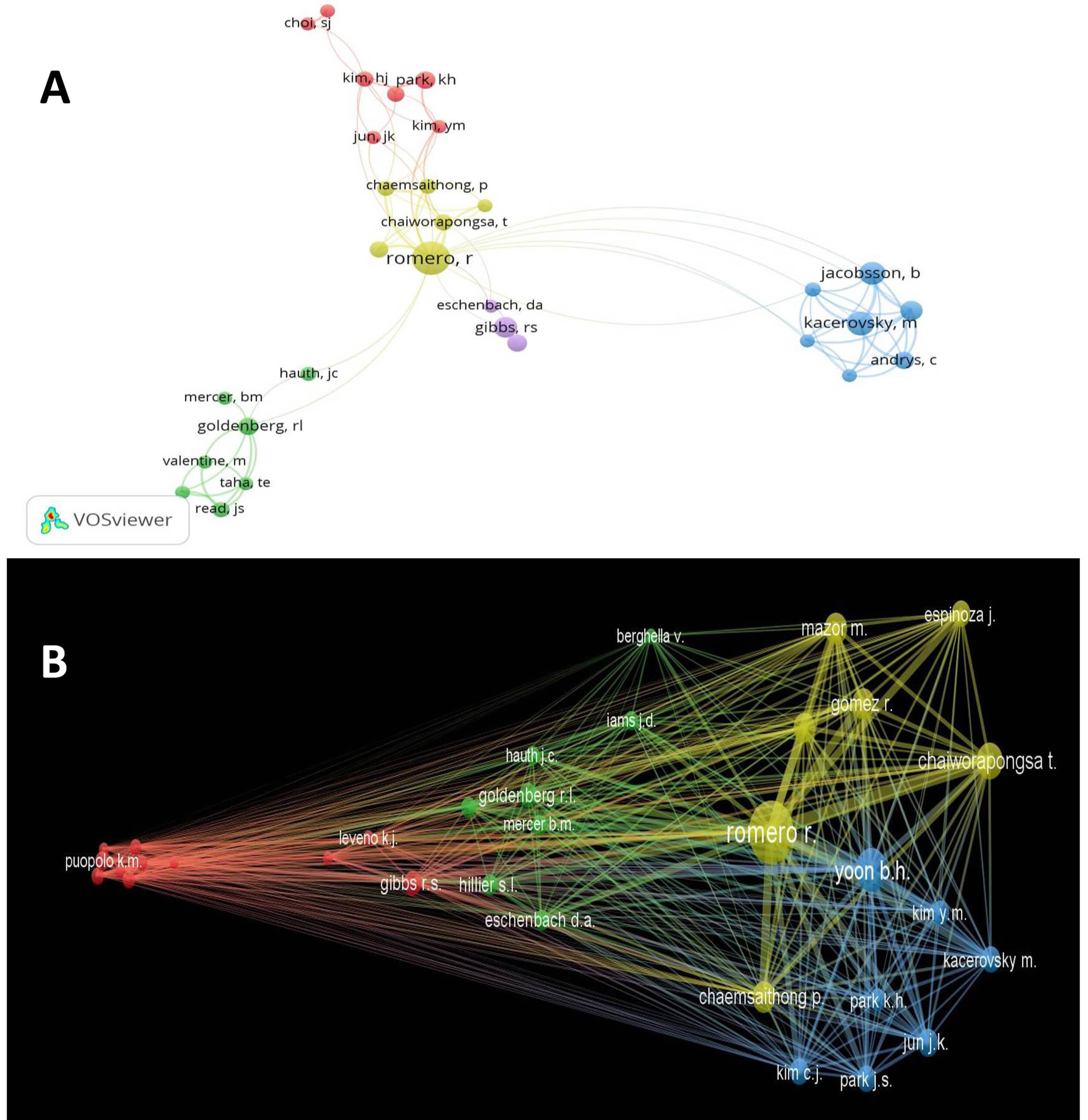 Fig. 5.
Collaboration and co-citation networks in MFADESC research. (A) The collaboration network among MFADESC researchers. Using VOSviewer, the collaboration network was mapped, identifying 40 scholars with a minimum of seven documents, clustered into five groups. Nodes represent authors, while total link strength (TLS) values indicate collaboration. (B) Author co-citation analysis (ACA). The ACA was conducted using VOSviewer. Out of 72,454 authors, 33 with at least 150 co-citations were mapped into four clusters (red, yellow, green, blue). Gibbs, R.S., topped the red cluster with a TLS value of 8535 and 435 co-citations. The yellow, blue, and green clusters are anchored by Romero, R. (TLS = 82,878), Yoon, B.H. (TLS = 34,271), and Goldenberg, R.L. (TLS = 8439), respectively.
Author co-citation analysis (ACA) has been utilised as a robust technique to delineate the conceptual framework of a research domain. ACA is employed to identify, trace, and elucidate the intellectual framework of an academic discipline by quantifying the frequency with which an author’s work is co-cited with another author in the references to citing documents [25]. In this study, the ACA was conducted using VOSviewer. Of the 72,454 authors, 33 with 150 co-citations were mapped into four clusters (red, yellow, green, and blue). Gibbs, R.S. topped the red cluster with TLS values of 8535 and 435 co-citations. The yellow, blue, and green clusters were anchored by Romero (TLS = 82,878), Yoon (TLS = 34,271), and Goldenberg (TLS = 8439), respectively (Fig. 5B).
The top-cited articles in MFADESC research, As shown in Table 2, primarily address key themes, such as the management and treatment of chorioamnionitis, the impact of intra-amniotic infection on maternal and neonatal outcomes, and diagnostic innovations [2, 5, 7, 8, 10, 26, 27, 28, 29, 30]. These studies examined the efficacy of antibiotics, placental microbiome alterations, early childhood outcomes of extremely low gestational age neonates, and pathophysiology of histologic chorioamnionitis. Collectively, they emphasise the clinical and research focus aimed at improving diagnostic methods, treatment protocols, and understanding the broader implications of chorioamnionitis on maternal and fetal health.
| DOI or link | Journal | Year | Citations |
| 10.1097/AOG.0000000000001246 | Obstetrics and Gynecology | 2016 | 409 |
| 10.1016/j.ajog.2016.01.193 | American Journal of Obstetrics and Gynecology | 2016 | 239 |
| 10.1016/0002-9378(80)90445-7 | American Journal of Obstetrics and Gynecology | 1980 | 189 |
| 10.1097/00006250-198812000-00001 | Obstetrics and Gynecology | 1988 | 182 |
| 10.1001/jamapediatrics.2013.4248 | JAMA Pediatrics | 2014 | 181 |
| 10.1515/JPM.2006.002 | Journal of Perinatal Medicine | 2006 | 174 |
| https://pubmed.ncbi.nlm.nih.gov/4011072/ | Obstetrics and Gynecology | 1985 | 137 |
| 10.1016/j.ijpharm.2010.05.030 | International Journal of Pharmaceutics | 2010 | 136 |
| 10.1371/journal.pone.0031819 | PLoS ONE | 2012 | 126 |
| 10.1016/j.ajog.2019.03.018 | American Journal of Obstetrics and Gynecology | 2019 | 121 |
The analysis of author keywords demonstrated the most frequent terms and their link strengths, highlighting critical areas of research focus in MFADESC (Table 3). The keyword “chorioamnionitis” had the highest occurrence (261) and link strength (557), emphasising its central role in the research landscape. Other frequently utilised keywords included “preterm birth” (155 occurrences, link strength 202), “preterm premature rupture of membranes” (111 occurrences, link strength 124), and “pregnancy” (92 occurrences, link strength 184). Keywords such as “neonate” (84 occurrences) and “neonatal sepsis” (80 occurrences) further underscore the focus on neonatal health, while “antibiotics” (76 occurrences, link strength 174) highlights the therapeutic dimension. Furthermore, terms such as “infection”, “sepsis”, and “group B streptococcus” reflect the infectious disease aspect, and keywords like “amniotic fluid” (36 occurrences) and “placenta” (22 occurrences) indicate interest in diagnostic and physiological factors.
| Keyword | Occurrences | Total link strength |
| Chorioamnionitis | 261 | 557 |
| Preterm birth | 155 | 202 |
| Preterm premature rupture of membranes | 111 | 124 |
| Pregnancy | 92 | 184 |
| Neonate | 84 | 79 |
| Neonatal sepsis | 80 | 178 |
| Antibiotics | 76 | 174 |
| Infection | 60 | 130 |
| Sepsis | 51 | 92 |
| Group B streptococcus | 47 | 98 |
| Prematurity | 47 | 161 |
| Early-onset sepsis | 41 | 69 |
| Amniotic fluid | 36 | 134 |
| Intra-amniotic infection | 32 | 87 |
| Funisitis | 25 | 117 |
| Neonatal outcome | 25 | 79 |
| Amniocentesis | 23 | 93 |
| Risk factors | 23 | 37 |
| Placenta | 22 | 40 |
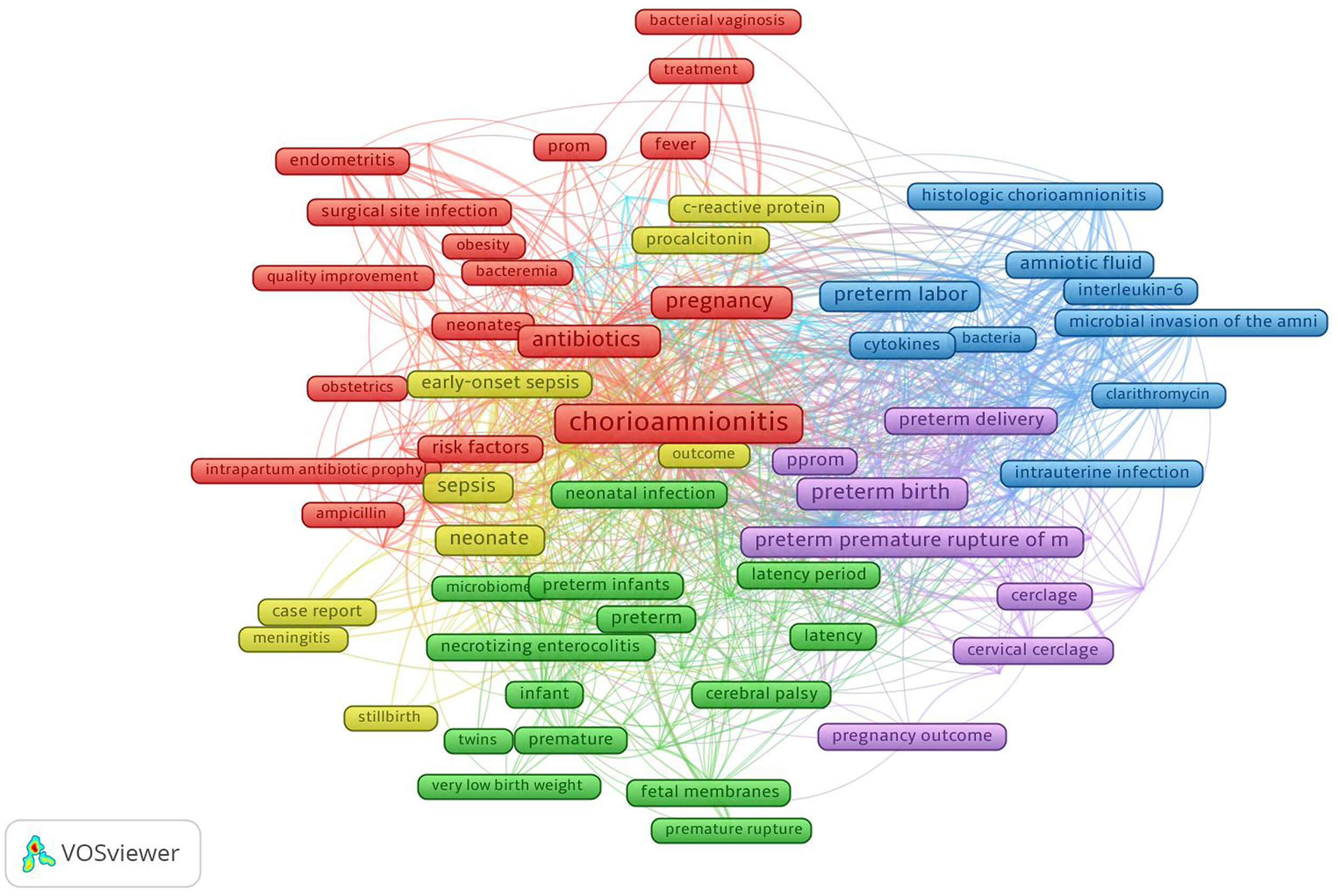
The thematic map of MFADESC visualises five distinct clusters derived from author keywords using the VOSviewer application (Fig. 6). Out of the 2391 identified keywords, 116 with a minimum of seven occurrences were mapped, demonstrating the thematic structure of research in this field. The analysis identified five thematic clusters in MFADESC research (Fig. 6). Cluster 1 (Red) focuses on infection and antibiotic treatment, highlighting chorioamnionitis, sepsis, antibiotic efficacy, and antimicrobial therapy. Cluster 2 (Green) emphasises neonatal and preterm outcomes, including preterm birth, latency period, neonatal infections, and developmental risks. Cluster 3 (Blue) centres on maternal infections and inflammation, with key terms like intrauterine infection, cytokines, and microbial invasion of the amniotic cavity. Cluster 4 (Purple) covers preterm labour and pregnancy complications, including Preterm Premature Rupture of Membranes (PPROM) and cerclage. Cluster 5 (Yellow) focuses on biomarkers and diagnostic tools, featuring C-reactive protein, procalcitonin, and pregnancy-related diagnostics. These clusters underscore the interdisciplinary scope of MFADESC research, advancing knowledge on infection management, neonatal care, maternal inflammation, pregnancy risks, and diagnostic improvements.
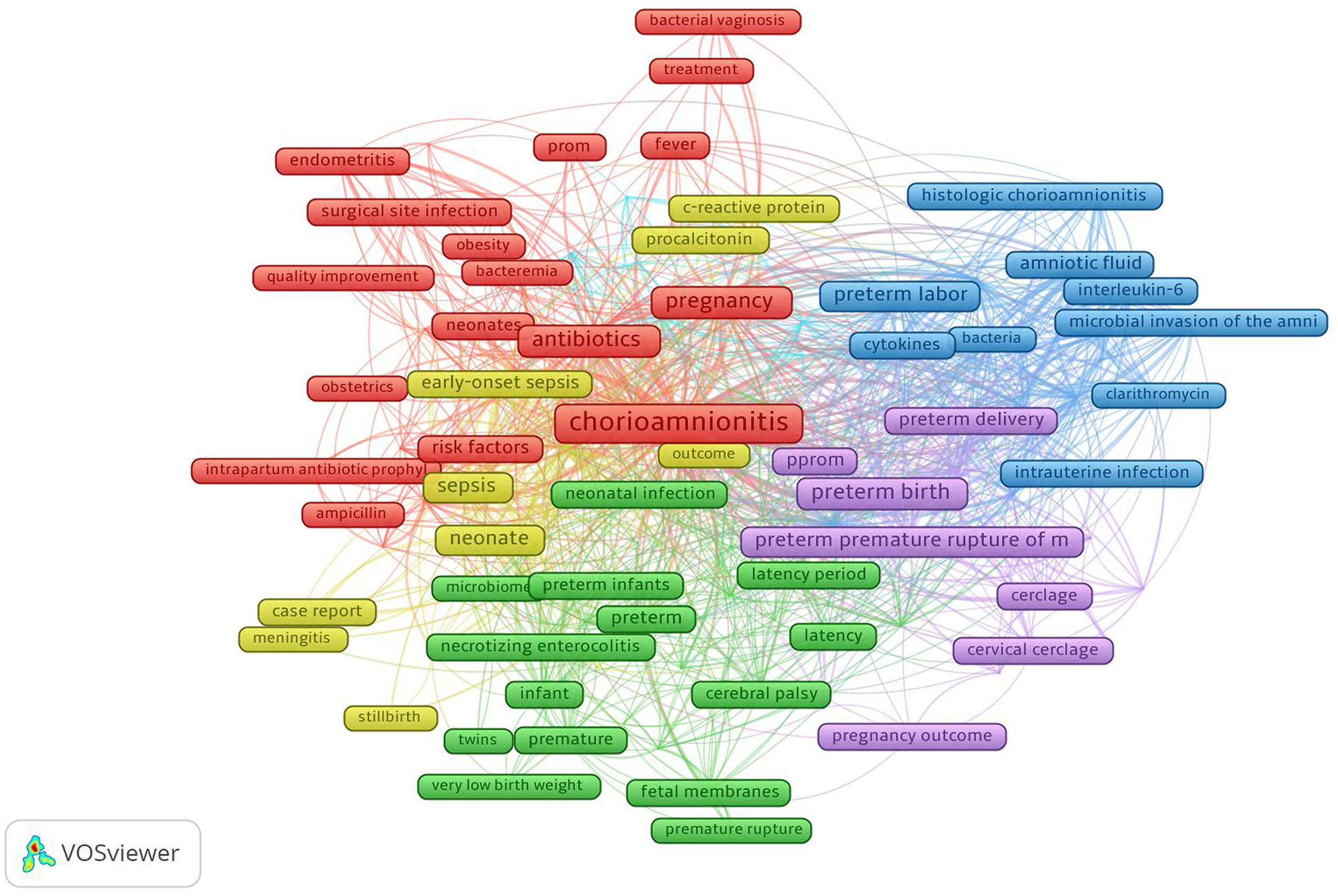 Fig. 6.
Thematic map of maternal-fetal antibiotics’ distribution and effectiveness in chorioamnionitis-suspected patients (MFADESC) groups the authors’ keywords into five clusters and makes use of the VOSviewer application. Out of the 2391 keyword exports, 116 were mapped with at least seven occurrences. The clusters underscore the multidisciplinary aspects of MFADESC research, with maternal infections, neonatal, uses of antibiotics, and prematurity complications as some of the topics covered.
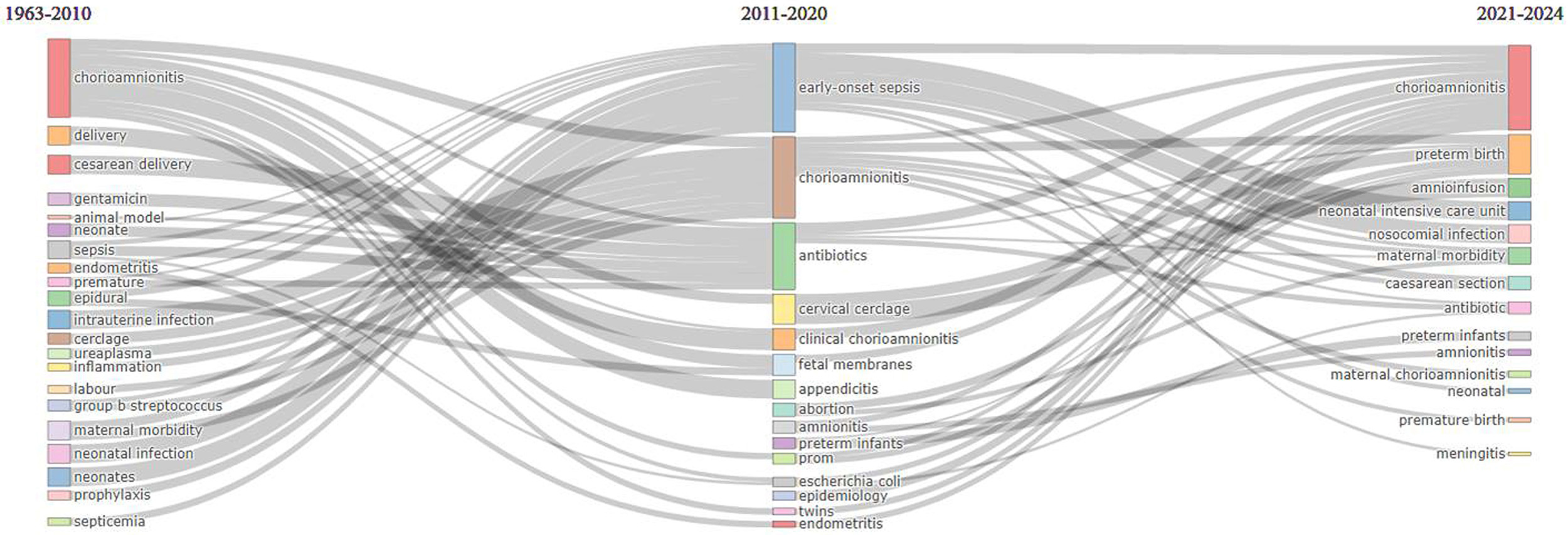
The thematic evolution of research in the MFADESC reveals dynamic shifts in focus across three distinct periods: 1963–2010, 2011–2020, and 2021–2024. Fig. 7 illustrates the interrelationships between major themes and changes in the intensity of their emergence, persistence, or decline over time. In the earliest period (1963–2010), themes such as “chorioamnionitis”, “inflammation”, “group B streptococcus”, and “premature birth” were prominent, indicating initial efforts to understand the condition and the microbes responsible for it. However, many of these early themes evolved or diverged into more detailed subtopics in the later years. For instance, “chorioamnionitis” in the period 1963–2010 developed into “clinical chorioamnionitis”, “early-onset sepsis”, and “fetal membranes” in the period 2011–2020.
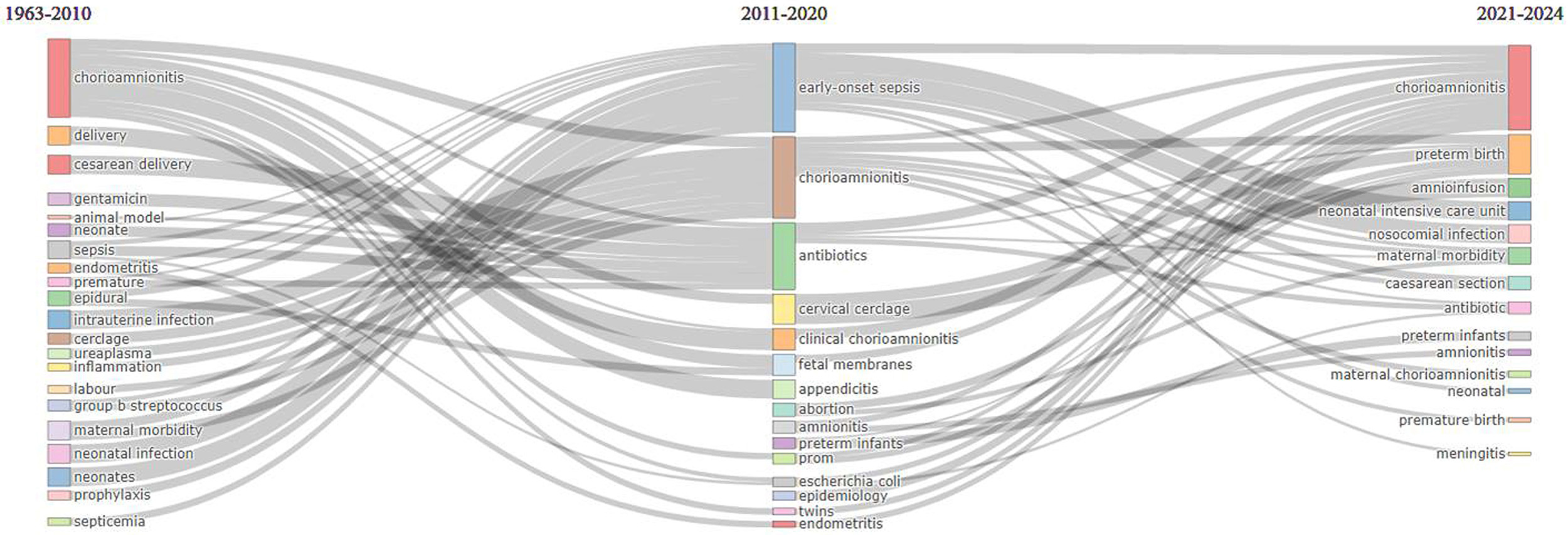 Fig. 7.
Thematic evolution of research in MFADESC from 1963 to 2024. Foundational themes evolved into specific areas like “clinical chorioamnionitis” and “antibiotics”, while recent trends emphasise “maternal morbidity” and “antibiotic efficacy”, reflecting advancements in diagnostics, treatments, and neonatal care. The figure highlights emerging, persisting, and disappearing topics.
Between 2011 and 2020, advancements in clinical diagnostics and therapeutic systems initiated new focal points, such as “Escherichia coli”, “antibiotics”, and “preterm infants”, reflecting increased interest in maternal and neonatal health outcomes. During this period, earlier concepts began to branch into specialised disciplines, guided by advancing knowledge in maternal-fetal infections and antibiotic pharmacokinetics. Concepts such as “gentamicin” and “septicemia” were introduced but did not gain lasting relevance as the field progressed toward more targeted therapies and preventive strategies.
In the most recent period (2021–2024), there has been increased focus on clinical questions and enhanced therapeutic strategies. The emphasis on enhanced maternal and “antibiotic efficacy”, “maternal chorioamnionitis”, and “neonatal intensive care unit”. Furthermore, themes like “amnioinfusion” and “nosocomial infections” represent the branching of earlier research on perinatal management into applied clinical contexts. Meanwhile, older themes like “epidural” and “group B streptococcus” have disappeared, reflecting their declining relevance in contemporary research. Fig. 7 illustrates these transitions, emphasising the field’s evolving priorities and the interplay between basic and applied research. The analysis underscores the significance of thematic evolution in identifying knowledge gaps, guiding future investigations, and fostering interdisciplinary collaboration to address the challenges of chorioamnionitis and its management.
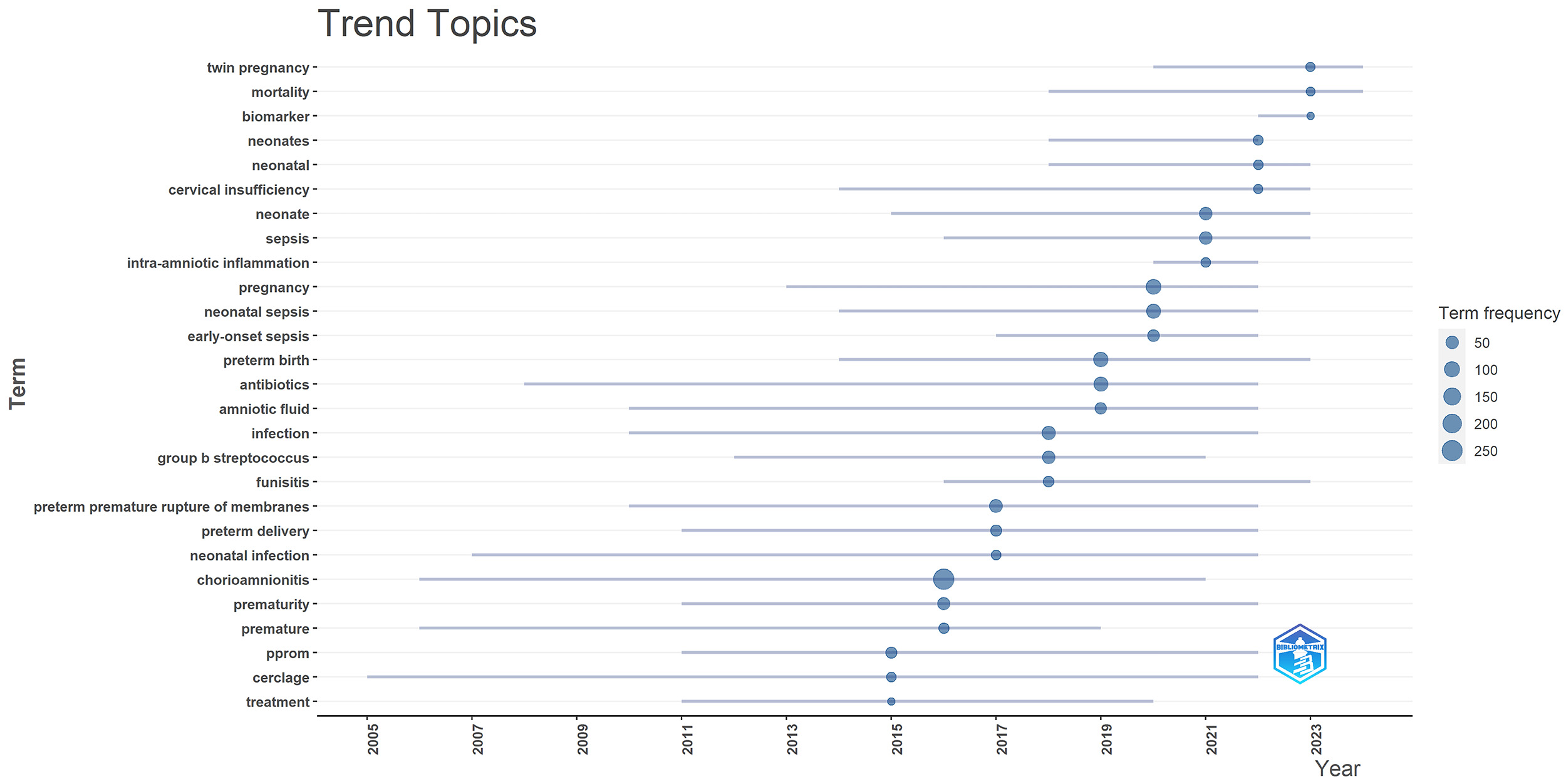
The analysis of emerging research topics in MFADESC over the last 5 years reveals several noteworthy trends derived from authors’ keywords and terms in research titles using unigrams, bigrams, and trigrams (Supplementary File 2). Based on authors’ keywords (Fig. 8), emerging themes include “biomarker”, “intra-amniotic inflammation”, and “twin pregnancy”, reflecting a growing focus on diagnostic and clinical factors influencing maternal-fetal health. Unigram terms in titles highlighted “observational”, “biomarkers”, “undergoing”, “retrospective”, “cohort”, and “azithromycin”, indicating a shift toward clinical studies and antibiotic-specific evaluations. Bigrams emphasised trends such as “twin pregnancies”, “observational study”, “intraamniotic inflammation”, “retrospective cohort”, “cohort study”, and “early onset sepsis”, indicating advancements in study designs and disease focus. Trigram analyses identified “retrospective cohort study”, “preterm prelabor rupture”, “extremely preterm infants”, “early onset sepsis calculator”, “neonatal early-onset sepsis”, and “emergency cervical cerclage”, emphasising high-risk clinical scenarios, neonatal outcomes, and innovative diagnostic tools. These trends illustrate the evolving priorities in addressing maternal-fetal infections and their management.
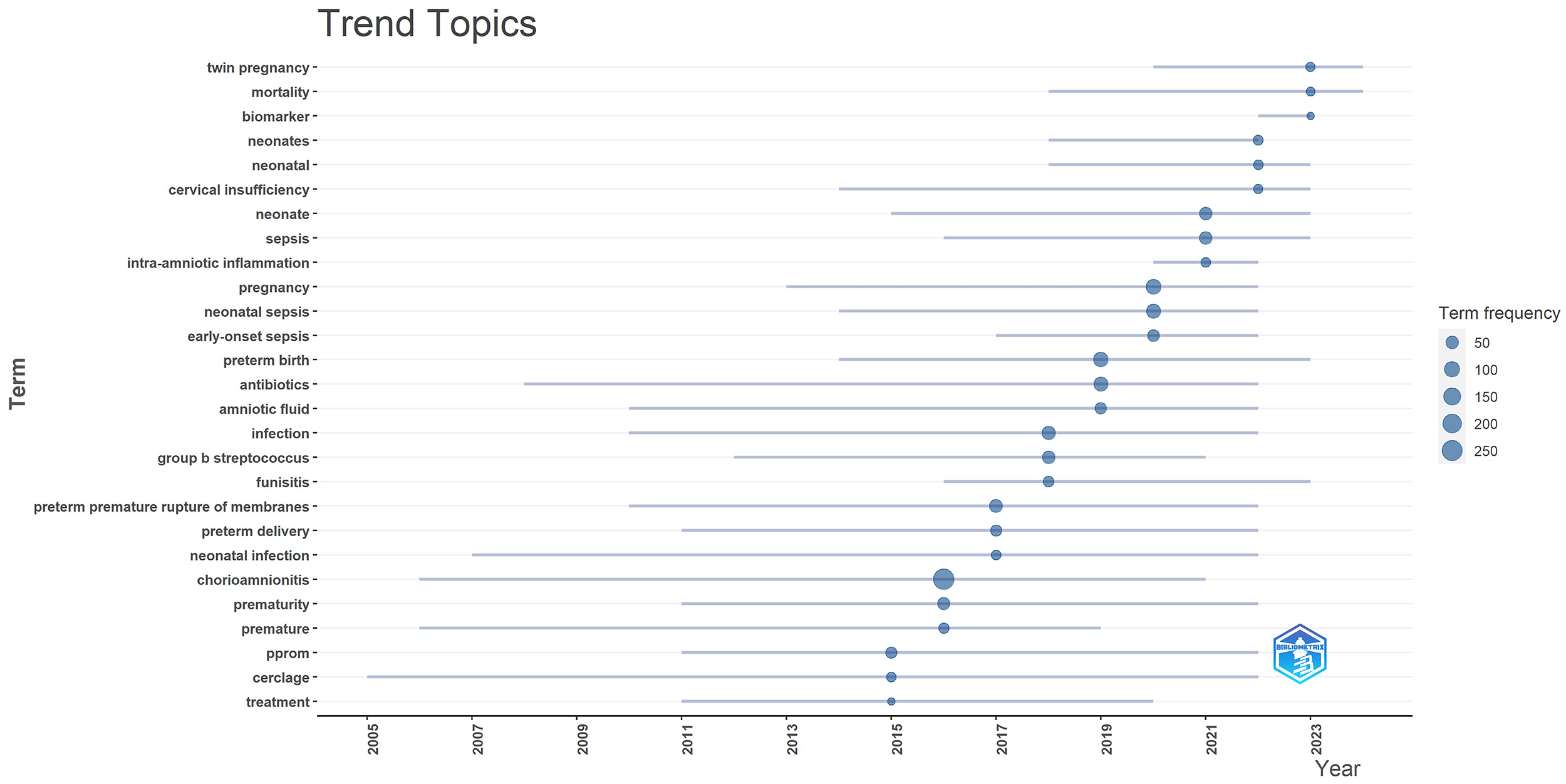 Fig. 8.
The analysis of emerging research topics in MFADESC over the last 5 years reveals several noteworthy trends, derived from authors’ keywords. The data for terms in research titles using unigrams, bigrams, and trigrams are illustrated in Supplementary File 2.
Given the importance of MFADESC research and the sizeable number and diversity of studies in numerous fields, it is essential to continually and routinely re-evaluate this area of research. Therefore, this study conducted a comprehensive bibliometric analysis of MFADESC research from 1963 to 2024. This study conducted a performance analysis and evaluated factors such as publication output, citation impact, collaboration patterns, and author productivity. Moreover, this study intends to create a conceptual map of research in MFADESC, identifying key research themes, influential authors, and the interconnections between different areas of study. The analysis also revealed emerging trends in MFADESC research, highlighting evolving research interests, novel research directions, and potential future developments in this field.
This study encompasses all empirical studies published in English. Through the analytical capacity of primary research in original studies, we acquire insights into innovative methodologies, theoretical frameworks, and pioneering discoveries that influence the direction of the field. We emphasise the necessity of using multilingual viewpoints to accurately capture regional subtleties and enhance the understanding of MFADESC research, while recognising the prevalence of English-language data. This research is consistent with prior studies that have employed an original analysis grounded in English [24, 31, 32].
Over the years, MFADESC research has grown remarkably, with 53.8% of the research papers published between 2015 and 2024. This increase in MFADESC research can be attributed to several factors. A greater understanding of mother-fetal health issues has encouraged research on the diagnosis and treatment of conditions such as chorioamnionitis, which are detrimental to mothers and newborns [33]. Advancements in diagnostic systems have allowed researchers to elucidate unexplored aspects of intra-amniotic infections and aspects of antibiotic treatment [34]. Furthermore, the rising incidence of premature births and other related complications requires more in-depth research [4]. A large number of specific research projects were created as a result of joint international initiatives, such as the Sustainable Development Goals, which focus on the reduction of maternal and neonatal mortality [35]. Studies combining knowledge from microbiology, obstetrics, and pharmacology have been made possible by enlarging cooperative networks and financing possibilities.
The USA leads the world in MFADESC research, illustrated by its dominance, with 696 publications and 13,704 overall citations. A notable emphasis on multidisciplinary studies that integrate microbiology, obstetrics, and pharmacology, including a great healthcare system and agency sponsorship, accounts for this significance [36]. The US has created many new programs, such as the “Triple I” framework, to enhance the quality and quantity of the healthcare system’s research [10]. Moreover, they are active participants in relevant international initiatives that significantly broaden the scope of the innovations they create. Altogether, NIH initiatives exhibit strong performance, proving the US’s leadership role in mother-fetal healthcare and advancing the field worldwide. This correlates with prior bibliometric analyses revealing the role of the USA in maternal health interventions [37, 38].
Romero, R., Chief of the Pregnancy/Perinatology Research Branch at the National Institutes of Health, USA, is the most prolific and influential contributor in MFADESC research, playing a pivotal role in advancing the understanding and management of chorioamnionitis and its associated conditions. He has an h-index of 28. His work explored the presence of antimicrobial peptides in amniotic fluid as markers of microbial invasion and inflammation, shedding light on their role in preterm labour and membrane rupture [20]. He has contributed to research highlighting the limitations of antibiotic therapy in eliminating intra-amniotic infections among patients with preterm premature rupture of membranes [6]. Romero also explored the diagnostic significance of a sonographically short cervix as a feature of intra-amniotic infection [28] and further developed the notion of the fetal inflammatory response syndrome, explaining its pathophysiological mechanisms responsible for the syndrome and its clinical presentation [39]. His study on the effect of antibiotic administration in certain groups of patients with cervical incompetence and intra-amniotic infection has highlighted important aspects regarding individualised treatment [40]. Moreover, Romero’s works have also highlighted the inflammatory factors responsible for preterm and term labour [41] and conducted randomised trials testing whether antibiotic treatment would reduce preterm labour with intact membranes [9]. All of these endeavours demonstrate, in unison, the decisive contribution that Dr. Romero has made in facilitating research and clinical practice in the area of maternal-fetal medicine.
Higgins et al. [10], the most frequently cited article in MFADESC research, compiled results from a January 2015 workshop called by the Eunice Kennedy Shriver National Institute of Child Health and Human Development. This session encompassed knowledge gaps and offered evidence-based recommendations for identifying and treating chorioamnionitis-affected pregnant women and their neonates. The panel underlined the variation in clinical practice resulting from the different use of the word “chorioamnionitis”, which describes disorders marked by infection, inflammation, or both. To standardise terminology, the panel proposed replacing “chorioamnionitis” with the broader term “intrauterine inflammation or infection or both” (Triple I). A classification system for Triple I was introduced along with the recommended evaluation and management approaches. Importantly, this study emphasised that isolated maternal fever is not synonymous with chorioamnionitis. A research agenda was also proposed to refine the definitions and management strategies for this complex condition [10].
The thematic evolution of MFADESC research reflects significant advancements and adaptability of the field to satisfy evolving clinical challenges and research priorities. The initial focus on foundational themes like “chorioamnionitis”, “premature birth”, and “group B streptococcus” from 1963 to 2010 highlights early efforts to understand the microbial and inflammatory underpinnings of maternal-fetal infections [3, 9]. These foundational studies laid the groundwork for more specialised and targeted research in the subsequent decades. Between 2011 and 2020, advancements in diagnostic techniques and therapeutic approaches are evident in the emergence of themes such as “antibiotics”, “Escherichia coli”, and “preterm infants”. This reflects a shift toward addressing the complexities of maternal and neonatal infections and improving treatment outcomes [6, 26]. The decline of certain topics, such as “gentamicin” and “septicemia”, during this period indicates the field’s move toward more refined and effective strategies, reflecting the natural progression of research as some approaches are replaced or optimised. The 2021–2024 period marks a further evolution, underscoring on clinical applications and unmet needs. Emerging themes like “antibiotic efficacy”, “maternal chorioamnionitis”, and “neonatal intensive care unit” highlight the increasing emphasis on optimising therapeutic strategies and addressing specific challenges in maternal and neonatal care [1, 42]. Furthermore, the branching into applicable settings like “amnioinfusion” and “nosocomial infections” emphasises the pragmatic relevance of MFADESC research in addressing perinatal management problems. Driven by multidisciplinary partnerships and technological developments, this progression demonstrates the dynamic nature of MFADESC research. The field’s commitment to improving maternal and neonatal health is reflected in the continuous evolution and refinement of its core themes. These findings highlight the importance of addressing knowledge gaps, fostering innovation, and ensuring the translation of research discoveries into meaningful clinical practices [10, 41]. As the field progresses, these thematic shifts reflect their ability to adapt and remain relevant in tackling contemporary challenges in maternal-fetal health.
This work acknowledges the constraints of using Scopus as a single database for this research. To overcome these limitations and offer a more complete analysis, this study employed a range of datasets and sources. This study offers significantly new perspectives on the conceptual history of the discipline, even though studies conducted in languages other than English were excluded. There were a few methodological issues when using applications such as Bibliometrix and VOSviewer. It is important to be aware of the numerous disadvantages of these tools, including the learning curve, the necessity of data pretreatment, the interpretation and parameter selection process, scalability problems, and the inherent limits of the tools. Moreover, the underrepresentation of new individuals and self-citation bias could affect the outcomes. Excluding self-citations and other strategies can help decrease these limits. A fair understanding of the conclusions and an accurate interpretation of the results rely on realising these prejudices and restrictions.
Data from this study reflect the gradual progression of MFADESC research. Emphasising its part in promoting this field, the US leads in citations and production. Along with newly developing patterns in maternal morbidity and treatment approaches, topical evolution has highlighted important study issues, including chorioamnionitis, antibiotic efficacy, preterm birth, infant outcomes, and global diagnostic strategies. However, major research gaps remain, especially in underrepresented areas, particularly in optimising antibiotic regimens, creating uniform diagnostic techniques, and enhancing world cooperation. This study indicates creating and using cutting-edge diagnostics tools, including biomarker-based screening techniques for intra-amniotic infections, supporting clinical trials to evaluate antibiotic efficacy and long-term fetal effects, and encouraging multidisciplinary and worldwide cooperation to enhance knowledge-based practices and evidence-based practices by means of these tools. Strengthening these areas will help to influence the next clinical recommendations and lead to better mother-fetal health results.
• MFADESC research has steadily increased, with 1606 original articles and an 8.16% annual growth rate, underscoring key themes such as chorioamnionitis, antibiotic efficacy, neonatal outcomes, and maternal morbidity.
• The study identified 40 prolific scholars, with Kacerovsky, M. and Romero, R. leading in collaboration, indicating strong interdisciplinary and international research networks.
• The USA is at the forefront in research productivity and total citations, with significant contributions from the UK, Japan, Canada, Europe, and Asia.
• Despite these advancements, research gaps remain in optimising antibiotic regimens, improving diagnostics, and addressing regional disparities in research collaborations.
• Bibliometric analysis using VOSviewer and Bibliometrix provided insights into research trends, thematic evolution, citation impact, and underexplored areas.
• Enhancing diagnostic techniques, fostering interdisciplinary collaboration, and prioritising neonatal care and maternal infection management are essential for advancing maternal-fetal health outcomes.
All data included in this study are available from the corresponding author upon reasonable request.
AHK was the sole author and was responsible for the design of the work, drafting and revision of content, and approval of the version to be published. AHK has participated sufficiently in the work and agreed to be accountable for all aspects of the work.
Not applicable.
Not applicable.
This research received no external funding.
The author declares no conflict of interest.
Supplementary material associated with this article can be found, in the online version, at https://doi.org/10.31083/BJHM53141.
References
Publisher’s Note: IMR Press stays neutral with regard to jurisdictional claims in published maps and institutional affiliations.