



1 Department of Dermatology, Faculty of Medicine, Jazan University, 45142 Jazan, Saudi Arabia
Abstract
Congenital dermatological diseases (CDD), a complex group of inherited or developmental skin disorders, pose challenges in their management owing to their genetic nature, clinical variability, and socioeconomic impact. Despite the growing body of research, gaps remain in our understanding of research trends, collaborative networks, and translational advancements in this field. This bibliometric study evaluates CDD research over the last three decades (1995–2024) to identify its key developments and Emerging Themes.
A comprehensive bibliometric analysis was conducted using the Scopus database (October 2024), owing to its extensive peer-reviewed coverage and reliable citation tracking. A multistep search strategy was used to refine the dataset and ensure its relevance. Bibliometrix and VOSviewer were used for quantitative and network-based analyses, highlighting publication trends, author impacts, and thematic structures.
CDD research expanded significantly between 1995 and 2024, with 17,984 publications and the majority being published in the last decade. The average age of the documents was 11.6 years, reflecting sustained engagement. Author metrics (h-index, g-index, and m-index) identified leading contributors, while co-authorship and collaboration networks revealed global research dynamics. The co-word analysis outlined the evolving thematic framework, including trends in diagnostic tools and therapeutic innovations.
This study provided a structured overview of CDD research and identified critical gaps in its diagnosis, treatment strategies, and interdisciplinary collaboration. Understanding these trends can inform clinical decision-making, enhance early diagnosis, and support the development of targeted therapies, ultimately improving patient outcomes.
Keywords
- congenital dermatological conditions
- bibliometric analysis
- research trends
- author impact
- genetic skin disorders
Congenital dermatological diseases (CDD) encompass defective structures or deformities evident at birth. Inherited dermatoses include conditions linked to the transmission of genetic variation between generations [1]. They may be congenital or may emerge later in life. These conditions encompass a wide range of severities, ranging from mild cosmetic issues to life-threatening diseases. Their impact on quality of life [2] and healthcare systems [3] underscores the need for continued research and effective clinical management. CDD can be grouped based on its cause and clinical phenomena. Genodermatitis is an abnormal condition associated with genetic mutations [4, 5]. Genetic disorders manifest in the skin, such as epidermolysis bullosa and ichthyosis vulgaris, which interfere with filaggrin (FLG) mutations and neurofibromatosis, which has features such as café-au-lait spots and systemic symptoms [6, 7, 8, 9]. Genetic defects include albinism, which affects melanin synthesis, and tuberous sclerosis complex (TSC), including hypopigmented macules, angiofibromas, and neurological deficiencies [10].
Another important category is vascular malformations, which are deformities of blood vessels that lead to colour changes in the skin [11]. These include congenital states such as port-wine stains, which are classified as pink to red flat birthmarks, hemangiomas, or benign vascular tumours [12]. Correspondingly, pigmentary phenomena that disturb melanin distribution or synthesis include congenital melanocytic nevi and café-au-lait spots, which are most commonly observed in neurofibromatosis [13, 14]. Connective tissue disorders include increased weakness in skin elasticity or structural integrity, such as Ehlers-Danlos syndrome (EDS), which is characterised by hyperelastic skin and poor wound healing, and cutis laxa, which is marked by loose or wrinkled skin due to defective elastic fibres. Inflammatory, infectious, or autoimmune conditions include lupus-like manifestations in children, exhibiting butterfly-like annular erythematous lesions; congenital erythroderma, which presents with generalized erythema and scaling; keratinization disorders such as palmoplantar keratoderma, which results from keratin or related protein defects causing thickened skin on the palms and soles; and congenital pachyonychia, which thickens the nails and causes keratotic plaques [15, 16, 17].
Congenital dermatological disorders affect social status and economic conditions and have psychological effects [18]. Such lesions adversely influence activities of daily living due to stigma, contributing to an increased healthcare burden [19]. Management includes dermatological treatment, involvement of geneticists and paediatricians, and the financial costs of ongoing medications and surgical procedures. Recent evidence has highlighted improvements in the diagnosis and management of these conditions [20]. Some key genes known to cause skin disorders, such as FLG and TSC1/TSC2, have enabled the development of targeted treatments, such as Clustered Regularly Interspaced Short Palindromic Repeats (CRISPR) gene therapy and protein replacement therapy [21]. Notable progress has been made in barrier repair and skin symptom-targeting formulations [22].
Despite advancements in CDD over the last three decades, no previous study has systematically analysed the bibliometric characteristics of this field. This study addresses this gap by providing the first comprehensive bibliometric analysis to map global research trends, collaborative networks, and knowledge gaps in CDD research. Unlike previous dermatology-related bibliometric studies [23, 24, 25], this study employed a multistage theme evolution analysis, offering deeper insights into the progression of research priorities and emerging topics. Such an analysis is crucial for identifying prolific authors, institutions, funding sources, and high-impact research areas, thus forming a foundation for future investigations and policymaking. Given that CDD intersects with genetic, developmental, and systemic health issues, this study provides a multidisciplinary perspective that enhances its significance in advancing clinical and scientific knowledge.
Data were obtained from the Scopus database (https://www.scopus.com/) (October 2024) using a comprehensive multistep search strategy (Fig. 1). First, a broad search was conducted in the Title, Abstract, and Keywords fields using the most relevant terms, including “congenital dermatological conditions”, “genodermatoses”, “epidermolysis bullosa”, “ichthyosis”, “ichthyosis vulgaris”, “lamellar ichthyosis”, “harlequin ichthyosis”, “neurofibromatosis”, “neurofibromatosis type 1”, “neurofibromatosis type 2”, “albinism”, “tuberous sclerosis complex”, “port-wine stain”, “hemangiomas”, “strawberry hemangioma”, “Klippel-Trenaunay syndrome”, “congenital melanocytic nevi”, “café-au-lait spots”, “Ehlers-Danlos syndrome”, “cutis laxa”, “neonatal lupus”, “congenital erythroderma”, “palmoplantar keratoderma”, and “pachyonychia congenita”. These terms were combined using a Boolean operator (OR) to retrieve all the possible documents. Second, the search was refined to include only the occurrences of these terms in the title field. Third, the results were further narrowed to focus exclusively on original research articles, excluding all other document types. Fourth, the search was restricted to the studies published in English. Finally, the search was limited to the period from 1995 to 2024 to ensure relevance to contemporary research trends. The final data (N = 17,984) were exported in two formats: comma-separated values (CSV) and bibliography TeX (BibTeX).
 Fig. 1.
Data were obtained from the Scopus database (October 2024) using a comprehensive multi-step search strategy.
This study included original research articles published in English (1995–2024), retrieved from Scopus using a structured five-step search. The search focused on congenital dermatological conditions in the Title, Abstract, and Keywords fields, which was later refined to the Title only. The exclusion criteria were non-original documents (reviews, conference papers, book chapters, and editorials) and non-English publications.
Data were processed and visualised using VOSviewer (version 1.6.19, Centre for Science and Technology Studies, Leiden University, Leiden, Netherlands) and Bibliometrix (version 4.1.0, University of Naples Federico II, Naples, Italy) [26, 27]. In VOSviewer maps, nodes signify a research entity (either an author or a country) from which the total link strength (TLS) value is derived, indicating the intensity of worldwide collaboration between the author and country [27].
The authors’ impact was measured using the g-index, h-index, and m-index. The h-index quantifies the impact and productivity of scientists and scholars. If h of a scientist’s Np publications has at least h citations each and the remaining (Np-h) papers have no more than h citations each, then the scientist has an index h. The g-index is an alternative to the h-index and is more significant than the most frequently cited papers in a dataset. The m-index is another variant of the h-index that displays the h-index per year since the researcher’s first publication. Emerging subjects, themes, and conceptual maps were also developed. The advancement and interrelations of research clusters were assessed using centrality and density metrics [26].
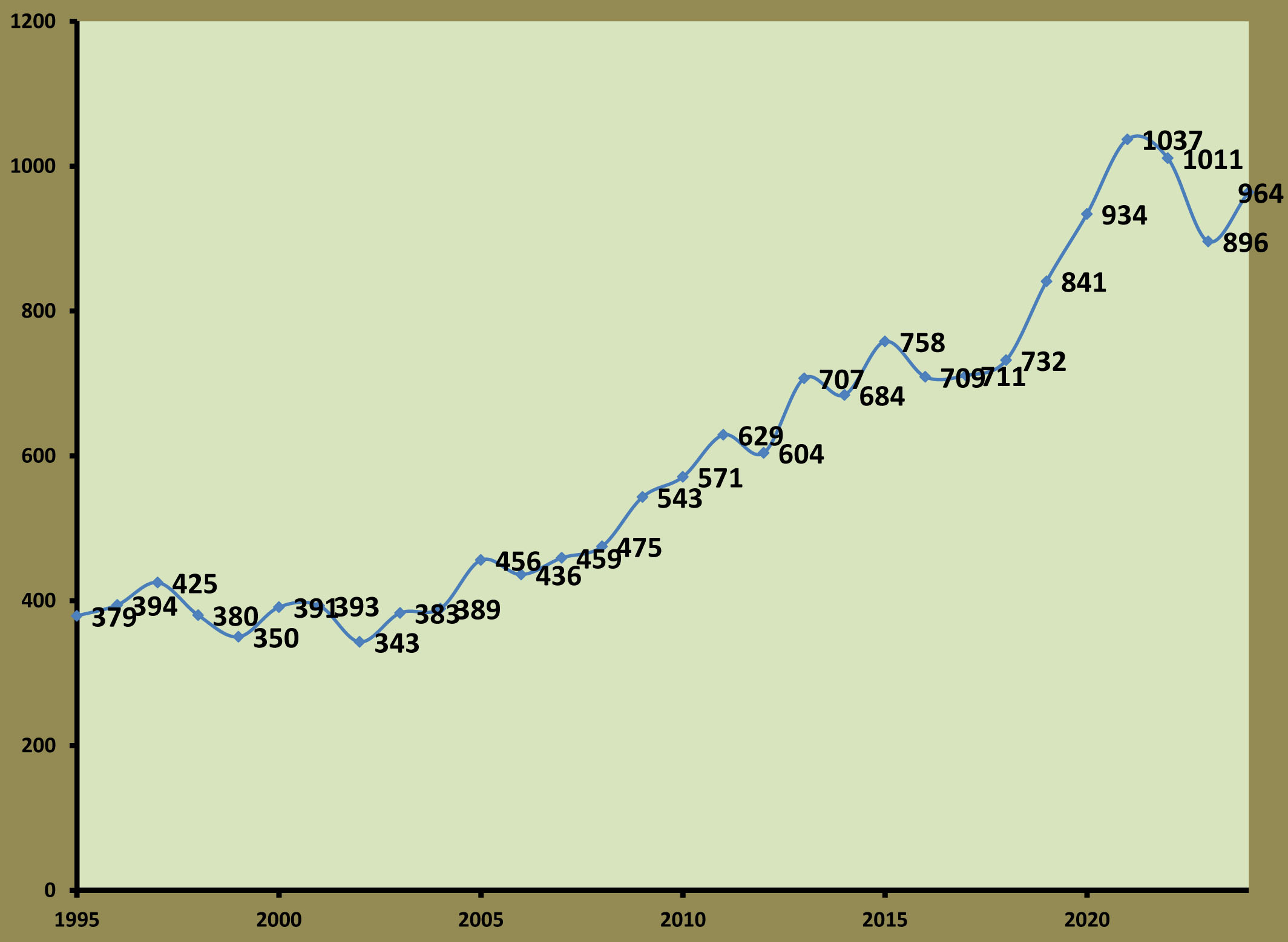
The scholarly discourse on CDD from 1995 to 2024 demonstrates significant growth, with 17,984 publications published during this period (Fig. 2). The annual publication rate reflects a consistent upward trend, with an average annual growth rate of 3.28%. The majority of research output, accounting for 47.78%, was produced during the last decade (2015–2024), followed by 30.94% during 2005–2014 and 21.28% during 1995–2004. This indicated an accelerated focus on the topic over time. The average age of the documents was 11.6 years, reflecting sustained scholarly engagement with recent advancements in the field. These data highlight the increasing recognition of the importance of CDD in clinical and scientific research over the last three decades.
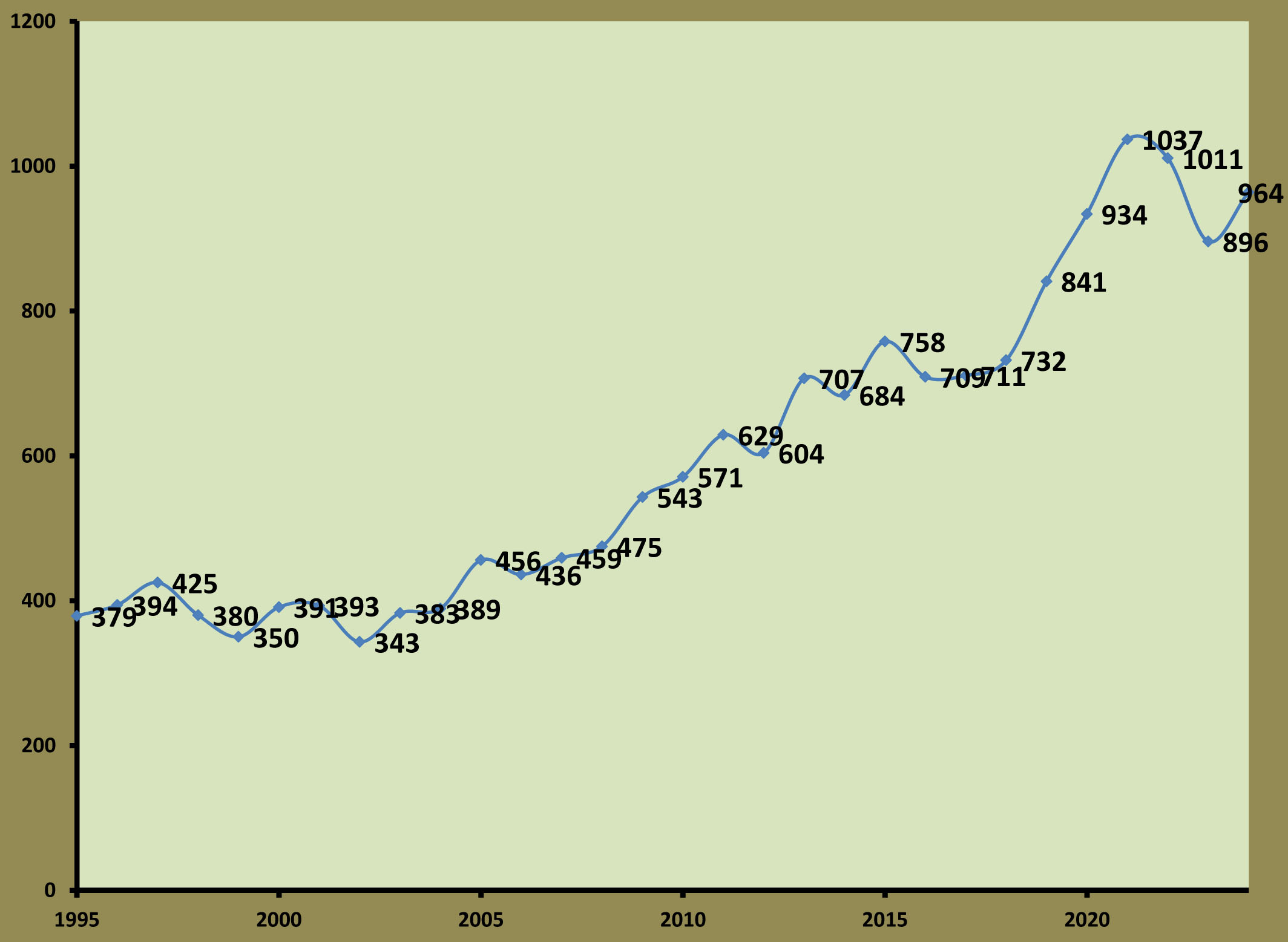 Fig. 2.
Annual growth of research on congenital dermatological conditions (1995–2024).
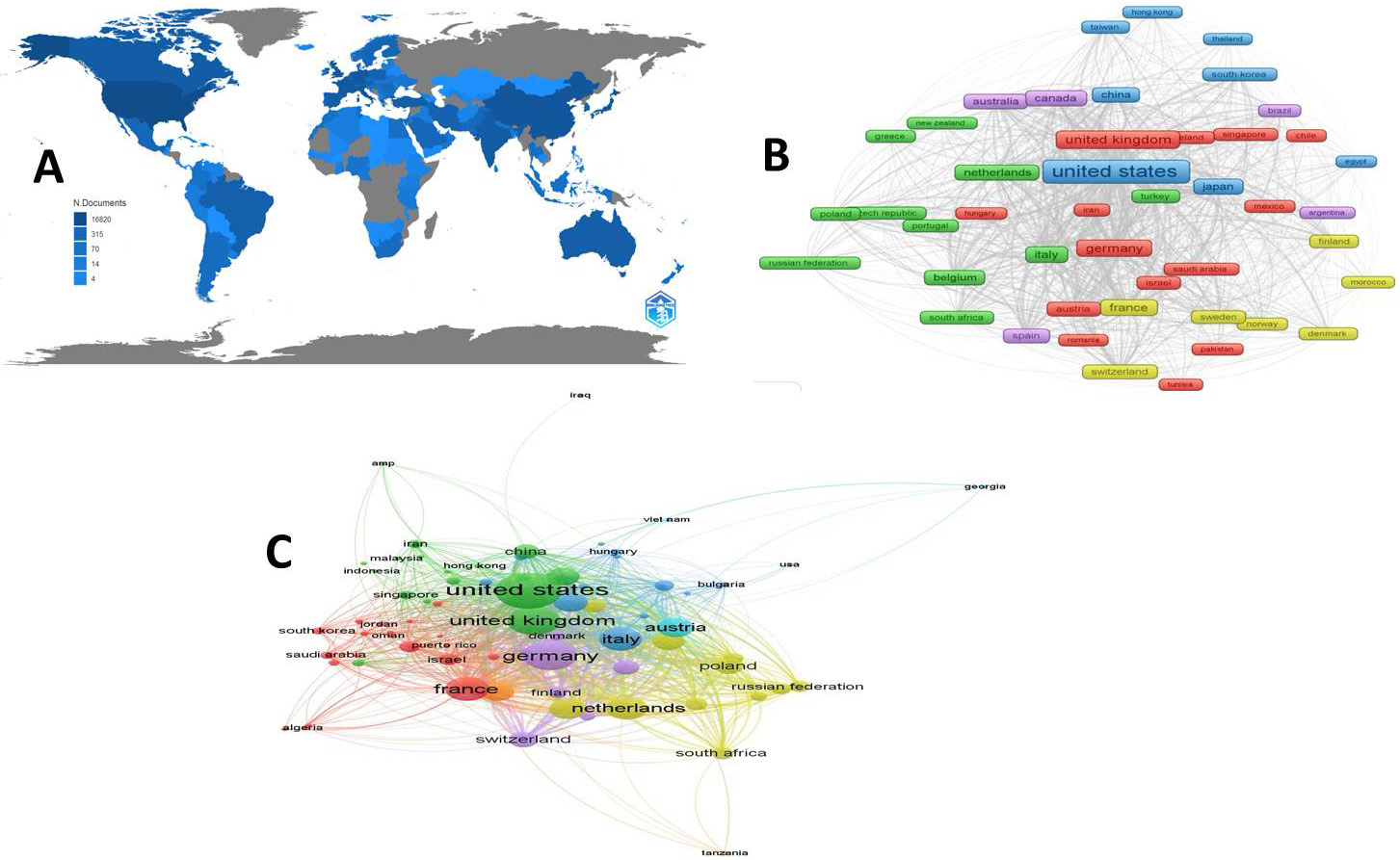
Geographical analysis of research on CDD (Fig. 3) revealed that the USA was the most productive country, contributing 5587 publications (22.94% of the global output), followed by the UK (1605, 6.59%), China (1412, 5.80%), Japan (1365, 5.60%), and Germany (1272, 5.22%) (Fig. 3A). In terms of impact, the USA also leads with 123,239 total citations (TC) and an average of 35.90 citations per article, followed by the UK (25,969 citations, 33.80 average), and Germany (18,298 citations, 29.10 average), indicating the influence of these countries’ research (Fig. 3B). Although China is highly productive, it has a lower average citation rate of 8.70, reflecting a possible emphasis on quantity over its impact. Collaboration networks, measured by TLS, show that the USA dominates (TLS 3006), followed by Germany (1957) and the UK (1929), highlighting the interconnectedness of these countries, with European nations such as France, Italy, and the Netherlands playing significant roles in fostering international research partnerships (Fig. 3C).
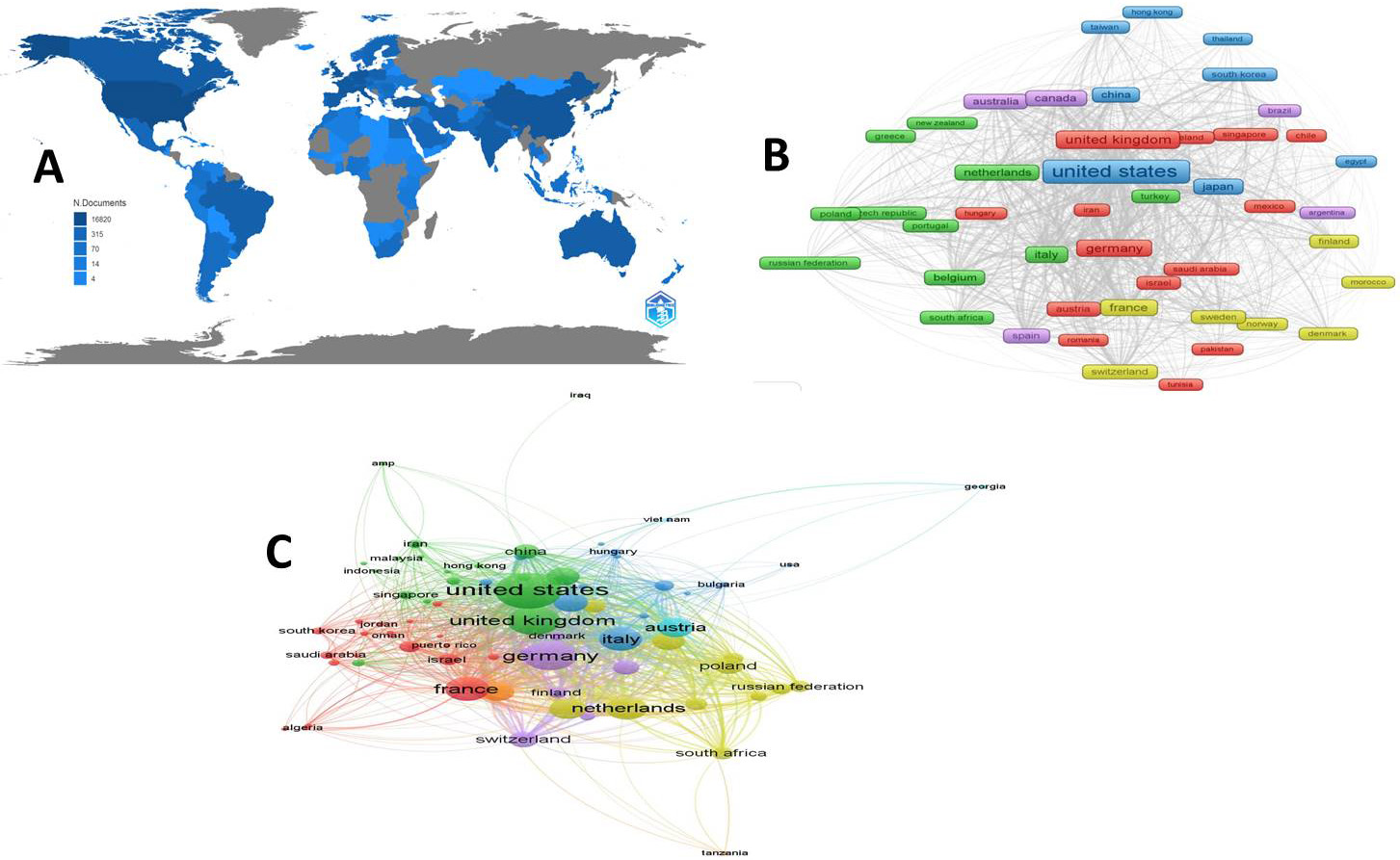 Fig. 3.
Geographical analysis of research on congenital dermatological diseases (CDD). (A) The most productive country in CDD research is the USA, leading in total publications, followed by the UK, China, Japan, and Germany. (B) The most cited countries: The USA, the UK, and Germany rank the highest in total citations (TC) and average citations per article, indicating research impact. (C) International collaboration networks based on total link strength (TLS) show the USA, Germany, and the UK as central hubs, with France, Italy, and the Netherlands playing key roles in global partnerships.
A key objective of bibliometric studies is to identify the most influential authors in specific research fields. In the CDD field, the analysis revealed several highly influential scholars, as summarised in Table 1. Gutmann DH stands out as the most impactful researcher, with the highest h-index (64), g-index (108), and TC of 12,824 from 182 publications since 1995. Other notable scholars include Uitto J, with an h-index of 52 and TC of 10,573, and Mautner, with an h-index of 47 and TC of 6593. Additionally, researchers such as McGrath, Bruckner-Tuderman, and McLean have contributed significantly to advancing knowledge in this field, as reflected by their robust citation metrics and productivity. These impactful authors not only demonstrate sustained academic influence through high citation counts and productivity but also highlight the long-term contributions of researchers who have shaped the field’s development over the past three decades. The most influential journals publishing research on CDD include Pediatric Dermatology, The British Journal of Dermatology, The Journal of Investigative Dermatology, The Journal of the American Academy of Dermatology, and The American Journal of Medical Genetics, Part A. These journals serve as key platforms for disseminating advancements in genetic research, clinical dermatology, and interdisciplinary studies, thereby contributing significantly to the development of this field (Supplementary Table 1).
| Element | h-index | g-index | m-index | TC | NP | PY_start |
| Gutmann DH | 64 | 108 | 2.133 | 12,824 | 182 | 1995 |
| Uitto J | 52 | 95 | 1.733 | 10,573 | 176 | 1995 |
| Mautner VF | 47 | 77 | 1.567 | 6593 | 128 | 1995 |
| Mcgrath JA | 46 | 74 | 1.533 | 6444 | 156 | 1995 |
| Bruckner-Tuderman L | 40 | 67 | 1.379 | 4709 | 88 | 1996 |
| Jonkman MF | 40 | 68 | 1.333 | 4918 | 87 | 1995 |
| Mclean WHI | 39 | 61 | 1.300 | 4653 | 61 | 1995 |
| Frieden IJ | 38 | 72 | 1.267 | 7814 | 72 | 1995 |
| Shimizu H | 38 | 72 | 1.267 | 5656 | 115 | 1995 |
| Pulkkinen L | 37 | 63 | 1.233 | 4194 | 63 | 1995 |
The h-index, g-index, and m-index measure author productivity and impact. TC represents total citations, NP is total publications, and PY_start marks the first publication year.
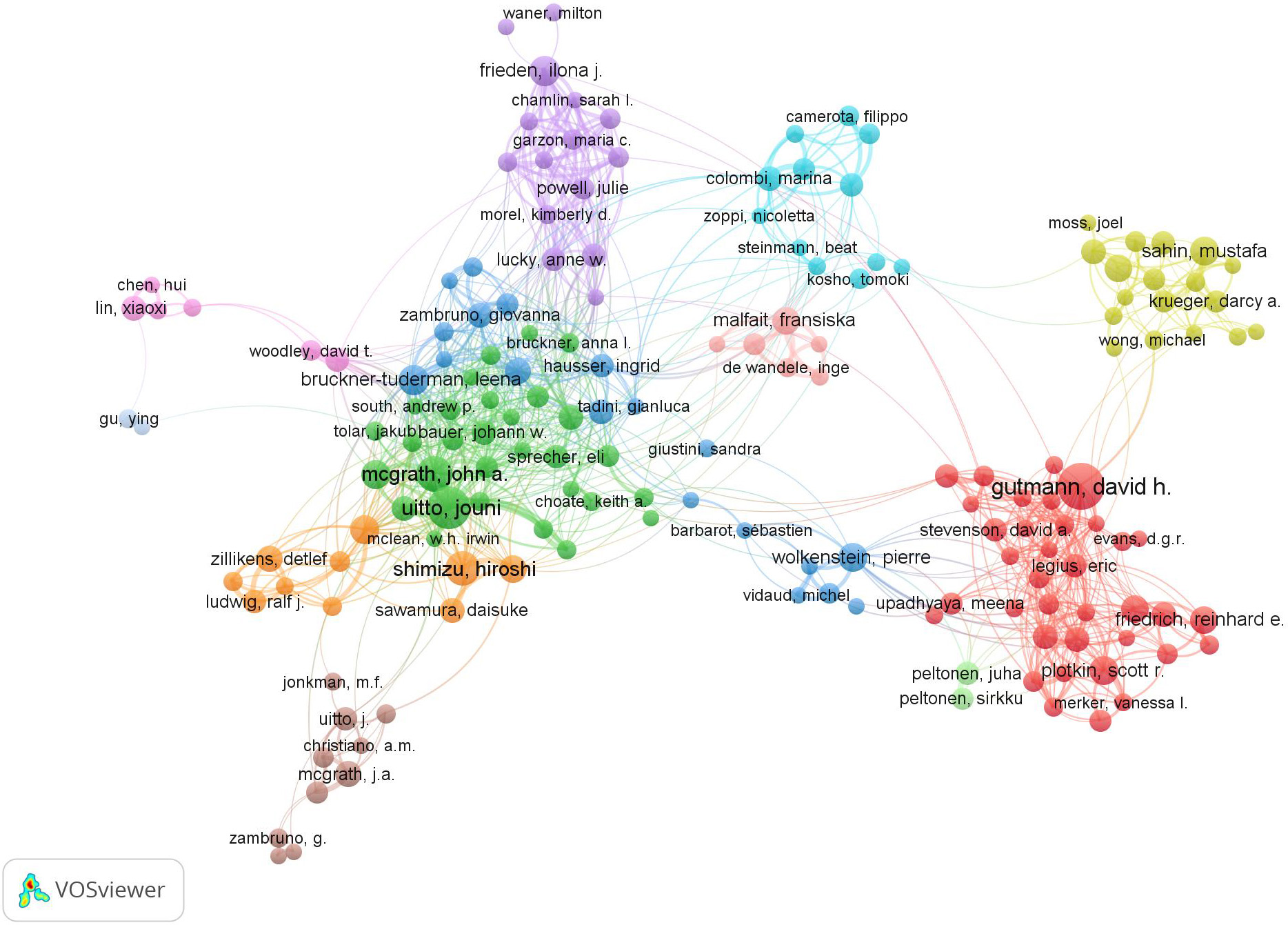
Fig. 4 shows a visualisation of author collaborations in the field of CDD, where the size of each node corresponds to the author’s TLS value, indicating the level of collaboration within the research network. Larger nodes highlight highly collaborative authors, with Uitto J ranking as the most collaborative researcher (TLS 258), followed by McGrath JA (TLS 190) and Frieden IJ (TLS 170). Other notable collaborators include Malfait (TLS 135), Garzon (TLS 130), Haggstrom (TLS 130), and Mancini (TLS 126). Additionally, Drolet (TLS 121), Baselga (TLS 120), and Bruckner-Tuderman (TLS 117) demonstrated significant contributions to collaborative research networks. The authors’ strong interdisciplinary and international collaborations have been pivotal in advancing the field of CDD.
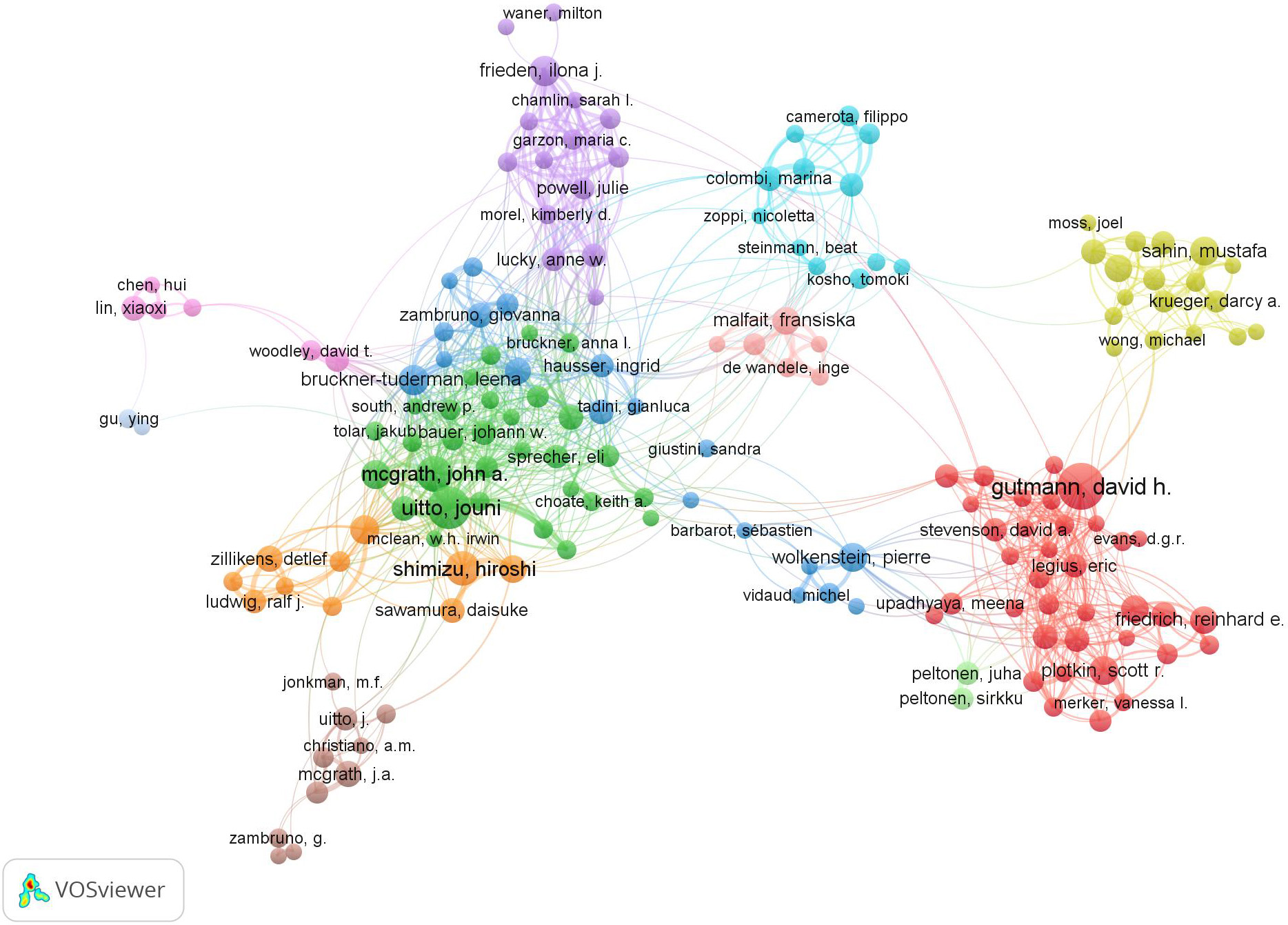 Fig. 4.
A visualisation of author collaborations in the field of congenital dermatological conditions. Each node represents an author, with the node size proportional to the total link strength (TLS) value, indicating the author’s level of collaboration within the research network. Larger nodes, such as those representing Jouni Uitto, John, A. McGrath, and Ilona, J. Frieden, highlight the most collaborative researchers, reflecting their central role in fostering interdisciplinary and international research partnerships.
The ten most highly cited articles in the field of CDD reflect groundbreaking contributions across diverse research areas. The American Journal of Medical Genetics had the most cited articles, with 1461 citations. Molecular Cell followed with 1340 citations, while The American Journal of Medical Genetics, Part C, ranked third with 1212 citations. Influential journals, such as JAMA, The New England Journal of Medicine, and Current Biology feature prominently alongside key publications in Pediatric Neurology and The Journal of Medical Genetics, highlighting multidisciplinary research and significant clinical advancements. The highly cited articles [28, 29, 30, 31, 32, 33, 34, 35, 36, 37] are presented in Table 2. Key topics include updated classifications and diagnostic criteria, such as the 1997 Villefranche nosology, the 2017 international classification for EDS, and the 2012 consensus criteria for TSC. Molecular insights highlighted the role of TSC-2 tumour suppressor genes and mammalian target of rapamycin (mTOR) signalling regulation. Therapeutic advancements such as the use of sirolimus for angiomyolipomas in TSC have been emphasised. Additionally, the articles addressed the multidisciplinary management of neurofibromatosis types 1 and 2, and the clinical features of malignant peripheral nerve sheath tumours and vascular EDS.
| Rank | DOI | Year | Source | TC |
| 1 | 10.1002/(SICI)1096-8628(19980428)77:1 |
1998 | American Journal of Medical Genetics | 1461 |
| 2 | 10.1016/S1097-2765(02)00568-3. | 2002 | Molecular Cell | 1340 |
| 3 | 10.1002/ajmg.c.31552. | 2017 | American Journal of Medical Genetics, Part C | 1212 |
| 4 | 10.1001/jama.278.1.51. | 1997 | JAMA | 1177 |
| 5 | 10.1016/j.pediatrneurol.2013.08.001. | 2013 | Pediatric Neurology | 1177 |
| 6 | 10.1056/NEJMoa063564. | 2008 | New England Journal of Medicine | 1083 |
| 7 | 10.1056/NEJM200003093421001. | 2000 | New England Journal of Medicine | 1065 |
| 8 | 10.1016/S0960-9822(03)00506-2. | 2003 | Current Biology | 1014 |
| 9 | 10.1136/jmg.39.5.311. | 2002 | Journal of Medical Genetics | 981 |
| 10 | 10.1177/088307389801301206. | 1998 | Journal of Child Neurology | 955 |
DOI, digital object identifier; TC, total citations.
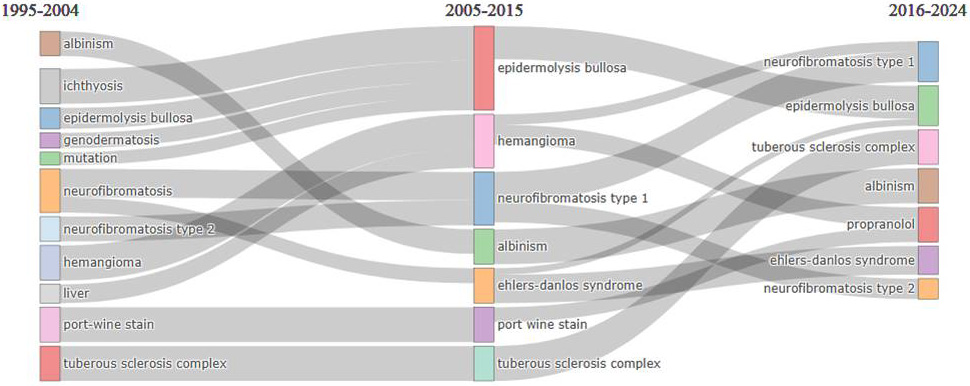
Fig. 5 illustrates the progression of CDD research over three distinct periods: 1995–2004, 2005–2015, and 2016–2024. These trends reflect the evolution of scientific priorities and emerging technologies in this field. During the early period (1995–2004), topics such as albinism, epidermolysis bullosa, hemangioma, and neurofibromatosis dominated the research landscape and primarily focused on descriptive and clinical studies. In the second period (2005–2015), these foundational topics persisted but were joined by more specific and advanced discussions. For example, neurofibromatosis research has transitioned to more targeted areas, such as neurofibromatosis type 1, reflecting a better understanding of disorder subtypes. Similarly, the focus on genodermatosis and mutations has merged into more specialised studies on conditions, such as epidermolysis bullosa. The emergence of topics such as EDS during this period highlights the diversification of research on connective tissue disorders. Furthermore, hemangioma studies have begun to incorporate management strategies, including pharmacological interventions. In the most recent period (2016–2024), research has expanded into advanced therapeutic and molecular topics. Keywords such as propranolol emerged, reflecting its significance as a treatment for hemangioma, while discussions on neurofibromatosis became more specialised, with a shift toward subtypes such as type 2. Research on Ehler-Danlos syndrome and TSC has gained momentum, often incorporating quality-of-life considerations and biomarkers. The adoption of cutting-edge technologies such as whole-exome sequencing also characterised this period, enabling a deeper exploration of the genetic underpinnings of these conditions. Throughout these periods, some topics split into more focused subfields, such as neurofibromatosis, diverging into specific subtypes, whereas others merged, such as mutations becoming integral to epidermolysis bullosa studies. This evolution underscores the dynamic nature of research on CDD, driven by advancements in technology, therapeutics, and interdisciplinary approaches.
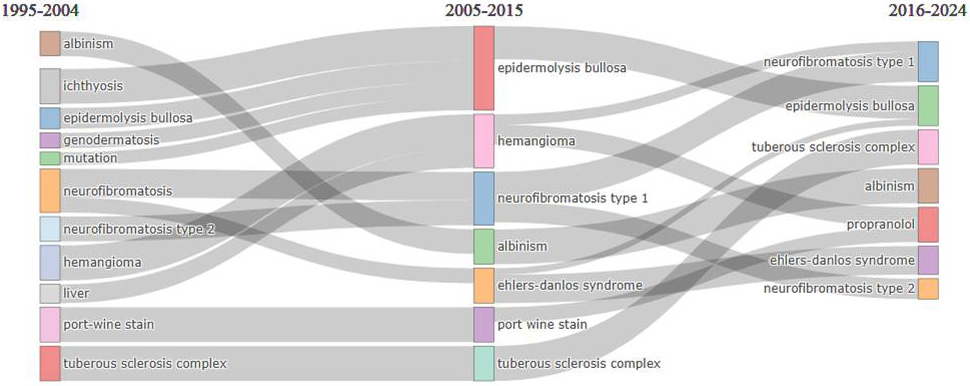 Fig. 5.
The progress of research on congenital dermatological conditions.
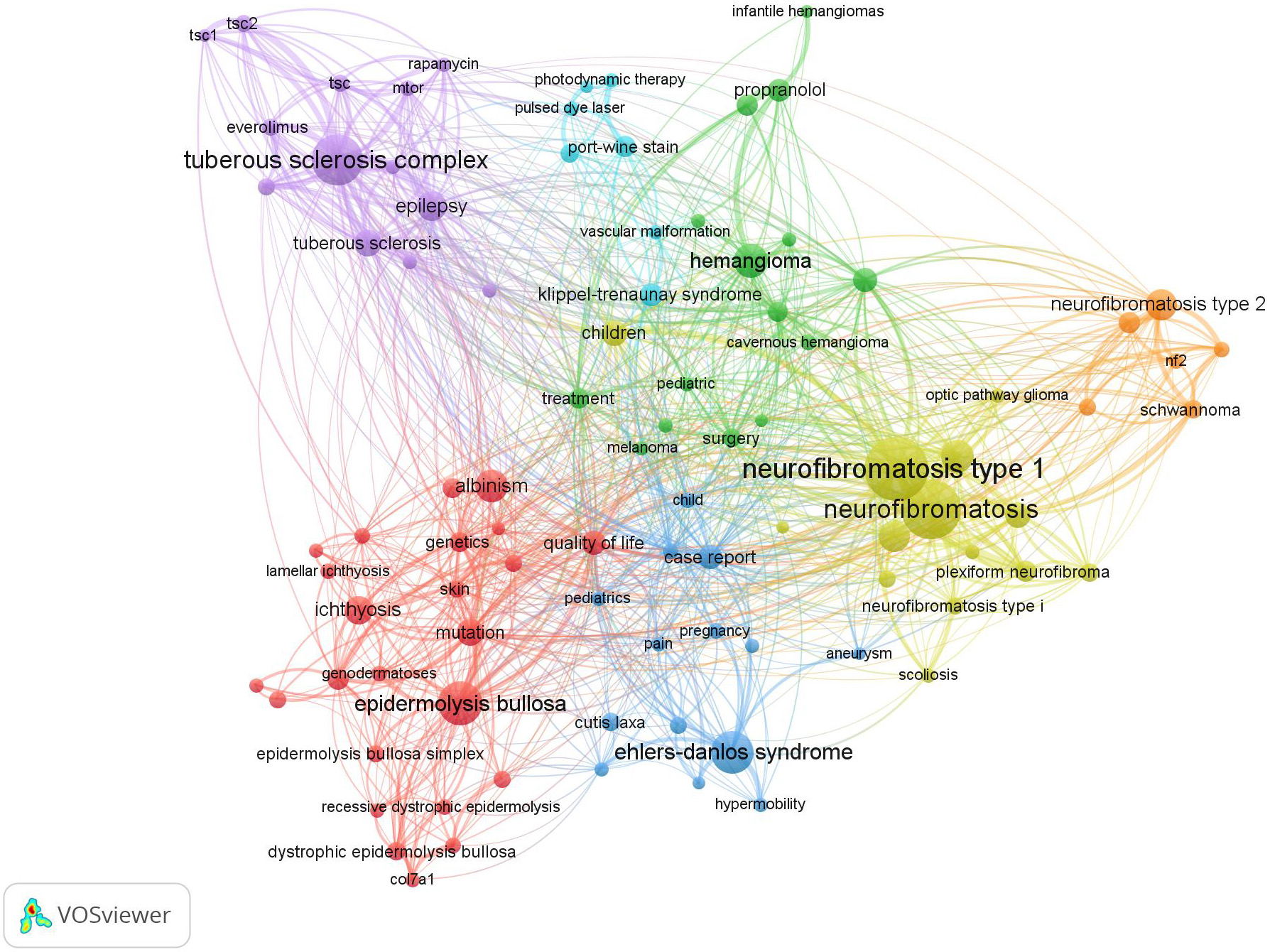
Conceptual mapping of CDD research, as shown in Fig. 6, was conducted using the authors’ keywords, revealing seven distinct clusters. These clusters were categorised into four thematic types based on their relevance (centrality) and stage of development: motor, basic, niche, declining, or emerging.
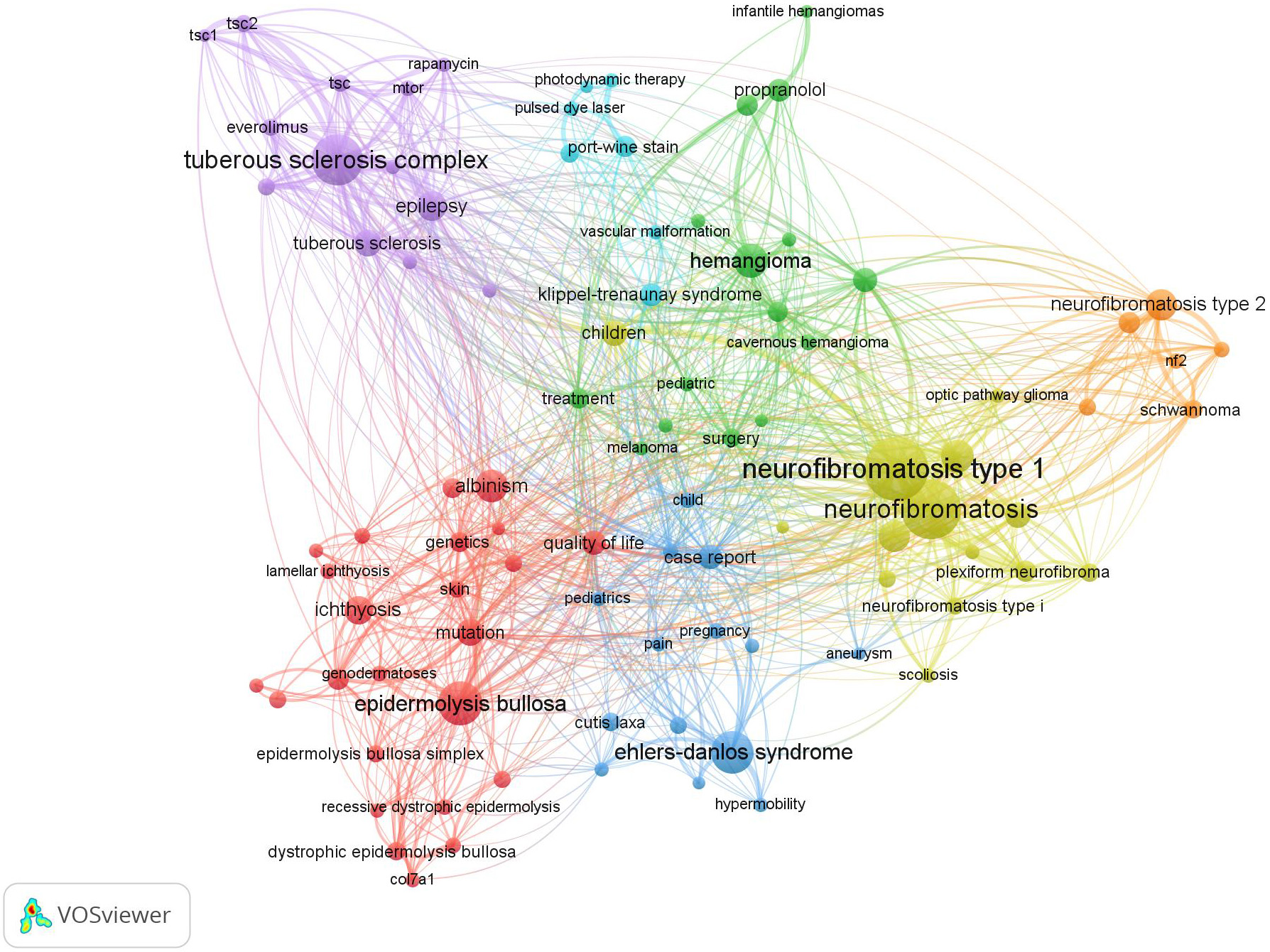 Fig. 6.
Thematic mapping of research on congenital dermatological conditions (1995–2024), based on authors’ keywords. Seven clusters are identified and classified into four themes: Motor Themes (e.g., hemangioma, propranolol, epidermolysis bullosa, tuberous sclerosis complex (TSC)); Basic Themes (e.g., neurofibromatosis type 1, treatment, quality of life); Niche Themes (e.g., neurofibromatosis type 2, vestibular schwannoma); and Declining or Emerging Themes (e.g., declining: albinism; emerging: Ehlers-Danlos syndrome). The figure highlights the progression of research priorities over three decades.
Motor Themes represent well-developed and central topics that are critical for the advancement of research in this field.
• Hemangioma and related topics: This cluster included keywords such as hemangioma, propranolol, Klippel-Trenaunay syndrome, infantile hemangioma, and port wine stains. This highlights the active research focusing on vascular malformations and their management, particularly the use of propranolol as a ground-breaking therapy for infantile hemangiomas.
• Epidermolysis bullosa and related topics: Another Motor Theme encompassed keywords, such as epidermolysis bullosa, ichthyosis, mutation, genodermatosis, dystrophic epidermolysis bullosa, cutis laxa, palmoplantar keratoderma, and skin, reflecting advancements in our understanding of genetic mutations and therapeutic interventions for these skin disorders.
• TSC and related topics: This Motor Theme focuses on the TSC, epilepsy, tuberous sclerosis, angiomyolipoma, and everolimus, indicating significant progress in the clinical management of this condition, particularly with mTOR inhibitors such as everolimus.
Basic Themes are fundamental research areas that serve as foundations for further exploration. The neurofibromatosis type 1 cluster included keywords such as neurofibromatosis, neurofibromatosis 1, children, quality of life, magnetic resonance imaging, case reports, plexiform neurofibroma, treatment, genetics, surgery, and malignant peripheral nerve sheath tumours. This theme reflects a broad spectrum of foundational research from clinical diagnostics and quality-of-life studies to surgical management and genetic analyses.
Niche Themes are highly specialised and less central areas of research. The cluster on neurofibromatosis type 2 included keywords such as neurofibromatosis type 2 and vestibular schwannoma, emphasising the focus of studies on the specific manifestations and treatments of this subtype.
• Declining Theme: The clusters of albinism and oculocutaneous albinism represented a declining theme, suggesting a reduced focus on this area in recent years.
• Emerging Theme: The cluster on EDS is classified as an emerging theme, indicating increasing research interest in this area, which is likely driven by advancements in genetic understanding and patient-centred care.
This thematic mapping reflects the dynamic nature of CDD research, with some topics maturing into Motor Themes, others becoming specialised niche areas, and new areas of exploration emerging to address evolving scientific and clinical priorities.
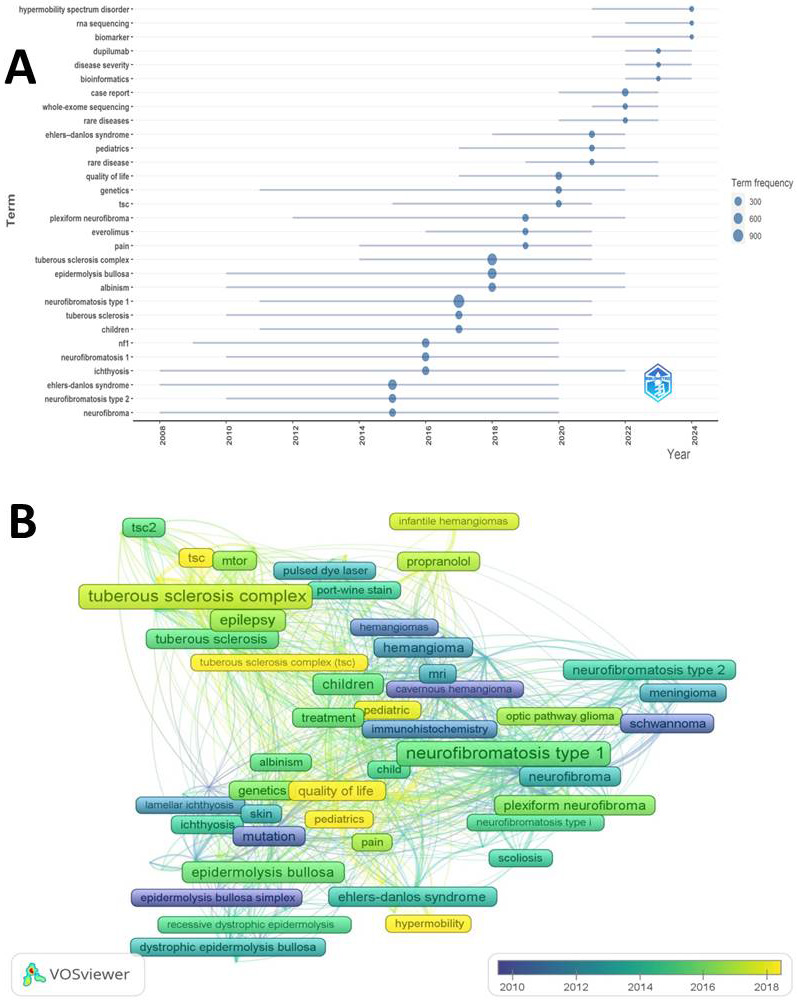
Using Bibliometrix (Fig. 7A) and VOSviewer (Fig. 7B), an analysis of the authors’ keywords from the last decade revealed several Emerging Themes in CDD research (Fig. 7). The lines in Fig. 7A denote the chronological ages of the Emerging Themes. The yellow nodes in Fig. 7B indicate the development of these issues. These trending topics highlight advancements in both clinical and molecular approaches, including disease severity, dupilumab (a monoclonal antibody therapy), and quality of life, reflecting the growing emphasis on patient-centred care. Molecular and bioinformatics methods such as RNA sequencing and whole-exome sequencing have become prominent, indicating progress in the genetic understanding of these conditions. Specific disorders such as Ehlers-Danlos syndrome, hypermobility spectrum disorder, and TSC have garnered significant attention, with biomarker research and therapies such as everolimus playing a key role in their management. These trends underscore the shift toward precision medicine and holistic approaches for understanding and treating CDD.
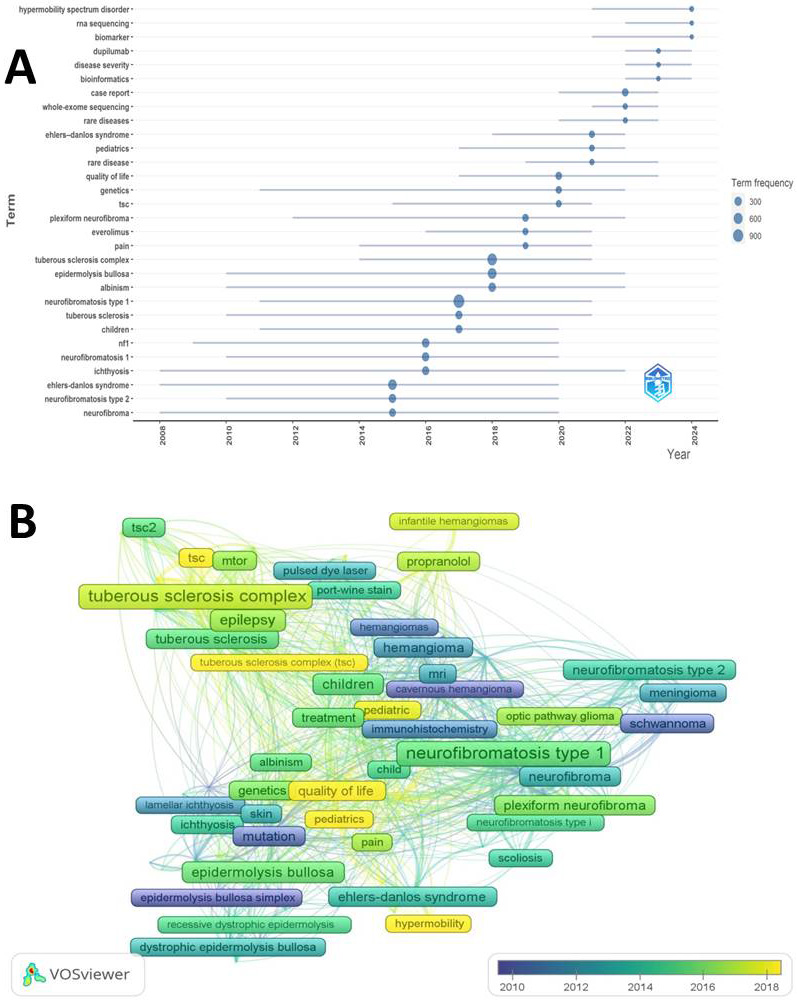 Fig. 7.
Trending topics in congenital dermatological conditions research. (A) Generated using Bibliometrix, shows the chronological emergence of trending topics, with lines representing the age of each subject. (B) Produced using VOSviewer, highlights developing topics, indicated by yellow-colored nodes.
This study aimed to present a systematic bibliometric analysis of research on CDD over the past three decades. Its strength lies in its use of two powerful analytical methods to examine data-driven research (original papers), thereby guaranteeing strong and comprehensive findings. Data were obtained from Scopus, the largest academic database, using a strict multistep search approach. No previous bibliometric analysis has addressed this issue. This study is consistent with its predecessors in utilising novel research methodologies to delineate research landscapes across several disciplines [38, 39].
The significant increase in CDD research, with 17,984 publications from 1995 to 2024, and an annual growth rate of 3.28% (Fig. 2), highlights the growing importance of these genetic disorders in scientific and clinical research. Most publications (47.78%) were published during the last decade (2015–2024), reflecting the accelerating advancements in genomics [40], diagnostics [41], and treatment approaches [34]. This trend aligns with the bibliometric findings in other genetic diseases, where innovations such as whole-exome sequencing [42], RNA sequencing [43], and bioinformatics [44] have significantly driven the research. The relatively young average age of publications (11.6 years) further underscores the sustained scholarly engagement with recent breakthroughs. This growth highlights the critical role of genetic research in optimising diagnoses, advancing treatment strategies, integrating precision medicine into clinical care, and strengthening global funding initiatives for CDD research.
China’s substantial productivity in researching CDD is juxtaposed with an average citation rate of only 8.70. This disparity could stem from a concentration on regional research, a lack of international collaboration, and a selective choice of journals. Numerous studies have focused on local clinical cases or epidemiological studies that cannot be easily generalised. Furthermore, citation impact is reduced by lower levels of high-impact international publications and contributions to regional journals. Establishing global partnerships, encouraging multidisciplinary collaboration, and publishing in high-impact journals should be prioritised to improve research impact. Adopting an open-access publication model and applying additional translational approaches can enhance the profile and citation impact of CDD research in China. This analysis aligns with a prior investigation, indicating that China varies in terms of both the output and influence of research [24].
DH Gutmann (Washington University), the most productive researcher in the field of CDD, contributed significantly to our understanding of neurofibromatosis and related disorders. His highly cited works include research on the role of Neurofibromatosis Type 1 (NF1) in astrocytoma formation and hyperactivation of the mTOR pathway in NF1-associated brain tumours. He has co-authored international consensus statements on malignant peripheral nerve sheath tumours and revised the diagnostic criteria for neurofibromatosis type 1 and Legius syndrome. His studies have also focused on visual outcomes in children with NF1-associated optic pathway gliomas, the regulation of neuronal and glial cell differentiation by NF1, and the role of TSC genes in epilepsy, including the potential of rapamycin as a preventive therapy [40, 41, 45, 46, 47, 48, 49, 50, 51].
The top-cited document in this analysis addresses the pivotal evolution of the classification system for EDS, highlighting its significant impact on the field [28]. Initially categorised in the late 1960s using the Berlin nosology, the classification criteria were formalised in 1988. However, these criteria are insufficient to distinguish between various EDS subtypes and other phenotypically similar conditions. Advances in understanding the molecular basis of several EDS types have prompted a major revision of the classification system. This revised framework emphasises the underlying causes of each type, incorporating major and minor diagnostic criteria, along with laboratory findings. By simplifying the diagnostic process, this classification system enhances accuracy and aids in distinguishing EDS from related disorders, thereby fostering improved clinical management and research efforts. Its influence is underscored by its position as the most cited document, reflecting its transformative role in shaping the understanding and diagnosis of EDS.
The second most-cited document [33] in this analysis focused on the critical role of the phosphoinositide 3-kinase-protein kinase B (PI3K-Akt) pathway in regulating cellular processes, particularly its relationship with the TSC2 gene product tuberin. Using a combination of biochemical and bioinformatics analyses, tuberin was identified as a substrate for PI3K-dependent serine/threonine kinases. This study demonstrated that upon PI3K activation, tuberin is phosphorylated at consensus recognition sites for Akt/PKB in vitro and in vivo, with key phosphorylation sites such as serine 939 (S939) and threonine 1462 (T1462) being PI3K-regulated. Notably, T1462 is constitutively phosphorylated in phosphatase and tensin homolog (PTEN)-deficient tumour cell lines. Additionally, a tuberin mutant lacking these phosphorylation sites blocked S6 kinase 1 (S6K1) activation, revealing a regulatory mechanism through which the PI3K-Akt pathway modulates S6K1 activity. This groundbreaking study highlights the molecular interplay between PI3K-Akt signalling and the mTOR pathway, significantly advancing our understanding of tumour biology and the molecular underpinnings of the TSC. Its impact is reflected in its high citation count and influence on subsequent research in this area.
Research on CDD has evolved over the years to show clear changes in focus. Although they became less prevalent in the following years, genodermatosis, ichthyosis, liver disease, and mutations dominated the period from 1995 to 2004. The emphasis shifted from 2005 to 2015 to incorporate newly developing issues such as propranolol and EDS, which were lacking in earlier and later years. Reflecting developments in subtypes and targeted therapies not addressed in previous decades, the most recent decade (2016–2024) has brought a renewed focus on propranolol and increased emphasis on neurofibromatosis types 1 and 2. These changes demonstrate the evolution of dynamic research priorities in response to clinical and scientific progress. Topics including genodermatosis, ichthyosis, liver, and mutations faded after 2004, reflecting a natural shift in research focus. Early studies concentrated on basic findings and genetic linkages; however, as genetic understanding advanced, more in-depth research into specific diseases (such as EDS and neurofibromatosis) was conducted [41, 51]. Themes such as mutations have been integrated into specialised research, whereas technologies such as whole-exome sequencing [52] and therapies such as propranolol have redirected interest towards actionable treatment strategies [53], thus reducing the focus on broader exploratory themes.
Research on thematic mapping points out various areas that require attention. Topics such as albinism and oculocutaneous albinism lack modern attention, raising concerns about long-term care and psychological effects. Niche conditions such as vestibular schwannoma and neurofibromatosis type 2 remain understudied, especially with regard to novel treatments and systemic consequences. Further research on biological pathways, biomarkers, and management techniques is needed for Emerging Themes such as EDS. Although modern therapeutics such as mTOR inhibitors and propranolol are key to Motor Themes, the integration of cutting-edge technologies such as CRISPR and personalised medicine remains limited. Moreover, thorough quality-of-life research is required across all diseases to improve psychosocial outcomes and support patient-centred care.
As shown in Fig. 7, dupilumab is a popular drug for CDD. Dupilumab is a monoclonal antibody that targets the alpha component of the interleukin-4 (IL-4) receptor, inhibiting the IL-4 and interleukin-13 (IL-13) pathways, thereby obstructing key mediators of type 2 inflammation. Primarily utilised for moderate-to-severe atopic dermatitis in both adults and children, it significantly alleviates itching and inflammation, enhances skin barrier function, and presents a safer alternative to systemic immunosuppressants such as corticosteroids. Among several inflammatory dermatological conditions, bullous pemphigoid and chronic spontaneous urticaria have novel applications. It enhances epithelial integrity, diminishes type 2 inflammation, and mitigates cytokine-induced skin damage by decreasing IL-4 and IL-13 levels. Demonstrating significant efficacy and an acceptable safety profile, this is a groundbreaking method for treating inflammatory dermatological conditions [54, 55, 56].
Research on the quality of life in CDD has examined the significant psychological, social, and physical effects of these lifelong disorders on patients and their families [57, 58]. Conditions such as epidermolysis bullosa, neurofibromatosis, and EDS may involve visible skin defects, chronic pain, and functional limitations, leading to stigmatisation, low self-esteem, anxiety, and depression. By complicating everyday activities, social interactions, and employment, patients may struggle financially due to ongoing medical treatment. Recent studies have emphasised the need for comprehensive patient-centred care, including social services and psychological support. Clinical studies using the quality of life measures are becoming increasingly important for assessing new treatments, highlighting the need for further research to address specific quality of life concerns across different CDD groups [57, 58].
The limitations of using a single database (Scopus) and restricting the study to English-only publications may have led to the omission of relevant non-English literature and studies indexed in other databases. This could affect the completeness of the global research on CDD. Furthermore, bibliometric analysis is inherently limited in its ability to directly evaluate clinical applicability because it emphasises publication metrics and research patterns. Future studies should include non-English literature using translation tools or multilingual collaborators and integrate multiple databases such as PubMed and Web of Science. A multi-database multilingual strategy would enhance data comprehensiveness, provide a more global perspective, and improve the ability to assess the translational relevance of research findings in clinical practice.
CDD research has expanded significantly over the past three decades, driven by advancements in genomics, innovative therapies, and interdisciplinary approaches. Changing therapeutic goals have dictated a shift from broad investigations to focused research on specific disorders, such as neurofibromatosis, EDS, and TSC. Emphasising the necessity of current technologies such as CRISPR and personalised medicine to improve therapeutic outcomes, thematic mapping has revealed research gaps, particularly in albinism and neurofibromatosis type 2. The field is evolving, as evidenced by the incorporation of new therapies such as propranolol and dupilumab into clinical practice. To improve patient outcomes, future studies should address the existing gaps, develop genetic- and cell-based treatments, and reduce global disparities in research and access to healthcare.
All data included in this study are available from the corresponding author upon reasonable request.
AA was the sole author and was responsible for the design of the work, drafting and revision of content, and approval of the version to be published. AA has participated sufficiently in the work and agreed to be accountable for all aspects of the work.
Not applicable.
Not applicable.
This research received no external funding.
The author declares no conflict of interest.
Supplementary material associated with this article can be found, in the online version, at https://doi.org/10.31083/BJHM52243.
References
Publisher’s Note: IMR Press stays neutral with regard to jurisdictional claims in published maps and institutional affiliations.