

1 Department of Clinical Nutrition, College of Nursing and Health Sciences, Jazan University, 45142 Jazan, Saudi Arabia
Abstract
Prevalent societal narratives, terminology, and imagery regarding body weight, obesity, diet, and physical activity reinforce weight stigma, and lead to adverse health and social consequences for individuals throughout their lifespan and body weight continuum. This study analyzed hotspots, frontiers, collaboration mapping, themes, and emerging topics in research on non-stigmatizing language in obesity and weight management (RnSLO).
A bibliometric analysis was performed using VOSviewer and Bibliometrix, with data extracted from the Scopus database. The study examined 480 documents (1953–2024) using co-citation analysis, co-occurrence network mapping, and thematic evolution analysis. H-, G-, and M-index metrics were used to assess research impact, while thematic clustering and keyword analysis identified key focus areas. Descriptive statistical analysis was applied to assess publication trends, regional contributions, and institutional collaborations.
Research output and citation peaks indicate a growing academic focus on RnSLO. North America, particularly the United States and Canada, led contributions, followed by Europe, Asia, and Oceania. Key institutions, including Harvard Medical School and Johns Hopkins University, were at the forefront of this research. Collaborative networks and international co-authorships were crucial in advancing the field. Finally, major research themes included obesity management, health communication, and diabetes care, highlighting the domain’s interdisciplinary nature.
This study provides the first comprehensive bibliometric analysis of RnSLO research, revealing key trends, influential institutions, and collaborative networks. It highlights the growing shift toward inclusive health communication, emphasizing the need for policy interventions to promote non-stigmatizing language in healthcare settings. These insights can inform future clinical practices, public health strategies, and policymaking, thereby ensuring more equitable and patient-centered obesity management.
Keywords
- obesity
- bibliometrics
- VOSviewer
- non-stigmatized language
- visualization
Obesity is associated with early mortality and is a significant public health risk. It substantially contributes to the global burden of non-communicable diseases such as type 2 diabetes, cardiovascular disease, hypertension, and certain malignancies. Further, mechanical complications resulting from significantly elevated weight, such as osteoarthritis and sleep apnea, adversely affect individuals’ quality of life. Finally, obesity’s influence on communicable diseases, particularly viral infections [1, 2, 3], has recently been underscored by findings indicating that obese patients have a heightened risk of hospitalization and severe illness from COVID-19 [4].
Weight stigma, a key social predictor of health, hinders health equity and the achievement of sustainable development goals by affecting biopsychosocial health outcomes. Weight stigma is discriminatory and a human rights concern [5]. As such, understanding how weight stigma hinders global health promotion is crucial. A World Obesity Federation (WOF) coalition of experts and activists reviewed weight stigma studies on obesity prevention and management techniques worldwide. The goal was to develop a statement with proposals to eliminate weight stigma globally and enhance research representativeness across regions [5, 6, 7].
Most weight stigma research has been conducted in high-income countries. Still, a scoping analysis of non-Western countries identified 130 publications on weight stigma from 33 nations and territories, highlighting its global prevalence [5]. A narrative study of attractiveness ideals across cultures revealed that thinness is becoming a prevalent beauty standard in non-Western nations [8]. Although several cultures have historically seen increased body weights as symbols of rank, affluence, and allure, particularly in low- and middle-income countries (LMICs), a growing global inclination towards thinness is emerging, especially among those in upper socioeconomic strata. Consequently, among LMICs, cultural narratives concerning health, affluence, and physical appeal may significantly differ, exacerbating weight stigma throughout the entire body weight continuum [5, 9, 10].
Numerous articles on nutrition, weight, and obesity have employed broad generalizations regarding weight and health, undermining efforts to comprehend the intricacies of weight and obesity within the framework of health. As scientific research is frequently viewed as a repository of accurate knowledge and best practices, scientific writing must adhere to the greatest standards of precision. Furthermore, one must acknowledge that the terminology frequently employed in medical contexts (e.g., obesity, morbid obesity, aberrant fat, and excess fat) is often perceived as stigmatizing [5, 7, 11, 12, 13]. A recent systematic literature evaluation revealed a lack of consensus regarding the weight nomenclature across 33 studies [14]. The terminology and images employed to discuss weight and obesity significantly influence societal norms and narratives throughout research, education, policy, healthcare, and the media [15]. According to our earlier study, parents, children, and healthcare professionals underestimate children’s overweight status. Meanwhile, caregivers and children commonly underestimate their weight. Age, gender, body mass index, parental weight, ethnicity, and education contribute to this misunderstanding. Enhanced communication among healthcare providers, caregivers, and patients is essential to addressing this issue and managing childhood obesity [16].
The WOF Working Group’s eight recommendations for reducing weight stigma globally focus on respectful language use, weight-neutral health promotion, legislative and human rights initiatives, and raising awareness. The key aspects include distinguishing body size from obesity, using person-first and non-stigmatizing language and imagery, respecting individual preferences, and expanding evidence on weight stigma to foster inclusivity across cultures [5, 11, 12, 13]. Non-stigmatized language pertains to the neutral, respectful, and person-first language which avoids perpetuating stereotypes or any form of bias [13, 17, 18, 19]. As it relates to the competent management of weight and obesity, it means approaching conversations in a manner that fosters dignity, inclusion, and understanding, rather than engendering shame or blame. For instance, “a person with obesity” instead of “an obese person”, or “weight management challenges” instead of “weight problems”. Such strategies are meant to reduce stigma regarding weight, enhance relationships and communication between patients and providers, and motivate more positive interactions within healthcare [20].
Bibliometric analysis, a subset of scientometrics, employs mathematical and statistical methods to explore scientific trends and knowledge domains [21, 22, 23]. This approach has been widely applied in obesity research [24, 25]. However, a significant gap remains in examining weight stigma and the role of language in obesity management. Despite increasing awareness of the harmful effects of stigmatizing language in healthcare, no study, to the best of our knowledge, has comprehensively analyzed how research on non-stigmatizing language has evolved over time, or how it influences clinical and public health communication. This study systematically analyzes trends in research on non-stigmatizing language in obesity and weight management (RnSLO) by identifying key scholars, leading nations, collaboration networks, and evolving keyword dynamics. Specifically, we explore how RnSLO research has evolved, the most influential contributors in the field, primary research themes, knowledge gaps, and emerging trends, and how this research informs healthcare communication strategies and policy development. Understanding these trends is critical, as stigmatizing language in obesity-related communication has been linked to reduced healthcare engagement, psychological distress, and poorer treatment outcomes. By mapping this research landscape, we provide evidence-based insights for clinicians, policymakers, and researchers to promote inclusive and effective health communication strategies. Further, the findings may help improve patient-provider interactions, reduce weight bias in clinical settings, and shape future policies that foster more equitable obesity care and public health messaging.
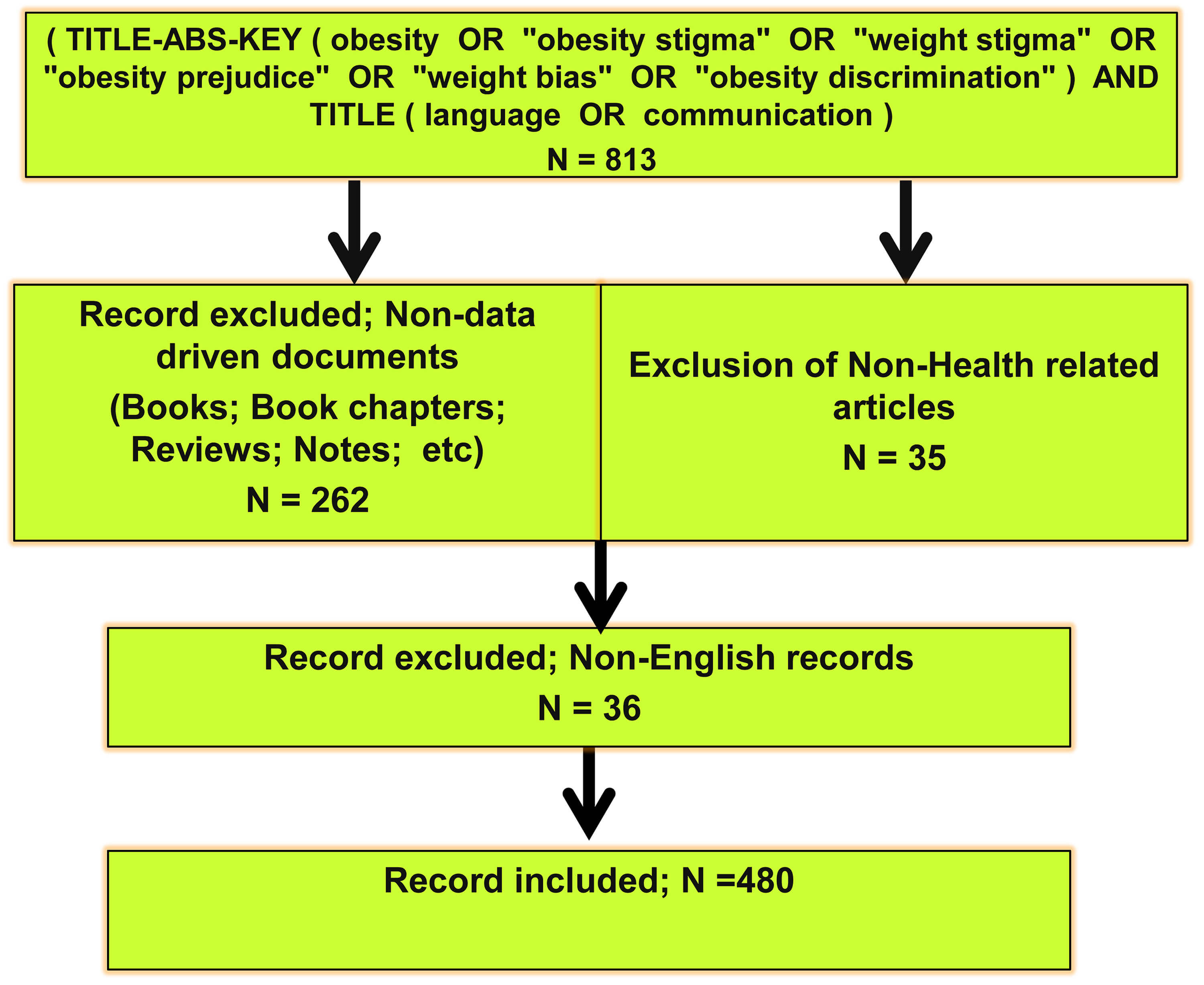
Scopus possesses a more extensive collection of peer-reviewed publications and encompasses a broader array of fields. Moreover, its sophisticated search capabilities, including author disambiguation and the ability to monitor an author’s research output longitudinally, are valuable attributes [26]. Here, we employed the Scopus database (https://www.scopus.com/) search to identify scholarly publications on obesity and its connected themes, such as weight stigma, obesity prejudice, non-stigmatized language, weight bias, and obesity discrimination. These papers also had to address language and communication. To ensure rigor and consistency in selecting search terms, some keywords were verified using the Medical Subject Headings (MeSH) database, aligning with standardized indexing terms. Meanwhile, others were obtained from literature searches to capture broader terminology and emerging trends in the field. This approach provided a comprehensive coverage of relevant research topics. The formula used was as follows: (TITLE-ABS-KEY (obesity OR “obesity stigma” OR “weight stigma” OR “obesity prejudice” OR “weight bias” OR “obesity discrimination”) AND TITLE (language OR communication)) AND (LIMIT-TO (DOCTYPE, “ar”)) AND (LIMIT-TO (SUBJAREA, “MEDI”) OR LIMIT-TO (SUBJAREA, “NURS”) OR LIMIT-TO (SUBJAREA, “BIOC”) OR LIMIT-TO (SUBJAREA, “SOCI”) OR LIMIT-TO (SUBJAREA, “PSYC”) OR LIMIT-TO (SUBJAREA, “AGRI”) OR LIMIT-TO (SUBJAREA, “HEAL”) OR LIMIT-TO (SUBJAREA, “IMMU”) OR LIMIT-TO (SUBJAREA, “NEUR”) OR LIMIT-TO (SUBJAREA, “MULT”) OR LIMIT-TO (SUBJAREA, “ARTS”) OR LIMIT-TO (SUBJAREA, “COMP”) OR LIMIT-TO (SUBJAREA, “PHAR”)) AND (LIMIT-TO (LANGUAGE, “English”)).
The search focused on original articles in Medicine, Nursing, Biochemistry, Sociology, Psychology, Agriculture, Health Sciences, Immunology, Neurology, Multidisciplinary Studies, Arts, Computer Science, and Pharmacy. Next, they were filtered to be in English. For each document, the following bibliographic data were extracted from Scopus: title, authors, affiliations, publication year, journal name, volume, issue, page numbers, DOI, citation count, H-index, impact factor, keywords, abstract, references, research area, collaboration networks, and funding sources. Data were extracted and processed in CSV and BibTeX formats.
The inclusion criteria (Fig. 1) ensured that only relevant, high-quality studies were selected. First, only articles written in English were included to enhance accessibility and consistency. Next, only original research manuscripts were accepted; reviews, conference papers, book chapters, and editorials were excluded. The following disciplines were considered: Medicine, Sociology, Psychology, Biochemistry, Nursing, Health Sciences, Agriculture, Immunology, Neurology, Multidisciplinary Studies, Arts, Computer Sciences, and Pharmacy. The selected articles had to address issues related to obesity, weight stigma, obesity prejudice, weight language, and weight discrimination, with a focus on communication and language in obesity management. No restrictions were placed on the year of publication to allow a comprehensive analysis of historical and thematic trends in non-stigmatizing language related to obesity. Additionally, all included studies had to be peer-reviewed to ensure reliability. These criteria provided sufficient information to support targeted non-stigmatizing language in obesity research. To ensure relevant and high-quality studies, non-English articles, non-peer-reviewed literature, and non-original research such as reviews, conference abstracts, book chapters, and opinion pieces were excluded. Studies lacking a specific focus on obesity, weight stigma, or language in obesity management were excluded, along with duplicate publications, where only the most comprehensive version was retained. These criteria refined the dataset, maintaining accuracy, reliability, and thematic relevance in the analysis. The literature search was conducted in January 2025 and included publications indexed in the Scopus database up to 31 December 2024.
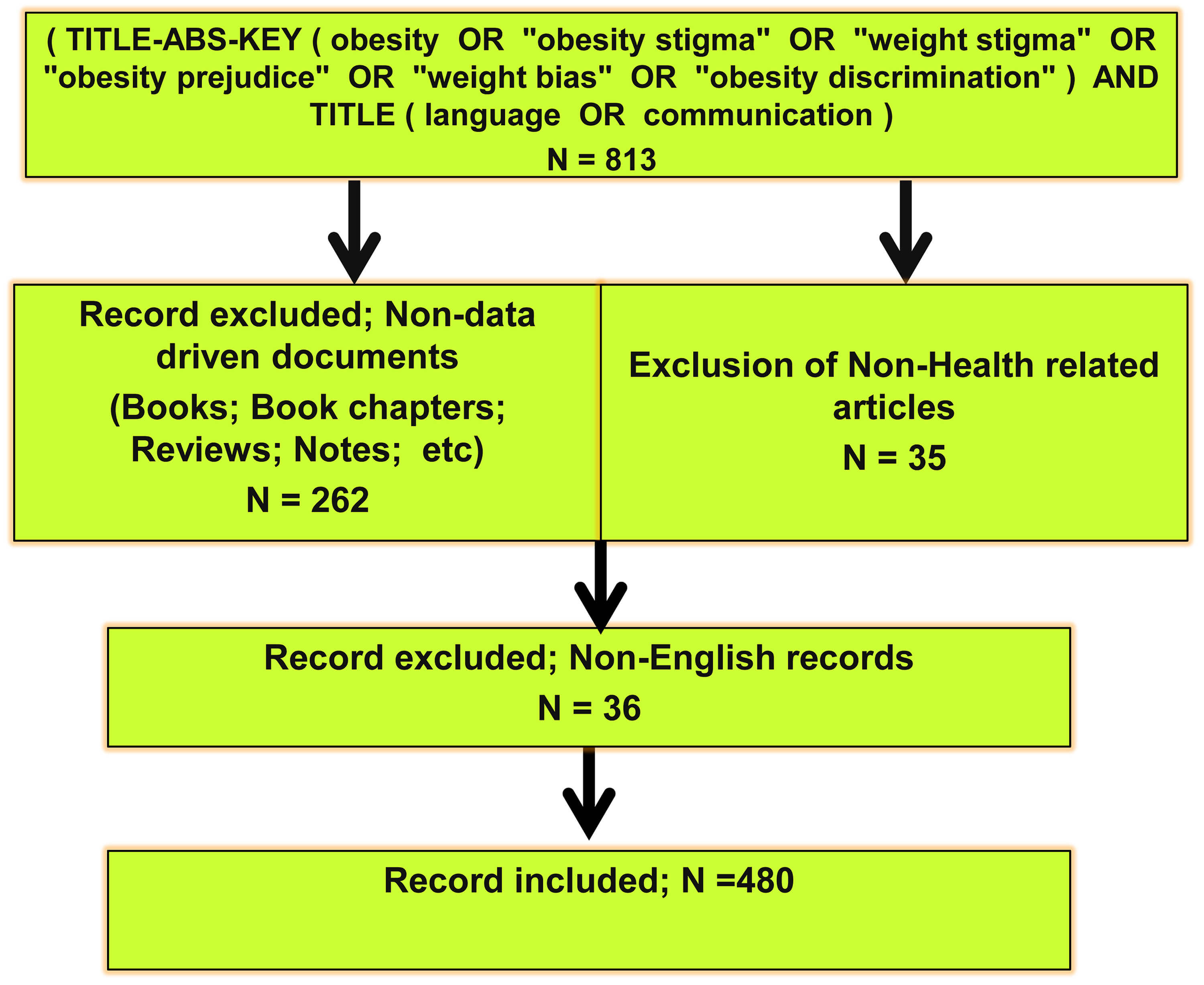 Fig. 1.
The search criteria in the Scopus database.
This study employed bibliometric analysis to map research trends, key contributors, collaboration networks, and thematic evolution in non-stigmatizing language in obesity management, thereby providing objective insights into the field’s growth and impact [27]. VOSviewer (Version 1.16.20, Leiden, Netherlands) and Bibliometrix (Version 4.3.1, Naples, Italy) were used for data analysis [23, 28]. We analyzed the bibliometric data to identify the top authors, academic institutions, and research topics, and generate graphical depictions of the research domain. We employed various evaluation criteria, including the output’s temporal structure, author count, number of collaborating authors and countries, citation rates, keyword occurrence, and localization of the research themes. Additional metrics, including the H-, G-, and M-indices, were utilized to assess author performance. The H-index assesses the number of articles an author has published that have been cited at least that same number of times. This is the primary authorship index. Based on the number of citations a specific paper has, the G-index distinguishes itself by emphasizing publications with high citation counts. This underscores the importance of publishing in high-impact journals. The M-index was computed using the number of unique authors per article in relation to the total number of published articles to evaluate influential factors that foster teamwork. A key focus of this study was the degree to which an author contributes to collaborative writing projects. Given that both indices explain the impact of an author and extent of creative output in a particular field, these measures provide meaningful insights [29]. Total link strength (TLS) is one of the bibliometric measures designed to quantify the strength of relationships between elements in a network, which may include authors, institutions, countries, or keywords. TLS tracks relationships established through co-authorship, co-citation, or keyword co-occurrence at the network level. An entity with a higher TLS value exerts greater influence, demonstrates higher collaboration, or exhibits stronger thematic relevance within the research field [23].
Bradford’s law delineates the distribution of scholarly articles among journals within a field and pinpoints a limited number of core journals that disseminate the majority of pertinent research. According to the law, journals are separated into three zones: two progressively larger zones with fewer articles per journal, and a core zone containing journals with the greatest number of articles. The number of journals increases exponentially in each subsequent zone. This concept facilitates journal selection and maximizes research access by assisting researchers and librarians in focusing on the most influential sources within a field [28]. We created thematic maps based on clustering and co-word network analysis. By examining phrase occurrence patterns in the literature, the analysis revealed clusters of related keywords and provided insights into RnSLO’s thematic organization.
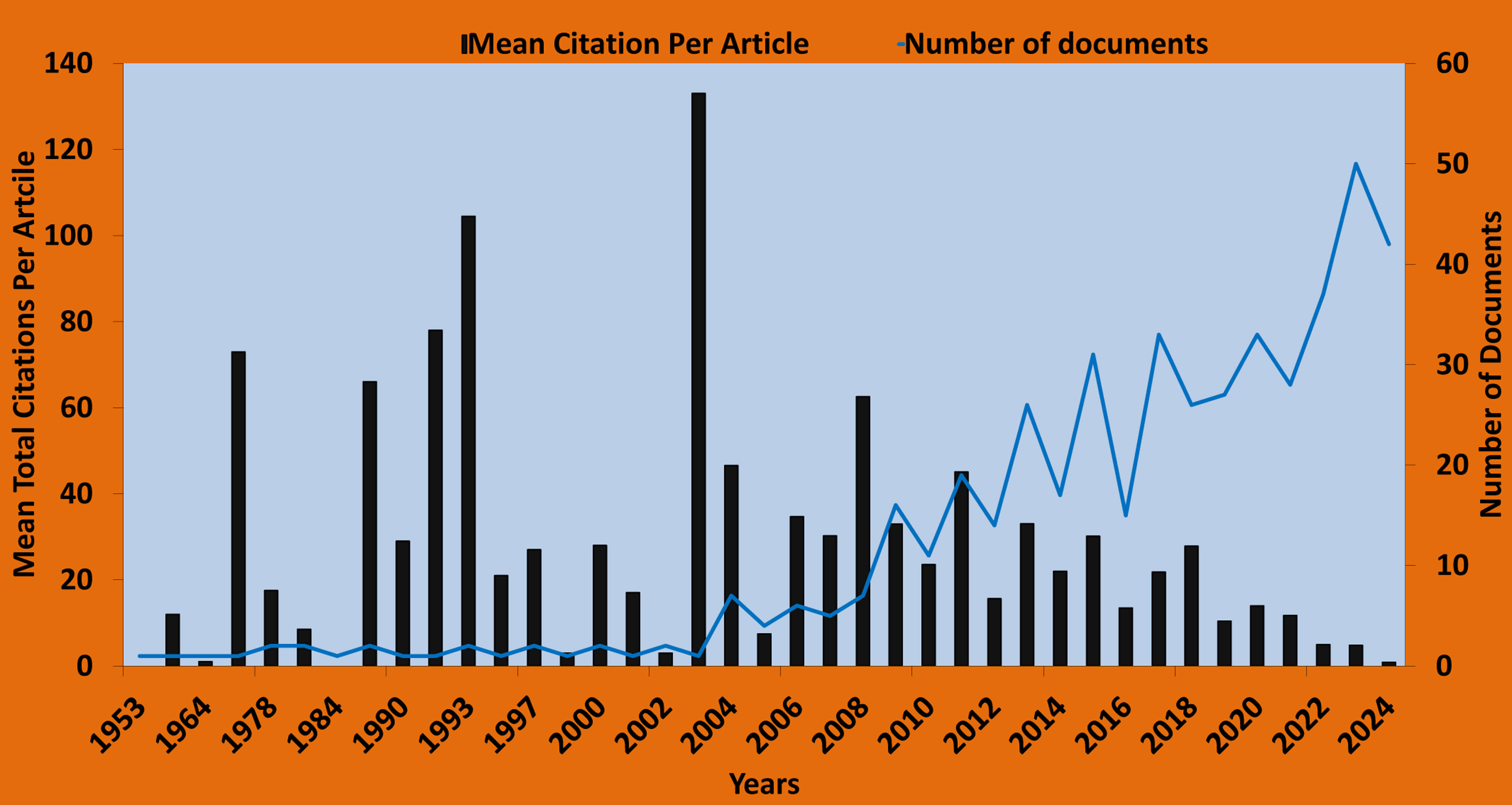
Fig. 2 illustrates the growth and citation patterns of RnSLO research from 1953 to 2024. In total, 480 documents were published and consistently grew annually at 5.41%, with notable peaks in 2015 (31), 2017 (33), 2020 (33), 2022 (37), and 2023 (50). Citation trends fluctuated, with 2011, 2013, and 2015 showing both high publication output and citation impact. While recent years (2022–2024) saw a surge in publications, citation counts remain low due to recency. Overall, there is a rising focus on RnSLO research, with expanding contributions and evolving scholarly attention over the past decade. The mean total citations per publication fluctuated over time, indicating variations in the academic impact of RnSLO research.
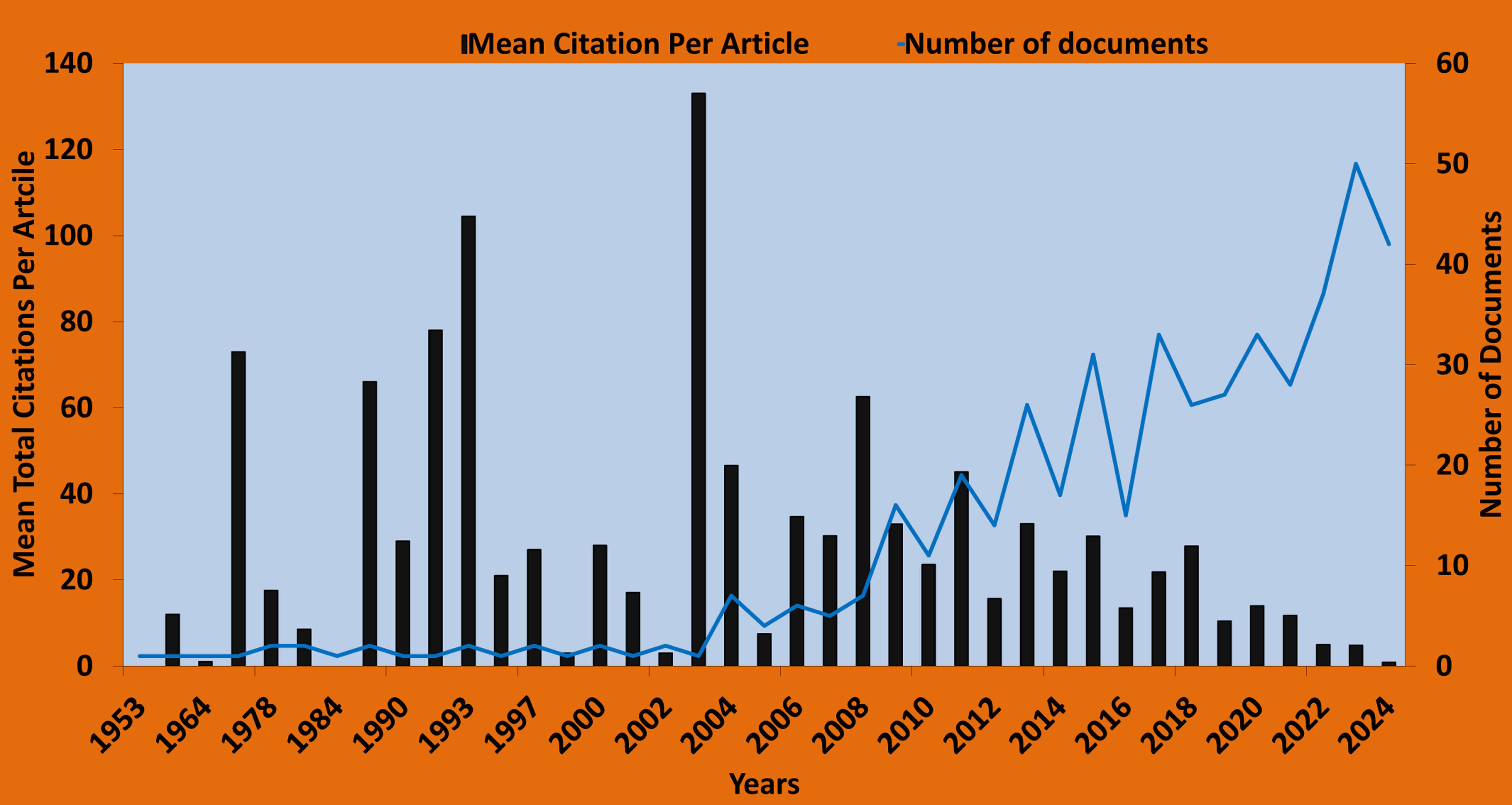 Fig. 2.
The number of documents (Lines) and average citation per documents (Bars) per year (1953–2024).
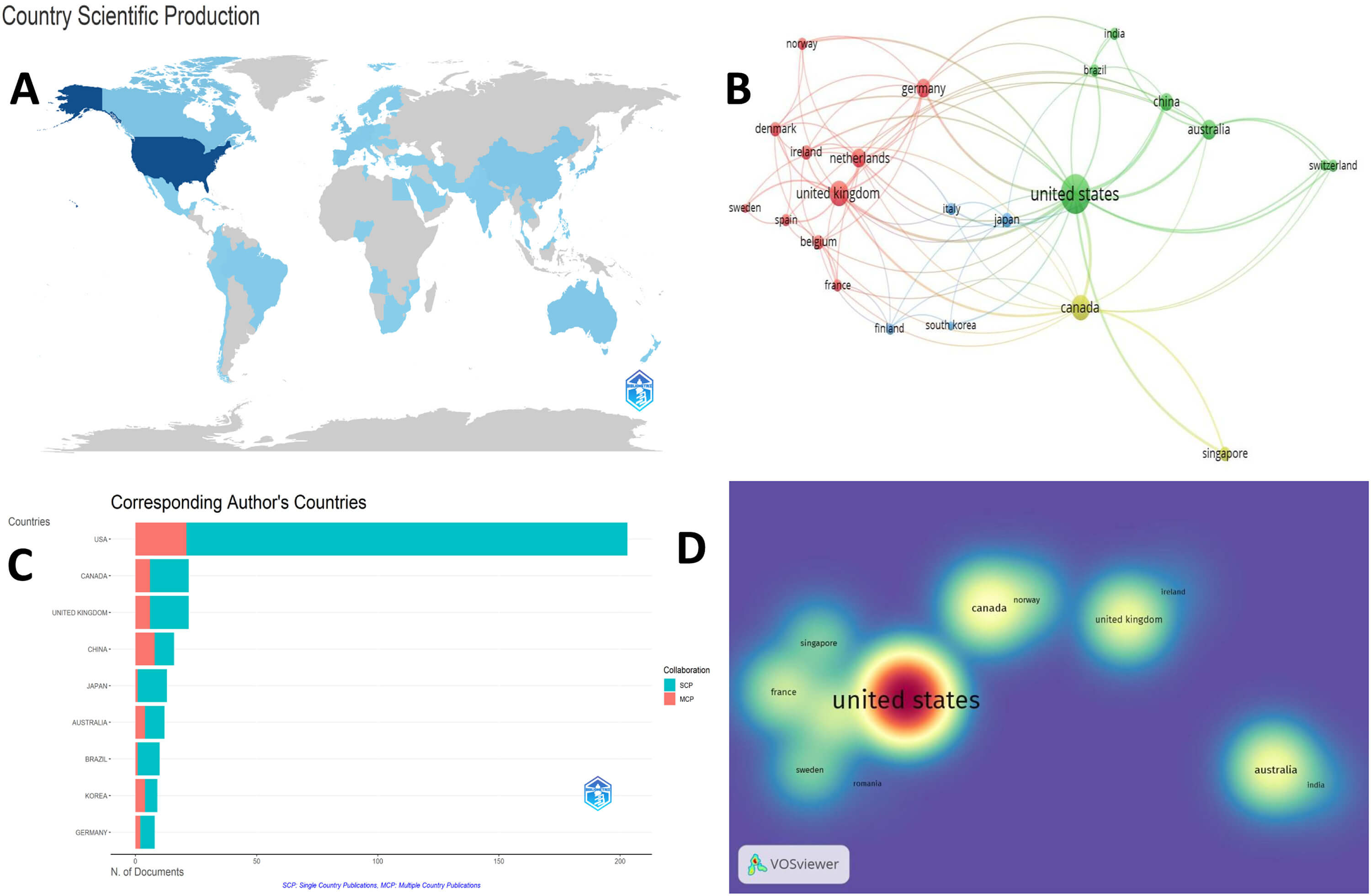
Notably, 79 of the 195 nations and 1739 affiliations actively participated in RnSLO research (Table 1). North America accounted for 63.75% of research documents, with Canada and the United States making substantial contributions. Europe followed at 21.67%, led by the UK, Germany, and Spain. Asia, including China, Japan, and India, contributed 10.42% of the total output. Oceania, led by Australia and New Zealand, contributed 5%. South America, Africa, and the Middle East each produced 1–2%, while the Caribbean, Central America, and other regions accounted for 0.42% (Fig. 3A). American universities have driven the research and innovation, demonstrating a strong commitment to knowledge and academic inquiry. Leading institutions include Harvard Medical School and the University of North Carolina at Chapel Hill, which have played a pivotal role in advancing research on non-stigmatizing language in obesity management, fostering interdisciplinary collaboration, and influencing policy and healthcare practices globally.
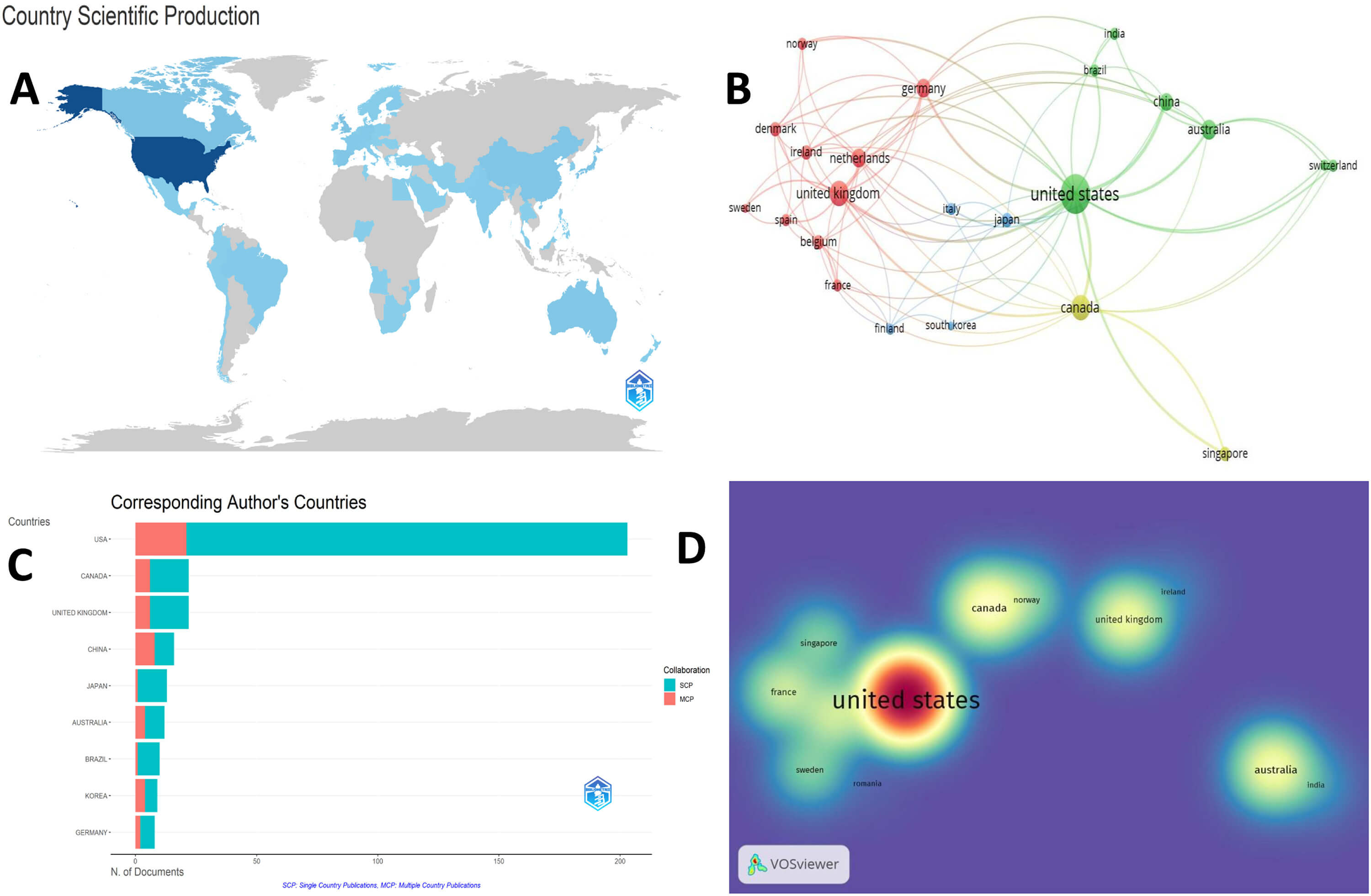 Fig. 3.
Global distribution, collaboration networks, and citation impact in RnSLO research. This figure illustrates the international landscape of research on non-stigmatizing language in obesity and weight management. (A) shows country-level scientific production, with darker shades indicating higher output. (B) presents the international collaboration network, where larger nodes and thicker lines reflect stronger co-authorship ties among countries. (C) displays the number of corresponding author publications by country, distinguishing between single-country publications (SCP) and multiple-country publications (MCP). (D) visualizes citation impact using density mapping, with warmer colors indicating countries with higher citation frequencies. RnSLO, research on non-stigmatizing language in obesity and weight management.
| Affiliation | N | Country | N |
| Harvard Medical School | 15 | United States | 268 |
| The University of North Carolina at Chapel Hill | 15 | United Kingdom | 39 |
| Harvard T.H. Chan School of Public Health | 12 | Canada | 30 |
| Johns Hopkins Bloomberg School of Public Health | 11 | Australia | 24 |
| Johns Hopkins University School of Medicine | 10 | China | 23 |
| University of Pennsylvania | 10 | Japan | 17 |
| UNC School of Medicine | 10 | Germany | 15 |
| Northwestern University Feinberg School of Medicine | 9 | Brazil | 13 |
| Massachusetts General Hospital | 9 | Netherlands | 11 |
| University of Pennsylvania Perelman School of Medicine | 8 | Spain | 11 |
International partnerships account for 18.58% of document co-authorships, with an average of 5.69 authors per document. As shown in Fig. 3B, the United States has the strongest collaboration link strength at 70, followed by the UK with 29, Canada with 28, Australia with 18, Germany and the Netherlands with 17, China with 15, Denmark and Singapore with 10, and Belgium with 9. As shown in Fig. 3C, China has the highest multiple country publications (MCP) ratio at 0.5, followed by Korea at 0.444, Australia at 0.333, Canada and the UK at 0.273, and Germany at 0.25. Fig. 3D illustrates the most cited countries in RnSLO research using density visualization in VOSviewer. The size and color intensity of the nodes represent the total citations from each country. The United States leads with 6325 citations, followed by Canada (778), Australia (638), the UK (573), Spain (511), China (372), France (361), Belgium (353), and the Netherlands (344). Clearly, North America dominates, with European and Australian contributions also playing a significant role in advancing this field.
Tables 2,3 highlight the research contributions of various authors in terms of production, impact (Table 2), co-citations, and collaboration (Table 3). Puhl R.M. leads in production with nine entries. Lyna P. and Pollak K. have notable impacts with 245 citations each. The H-index values for each author are shown, such as Lyna P. (H-index: 6), and Pollak K. (H-index: 6), Puhl R. M. (H-index: 6), Alexander S. C. (H-index: 5), Dolor R. J. (H-index: 5), Tulsky J. A. (H-index: 5), Østbye T. (H-index: 5), Coffman C. J. (H-index: 4), Gudzune K. A. (H-index: 4), and Bilheimer A. (H-index: 3).
| Author | H-index | G-index | M-index | Total citations | Number of publications |
| Lyna P. | 6 | 8 | 0.4 | 245 | 8 |
| Pollak K. | 6 | 8 | 0.4 | 245 | 8 |
| Puhl R.M. | 6 | 9 | 0.5 | 180 | 9 |
| Alexander S.C. | 5 | 7 | 0.333 | 196 | 7 |
| Dolor R.J. | 5 | 7 | 0.333 | 196 | 7 |
| Tulsky J.A. | 5 | 7 | 0.333 | 196 | 7 |
| Østbye T. | 5 | 7 | 0.333 | 196 | 7 |
| Coffman C.J. | 4 | 4 | 0.267 | 187 | 4 |
| Gudzune K.A. | 4 | 4 | 0.308 | 99 | 4 |
| Bilheimer A. | 3 | 5 | 0.25 | 97 | 5 |
| Author’s co-citation | Author’s collaboration | ||
| Author | Total link strength | Author | Total link strength |
| Schwartz M.W. | 1275 | Lyna P. | 55 |
| Woods S.C. | 1179 | Pollak K.I. | 55 |
| Baskin D.G. | 853 | Alexander S.C. | 52 |
| Porte Jr. D. | 845 | Dolor R.J. | 52 |
| Gerozissis K. | 836 | Tulsky J.A. | 52 |
| Orosco M. | 770 | Østbye T. | 52 |
| Seeley R.J. | 743 | Bilheimer A. | 38 |
| Puhl R.M. | 415 | Bravender T. | 35 |
| Neumark-Sztainer D. | 288 | Coffman C.J. | 29 |
| Kroemer G. | 225 | Bodner M.E. | 27 |
| Wick G. | 225 | Gao X. | 21 |
| Berthoud H.R. | 166 | Flower K.B. | 8 |
| Fisher S.E. | 162 | Perrin E.M. | 8 |
| Lupski J.R. | 154 | Rothman R.L. | 8 |
| Delamater A.M. | 6 | ||
Table 3 presents the most-cited and collaborative authors in RnSLO research. The co-citation analysis identifies Schwartz M. W. (1275 TLS), Woods S. C. (1179), and Baskin D. G. (853) as the top three most-cited authors, highlighting their substantial influence in the field. The collaboration network ranks Lyna P. (55 TLS), Pollak K. I. (55), and Alexander S. C. (52) as the top three collaborative authors, emphasizing their significant contributions to research partnerships.
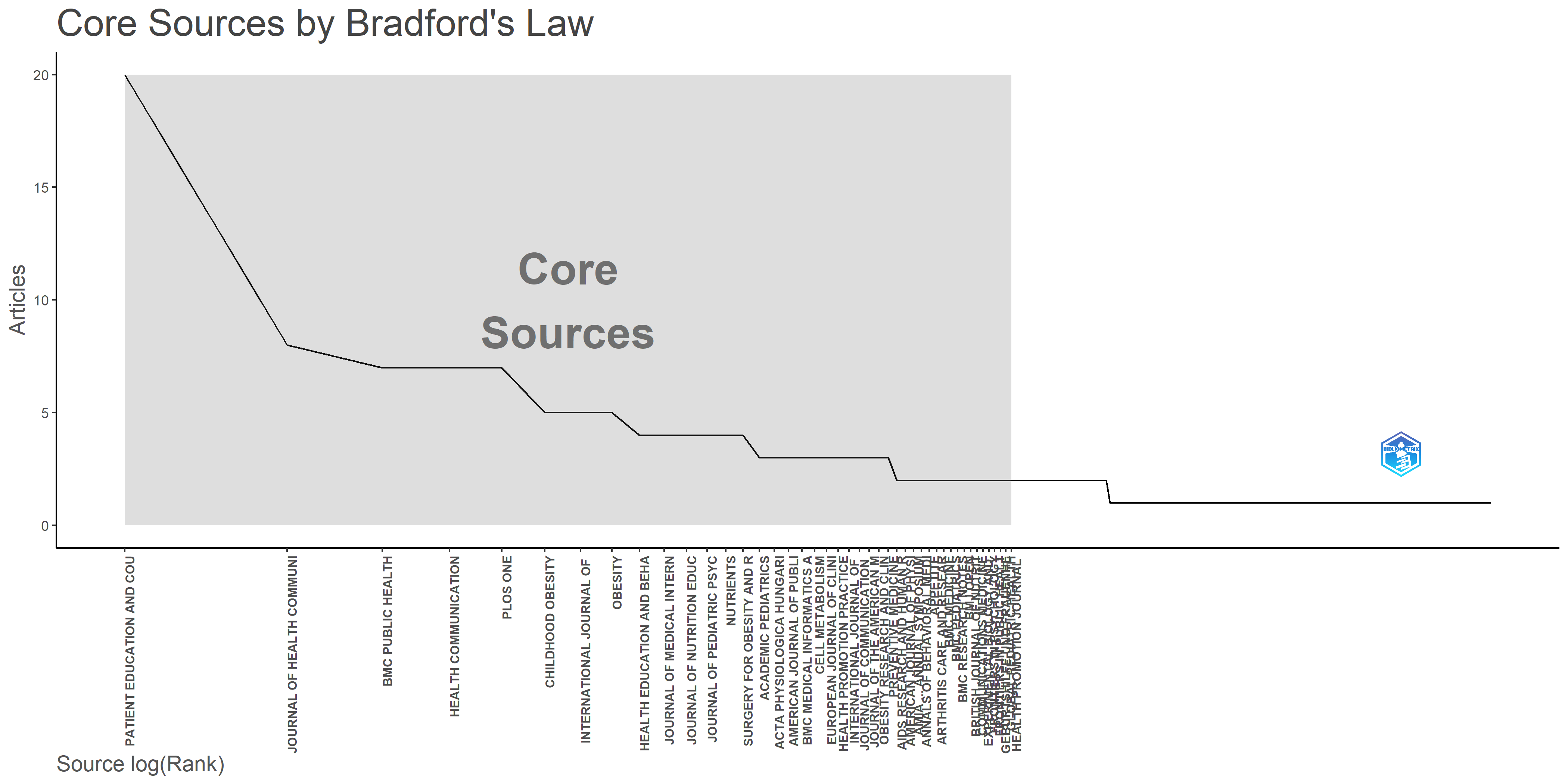
Bradford’s law states that scientific contributions in a field are unevenly distributed, with a small core of highly productive sources, followed by moderately productive sources and a long tail of less productive sources. RnSLO involved 342 sources, following Bradford’s law, with a concentration of highly cited works. The alignment of all listed journals in Zone 1 (Fig. 4) underscores their significant eminence within the corresponding scholarly realm. Journals such as “Patient Education and Counseling”, “Journal of Health Communication”, “BMC Public Health”, “Health Communication”, “PLOS ONE”, “Childhood Obesity”, “International Journal of Obesity”, “Obesity”, “Health Education and Behavior”, “Journal of Medical Internet Research”, “Journal of Nutrition Education and Behavior”, and “Journal of Pediatric Psychology” collectively represent the core literature that holds substantial sway in shaping discussions, setting trends, and propelling research within their respective fields. Their consistent presence in Zone 1 not only highlights their widespread recognition but also underscores their pivotal roles as foundational sources that researchers and practitioners heavily rely on for insights, methodologies, and advancements, thereby influencing the field’s current landscape and future trajectories.
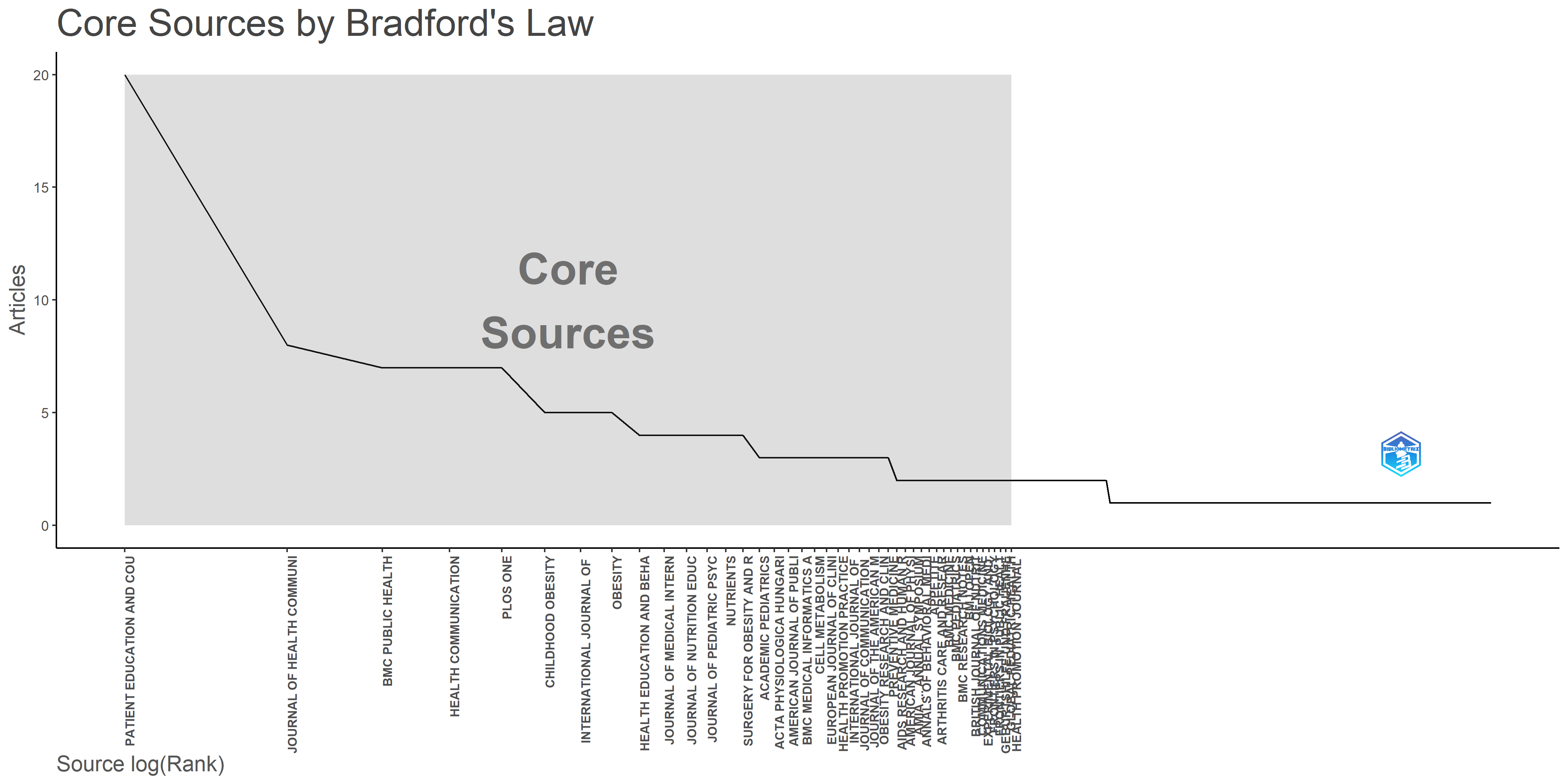 Fig. 4.
Zone one signifies journals of notable prominence and influence within the scholarly discourse related to the subject, indicating their crucial roles in shaping discussions and advancing research in the field.
Next, research hotspots within the field were identified through keyword co-occurrence analysis of 1167 authors’ keywords. “Obesity”, “Communication”, “Overweight”, “Language”, “Childhood Obesity”, “Children”, “Stigma”, “Bariatric Surgery”, “Health Communication”, and “Adolescents” were among the top-ranked words (Table 4).
| Rank | Words | Occurrences | Rank | Words | Occurrences |
| 1 | Obesity | 128 | 11 | Primary Care | 11 |
| 2 | Communication | 35 | 12 | Weight Loss | 9 |
| 3 | Overweight | 17 | 13 | Weight Management | 9 |
| 4 | Language | 16 | 14 | Electronic Health Records | 8 |
| 5 | Childhood Obesity | 14 | 15 | Nutrition | 8 |
| 6 | Children | 14 | 16 | Weight | 8 |
| 7 | Stigma | 13 | 17 | COVID-19 | 7 |
| 8 | Bariatric Surgery | 12 | 18 | Health Disparities | 7 |
| 9 | Health Communication | 12 | 19 | Hypertension | 7 |
| 10 | Adolescents | 11 | 20 | Patient-provider Communication | 7 |
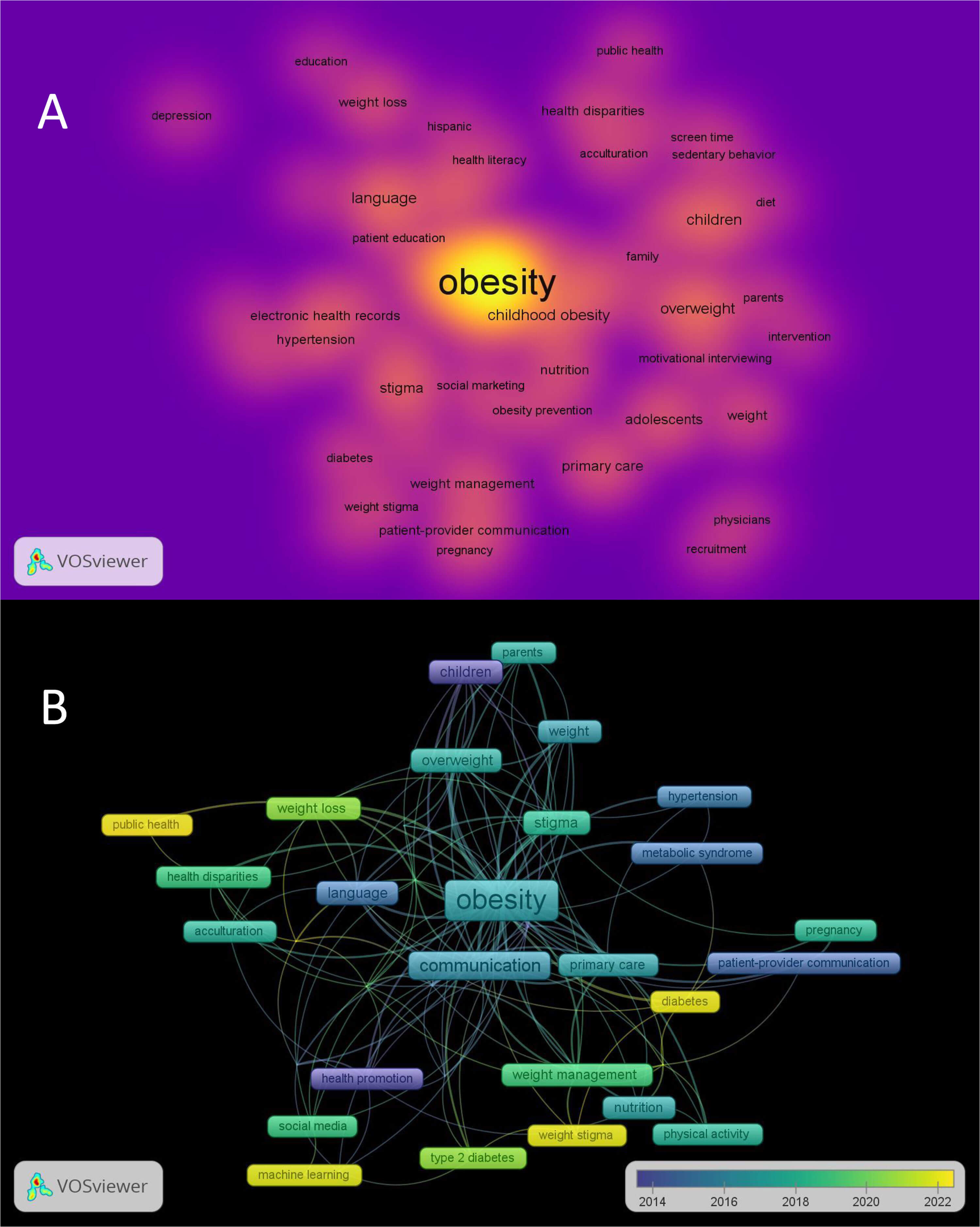
We selected terms that occurred four or more times (N = 58), and performed a clustering analysis using VOSviewer, identifying five groups representing distinct study directions (Fig. 5A). These are described below.
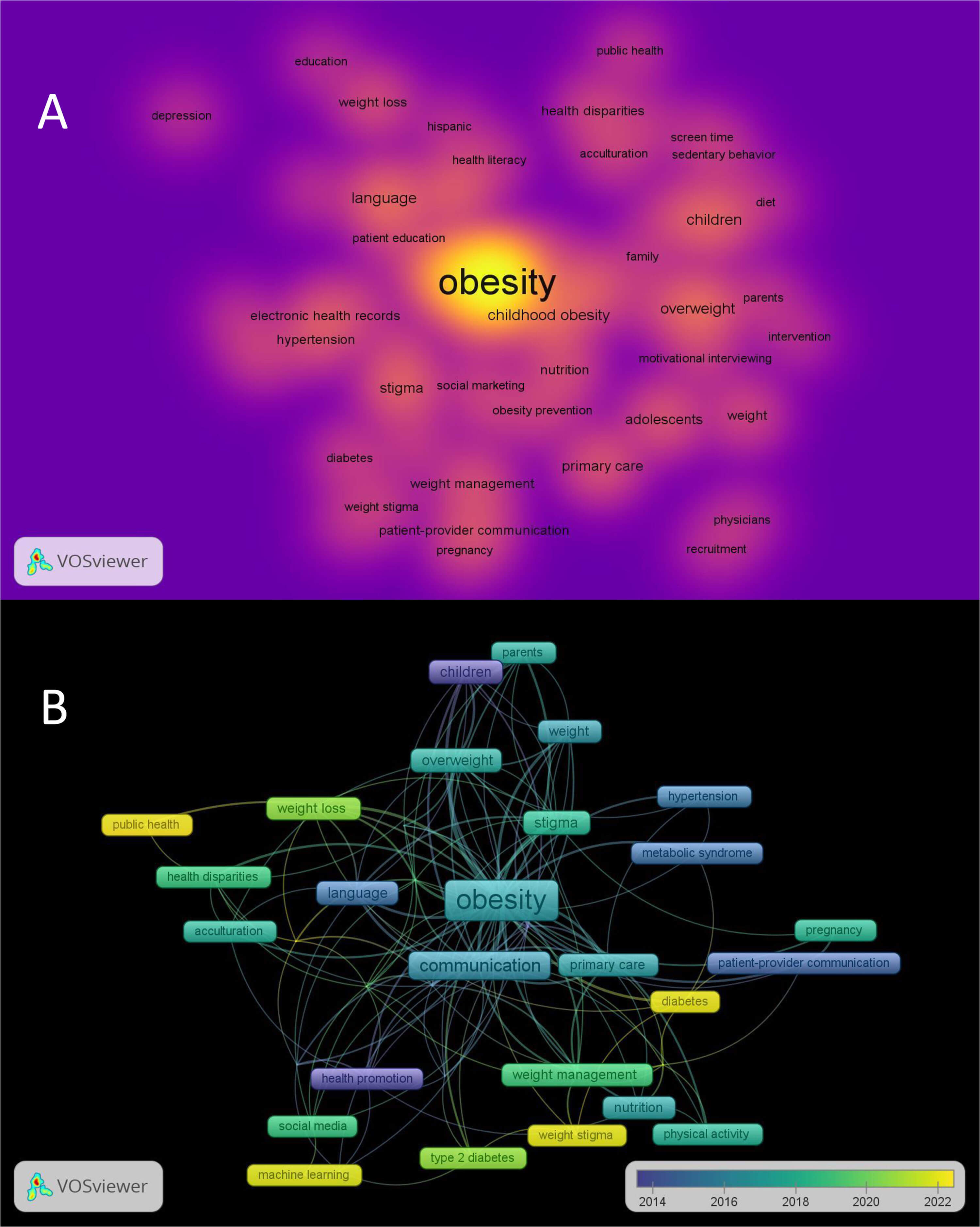 Fig. 5.
Keyword clustering and trending topic visualization in RnSLO research using VOSviewer. (A) Heatmap visualization of keyword clustering, where term density indicates research emphasis; brighter areas represent more frequently occurring terms. (B) Overlay visualization of trending topics, with keywords colored by average publication year—yellow indicating recent trends. Both maps were generated using VOSviewer software (Version 1.16.20, Leiden, Netherlands).
The main keywords include childhood obesity, body weight regulation, metabolic syndrome, brown adipose tissue, type 2 diabetes, hypertension, cardiovascular disease, and bariatric surgery.
The main keywords include patient-provider communication, health literacy, motivational interviewing, medical students, patient education, electronic health records, language, and non-stigmatizing communication.
The main keywords include digital health, artificial intelligence (AI), machine learning, natural language processing, social media, electronic health records, AI-driven healthcare, and obesity prevention.
The main keywords include health promotion, social marketing, obesity prevention, physical activity, sedentary behavior, diet, nutrition, family-based interventions, public health policies, and education.
The main keywords include weight stigma, obesity prejudice, depression, mental health, health disparities, social determinants, acculturation, recruitment, and cultural influences.
Fig. 5B shows an overlay visualization of trending topics (yellow frames). These include health literacy, diabetes, weight stigma, public health, obesity prevention, and machine learning.
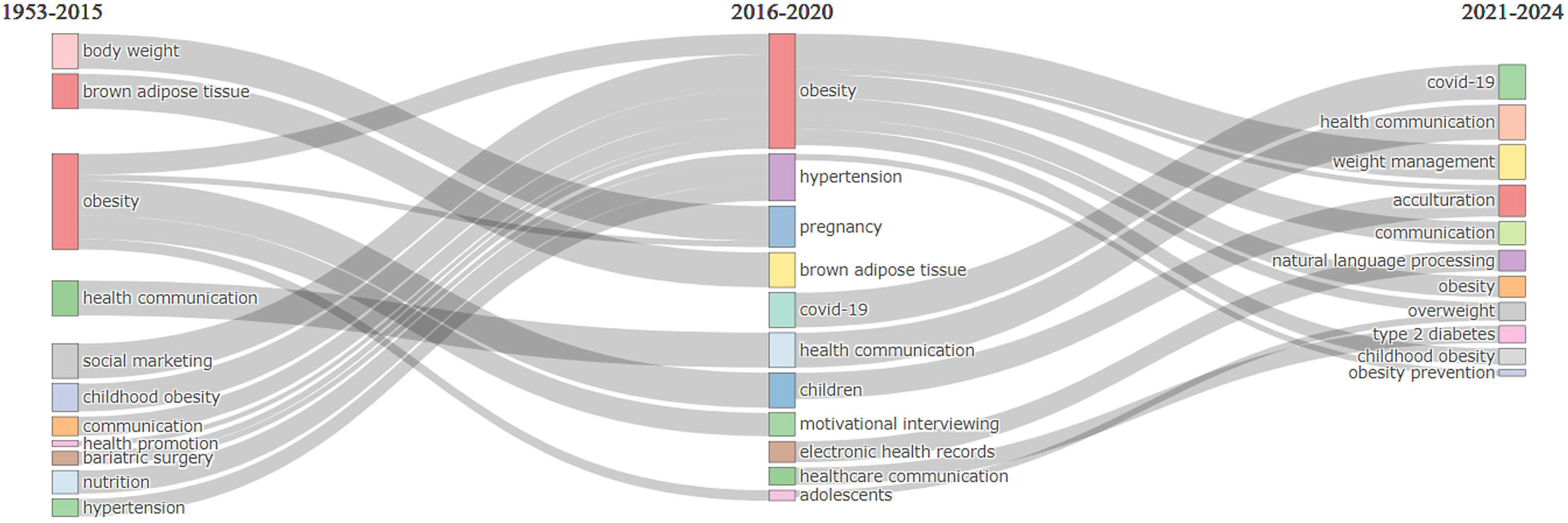
The research landscape within the specified field has undergone significant transformations across three distinct phases—1953 to 2015, 2016 to 2020, and 2021 to 2024—as visualized in Fig. 6. This evolution highlights a dynamic trajectory characterized by thematic shifts and emergent focus. Noteworthy transitions include the progression from historical explorations of bariatric surgery (1953–2015) towards hypertension (2016–2020) and obesity (2016–2020), signaling a pivot towards cardiovascular health and weight management. Similarly, the transitions from childhood obesity (1953–2015) to obesity (2016–2020) underscore a shift in research emphasis towards broader obesity-related concerns. The continuity of themes such as communication and health communication from 1953–2015 to 2016–2020 suggests a sustained interest in effective messaging strategies in healthcare. Furthermore, the recent emphasis on obesity prevention (2021–2024) following the exploration of obesity-related themes in the preceding years indicates a proactive shift towards preventive healthcare strategies. These thematic evolutions underscore the dynamic nature of the research pursuits within the field, reflecting changing priorities and evolving paradigms over time.
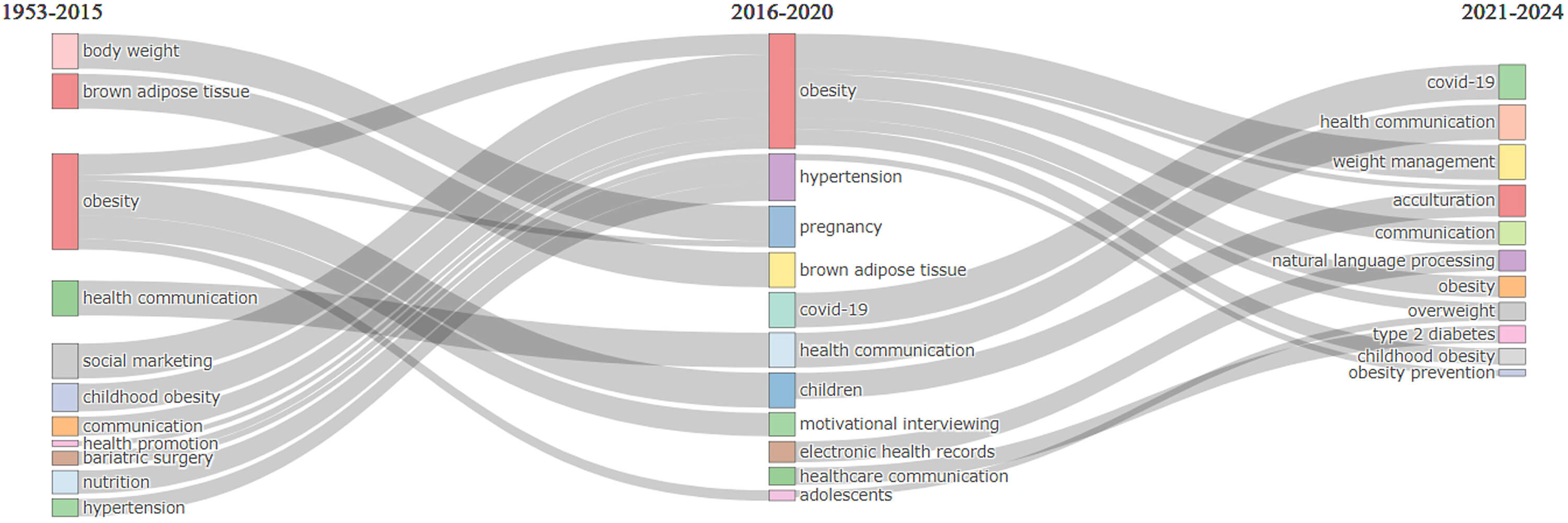 Fig. 6.
Thematic dynamicity. The figure was generated using the Bibliometrix application.
In research, education, legislation, healthcare, and media, the language and imagery used to discuss weight and obesity significantly affect societal norms and narratives. This study utilized bibliometric analysis to scrutinize RnSLO research based on data-driven studies. Original articles should preferably be used in bibliometric analysis because of their primary data sources, reliability, citation impact, in-depth analysis, knowledge generation, peer-reviewed nature, granularity of data, and ability to reflect current research trends. Together, these contribute to a more robust and informative bibliometric assessment [30, 31, 32].
Recent shifts in social attitudes, policies, and health communication technology [33, 34] have accelerated RnSLO research output growth. This growth aligns with the rising awareness of weight-related stigma, the number of health policies incorporating social inclusion, and digital health advancement. The citation impact also fluctuated. This indicates a shift in focus within the field, which is important for understanding the movement towards more comprehensive and patient-centered healthcare services, and reducing weight bias.
Meanwhile, we note concerns about the field’s depth and uniformity. For instance, RnSLO has received little study interest, with only 480 publications published. Variations in documents, citation counts, and focus in a few years indicate inconsistent research and lack of consistency. Furthermore, different growth rates in publication output across countries over decades may indicate inconsistencies, possibly reflecting financing and collaboration. Additionally, the differences in the average number of citations per manuscript suggest various degrees of attention to RnSLO research, making one even more suspicious of the sector’s recognition. To make RnSLO research more relevant and positive, regular practices, improved teamwork, and increased exposure can overcome these challenges. Obesity and weight stigma research [24, 25, 35, 36] supporting these findings is more extensive than investigations into communicative strategies to address this issue. Initiating corresponding research initiatives and urging healthcare practitioners to adopt non-stigmatizing language may expedite the transition to more affirmative and health-enhancing narratives around health and weight [5, 35, 37].
RnSLO research still predominantly comes from the United States, which has the largest share of publications due to powerful academic institutions, established policies, and substantial funding. Harvard Medical School and Johns Hopkins University are some renowned institutions which have led the field. Meanwhile, contributions from Asia and South America are lower, perhaps due to the differences in health policies, cultural attitudes toward weight, and research funding availability. Many non-Western cultures tend to perpetuate weight stigma, with relatively limited concern about using weight as a criterion for inclusion in healthcare [38, 39]. Moreover, the research budget in wealthy countries that support the study of weight stigma as a primary focus is disproportionate to that in poorer countries, where other more pressing public health issues take precedence [5]. Thus, RnSLO research is highly concentrated in one area, highlighting the need for more comprehensive multicultural studies on weight stigma.
Data visualization and bibliometric mapping are essential instruments for identifying and examining existing and prospective joint research [30, 31, 32]. This article has effectively produced several valuable visualizations depicting existing and prospective RnSLO cooperation. The United States is the most active country collaborating in research dedicated to communication and non-stigmatizing language as it relates to obesity, Numerous studies have been conducted in collaboration with researchers from various institutions in the United States, which has positively influencing the field’s development [40, 41, 42]. Our results are consistent with previous findings on the dominance of the United States in scientific collaboration in various research fields [21, 32, 43] and obesity [24, 25, 35].
Puhl R. M., a prominent scholar at the Rudd Center for Food Policy & Obesity at Yale University in New Haven, Connecticut, emerges as one of the most prolific researchers in RnSLO. Her impactful studies have delved into various critical aspects of weight-related interactions in healthcare and familial settings. From exploring physicians’ stigmatizing attitudes towards individuals with type 2 diabetes to investigating parental communication patterns about body weight and health among adolescents, Puhl’s research reveals the complex dynamics surrounding weight bias, communication practices, and their implications for patient care and adolescent well-being. Further, through studies examining topics such as weight bias internalization among adolescents seeking weight loss and adolescent reactions to parental discussions about weight, Puhl’s work underscores the importance of understanding and improving communication strategies regarding body weight across different age groups and healthcare professions [11, 12, 13, 37, 44, 45, 46, 47, 48]. Puhl also explores preferred language and communication styles when discussing obesity with clients, highlighting the significance of sensitive and effective communication in promoting positive health outcomes and reducing weight stigma in diverse healthcare settings.
Author co-citation analysis is used for mapping knowledge domains and illustrating scientific conceptual frameworks [49]. Lyna P., a highly co-cited researcher from Duke University in the United States, has significantly contributed to the field by focusing on physician-adolescent patient communication in community-based practices. She has examined recruitment challenges and solutions in this context, developing web-based interventions to enhance physician communication with adolescents about healthy weight (Teen CHAT), and the impact of physician communication styles on overweight patients’ perceptions of their encounters. Additionally, Lyna and colleagues have explored physician communication techniques for weight loss in adults (Project CHAT), predictors of weight loss communication in primary care visits, factors influencing weight-related communication with overweight adolescents during primary care encounters, and the effectiveness of teaching motivational interviewing through communication coaching on clinicians’ and patient satisfaction in primary care and pediatric obesity-focused offices [50, 51, 52, 53, 54, 55, 56]. Overall, her work underscores effective communication strategies’ importance in addressing weight-related issues in healthcare settings, particularly focusing on adolescents and weight management.
Childhood obesity, defined as excess body fat, is among the hot topics in RnSLO (Table 3). The consequences include diabetes, heart disease, and mental health problems. Causative factors include the consumption of unhealthy food, physical inactivity, genetic predisposition, and environmental factors. Corresponding measures to tackle it include an appropriate diet, regular physical exercise, and improvements in social conditions. Such approaches include education, involvement of family members, policy-oriented solutions, and community-based approaches. In the fight against childhood obesity, family units, schools, healthcare specialists, authorities, and society must collaborate to establish conditions conducive to children’s well-being [57, 58, 59, 60]. On RnSLO, several studies have measured the influence of communication tone and the use of non-stigmatizing language on child obesity. Bednarek et al. [17] suggested criteria for evaluating attitudes toward weight stigma using a language perspective. Carcone et al. [61] measured the effect of provider communication behaviors on black obese adolescents’ motivation to change. Falbe et al. [62] developed and examined the communication strategies employed by Promotoras in an obesity intervention in Latino families. Flegal and Ogden [18] addressed the problem of consistency in the language used when discussing childhood obesity. Related research has also concentrated on childhood obesity discourse on social media such as Twitter, the family-centric approach towards childhood obesity treatment, and the medical home for obese children [63, 64]. KavehFarsani et al. [65] studied the impact of family communication and body image satisfaction on obese girls’ health. Another study examined the role of threatening communications and health beliefs on changes in body weight among obese children [66]. Kushner et al. [67] created an intervention for rectifying weight bias and communication among medical trainees. Stanford and Kyle [68] underscored the importance of language and care in dealing with childhood obesity. Yu [69] focused on analyzing how different ways of speaking to children affect their perceptions of weight issues and food marketing. Clearly, effective communication and non-stigmatizing language are critical for managing child obesity, as it promotes self-motivation for change, enhances intervention measures, and the overall well-being of children and adolescents.
Healthcare practitioners and patients are the focus of patient-provider communication. Most related research has centered on face-to-face clinical encounters. However, recent scholarship has extended to include secure messaging between physicians and patients. Medicine, medical education, anthropology, sociology, sociolinguistics, and communication studies examine patient-provider communication, given its importance in understanding communication. Patient-provider communication research in various healthcare settings addresses several themes, including successful communication tactics and impediments. Themes include difficulties in interacting about pregnant women’s body weight, weight gain communication with first-time pregnant women and obstetricians, communication satisfaction between Spanish- and English-speaking parents in primary care, the effect of providers’ communication on patients’ perceptions and behavior toward a health center’s farmers market, weight counseling between primary care providers, and a paradigm shift. Overall, these studies illuminate the complexities, intricacies, and importance of patient-provider communication [33, 70, 71, 72, 73, 74, 75, 76, 77].
We used overlay visualization to show trending topics (highlighted in yellow frames). An emerging research area is obesity prevention. Various studies have explored communication’s role in the prevention [19, 34, 57, 58, 60, 78, 79, 80]. These include research on human-centered designed communication tools for early life obesity prevention; communication’s importance in multilevel interventions; comparisons of obesity prevention content in mainstream and Spanish-language media; formative research for obesity prevention strategies during pandemics; challenges and solutions in obesity prevention partnerships; tailored communication resources for diverse populations; tools for engaging policymakers in childhood obesity prevention initiatives; and feasibility studies on tailored communication for obesity prevention in pediatric primary care. These studies collectively emphasize the critical role of communication strategies in addressing obesity while considering diverse populations and unique challenges [19, 34, 57, 58, 60, 78, 79, 80].
First, this study is based on Scopus alone. While Scopus is a huge and reputable database, its lack of coverage in other databases may limit the breadth of analysis. Second, the study has non-English language publications. Although this approach supports an international scope, it excludes important evidence from non-English-speaking countries. Third, this bibliometric study is descriptive and based on quantitative indicators, such as publication and citation activity, while consistently testing the study’s research rigor or profundity is wanted. Lastly, although Bibliometrix and VOSviewer are excellent in analyzing information, a serious concern is “over-labeling”, which can result in a complete misunderstanding of the results. This adds to thematic mapping issues. Nonetheless, these trends serve useful points in understanding RnSLO research development.
RnSLO research has significantly expanded, becoming increasingly relevant in obesity management and health communication. This study reveals the field’s interdisciplinary nature, and increasing emphasis on preventive healthcare and effective communication strategies. Greater geographical and disciplinary diversity, and integrating AI and data analytics are needed to enhance research insights. Future efforts should prioritize multidisciplinary collaboration, fostering innovative approaches to improve non-stigmatizing language and its impact on healthcare outcomes.
The datasets are available upon reasonable request.
AFA participated in the conception, study design, execution, data acquisition, analysis, and interpretation, drafted, revised, and critically reviewed the article, gave final approval of the version to be published, agreed on the journal to which the article was submitted, and agreed to be accountable for all aspects of the work.
Not applicable.
Not applicable.
This research received no external funding.
The author declares no conflict of interest.
References
Publisher’s Note: IMR Press stays neutral with regard to jurisdictional claims in published maps and institutional affiliations.