
Polycystic Ovary Syndrome
Submission Deadline: 31 May 2026
Guest Editor
Special Issue Information
Dear Colleagues,
Polycystic ovary syndrome (PCOS) is one of the most common endocrine disorders, occurring in 5% to 10% of women of reproductive age. Currently, the diagnosis of PCOS is based on the following three criteria: hyperandrogenism, oligo-anovulation, and detection of polycystic ovarian morphology (PCOM) on ultrasound. PCOS is not a specific endocrine disease but a syndrome represented by a collection of signs and symptoms, and no single sign, symptom, or test is diagnostic. PCOS is characterized by its high association with chronic diseases such as metabolic syndrome, type 2 diabetes, and cardiovascular disease. Insulin resistance and the resulting hyperinsulinemia contribute to hyperandrogenism in several ways, and are the most important pathophysiological factors that explain the various phenotypic features of PCOS. However, much remains to be elucidated regarding the pathophysiology underlying the development of PCOS and the various phenotypic features associated with the syndrome.
Nonpharmacologic therapies play key roles in the treatment of PCOS. Lifestyle modification is important for patients who are overweight or obese and for those with other coexisting high risk metabolic conditions. Combined oral contraceptives are considered to be the first-line pharmacologic therapy for the classic symptoms of PCOS. Additional pharmacologic therapies may include antiandrogenic agents along with appropriate contraception for hirsutism, episodic or continuous progestin therapy for endometrial protection, insulin sensitizing agents such as metformin for abnormal glucose tolerance, and letrozole, clomiphene, or metformin for ovulation induction.
The purpose of this special issue on PCOS is to offer an in-depth exploration of the underlying pathophysiology of the syndrome, while also providing a comprehensive and current overview of its diagnosis, clinical presentation, and management. Particular emphasis is placed on the central role of insulin resistance in the pathogenesis, clinical spectrum, and therapeutic approaches to PCOS.
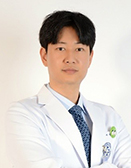
Dr. Sungwook Chun
Guest Editor
Keywords
- polycystic ovary syndrome
- pathophysiology
- diagnosis
- treatment
- insulin
- metformin
- lipids
- androgen
- obesity